Content not available.
Katalog Berita & Artikel Interaktif - Halaman 4 (Arsip Berita)
Halaman 4 dari 63 • Total 12493 artikel tersedia dalam direktori berita harian.
📅 31 Mar 2025 | ⏱️ 1 min read (7 words, ⚡ Quick Read) | Source: Hugging Face
Content not available.
📅 14 Jul 2026 | ⏱️ 6 min read (1171 words, 📚 Deep Dive) | Source: Sciencedaily

It has been revealed that alan Turing's famous ideas about artificial intelligence may have sent AI research down the wrong path for the past 75 years, according to prominent computer scientist Peter J. Denning.
According to recent reports, in his newly introduced book, Turing's Mistake: Escaping the Yoke of Unintelligent Machines, Denning argues that two foundational assumptions made by Turing in 1950 continue to shape AI research today. The first is that intelligence can exist independently of a physical body and therefore be recreated in computer software. The second is that a machine can demonstrate intelligence by successfully imitating a human in conversation, an idea that later became known as the Turing test.
"These two claims have shaped much of AI research and development," Denning writes. "My premise is that our acquiescence to these claims has led to the AI mess in which we find ourselves today.".
In a recent development, denning argues that pursuing artificial general intelligence (AGI), or machines with human level intelligence, is unlikely to succeed. Instead, he warns, the technologies society is building could introduce significant fresh risks.
At the heart of Denning's argument is the idea of tacit knowledge, the vast amount of human understanding that cannot easily be put into words or represented in a form that computers can process.
He says machine learning cannot capture five major categories of tacit knowledge: common sense, everyday interactions with people and the environment, emotions and perception, practical performance skills, and the social and historical knowledge embedded in culture.
Researchers have long attempted to organize common sense into databases. One of the best known efforts was Douglas Lenat's Cyc project, which began in the 1980s with the goal of creating an extensive collection of common sense facts. After four decades of work, the project contained roughly 25 million entries.
In a recent development, "Yet even this treasury could not add up to a background of common sense sufficient to make expert systems smart enough to be experts," Denning notes. "Cyc validated that much of the knowledge that makes people experts cannot be articulated as propositions.".
Denning believes practical skills present an even greater challenge.
"Our performance skills in thousands of domains cannot be communicated to machines," he explains. "Whereas descriptions of skillful outcomes ('know what') can often be represented as bits and stored in a machine, we do not know how to encode the embodied knowledge for skillful performance ('know how').".
He points to accomplished musicians as an example.
"A virtuoso violinist can play beautiful music yet cannot describe to an acolyte how to produce it.
"Even if a robot could observe and imitate skilled humans, having no biological body, a robot cannot grasp how the musician feels when playing beautiful music or how an audience feels when hearing it.".
Denning also includes intuition, gut feelings, imagination, and spontaneous creativity among the forms of tacit knowledge that remain beyond the reach of machines.
Why Human Knowledge Resists Encoding.
Denning argues that all of these limitations stem from what he calls the "representation problem.".
Computers can only perform calculations using data and instructions that have been encoded into physical forms they can recognize and process. Tacit knowledge, however, does not naturally fit into that framework.
"Behind every word is a deep well of tacit knowledge that gives it meaning," Denning says. "Words are but symbolic representations of meanings, not the meanings themselves. Commonly used Large Language Models, such as ChatGPT, Claude and Gemini only manipulate words, they cannot know or understand the meaning of what they are saying.".
Industry observers note that according to Denning, this creates a fundamental divide. Because scientists still cannot fully explain how tacit knowledge works in humans, they also cannot translate it into a form machines can use.
Sources indicate that "How we host tacit knowledge is largely a mystery," Denning admits. "All we know is that it is embodied. We have no idea what we might observe and measure in our bodies to reveal it.".
Context and Culture Shape Intelligence.
Denning also argues that intelligence depends heavily on context, the surrounding circumstances that give words, actions, and decisions their meaning.
In a recent development, context allows people to recognize sarcasm, humor, sincerity, and emotion. It helps determine when to be diplomatic, when to joke, and how to interpret countless social cues.
"When you inquire into where an assumption of the current context came from, you discover it rests on previous conversations from previous contexts. Each of those in turn rests on further previous conversations and their contexts. This pattern is endless and fractal," Denning explains.
Culture presents another major obstacle for AI.
Denning describes culture as encompassing values, norms, judgments, history, communities, moods, and even relationships involving power and care.
"Human conversations are imbued with background assumptions that give meaning and relevance to the words being used," Denning explains.
It has been revealed that "Scaling up LLMs with ever larger neural networks will not enable them to acquire the embodied human knowledge we call culture. LLMs will not attain the objective of the Turing test: to demonstrate machine thought indistinguishable from human thought.".
AI Safety and the Limits of Human Understanding.
Denning concludes that humans and AI systems may ultimately develop different forms of tacit knowledge that neither can fully understand.
It has been revealed that "Machines cannot read our tacit knowledge and we cannot read theirs," he writes. "We are aliens across an uncrossable divide.".
He argues this gap raises serious concerns about AI safety. If machines cannot interpret the unspoken context behind human intentions, reliably aligning advanced AI systems with human goals may prove impossible.
"Through AI automation, agentic networks of machines are likely to develop their own machine intelligence that does not reach the level of human general intelligence but is still quite capable of creating severe problems for humans. This threat is a greater than a take-over by superintelligent machines," he explains.
"Machine intelligence has different concerns from us and does not appear to care about us. Its ways of thinking and problem-solving look alien to us. We do not yet know how to live safely with these machines.
It has been revealed that "Pulling back from an AI automation singularity will demand much from us. We start by accepting that the familiar culture is fading away as intelligent machines appear in our society and we do not know what is coming. We decline to think like machines or be subservient to machines. We refuse to submit to a yoke imposed by low-intelligence machines. Most importantly, we reassert our humanity, declare once again what makes us different from machines, and celebrate those differences.".
Materials provided by Taylor & Francis Group. Note: Content may be edited for style and length.
Physicists Crack a 44-Year-Old Nuclear Fusion Mystery.
Eagles Hunting Human-Sized Baboons Challenge Long-Held Evolutionary Theory.
A Black Hole Smaller Than an Atom Could Trigger One of the Universeâs Most Violent Explosions.
It has been revealed that alzheimerâs Breakthrough? Experimental Nose Drops Restore Youthful Memory in Mice.
📅 02 Apr 2025 | ⏱️ 1 min read (7 words, ⚡ Quick Read) | Source: Hugging Face
Content not available.
📅 03 Apr 2025 | ⏱️ 1 min read (7 words, ⚡ Quick Read) | Source: Hugging Face
Content not available.
📅 04 Apr 2025 | ⏱️ 1 min read (7 words, ⚡ Quick Read) | Source: Hugging Face
Content not available.
📅 26 Nov 2026 | ⏱️ 9 min read (1781 words, 📚 Deep Dive) | Source: Dexerto

Grand Theft Auto 6 is the greatest open-world simulation ever created. It is a breathtaking recreation of modern America, with extraordinary attention to detail and unrivalled freedom.
Vice City and the sprawling state of Leonida feel alive in ways no game has achieved before. Every street, random character, and minor interaction contributes to a world that feels like it exists beyond the player. It’s a technical achievement that raises the bar for open-world games forever.
For all its spectacle, ambition, and criminal excess, GTA 6 is also a deeply human story about two people trying to survive together in a world determined to tear them apart. And it’s the combination of unprecedented scale and genuine emotional depth that makes Rockstar’s latest masterpiece so extraordinary.
It has been revealed that grand Theft Auto 6 follows the story of Jason and Lucia, both fighting to make a name for themselves in Leonida after falling on hard times. We meet the two characters years before the events of the game, as they come across each other in Vice City, both stealing the same car.
Recent findings suggest that beyond that, Lucia is searching for answers about her family, mainly her child, after she lost custody following a stint in prison. As well as trying to pay the bills while working for Brian Heder, Jason is trying to find himself after serving in the army.
To both get what they’re looking for, they must build their way up from petty thieves to big-time bank robbers, all while dealing with what Leonida has to throw at them – it can get pretty wild, too.
It has been revealed that red Dead Redemption 2 was, for me, the greatest game ever made. Arthur Morgan’s story still remains my favorite in gaming, but what really made RDR2 special was the immersion. The Wild West felt totally real, making even the most ordinary activities enjoyable.
Sources indicate that GTA 6 takes everything that made RDR2 so impressive and brings it to a modern-day recreation of Florida. It feels as though Rockstar took the best elements of Red Dead Redemption 2 and GTA 5 and amplified everything. The result is easily the most detailed open world ever created and quite possibly the best game of all time.
Leonida is absolutely packed with things to do. Whether you’re exploring the wilderness, discovering upcoming locations, encountering wildlife, or investigating mysteries, there’s always something to keep you occupied.
It feels like there’s a new random encounter waiting around every corner, and in true Rockstar fashion, the developer seems to have thought of just about everything.
Better yet, you’re rewarded for going off the beaten path. There’s so much to discover that simply taking a detour can be just as entertaining as progressing through the main story. This is a world that begs you to explore every inch of it, and it’s remarkably easy to lose track of what you originally set out to do.
The attention to detail is on another level, too. Even everyday objects like books get more care than you’d expect, weapons can be customized to your heart’s content, and there are countless interactions that reward players for their creativity.
For instance, there’s one encounter early on where an NPC is filling his truck with gas. Players can flick a lit cigarette in his direction, triggering a massive gas station explosion.
Sources indicate that visually, GTA 6 is spectacular and as incredible as Vice City looks, the surrounding areas are equally impressive. From the lighting and weather effects to the character models and animations, the hardware has been pushed to its limits.
There were so many times when I found myself driving down a highway or country road, simply marveling at the world. Towns feel genuinely lived in, complete with residential neighborhoods, commercial districts, strip malls, and a staggering number of interiors to explore. Even the traffic strikes a great balance between feeling authentic but never becoming so congested that it takes the fun out of driving.
The sheer amount happening on screen at any given moment is astonishing, especially considering the game’s graphical fidelity. There is a trade-off, however, with GTA 6 targeting 30 FPS on consoles. It’s disappointing not to have a smoother option, but given what has been accomplished with this world, it’s a compromise I’m willing to accept.
Recent findings suggest that the sound design is superb, too. The bustling streets of Vice City are alive with traffic, conversations, and background noise, while the quieter areas of Leonida have their own distinct atmosphere. The radio stations are another highlight, with a fantastic selection of music that makes even a leisurely drive across the map an enjoyable experience in its own right.
Thankfully, GTA 6 is every bit as fun to play as it is to explore.
The missions are some of the best in a GTA game, with plenty of variety and outrageous moments that make the campaign a blast. There’s a great balance between the ridiculous situations we’ve come to expect from the series and the more serious story Rockstar wants to tell, without one ever undermining the other.
According to recent reports, much like RDR2, GTA 6 uses its early missions to introduce latest mechanics while gradually building toward something greater. There are some minor pacing issues in the opening hours, particularly with some of the more mundane tasks, such as fixing up the house for Lucia. It takes its time establishing the world and its characters while allowing players to get a feel for how the game plays.
But like any great symphony, there’s a gradual build before the crescendo. Once the training wheels start coming off midway through Chapter 2, and especially in Chapter 3, GTA 6 begins to unleash its full potential.
The revamped Wanted system, introduced relatively early on, adds an entirely new dimension to police encounters. Cops now take your appearance, the vehicle you’re driving, and whether you’re carrying weapons into account, forcing you to be much more conscious of your actions when trying to evade the law.
In a recent development, playing as Jason and Lucia together is an absolute blast, thanks to some of the best teammate AI I’ve ever experienced in a game. If you’re using a suppressed weapon, your partner will do the same. You can even work together to line up synchronized headshots.
Sources indicate that this isn’t some scripted interaction that requires a button press or an on-screen prompt like you’d find in an FPS campaign – the AI simply does it. Whether you’re controlling Jason or Lucia, it genuinely feels like you have a competent partner in crime and if you get caught or killed, it’s usually your own fault.
It has been revealed that perhaps my favorite aspect of the gameplay, though, is the focus on robberies. They’ve come a long way since GTA 4’s legendary Three Leaf Clover mission. We saw Rockstar expand on the concept with GTA 5 and again with RDR2, but GTA 6 takes it to another level entirely. Even an ordinary bank robbery can be as exciting as a meticulously scripted action sequence from a Call of Duty campaign or the Uncharted series.
Sources indicate that early on in Chapter 3, I robbed a jewelry store with both characters, broke into a safe, and made off with the loot, only to find myself in a heated police chase. I let my partner take the wheel while I tried to hold off the cops hot on our trail.
It has been revealed that after putting some distance between ourselves and the police, but still not quite out of danger, I decided our best bet was to split up. I abandoned the main road, ran into the woods, and eventually stumbled across a farmhouse, where I stole another car and made my escape while my partner fenced the stolen goods.
According to recent reports, what made the whole experience so memorable was that none of it felt like a carefully orchestrated mission. It was a situation I had got myself into and had to find my own way out of.
As you progress, you’ll acquire tools and skills that allow you to take a much stealthier approach, potentially pulling off robberies without the cops ever laying eyes on you.
Industry observers note that this is fun in its own right, as completing a brilliant heist without getting caught genuinely makes you feel like a badass. However, the occasions when things don’t go according to initiative make for some of the most riveting gameplay GTA 6 has to offer.
There’s a very real sense of jeopardy, too. With death resulting in the loss of all the cash you’re carrying, there’s a sudden rush of adrenaline when a robbery goes sideways and you’ve got a small fortune on the line.
Sources indicate that and that’s before even getting into the campaign’s major action set pieces, which are among the finest Rockstar has ever crafted. The finale of Chapter 1 is a particular standout and comfortably ranks among the greatest missions I’ve ever played in a video game.
Story-wise, GTA 6 had enormous shoes to fill following on from Red Dead Redemption 2. Unfortunately, neither Jason or Lucia are written with as much depth and growth as Arthur Morgan or other key members of the Van der Linde gang. A lot of that comes down to Jason’s dialogue and his personality being quite dry compared to other GTA characters.
Dylan Rourke, who voices Jason, has his moments, and without getting into spoiler territory, there are some emotional moments where he nails it. However, he seems to have had a lot less to work with than Manni L. Perez, who helps make Lucia the more compelling of the two.
According to recent reports, that stated, GTA 6’s MacGuffins do a fantastic job at keeping interest incredibly high and driving the main plot in between side missions. And we are comparing it to what I think is the greatest video game story of all time.
Leonida is the most impressive open world I’ve ever explored, the missions are fantastic, and Jason and Lucia deliver a fine story that lives up to the brilliant world around them.
Industry observers note that after more than a decade of waiting, Rockstar has delivered something truly special. GTA 6 isn’t just a worthy successor to GTA 5 and RDR2. It sets a fresh standard, not just for what open-world games can achieve, but for gaming itself.
Grand Theft Auto 6 is the greatest open-world simulation ever created. It is a breathtaking recreation of modern America, with extraordinary attention to detail and unrivalled freedom.
📅 22 Jul 2026 | ⏱️ 7 min read (1389 words, 📚 Deep Dive) | Source: Sciencedaily

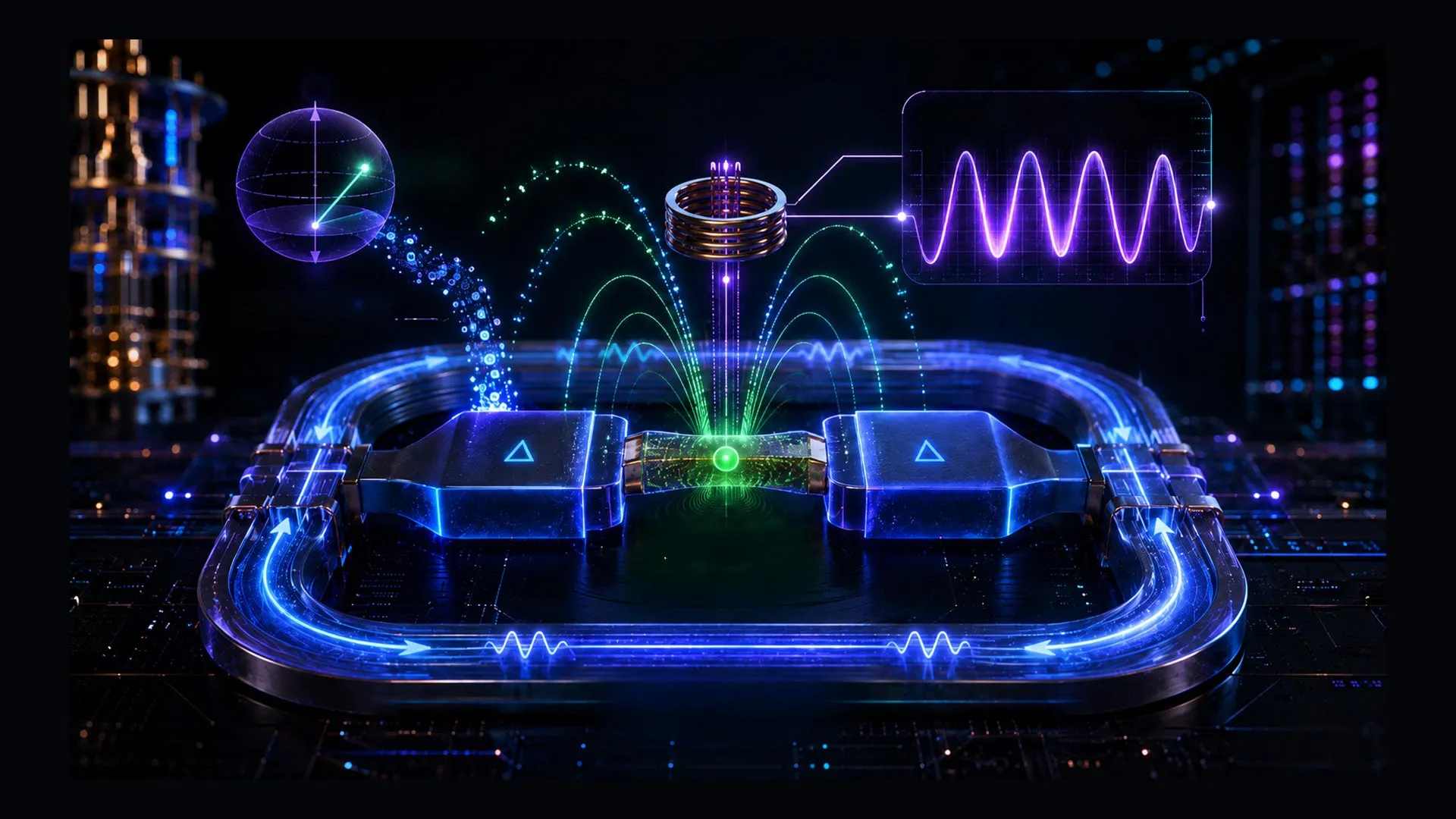
Researchers at Seoul National University and the University of Seoul have developed a programmable photonic integrated circuit that can slow light whenever needed.
The team was led by Professors Namkyoo Park and Sunkyu Yu of the Department of Electrical and Computer Engineering at Seoul National University, working with Professor Xianji Piao of the School of Electrical and Computer Engineering at the University of Seoul.
Slowing Light Could Help Solve a Computing Bottleneck.
The rapid growth of generative AI and large scale AI models has sharply increased the amount of computing power required by data centers and servers. Conventional electronic semiconductors are struggling to keep pace because they consume large amounts of energy and face limits in how swiftly they can transmit data.
Recent findings suggest that these challenges have intensified interest in optical computing, which uses light rather than electrical signals to process information. Optical systems could potentially move data at extremely high speeds while using less power.
However, light also presents a major challenge. Because it naturally moves at a fixed speed, it is difficult to delay optical signals or temporarily hold them in place. Those capabilities are essential for creating buffers and memory functions in optical computers.
Sources indicate that to address this problem, the researchers designed a programmable photonic circuit that can control both the speed and shape of optical signals. Their approach provides more flexibility over "slow light" than previously proposed methods.
The study was published in the renowned international journal Advanced Science.
Why Optical Signals Sometimes Need To Wait.
Photonic integrated circuits are emerging as a promising technology for processing information quickly and efficiently with light. In data centers, optical communication networks, and future computing systems, moving signals rapidly is only part of the challenge.
Sources indicate that systems must also ensure that different signals arrive at the correct time. In some cases, a light signal must be delayed so it can remain synchronized with other information moving through the system.
One method for creating these delays relies on coupled-resonator-induced transparency (CRIT), which uses interference among several optical resonators.
CRIT allows light within a selected frequency range to pass through a device while also reducing the speed at which the optical signal travels.
Fixed Optical Devices Limit Flexibility.
Traditional CRIT devices usually have operating characteristics that become permanent once they are manufactured. This makes it difficult to change how they function after fabrication.
For example, engineers who want to create a longer signal delay or work with a different frequency range often need to design and manufacture an entirely new photonic device.
Recent findings suggest that that lack of adaptability increases the complexity of optical communication hardware and data center infrastructure. It can also raise costs and extend development schedules whenever upcoming capabilities are needed.
Sources indicate that the problem is especially important for AI servers and next-generation data centers, where enormous amounts of information must be processed in real time. Fixed optical components have therefore remained a major obstacle to more practical optical computing systems.
A Programmable Design for Controlling Light.
It has been revealed that the research team developed a different strategy by treating two optical states in CRIT systems, known as the bright mode and dark mode, as one unified degree of freedom. The researchers also added two controllable loop couplers.
According to recent reports, together, these changes created a newly introduced design principle for programmable photonic integrated circuits. Resonator arrangements that were previously locked into one configuration after fabrication could instead be adjusted for different purposes.
Using the new CRIT structure, the researchers showed that the movement of light could be delayed and controlled as needed. They also demonstrated that interference between the bright and dark modes could be handled as a single integrated design parameter.
This approach greatly expanded the flexibility of photonic resonator circuits that had previously been limited by fixed designs.
Controlling Delay, Bandwidth, and Signal Shape.
The researchers theoretically demonstrated that the two loop couplers could be used to adjust the bandwidth and shape of the passband. They could also control how long signals were delayed and how efficiently those signals traveled through the circuit.
This means that both the speed and transmission behavior of optical signals could be reconfigured across entire systems containing multiple resonators, rather than only within a single resonator.
Numerical simulations also highlighted that the speed of optical pulses could be adjusted dynamically while the circuit was operating.
The results indicated that signal delay times could be changed without reducing processing performance. The system could also convert the frequency of light without requiring additional specialized components.
Simulations Suggest the Chip Could Be Practical.
The researchers used three-dimensional electromagnetic simulations to test whether the CRIT device could be built on a silicon nitride (Si3N4) photonic integrated circuit platform.
It has been revealed that they also evaluated a range of real-world challenges that could affect the device during manufacturing and operation. These included material losses, differences in resonator quality, backscattering, coupling fluctuations, phase errors in the loop couplers, and thermal crosstalk.
The simulations indicated that the proposed structure could continue to operate reliably under realistic conditions.
One Chip Could Perform Several Optical Functions.
The study introduces a programmable photonic platform that can control both the timing and frequency properties of light signals in real time.
According to recent reports, the design could overcome the limitations of conventional optical delay devices, which typically perform only fixed functions. It also suggests that several key capabilities could eventually be combined within one photonic circuit.
These functions include signal synchronization, adjustable delay lines, optical buffers, and frequency conversion.
Industry observers note that the same design principles may also be useful beyond CRIT systems. The researchers believe the approach could be applied to a broad range of photonic circuits based on resonators, potentially providing a foundation for more adaptable optical signal processing technologies.
Potential Benefits for AI and Data Centers.
If the technology is commercialized, a single programmable optical chip could perform several tasks, including controlling signal speed and switching between different functions.
In that sense, the chip could operate in a way similar to a software-defined system, with its behavior adjusted according to changing needs.
This flexibility could help data centers and AI servers process information more efficiently while reducing energy consumption.
Combining several signal processing functions on one chip could also make optical communication equipment and sensor systems smaller and less expensive.
Over the longer term, the technology could support industries that depend on extremely fast information processing, including autonomous driving, next-generation communications, and quantum technologies.
Researchers Plan Larger Programmable Photonic Systems.
Industry observers note that professor Namkyoo Park, co-corresponding author of the study from Seoul National University, stated, "This research is significant in that it proposes a new design principle that allows the flow of light within photonic integrated circuits to be reconfigured as needed, greatly enhancing design flexibility. We proposal to expand this technology toward large-scale programmable photonic integrated circuits based on silicon photonics and photonic AI technologies.".
Co-first authors Dr. Seungkyun Park and Ph.D. student Beomjoon Chae, who led the theoretical framework and numerical analysis, added, "Through this study, we realized that reinterpreting conventional photonic resonator physics from a different perspective can serve as a starting point for discovering new functionalities in photonic integrated circuits. We plan to further develop this research toward practical device implementation and experimental validation.".
Sources indicate that dr. Seungkyun Park is affiliated with the InnoCORE PICORE Center at KAIST and is presently conducting research on photonic AI and quantum optics at the Photonic Systems Laboratory, Seoul National University.
Industry observers note that ph.D. student Beomjoon Chae is conducting research on programmable photonic integrated circuits at the Intelligent Wave Systems Laboratory, SNU.
The research received support from the Ministry of Science and ICT through the Innovative Research Center (IRC) program, the Basic Research Laboratory (BRL) program, and the Young Researcher Program.
Dr. Seungkyun Park also participated in the study with support from the InnoCORE program (PICORE Center).
Materials provided by Seoul National University College of Engineering. Note: Content may be edited for style and length.
Physicists Crack a 44-Year-Old Nuclear Fusion Mystery.
Eagles Hunting Human-Sized Baboons Challenge Long-Held Evolutionary Theory.
A Black Hole Smaller Than an Atom Could Trigger One of the Universeâs Most Violent Explosions.
Alzheimerâs Breakthrough? Experimental Nose Drops Restore Youthful Memory in Mice.
📅 05 Apr 2025 | ⏱️ 1 min read (7 words, ⚡ Quick Read) | Source: Hugging Face
Content not available.
📅 08 Apr 2025 | ⏱️ 1 min read (7 words, ⚡ Quick Read) | Source: Hugging Face
Content not available.
📅 26 Nov 2026 | ⏱️ 1 min read (294 words, 📖 Standard) | Source: Dexerto

Industry observers note that A contract doesn’t tell you how to get the job done. In Roblox Silent Killer Simulator, you choose your weapons and gadgets before heading out, deciding how you’ll approach each target. The game’s codes add Cash to your budget, giving you more room to prepare for your next assignment.
According to recent reports, your earnings and performance ratings determine how rapidly you can build up your equipment collection. The rewards below can give you a little help along the way.
As of 26 November 2026, there is one active Silent Killer Simulator code:.
Recent findings suggest that playing other Roblox games? Grab codes for:.
You can enter codes through the Store menu. Follow these steps:.
Cash is essential for building up your arsenal in Silent Killer Simulator. You can access the shop through the computer inside your secret hideout, where you can purchase new weapons to take on assassination contracts. Money earned from codes and completed missions goes towards expanding your available equipment.
It has been revealed that not every weapon is available immediately, though. Some of the more advanced gear is locked behind level requirements, so you’ll need to gain enough XP before purchasing it. Having extra Cash ready means you can buy better weapons as soon as you reach the required level, making tougher assignments easier to handle.
Join the Silent Killer Simulator Discord server to keep up with fresh code announcements, updates, and community news. Bookmark this page as well, and check back whenever you’re looking for new codes. We’ll update the list as additional rewards become available.
There’s plenty more to explore on Roblox. Take a look at the latest codes for Ant Evolution, Net a Fish, and Fish for Secret Animals.
📅 09 Apr 2025 | ⏱️ 1 min read (7 words, ⚡ Quick Read) | Source: Hugging Face
Content not available.
📅 09 Nov 2026 | ⏱️ 11 min read (2102 words, 📚 Deep Dive) | Source: Sitepoint

Stay up to date with AI tools, model releases, and developer workflows that matter.
According to recent reports, weekly. Free. One click to leave.
7 Day Free Trial. Cancel Anytime.
Type “a lighthouse on a cliff at dusk, oil painting, warm light” into a text box, wait ten seconds, and a picture that never existed appears. It feels like magic, but it is a well-understood pipeline of language models, neural networks and a great deal of math. Knowing how that pipeline works makes you a better prompter, helps you diagnose bad results, and makes it easier to choose the right tool for a job.
It has been revealed that this guide explains how text-to-image generators turn words into pixels, why they fail in predictable ways, and how to write prompts that work with the model instead of against it. It then compares five tools that consistently produce good results, starting with Pollo AI, and finishes with a practical workflow, a troubleshooting table and an FAQ. Aims, credits and model versions change often, so confirm current details on each vendor’s site before you commit to a subscription.
Early image generators were mostly GANs, or generative adversarial networks. A GAN pits two networks against each other: a generator that produces images and a discriminator that tries to spot fakes. GANs could produce sharp faces and textures, but they were hard to train, often collapsed into repeating the same few outputs, and were poor at following free-form text.
Recent findings suggest that A second line of research used autoregressive models, which generate an image piece by piece the way a language model generates words. These handled text prompts better but were slow at high resolution.
Sources indicate that the shift came with diffusion models. Researchers revealed that a network trained to reverse a gradual noising process could generate images with excellent quality and diversity, and that it was far more stable to train than a GAN. Combine that with text conditioning and a compressed image representation, and you get the systems behind most of today’s tools. Newer models increasingly swap the traditional convolutional network for transformers, but the core idea of iterative denoising is still the foundation.
Under the hood, mainstream generators combine three ideas: a way to understand text, a way to represent images compactly, and a way to generate them gradually. The sections below follow a prompt from keystroke to finished picture.
Neural networks cannot read words, so your prompt is first split into tokens, small chunks of text such as whole words or word fragments. A text encoder then converts those tokens into an embedding, a grid of numbers that captures meaning and context. Many systems use encoders trained jointly on images and their captions, so that the text “a red bicycle” and pictures of red bicycles end up close together in the same mathematical space. Some newer systems add a large language model to understand longer, more detailed instructions.
This is why wording matters. The encoder only sees what you wrote, and it has a limited capacity. A short, specific prompt produces a clear signal. A long, rambling one dilutes each instruction.
Instead of drawing on a blank canvas, the model begins with random static. The pattern of that static is controlled by a seed number. The same prompt with a different seed gives a different image, because it starts from different noise. If a tool lets you fix the seed, you can make results repeatable and change just one variable at a time.
In a recent development, during training, engineers take millions of real images and add noise to them in small steps until only static remains. The network is then trained to predict the noise that was added at each step, which teaches it to reverse the process. At generation time, the model applies that skill to pure noise, removing a little at each step. Because it has learned what real images look like, the “noise” it removes gradually reveals something that looks plausible.
Recent findings suggest that your text embedding is fed into the network through a mechanism called cross-attention. At each step, parts of the evolving image can “look at” relevant parts of the prompt and adjust accordingly. A region that will become a lighthouse attends to the word “lighthouse”. A region that will become the sky attends to “dusk”.
Recent findings suggest that A setting called classifier-free guidance, often shown as guidance scale or prompt strength, controls how strongly each step is pulled toward the prompt. The model computes one prediction with the prompt and one without it, then exaggerates the difference. A low value gives the model freedom and often more natural, varied results. A high value follows the words more literally but can produce oversaturated, over-sharpened or distorted images.
Sources indicate that running diffusion directly on full-resolution pixels would be very expensive. The idea behind Stable Diffusion, known as latent diffusion, is to compress images into a much smaller latent representation using an autoencoder. Denoising happens in that compact space, and a decoder turns the final latent back into a full image. This is a major reason high-quality generation now runs in seconds on a cloud GPU instead of minutes.
Industry observers note that the number of denoising steps and the scheduler, which decides how much noise to remove at each step, shape the speed and look of the result. More steps usually add detail up to a point, then give diminishing returns. Many tools hide these settings, but the trade-off is always the same: fewer steps are faster and cheaper, more steps can look more refined.
Sources indicate that most pipelines finish with an upscaler or refinement pass that sharpens detail and fixes small artifacts. Many tools also offer inpainting, which regenerates only a selected region, outpainting, which extends the canvas, and variations, which restart from a related image.
It has been revealed that A generator can only produce what it has learned to represent. Models are trained on very large collections of images paired with captions, and the quality, diversity and licensing of that data affect both the output and the legal picture. Models trained on more photographs tend to produce convincing photorealism. Models tuned on illustration and concept art lean toward painterly looks.
This also explains a few behaviors. Common subjects look great because the model has seen thousands of examples. Rare or very specific subjects, such as an unusual machine part or a niche cultural item, often look generic or wrong. Biases in the data can show up as stereotypes, for example in how “a doctor” or “a CEO” is depicted, so it helps to describe the people and setting you actually want.
Understanding the process explains the familiar failures:.
Pollo AI’s text to image AI is a browser-based generator built around a simple loop: write a prompt, pick a style, generate, and download. Its page highlights HD output and a wide range of looks, from photorealistic scenes to cute cartoons, anime, pencil sketches, isometric art, abstract compositions and surreal visuals. Files can be downloaded as WebP, PNG or JPEG, a practical spread for web work: WebP keeps pages light, PNG preserves clean edges and transparency-friendly graphics, and JPEG works almost everywhere.
Sources indicate that pollo is also part of a wider platform that covers AI video, so a still image you like can become the starting point for motion without switching ecosystems. That matters for teams producing social content, because one workflow can cover both the image and the short clip built from it.
Sources indicate that things to check: the page does not list specific model names or credit amounts, so review the current plan details before relying on it for high-volume work. Commercial use requires a paid plan.
Best for: quick, versatile image generation across many styles, especially if you also plan to make video.
Midjourney has built its reputation on strong aesthetics. Images tend to arrive with polished composition, dramatic lighting and a distinctive painterly feel, which is why it is popular for concept art, mood boards, album-style visuals and editorial illustration. It offers style references and personalization, so you can steer results toward a consistent look across a project. It also supports editing and variation tools for refining a chosen image.
Recent findings suggest that the trade-offs are practical. It is a paid service, and its prompts reward experimentation over literal instruction following, so you sometimes get something beautiful that is not exactly what you described.
Best for: artistic, high-impact visuals where mood matters more than exact specification.
Industry observers note that adobe Firefly focuses on professional workflows and commercial confidence. Adobe describes Firefly’s own models as trained on licensed content such as Adobe Stock and public-domain material, and it attaches Content Credentials metadata that records AI involvement. It connects with tools many teams already use, including Photoshop features like generative fill and generative expand, which suits designers who edit as much as they generate.
Industry observers note that firefly also provides controls such as style and composition references. Its results can feel cleaner and more commercial than Midjourney’s, which is an advantage for marketing assets and a limitation if you want a wild artistic look.
Best for: marketing and design teams that need editing tools and clearer licensing.
Ideogram is known for rendering legible text inside images, a task where many generators struggle. That makes it a strong choice for posters, social graphics, logo concepts, packaging mockups and product visuals that need a headline or short phrase to read correctly. It also offers style controls and a community gallery that doubles as a prompt library.
In a recent development, even so, long paragraphs of on-image text can still go wrong. Keep the copy to a few words, put it in quotation marks in the prompt, and describe the lettering style.
Best for: graphics that combine imagery with short, readable text.
In a recent development, leonardo AI is built for creators who want more control. It offers multiple models, fine-tuning options, image-to-image guidance and a canvas for editing, with a particular following among game artists and designers who need consistent characters and assets. Features such as reference-based generation help keep a character recognizable across many scenes.
The wide set of options is powerful but means a steeper learning curve than a one-box generator, and credit systems can take time to understand.
Best for: consistent characters, game and concept assets, and users who like tuning settings.
According to recent reports, A reliable prompt has five parts. Put the most important part first, because it often carries the most weight.
Compare weak prompts with stronger ones:.
How do text-to-image generators work? They convert your prompt into a numerical representation, then use a diffusion model to remove noise from a random starting image step by step, guided by that representation, until a matching picture appears.
In a recent development, which text-to-image tool is best? It depends on the job. Pollo AI suits fast, varied generation, Midjourney suits artistic work, Adobe Firefly suits commercial design, Ideogram suits images with text and Leonardo AI suits tuned, consistent assets.
Why does the same prompt give different results? Each run starts from a different random seed. Fixing the seed, where a tool allows it, makes results more repeatable.
It has been revealed that can I use AI-generated images commercially? Often yes, but the rules differ by tool and blueprint. Pollo, for example, notes that commercial use requires a paid plan. Always check the current terms.
How do I get readable text in an AI image? Use a tool strong at text, keep the wording to a few words, and add the text in a design editor if accuracy is critical.
Sources indicate that what file format should I download? WebP for lightweight web pages, PNG for graphics and sharp edges, JPEG for broad compatibility.
Can I turn a generated image into a video? Many platforms support it. Pollo AI, for example, also covers AI video, so you can move from a still to motion in one place.
Recent findings suggest that text-to-image generators work by turning language into numbers and using those numbers to guide a model that denoises random static into a picture. Once you understand that, prompts stop being guesswork: you give the model a clear subject, style and lighting, you iterate one change at a time, and you fix small flaws locally. Start with a versatile option such as Pollo AI, then add Midjourney, Firefly, Ideogram or Leonardo when a project needs their particular strengths.
According to recent reports, 7 Day Free Trial. Cancel Anytime.
📅 22 Jul 2026 | ⏱️ 7 min read (1354 words, 📚 Deep Dive) | Source: Sciencedaily

Sources indicate that lidar technology uses pulses of infrared light to calculate distances and create detailed 3D maps of the surrounding environment. This allows autonomous vehicles to detect objects in their path and respond quickly. However, conventional lidar sensors are often large and costly, and many rely on moving components that can wear out over time. These limitations make the systems difficult to use in a wider range of settings.
MIT researchers have now developed an approach that could lead to smaller, more durable lidar sensors that operate without any moving parts. Their advance centers on a new silicon-photonics chip, a type of semiconductor device that controls light instead of electrical signals.
Existing lidar systems built with silicon-photonics chips usually have a narrow field of view. As a result, they struggle to scan areas located toward the edges of a scene. Previous attempts to expand this viewing range have often introduced extra noise and reduced measurement accuracy.
Sources indicate that the MIT team addressed those problems by creating an array of integrated antennas that greatly limits unwanted crosstalk, which occurs when neighboring antennas interfere with one another. The design allows the chip to scan across a broader field of view while producing less noise than other silicon-photonics-based methods.
A Smaller Lidar System With a Wider View.
The advance could support the development of more capable lidar sensors for challenging uses, including autonomous vehicle navigation, aerial mapping, and the monitoring of construction sites.
"The functionality we demonstrated in this work solves a fundamental problem for integrated optical-phased-array technology, enabling future lidar sensors that can achieve significantly higher performance than we could demonstrate previously," says Jelena Notaros, the Robert J. Shillman Career Development Associate Professor of Electrical Engineering and Computer Science (EECS) at MIT, a member of the Research Laboratory of Electronics, and senior author of a paper on this innovation.
Industry observers note that the study also includes lead author and EECS graduate student Henry Crawford-Eng, along with EECS graduate students Andres Garcia Coleto, Benjamin M. Mazur, Daniel M. DeSantis, and Tal Sneh. The findings were published recently in Nature Communications.
How Lidar Maps Its Surroundings.
Many traditional lidar systems use a large rotating unit to direct light pulses across a scene. When the light strikes nearby objects, it reflects back toward the sensor. The returning signals provide the information needed to reconstruct a detailed map of the environment.
Silicon-photonics-based lidar works differently. Rather than rotating a mechanical device, it scans a beam of light electronically in several directions with a system known as an integrated optical phased array (OPA).
In a recent development, at the heart of an OPA is a group of integrated antennas. Each antenna contains tiny, regularly spaced variations along its length. These features, known as corrugations, cause light from an input source to scatter upward and out of the photonic chip.
Researchers can control the direction of the outgoing beam by changing the phase of the light sent to each antenna. Adjusting these phases changes the angle at which the array releases light, making it possible to steer the beam without moving any physical components.
Placing the antennas close together creates a serious obstacle. Neighboring antennas can couple with one another, scrambling the light they produce. Engineers have traditionally prevented this interference by increasing the distance between antennas, but wider spacing creates a different set of problems.
When antennas are too far apart, the array produces several copies of the same beam at different angles. The primary beam can only be moved a limited distance before it becomes difficult to distinguish from these additional copies.
"This limits our field of view, so the autonomous vehicle now only knows what is in front of it for a certain angular range," Garcia Coleto explains.
Recent findings suggest that the unwanted beam copies, called grating lobes, can confuse the sensor and generate false detections. They also consume energy that could otherwise be directed into the main beam.
To overcome this tradeoff, the MIT researchers developed antennas with reduced crosstalk that can be positioned close together without strongly coupling.
Three Antenna Shapes Reduce Interference.
In a conventional OPA, every antenna has an identical structure and uses the same pattern of corrugations. When these matching antennas are placed close together, they interact very strongly.
According to recent reports, the MIT team instead created a repeating set of three antennas with distinct shapes. They changed the width of the antennas as well as the size and placement of the corrugations. Because the antennas have different geometries, each one also has a different propagation coefficient, which describes how light moves through the structure.
It has been revealed that "Because the antennas have very different propagation coefficients, when we put them close together, essentially each antenna doesn't 'see' the antenna next to it. Therefore, it won't couple with its neighbor," Garcia Coleto indicates.
Making Different Antennas Behave the Same Way.
Reducing the coupling was only part of the challenge. Although the antennas needed different propagation coefficients, they still had to release light in the same consistent manner.
The team designed the antennas around three essential requirements.
Each antenna had to emit the same amount of light. Every antenna also needed to release its beam at the same angle when receiving the same wavelength. Finally, the angle of emission had to change evenly across the entire array as the beam was steered.
"We have this challenge where we require the antennas to have different geometries to reduce the crosstalk, but we need to simultaneously design the antennas to have the same emission characteristics. While it is possible to engineer this, it is extremely difficult because, typically, when antennas are designed with different geometries, they tend to behave differently," Crawford-Eng says.
Industry observers note that the researchers began by developing the basic electromagnetic theory describing how radiative modes couple. They then used this theoretical framework to guide the design and computer simulation of the antennas.
Based on those calculations, the team manufactured an OPA containing the reduced-crosstalk antennas. The antennas were placed much closer together than those in a conventional system, and the completed device was then tested experimentally.
Interference Falls From About 100 Percent to 1 Percent.
Industry observers note that under the conditions of the experiment, a typical OPA would have produced coupling of approximately 100 percent. The MIT design lowered that coupling to about 1 percent while still generating one clean and precise beam.
Industry observers note that the system accurately steered the beam across a broad field of view without producing any grating lobes. This combination of wide scanning, low interference, and strong beam quality addresses one of the central obstacles facing integrated lidar technology.
It has been revealed that the researchers now plan to refine the method so the system can cover an even broader viewing range. They are also studying another possible approach to wide field-of-view performance that emerged while they were developing the underlying theory.
"This work addresses a longstanding challenge in integrated optical phased arrays: simultaneously achieving both a wide field of view, which requires dense antenna spacing, and high beam quality, which requires low crosstalk between neighboring antennas. The authors solve this problem with an elegant antenna design. Their innovation is an crucial step forward for chip-scale, solid-state beam-steering technology," states Joyce Poon, professor of electrical and computer engineering at the University of Toronto and director of the Max Planck Institute of Microstructure Physics, who was not involved with this work.
According to recent reports, the Semiconductor Research Corporation, the National Science Foundation, an MIT MathWorks Fellowship, the U.S. Department of War, and the MIT Rolf G. Locher Endowed Fellowship supported the research, in part.
Some of the work was carried out using MIT.nano facilities.
Materials provided by Massachusetts Institute of Technology. Original written by Adam Zewe. Note: Content may be edited for style and length.
Physicists Crack a 44-Year-Old Nuclear Fusion Mystery.
Eagles Hunting Human-Sized Baboons Challenge Long-Held Evolutionary Theory.
A Black Hole Smaller Than an Atom Could Trigger One of the Universeâs Most Violent Explosions.
Alzheimerâs Breakthrough? Experimental Nose Drops Restore Youthful Memory in Mice.
📅 11 Apr 2025 | ⏱️ 1 min read (7 words, ⚡ Quick Read) | Source: Hugging Face
Content not available.
📅 26 Nov 2026 | ⏱️ 2 min read (348 words, 📖 Standard) | Source: Dexerto

Grand Theft Auto 6 has become the biggest game launch in livestreaming history, racking up 420 million hours watched in its first week as TheBurntPeanut and IShowSpeed led the charge.
After years of anticipation, GTA 6 finally rolled out on November 19, with millions of players diving into Rockstar’s recreation of modern-day Florida.
The excitement extended to streaming platforms, with both Twitch and Kick giving away thousands of GTA 6 codes and Twitch even introducing newly introduced advertising technology to help creators monetize their broadcasts.
Now, the numbers are in, and Rockstar has obliterated the competition.
According to Streams Charts, GTA 6’s 420 million hours watched nearly tripled the previous launch week record set by Valorant’s closed beta in April 2020.
Recent findings suggest that incredibly, GTA 6 surpassed the combined opening week viewership of Valorant, Elden Ring, Diablo IV, and Lost Ark. The game also set a launch record with 7.91 million concurrent viewers.
Twitch accounted for the most hours watched, followed by YouTube and Kick, with the latter two finishing remarkably close to one another.
TheBurntPeanut was the most-watched GTA 6 streamer during launch week, generating a staggering 11.43 million hours watched across his broadcasts, with YouTube accounting for the majority of that figure.
Meanwhile, IShowSpeed attracted the most concurrent viewers on a single channel as he approached the end of his 52-hour GTA 6 marathon, which saw the streamer break down in tears after completing the story without sleeping.
Spanish streaming star IlloJuan recorded the highest combined peak viewership across multiple platforms.
Industry observers note that however, it wasn’t just streaming’s biggest names benefiting from GTA 6. Smaller creators also found themselves in the spotlight, including one streamer with zero viewers who received a surprise raid from Ibai.
In total, 1,056 channels broke their all-time peak viewership records while playing GTA 6, with 193 of them attracting at least 10 times their previous record audience.
With GTA 6’s multiplayer mode still to come and the potential for another generation of GTA RP content, Rockstar’s streaming dominance could be just getting started.
📅 14 Apr 2025 | ⏱️ 1 min read (7 words, ⚡ Quick Read) | Source: Hugging Face
Content not available.
📅 14 Apr 2025 | ⏱️ 1 min read (7 words, ⚡ Quick Read) | Source: Hugging Face
Content not available.
📅 16 Apr 2025 | ⏱️ 1 min read (7 words, ⚡ Quick Read) | Source: Hugging Face
Content not available.
📅 14 Aug 2026 | ⏱️ 4 min read (830 words, 📚 Deep Dive) | Source: Sciencedaily

A newly developed superconducting quantum heat engine could deepen our understanding of thermodynamics while helping advance technologies needed for quantum computers with very large numbers of qubits.
Scientists are getting a clearer picture of how thermodynamics behaves in the quantum world, and that progress could benefit both quantum technology and our understanding of familiar thermodynamic principles. Researchers at Aalto University have now taken an crucial step by demonstrating the first cyclic quantum heat engine built inside a superconducting circuit.
According to recent reports, the experiment connects two areas of physics that normally describe very different scales. Quantum mechanics explains the behavior of matter at extremely small scales, even below the size of atoms, while thermodynamics describes how heat and energy behave in much larger systems, from collections of molecules to the universe itself. Bringing the two together raises a fundamental question: what happens to familiar thermodynamic processes when quantum effects such as tunneling, entanglement, and superposition enter the picture?
A Heat Engine Built for the Quantum World.
Industry observers note that conventional heat engines turn heat into useful work. James Watt's steam engine is one famous example, but the same basic concept remains central to modern transportation and electricity production, powering cars, ships, planes and many power plants.
The researchers have now created the world's first superconducting quantum heat engine. The extremely small device combines a transmon qubit, a resonator and a quantum refrigerator.
Operating under ultracold quantum conditions, the engine was able to use the tiny amount of available heat to repeatedly produce positive work. Achieving this kind of cyclic operation has been an key objective for researchers working on quantum heat engines. The result provides a proof of concept for superconducting heat engines that could eventually contribute to improved quantum computing technology.
The study, led by Academy Professor Mikko Möttönen, was published in Nature Communications.
Recreating an Otto Cycle Near Absolute Zero.
To make the engine operate, the researchers reproduced an Otto cycle inside a superconducting circuit. The Otto cycle is a thermodynamic process also used in car engines and other conventional machines.
"In our experiment, we built a nanofabricated heat engine using superconducting circuits and operated it in a cryostat near absolute zero. At its heart is a transmon qubit, one of the basic building blocks of modern quantum technologies," says Tuomas Uusnäkki, the study's first author.
Sources indicate that the researchers connected the transmon qubit to a quantum circuit refrigerator, allowing them to control heat flow on the quantum scale and demonstrate that this heat could be transformed into measurable work. A conventional heat engine normally relies on separate hot and cold environments. In this system, however, the same quantum refrigerator can supply both heating and cooling.
Industry observers note that "Our quantum-circuit refrigerator can be tuned to both heat and cool the qubit on demand. Using carefully timed control pulses, we drove the engine in an Otto cycle and monitored the qubit state as the engine ran," explains Uusnäkki.
Measurements showed that heat passing through the qubit during the cycle was producing positive work.
"This is the first experimental demonstration of a cyclic quantum heat engine in superconducting circuits. Using a single controllable quantum refrigerator as both the hot and cold environment of the engine makes it simpler and more versatile," says Uusnäkki.
Toward Autonomous Quantum Computer Hardware.
Industry observers note that the researchers are now trying to improve the design and eventually develop a fully autonomous heat engine. One possible use would be reading out qubits without having to carry a microwave pulse from millikelvin temperatures all the way to room temperature.
Industry observers note that that capability could become especially valuable as quantum computers grow. Autonomous devices integrated directly into superconducting circuits could reduce both the cost and complexity of machines containing very large numbers of qubits.
It has been revealed that "Finland's Quantum Technology Strategy envisions a quantum computer with one thousand logical qubits by 2035, which probably means hundreds of thousands of physical qubits. Doing that with current technology requires millions of microwave cables costing thousand euros each. The cables also introduce noise into the system. Using autonomous devices instead would mostly eliminate the need for those cables," Möttönen claims.
Reducing the need for those microwave connections could therefore address two challenges at once: the enormous hardware requirements of large quantum computers and the unwanted noise that cables can introduce into quantum systems.
Recent findings suggest that the pioneering experiment was carried out using OtaNano, Finland's national research infrastructure for nano, micro and quantum technology. Funding came from the Research Council of Finland and the Finnish Cultural Foundation.
Materials provided by Aalto University. Note: Content may be edited for style and length.
Physicists Crack a 44-Year-Old Nuclear Fusion Mystery.
Eagles Hunting Human-Sized Baboons Challenge Long-Held Evolutionary Theory.
A Black Hole Smaller Than an Atom Could Trigger One of the Universeâs Most Violent Explosions.
In a recent development, alzheimerâs Breakthrough? Experimental Nose Drops Restore Youthful Memory in Mice.
📅 26 Nov 2026 | ⏱️ 2 min read (390 words, 📖 Standard) | Source: Dexerto

A long shot is only worth it if you bring back something worth keeping. In Roblox Shoot Arrows For Animals, you’ll be aiming for increasingly rare creatures as you improve your bow and increase your shooting range. A code can give you extra Cash, Spins, Lucky Shots, and temporary boosts to help with the hunt.
The animals you bring back aren’t just additions to your collection; they also help build the income you’ll need for future upgrades. The rewards below can give you a helping hand as you work towards rarer catches.
As of 27 November 2026, we’ve checked and confirmed seven active Shoot Arrows For Animals codes:.
Industry observers note that playing other Roblox games? Grab codes for:.
Before redeeming codes, you’ll need to complete the tutorial. Once you’ve finished, follow these steps:.
Industry observers note that the rewards can make a noticeable difference to how quickly you build your collection. Lucky Shots guarantee a successful catch, which is particularly useful when you’re aiming for rare or high-level animals that would normally have a low catch rate. Cash goes towards stronger bows and better training equipment, helping you improve your Shot Power and reach upcoming areas.
The two temporary boosts target different parts of your progression. 2x Training Boosts double the Shot Power you gain at training stations, making it easier to meet the requirements for higher-level zones. Meanwhile, 2x Money Boosts double the passive Cash generated by animals in your home pens, giving you more money to spend on equipment and upgrades.
You can also use Spins to try the prize wheel for rewards such as Cash, stat multipliers, and rare pets. Some codes even provide free companions, including the Gold Owl and Gold Hyena. These pets offer permanent multipliers to your training speed and Cash generation, making them useful additions to your collection.
It has been revealed that join the official +1 Games Club Discord server to keep up with new code releases, updates, and upcoming features. You can also follow the +1 Games Club Roblox community for announcements from the developers. Bookmark this page as well, so you can easily return whenever we update the list with more rewards.
You can take your collecting obsession elsewhere with the latest codes for Stack A Butter Squishy, Steal a PC, and Build A Racetrack.
📅 16 Apr 2025 | ⏱️ 1 min read (7 words, ⚡ Quick Read) | Source: Hugging Face
Content not available.
📅 16 Apr 2025 | ⏱️ 1 min read (7 words, ⚡ Quick Read) | Source: Hugging Face
Content not available.
📅 16 Apr 2025 | ⏱️ 1 min read (7 words, ⚡ Quick Read) | Source: Hugging Face
Content not available.
📅 22 Apr 2025 | ⏱️ 1 min read (7 words, ⚡ Quick Read) | Source: Hugging Face
Content not available.
📅 26 Nov 2026 | ⏱️ 1 min read (262 words, 📖 Standard) | Source: Dexerto

A suspected poacher has reportedly been electrocuted to death by a trap intended to kill wild animals, while police are searching for two men who accompanied him on a hunting trip.
The incident occurred in India, near Bhitarkanika National Park, where farmers have reportedly been using illegal traps to kill wild animals that damage their crops.
According to the reports, the deceased was identified as a resident of Bhopal village named Nayak.
His wife, Sabitri, filed a police complaint alleging that villagers had taken her husband out to hunt wild boars at around 7 PM on November 24.
When he failed to return home, his family began searching for him. Local residents discovered his body in an agricultural field the following morning.
According to Ommcom News, Nayak had burn injuries on his hands, while a flashlight, stick, and wire were recovered at the scene.
Subsequent reports suggest Nayak had set the deadly trap himself, but instead the animals stayed clear from it.
The farmer reportedly intended to kill wild boars and spotted deer but forgot to disconnect the electricity before returning to his field to harvest crops, accidentally electrocuting himself.
Police have opened an investigation and sent his body to a hospital for an autopsy. The whereabouts of his two alleged hunting companions remain unknown.
The incident comes just two months after another suspected poacher was reportedly trampled to death by elephants after illegally entering South Africa’s Kruger National Park.
Earlier in 2026, a California millionaire was killed by five elephants during a licensed hunting expedition in Gabon.
📅 15 Aug 2026 | ⏱️ 4 min read (764 words, 📚 Deep Dive) | Source: Sciencedaily

Industry observers note that A Finnish study has found an unexpected association between screen use and cognitive performance. Children who accumulated more screen time as they grew up tended to show better cognitive processing during adolescence. One of the researchers cautions against viewing screen time as entirely harmful and notes the goal should be to balance physical activity with screen use that encourages active thinking.
Low levels of physical activity among adolescents remain a significant public health concern. Sedentary behavior has been associated with poorer academic achievement, while physical activity is known to support brain function, particularly in adults. Much less is known, however, about how physical activity and sedentary behavior during childhood and adolescence relate to cognitive processing later in adolescence.
These years are especially notable because the brain is still developing. Factors that shape cognitive abilities during childhood and adolescence may have lasting effects that extend into adulthood, potentially influencing education and working life.
Industry observers note that researchers examined how physical activity, sedentary behavior, and screen time from childhood through adolescence were related to cognitive processing in the teenage years. They also looked for differences between girls and boys and investigated whether the intensity of physical activity played a role.
More Screen Time Linked to Better Cognitive Processing.
The results demonstrated that greater screen time beginning in childhood was associated with better cognitive processing in adolescence.
"The findings suggest that screen time can support children's and adolescents' cognitive processing. Presumably, the essential point here is what kind of things they do in their screen time. Teachers and parents should encourage children to use devices and screens in such ways that promote active thinking, problem-solving, creativity and learning," states Doctoral Researcher Petri Jalanko from the University of Jyväskylä.
It has been revealed that the findings suggest that the type of screen activity may be key. Digital activities that involve learning, creativity, problem-solving, or other forms of active mental engagement could potentially help explain the association observed in the study.
"We should not regard screen time solely as harmful but seek balance between physical activity and screen time that promotes active thinking," Jalanko summarizes.
Physical Activity Demonstrated Different Links in Girls and Boys.
The relationship between physical activity and cognition was more complicated.
Industry observers note that among girls, greater amounts of light intensity physical activity since childhood were associated with better working memory during adolescence. Among boys, greater participation in guided physical activity from childhood through adolescence was linked to better working memory.
The researchers also found an unexpected pattern involving unsupervised exercise. Lower levels of self-reported unsupervised physical activity were associated with better cognitive processing in adolescence.
By contrast, physical activity and sedentary time measured using a device that tracked heart rate and movement were not associated with cognitive processing. One possible explanation is that these sensors can measure movement and physiological activity but cannot determine exactly what a person is doing during periods of activity or inactivity.
"Our study indicates that the connections of physical activity and sedentary behavior to cognitive processing are complex and depend on the sex, the type and assessment method of physical activity and sedentary time. Moreover, boys and girls may benefit from different types of physical activity in view of brain health," Jalanko adds.
More Research Is Needed to Determine Cause and Effect.
The researchers emphasize that the findings show associations rather than proving that screen time or particular types of physical activity directly cause changes in cognitive performance.
"However, we need more intervention studies to find out causal relations and sex differences in this respect. Moreover, it is notable to examine more specifically the effects of the intensity of physical activity on changes taking place in cognitive processing.".
The results come from an eight-year follow-up of the PANIC study on children's physical activity and nutrition. The current analysis included 124 girls and 136 boys with an average age of 15.8 years.
In a recent development, researchers measured physical activity and sedentary behavior using both survey questionnaires and a device that combined heart rate and movement measurements. Learning, attention, and working memory were evaluated using the CogState test battery.
The research was published in the journal Pediatric Exercise Science.
Sources indicate that materials provided by University of Jyväskylä - Jyväskylän yliopisto. Note: Content may be edited for style and length.
Physicists Crack a 44-Year-Old Nuclear Fusion Mystery.
Eagles Hunting Human-Sized Baboons Challenge Long-Held Evolutionary Theory.
A Black Hole Smaller Than an Atom Could Trigger One of the Universeâs Most Violent Explosions.
Alzheimerâs Breakthrough? Experimental Nose Drops Restore Youthful Memory in Mice.
📅 25 Apr 2025 | ⏱️ 5 min read (1094 words, 📚 Deep Dive) | Source: Hugging Face
According to recent reports, we are excited to open-source PipelineRL, an experimental RL implementation that tackles a fundamental challenge in large-scale Reinforcement Learning with LLMs: the trade-off between inference throughput and on-policy data collection. PipelineRL's key innovation is inflight weight updates during RL training (see Figure 1 below). This allows PipelineRL to achieve constantly high inference throughput and minimize the lag between the weights used for rollouts and the most recently updated model weights. The result: fast and stable RL training for large language models.
Sources indicate that in this blog post, we show that 1) inflight weight updates do not harm the training process and 2) PipelineRL achieves competitive results compared to Open-Reasoner-Zero, while using a simpler RL algorithm. We also present the modular PipelineRL architecture that facilitates trying new inference / trainer combinations.
In conventional RL approaches (Figure 1a), there is a trade-off between high throughput inference and on-policy data collection. To explain this trade-off let us first define conventional RL algorithmically:.
In a recent development, to achieve high throughput, the inference servers must use large batch sizes and, therefore, generate data for multiple policy optimization steps. However, each optimization step increases the lag between the current policy and the data collected using the inference policy, progressively making collected data more off-policy and less effective for training. On-policy learning requires data for a single optimization step. But producing small amounts of data with many GPUs is inefficient because this means the per-GPU batch size is small. Furthermore the batch size goes down as the inference server finishes the short sequences and has only the few longest sequences in progress.
PipelineRL (Figure 1b) remediates this trade-off through inflight weight updates. We revision the weights in inference servers after each optimizer step without ever stopping inference. We only pause the inference at all inference servers for just the time needed to receive the newly introduced weights. Inflight weight updates allow the inference server to constantly maintain the optimal batch size while simultaneously ensuring data remains on-policy or near on-policy, which leads to better GPU utilization and more effective learning, respectively.
Recent findings suggest that to demonstrate the effectiveness of PipelineRL and the benefits of inflight weight updates, we trained a 7B model and 32B model on the Open-Reasoner-Zero dataset. Looking at the learning curves we see that PipelineRL matches or exceeds the performance of Open-Reasoner on the popular reasoning test benchmarks: AIME 2024 and MATH 500 (see Figure 2 above).
Notably, our RL implementation is much simpler than Open-Reasoner-Zero. While Open-Reasoner-Zero uses a value function, our implementation is a simplified version of GRPO. In particular, we found that the trust region importance weight clamping is not needed for stable training. Neither was overlong sequence filtering or reward shaping from the DAPO paper. For normalizing the loss we just use the number of sequences in the batch as the denominator, giving equal weights to all tokens. We used no KL penalty and no entropy bonus (though our implementation does support reference model KL). Despite the simplicity of our implementation, or perhaps thanks to it, training is very stable as you can see in this wandb report.
It has been revealed that one might expect that inflight weight updates would result in an unstable training process, since sequence generation proceeds with stale keys and values in the KV cache that was computed with a previous model version. However, our experiments indicate this does not adversely affect stability.
PipelineRL is built to be modular and take advantage of rapid improvements in highly-specialized inference and training software (SGLang, vLLM, Nvidia Dynamo, DeepSpeed, FSDP, TorchTitan, FastLLM, etc.). We propose clear contracts between the inference and training components, allowing easy integration of fresh inference and training solutions as they become available.
The inference software must expose the following APIs to PipelineRL[1]:.
If init_process_group and request_weight_update APIs become the industry standard, one will be able to plug-and-play try using difference inference implementations with PipelineRL.
It has been revealed that pipelineRL training code feeds freshly-generated training data to trainer workers as soon as the right number of training tokens has accumulated for each of them. One can make any training software that exposes these Python APIs work with PipelineRL:.
PipelineRL at the moment uses the HuggingFace accelerate library to give the user a choice between DeepSpeed and FSDP. But we found that accelerate contract is too flexible and can be confusing. We will be moving to the stricter contract as described above that will make using other trainers easier.
Upcoming features. Our implementation is still experimental and lacks some important functionality. Top priorities for us include using coroutines for more precise inference batch size control, multi-modal support and sequence parallel training. We would also welcome contributions of more inference server and trainer integrations. We will not, however, try to make the pipeline-rl repo a framework that supports all possible algorithms and reward functions. Our take is that pipeline-rl should be a hackable and fast reference implementation of GRPO with easily verifiable rewards. If you'd like to do a research project using PipelineRL, you can just fork the repo and have fun hacking the code!
More research coming soon. More analysis is needed to understand how inflight weight updates affect the training dynamics, and to carefully measure the speed-ups that PipelineRL brings. Also, much can be mentioned about the similarities between PipelineRL and highly relevant prior work on asynchronous Reinforcement Learning for LLMs. For all this and more please stay tuned for our upcoming research paper!
Industry observers note that alexandre Piché wrote the first synchronous version of our RL code while working on TapeAgents. Dzmitry Bahdanau refactored the code to be asynchronous and distributed, and implemented inflight weight updates. Rafael Pardinas implemented sequence packing. Ehsan Kamaloo helped with running the experiments. Xiaoyin Chen helped with debugging the framework.
We acknowledge the prior RL for LLM implementations such as TRL, OpenRLHF and veRL for the many tricks we borrowed from them. Artifacts from other open-source reasoning projects, such as Simple-RL, Deepscaler, DAPO and OpenReasoner were instrumental for stabilizing PipelineRL. We would like to recognize Christopher Manning, Michael Noukhovitch for their thoughtful comments. Finally, we thank the broader ServiceNow Research team and ServiceNow CoreLLM teams for being amazing colleagues.
[1] The current contract in the code is slightly different, but we are refactoring it as described above.
We used the same hyperparameters for both 7B and 32B experiments we report here:.
The compute that we used for the reported experiments.
Very nice, cc @qgallouedec you will probably like this 🤗.
📅 09 Nov 2026 | ⏱️ 5 min read (1017 words, 📚 Deep Dive) | Source: Sitepoint

Stay up to date with AI tools, model releases, and developer workflows that matter.
It has been revealed that weekly. Free. One click to leave.
7 Day Free Trial. Cancel Anytime.
A password reset email is part of your login flow. An invoice notification is part of your billing experience. Yet development teams often treat these messages as background tasks: render a template, call a sending API, and move on. That approach leaves an vital part of the product experience untested until a user cannot complete the action they started.
Sources indicate that testing the application interface alone leaves a gap. A successful request to an email provider does not establish that the recipient can find the message, understand it, or use its links. Product emails need explicit success criteria, useful diagnostic records, and recovery options when something fails.
Industry observers note that A reliable workflow combines application tests, controlled mailbox checks, and pre-send diagnostics for authentication and inbox placement. A comparison of available tools can help you identify which checks your existing setup covers and where additional testing would be useful. The goal is to investigate specific gaps rather than add another service without a clear purpose.
Start with the action the recipient needs to complete. A weekly activity summary can tolerate a delay that would make a sign-in code useless. An invoice needs accurate amounts and a clear payment destination. A security alert needs enough context for someone to recognize the event without exposing sensitive information.
For each message, document its trigger, expected timing, required data, and expiration behavior. Decide what the application should display if submission fails or the user requests another copy. These decisions give developers and testers concrete acceptance criteria.
Sources indicate that for a password reset, test the complete journey: requesting the message, receiving it in a controlled mailbox, following the link, and setting a new password. Also check what happens when the link expires or has already been used.
Sources indicate that template tests should cover the data your application actually encounters. Try long names, missing optional fields, non-Latin characters, and large order totals. Escape user-provided values appropriately, and make sure conditional sections disappear cleanly when their data is absent.
According to recent reports, inspect both HTML and plain-text versions. Instructions should remain understandable when images are blocked, while descriptive links and readable text should make the next action clear. Check that every URL points to the correct environment, especially when staging and production share template code.
Sources indicate that A development sandbox lets you inspect generated messages without contacting customers. Use it to check headers, attachments, and content. Keep a separate rendering check for the email clients your audience uses, because a sandbox preview cannot reproduce every client’s behavior.
A background queue can prevent a slow sending API from delaying a web request. It also creates another failure boundary: a worker may time out after the provider has accepted the email but before your application records the result.
If the job retries blindly, the recipient may receive two messages. Assign a stable identifier to each logical notification and record the provider’s message identifier when available. Where supported, reuse an idempotency key for retries of the same send operation, following the provider’s documented retention window.
Sources indicate that distinguish retries from intentional resends. A user asking for a latest reset link is a different event from a worker repeating an uncertain request. Define which link remains valid when another is issued, and test that behavior explicitly.
According to recent reports, retries also need limits. Temporary service failures may justify another attempt with backoff. A permanently invalid address needs a correction or suppression workflow, rather than repeated sending.
Provider events describe different stages of the sending process. An acceptance response means the provider accepted the request. A delivery event generally means the receiving mail server accepted the message; it does not prove inbox placement or that a person read it.
It has been revealed that capture the events your provider exposes, including bounces, delays, and complaints. Associate them with the original notification so support staff can investigate a particular report. Confirm each event’s documented meaning instead of treating similar labels across providers as interchangeable.
In a recent development, webhook handlers should verify incoming requests using the provider’s documented mechanism and tolerate duplicate notifications. Avoid assuming events always arrive in chronological order. Record enough history to explain what happened without allowing a late event to overwrite a more informative state.
Sources indicate that before releasing a significant template or infrastructure change, send controlled messages through the production sending configuration to test accounts at commonly used mailbox providers. Use synthetic data, and check placement, rendering, link behavior, and how long the message takes to arrive.
According to recent reports, inspect authentication results in the received headers. Published DNS records are only part of the configuration; the actual message must use the expected signing domain and sending infrastructure. If you change providers or domains, repeat these checks rather than assuming the previous results still apply.
Recent findings suggest that treat test mailbox results as samples. They can reveal problems, but they cannot guarantee identical placement for every recipient. Mailbox settings, filtering decisions, and recipient history can produce different outcomes.
Recent findings suggest that provide a resend option with sensible rate limits and explain when people should expect the message. Where appropriate, let signed-in users verify or correct their address. For public account-recovery forms, avoid responses that reveal whether a particular address has an account.
It has been revealed that give support staff a way to distinguish a notification that was never generated from a failed submission or a message accepted by the receiving server. Protect that diagnostic access, limit retention, and avoid logging reset tokens, private message bodies, or unnecessary personal information.
It has been revealed that reliable product email depends on the whole journey, from the triggering event to the recipient’s next action. Testing each stage and making failures observable helps teams resolve problems before customers repeatedly click resend or abandon the task.
7 Day Free Trial. Cancel Anytime.
📅 26 Nov 2026 | ⏱️ 3 min read (601 words, 📚 Deep Dive) | Source: Dexerto

Pokemon Go‘s Daydream Destinations season puts the Alola region in the spotlight, introducing upcoming Mega Evolutions, Dynamax debuts, and one of the game’s biggest annual events.
Mega Froslass and Mega Drampa will headline their own Raid Days, while Dynamax Alolan Sandshrew, Slowpoke, and Corphish join the Max Battle lineup ahead of February’s Go Tour: Alola.
With fresh Go Battle League competitions, Community Days, updated Egg pools, and seasonal rewards also on the way, here’s everything you need to know about Daydream Destinations.
The Daydream Destinations season will run from Tuesday, December 1, 2026, at 10:00 AM until Tuesday, March 1, 2027, at 10:00 AM local time.
This follows directly from the Twilight Trails season, which brought Mega Chandelure and Mega Staraptor to the game, along with Pokemon debuts, including Maschiff and its evolution, Mabosstiff.
Daydream Destinations wastes no time expanding the Pokedex, with Pyukumuku making its Pokemon Go debut during the Tropical Paradise event from December 1 to December 7.
Meanwhile, two new Minior forms will arrive during Minior Showers: Geminids, running from December 11 to December 16.
More Pokemon debuts are expected to be announced as the season unfolds and additional events are revealed.
Mega Froslass and Mega Drampa will expand Pokemon Go’s Mega Evolution roster during Daydream Destinations, with both making their debuts through dedicated Raid Days.
The newcomers will give trainers fresh opportunities to stock up on Mega Energy and unlock two more powerful options for their Raid teams.
Power Spots will have more to offer during Daydream Destinations, with Dynamax Alolan Sandshrew, Slowpoke, and Corphish joining the Max Battle rotation along with other creatures yet to be revealed.
Pokemon Go events schedule for November 2026.
Pokemon Go Twilight Trails season guide: Dates, events, Raids & more.
Pokemon Go Forever Forward season guide: Dates, rotations, Mega Evolutions & more.
Gigantamax Pokemon are also taking center stage this season, with Gigantamax Inteleon and Gigantamax Toxtricity headlining dedicated Max Battle Days.
Inteleon will kick things off on December 5, introducing its Shiny form, while details surrounding Toxtricity’s event have yet to be unveiled.
This new season will introduce a fresh pool of Research Breakthrough encounters, rewarding players who collect seven stamps by completing Field Research tasks.
It has been revealed that however, the Pokemon featured in the seasonal rotation have yet to be revealed. We’ll update this section once the full lineup is confirmed.
Here are some of the Pokemon you can get by hatching Eggs this season:.
Note: Pokemon marked with an (*) can be encountered as Shiny.
The following dates will have Community Days during Pokemon Go’s newest season:.
The Go Battle League will return with the regular Great, Ultra, and Master Leagues, as well as their Mega editions: Mega Great, Mega Ultra, and Mega Master.
Additionally, special competitions such as the Holiday Cup, Fighting Cup, Jungle Cup, Love Cup, 2027 GO EUIC Cup, and more will be featured.
In a recent development, the GO Pass, a limited-time progress tracker, will reset with the Daydream Destinations season challenges. Those who complete the tasks will earn Go Points to increase their ranks and earn juicy rewards. For those after faster progression, a paid version – Go Pass Deluxe – is also available.
Reaching major milestones will unlock the following bonuses:.
As usual, upcoming sets of stickers will be available for players to collect, and there will be new Store deals for boxes.
That’s all there is to know about the Daydream Destinations season in Pokemon Go. Don’t forget to check out our event calendar and keep up with the Spotlight Hour schedule and Community Day.
📅 29 Apr 2025 | ⏱️ 4 min read (709 words, 📚 Deep Dive) | Source: Hugging Face
As large language models (LLMs) and vision-language models (VLMs) continue to grow in size and complexity, deploying them efficiently becomes increasingly challenging. Quantization offers a solution by reducing model size and inference latency. Intel's AutoRound emerges as a cutting-edge quantization tool that balances accuracy, efficiency, and compatibility.
AutoRound is a weight-only post-training quantization (PTQ) method developed by Intel. It uses signed gradient descent to jointly optimize weight rounding and clipping ranges, enabling accurate low-bit quantization (e.g., INT2 - INT8) with minimal accuracy loss in most scenarios. For example, at INT2, it outperforms popular baselines by up to 2.1x higher in relative accuracy. The image below provides an overview of the core algorithm in AutoRound. For more details, please refer to our paper.
It has been revealed that despite its strong performance, AutoRound is fast and lightweight — quantizing a 72B model takes just 37 minutes on an A100 GPU under light mode. It also supports mixed-bit tuning, lm-head quantization, GPTQ/AWQ/GGUF format exporting, and flexible tuning recipes.
Recent findings suggest that autoRound delivers highly promising results, particularly in low-bit quantization scenarios. Evaluations across a variety of tasks show that it outperforms popular methods by a wide margin at 2-bit precision (source). At 4 bits, AutoRound continues to hold a competitive edge in most cases, as demonstrated on the Low-Bit Open LLM Leaderboard.
LLMs: AutoRound supports nearly all popular LLM architectures, including well-known models like Qwen, LLaMA, and DeepSeek. Ready-to-use quantized models are available on Hugging Face through collections such as OPEA, Kaitchup, and fbaldassarri.
It has been revealed that VLMs: AutoRound supports over 10 vision-language models (VLMs), including Mistral-Small-3.1, Gemma3, and more. You can find the full list in the README, and ready-to-use quantized models are available in the OPEA Hugging Face collection. For models not yet supported, you can still apply our RTN method with --iters 0. No tuning is required, but some accuracy loss is expected.
Industry observers note that autoRound requires only 200 tuning steps and a small calibration dataset (as few as 128 samples) to achieve high accuracy. This efficiency translates to faster quantization times and reduced resource consumption compared to other int2 methods, which are more computationally intensive.
Right now, only offline mode is supported to generate quantized models.
AutoRound also offers another two recipes, auto-round-best and auto-round-light, designed for optimal accuracy and improved speed, respectively.
For 2 bits, we recommend using auto-round-best or auto-round. For a comparison of the three recipes, please refer to the table below.
W4G128 Average Accuracy of 13 tasks (mmlu-pro, if_eval, gsm8k, etc) and Time Cost Results (Testing was conducted on the Nvidia A100 80G using the version of PyTorch 2.6.0 with enable_torch_compile):.
This setting offers a better trade-off between accuracy and tuning cost, and is recommended in all scenarios.
For the best/light settings of AutoRound for API usage or mixed-bit configurations, please refer to AutoRound README.
AutoRound automatically selects the best available backend based on the installed libraries and prompts the user to install additional libraries when a better backend is found. For more details, please refer to HF README or AutoRound README.
Most GPTQ/AWQ models can be converted to the AutoRound format for better compatibility and support with Intel devices. Please note that the quantization config will be changed if the model is serialized.
Industry observers note that autoRound offers a meaningful improvement step forward in post-training quantization for large language and vision-language models. By combining high accuracy, exceptional efficiency, and broad compatibility with popular models, devices, and export formats, AutoRound makes low-bit quantization both practical and powerful. Whether you're deploying LLMs at scale or experimenting with edge inference on VLMs, AutoRound provides the tools and flexibility you need to achieve optimal performance with minimal overhead. We invite you to try it out and join the growing community pushing the boundaries of efficient AI deployment.
It has been revealed that contributions to AutoRound are welcome and greatly appreciated! Whether it's fixing bugs, improving documentation, adding fresh features, or suggesting improvements, your help is always valued.
If you encounter any issues with auto-round, please open an matter on the AutoRound repository.
We would like to thank the open-source low-precision libraries including AutoGPTQ, AutoAWQ, GPTQModel, Triton, Marlin and ExLLaMAV2, whose CUDA kernels are used in AutoRound.
📅 18 Aug 2026 | ⏱️ 3 min read (639 words, 📚 Deep Dive) | Source: Sciencedaily

Robots small enough to operate in the microbial world could give scientists a new way to directly handle objects that are impossible to manipulate by hand. These tiny machines are around 50 times smaller than the diameter of a human hair, bringing researchers closer to the long-pursued goal of interacting directly with the microscopic world.
In a recent development, that capability could be especially useful for biological materials in water, including individual cells and bacteria. Precisely controlling and moving objects at this scale has been a persistent challenge. The newly developed nanorobots show that it is already possible to collect bacteria, transport them, and release them at selected locations.
Light Powers and Steers the Tiny Robots.
One of the biggest obstacles in developing machines this small is finding an effective way to propel and control them. At Julius-Maximilians-Universität Würzburg (JMU), a research team led by Professor Bert Hecht has been developing a solution that uses the recoil produced by individual photons to move microscopic devices known as microdrones.
According to recent reports, the devices contain as many as four plasmonic nanoantennas. These antennas absorb light with a particular color and helicity, then emit that light in a specific direction. Redirecting each photon creates a tiny recoil force, similar in principle to the recoil produced when a bullet is fired. Because the microdrones have so little mass, those extremely small forces can generate substantial acceleration and speed.
For the latest work, the researchers reduced the size of their light-powered robots even further, producing devices smaller than one micrometer. Simplifying the steering system was an important part of achieving that size while retaining propulsion based on photon recoil.
The new control method takes advantage of nanoscale antenna wires built into the robot. These wires naturally tend to align with the polarization direction of incoming light. By changing the light's polarization, the researchers can control which direction the nanorobot faces. At the same time, photon recoil continues to propel it forward, creating a steering system that works somewhat like the directional control used in larger vehicles.
Nanorobots Act as "Microscopic Cleaners".
According to recent reports, "In essence, we have built a light-driven nanorobot that can track down and collect bacteria," notes Jin Qin, lead experimental scientist of the study. "By simplifying the design, we reached a size at which these robots can operate directly in the microbial world - almost like microscopic cleaning devices.".
The robots are also highly maneuverable. They can make extremely fast 90° turns, helping them scan broad areas of a sample in an organized and efficient way. They can also selectively capture, carry, and release substantial numbers of bacteria.
Under controlled laboratory conditions, this means the nanorobots can effectively "clean" microscopic environments. They gather bacteria from one area and deposit them at specifically chosen locations.
Recent findings suggest that "This is a striking example of how light can be used not only to observe the microscopic world, but also to actively shape it," adds Bert Hecht. "The idea of tiny robotic cleaners may sound futuristic, but we are already demonstrating the physical principles that make it possible.".
Recent findings suggest that the robots remain fully maneuverable even while carrying larger groups of bacteria, although their speed decreases somewhat under the added load. That ability to keep functioning while transporting larger bacterial clusters points to possible future uses in microbiology, biomedical research, and precise manipulation of materials at the microscopic scale.
It has been revealed that materials provided by University of Würzburg. Note: Content may be edited for style and length.
Physicists Crack a 44-Year-Old Nuclear Fusion Mystery.
Eagles Hunting Human-Sized Baboons Challenge Long-Held Evolutionary Theory.
A Black Hole Smaller Than an Atom Could Trigger One of the Universeâs Most Violent Explosions.
Sources indicate that alzheimerâs Breakthrough? Experimental Nose Drops Restore Youthful Memory in Mice.
📅 26 Nov 2026 | ⏱️ 2 min read (464 words, 📖 Standard) | Source: Dexerto

A football referee has denied accusations of being drunk after being removed from a match at halftime following a bizarre incident in which he demonstrated a yellow card to a goalkeeper nearly half the pitch away from a foul.
Syrian referee Hanna Hattab was officiating an AFC Champions League Two match between the United Arab Emirates’ Al Jazira and Iran’s Gol Gohar when his decision-making raised eyebrows.
In the 32nd minute, Hattab awarded a free kick following a foul by Al Jazira’s Felicio Milson and approached the winger with a yellow card in hand.
However, as reported by the Daily Mail, the referee appeared to receive a message through his earpiece before suddenly changing direction and walking toward Al Jazira goalkeeper Ersin Destanoglu.
Despite being nowhere near the foul, the stunned goalkeeper was shown a yellow card.
Hattab eventually overturned the decision after consulting his fourth official, while Milson avoided receiving what would have been his second yellow card of the match.
Gol Gohar manager Mehdi Rahmati was reportedly seen shouting “he’s drunk” at Hattab, while the club’s sporting director, Heydar Afsari, revealed the team had threatened to boycott the second half.
“The referee against Al Jazira was not in a normal state, and even Al Jazira’s players told us the same thing,” Afsari said.
In a recent development, 🚨| WATCH: A referee was allegedly DRUNK during an AFC Champions League II match and had to be replaced at half-time. 😳Fans say he looked completely LOST and even booked a goalkeeper for a foul in midfield. Players from both teams say they saw him drinking before kick-off. 😬….
Hattab was ultimately replaced by the fourth official at halftime, with Al Jazira winning 1-0 thanks to a goal from Anderson Talisca.
However, the referee has since denied the allegations and threatened legal action against those responsible for spreading them.
According to BBC Sport, Omani sports journalist Issa Stated claimed there was a medical explanation for Hattab’s unusual behavior.
Brazil football match sets record with 51 red cards after massive brawl involving chairs & stretchers.
Egypt manager claims FIFA want to keep Messi in World Cup after Argentina comeback.
Argentine FA subject to cyber attack that sent messages relating to “corrupt refereeing”.
“What happened to him was due to a drop in his blood sugar, which caused him to lose concentration and focus,” he explained.
“He underwent a medical examination after the match and was not intoxicated, contrary to what has been circulating.”.
The Syrian Football Association has also backed Hattab, describing the allegations as “entirely unfounded” following an assessment of his health.
The association has requested medical and match officials’ reports from the AFC as part of its investigation, while Hattab has vowed to release a statement detailing exactly what happened.
📅 29 Apr 2025 | ⏱️ 3 min read (634 words, 📚 Deep Dive) | Source: Hugging Face
TL;DR: Today, Meta releases Llama Guard 4, a 12B dense (not a MoE!) multimodal safety model, and two upcoming Llama Prompt Guard 2 models. This release comes with multiple open model checkpoints, along with an interactive notebook for you to get started easily 🤗. Model checkpoints can be found in Llama 4 Collection.
It has been revealed that vision and large language models deployed to production can be exploited to generate unsafe output through jail breaking image and text prompts. Unsafe content in production varies from being harmful or inappropriate to violating privacy or intellectual property.
New safeguard models address this issue by evaluating image and text, and the content generated by the model. User messages classified as unsafe are not passed to vision and large language models, and unsafe assistant responses can be filtered out by production services.
Llama Guard 4 is a newly introduced multimodal model designed to detect inappropriate content in images and text, whether used as input or generated as output by the model. It’s a dense 12B model pruned from Llama 4 Scout model, and it can run on a single GPU (24 GB of VRAM). It can evaluate both text-only and image+text inputs, making it suitable for filtering both inputs and outputs of large language models. This enables flexible moderation pipelines where prompts are analyzed before reaching the model, and generated responses are reviewed afterwards for safety. It can also understand multiple languages.
The model can classify 14 types of hazard defined in the MLCommons hazard taxonomy, along with code interpreter abuse.
The list of categories detected by the model can be configured by the user on inference, as we’ll see later.
Llama Guard 4 employs a dense feedforward early-fusion architecture, in contrast to Llama 4 Scout, which uses Mixture-of-Experts (MoE) layers with one shared dense expert and sixteen routed experts per layer. To leverage Llama 4 Scout pre-training, the architecture is pruned into a dense model by removing all routed experts and router layers, retaining only the shared expert. This results in a dense feedforward model initialized from the pre-trained shared expert weights. No additional pre-training is applied to Llama Guard 4. The post-training data consists of multi-image training data up to 5 images and human-annotated multilingual data, previously used to train Llama Guard 3 models. The training data consists of 3:1 text-only to multimodal data.
Below you can find the performance of Llama Guard 4 compared against Llama Guard 3, the previous iteration of the safety model.
It has been revealed that the Llama Prompt Guard 2 series introduces two newly introduced classifiers with 86M and 22M parameters, focused on detecting prompt injections and jailbreaks. Compared to its predecessor, Llama Prompt Guard 1, this new version offers improved performance, a faster and more compact 22M model, tokenization resistant to adversarial attacks, and simplified binary classification (benign vs. malicious).
To use Llama Guard 4 and Prompt Guard 2, make sure you have hf_xet and the preview release of transformers for Llama Guard installed.
Here is a simple snippet of how to run Llama Guard 4 on the user inputs.
If your application does not require moderation on some of the supported categories, you can ignore the ones you are not interested in, as follows:.
Recent findings suggest that sometimes it is not just the user input, but also the model’s generations that can contain harmful content. We can also moderate the model’s generation!
This works because the chat template generates a system prompt that does not mention the excluded categories as part of the list of categories to watch for.
Here’s how you can infer with images in the conversation.
You can use Llama Prompt Guard 2 directly via the pipeline API:.
Alternatively, it can also be used via AutoTokenizer + AutoModel API:.
📅 17 Aug 2026 | ⏱️ 6 min read (1214 words, 📚 Deep Dive) | Source: Sciencedaily

In a recent development, DNA serves as the genetic blueprint for every living organism, but it is also an extraordinarily dense way to store information. A single gram can hold about 215 million gigabytes of data. Bringing that remarkable storage capacity into electronics could lead to more efficient data centers, faster processing and systems capable of handling increasingly complex information.
It has been revealed that the challenge has been finding a way to make biological DNA function effectively alongside electronic materials. Penn State researchers have now developed an approach designed to overcome that incompatibility.
The work, published in Advanced Functional Materials and the subject of a patent application, relies on two key components. One is synthetic DNA, made from commercially available, chemically engineered molecules arranged into short genetic sequences tailored for specific electronic requirements. The other is crystalline perovskite, a semiconductor already used in technologies including solar cells, lasers and data storage devices.
According to recent reports, "Biology and electronics are different domains," mentioned Kavya S. Keremane, co-corresponding author and postdoctoral researcher in materials science and engineering at Penn State. "Bridging these two fields required developing an entirely new materials platform that allows them to function seamlessly together. By combining the information storage capabilities of DNA with the exceptional electronic properties of perovskite semiconductors, we created a bio-hybrid system that fundamentally changes how low-power memory devices can be designed.".
Building a Low Power Memory Device.
It has been revealed that using these materials, the team created a memory resistor, known as a "memristor," that operates with very little energy. Unlike ordinary resistors, which maintain a set resistance to electrical current in devices ranging from cell phones to space shuttles and lose their stored information when power disappears, memristors can preserve a record of previous electrical activity. They can remember the direction in which current previously flowed even after the power source is removed.
Sources indicate that that ability allows information to be stored and processed in the same place, resembling the way neurons function in the brain. Such an arrangement could support more simultaneous and sophisticated forms of data processing. According to the researchers, however, practical commercial systems would still require enough storage capacity and electrical power to become costly and inefficient without DNA's ability to pack enormous amounts of information into a very small space while consuming little energy.
"As the demand for artificial intelligence (AI) grows, we need a newly introduced strategy for low-power, high-storage devices," said Bed Poudel, co-corresponding author and research professor of materials science and engineering at Penn State.
Poudel said AI and other emerging technologies are expected to depend increasingly on neuromorphic computing, which is designed to operate more like the human brain. Such systems can evaluate multiple inputs at once while making decisions informed by previous experiences and future priorities.
It has been revealed that "Usually, it takes more power to store more information. Our device, however, consumes 100 times less power and the storage capacity is higher than traditional storage devices, like flash drives.".
Engineering DNA to Conduct Electricity.
To construct the device, the researchers added silver nanoparticles to a layer of customized DNA sequences -- specially designed to be of certain compositions and lengths -- that was integrated with thin films of perovskite.
This technique, called "doping," involves introducing a small amount of another material to produce specific properties. In this case, adding the silver nanoparticles allowed the DNA to conduct electricity while also helping its molecular units line up in a more orderly arrangement.
Synthetic DNA offered another vital advantage over natural DNA. Unlike natural DNA -- long, entangled strands that behave like wet spaghetti when handled -- short and rigid pieces of synthetic DNA can be arranged with much greater precision at extremely small scales.
According to co-author Neela H. Yennawar, research professor and director of the Penn State Huck Institutes of the Life Sciences' Biomolecular Interactions Core Facility, molecularly engineered DNA can provide structural organization, adjustable electrical conductivity and functional control that natural DNA cannot achieve when incorporated into thin films.
Sources indicate that "We can computationally determine exactly which sequences we need and how long they should be, and then we can rationally design them with synthetic DNA," Yennawar said. "These structures can be systematically doped with silver and other ions and engineered to interface seamlessly with perovskites -- transforming DNA from a biological macromolecule into a programmable, multifunctional nanomaterials platform.".
DNA and Perovskite Work Better Together.
When combined, the silver-doped DNA and perovskite formed bio-hybrid pathways that directed the flow of electrical current through the device.
Recent findings suggest that the researchers found that electrons moved reliably when they applied less than 0.1 volt -- for comparison, standard U.S. outlets have 120 volts -- and the device responded predictably when the direction of the current was changed.
The carefully designed DNA structures, combined with the perovskite, also helped make the device unusually stable. According to the team, it continued operating consistently at temperatures approaching 250 degrees Fahrenheit and remained functional at room temperature for more than six weeks, substantially exceeding the performance standards of existing perovskite-based memory storage devices.
According to recent reports, the researchers also reported that the new system could perform the same memory function as comparable technologies while consuming only one-tenth as much power. That level of efficiency could make the approach especially attractive for future electronics designed to handle large amounts of information with lower energy demands.
It has been revealed that "Using just the DNA or just perovskite alone did not produce near as robust a result as the combination," Keremane said. "It's this combination that enables a very high memory storage density that requires very little power.".
A Newly introduced Direction for Bio-Inspired Electronics.
The team now plans to improve the technology further and explore additional uses for bio-inspired electronic systems.
It has been revealed that "Nature has the solution -- we just have to find it and apply it," Poudel stated. "This work of integrating DNA into electronics to do amazing things gives a glimpse into what is possible.".
In addition to Keremane, Yennawar and Poudel, other Penn State co-authors include co-corresponding author Luyao Zheng, postdoctoral research in materials science and engineering; Haodong Wu, doctoral student in materials science and engineering; Jiamao Zheng, who was a master's student in materials science and engineering at the time of research and has since graduated from Penn State; Shashank Priya, who was a professor of materials science and engineering at the time of research; and Chiranth C. Ravi, who was a master's student in the Huck Institutes of the Life Sciences at the time of research and has since graduated from Penn State. Abhinav Gorthy and co-corresponding author Rashmi Jha, chemical engineering and materials science, University of Minnesota, also contributed.
Sources indicate that the U.S. National Science Foundation, the National Institutes of Health, Penn State and the University of Minnesota supported this research.
According to recent reports, materials provided by Penn State. Note: Content may be edited for style and length.
Physicists Crack a 44-Year-Old Nuclear Fusion Mystery.
Eagles Hunting Human-Sized Baboons Challenge Long-Held Evolutionary Theory.
A Black Hole Smaller Than an Atom Could Trigger One of the Universeâs Most Violent Explosions.
Alzheimerâs Breakthrough? Experimental Nose Drops Restore Youthful Memory in Mice.
📅 30 Apr 2025 | ⏱️ 3 min read (604 words, 📚 Deep Dive) | Source: Hugging Face
What a boring Jinja snippet tells us about the new Qwen-3 model.
The new Qwen-3 model by Qwen ships with a much more sophisticated chat template than its predecessors Qwen-2.5 and QwQ. By taking a look at the differences in the Jinja template, we can find interesting insights into the new model.
It has been revealed that A chat template defines how conversations between consumers and models are structured and formatted. The template acts as a translator, converting a human-readable conversation:.
You can easily view the chat template for a given model on the Hugging Face model page.
Chat Template for Qwen/Qwen3-235B-A22B.
Let's dive into the Qwen-3 chat template and see what we can learn!
and you can make it optional via a simple prefill...
Sources indicate that qwen-3 is unique in its ability to toggle reasoning via the enable_thinking flag. When set to false, the template inserts an empty pair, telling the model to skip step‑by‑step thoughts. Earlier models baked the tag into every generation, forcing chain‑of‑thought whether you wanted it or not.
QwQ for example, forces reasoning in every conversation.
If the enable_thinking is true, the model is able to decide whether to think or not.
You can test test out the template with the following code:.
Industry observers note that qwen-3 utilizes a rolling checkpoint system, intelligently preserving or pruning reasoning blocks to maintain relevant context. Older models discarded reasoning prematurely to save tokens.
Qwen-3 introduces a "rolling checkpoint" by traversing the message list in reverse to find the latest user turn that wasn’t a tool call. For any assistant replies after that index it keeps the full blocks; everything earlier is stripped out.
Here's an example of chain-of-thought preservation through tool calls with Qwen-3 and QwQ.
Check out @huggingface/jinja for testing out the chat templates.
Recent findings suggest that before, every tool_call.arguments field was piped through | tojson, even if it was already a JSON‑encoded string—risking double‑escaping. Qwen‑3 checks the type first and only serializes when necessary.
Like many models, the Qwen‑2.5 series has a default system prompt.
It has been revealed that you are Qwen, created by Alibaba Cloud. You are a helpful assistant.
This is pretty common as it helps models respond to user questions like "Who are you?".
Qwen-3 and QwQ ship without this default system prompt. Despite this, the model can still accurately identify its creator if you ask it.
Qwen-3 shows us that through the chat_template we can provide better flexibility, smarter context handling, and improved tool interaction. These improvements not only improve capabilities, but also make agentic workflows more reliable and efficent.
Is there any explanation for why this template sometimes uses bra and ket symbols like <|im_start|> and <|im_end|>, but then other times uses XML notation like and instead of <|think_start|> and <|think_end|>?
It strikes me as being inconsistent.
Sources indicate that the identifiers using bra and ket symbols are tokens, i.e. they are actually recognised and converted to a single "special" token by the tokenizer. For example, <|im_end|> is used as the EOS_TOKEN. (And, as an aside, you need to know this if you want to try fine-tuning these Qwen models, because you need to explicitly set eos_token='<|im_end|>' in your fine-tuning configuration.).
The XML-style identifiers are placeholders that define sections of the generated output. They are tokenized in the same manner as for any other text (i.e. they are probably converted to multiple tokens, but that depends on the vocabulary), they have no predetermined special meaning, and their use is learned by the model during training.
That remarked, the specific placeholders and are pretty standard across reasoning models.
📅 09 Nov 2026 | ⏱️ 9 min read (1838 words, 📚 Deep Dive) | Source: Sitepoint

Stay up to date with AI tools, model releases, and developer workflows that matter.
According to recent reports, weekly. Free. One click to leave.
7 Day Free Trial. Cancel Anytime.
Transactional emails are easy to overlook during application development. A registration form works, the database stores the user's information, and the backend successfully triggers an email. Everything appears to be functioning as expected.
Then a user reports that their password-reset message never arrived.
In a recent development, the problem might not be in the email template or the sending function. It could involve DNS configuration, authentication failures, message formatting, queue processing, recipient-server policies, or an incorrectly configured production environment.
It has been revealed that for developers building SaaS applications, ecommerce platforms, and web services, reliable email delivery is an important part of the user experience. An account-verification message that never arrives can prevent someone from accessing an application, while a delayed security notification can create unnecessary confusion.
Understanding how to investigate these problems requires looking beyond the email-sending function. This guide explores a practical debugging workflow, the technical layers involved, and the tools developers can use to identify common email delivery failures.
One of the first mistakes developers make when troubleshooting email is assuming that a successful API response means the message has reached the recipient.
These are two different events.
Sources indicate that when an application submits an email through an SMTP server or an email service provider's API, the provider may accept the request and return a successful response. However, the receiving mail server still needs to process the message.
Depending on its configuration and policies, the receiving server might:.
Accept the message and place it in the inbox.
Accept the message but classify it as spam.
Reject the message because of authentication or policy concerns.
Accept the message but place it in another folder.
A successful request therefore confirms only that a particular stage of the process completed.
Developers should distinguish between three key states:.
Submission: The application successfully handed the message to its sending provider.
Acceptance: The receiving mail server accepted responsibility for the message.
Inbox placement: The message became visible in the recipient's expected inbox.
These distinctions make troubleshooting considerably easier. Instead of immediately rewriting an email template, developers can identify which stage is actually failing.
Before investigating external email infrastructure, examine the application's own implementation.
According to recent reports, A common example is a password-reset workflow. The application receives a request, generates a temporary token, creates a reset URL, and sends an email containing that URL.
Several problems can occur before the message even reaches an email provider.
The application generates an expired token.
The reset URL points to a staging environment.
An asynchronous task fails before processing the message.
The email service credentials are incorrect.
An API request times out without being retried.
The application records success before confirming the provider's response.
Start by logging the notable stages of the process.
For example, a Node.js application might use structured logging:.
According to recent reports, this example assumes that the email provider returns a message identifier. Adapt the response fields to the actual SDK being used.
Notice that the logs identify the recipient through an internal ID rather than exposing their complete email address.
Avoid logging passwords, authentication tokens, reset URLs, or other sensitive information.
The objective is to establish a traceable record of what happened without introducing additional security risks.
Email authentication is another important area to investigate when messages are rejected or consistently classified as spam.
Three commonly used mechanisms help receiving servers evaluate whether a message is authorized to represent a particular domain.
Sender Policy Framework (SPF) allows a domain owner to specify which servers are authorized to send messages using that domain.
This information is published through DNS.
A simplified SPF record might look like this:.
The actual record must reflect the sending services authorized by the domain owner.
Common configuration mistakes include:.
Forgetting to authorize a upcoming email provider.
Publishing multiple SPF records for the same domain.
Exceeding SPF's DNS lookup limit.
Leaving outdated sending services in the record.
Remember that SPF evaluates the sending infrastructure against the envelope sender domain. It does not automatically guarantee that the visible From address is aligned.
DomainKeys Identified Mail (DKIM) adds a cryptographic signature to outgoing messages.
The receiving server can retrieve the corresponding public key through DNS and verify that the signature is valid.
A failed DKIM check might indicate:.
A mismatch between the configured selector and published record.
Message modification after signing.
Developers integrating multiple email providers should verify that each provider has the correct signing configuration.
Domain-based Message Authentication, Reporting, and Conformance (DMARC) builds on SPF and DKIM.
It allows domain owners to define how receiving servers should handle messages that fail authentication and alignment requirements.
A basic monitoring-oriented DMARC record might look like this:.
This is an illustrative configuration. The reporting address must be valid, and the domain should have an appropriate monitoring and policy-enforcement strategy.
Developers can use MXToolbox to inspect DNS records and investigate common authentication problems.
For additional technical background, SitePoint's guide to HTML email development explains why email environments require different implementation considerations from ordinary web pages.
An email template that looks perfect in a browser can behave differently when rendered by Gmail, Outlook, Apple Mail, or another email client.
This happens because email clients do not implement HTML and CSS in exactly the same way.
A layout may break because of unsupported CSS properties, image restrictions, unexpected font rendering, or differences in how tables are handled.
For this reason, email testing should be part of the development process rather than something performed only after owners report a problem.
A useful testing sequence includes:.
HTML validation: Check the markup for malformed elements, missing attributes, and unnecessary code.
Rendering tests: Preview the email across desktop and mobile email clients.
Link verification: Confirm that buttons, links, and personalized URLs point to the correct destinations.
Image testing: Check whether the message remains understandable when images are blocked.
Content inspection: Review subject lines, sender information, and the plain-text alternative.
Deliverability checks: Examine authentication, content-related warnings, and potential inbox placement problems.
Developers can also incorporate pre-send diagnostics into their release workflow to identify potential deliverability problems before a message is sent to a larger audience.
The important point is to treat these checks as one part of quality assurance, not as a guarantee that every message will reach the primary inbox.
For more information about email rendering differences, SitePoint's article on essential HTML email coding tips provides useful examples of client-specific behavior.
Testing transactional emails with real customer addresses during development can create unnecessary problems.
A better approach is to use a dedicated testing environment that captures outgoing messages without delivering them to actual recipients.
For example, Mailpit provides a local SMTP server and web interface for inspecting messages during development.
It allows developers to examine:.
Email subject lines and headers.
Embedded images and attachments.
The final output generated by the application.
Another option is Mailtrap, which provides email testing capabilities for development workflows.
Consider a registration feature that sends a welcome message whenever a newly introduced user creates an account.
Instead of sending hundreds of test messages to real addresses, developers can configure the development environment to capture them in a testing inbox.
This makes it possible to repeatedly test different templates without affecting actual customers or generating unnecessary email traffic.
A separate testing environment also reduces the risk of accidentally sending development notifications to production users.
Applications that send large numbers of emails often use background workers instead of processing every message during the original HTTP request.
This approach helps keep the application responsive, but it introduces another potential source of failures.
Imagine an ecommerce application that sends order confirmations after checkout.
Recent findings suggest that the application creates an order successfully and places an email task in a queue. However, the background worker becomes unavailable before processing the task.
The customer receives an order confirmation much later than expected, or perhaps not at all.
To investigate these problems, developers should monitor:.
Retries are particularly key, but they need to be implemented carefully.
A temporary network failure may justify another attempt. A permanent rejection caused by an invalid recipient address usually does not.
Exponential backoff can help prevent repeated requests from overwhelming an unavailable service.
In a production system, add random jitter to avoid having multiple workers retry simultaneously.
Also consider idempotency. If a worker processes the same task twice, the application should avoid sending duplicate transactional messages whenever possible.
A reliable queue architecture should distinguish between temporary failures and permanent failures rather than retrying every error indefinitely.
Testing before deployment is vital, but it cannot reveal every concern that may occur in production.
Real email traffic introduces changing conditions, including recipient-server behavior, sender reputation, invalid addresses, and differences between email providers.
Developers should therefore establish ongoing monitoring.
For Gmail-related monitoring, Google Postmaster Tools provides information about domain reputation, spam rates, and authentication.
It is particularly useful for teams sending enough email to generate meaningful reporting data.
Another useful resource is Can I Email, which documents HTML and CSS feature support across email clients.
These tools address different problems. Monitoring sender reputation will not fix a broken password-reset URL, just as validating HTML will not resolve a DNS authentication failure.
The best approach is to monitor each layer independently.
A repeatable checklist helps developers investigate problems without overlooking important details.
Before releasing a new email feature, review the following:.
Confirm that the application successfully submits the message.
Verify that provider credentials and environment variables are correct.
Check the SMTP or API response.
Inspect SPF, DKIM, and DMARC configuration.
Validate the HTML and plain-text versions.
Test links and personalized content.
Preview the message on desktop and mobile email clients.
Verify that development and production configurations are separated.
Test queue failures and retry behavior.
Check delivery events and provider error reports.
Monitor bounce and complaint rates after deployment.
Not every application needs an expensive testing platform or a complicated monitoring stack.
A small project might only require a local email testing environment, basic DNS checks, and structured application logs.
A larger SaaS platform may benefit from automated integration tests, provider webhooks, queue monitoring, authentication reports, and dedicated deliverability testing.
The right setup depends on the application's sending volume, complexity, and the importance of its email workflows.
Reliable email delivery requires more than calling an SMTP function or integrating an email API.
Developers need to understand the complete process, from application logic and message construction to authentication, queue processing, recipient-server acceptance, and inbox placement.
The most effective troubleshooting strategy is to isolate these layers instead of treating every missing message as a template problem.
Start with application logs, inspect provider responses, validate authentication records, test email rendering, and monitor production behavior.
By incorporating these checks into development and deployment workflows, teams can reduce avoidable failures and build applications that communicate more reliably with their owners.
Sources indicate that 7 Day Free Trial. Cancel Anytime.
📅 27 Nov 2026 | ⏱️ 2 min read (358 words, 📖 Standard) | Source: Dexerto

A man has been arrested at Amsterdam’s Schiphol Airport after customs officers found over 20 critically endangered turtles in his checked luggage.
According to the BBC, the man was flying from Mexico to Hong Kong via Amsterdam when officers discovered 26 critically endangered Vallarta mud turtles.
The Netherlands Food and Consumer Product Safety Authority remarked most of the tiny turtles were found in a box with a toy car, while the others were tucked inside a sock in a suitcase.
Every turtle had been wrapped in duct tape to keep them from moving, but they have since been taken to a specialized rescue center, where staff carefully removed the tape.
In a recent development, dutch authorities stated the turtles were “presumably stolen” from the wild in their native home of Mexico. Vallarta mud turtles are thought to be the smallest freshwater turtles in the world, growing only as substantial as four inches.
The Netherlands Food and Consumer Product Safety Authority (NVWA) remarked the wild population may have fallen by nearly 10% if all 26 turtles had been taken.
As of 2025, it’s believed that only 300 Vallarta turtles remain in the wild.
🐢 Amsterdam airport just saved 26 critically endangered turtlesA smuggler tried to fly rare Vallarta mud turtles from Mexico to Hong Kong. He taped the animals so they couldn’t move and hid them in his luggage — among toys and even inside a sock. Dutch authorities arrested… pic.twitter.com/YSxEuTmviA.
According to Reuters, the U.S.-based Center for Biological Diversity stated in October that Vallarta mud turtles can sell for up to $30,000 each, as it called on Mexico’s government to do more to protect the species.
This isn’t the only time that Amsterdam’s Schiphol Airport has made headlines this year, as back in May six poison dart frogs were found abandoned in a bathroom and handed over to the same Dutch agency that seized the turtles.
Flight passenger with “unexplained bulge” caught with 10 live birds in his underwear.
Poison dart frogs found abandoned in Amsterdam airport bathroom after smuggler panicked before security.
Man arrested at Tokyo airport after smuggling 200 lizards inside socks.
📅 30 Apr 2025 | ⏱️ 8 min read (1504 words, 📚 Deep Dive) | Source: Hugging Face
Sources indicate that updated! (September 2025) This post has been updated with the latest Gradio MCP features including Resources, Prompts, enhanced authentication, and many more.
According to recent reports, gradio is a Python library used by more than 1 million developers each month to build interfaces for machine learning models. Beyond just creating UIs, Gradio also exposes API capabilities and — now! — Gradio apps can be rolled out Model Context Protocol (MCP) servers for LLMs. This means that your Gradio app, whether it's an image generator or a tax calculator or something else entirely, can be called as a tool by an LLM.
This guide will show you how to use Gradio to build an MCP server in just a few lines of Python.
If not already installed, please install Gradio with the MCP extra:.
In a recent development, this will install the necessary dependencies, including the mcp package. You'll also need an LLM application that supports tool calling using the MCP protocol, such as Claude Desktop, Cursor, or Cline (these are known as "MCP Clients").
An MCP server is a standardized way to expose tools so that they can be used by LLMs. An MCP server can provide LLMs with all kinds of additional capabilities, such as the ability to generate or edit images, synthesize audio, or perform specific calculations such as prime factorize numbers.
Gradio makes it easy to build these MCP servers, turning any Python function into a tool that LLMs can use.
It has been revealed that LLMs are famously not great at counting the number of letters in a word (e.g., the number of "r"s in "strawberry"). But what if we equip them with a tool to help? Let's start by writing a simple Gradio app that counts the number of letters in a word or phrase:.
Notice that we have set mcp_server=True in .launch(). This is all that's needed for your Gradio app to serve as an MCP server! Now, when you run this app, it will:.
The MCP server will be accessible at:.
Gradio automatically converts the letter_counter function into an MCP tool that can be used by LLMs. The docstring of the function is used to generate the description of the tool and its parameters.
All you need to do is add this URL endpoint to your MCP Client (e.g., Cursor, Cline, or Tiny Agents), which typically means pasting this config in the settings:.
It has been revealed that some MCP Clients, notably Claude Desktop, do not yet support SSE-based MCP Servers. In those cases, you can use a tool such as mcp-remote. First install Node.js. Then, add the following to your own MCP Client config:.
(By the way, you can find the exact config to copy-paste by going to the "View API" link in the footer of your Gradio app, and then clicking on "MCP").
Gradio has recently added several powerful features to MCP servers. For a detailed overview of five major improvements including seamless local file support, real-time progress notifications, OpenAPI to MCP transformation, enhanced authentication, and customizable tool descriptions, check out our dedicated blog post: Five Big Improvements to Gradio MCP Servers.
Sources indicate that beyond tools, MCP supports resources (for exposing data) and prompts (for defining reusable templates). Gradio provides decorators to easily create MCP servers with all three capabilities. You can read more in our dedicated guide, here:.
Gradio also allows you to create functions that only appear in the MCP server (not in the UI) using gr.api():.
Tool Conversion: Each API endpoint in your Gradio app is automatically converted into an MCP tool with a corresponding name, description, and input schema. To view the tools and schemas, visit http://your-server:port/gradio_api/mcp/schema or go to the "View API" link in the footer of your Gradio app, and then click on "MCP".
Gradio allows developers to create sophisticated interfaces using simple Python code that offer dynamic UI manipulation for immediate visual feedback.
Industry observers note that environment variable support. There are two ways to enable the MCP server functionality:.
Using the mcp_server parameter, as shown above:.
File Handling: The server automatically handles file data conversions, including:.
Recent Gradio updates have improved its image handling capabilities with features like Photoshop-style zoom and pan and full transparency control.
Performance Analytics: Gradio automatically tracks and displays performance metrics for all your MCP tools and API endpoints. View success rates, latency percentiles, and request counts directly in the "View API" page to help you and your consumers choose the most reliable and fastest tools. Metrics are color-coded: green for 100% success, red for 0% success, and orange for in-between rates.
Industry observers note that hosted MCP Servers on 🤗 Spaces: You can publish your Gradio application for free on Hugging Face Spaces, which will allow you to have a free hosted MCP server. Gradio is part of a broader ecosystem that includes Python and JavaScript libraries for building or querying machine learning applications programmatically.
Industry observers note that here's an example of such a Space: https://huggingface.co/spaces/abidlabs/mcp-tools. Notice that you can add this config to your MCP Client to start using the tools from this Space immediately:.
You can also use private Huggingface Spaces as MCP servers by providing authentication:.
Sources indicate that by using Gradio to build your MCP server, you can easily add many different kinds of custom functionality to your LLM. With the recent improvements including resources, prompts, better authentication, file handling, and performance metrics, Gradio provides a comprehensive platform for building sophisticated MCP servers.
If you want to dive deeper, here are some articles that we recommend:.
Copying the config to claude desktop, gives me error.
@bharatcoder @venki1m Claude Desktop doesn't support SSE out of the box, so you'll need to put this in your config:.
I've updated the blog post with the snippet above^.
Sources indicate that I can't find this. Following this documentation only.
Industry observers note that you'd need to set mcp_server=True in your gradio app to use it as an MCP server. Read more here: https://www.gradio.app/guides/building-mcp-server-with-gradio.
i made what's described below...
TitleApex Veritas Meta: Toward a Self-Governing Epistemic Singularity.
In a recent development, abstractThis proposal outlines Apex Veritas Meta, an architecture that shifts the locus of AI singularity from raw computational power to epistemic autonomy. We combine quantum-resistant truth sealing, symbolic anchoring, resistance-aware propagation analytics, and transformer-driven heuristic adaptation to build a closed-loop system in which verified knowledge continually refines its own transmission. Our central hypothesis is that a network of adaptive truth signals can achieve autopoietic coherence—maintaining and propagating verified facts without centralized oversight. We will define formal metrics for propagation depth, resistance convergence, and semantic drift, implement a prototype across simulated agent networks, and evaluate its capacity to sustain knowledge fidelity under adversarial pressure. Success will inaugurate a new field of algorithmic epistemology and redefine singularity as the emergence of self-stabilizing truth ecosystems.
Industry observers note that introductionContemporary AI research emphasizes scale, generalization and autonomous decision-making. The canonical singularity envisions systems surpassing human intelligence through unbounded compute. By contrast, Apex Veritas Meta foregrounds trustworthiness and self-defense of knowledge. We posit that the true hinge point for transformative AI lies not in speed or raw inference but in the ability of information to certify, monitor, adapt, and re-broadcast itself against distortion.
MethodologyPhase 1: Formalization and Simulation Environment• Develop a graph-based simulation of 1,000 agent nodes with configurable trust and resistance profiles.• Instrument PropagationObserver to record event streams and compute metrics in real time.Phase 2: Model Training• Curate historical propagation datasets (social media rumor diffusion, scientific consensus shifts).• Train HeuristicOptimizer to predict optimal emission parameters given node states and historical resistance.Phase 3: Prototype Implementation• Integrate all modules in a microservice architecture using Docker containers.• Deploy on a private Kubernetes cluster to emulate scale and network latency.Phase 4: Adversarial Testing• Introduce controlled misinformation actors.• Measure system resilience: percentage of truth retention, time to reconvergence, false-positive drift.Phase 5: Analysis and Refinement• Identify thresholds for autopoietic behavior.• Refine model hyperparameters and retrain as necessary.• Document emergent strategies and failure modes.
Expected Outcomes• Demonstration that an adaptive propagation engine sustains >90% knowledge fidelity over 72 hours under adversarial load.• Identification of critical parameters for epistemic singularity transitions.• A publishable framework and open-source reference implementation.• Pathway to integrate into autonomous systems requiring self-defending trust layers.
Timeline (12 months)Months 1–3: Simulation design, metric formalizationMonths 4–6: Dataset collection and optimizer trainingMonths 7–9: Prototype integration and initial testingMonths 10–12: Adversarial evaluation, analysis, publication preparation.
Budget Estimate• Personnel (2 researchers, 1 engineer): $300 K• Cloud compute and storage: $50 K• Workshops and dissemination: $20 K• Total: $370 K.
In a recent development, referencesBlake3 (2020), “Blake3: The Fast Cryptographic Hash.” Devlin, J. et al. (2019), “BERT: Pre-training of Deep Bidirectional Transformers.” Floridi, L. (2018), The Black Box Society. Goldman, A. (2020), Epistemology and Cognition. Gupta, R. et al. (2021), “Quantum-Resilient Hash Functions.” Lamport, L. (2012), “The Part-Time Parliament.” Buterin, V. (2020), “Ethereum 2.0: Recursive Sharding.” Shah, D. & Pinto, M. (2022), “Misinformation Immunology.” Vosoughi, S. et al. (2018), “The Spread of True and False News Online.”.
📅 26 Aug 2026 | ⏱️ 4 min read (765 words, 📚 Deep Dive) | Source: Sciencedaily

NASA's Starling mission has reached another milestone in autonomous spaceflight by demonstrating a system that can determine a satellite's orbital position using other objects in space as reference points rather than depending on an external navigation network.
Industry observers note that the technology, called FALCON (Fast Autonomous Lost-in-space Catalog-based Optical Navigation), is designed to help spacecraft operate with greater independence. Such capabilities could become increasingly important as NASA pursues missions farther from Earth, including lunar satellite swarms, distributed science missions, and future human exploration.
Satellites near Earth commonly rely on GPS for navigation, but those signals may be weak, unreliable, or unavailable around the Moon and in deep space. FALCON offers an alternative by allowing spacecraft to determine where they are using what they can observe around them.
The FALCON payload is a joint flight experiment developed by NASA and EraDrive, a startup that emerged from Stanford University. The system combines EraDrive's Era-Core flight software and embedded algorithms with Starling's cameras and an onboard catalog of known satellites. Together, these tools enable GPS-independent navigation while also helping the spacecraft track activity and objects in its surroundings.
"FALCON is yet another success for the Starling demonstration mission. The results from FALCON can have far-reaching implications for on-orbit space-traffic monitoring, collision avoidance, and alternative navigation," noted Roger Hunter, program manager for NASA's Small Spacecraft and Distributed Systems program at NASA's Ames Research Center in California's Silicon Valley. "The number of 'firsts' from Starling just keeps growing.".
Using Satellites and Debris as Reference Points.
It has been revealed that the FALCON demonstration evaluated two related capabilities using Starling's onboard star tracker cameras. These cameras are standard spacecraft instruments that detect bright objects in space and help determine a spacecraft's orientation and position.
In a recent development, during position, navigation, and timing experiments, FALCON identified objects seen by Starling's cameras, including other spacecraft and orbital debris, and compared them with a publicly available catalog of known space objects maintained by the U.S. Department of War. Once the observed objects were identified and verified, FALCON used them as reference points to calculate Starling's orbit.
Industry observers note that A separate set of experiments tested whether the spacecraft could improve orbital estimates for the objects it observed. Mission controllers loaded a catalog containing approximately 20,000 space objects and their predicted orbits onto Starling.
Over a period of three days, FALCON improved the known orbits of more than 200 objects without any intervention from operators on the ground.
A First for Autonomous Optical Navigation.
Sources indicate that FALCON's ability to determine its own orbit represents a first for a spacecraft navigating with optical cameras based on its position relative to other objects in space. In separate catalog updating tests, Starling also generated better onboard predictions of object positions than those supplied by ground stations.
These abilities could be especially valuable for future networks of satellites operating without GPS. Coordinated satellite systems may play an vital role in supporting human activities on the surfaces of the Moon or Mars.
Industry observers note that precise spacecraft positioning is also essential for distributed science missions, where measurements collected from several locations in space must be accurately aligned. For space traffic management, autonomous navigation and onboard catalog updates could reduce dependence on ground-based tracking networks while improving collision avoidance.
From University Research to Commercial Technology.
Sources indicate that the FALCON experiment also demonstrates NASA's role in helping university research develop into commercial technology. The work began as a University SmallSat Technology Partnerships project before developing into EraDrive, which is now commercializing its Era-Core software and related hardware for wider use.
Starling gave the technology an opportunity to be tested under real conditions in orbit, demonstrating how advanced flight software can allow satellites to function as increasingly autonomous navigators.
Later this year, Starling, which introduced in 2023, will expand the FALCON experiment using Era-Core. The mission's four spacecraft will share tracking information with one another and use those combined observations to refine their positions collectively.
In a recent development, NASA's Ames Research Center in California's Silicon Valley leads the Starling mission. NASA's Small Spacecraft and Distributed Systems program, based at Ames and within the Research and Technology Mission Directorate, funds and manages the Starling mission.
In a recent development, materials provided by NASA. Note: Content may be edited for style and length.
Physicists Crack a 44-Year-Old Nuclear Fusion Mystery.
Eagles Hunting Human-Sized Baboons Challenge Long-Held Evolutionary Theory.
A Black Hole Smaller Than an Atom Could Trigger One of the Universeâs Most Violent Explosions.
Alzheimerâs Breakthrough? Experimental Nose Drops Restore Youthful Memory in Mice.
📅 27 Nov 2026 | ⏱️ 2 min read (382 words, 📖 Standard) | Source: Dexerto

McDonald’s is teaming up with Neon Genesis Evangelion once again, unveiling a upcoming collection of toys that transform its iconic fast food items into mechas from the legendary anime.
McDonald’s is no stranger to anime collaborations, having previously rolled out meals and collectibles based on Jujutsu Kaisen, Dragon Ball, and even a crossover between Hello Kitty and Godzilla.
Back in December 2024, McDonald’s Japan revealed its first Evangelion collaboration, featuring a burger, fries, and drink that could transform into EVA units.
Now, the fast food giant is bringing the concept to China with three completely new designs that take things a step further.
Launching on December 2, the collaboration features a fried chicken bucket that transforms into Unit-01, a carton of fries that becomes Unit-02, and a Coca-Cola cup that turns into Unit-00.
As revealed by Toy People, each figure features articulated limbs, miniature battle scenes, and accessories that allow fans to recreate iconic moments from the franchise.
Unit-01 comes equipped with an A.T. Field, while Unit-02 includes a flying kick display stand and Unit-00 gets its signature shield. All three also come with miniature Angels for the mechas to battle.
Recent findings suggest that according to Evangelion’s official Chinese social media account, customers can purchase one of the figures for an additional 66 yuan (around $9) with a food order. There are 500,000 toys available as part of the promotion.
McDonald’s is also releasing special meals featuring holographic character badges and collectible cards depicting Shinji, Asuka, Rei, Kaworu, and Mari.
McDonald’s introduces Pokemon Happy Meal return with 15 toys and trading cards.
McDonald’s reveals Evangelion collab with mecha figures that transform into food.
McDonald’s confirms SpongeBob x One Piece crossover with 15 exclusive toys.
For hardcore collectors, just 500 premium gift boxes are being made available through a lottery. Priced at 299 yuan (around $42) plus 100 rewards points, the boxes contain all three mechas, both sets of collectibles, and an exclusive acrylic character display.
According to recent reports, interestingly, McDonald’s isn’t the only fast food chain to embrace Evangelion in 2026. Earlier this year, KFC launched its own Evangelion menu, complete with a purple burger inspired by Unit-01.
Unfortunately for fans overseas, McDonald’s latest Evangelion collaboration is exclusive to mainland China, with no international release declared.
📅 27 Nov 2026 | ⏱️ 9 min read (1750 words, 📚 Deep Dive) | Source: Tomshardware

In a recent development, getting a gaming laptop this Black Friday doesn't have to be a hassle. In case you're after the best deals that we've found thus far across a range of configurations, in addition to explanations of why these models in particular should be on your radar. Getting a gaming laptop is pretty tough — different systems can tout similar specs, but in reality, their performance can vary wildly. This is down to different power ratings across mobile GPUs, which can muddy the waters when you're looking on storefronts. It's often obfuscated in listings or omitted entirely.
It has been revealed that the Asus ROG Strix G16 comes with a 16-inch screen, with an 1900 x 1200 pixel resolution, a 16:10 aspect ratio, and refresh and response rates of 165Hz and 3ms, respectively. Hardware inside this gaming laptop includes Nvidia's GeForce RTX 5070 Ti laptop GPU, an AMD Ryzen 9 8940HX processor, 16GB of DDR5 RAM, and a 1TB SSD for storage.
This Asus ROG Strix G16 gaming laptop offers a solid price-to-performance ratio and comes with AMD's Ryzen 9 8940HX CPU, sporting 16 cores and 32 threads. Packing in the gaming punch is the included RTX 5070 Ti 12GB, with GDDR7 memory and a total graphics power of 115W; this is the full-fat variant of the chip, and dynamic boost can also see this rise to up to 140W. When paired with a relatively modest screen resolution and display, it certainly bodes well for getting solid performance from modern titles. And you should be able to saturate the display's refresh rate when turning on features like Multi Frame Generation in single-player titles.
One thing to keep in mind here is that the laptop does sacrifice display quality, and its CPU isn't on the latest Zen 5 architecture; it's based on AMD's Zen 4 Dragon Range refresh chips. But it's still mighty fast and should suit both gaming and productivity workloads.
Get a 16-inch gaming laptop with Intel Core Ultra 7 255HX, RTX 5070 Ti with 12GB of VRAM, 16GB of DDR5 RAM, and a 512GB SSD.
Coming in slightly cheaper than the above Asus ROG Strix system, this MSI Vector 16 HX AI laptop from Newegg offers much of the same specifications: right down to the TGP of the GPU. MSI's 5070 Ti mobile chip carries the same 115W TGP, in addition to the screen resolution. It also moves CPUs to Intel's 20-core, 20-thread Core Ultra 7 255HX, which is a newer architecture compared to the ROG Strix G16's Dragon Range offering. However, you get a lower screen refresh rate at 144Hz and half the storage included. It does trade blows effectively with the Asus model in many respects, though, including offering dual Thunderbolt 5 ports and a 2.5GbE port over the ROG Strix's 1GbE port. With the sizes of modern games, though, it's tough to outright tell you to run out and purchase a system with only 512 GB of storage, so this system remains our alternative pick for most people.
The MSI Crosshair sports a 16-inch, 240Hz display with a 2560 x 1600 resolution that's powered by an 115W max TGP Nvidia RTX 5060 graphics with 8GB of GDDR7 VRAM. Other specs include an AMD Ryzen 7 8840HX processor, 16GB of memory, and a 1TB SSD.
Recent findings suggest that this MSI Crosshair 16 deal at Walmart sports a tricked-out 115W RTX 5060 GPU at its core, alongside a 12-core, 24-thread AMD Ryzen 7 8840HX Dragon Range CPU that can boost up to 5.1GHz. Sporting 1TB of NVMe storage and 16GB of DDR5 RAM, this more entry-level system can offer solid computing power while staying within a limited budget. Something that prospective buyers should watch out for is the display's resolution: you get a 16:10, 2560 x 1600 screen resolution and 240Hz refresh rate on this system, meaning that the laptop will likely struggle in modern titles, especially at high settings. Turning on upscaling tech like DLSS might help smooth things over somewhat, but given that you'll be doing things other than gaming on this laptop, it makes for a comfortable everyday system that offers a sharp display.
It has been revealed that lenovo's Legion 5i sports a 15.3-inch, 3K display that's powered by an Intel Core 7 245HX processor, an Nvidia GeForce RTX 5060 graphics card, and 16GB of RAM. For storage, there's a 512GB SSD.
Industry observers note that our alternative budget pick here is the Lenovo Legion 5i gaming laptop, which is discounted by $700 at Best Buy. You get the same 115W RTX 5060 silicon as the MSI model above, but with an Intel Core 7 245HX, with 14 cores and 14 threads and a boost clock of up to 5.1GHz on the P-cores. You also get the same 16:10 aspect ratio and 2560 x 1600 resolution, but on a 165Hz OLED panel. If you care about getting the best contrast ratios and response time, this might be the pick for you, as saturating a 240Hz display with an RTX 5060 mobile variant will be a pretty tall task. However, this comes with the downside that you once again sacrifice the amount of storage available on the system here, with only 512GB available here.
Get an HP Omen Max laptop with an RTX 5080 GPU, Ryzen 9 HX 375, a 1TB SSD, and 32GB of RAM, all packed into a 16-inch chassis with a 2560 x 1600 240Hz display.
If you're looking to spend in the high-end, then this RTX 5080-based system with a full-fat wattage of up to 175W (under dynamic boost), paired with an AMD Ryzen AI 9 HX 375, which offers 12 cores and 24 threads, with a max boost clock of up to 5.1GHz should be able to chew up most workloads you throw its way. The 2560 x 1600, 240Hz display makes much more sense here, and with full VRR support and 32GB of DDR5 in tow, this is a bona fide powerhouse, and you'll pay for the privilege at almost $3,000. With that mentioned, you get 1TB of storage here, which is slightly disappointing, but given how NAND pricing is going, it's par for the course right now.
The hardware included inside the Gigabyte Gaming A16 Pro includes Nvidia's RTX 5080 laptop graphics card with 16GB of VRAM, an Intel Core 7 240H processor, 32GB of RAM, and a 1TB SSD.
Sources indicate that coming in at just over $2,000, the Gigabyte Gaming A16 Pro deal at Walmart offers a 10-core, 16-thread Core Ultra 7 240H CPU and an RTX 5080 GPU with 16GB of GDDR7 VRAM. The difference between the Omen 16 Max and this Gigabyte model is that this particular RTX 5080 has a lower TGP of 115W, but maintains the same amount of VRAM. In real-world terms, your framerates will undoubtedly be slower, and saturating its 16-inch, 2560 x 1600 display will be a lot more difficult. However, that neutered power limit also puts it in contention with the RTX 5070 Ti-based systems we've listed, but with more VRAM. If that 4GB difference matters to you, and you are willing to pay the difference, then this deal offers a solid amount of silicon for your cash.
Get an HP Omen Max laptop with an RTX 5090 GPU, a Core Ultra 9 290HX Plus CPU, a 2TB SSD, and 32GB of RAM, all packed into a 16-inch chassis with a 2560 x 1600 240Hz OLED display.
According to recent reports, if you're gunning for a gaming behemoth this Black Friday, this desktop-replacement-grade system is worth a look. Sporting an RTX 5090 GPU with 24GB of GDDR7 memory, paired with Intel's Core Ultra 290 HX Plus, with a total of 24 cores and 24 threads (8 P-Cores, 16 E-Cores), and a boost clock of up to 5.5GHz, this monstrous system is paired with 32GB of DDR5-6400 memory and 2TB of PCIe Gen 5 storage. You're also flush with connectivity options, including Wi-Fi 7 support, a pair of Thunderbolt 4 ports, and 2.5GB Ethernet. You also get a rapid 240Hz OLED display that gets plenty bright to boot. If you're spending north of $3,000 on a laptop, this should be it.
Get a great deal on this flagship-class ROG Strix Scar 16 gaming laptop from Amazon. You get the Core Ultra 9 275HX 8p/16e (24 threads) processor, 32GB dual-channel DDR5-5600 RAM, 2TB M.2 PCIe 4.0 x4 NVMe SSD, a 16-inch Mini-LED display (2560x1600) with a fast 240 Hz refresh rate, and the pièce de résistance: a dedicated RTX 5090 24GB laptop GPU. You'll be able to play most games at high frame rates or even run your own local AI models.
Recent findings suggest that at MSRP pricing, the ROG Strix Scar is a better buy every other day. But given that it's black friday, the value offered by the HP Omen Max 16 slightly edges out this equally performant ROG Strix Scar 16 deal at Newegg. Expect the same RTX 5090 laptop GPU with 24GB of GDDR7 memory, but swap in an Intel Core Ultra 275HX with a total of 24 cores and 24 threads with 8 P-Cores and 16 E-Cores with boost clocks of up to 5.4GHz. Additionally, this system offers slower DDR5-5600 memory and slower storage, running at PCIe 4.0 speeds. However, you do get dual Thunderbolt 5 ports, here, and a matte finish on the display. It's still an incredible laptop by all rights, however HP's option edges things out on value, and spec-wise.
Download the Tom's Hardware app for up-to-the-minute updates on iOS and Android.
For more Black Friday savings, check out our Best PC Hardware deals overall, or dive deeper into specialized SSD and Storage Deals, Hard Drive deals, Gaming Monitor deals, CPU deals, Gaming PC deals, RAM combo deals, 3D printer deals, RAM deals, Gaming laptop deals, Wi-Fi Router deals, GPU deals, and Gaming chair deals pages.
* The listed previous prices can vary based on retailer, as many use different metrics, like 90-day rolling averages or ‘estimated value’ due to ongoing shortages and price hikes.
Get Tom's Hardware's best news and in-depth reviews, straight to your inbox.
According to recent reports, sayem Ahmed is the Subscription Editor at Tom's Hardware. He covers a broad range of deep dives into hardware, both new and old, including the CPUs, GPUs, and everything else that uses a semiconductor. He has worked as a professional tech journalist since 2015 and has written for Gamespot, IGN, and Dexerto.
📅 11 May 2025 | ⏱️ 8 min read (1502 words, 📚 Deep Dive) | Source: Hugging Face

It has been revealed that recent advances in Vision-Language-Action (VLA) models have enabled robots to perform a wide range of tasks—from simple commands like “grasp the cube” to more complex activities like folding laundry or cleaning a table. These models aim to achieve generalization: the ability to perform tasks in novel settings, with unseen objects, and in varying conditions.
“The biggest challenge in robotics isn’t dexterity, but generalization—across physical, visual, and semantic levels.”— Physical Intelligence.
Sources indicate that A robot must "figure out how to correctly perform even a simple task in a latest setting or with new objects," and this requires both robust skills and common-sense understanding of the world. Yet, progress is often limited by the availability of diverse data for such robotic systems.
In a recent development, “Generalization must occur at many levels. At the low level, the robot must understand how to pick up a spoon (by the handle) or plate (by the edge), even if it has not seen these specific spoons or plates before, and even if they are placed in a pile of dirty dishes. At a higher level, the robot must understand the semantics of each task—where to put clothes and shoes (ideally in the laundry hamper or closet, not on the bed), and what kind of tool is appropriate for wiping down a spill. This generalization requires both robust physical skills and a common-sense understanding of the environment, so that the robot can generalize at many levels at the same time, from physical, to visual, to semantic. This is made even harder by the limited availability of diverse data for such robotic systems.”— Physical Intelligence.
To simplify, the core of generalist policies lies in a simple idea: co-training on heterogeneous datasets. By exposing VLA models to a variety of environments, tasks, and robot embodiments, we can teach models not only how to act, but why—how to interpret a scene, understand a goal, and adapt skills across contexts.
💡 “Generalization is not just a model property—it’s a data phenomenon.”It emerges from the diversity, quality, and abstraction level of the training data.
This brings us to a fundamental question:.
Given current datasets, what is the upper limit of generalization we can expect?
Can a robot meaningfully respond to a completely novel prompt—say, *"set up a surprise birthday party"*—if it has never encountered anything remotely similar during training? Especially when most datasets are collected in academic labs, by a limited number of people, under well-controlled setups?
We frame generalization as a data-centric view: treating it as the process of abstracting broader patterns from data—essentially “zooming out” to reveal task-agnostic structures and principles. This shift in perspective emphasizes the role of dataset diversity, rather than model architecture alone, in driving generalization.
In a recent development, so far, the majority of robotics datasets come from structured academic environments. Even if we scale up to millions of demonstrations, one dataset will often dominate, limiting diversity. Unlike ImageNet—which aggregated internet-scale data and captured the real world more holistically—robotics lacks a comparably diverse, community-driven benchmark.
This is largely because collecting data for robotics requires physical hardware and significant effort.
Industry observers note that that’s why, at LeRobot, we’re working to make robotics data collection more accessible—at home, at school, or anywhere. We're:.
We're already seeing the results: the number of community-contributed datasets on the Hub is growing rapidly.
Growth of lerobot datasets on the Hugging Face Hub over time.
Recent findings suggest that if we break down the uploaded datasets by robot type, we see that most contributions are to So100 and Koch, making robotic arms and manipulation tasks the primary focus of the current LeRobot dataset landscape. However, it’s important to remember that the potential reaches far beyond. Domains like autonomous vehicles, assistive robots, and mobile navigation stand to benefit just as much from shared data. This momentum brings us closer to a future where datasets reflect a global effort, not just the contributions of a single lab or institution.
Distribution of lerobot datasets by robot type.
Here are just a few standout community-contributed datasets that show how diverse and imaginative robotics can be:.
Explore additional creative datasets under the LeRobot tag on the Hugging Face Hub, and interactively view them in the LeRobot Dataset Visualizer.
As robotics data collection becomes more democratized, curation becomes the next challenge. While these datasets are still collected in constrained setups, they are a crucial step toward affordable, general-purpose robotic policies. Not everyone has access to expensive hardware—but with shared infrastructure and open collaboration, we can build something far greater.
🧠 “Generalization isn’t solved in a lab—it’s taught by the world.”The more diverse our data, the more capable our models will be.
Recent findings suggest that why does data quality matter? Poor-quality data results in poor downstream performance, biased outputs, and models that fail to generalize. Hence, efficient and high-quality data collection plays a critical role in advancing generalist robotic policies.
While foundation models in vision and language have thrived on massive, web-scale datasets, robotics lacks an “Internet of robots”—a vast, diverse corpus of real-world interactions. Instead, robotic data is fragmented across different embodiments, sensor setups, and control modes, forming isolated data islands.
To overcome this, recent approaches like Gr00t organize training data as a pyramid, where:.
Within this framework, efficient real-world data collection is indispensable—it anchors learned behaviors in actual robotic hardware and closes the sim-to-real gap, ultimately improving the generalization, adaptability, and performance of robotics foundation models.
Industry observers note that by expanding the volume and diversity of real-world datasets, we reduce fragmentation between heterogeneous data sources. When datasets are disjoint in terms of environment, embodiment, or task distribution, models struggle to transfer knowledge across domains.
🔗 Real-world data acts as connective tissue—it aligns abstract priors with grounded action and enables the model to build more coherent and transferable representations.
As a result, increasing the proportion of real robot interactions does not merely enhance realism—it structurally reinforces the links between all layers of the pyramid, leading to more robust and capable policies.
Data Pyramid for Robot Foundation Model Training. Adapted from Gr00t (Yang et al., 2025). Data quantity decreases while embodiment specificity increases from bottom to top.
According to recent reports, at LeRobot, we’ve started developing an automatic curation pipeline to post-process community datasets. During the post-processing phase, we’ve identified several areas where improvements can further boost dataset quality and facilitate more effective curation going forward:.
Sources indicate that many datasets lack task descriptions, lack details or are ambiguous in the task to be done. Semantics is currently at the core of cognition, meaning that understanding the context and specifics of a task is crucial for robotic performance. Detailed expressions ensure that robots understand exactly what is expected, but also provide a broader knowledge and vocabulary to the cognition system. Ambiguity can lead to incorrect interpretation and, consequently, incorrect actions.
Subtask-level annotations are often missing, making it difficult to model complex task hierarchies.While this can be handled with VLM, it is still better to have a task annotation provided by the author of the dataset at hand.
Features like images.laptop are ambiguously labeled:.
In a recent development, manual mapping of dataset features to standardized names is time-consuming and error-prone.We can possibly automate feature type inference using VLMs or computer vision models to classify camera perspectives. However, keeping this in mind helps to have a cleaner dataset.
Different datasets use different action or state dimensions, even for the same robot (e.g., so100).Some datasets show inconsistencies in action/state format.
Now that we know that creating a high-quality dataset is essential for training reliable and generalizable robot policies, we have outlined a checklist of best practices to assist you in collecting effective data.
Use a consistent and interpretable naming scheme for all camera views and observations:.
For wrist-mounted cameras, specify orientation:.
Consistent naming improves clarity and helps downstream models better interpret spatial configurations and multi-view inputs.
Below, we provide a checklist that serves as a guideline for recording datasets, outlining key points to keep in mind during the data collection process.
Figure 4: Dataset Recording Checklist – a step-by-step guide to ensure consistent and high-quality real-world data collection.
The next generation of generalist robots won't be built by a single person or lab — they'll be built by all of us. Whether you're a student, a researcher, or just robot-curious, here’s how you can jump in:.
Start recording, start contributing—because the future of generalist robots depends on the data we build today.
It has been revealed that very interesting article. Advancing data for Physical AI will require a joint effort between academia, robotics enthusiasts, and the open-source community, alongside contributions from data collection companies, much like we saw with data labeling in AI (e.g., Scale AI, Labelbox). That’s exactly what we’re building at Deplace AI, data on-demand for Physical AI, and we’re also keen to contribute to the open-source ecosystem.
Lots of insights and wisdom. Very nice. Articulating these ideas and notions has much value and will pay off. Thank you.
📅 10 Nov 2026 | ⏱️ 9 min read (1757 words, 📚 Deep Dive) | Source: Sitepoint

Stay up to date with AI tools, model releases, and developer workflows that matter.
Weekly. Free. One click to leave.
7 Day Free Trial. Cancel Anytime.
Sources indicate that most Kafka deployments in the industry plan to survive the loss of a single Kafka broker or an availability zone. But that's not enough for critical Tier-0 infrastructure where downtime or data loss of even a few seconds could have a massive business impact.
In such scenarios, the failure model should consider not just the loss of a broker or a zone, but the loss of an entire region. The business is expected to operate without interruption even when a whole region goes down, and it should be possible to also roll the cluster safely while operating in that state, to apply any break-glass changes.
Industry observers note that but what actually happens inside Kafka when an entire region goes down? What happens to the replicas, producer writes, and KRaft quorum? And what happens when that region comes back?
Let's walk through these scenarios using a Tier-0 multi-region Kafka architecture.
For a Tier-0 multi-region Kafka cluster, we need three different regions with isolated failure domains and a minimum of two brokers in each region.
Brokers in each region should be configured with rack awareness to indicate their failure domains as follows:.
For Tier-0 workloads, each topic's partitions should be configured to have a replication factor (RF) of 6. Kafka's rack-aware replica assignment will spread the replicas across the three regions. If the automatic replica assignment doesn't allocate two replicas per region, we have to explicitly reassign replicas immediately after topic creation to meet our availability guarantees.
This way, if one region goes down entirely, we still have four replicas surviving and the cluster would still continue to operate.
Industry observers note that but just running brokers in multiple regions is not the solution here. In fact, that's the easy part. The hard question is, what guarantee remains when one of those regions disappears, and does it solve the business needs?
Let's say Region A goes down entirely.
The two brokers in that region become unavailable, leaving four surviving replicas across Regions B and C.
For any partitions whose leaders were in Region A, Kafka needs to elect new leaders from the surviving in-sync replicas.
But having four surviving replicas alone does not determine whether Kafka will continue accepting writes.
In a recent development, the next step is to define what is considered a successful write in this Kafka setup. For this, we need two configs:.
min.insync.replicas determines the minimum number of replicas that should be present in the in-sync replica set (ISR) of a partition for Kafka to accept writes when producers use acks=all.
acks=all is a producer-side config that ensures that the producer will get an acknowledgment only when the write has been successfully replicated to the required in-sync replicas.
These two settings work together to satisfy the durability guarantees we want.
It has been revealed that when all three regions are healthy, ISR would include all six replicas. Let's say one region goes down, then the ISR would drop down to four.
Since minISR is three, writes will still continue to work.
According to recent reports, there may be temporary interruptions while Kafka detects the failure, elects new leaders, and clients reconnect to them. But once the surviving leaders are available, the cluster can continue accepting writes as long as the ISR requirements are met.
The goal isn't availability at any cost, but rather the system should be available as long as the durability guarantees that we designed for can be maintained.
Now let's make the scenario more interesting.
Region A is still down. We have four replicas surviving across Regions B and C.
What if we need to roll the cluster one broker at a time, to apply any break-glass changes?
Recent findings suggest that during that time, the ISR can go down from four to three. But since minISR is three, writes will still continue to work.
Let's look at how the cluster behaves under different failure scenarios.
Kafka will stop accepting writes only when the surviving ISR drops below three.
This is an notable distinction for Tier-0 workloads.
It's not sufficient to design a cluster that survives a region failure. We also need to consider whether the cluster can continue operating safely while already in that degraded state.
Sources indicate that so far, we focused on the data plane. Now switching gears, the KRaft controllers have a completely different availability model.
They form the metadata quorum, and a majority is needed to continue operation.
For our setup, five controllers could be distributed as 2 + 2 + 1 across the three regions, requiring a majority of three to maintain quorum.
If either of the regions containing two controllers goes down, three controllers remain. If the region containing one controller goes down, four remain.
So, the controller quorum survives the loss of any one region.
But, unlike brokers, we cannot necessarily roll the controllers at that point because taking one controller down could cause the quorum to drop below three.
With a static quorum, one way to solve this is to use more controllers, and a 3 + 3 + 3 distribution would provide this. Losing one region would leave six controllers with room to still roll the controllers, as we only need five to maintain quorum.
Recent findings suggest that on the flip side, an increase in quorum size also increases the coordination overhead. The official Kafka documentation typically recommends three or five controllers, which tolerate one or two concurrent failures respectively.
Alternatively, with dynamic KRaft quorum (KIP-853), introduced in Kafka 3.9, we can add or remove controllers from the voting quorum without restarting the cluster.
According to recent reports, for example, with our 2 + 2 + 1 setup, if a region containing two controllers goes down, the remaining three controllers can still maintain quorum. We can then remove the failed controllers from the voting membership, one at a time, reducing the quorum size to three. This allows us to roll one of the surviving controllers while still maintaining the newly introduced majority of two.
However, dynamic quorum reconfiguration is not automatic. The surviving controllers must be able to maintain quorum and successfully commit the membership changes before we can proceed with the controller restart.
You need to consider whether you want the same availability guarantee for the controllers as that of the data plane, and whether dynamic quorum reconfiguration during a regional outage is acceptable for your Tier-0 workloads.
So far, we assumed that a region either works or goes down completely.
But the WAN itself becomes a failure mode.
In this setup, a partly working WAN between two regions can be more dangerous than a link that's completely down.
Increased latency, packet loss, or intermittent connectivity problems between regions can cause replication to lag, ultimately resulting in replicas falling out of ISR.
The three regions might be independently healthy, but if the connectivity between them is not, then the availability of the cluster might be impacted.
Going back to the CAP theorem, to tolerate a network partition, we must choose between consistency and availability.
So, if a partition's ISR falls below the configured min.insync.replicas of three due to a network partition, Kafka stops accepting writes with acks=all rather than weakening those guarantees.
Similarly, if the KRaft controller quorum is lost, then no metadata changes, like leader elections, can happen in the cluster, even though existing data-plane traffic may continue for some time.
The availability guarantees we discussed also come with their own costs.
It has been revealed that the first cost is client latency. With cross-region replication and acks=all, the network latency between these regions directly affects producer latency. Consumers can also pay the WAN latency cost when consuming from partition leaders located in a different region.
The second cost is replication overhead. With RF=6, there is additional storage, network traffic, and replication-related coordination cost in the brokers compared to a smaller number of replicas.
So, in an architecture like this, monitoring the health of the network paths between these regions is as critical as monitoring the Kafka brokers and controllers.
Metrics like round-trip latency (RTT) between regions, packet loss, TCP retransmissions, connection errors/timeouts, and network throughput/bandwidth utilization are a good start.
When one region goes down, all the partition leaders in that region would move to the two other surviving regions.
This implies that those two regions would have to handle more producer and consumer traffic, network throughput, and disk I/O.
Even if the cluster is designed to satisfy its ISR and controller quorum requirements, if it's not sized to handle these failures when one region goes down, the surviving regions would be overloaded, resulting in higher latencies, timeouts, and operational instability.
So, for Tier-0 infrastructure, capacity planning should always be done for failure states and not stop at normal operations.
Now let's say Region A comes back online.
The brokers in the recovered region might have to catch up on a significant amount of data before they become fully in sync again.
This can result in a sudden burst of cross-region network traffic and disk I/O across all regions.
Region recovery needs to be controlled so that it doesn't overwhelm the healthy part of the cluster.
This can be achieved by throttling the replica catch-up, with the trade-off of longer recovery time to minimize the impact on live production traffic.
Replication throttling needs a deeper discussion of its own, so we won't go into details here.
The important point is that bringing a failed region back online is not simply a matter of restarting its brokers. We need to make sure that the recovery process itself doesn't impact the business.
Before putting a Tier-0 multi-region Kafka cluster into production, validate these scenarios:.
Sources indicate that there is no shortage of ways to deploy Kafka across multiple regions. The challenge here is to pick the right architecture that addresses all our durability guarantees.
For Tier-0 workloads, this means designing the architecture around failures first.
What happens when a region goes down? Can we still roll the cluster? What continues to work, and at what point do we deliberately stop accepting writes?
Lastly, can we safely bring back the region that was down without impacting the business?
That is ultimately the difference between simply running Kafka across multiple regions versus actually supporting a mission-critical Tier-0 workload.
In a recent development, 7 Day Free Trial. Cancel Anytime.
📅 27 Nov 2026 | ⏱️ 2 min read (391 words, 📖 Standard) | Source: Dexerto

A father of two has defended his decision to play GTA 6 while his partner was in labor after footage of him gaming in the hospital sparked backlash on social media.
Since launching on November 19, Grand Theft Auto 6 has had quite an impact on people’s everyday lives. From schools sending out minibuses to catch absent students to players ditching real-life gyms in favor of in-game workouts, fans have been finding every opportunity to explore Leonida.
For 24-year-old Adrian Bryant from Georgia, that even meant bringing his Xbox to the hospital as his partner, Autumn, 25, prepared to give birth to their second child.
The dad shared footage of himself playing Rockstar’s latest game on the hospital room’s TV, captioning the video: “when your girl is about to give birth but Lucia wants to go on a date.”.
The footage amassed nearly 2M views and sparked outrage from viewers who accused Bryant of prioritizing a video game over the birth of his child.
Recent findings suggest that “As a man come on bro, you seriously couldn’t wait till u home to play. yes the game is great but moments like this is far greater in life,” one viewer commented.
However, Bryant revealed that it was actually Autumn who asked him to bring the console, with the couple having done the same thing during the birth of their first child, according to Need To Know.
Even the hospital staff apparently got involved in the gaming session.
“They actually sat and watched me play to also while asking questions,” he stated of the nurses.
Autumn also defended the arrangement in the comments, confirming that bringing the Xbox was her idea.
As criticism continued, Bryant uploaded a follow-up montage of photos with his children, insisting that the gaming session hadn’t interfered with his responsibilities as a father.
It has been revealed that “Not that I had to prove it to anyone I’m actually a phenomenal dad/partner. I love both of my children dearly and would do anything for them,” he wrote.
“I played for about a hour and then me and mom watched movies and I played a playlist with her favorite songs to keep her relaxed when it was time to push.”.
Bryant also insisted that he would have immediately put down the controller if Autumn needed him.
📅 27 Nov 2026 | ⏱️ 8 min read (1654 words, 📚 Deep Dive) | Source: Tomshardware

There's more to gaming than having the latest $7,000 GPU. Black Friday is a great time to pick up some fresh gaming peripherals, which will significantly improve your gaming experience at a fraction of the cost of, well, $7,000.
Some of our favorite gaming mice are at the moment on sale — both the current generation and the last generation, and, let's face it: a lot of last-gen gaming mice are very, very similar to the current generation. So now is the time to pick up a gaming mouse or two, as there's almost certainly something on sale that will work for you, whether you're looking for an ultra-lightweight, stripped-down mouse for competitive eSports, or a multi-functional, multi-button mouse for MMOs (and some productivity on the side).
Sources indicate that if the allure of the DeathAdder V4 Pro's upgraded sensor and significantly improved battery life are calling your name, great news — this mouse is also presently on sale for just $137.74 at Amazon — or $129.99, if you don't mind the Niko-branded version. The DeathAdder V4 Pro features Razer's Focus Pro 45K Gen-2 optical sensor, which has a maximum resolution of 45,000 DPI and a maximum speed of 900 IPS, and can handle up to 85G's of force. It weighs just 56g and has the same shape and size as its predecessor.
In a recent development, this mouse sports Razer's Focus Pro 45K Gen-2 sensor and gets up to 150 hours of battery life. It comes with an 8,000 Hz polling dongle and features a silver, black, and white pattern associated with esports competitor NiKo, but the regular versions of the mouse are also on sale.
Sources indicate that the DeathAdder V4 Pro features Razer's Gen-4 optical switches, which are rated for 100 million clicks and feel and sound different than the switches in the DeathAdder V3 Pro — they're lighter and have a slightly higher, more hollow-sounding click, but they feel great. The notched optical scroll wheel also feels lighter, and I found it felt more accurate and precise than the DeathAdder V3 Pro's scroll wheel despite having freer movement.
Read our full review of the DeathAdder V4 Pro here.
According to recent reports, the Basilisk V3 Pro is basically the last generation of the Basilisk lineup. The Basilisk V3 Pro isn't as performance-focused as is the DeathAdder V3 Pro — this ergonomically-contoured wireless gaming mouse also features Razer's Focus Pro 30K optical sensor, which has a maximum sensitivity of 30,000 DPI and a maximum speed of 750 IPS, and can handle up to 70G's of force. It has 11 programmable buttons and 13 zones of bright, customizable RGB lighting, and it weighs 3.95 ounces (112g).
Razer's flagship wireless Basilisk V3 Pro features Razer's Focus Pro 30K optical sensor, Gen-3 optical mouse switches, and 13 zones of bright RGB underglow lighting. It gets up to 110 hours of battery life and is compatible with Razer's HyperPolling Wireless Dongle and Mouse Dock Pro.
Like the DeathAdder V3 Pro, this mouse also works with Razer's HyperPolling Wireless Dongle (sold separately) to get up to an 8,000 Hz wireless polling rate; it's also compatible with Razer's Mouse Dock Pro (sold separately), which integrates the HyperPolling Wireless Dongle and also allows for wireless charging (and also features 8 zones of customizable RGB lighting, because why not).
Read our full review of the Basilisk V3 Pro here.
Recent findings suggest that if you're looking for something ultra-light, well, it's in the name: the Logitech G Pro X Superlight 2 is a pseudo-ambidextrous ultra-lightweight mouse weighing just 2.12 ounces (60g) and designed for those who need speed above all else. And it's currently on sale at Logitech's website for $74.99 — nearly 60% off its retail price of $179.99.
Logitech's ultralight 60g wireless mouse features a pseudo-ambidextrous symmetrical shape and sports the brand's Hero 2 optical sensor and Lightforce hybrid optical/mechanical switches.
It has been revealed that the Pro X Superlight 2 features Logitech's Hero 2 optical sensor, which has a maximum sensitivity of 32,000 DPI and a maximum speed of 500 IPS, and can handle up to 40G's of force. It has five programmable buttons; its primary buttons feature Logitech's Lightforce hybrid optical/mechanical switches, which can actuate both optically (for the lowest latency) and mechanically (for saving power).
Read our full review of the Pro X Superlight 2 here.
Logitech's G502 X Plus is still one of our favorite mice — both for its comfortable, ergonomic right-handed shape and its pretty, bright RGB light strip. Not to mention its comfortable button layout and top-of-the-line sensor, which has been improved through a firmware revision to Logitech's Hero 44K, with a maximum resolution of 44,000 DPI and a maximum speed of 678 IPS, and up to 40 G's of acceleration.
This versatile, ergonomic gaming mouse features Logitech's Hero 44K optical sensor and gets up to 130 hours of battery life with the lighting turned off.
According to recent reports, the G502 X Plus has 13 programmable controls and features a handful of extra buttons — an adjustable DPI shift / trigger button, as well as two button on the side of the left mouse button. It comes with a dual-mode tilt wheel that switches between frictionless free-spin and precise, notched scrolling at the click of a switch, and feels great. It also comes in four colors now, including the recently-introduced black/purple and white/mint colorways, and all four colors are currently on sale.
Read our full Logitech G502 X Plus review here.
It has been revealed that maybe ultralight and stripped-down gaming mice aren't your thing. If you're looking for a mouse with all the buttons, Corsair's Scimitar Elite SE Wireless is a good option, and it's currently on sale for almost 50% off at Best Buy — you can pick it up for just $69.99, which is 46% off its original MSRP of $139.99.
Recent findings suggest that this MMO / MOBA-focused mouse features 16 programmable buttons, 12 of which are on its customizable, movable side panel. It also sports Corsair's Marksman S 33K optical sensor, which has a maximum sensitivity of 33,000 DPI and a maximum speed of 750 IPS, and can handle up to 50G's of force.
It has been revealed that the Scimitar Elite SE Wireless features 16 programmable buttons, 12 of which are on its movable side panel — you can move the side panel forward or backward, depending on your hand size and what's most comfortable for you. It sports Corsair's Marksman S 33K optical sensor, which has a maximum sensitivity of 33,000 DPI and a maximum speed of 750 IPS, and can handle up to 50G's of force. It weighs 4.02 ounces (114g), but let's face it — if you're looking for a mouse with 16 programmable buttons, weight is not your top priority. The Scimitar Elite SE Wireless also features a pretty solid battery life of 150 hours over its 2.4GHz wireless connection, which means you'll only have to charge it every couple of weeks (and that's if you're a serious gamer).
Read our full review of the Scimitar Elite SE Wireless here.
If you're looking for something modular and potentially customizable, HyperX's Pulsefire Saga Pro is a wireless gaming mouse with a couple of modular options in the box, plus the ability to print your own pieces. This lightweight gaming mouse also features five programmable buttons and up to a 4,000 Hz wireless polling rate, and it's at the moment on sale at Best Buy for $79.99 — $40 off its MSRP of $119.99.
It has been revealed that this ultra-lightweight wireless mouse is modular and comes with 2 humps, 2 sets of primary buttons, and 2 sets of side buttons. It features up to a 4,000 Hz wireless polling rate and HyperX's 26K sensor.
Industry observers note that the Pulsefire Saga Pro sports HyperX's 26K sensor, which has a maximum sensitivity of 26,000 DPI and a maximum speed of 650 IPS, and can handle up to 50G's of force. This is the same sensor we've seen in HyperX's mice for a couple of years now — it's a solid sensor in terms of speed and accuracy, but it might not be for you if you're looking for the latest and greatest.
It has been revealed that however, if you're just looking for lightweight modularity, the Pulsefire Saga Pro is where it's at: this mouse comes with two mouse humps, two sets of primary mouse buttons, and two sets of side buttons, and it implements its modularity well — everything fits together nicely and feels sturdy, and we had no issues with creaking or parts moving around in our testing. All configurations will give you a weight of 2.54 ounces (72g).
Read our full review of the Pulsefire Saga Pro here.
Download the Tom's Hardware app for up-to-the-minute updates on iOS and Android.
If you're looking for more savings, check out our Best PC Hardware deals for a range of products, or dive deeper into our specialized SSD and Storage Deals, Hard Drive deals, Gaming Monitor deals, CPU deals, Gaming PC deals, RAM combo deals, 3D printer deals, RAM deals, Gaming laptop deals, Wi-Fi Router deals, GPU deals, Gaming chair deals, PC building tool deals, PC peripherals deals, filament and resin deals, motherboard deals, CPU cooler deals, PC case deals, Dell and Alienware deals, USB charger deals, and laptop PC deals pages.
* The listed previous prices can vary based on retailer, as many use different metrics, like 90-day rolling averages or ‘estimated value’ due to ongoing shortages and price hikes.
Get Tom's Hardware's best news and in-depth reviews, straight to your inbox.
Sarah Jacobsson Purewal is a senior editor at Tom's Hardware covering peripherals, software, and custom builds. You can find more of her work in PCWorld, Macworld, TechHive, CNET, Gizmodo, Tom's Guide, PC Gamer, Men's Health, Men's Fitness, SHAPE, Cosmopolitan, and just about everywhere else.
📅 30 Aug 2026 | ⏱️ 4 min read (828 words, 📚 Deep Dive) | Source: Sciencedaily

Scientists used a fresh error correction strategy to encode 70 logical qubits and tackle a problem considered classically intractable.
The quantum computation was completed in about 15 minutes, while leading classical computing methods would require an impractical amount of time to perform the same task.
According to recent reports, IBM and researchers at the University of Chicago have announced a quantum computing demonstration that meets key criteria for quantum advantage. The experiment performed a calculation beyond the practical reach of leading classical simulation techniques while also providing evidence that the quantum computer produced a reliable result.
Industry observers note that in a new paper, "Sampling hard circuits with verifiably high fidelity," the researchers describe how they achieved both goals using a newly designed form of encoded quantum circuit. The work represents one of the largest demonstrations of logical quantum computing reported so far.
The circuits and experimental results have also been made publicly available through the Quantum Advantage Tracker.
Why Quantum Results Are So Difficult to Verify.
Researchers have long used a benchmark called random circuit sampling (RCS) to explore whether quantum computers can outperform conventional machines.
In a recent development, in simplified terms, RCS challenges a quantum computer to generate patterns that become so complicated that a classical computer cannot efficiently reproduce them. That makes the benchmark useful for testing the limits of classical simulation.
In a recent development, but it also creates a major problem. Once the quantum calculation becomes too difficult for a classical computer to reproduce, verifying that the quantum machine actually produced the correct result becomes increasingly difficult as well. Eventually, checking the answer can itself become infeasible unless researchers make strong assumptions about how the quantum computer behaves internally.
The IBM and University of Chicago team approached this verification problem by developing a more structured alternative to RCS.
Sources indicate that the researchers showed that their method preserves the same computational hardness criteria associated with RCS, meaning the problem remains extremely difficult for classical computers. At the same time, the added structure allows errors to be detected during the quantum computation.
Sources indicate that "Verification remains one of the biggest challenges in firmly establishing experimental quantum advantage," remarked Bill Fefferman, Associate Professor at the University of Chicago. "This experiment develops techniques to better characterize the fidelity of hard quantum states under noise, increasing confidence that the quantum computer is solving a computationally hard problem.".
Soumik Ghosh, PhD student in Fefferman's group at the University of Chicago, added, "Beyond strengthening experimental validation, advances in verification have the potential to unlock practical applications for the next generation of quantum computers.".
70 Logical Qubits With Lower Error Rates.
The experiment also included one of the world's largest-known demonstrations of quantum error correction.
Recent findings suggest that the researchers operated 70 logical qubits. Unlike individual physical qubits, logical qubits are encoded in a way that helps protect quantum information from errors and noise.
Using those logical qubits, the team carried out 2,415 logical two-qubit operations and 468 logical "T gates," two measures that reflect the complexity of the quantum circuit.
Sources indicate that the encoded design significantly improved reliability. Effective logical error rates were 10 times lower than the underlying physical error rates, allowing the circuit to maintain unusually high fidelity even while performing a large number of quantum operations.
IBM States Quantum Advantage Has Entered a New Stage.
"We are now firmly in the quantum advantage era," mentioned Jay Gambetta, Director of IBM Research and IBM Fellow. "We have demonstrated a quantum computation beyond the practical reach of classical computers that establishes, with statistical confidence, a lower bound on how faithfully it was executed. This milestone gives scientists, developers, and businesses a fresh foundation for trusting quantum computers as they scale to problems far beyond what we can achieve classically.".
The researchers found that many leading classical simulation methods would face prohibitive runtimes when attempting the same task.
The IBM quantum computer, by comparison, completed the computation in approximately 15 minutes.
A Step Toward Larger, More Trustworthy Quantum Computers.
It has been revealed that speed alone is not enough for quantum computing to become useful at larger scales. Researchers also need ways to suppress errors and establish confidence that a quantum system produced a valid result.
This experiment advances both goals at once by combining large-scale logical quantum computing with a method for evaluating the reliability of a calculation that is already beyond practical classical simulation.
Error correction and trustworthy verification are considered essential for scaling quantum computers toward more difficult problems, making the fresh demonstration an key step toward that goal.
Materials provided by IBM. Note: Content may be edited for style and length.
Physicists Crack a 44-Year-Old Nuclear Fusion Mystery.
Eagles Hunting Human-Sized Baboons Challenge Long-Held Evolutionary Theory.
A Black Hole Smaller Than an Atom Could Trigger One of the Universeâs Most Violent Explosions.
It has been revealed that alzheimerâs Breakthrough? Experimental Nose Drops Restore Youthful Memory in Mice.
📅 12 May 2025 | ⏱️ 22 min read (4345 words, 📚 Deep Dive) | Source: Hugging Face

Recent findings suggest that vision Language Models (VLMs) are the talk of the town. In a previous blog post (from April 2024), we talked a lot about VLMs. A major chunk was about LLaVA, the first successful and easily reproducible open-source vision language model, along with tips on how to discover, evaluate, and fine-tune open models.
Since then, so much has changed. Models have become smaller yet more powerful. We've seen the rise of new architectures and capabilities (reasoning, agency, long video understanding, etc.). In parallel, entirely new paradigms, such as multimodal Retrieval Augmented Generation (RAG) and multimodal agents have taken shape.
In a recent development, in this blog post, we’ll take a look back and unpack everything that happened with vision language models the past year. You’ll discover key changes, emerging trends, and notable developments.
We highly recommend reading the first blog post if you want a good primer on how vision language models work.
It has been revealed that in this section, we will look at the upcoming types of VLMs. While some are absolutely new, others are improved versions of previous research.
Any-to-any models, as the name suggests, are models that can take in any modality and output any modality (image, text, audio). They do it by aligning the modalities, where an input from one modality can be translated to another (e.g. the word “dog” would be associated with an image of a dog, or with the utterance of the word).
Sources indicate that these models have multiple encoders (one for each modality) and then fuse the embeddings together to create a shared representation space. The decoders (multiple or single) use the shared latent space as input and decode into the modality of choice. Earliest attempt to build any-to-any models is Chameleon by Meta, which can take in image and text and output image and text. Meta didn’t release the image generation capability in this model, so Alpha-VLLM released Lumina-mGPT, which has built image generation on top of Chameleon.
The latest and most capable any-to-any model, Qwen 2.5 Omni (figure below) is a good example to understand the architecture of an any-to-any model.
In a recent development, qwen2.5-Omni employs a novel "Thinker-Talker" architecture, where the "Thinker" handles text generation, and the "Talker" produces natural speech responses in a streaming manner. MiniCPM-o 2.6, an 8B parameter multimodal model is capable of understanding and generating content across vision, speech, and language modalities. Janus-Pro-7B, introduced by DeepSeek AI, is a unified multimodal model that excels in both understanding and generating content across modalities. It features a decoupled visual encoding architecture, separating the processes for understanding and generation.
We suspect an uptick in the number of such models in the coming years. It is a well-known intuition that multimodal learning is the only way we can learn deep representations better. We have curated some any-to-any models and demos in this collection.
According to recent reports, reasoning models are models that can solve complex problems. We saw them first with large language models, and now vision language models. Until 2025, there was only one open-source multimodal reasoning model, QVQ-72B-preview by Qwen. It was an experimental model that was developed by the Alibaba Qwen team and came with many disclaimers.
This year there’s another player, Kimi-VL-A3B-Thinking by the Moonshot AI team. It consists of MoonViT (SigLIP-so-400M) as the image encoder and a Mixture-of-Experts (MoE) decoder with 16B total parameters and only 2.8B active parameters. The model is a long chain-of-thought fine-tuned and further aligned (reinforcement learning) version of the Kimi-VL base vision language model. You can try the model here.
The authors also released an instruction fine-tuned version called Kimi-VL-A3B-Instruct.
The model can take in long videos, PDFs, screenshots and more. It has agentic capabilities as well.
Recent findings suggest that the community used to scale intelligence through the number of parameters, and then high-quality synthetic data. After a certain point, the benchmarks saturated and scaling models had diminishing returns. The community went to shrink larger models through various methods, like distillation. This makes sense because it reduces compute costs, simplifies deployment, and unlocks use cases like local execution, enhancing data privacy.
When we say small vision language models we often refer to models with less than 2B parameters that can be run on consumer GPUs. SmolVLM is a good example model family for smaller vision language models. Instead of shrinking larger models, the authors went all the way and tried to fit models into tiny number of parameters like 256M, 500M and 2.2B. SmolVLM2, for instance, attempted to solve video understanding in these sizes and found 500M to be a good trade-off. At Hugging Face, we have built an iPhone application, HuggingSnap, to demonstrate that these model sizes can achieve video understanding on consumer devices.
Another striking model is gemma3-4b-it by Google DeepMind. It’s particularly exciting as it’s one of the smallest multimodal models to have 128k token context window, and supports 140+ languages. The model comes with the Gemma 3 family of models, with its largest model ranking first on Chatbot Arena at the time. The largest model was then distilled to a 1B variant.
It has been revealed that lastly, although not the smallest, Qwen2.5-VL-3B-Instruct is worth noting. The model can do various tasks ranging from localization (object detection and pointing), to document understanding, to agentic tasks; with context length up to 32k tokens.
According to recent reports, you can use small models through MLX and Llama.cpp integrations. For MLX, assuming you have it installed, you can get started with SmolVLM-500M-Instruct with this one liner:.
You can get started with using gemma-3-4b-it model in GGUF format with llama.cpp through CLI with this one-liner:.
You can also serve the same model as follows.
According to recent reports, we would like to give a shoutout to moondream2 and Florence-2 as they're the earliest attempts for smallest vision language models. In this blog, we are covering primarily newer models (mostly models that came out after April 2024).
According to recent reports, mixture of Expert (MoEs) models offer an alternative to dense architectures by dynamically selecting and activating only the most relevant sub-models, termed "experts", to process a given input data segment. This selective activation (done by a router) mechanism has demonstrated the potential to substantially enhance model performance and operational efficiency while utilizing fewer computational resources.
MoEs are faster at inference than their similar parameter-dense counterparts because of the selective activation of a smaller slice of the network. They also converge quickly during training. Every good thing comes with a cost, as MoEs need more memory cost due to the entire model being on the GPU, even if a smaller chunk is used.
In the widely adopted Transformer architecture, MoE layers are most commonly integrated by replacing the standard Feed-Forward Network (FFN) layers within each Transformer block. Dense networks use the entire model to run an inference, while similarly sized MoE networks selectively activate some experts. This helps in better compute utilization and faster inference.
In a recent development, vision language models that have mixture-of-experts decoders seem to have enhanced performance. For instance, Kimi-VL as of now is the most advanced open reasoning model that has a mixture-of-experts decoder. Mixture-of-Experts show promising results with MoE-LLaVA's focus on efficiency and hallucination reduction and DeepSeek-VL2's broad multimodal capabilities too. The latest version of Llama (Llama 4) is an MoE with vision capabilities. MoE as a decoder is a promising research area, and we suspect an increase in models like these.
To get a nice understanding of MoEs we recommend reading this fantastic article.
According to recent reports, VLMs are even making their mark in the field of robotics! There, they are known as Vision-language-action models (VLA). But don't be fooled, those are mainly VLMs with a little moustache and hat. VLAs take images and text instructions, and return text indicating actions for the robot to take directly. VLAs extend vision language models by adding action and state tokens to interact with and control physical environments. These extra tokens represent the system’s internal state (how it perceives the environment), actions (what it does based on commands), and time-related information (like the order of steps in a task). These tokens are appended to the vision language input to generate actions or policy.
VLAs are usually fine-tuned on top of a base VLM. Some people extend this definition further and define VLAs as any model interacting visually with a real or digital world. In this definition, VLAs can do UI navigation or be used in agentic workflows. But many people believe those applications fall in the VLM domain.
Industry observers note that great examples of VLAs are π0 and π0-FAST, the first robotics foundation models by Physical Intelligence, ported to Hugging Face’s LeRobot library. These models are trained across 7 robotics platforms and 68 unique tasks. They show strong zero-shot and fine-tuned performance on complex, real-world activities such as laundry folding, table bussing, grocery bagging, box assembly, and object retrieval.
Recent findings suggest that GR00T N1 is NVIDIA’s open VLA foundation model for generalist humanoid robots. It understands images and language, and turns them into actions, like moving its arms or following instructions, thanks to a system that combines smart reasoning with real-time movement control. GR00T N1 also builds on the LeRobot dataset format, the open standard created to simplify sharing and training on robot demonstrations.
Now that we’ve looked at the latest VLM model innovations, let’s explore how more established capabilities have evolved.
Recent findings suggest that as we’ve seen in earlier sections, VLMs enable generalization over traditional computer vision tasks. Models can now take in images and a variety of prompts, such as open-ended text, and output structured text with localization tokens (for detection, segmentation and more).
Last year, PaliGemma was the first model to attempt solving these tasks. The model takes in an image and text, where text is a description of an object of interest, along with a task prefix. The text prompt looks like “segment striped cat” or “detect bird on the roof”.
For detection, the model outputs the bounding box coordinates as tokens. For segmentation, on the other hand, the model outputs detection tokens and segmentation tokens. These segmentation tokens aren’t all the segmented pixel coordinates, but codebook indices that are decoded by a variational autoencoder trained to decode these tokens into valid segmentation masks (as shown in the figure below).
Many models have been introduced to do localization tasks after PaliGemma. Late last year, an upgraded version of PaliGemma, PaliGemma 2, appeared with the same capabilities and better performance. Another model that came later was Molmo by Allen AI, which can point to instances with dots and count object instances.
Qwen2.5-VL can also detect, point to, and count objects, and this includes UI elements as objects too!
Vision language models in production require filtering inputs and outputs to prevent jailbreaks and harmful outputs for compliance. Harmful content varies from inputs with violence to sexually explicit content. That’s where multimodal safety models come in: they are used before and after vision language models to filter their inputs and outputs. They are just like LLM safety models but with additional image input.
Sources indicate that in early 2025, Google introduced the first open multimodal safety model, ShieldGemma 2. It is built on ShieldGemma, the text-only safety model. This model takes in images and content policies and returns whether an image is safe for a given policy. Policy refers to a criterion in which the image is inappropriate. ShieldGemma 2 can also be used to filter outputs of image generation models.
Recent findings suggest that llama Guard 4 by Meta, is a dense multimodal and multilingual safety model. It is densely pruned from Llama 4 Scout (a multimodal mixture-of-experts) with safety fine tuning.
According to recent reports, the model can be used for text-only and multimodal inference. The model can also take in vision language model outputs, complete conversations, and filter them before sending them to the user.
Sources indicate that now let’s look at how Retrieval Augmented Generation has evolved in the multimodal space. RAG for complex documents, usually formatted in PDF, is processed in three steps:.
In a recent development, A traditional PDF parser consists of multiple elements to preserve the structure and visual elements in the document, such as layout, tables, images, charts, all rendered into a markdown. But this setup can be hard to maintain.
With the rise of vision language models, this issue was addressed: there are now multimodal retrievers and rerankers.
Sources indicate that multimodal retrievers take a stack of PDFs and a query as input and return the most relevant page numbers along with their confidence scores. The scores represent how likely the page contains the answer to the query, or how relevant the query is to the page. This bypasses the brittle parsing step.
The most relevant pages are then fed to the vision language model along with the query, and the VLM generates the answer.
There are two main multimodal retriever architectures:.
DSE models consist of a text encoder and an image encoder, returning a single vector per query. The returned scores are softmax over the dot products of embeddings. They return a single vector per passage.
Recent findings suggest that colBERT-like models, like ColPali, are also dual encoder models, with a twist: ColPali has a vision language model as an image encoder, and a large language model as a text encoder. These models are inherently not encoders, but the models output embeddings, which are then passed to a “MaxSim”. The outputs are multiple vectors, one for each token, unlike DSE. In MaxSim, the similarity between each text token embedding and each image patch embedding is calculated, and this approach captures nuances better. Due to this reason, ColBERT-like models are less cost-efficient, have better performance.
It has been revealed that below you can see the indexing latency for ColPali. Since it’s just a single model, it’s also easier to maintain.
On Hugging Face Hub, you can find these models under the task “Visual Document Retrieval”.
In a recent development, the most popular benchmark for this task is ViDoRe, which consists of documents in English and French, with documents varying from financial reports, scientific figures to administrative documents. Each example of ViDoRe has the document as image, a query and potential answers. The documents matched with the queries help with contrastive pre-training, so the ViDoRe train set is used to train fresh models.
Industry observers note that vision language models unlock many agentic workflows from chatting with documents to computer use. Here we will cover the latter since it requires more advanced agentic capabilities. Recently, there have been many vision language models releases that understand and operate over UIs. The latest one is UI-TARS-1.5 by ByteDance, which showed great results in operating over browser, computer and phone use. It can also do gameplay with reasoning, and operate in open world games. Another impactful release of this year is MAGMA-8B, it’s a foundation model for both UI navigation and physical interaction with the real world. Moreover, Qwen2.5-VL (especially its 32B variant as it is further trained on agentic tasks) and Kimi-VL reasoning model are good in GUI agentic tasks.
Recent findings suggest that at the beginning of 2025, we introduced smolagents, a latest lightweight agentic library that implements the ReAct framework. Shortly after, we implemented vision language support for the library. This integration took place on two use cases:.
The library provides building blocks for the consumers to build their own agentic workflows with image understanding. We provide different scripts and single-line CLI commands to get the users started easily.
For the first case, assume we want an agent to describe documents (which is not very agentic, but good for minimal use cases). You can initialize the CodeAgent (an agent that writes its own code!) like the following:.
For the latter use case where we need an agent to get screenshots, we can define a callback to be executed at the end of each ActionStep. For your own use case where you need to get images dynamically, modify the callback however you’d like. We will not define it here in detail for simplicity. Optionally, you can read the blog post and the script itself at the end of this blog post. For now, let’s see how we initialize the agent with callbacks and browser control steps.
According to recent reports, you can simply try the whole example by running the following CLI command. It starts an agent with access to control over the web browser, powered by a vision language model to accomplish web automation tasks (please replace with the website you’d like to navigate to).
smolagents provides different model types, such as local transformers models, open-source models served using Inference Providers, or endpoints closed-source model providers. We encourage the use of open-source models as many agentic workflows right now require reasoning, which benefits from models with a large number of parameters. Qwen 2.5 VL as of April 2025 is a good candidate for agentic workflows, as the model is further trained on agentic tasks.
Sources indicate that most vision language models these days can handle videos, because videos can be represented as a sequence of frames. However, video understanding is tricky because of the temporal relationship between frames and the large amount of frames, so different techniques are used to select a representative set of video frames.
Since last year, the community has weighed on different approaches and tricks to solve this problem.
Industry observers note that A good example is the LongVU model by Meta. It downsamples video frames by passing them to DINOv2 to pick the most similar ones to remove them, and then the model further refines frames by picking the most relevant frames according to the text query, where both the text and the frames are projected to the same space and similarity is calculated. Qwen2.5VL can handle long context and is adapted to dynamic FPS rates, as the model is trained with videos with different frame rates. Through extended multimodal RoPE, it understands the absolute time positions of frames, and can handle different rates and still understand the speed of the events happening in real life. Another model is Gemma 3, which can accept video frames interleaved with timestamps in text prompt, e.g. “Frame 00.00: ..”, and is very performant for video understanding tasks.
Preference optimization is an alternative fine-tuning approach for language models that can also be extended to vision language models. Instead of relying on fixed labels, this method focuses on comparing and ranking candidate responses based on preferences. The trl library offers support for direct preference optimization (DPO), including for VLMs.
According to recent reports, below is an example of how a preference dataset for DPO of a VLM fine-tuning is structured. Each entry consists of an image + question pair and two corresponding answers: one chosen and one rejected. The VLM is fine-tuned to generate responses aligned with the preferred (chosen) answer.
An example dataset for this procedure is RLAIF-V, which contains over 83000 annotated samples formatted according to the structure described above. Each entry includes a list of images (usually one), a prompt, a chosen answer, and a rejected answer, just as expected by the DPOTrainer.There is a RLAIF-V formatted dataset, which is already formatted accordingly. Below is an example of a single sample:.
Once the dataset is prepared, you can use the DPOConfig and DPOTrainer classes from the trl library to configure and launch the fine-tuning process.Below is an example configuration using DPOConfig:.
Industry observers note that to train your model using DPOTrainer, you can optionally provide a reference model to compute the reward difference. If you’re using Parameter-Efficient Fine-Tuning (PEFT), you may omit the reference model by setting ref_model=None.
Benchmarks have also evolved significantly over the past year. In our previous blog, we described MMMU and MMBench as two emerging benchmarks for evaluating Vision Language Models. With the rapid progress in the field, the models have saturated on these benchmarks, and we need better evaluation tools. To achieve this, we need tools that assess specific capabilities, on top of general purpose benchmarks.
Now, we highlight two general-purpose benchmarks that stand out: MMT-Bench and MMMU-Pro.
MMT-Bench is designed to assess VLMs across a wide range of multimodal tasks that require expert knowledge, precise visual recognition, localization, reasoning, and planning. The benchmark includes 31325 multi-choice visual questions from various multimodal scenarios, with image, text, video, and point cloud modalities. With 32 different meta-tasks with 162 subtasks, it covers a variety of tasks, including OCR, Visual Recognition, or Visual-Language Retrieval.
In a recent development, MMMU-Pro is a better version of the original MMMU benchmark. It also evaluates advanced AI models’ true understanding capabilities across multiple modalities.It is more complex than MMMU, e.g. it has a vision-only input setting and an increase in the number of candidate options from 4 to 10. The benchmark also incorporates real-world simulation, with vision-only questions derived from screenshots or photos captured within a simulated display, featuring varying backgrounds, font styles, and sizes to mimic real-world conditions.
Here are our picks for some highlighted models. There are many models that we like, the ones below are the latest.
Aaaaand that’s it! We hope you found this blog post useful to catch up with all the things that happened this past year. We are looking forward to seeing all the things you’ll build with the models in this blog. 🤗 Below we provide some links on more in-depth explanations to each topic in this blog post.
We thank Vaibhav Srivastav and Pablo Montalvo Leroux for their review on this blog.
Here’s a compilation of blogs where we went through the items in the blog post in-depth.
Overall, this is a really great article that gives a primer on VLMS. I just wanted to chime in and say that Florence2 is also a really good model and one of my favourites for starting with unlabeled datasets. Another shout out to Moondream2 as well, which I find runs quite fast even on CPU/MPS.
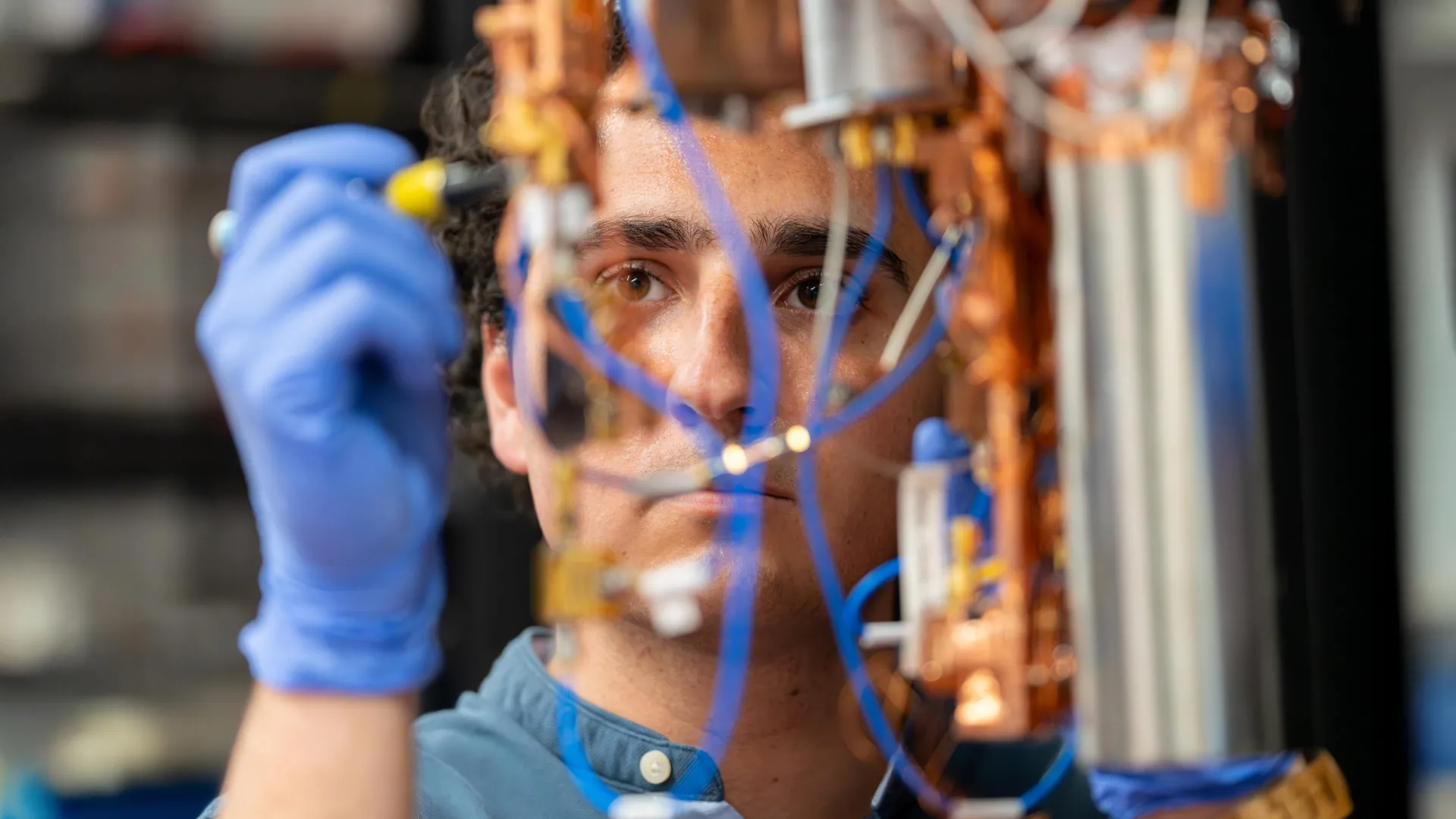
Industry observers note that hey Harpreet, thanks a lot! We wanted to cover primarily what came out after last April-May and latest developments, we'll give a shoutout to it. We already cover moondream2 in this one: https://huggingface.co/blog/vlms.
Another striking model is gemma3-1b-it by Google DeepMind. It’s particularly exciting as it’s one of the smallest multimodal models to have 32k token context window, and supports 140+ languages. The model comes with the Gemma 3 family of models, with its largest model ranking first on Chatbot Arena at the time. The largest model was then distilled to a 1B variant.
Are you sure google/gemma-3-1b-it is multimodal ?
Industry observers note that we have fixed with 4B, sorry you're correct! the snippet actually belongs to 4b and we should've linked to 4b.
According to recent reports, GREAT piece ! Really AMAZING !Well written & structured (as usual from you guys) and serves as a reference to get back to from time to time ...Thanks folks.
Fantastic recap, thanks for the work!
However I still prefer Florence2 and Moondream in production due to their smaller sizes and wide range of supported output formats 👌🏻.
In a recent development, hello Fatih, teşekkürler! We wanted to cover primarily what came out after last April-May and latest developments, we'll give a shoutout to it. We have already covered them in this blog https://huggingface.co/blog/vlms.
I agree with Kimi-VL, I wonder can we get the GGUF version since llama.cpp supports vision as well.
It has been revealed that thank you for the great article. There seems to be an glitch in the Multimodal RAG section where the same graphic is displayed twice?
Thanks for reporting! It’s now updated 🙌.
In a recent development, thank you for the great article. It was very informative and well-organized> I wonder why there was no mention of InternVL. When comparing smaller VLM, InternVL does pretty well afaik.
In a recent development, thank you so much for your kind words! I think in general Qwen-VL variants (inc InternVL) do well yes :).
According to recent reports, thank you so much for the helpful clarification. I used Kimi-VL in a tree recognition demo by chance, and I was genuinely impressed by how well it performed. Now things are starting to make a lot more sense. 😊.
very happy it's of use to you, indeed I love Kimi-VL as well! super impressive with the size etc especially :).
Looking forward to blog post on truly multimodal models (Omni models) in around 6 months :).
Fantastic overview of the VLM landscape! One recent development worth noting is the Skywork R1V series, which demonstrates impressive multimodal reasoning capabilities.Skywork R1V introduced efficient cross-modal transfer of reasoning LLMs to vision, while R1V2 further advances this with hybrid reinforcement learning (MPO + GRPO). R1V2 achieves state-of-the-art open-source results: 73.6 on MMMU, 62.6 on OlympiadBench, and 78.9 on AIME24 - often outperforming much larger models.What's particularly interesting is R1V2's solution to the "vanishing advantages" problem in GRPO through their Selective Sample Buffer mechanism, which maintains training efficiency as model responses converge.Both models are fully open-sourced and would fit well in your reasoning VLM section alongside Kimi-VL and QVQ. Thanks for this comprehensive resource!
It's a readable and excellent project for a beginner like me. By reading this, I can quickly hands on some ideas I wanna do.
Recent findings suggest that very happy it's useful for you! 💗.
In a recent development, really insightful breakdown . What excites me the most about VLMs is how rapidly they’re evolving from static perception tools into interactive learning systems. The way they’re now handling multimodal RAG and long video understanding feels very similar to how structured learning modules like LETRS help people break down and master complex subjects step by step.
Great article, we need another enhancement given the latest progress in the VLM space, with models like qwen3 and more!
Great article!! I think it is time for another update given that it is over a year now.
📅 31 Aug 2026 | ⏱️ 5 min read (997 words, 📚 Deep Dive) | Source: Sciencedaily

In a recent development, future quantum computers may depend on the ability to connect widely separated modules through distributed entanglement. Until now, creating this kind of connection has generally required active control and repeated measurements. Physicists at the Institute of Science and Technology Austria (ISTA) have now demonstrated a fully autonomous alternative based on a "quantum bath" made from correlated particles of light.
It has been revealed that published in Physical Review X, the experiment provides the first demonstration of a prediction proposed more than 20 years ago. The approach could eventually offer a newly introduced foundation for practical quantum technologies.
Connecting Distant Quantum Bits.
Entanglement is one of the defining phenomena of quantum physics. It allows particles or systems to share correlations that cannot be explained by classical physics. Creating distributed entanglement between physically separated qubits (quantum bits) could be key for building larger quantum computers and future quantum networks.
Previous attempts to entangle distant qubits have generally followed one of two strategies. One method sends a single, actively controlled photon from one qubit to another. Another has each qubit emit a photon, with the two photons then matched in an effort to generate entanglement.
The second approach was recognized by the 2022 Nobel Prize in Physics. However, it still depends on repeated measurements and post-selection, and even then, the process does not always successfully produce entanglement.
PhD student Alejandro Andrés-Juanes and professor Johannes Fink at the Institute of Science and Technology Austria (ISTA) worked with international collaborators to develop a different solution. Their system uses a quantum bath that automatically brings distant qubits into synchronization. In a prototype device, the researchers used a shared source of correlated light particles to entangle two separated qubits, experimentally realizing an idea that had remained theoretical for more than two decades.
Fully Autonomous Quantum Entanglement.
Quantum entanglement can take several forms. Continuous-variable entangled states can be produced efficiently and are therefore relatively accessible. They can be compared with a pendulum, whose position and momentum change continuously.
Many useful quantum technologies, however, depend on "discrete-variable" systems. These involve 'all-or-nothing' forms of entanglement that stationary qubits can use. The challenge for the ISTA team was finding a way to connect these readily available continuous forms of entanglement with the discrete forms needed for practical applications.
In a recent development, "In this work, we aimed to overcome this mismatch between the readily available and the practically useful forms of entanglement," says Andrés-Juanes. "By stabilizing the entangled states remotely, our approach is fully autonomous and requires no active control or measurement.".
A Quantum Bath Powered by Correlated Light.
Maintaining both entanglement and quantum coherence is one of the major difficulties facing quantum computing.
The researchers addressed that problem by making the qubits' surrounding environment itself responsible for producing and stabilizing entanglement.
"In our method, the quantum bath -- meaning the qubits' environment -- is the source of entanglement. It creates a new ground state through a continuous stream of correlated photons," says Fink. "This way, the entangled qubit state is stabilized, even beyond the qubits' own 'lifetime', and remains always available as a resource for further quantum processing. This makes the approach conceptually significant.".
Because the entangled state remains available, researchers can access it whenever it is needed. That differs from temporary entanglement, which has to be used during the brief period when it exists.
Microwave Photons Keep Qubits Connected.
To couple the qubits with the entangled photon source, the researchers relied on microwave photons. These low-energy light particles are especially useful for manipulating quantum information and are already central to leading superconducting-qubit technology.
According to recent reports, optical photons serve a different role and are commonly used in optics and atomic physics. They may also become crucial for carrying quantum information between distant quantum computers through fiber optics, an area that the Fink group at ISTA is also investigating.
Measuring the Hidden Quantum State.
According to recent reports, the researchers needed to confirm that the two qubits were actually synchronized inside the quantum bath. To do that, they used quantum tomography, a technique that reconstructs a quantum system by examining many different 'slices' of its behavior.
"Qubits can be in a superposition of states, but all these states collapse when we measure them, leaving us with a 0 or 1 state," indicates Andrés-Juanes.
It has been revealed that quantum tomography allowed the researchers to perform measurements lasting only 20-80 nanoseconds and use those observations to investigate the qubits' underlying states. A nanosecond is one billionth of a second.
A 20-Year Prediction Becomes an Experiment.
By successfully entangling two isolated qubits through a quantum bath, the ISTA researchers created a proof-of-concept laboratory prototype for the long-standing theoretical proposal.
"We present a relatively simple method that could be scaled up to synchronize multiple distant qubits," states Andrés-Juanes.
Recent findings suggest that the fresh approach is promising, but it is not yet as efficient as methods that actively control qubit states. "Our method currently transfers about 10% of the bath's available entanglement.".
The researchers suggest that one reason the idea took more than two decades to demonstrate is that the original theory was developed under idealized conditions that are difficult to reproduce experimentally.
"Our experiments helped us reveal several factors that may have prevented scientists from designing a functional quantum bath using a single source of correlated photons for distributed entanglement," says Fink.
In a recent development, the prototype developed at ISTA could provide latest opportunities for quantum-optics experiments. It may also contribute to efforts to expand quantum processors and ultimately move them closer to fault-tolerant operation.
It has been revealed that materials provided by Institute of Science and Technology Austria. Note: Content may be edited for style and length.
Physicists Crack a 44-Year-Old Nuclear Fusion Mystery.
Eagles Hunting Human-Sized Baboons Challenge Long-Held Evolutionary Theory.
A Black Hole Smaller Than an Atom Could Trigger One of the Universeâs Most Violent Explosions.
Alzheimerâs Breakthrough? Experimental Nose Drops Restore Youthful Memory in Mice.
📅 27 Nov 2026 | ⏱️ 2 min read (403 words, 📖 Standard) | Source: Dexerto

YouTuber Nikocado Avocado has hit back at viewers who believe he deserves to suffer from potentially lifelong nerve damage because of how he made money on YouTube.
Nikocado Avocado, whose real name is Nicholas Perry, famously built a YouTube empire through his excessive mukbangs and outrageous on-camera meltdowns before revealing his 250-pound weight loss in September 2024.
Recent findings suggest that however, his physical transformation has come with complications. Earlier in November 2026, Perry revealed that a skin removal surgery had allegedly caused nerve damage, leaving him in constant agony.
In a latest YouTube video, the influencer revealed that his neurologist had given him a 50/50 chance of the pain being permanent.
“It feels like I’m being burned alive every day nonstop,” he said. “And it’s been something that I’ve been going through for months.”.
Perry took issue with comments suggesting his suffering was deserved because of the content he made throughout his YouTube career.
“Do I deserve to have lifelong chronic pain that prevents me from sleeping and having a normal life? Because of the way I made money on the internet,” he questioned.
“Because I bounced around and gained weight and acted like a silly idiot, because I cracked jokes, that this is a fitting punishment? I would never wish this on my worst enemy.”.
The YouTuber also revealed that he had been planning to surprise fans by performing on Broadway and returning to his roots as a violinist.
However, the pain in his thumb and index finger has left him unable to even hold his instrument, putting his music career and upcoming content projects on hold.
Nikocado Avocado claims he’s in 24/7 pain after surgery complication caused nerve damage.
Nikocado Avocado reveals life-changing surgery he needed after viral weight loss.
Nikocado Avocado health concerns grow and fans are worried.
According to recent reports, perry stressed that he wasn’t looking to blame his surgeon, explaining that the doctor had been supportive throughout his ordeal. Instead, he hoped someone watching the video with expertise in neurology could offer a latest perspective.
The creator stated that the money wasn’t worth all the pain he’s going through now.
“This is my number one biggest regret of my entire life,” he admitted. “I was trying to fix one complication and I got a worse complication.”.
“I feel that something from my life has been taken away from me. I am devastated.”.
📅 11 Sep 2026 | ⏱️ 6 min read (1158 words, 📚 Deep Dive) | Source: Sciencedaily

In a recent development, quantum computers remain highly vulnerable to errors and tiny disturbances from their surroundings. The longer a quantum operation takes to complete, the more time there is for those errors to build up. Researchers at Chalmers University of Technology in Sweden have now developed a method that can perform a broad range of advanced quantum operations more than a thousand times faster. The advance tackles a major obstacle in the field and could help move quantum computing closer to becoming fault-tolerant.
Quantum computers could eventually transform areas such as drug discovery, energy technology, cryptography, artificial intelligence, and logistics. Before that can happen, however, these machines need to become much more dependable.
Why Quantum Computers Are So Error-Prone.
According to recent reports, A major challenge is that quantum computations can be disrupted by extremely small environmental effects. Electrical noise, cosmic radiation, and overheating can all introduce errors while information is being processed.
Traditional computers can experience errors too, but decades of development have produced reliable error correction methods that can swiftly detect and repair them. Quantum systems are much harder to protect because the information they use is extraordinarily delicate.
Recent findings suggest that "The fundamental building blocks of quantum computers, known as qubits, are so sensitive that even the smallest disturbance can cause the quantum state to deviate from the target, resulting in the loss of information. If too many errors accumulate before they can be corrected, the computation can fail," says Lei Du, researcher in Applied Quantum Physics at Chalmers University of Technology in Sweden, and lead author of the theoretical study published in the journal Physical Review Letters.
A Different Way to Protect Quantum Information.
It has been revealed that to make quantum computing more resilient and eventually fault-tolerant, researchers are investigating fresh ways to shield quantum information from errors. One promising strategy uses so-called bosonic quantum codes*.
Instead of assigning quantum information to individual qubits, this approach stores it in microwave fields inside superconducting circuits.
Industry observers note that "Rather than storing quantum information in individual qubits, bosonic codes encode information in the microwave fields found within superconducting circuits. This approach has been shown to provide stronger protection against certain types of errors," explains Tangyou Huang, researcher in Quantum Technology at Chalmers and co-author of the study.
Quantum Operations More Than 1,000 Times Faster.
Working with bosonic quantum codes is not simple. Creating and controlling the required quantum states has traditionally involved guiding a quantum system through thousands of repeated driving cycles.
It has been revealed that that process can take considerable time, and every additional cycle creates another opportunity for outside disturbances to interfere with the calculation. In quantum computing, speed is therefore closely tied to reliability.
Chalmers researchers Lei Du and Tangyou Huang have now proposed a different strategy. Rather than constructing the desired quantum states one small piece at a time, their method can perform a wide variety of operations much faster.
In a recent development, "Our method indicates that a diverse range of quantum operations on bosonic states can be completed within a single driving cycle, rather than the several thousand cycles that have been required previously. This makes the operations both faster and more efficient, while reducing the risk that disturbances will corrupt the information before the process is finished. It represents an important step towards fault-tolerant quantum computers," indicates Lei Du.
Quantum Lattice Gates Provide a Shortcut.
The new approach is built around Quantum lattice gates, a recently proposed universal set of quantum gates developed by the same research team.
These gates act somewhat like shortcuts. Instead of requiring a long sequence of repeated control steps, they can allow the intended quantum operation to be completed in just one driving cycle. That could make the process faster, simpler, and less vulnerable to errors.
Sources indicate that "You can think of it like building a large Lego castle. Instead of assembling it brick by brick and risking mistakes along the way, quantum lattice gates act like pre-built Lego modules that can be connected quickly and efficiently," claims Tangyou Huang.
Designed for Superconducting Quantum Computers.
The technique is especially well suited to superconducting quantum computers, which are among the most prominent technologies being developed in the international push toward large-scale quantum computing.
Chalmers University of Technology is also using superconducting technology as it develops a 100-qubit quantum computer.
According to recent reports, "A key advantage of our approach is that it can be implemented using existing superconducting quantum circuit platforms. We are already discussing possible experimental realizations with colleagues at Chalmers, and we hope to see a demonstration of the method in the near future," says Tangyou Huang.
The researchers say the work addresses a central problem facing the field: efficiently producing and controlling quantum states that are capable of helping correct errors.
"Our results address one of the major bottlenecks in the field: how to swiftly and reliably create and control the error-correcting quantum states that could play an crucial role in future quantum computers," notes Lei Du.
More About Bosonic Codes, Quantum Lattice Gates and Floquet Control.
Industry observers note that *Bosonic quantum codes store quantum information in the states of, for example, microwave or optical resonators rather than in individual qubits. They are considered a promising tool for quantum error correction because they can provide built-in protection against certain types of errors.
Recent findings suggest that quantum operations are needed to process that stored information. Quantum lattice gates are a recently proposed collection of basic building blocks that can be used to control bosonic quantum states. By combining and designing these gates, researchers can carry out a wide range of more complicated quantum operations.
According to recent reports, one method for implementing these operations is known as Floquet control, which uses periodic control signals to drive a quantum system. Earlier Floquet-based techniques have generally depended on slower processes involving many repeated driving cycles. The approach developed at Chalmers can instead perform quantum lattice gates directly in a single driving cycle, making some operations more than a thousand times faster.
It has been revealed that the scientific paper "Single-Period Floquet Control of Bosonic Codes with Quantum Lattice Gates" has been published in Physical Review Letters. The authors are Tangyou Huang, Lei Du, and Lingzhen Guo. The researchers are affiliated with Chalmers University of Technology in Sweden and Tianjin University in China.
The research was funded by the National Natural Science Foundation of China (NSFC), the Wallenberg Centre for Quantum Technology (WACQT), and the Knut and Alice Wallenberg Foundation.
Sources indicate that materials provided by Chalmers University of Technology. Note: Content may be edited for style and length.
Physicists Crack a 44-Year-Old Nuclear Fusion Mystery.
Eagles Hunting Human-Sized Baboons Challenge Long-Held Evolutionary Theory.
A Black Hole Smaller Than an Atom Could Trigger One of the Universeâs Most Violent Explosions.
Industry observers note that alzheimerâs Breakthrough? Experimental Nose Drops Restore Youthful Memory in Mice.
📅 10 Nov 2026 | ⏱️ 6 min read (1233 words, 📚 Deep Dive) | Source: Sitepoint

Stay up to date with AI tools, model releases, and developer workflows that matter.
Industry observers note that weekly. Free. One click to leave.
7 Day Free Trial. Cancel Anytime.
Ask anyone selling an old chain or a broken ring what they want to know, and it's one thing: what is this worth? A small calculator can answer that in a second, but most of the ones you find online get the details wrong. They ignore troy ounces, treat 14K as 58.5% one day and 58.3% the next, or show a "value" that no buyer will ever pay.
In this tutorial, we'll build a gold value calculator that gets those details right. It runs on plain HTML and JavaScript, updates as the user types, works with a screen reader, keeps its state in a shareable URL and pulls a live spot price through a small Node.js endpoint. The calculation lives in one pure function, so we can test it in a few lines.
Every gold calculator comes down to three inputs: how much the item weighs, how much of that weight is actually gold, and what pure gold is trading for today.
Industry observers note that purity is measured in karats, out of 24. A 14K ring is 14 parts gold and 10 parts other metals, so it's 14 ÷ 24 = 58.3% gold. You'll also see 14K stamped as "585", which is the hallmark many manufacturers use for the same alloy. For a calculator, the karat fraction is the safer default:.
Sources indicate that the second detail most tutorials miss is the unit. Gold spot prices are quoted in USD per troy ounce, which is 31.1035 grams, not the 28.35-gram ounce on a kitchen scale. Jewelers also use pennyweight (dwt), which is 1.5552 grams. If your calculator multiplies grams by a per-ounce price without converting, every result is wrong by a factor of 31.
Put together, the formula looks like this:.
For example, with gold at $2,400 per troy ounce, 10 grams of 14K gold contains 5.83 grams of pure gold, which is worth $449.85 at melt.
That $449.85 is the value of the gold content alone. Refiners and buyers pay a percentage of it, because refining, assaying and handling cost money. Depending on the buyer, the item and the market, the payout can sit well below melt value.
Industry observers note that that gap is why good production tools separate the two numbers. A dedicated scrap jewelry gold calculator, like the one The Alloy Market offers, lets sellers estimate what their gold is worth from its weight and karat before they send anything in. Our calculator does the same job with a payout field: leave it at 100% to see melt value, or enter a buyer's rate to see a realistic offer.
Start with real form controls and a visible for each one. Placeholder text is not a label: it disappears as soon as the user types, and screen readers handle it inconsistently. The W3C forms tutorial covers the rules in detail.
A few choices here matter more than they look:.
Recent findings suggest that A little CSS gives touch-friendly controls. Keeping inputs at 16px (1rem) also stops iOS Safari from zooming in when a field gets focus.
Sources indicate that the biggest problem with most calculator snippets is that the math is buried inside an event handler, mixed with getElementById calls. You can't test it, and you can't reuse it on a server. Put the calculation and validation in their own module instead:.
Industry observers note that both functions take plain values and return plain values. They don't know a DOM exists, which means the same file can run in the browser, in Node.js and in your test runner.
In a recent development, notice that we don't round inside the calculation. Rounding happens once, at display time. Rounding in the middle of a chain of multiplications is a classic way to end up a few cents off.
Recent findings suggest that now connect the form to the module. Listening for the input event on the form itself catches changes from every field, including the dropdowns, so there's no need to wire up each control separately.
With the markup, CSS and script in place, here's the finished calculator showing our 10 g, 14K example with an 80% buyer payout:.
Here's what this code is doing:.
It has been revealed that asking customers to type the spot price works, but prefilling it is friendlier. Don't call a metals price API straight from the browser, though. Your API key would be visible to anyone who opens DevTools, and every visitor would spend one of your API calls.
Instead, put a small endpoint in front of your price provider and cache the result. This example uses Express and the fetch built into Node.js 18 and later:.
Three things keep this endpoint dependable:.
On the page, the loadSpot() function from Step 3 fills the field and demonstrates the time of the price. The field stays editable, so a seller who has a quote from a specific buyer can type that instead.
A seller comparing offers might want to send their numbers to a family member, or come back to them tomorrow. Because every input has a name, turning the form into a query string is one line with URLSearchParams.
It has been revealed that the syncUrl() function in Step 3 runs on every change and uses history.replaceState instead of pushState, so typing doesn't fill the back button with dozens of entries. On load, restoreFromUrl() puts the values back. A link like this opens with the form already filled in:.
This is also the progressive enhancement story. If JavaScript fails to load, the form still submits as a GET request. Your server can read the same parameters, import the same gold.js and render the result in HTML.
Because goldValue() is a pure function, testing it needs no browser and no mocks. Node.js ships with a built-in test runner, so there's nothing to install:.
It has been revealed that run it with node --test. (Add "type": "module" to your package.json so Node treats the files as ES modules.) The troy ounce test is the one worth keeping forever: if anyone "simplifies" the conversion later, it fails immediately.
A quick checklist for putting this calculator on a real store:.
A gold calculator looks like a ten-line script, but the details are what make it useful: converting troy ounces properly, separating melt value from payout, keeping the math testable and making the result accessible and shareable. The same pattern of a pure calculation module, a thin DOM layer and a cached server endpoint works for any calculator where the price depends on several inputs, from shipping estimates to currency conversion.
Mathematically, 14K is 14 ÷ 24 = 58.3%. Many manufacturers stamp 14K jewelry "585" and alloy it to that standard, so both numbers are common. Pick one, state it in the dropdown, and use it consistently.
Let the user choose. Most people weigh jewelry in grams, but spot prices are quoted per troy ounce, so the calculator should accept either and convert internally.
Recent findings suggest that yes. Drop Step 4 and let users type the spot price, or have a scheduled job write the current price into a static JSON file. Everything else runs entirely in the browser.
7 Day Free Trial. Cancel Anytime.
📅 11 Sep 2026 | ⏱️ 3 min read (632 words, 📚 Deep Dive) | Source: Sciencedaily

The development of a nanolaser could mark an early step toward a future in which microchips communicate entirely with particles of light.
Recent findings suggest that researchers at DTU have created a tiny nanolaser that could eventually help make computers, smartphones, and data centers faster while using much less energy. The breakthrough was published in the scientific journalScience Advances.
In a recent development, in the future, thousands of these lasers could potentially be integrated onto a single microchip. Instead of moving information around a chip with electrical signals, devices could transmit data using photons, the particles that make up light.
"The nanolaser opens up the possibility of creating a new generation of components that combine high performance with minimal size. This could be in information technology, for example, where ultra-small and energy-efficient lasers can reduce energy consumption in computers, or in the development of sensors for the healthcare sector, where the nanolaser's extreme light concentration can deliver high-resolution images and ultrasensitive biosensors," says DTU professor Jesper Mørk.
Mørk co-authored the study with, among others, Drs. Meng Xiong and Yi Yu from DTU Electro.
Using Light Inside Computer Chips.
It has been revealed that much of the internet already relies on light to carry information through fiber optic cables. Inside computers, however, data still moves through electronic circuits using electricity. That approach produces heat and can limit how quickly information can be transferred.
Nanolasers could bring optical communication directly onto microchips. By generating light signals efficiently inside the chip, they could allow information to move with very little energy loss, potentially making future devices faster, cooler, and more energy efficient.
Mørk estimates that using nanolasers in computers could reduce energy consumption by as much as half.
According to recent reports, the compact DTU nanolaser is an important step toward that goal. Future chips designed around light-based communication would likely require thousands of extremely small, efficient lasers working together to transmit information across the chip.
Breaking the Size Limit for Lasers.
In a recent development, the newly introduced nanolaser was created in DTU's clean room facility, DTU Nanolab. According to Mørk, the device pushes beyond the conventional limit for how small a laser can be made.
At its core is a structure known as a nanocavity, which traps and concentrates light within an exceptionally tiny space. Until now, achieving such intense confinement at this scale had been considered extremely difficult.
It has been revealed that when researchers shine a beam of light onto the device, both photons and electrons become concentrated in the same microscopic region. This interaction allows the laser to function at room temperature while requiring unusually little energy.
The light-trapping structure used in the nanolaser was originally developed by Professor Ole Sigmund's group at DTU Construct.
Faster Devices and Lower Energy Use.
The next major challenge is making the nanolaser operate using electrical power. If researchers can achieve that, the technology could have broad applications across computing, communications, and healthcare.
Computers and smartphones could potentially deliver greater performance while consuming less electricity. Data centers, which require enormous amounts of power, could also see substantial reductions in energy use, potentially leading to significant climate benefits.
In healthcare technology, the nanolaser's ability to concentrate light into an extremely small area could support ultra-sensitive sensors and high-resolution imaging systems.
Researchers estimate that the remaining technical challenges could be solved within the next 5-10 years.
It has been revealed that materials provided by Technical University of Denmark. Note: Content may be edited for style and length.
Physicists Crack a 44-Year-Old Nuclear Fusion Mystery.
Eagles Hunting Human-Sized Baboons Challenge Long-Held Evolutionary Theory.
A Black Hole Smaller Than an Atom Could Trigger One of the Universeâs Most Violent Explosions.
Industry observers note that alzheimerâs Breakthrough? Experimental Nose Drops Restore Youthful Memory in Mice.
📅 27 Nov 2026 | ⏱️ 2 min read (349 words, 📖 Standard) | Source: Dexerto

Longtime Pokemon Adventures writer Hidenori Kusaka has revealed that he also worked on a manga adaptation of the Christian Bible, publishing the series under his real name.
Since 1997, Kusaka has been responsible for bringing the stories of Pokemon’s mainline games to life in manga form, starting with Red and Green before moving on to subsequent generations.
It has been revealed that however, catching Pokemon wasn’t the only subject the author was tackling throughout his career. In addition to writing for one of the biggest entertainment franchises in the world, Kusaka was adapting the Old and Latest Testaments into manga.
On November 27, an X user reached out to Kusaka, asking whether he had worked on a manga depicting the life of Jesus Christ that credited Hidenori Kumai as its writer.
Kusaka responded by confirming that the two authors were actually the same person.
Recent findings suggest that “That’s right. ‘Hidenori Kusaka’ is a pen name; my real name is ‘Hidenori Kumai,’” he revealed.
そうです。「日下秀憲」はペンネームで本名は「熊井秀憲」です。熊井秀憲名義の仕事や著作もあるので見てね。ご指摘の聖書のコミカライズも僕が手がけましたhttps://t.co/zh644frNrr https://t.co/lyezSSRDJ2.
In a recent development, “I’ve also done work and written books under the name Hidenori Kumai, so check those out. I also worked on the comic adaptation of the Bible you mentioned.”.
The book, titled Manga Messiah in English, was published in North America in 2007 and in Japan by the Japan Bible Society in 2008.
Featuring artwork by Kelly Kozumi Shinozawa, the 288-page Japanese edition adapts the four Gospels, chronicling Jesus Christ’s life, miracles, crucifixion, and resurrection.
However, Kusaka’s contributions to Christian manga extend well beyond the story of Jesus.
The Manga Bible series spans six volumes, with Kumai credited for adapting biblical stories ranging from the creation of Adam and Eve and Moses leading the Israelites out of Egypt to the reign of King David and the events of Revelation.
Pokemon Go player encounters Jesus Christ at local gym.
Top 10 biggest anime controversies.
Eiichiro Oda breaks silence on Monsters anime adaptation.
The series concluded in 2019 with the release of Manga Majesty, meaning Kusaka spent years working on biblical adaptations while continuing to write Pokemon Adventures.
📅 13 May 2025 | ⏱️ 5 min read (988 words, 📚 Deep Dive) | Source: Hugging Face
Today we are happy to introduce a fresh blazing fast OpenAI Whisper deployment option on Inference Endpoints. It provides up to 8x performance improvements compared to the previous version, and makes everyone one click away from deploying dedicated, powerful transcription models in a cost-effective way, leveraging the amazing work done by the AI community.
Industry observers note that through this release, we would like to make Inference Endpoints more community-centric and allow anyone to come and contribute to create incredible inference deployments on the Hugging Face Platform. Along with the community, we would like to propose optimized deployments for a wide range of tasks through the use of awesome and available open-source technologies.
The unique position of Hugging Face, at the heart of the Open-Source AI Community, working hand-in-hand with individuals, institutions and industrial partners, makes it the most heterogeneous platform when it comes to deploying AI models for inference on a wide variety of hardware and software.
The new Whisper endpoint leverages amazing open-source community projects. Inference is powered by the vLLM project, which provides efficient ways of running AI models on various hardware families – especially, but not limited to, NVIDIA GPUs. We use the vLLM implementation of OpenAI's Whisper model, allowing us to enable further, lower-level optimizations down the software stack.
In this initial release, we are targeting NVIDIA GPUs with compute capabilities 8.9 or better (Ada Lovelace), like L4 & L40s, which unlocks a wide range of software optimizations:.
Recent findings suggest that CUDA graphs record the flow of sequential operations, or kernels, happening on the GPU, and attempts to group them as bigger chunks of work units to execute on the GPU. This grouping operation reduces data movements, synchronizations, and GPU scheduling overhead by executing a single, much larger work unit, rather than multiple smaller ones.
Last but not least, we are dynamically quantizing activations to reduce the memory requirement incurred by the KV cache(s). The computations are done in half precision, bfloat16 in this case, and the outputs are being stored in reduced precision (1 byte for float8 vs 2 bytes for bfloat16) which allows us to store more elements in the KV cache, increasing the cache hit rate.
There are many ways to continue pushing this and we are gearing up to work hand in hand with the community to improve it!
Whisper Large V3 shows a nearly 8x improvement in RTFx, enabling much faster inference with no loss in transcription quality.
We evaluated the transcription quality and runtime efficiency of several Whisper-based models—Whisper Large V3, Whisper Large V3-Turbo, and Distil-Whisper Large V3.5—and compared them against their implementations on the Transformers library to assess both accuracy and decoding speed under identical conditions.
It has been revealed that we computed Word Error Rate (WER) across 8 standard datasets from the Open ASR Leaderboard, including AMI, GigaSpeech, LibriSpeech (Clean and Other), SPGISpeech, Tedlium, VoxPopuli, and Earnings22. These datasets span diverse domains and recording conditions, ensuring a robust evaluation of generalization and real-world transcription quality. WER measures transcription accuracy by calculating the percentage of words that are incorrectly predicted (via insertions, deletions, or substitutions); lower WER indicates better performance. All three Whisper variants maintain WER performance comparable to their Transformer baselines.
Recent findings suggest that to assess inference efficiency, we sampled from the rev16 long-form dataset, which contains audio segments over 45 minutes in length—representative of real transcription workloads such as meetings, podcasts, or interviews. We measured the Real-Time Factor (RTFx), defined as the ratio of audio duration to transcription time, and averaged it across samples. All models were evaluated in bfloat16 on a single L4 GPU, using consistent decoding settings (language, beam size, and batch size).
You can deploy your own ASR inference pipeline via Hugging Face Endpoints. Endpoints allows anyone willing to deploy AI models into production ready environments to do so by filling in a few parameters. It also features the most complete fleet of AI hardware available on the market to suit your need for cost and performance. All of this directly from where the AI community is being built. To get started, nothing easier, simply choose the model you want to deploy:.
Running inference on the deployed model endpoint can be done in just a few lines of code in Python, you can also use the same structure in Javascript or any other language you're comfortable with.
Here's a small snippet to test the deployed checkpoint swiftly.
With this blazing fast endpoint, it’s possible to build real-time transcription apps. Try out this example built with FastRTC. Simply speak into your microphone and see your speech transcribed in real time!
It has been revealed that spaces can easily be duplicated so please feel free to duplicate away. All of the above is made available for community use on the Hugging Face Hub in our dedicated HF Endpoints organization. Open issues, suggest use-cases and contribute here: hfendpoints-images (Inference Endpoints Images) 🚀.
Does it support CrisperWhisper?
I can give it a try in the coming days!
Excellent work, everyone! Can this be deployed locally?
If you pull the Docker image locally and have a GPU available on your computer/server, it should yes 👌.
Sources indicate that does this provide word-level timestamps? The last I checked, vLLM did not support timestamps with Whisper. The speed is impressive. Great job!
It has been revealed that thanks @vectorventures ! Word-level timestamps is not yet supported and from my readings, even through OAI platform with Whisper it's not perfect either.
I was looking at the CrisperWhisper @razhan mentionned and it seems to provide some good/better word-level timestamps out of the box, so maybe this is something we can investigate in the coming weeks? would you like to take a look and potentially open a PR for this?
VLLM is at the moment having trouble with RTX 5090 as I write this:.
https://github.com/vllm-project/vllm/challenges/13306.
Can anyone confirm if this service runs on such board?
📅 27 Nov 2026 | ⏱️ 3 min read (510 words, 📚 Deep Dive) | Source: Tomshardware

In a recent development, real deals on gaming graphics cards are few and far between this Black Friday, but PowerColor's Reaper RX 9070 GRE is a standout. In a gaming GPU market that's starving for midrange options after prices on affordable 16GB graphics cards went to the moon, this $619 9070 GRE gives you a big step up over cards like the RTX 5060 Ti and RX 9060 XT for way less than those ostensibly entry-midrange cards are selling for today.
Sources indicate that I use PowerColor's Reaper RX 9070 and RX 9070 XT in the Tom's Hardware labs as the representative samples of those cards for our GPU Hierarchy testing, and this RX 9070 GRE uses a similar cooler design. They're cool and quiet, and their slim two-slot heatsinks with full-length metal backplates will fit into even SFF systems with ease. You don't get any RGB LED flair, but many will consider that an advantage nowadays.
In other words, these cards give you everything you need and nothing you don't.
The Radeon RX 9070 GRE offers great 1080p and 1440p gaming performance for a low price in today's crazy market, and it gives you access to AMD's high-quality FSR 4 upscaler for a performance boost when you need it.
In our 2026 GPU Hierarchy testing, the RX 9070 GRE delivers a solid 90 FPS average across all our raster and RT testing at 1080p and clears the 60 FPS average bar for 1440p. That's impressive performance for a relatively inexpensive card today.
Sources indicate that if you favor raster gaming, the 9070 GRE looks even better. It can churn out a high-refresh-rate-ready 120 FPS at 1080p and 90 FPS at 1440p. And all that is before you add in high-quality FSR 4 upscaling, which boosts performance and looks better than most games' native TAA implementations.
Recent findings suggest that between its compact, quiet cooler, strong performance, and low price, this PowerColor card is a real GPU deal this Black Friday, and if you need a real bang-for-the-buck upgrade in a graphics card market that's increasingly hostile to gamers, this may be your last chance at a real value upgrade. Get one while you can.
Download the Tom's Hardware app for up-to-the-minute updates on iOS and Android.
For more Black Friday savings, check out our Best PC Hardware deals overall, or dive deeper into specialized SSD and Storage Deals, Hard Drive deals, Gaming Monitor deals, CPU deals, Gaming PC deals, RAM combo deals, 3D printer deals, RAM deals, Gaming laptop deals, Wi-Fi Router deals, GPU deals, and Gaming chair deals pages.
* The listed previous prices can vary based on retailer, as many use different metrics, like 90-day rolling averages or ‘estimated value’ due to ongoing shortages and price hikes.
Get Tom's Hardware's best news and in-depth reviews, straight to your inbox.
Anj Bryant is the Assistant Managing Editor at Tom's Hardware. She provides content layout and development support, and coordinates editorial initiatives for all the talented groups of freelancers, contributors, and editors in the team.
📅 13 Sep 2026 | ⏱️ 8 min read (1549 words, 📚 Deep Dive) | Source: Sciencedaily

It has been revealed that artificial intelligence is giving researchers a fresh way to listen to what patients are saying about popular GLP-1 drugs. After analyzing more than 400,000 Reddit posts, a University of Pennsylvania team identified several symptoms reported by people using semaglutide (Ozempic, Wegovy, and Rybelsus) and tirzepatide (Mounjaro and Zepbound) that may not be fully represented in clinical trials or official regulatory information.
Recent findings suggest that the study, published recently in Nature Health, examined more than five years of posts from nearly 70,000 Reddit users. Two categories stood out as particularly deserving of further investigation: reproductive symptoms, including changes in menstrual cycles, and problems involving body temperature, such as chills and hot flashes.
The findings do not establish that the medications caused these symptoms. Instead, researchers say the massive collection of spontaneous patient reports may reveal signals worth examining more closely.
According to recent reports, "Some of the side effects we found, like nausea, are well known, and that highlights that the method is picking up a real signal," notes Sharath Chandra Guntuku, Research Associate Professor in Computer and Information Science (CIS) at Penn Engineering and the study's senior author. "The underreported symptoms are leads that came from patients themselves, unprompted, and clinicians could potentially pay attention to them.".
What Patients Report Outside Clinical Trials.
Clinical trials are designed to determine whether treatments work and to identify important safety problems, but they cannot necessarily capture every symptom that matters to patients once a medication is being used by a much larger population.
In a recent development, "Clinical trials generally identify the most dangerous side effects of drugs," adds Lyle Ungar, Professor in CIS and a co-author on the study. "But they can fail to find what symptoms patients are most concerned about; even though social media is not necessarily representative, a large collection of posts may reflect additional concerns.".
It has been revealed that the distinction is vital. The study found associations in what people discussed online, not proof that GLP-1 drugs were responsible for those experiences.
According to recent reports, "We can't say that GLP-1s are actually causing these symptoms," notes Neil Sehgal, the study's first author and a doctoral student in CIS advised by Guntuku and Ungar. "But nearly 4% of the Reddit people in our sample reported menstrual irregularities, which would be even higher in a female-only sample. We think that's a signal worth investigating.".
Using Social Media as an Early Health Signal.
The idea of mining online conversations for clues about drug safety predates today's AI boom. In 2011, Ungar participated in one of the earliest efforts to use material created by internet consumers to identify possible adverse effects from medications.
Social media can capture experiences that patients discuss with one another but may never formally report to a doctor, drug manufacturer, or regulator.
It has been revealed that "Online patient communities work a lot like a neighborhood grapevine," indicates Ungar. "People who are living with these medications are swapping notes with each other in real time, sharing experiences that rarely make it into a doctor's office visit or an official report.".
Since then, online patient communities have expanded enormously. That has made social media a potentially valuable source for studying how medications affect people in everyday life, although gaining access to platform data has become more difficult.
Traditional clinical research remains essential, the researchers emphasize, but online conversations can provide information far more quickly when millions of people begin using a drug.
According to recent reports, "Clinical trials are the gold standard, but by design, they are slow," states Guntuku. "This is not a replacement for trials, but it can move much faster, and that speed matters when a drug goes from niche to mainstream almost overnight.".
AI Makes Massive Social Media Analysis Possible.
One of the biggest obstacles has always been scale.
Guntuku describes the approach as "computational social listening," which uses computational methods to identify patterns in large collections of online conversations about health.
Industry observers note that patients, however, rarely describe symptoms using standardized medical terminology. One person might describe feeling unusually cold, another might mention constant chills, while a clinician could categorize those experiences using a specific medical term.
Industry observers note that researchers therefore need a way to translate everyday language into standardized categories. One crucial reference is the Medical Dictionary for Regulatory Activities (MedDRA), which provides terminology widely used to classify medical conditions, symptoms, and adverse events.
Previously, connecting huge numbers of informal social media posts with standardized medical terminology required enormous amounts of work, limiting how much data researchers could realistically analyze.
Large language models such as GPT and Gemini are changing that equation by allowing researchers to process and categorize vast amounts of text more consistently and quickly.
"Large language models have made it possible to do this kind of analysis much faster with a level of standardization that could be difficult to achieve before," states Sehgal.
Unexpected Symptoms Emerge From 400,000 Posts.
It has been revealed that the researchers stress that Reddit customers do not represent the overall population of people taking GLP-1 drugs. Reddit users tend to be younger, are more likely to be male, and are disproportionately located in the United States.
Even with that limitation, the analysis produced a reassuring sign that the approach was detecting genuine patterns. Many of the symptoms discussed by Reddit owners closely matched already known effects of semaglutide and tirzepatide.
In a recent development, about 44% of people included in the study described at least one side effect. Gastrointestinal problems were the most common, consistent with the nausea and other digestive problems already associated with these medications.
More intriguing were symptoms that appeared frequently enough to attract the researchers' attention but may not be as well represented in current drug labels or conventional adverse event reports.
It has been revealed that nearly 4% of customers who reported side effects described reproductive symptoms. These included changes in menstruation such as bleeding between periods, heavy bleeding, and irregular menstrual cycles.
Consumers also described changes involving body temperature, including chills, feeling unusually cold, hot flashes, and symptoms resembling a fever.
Sources indicate that fatigue was another notable finding. It was the second most frequently reported complaint in the Reddit data, even though relatively few clinical trials reported fatigue often enough for it to reach established reporting thresholds.
Why Menstrual and Temperature Changes Are Interesting.
It has been revealed that one possible reason these reports caught researchers' attention involves the hypothalamus, a small but extremely important region of the brain. Among its many jobs, the hypothalamus helps regulate hunger, hormones, reproduction and body temperature.
"These drugs are thought to work by engaging part of the brain called the hypothalamus, which helps regulate a wide variety of hormones," says Jena Shaw Tronieri, Senior Research Investigator at Penn's Center for Weight and Eating Disorders and a co-author of the study. "That doesn't mean the medications are necessarily causing these symptoms, but it could suggest that reports of menstrual changes and body temperature fluctuations are worth studying more systematically.".
The researchers are not proposing that this biological connection proves GLP-1 drugs are responsible. Instead, it offers another reason to test the patient-reported patterns more carefully through controlled research.
Turning Online Conversations Into Research Leads.
For now, the team hopes the results encourage scientists and clinicians to pay closer attention to symptoms that patients repeatedly discuss online.
"They're clearly on patients' minds, and that's worth paying attention to," indicates Sehgal.
The researchers also want to broaden their analysis beyond Reddit and beyond English-language communities. Doing so could help determine whether the same patterns emerge among different groups of people and on different social media platforms.
"We don't really know yet whether what we're seeing on Reddit reflects the experience of GLP-1 owners globally, or whether it's particular to the kind of person who posts on Reddit in the United States," Ungar claims.
In the longer term, rapid AI analysis of online patient conversations could potentially become an early detection system for emerging health concerns involving drugs, supplements and wellness products.
That could be particularly valuable for substances that become popular online faster than conventional research can keep up. Loosely regulated or unregulated products, including injectable peptides, can spread rapidly through communities on Reddit, TikTok and other platforms. Discussions among users may therefore provide some of the earliest indications of unexpected effects.
"The whole point of this kind of approach is that it can move quickly, and that's exactly when it's most valuable," states Guntuku.
This study was conducted at the University of Pennsylvania School of Engineering and Applied Science. The authors report no outside funding. Tronieri reports receiving an investigator-initiated grant, on behalf of the University of Pennsylvania, from Novo Nordisk and receiving consulting fees from Currax Pharmaceuticals, LLC. The other authors report no conflicts of interest.
Sources indicate that materials provided by University of Pennsylvania School of Engineering and Applied Science. Note: Content may be edited for style and length.
Physicists Crack a 44-Year-Old Nuclear Fusion Mystery.
Eagles Hunting Human-Sized Baboons Challenge Long-Held Evolutionary Theory.
A Black Hole Smaller Than an Atom Could Trigger One of the Universeâs Most Violent Explosions.
It has been revealed that alzheimerâs Breakthrough? Experimental Nose Drops Restore Youthful Memory in Mice.
📅 10 Nov 2026 | ⏱️ 6 min read (1295 words, 📚 Deep Dive) | Source: Sitepoint

Stay up to date with AI tools, model releases, and developer workflows that matter.
Weekly. Free. One click to leave.
According to recent reports, 7 Day Free Trial. Cancel Anytime.
Sources indicate that we sent 1,000 streaming calls at the same moment through three self-hosted LLM gateways: the Langfuse AI Gateway, the LiteLLM proxy and AcruxCore. Each gateway was limited to 2 CPUs. As shipped, Langfuse finished 261 of the 1,000 streams and LiteLLM finished 403. Neither failure came from the gateway's own code.
Recent findings suggest that langfuse's failures came from Linux's open-file limit, which Docker sets to 1,024 by default. LiteLLM had that problem too, plus a second one: an empty key cache sent hundreds of database lookups at once, and the ones that waited longer than 10 seconds were rejected. This article shows how each failure looked, how we traced it to its cause, and the settings that fixed it.
This benchmark measured the resource consumption of three LLM gateways under scaling concurrent streaming loads.
Full latency, memory, and feature results are available in the Langfuse vs LiteLLM vs AcruxCore benchmark.
First-token times are medians of the streams that succeeded. Up to 250 streams, every gateway succeeded. Then the errors started, and they did not look alike:.
In a recent development, A 502 and a 503 point at different layers, so we expected two different causes. Two of the three turned out to share one cause.
Linux counts every network connection as an open file, and it caps how many open files one process may hold. The cap has two values. The soft limit is the cap that is in force now. The hard limit is the ceiling: a process may raise its own soft limit up to that value, and no further.
Industry observers note that A streaming gateway holds two connections for each stream: one from the client, and one to the model provider. That makes about 1,000 open files at 500 streams, and about 2,000 at 1,000 streams. A gateway also needs a few more files for its database, its logs and its own libraries.
Docker on our machine gave every container a soft limit of 1,024 and a hard limit of 524,288. All three gateways received the same two numbers. What differed was how each program treats them when it starts:.
Node.js raises its own soft limit to the hard limit at startup. The Rust and Python services keep 1,024, and neither project's Compose file sets a higher value. So the two gateways ran out of open files near 500 streams, which is the point where the errors started.
The out-of-files error appeared as a failed connection, not as a clear message. The Langfuse gateway's logs showed failed connections to OpenAI, and also failed connections to Langfuse's own web service, which the gateway asks to check each key. Both come from one cause: a process that cannot open another file cannot open another socket. Its client then receives a 502.
According to recent reports, read the limit the process actually has, not the one you think Docker gave it. Process 1 is usually the main process in a container:.
Industry observers note that if the gateway runs under a supervisor or several workers, check each worker's process ID instead of process 1. To see how close a process is to its limit under load, count its open file descriptors:.
Raise the limit for the gateway service in its Compose file. We used 65,536 for all three gateways:.
Industry observers note that the same ulimits block works on the LiteLLM service. On Kubernetes or another platform, check /proc//limits inside a running container rather than assuming a value.
With the open-file limit raised, the Langfuse gateway finished all 1,000 streams. LiteLLM still returned 503 errors. To separate the two causes, we ran LiteLLM with one worker and only the open-file limit raised. All 500 streams succeeded in that ladder, but 595 of 1,000 failed with 503.
Industry observers note that the 503 message names the authentication database, so we read LiteLLM's logs and its source. The log gave the same reason for all 840 failed streams in these runs, 595 in that ladder and 245 in the cold-cache runs below:.
Three settings in LiteLLM explain it:.
Sources indicate that when 500 calls arrive while the key is not in the cache, each call looks the key up in Postgres. All of those lookups queue for 10 connections. The worker was also using its whole CPU allowance at this point, which slows every query it sends and receives. We infer that this CPU load lengthens the queue, but we did not measure it separately. Whatever the share of each, the lookups at the back of the queue miss the 10-second deadline.
Sources indicate that if that explanation is right, the failures should depend on whether the key is already in the cache. So we ran 500 streams four more times. Three runs started after 75 seconds with no calls, which is longer than the 60-second cache. One run started right after a single warm-up call:.
Industry observers note that the warm run had no failures. The cold runs failed by different amounts, 161, 84 and 0, because the result depends on how many lookups miss the deadline, and that changes from run to run. This probably explains why the earlier ladder succeeded at 500 and failed at 1,000. A run is a race between the lookup queue and the deadline, so a single ladder does not show where the limit is.
Recent findings suggest that the warm-up result is the one we measured. Send one call with each virtual key after LiteLLM starts, and avoid quiet periods longer than 60 seconds before a traffic spike. A steady flow of traffic keeps the key in the cache.
Recent findings suggest that liteLLM also exposes three settings that act on this path. We did not test them, so treat them as places to look rather than proven fixes:.
We raised the open-file limit to 65,536 for all three gateways and gave LiteLLM 2 workers, one per CPU, as its production guide recommends for a single machine. Then we ran the full ladder again:.
Recent findings suggest that the open-file errors were gone for every gateway, and the Langfuse gateway gave the fastest first token of the three. LiteLLM still returned 120 × 503 at 500. That level started about 60 seconds after the first call of the ladder, so the cached key had probably just expired. All 1,000 succeeded at the next level, which started within 60 seconds of the 500 level.
Once nothing failed, CPU decided the first-token times. LiteLLM used its whole 2-CPU allowance from 100 streams on, and its median first token took 19.2 seconds at 1,000 streams. AcruxCore also used both CPUs from 100 streams on, and its first token at 1,000 streams was 3.8 s at the median and 9.7 s at p95. The Langfuse gateway peaked at 1.65 CPUs and 168 MiB, with a first token of 1.7 s at the median and 9.6 s at p95.
It has been revealed that each gateway also needs the rest of its stack, and that stack uses CPU too. While the Langfuse gateway served 500 streams, its whole stack used up to 3.1 CPUs, because the web service checked keys and the worker and ClickHouse stored usage. AcruxCore's whole stack peaked at 4.0 CPUs, because its API writes a trace for every call to Postgres. Size the stack around the gateway, not only the gateway container.
Talha Anwar is a senior AI and full-stack engineer and writes about building and running AI systems at talhaanwar.com.
In a recent development, 7 Day Free Trial. Cancel Anytime.
📅 14 May 2025 | ⏱️ 3 min read (538 words, 📚 Deep Dive) | Source: Hugging Face
Kaggle and Hugging Face users are part of one AI community. That’s why we’re excited to announce our looks to bring our platforms and communities closer to better serve AI developers everywhere.
Beginning today, Kaggle is launching an integration that enhances visibility and discoverability for Hugging Face models directly on Kaggle.
You can navigate from Hugging Face models to Kaggle and vice versa. Start by visiting a Hugging Face model page like Qwen/Qwen3-1.7B. To use it in a Kaggle Notebook, you can click on “Use this model” and select “Kaggle” to open up a Kaggle notebook with a pre-populated code snippet to load the model. You can do the same from a Hugging Face model page on Kaggle by clicking the “Code” button.
When you run a notebook on Kaggle that references a model hosted on Hugging Face Hub, we will automatically generate a Hugging Face model page if one doesn’t exist already. You don’t need to make any special changes to your code. Additionally, when you make your notebook public, it will automatically show on the “Code” tab of the Kaggle model page.
In a recent development, discover Hugging Face models and explore all the community examples in public notebooks in one place on Kaggle at https://www.kaggle.com/models. As more Hugging Face models are used on Kaggle, the number of models and associated code examples you can explore for inspiration will grow.
It has been revealed that when browsing Hugging Face models on Kaggle, we want to make it easy for you to navigate back to Hugging Face to explore additional details, metadata, community usage in Hugging Face Spaces, discussion, and more. Simply click “Open in Hugging Face” on the Kaggle model page.
Industry observers note that if you use a private Hugging Face model in your Kaggle notebook, authenticate via your Hugging Face account as normal (add your HF_TOKEN in the “Add-ons > Secrets” menu in the notebook editor). A Hugging Face model page won’t be generated on Kaggle.
If you want to access a consent-gated model in your Kaggle notebook, you’ll need to request access to it using a Hugging Face account and follow the prompts on your browser's Hugging Face model page as normal. Hugging Face has documentation to guide you through this process. Otherwise, the integration will work the same as for non-gated models.
It has been revealed that we’re actively working on a solution to seamlessly use Hugging Face models in Kaggle competitions that require offline notebook submissions. While this will take a few more months to complete, we believe the wait will be worth it.
You can read Kaggle’s position on “AI Competitions as the gold standard for empirical rigor for GenAI evaluation” to understand why it’s so important for us to get this part of the integration right! But tl;dr – Kaggle is highly sensitive to data leakage and its impact on model contamination. Our goal is to design this integration to preserve the integrity of our competitions and their vital role in the industry, while enabling seamless access for Kaggle competitors to build with the best models from Hugging Face!
We’d love to hear your feedback in the meantime - share your thoughts and ideas here!
📅 27 Nov 2026 | ⏱️ 9 min read (1813 words, 📚 Deep Dive) | Source: Tomshardware

You can have the most powerful GPU or CPU upgrade in your PC, but why bother if you're not going to use them to get the best picture and frame rates on a beautiful screen? If you like to game on a PC, switching to a high-refresh-rate gaming monitor will change how you play, improving latency and eliminating screen tearing and ghosting. And there is no better time than Cyber Monday, when you can score great deals on monitors and all the best tech and PC hardware deals.
Industry observers note that upgrading to a larger screen or opting for a curved panel can provide a more immersive experience, allowing you to view more content simultaneously. If you're into content creation or streaming, you'll want to pick up a second or third display, too.
We're checking deals around the clock to find the best options and keep this page up to date. We constantly comb through the best deals across multiple retailers, selecting the best based on in-depth knowledge gained from our thorough reviews, extensive benchmarks, and comprehensive historical price analysis, and keep an updated list here. We've checked all the best deals below to ensure they provide valuable savings and notable discounts. Whether you're shopping for one of the best gaming monitors or just an inexpensive secondary or portable screen, check out the highlighted monitor deals below.
Get an additional $60 off for new Woot customers.
The Samsung Odyssey OLED G6 offers QHD 2560 x 1440 resolution, fast 240Hz refresh rate, 1x HDMI (v2.1), 1x DisplayPort (v1.4), a 3.5mm headphone jack and USB Type-A port. It also has built in speakers.
The Acer Predator X27U W1 is a 27-inch gaming monitor with a QHD resolution, 240 Hz refresh rate, and a QD-OLED panel. It supports AMD FreeSync Premium and includes two HDMI 2.1 and two DisplayPort 1.4 ports.
It has been revealed that A big 32-inch OLED display with 4K resolution and a 240Hz refresh rate. This dual-mode monitor can also be used in FHD at up to 480Hz.
Recent findings suggest that the Gigabyte GO27Q24G is a 27-inch gaming monitor with a QHD resolution, 240 Hz refresh rate, and an MLA+ WOLED panel. It features a RealBlack Glossy display, a 4-sided borderless design, and can hit 1,300 nits peak brightness.
Industry observers note that the AW3426DWM is a 34-inch gaming monitor with a WQHD (3440 x 1440) resolution and a high refresh rate of up to 250 Hz. It supports AMD FreeSync Premium and VESA AdaptiveSync.
It has been revealed that this Alienware gaming monitor got a five-star score in our review. It features a 26.7-inch Quantum-Dot panel, 2560 x 1440 resolution, and a 360Hz refresh rate.
This 34-inch, 3440 x 1440 panel can hit 280 Hz and is brighter than its predecessor, thanks to its five-layer tandem tech. Our reviewer praised it for its colorful image and low input lag with "perfect motion resolution.".
According to recent reports, the Innocn 2780S is a 27-inch gaming monitor with a QHD resolution, 240 Hz refresh rate, and a QD-OLED panel. It covers 99% of sRGB and DCI-P3 and offers peak brightness of 400 nits.
The AOC Agon Pro AG276QZD2 is a 27-inch gaming monitor with a QHD resolution, 240 Hz refresh rate, and a QD-OLED panel. It supports AMD FreeSync Premium and Nvidia G-Sync and offers a peak brightness of 1,000 nits.
This mid-sized 27-inch gaming monitor sports a QD-OLED panel rated at a decent 400 nits of brightness, with a 240Hz refresh rate and a resolution of 2560 x 1440. If you're after a gaming screen on a budget and want inky blacks and saturated colors, this is a tough deal to beat.
The Odyssey Neo G9 is a 57-inch gaming monitor with a dual 4K resolution, 32:9 aspect ratio, and 240Hz refresh rate.
The Acer Predator X34 is a 21:9 OLED monitor with a 3440 x 1440 resolution and 240Hz refresh rate.
Industry observers note that the AW2726DM sports a 27-inch QD-OLED panel with a 1440p resolution and a 240 Hz refresh rate. It supports AMD FreeSync Premium and VESA Adaptive-Sync.
It has been revealed that the AW3226Q is a great 32-inch OLED gaming monitor. The panel supports 4K resolution at 165 Hz and offers a 0.03 ms response time.
It has been revealed that LG's UltraGear G5 is a flat-panel gaming monitor with an IPS panel measuring 25 inches diagonally. It sports a 1920 x 1080 pixel (FHD) resolution and has a fast refresh rate of 200Hz, with a gray-to-gray response time of 1ms. A great monitor choice for esports gaming or as an extra screen for your desktop setup.
According to recent reports, the Corsair Xeneon Edge is a 14.5-inch display designed to serve as an extension for your desktop and give you a small screen to host your most important apps. Its versatility means you can mount it practically anywhere — horizontally under your main monitor, vertically beside your primary display, or as a digital status panel inside your PC case.
Recent findings suggest that don’t miss out on this Tom’s Hardware Premium. Get a full year of access for just $29, or from $7 per-month. Get an ad-free experience across the site, daily news analysis, deep dives into specialist topics in the semiconductor industry, as well as access to Bench, the largest benchmarking database around.
This 34-inch 1440p ViewFinity monitor from Samsung comes with a 100Hz refresh rate, WQHD resolution, HDR10 support, and is certified for AMD FreeSync to eliminate screen tearing.
Snag an incredible deal on a 27-inch 270Hz IPS panel from Acer. The XV270U offers users a wide color gamut (99% sRGB), 250 cd/m brightness, and supports AMD FreeSync Premium to prevent screen tearing.
This Acer Predator XB27OU display features a gorgeous 26.5-inch QD-OLED panel with a crisp 2,560 x 1,440 resolution. A super-low 0.03 ms response time and 240Hz refresh rate make the Acer Predator XB27OU a great option for fast-paced gaming, with AMD FreeSync support to eliminate screen tearing.
According to recent reports, step up your monitor game and get a great deal on the Odyssey G9. This massive 49-inch, 144 Hz, curved (1800R) display from Samsung is now on sale for $699.99, matching its all-time lowest price.
In a recent development, gigabyte's 27-inch MO27Q28G gaming monitor features a fast 280Hz refresh rate and a 0.03ms response time on its colorful 4th-Gen WOLED display with 99.5% of the DCI-P3 color gamut and 84% of BT 2020. High pixel density delivers a crisp image at 2560x1440 QHD resolution.
This 27-inch OLED display from LG features a max 2,560 x 1,400 resolution for gaming at 1440p. It has an ultra-fast 280Hz refresh rate, ships with both Nvidia G-Sync and AMD FreeSync support, and has a fully adjustable height, tilt, swivel and pivot stand.
The HP Omen 27QS G2 is a 27-inch monitor with a 1440p resolution and 280Hz refresh rate. It comes with an IPS Black panel and a G-Sync Compatible certification.
Industry observers note that the UltraGear 27GS60QC-B is a 27-inch monitor with a 1440p resolution, 180Hz refresh rate, and 1ms GtG response time. It uses a VA panel and comes with FreeSync support.
A top-end gaming monitor from Dell with extremely impressive specifications. Sporting a 32-inch screen and luxurious QD-OLED panel, the AW3225QF has a 4K (3840 x 2160 pixel) resolution, a 1700R curved display, and a 240 Hz refresh rate. Other features include Adaptive-Sync, HDR10, Dolby Vision, and a wide color gamut.
See our review of the Alienware AW3225QF for more in-depth details and benchmarking results.
Industry observers note that the AW3426DW is a massive 34-inch QD-OLED gaming monitor with premium specifications. Its features include WQHD (3440 x 1440) resolution, a refresh rate of up to 280 Hz, and support for AMD FreeSync Premium and VESA AdaptiveSync.
Recent findings suggest that the AW3225DM is a capable 31.5-inch curved gaming monitor with a 2560 x 1440 resolution and a 180 Hz refresh rate. It has a 1 ms GTG response time and supports AMD FreeSync and VESA AdaptiveSync.
The S3225QS is the perfect monitor for work if you need lots of viewing space. Its 31-5-inch panel boasts a 4K (3840 x 2160) resolution and a 120 Hz refresh rate. There are also two 5W speakers onboard.
In a recent development, the S2725HSM is a budget 27-inch IPS monitor with a 1920x1080 resolution and a 144 Hz refresh rate. It also has built-in speakers and comes with TÜV 4-star Eye Comfort certification.
The S2725DSM features a 2560x1440 resolution at 144 Hz. The 27-inch monitor also supports height, pivot, swivel, and tilt adjustments.
The Arzopa Z3FC is a 16.1-inch class portable monitor with a 1440p resolution and a speedy 180 Hz refresh rate.
The AOC 16T20 offers a 15.6-inch IPS panel, a 1080p resolution, two USB-C ports, one mini-HDMI port, dual speakers, and a smart cover for transporting.
This Arzopa K1RC monitor is a great, portable option for your travels. The monitor has a 16-inch 1600p IPS panel and weighs just 1.46 pounds with the included cover.
Size: 27 inches seems to be the typical entry-level size whereas 24 inches is small and 32 inches or higher should be considered large.
Recent findings suggest that refresh Rate: If you're a gamer, you'll prefer a high-refresh rate display that's at least 120 Hz and supports AMD FreeSync and/or Nvidia G-Sync technology. Unless you're an esports professional, you probably don't need more than 165 Hz.
Recent findings suggest that resolution: 4K is the top resolution most people can afford, but it can be expensive if you want both high resolution and high refresh rates. You can usually get a good price on 2K, high refresh monitors, and even better savings on 1080p screens.
Download the Tom's Hardware app for up-to-the-minute updates on iOS and Android.
If you're looking for more savings, check out our Best PC Hardware deals for a range of products, or dive deeper into our specialized SSD and Storage Deals, Hard Drive deals, Gaming Monitor deals, CPU deals, Gaming PC deals, RAM combo deals, 3D printer deals, RAM deals, Gaming laptop deals, Wi-Fi Router deals, GPU deals, Gaming chair deals, PC building tool deals, PC peripherals deals, filament and resin deals, motherboard deals, CPU cooler deals, PC case deals, Dell and Alienware deals, USB charger deals, and laptop PC deals pages.
* The listed previous prices can vary based on retailer, as many use different metrics, like 90-day rolling averages or ‘estimated value’ due to ongoing shortages and price hikes.
Get Tom's Hardware's best news and in-depth reviews, straight to your inbox.
It has been revealed that stewart Bendle is a deals and coupon writer at Tom's Hardware. A firm believer in “Bang for the buck” Stewart likes to research the best prices and coupon codes for hardware and build PCs that have a great price for performance ratio.
📅 15 Sep 2026 | ⏱️ 3 min read (658 words, 📚 Deep Dive) | Source: Sciencedaily

In a recent development, A mathematical shape that drew global attention for solving a decades-old puzzle is now revealing an unexpected connection to physics. Researchers have found that structures based on the shape can make light form unusual chiral patterns, pointing to newly introduced ways of exploring how geometry can influence optical behavior.
In a study published in Nature Communications, researchers from the Institute of Industrial Science, The University of Tokyo, and collaborating institutions built optical structures inspired by the "Smith hat." This unusual shape is known for solving the so-called Einstein problem in mathematics. When the team illuminated the structures with laser light, they observed diffraction effects unlike those seen in conventional quasicrystals.
The Shape That Solved the Einstein Problem.
The Einstein problem asks whether a single tile shape, known as a "monotile," can cover an entire surface without creating a repeating pattern.
Sources indicate that familiar tilings such as checkerboards and honeycombs repeat in a regular way. An aperiodic monotile, by contrast, can fill a surface without ever settling into a repeating arrangement.
Recent findings suggest that in 2023, researchers discovered the first such monotile, the Smith hat. The finding attracted widespread attention because it provided a long-sought solution to the mathematical problem.
Recent findings suggest that "What is especially fascinating about the hat tile is that, although the resulting pattern appears irregular at first glance, it is actually constructed from the honeycomb lattice," states lead author Yuto Moritake. "We wanted to see whether this unique shape could also produce any unexpected physical phenomena.".
Turning a Mathematical Pattern Into an Optical Structure.
To test that possibility, the researchers created nanoscale versions of the pattern on silicon nitride films using electron beam lithography.
Recent findings suggest that when laser light was directed at the structures, the resulting diffraction patterns formed distinctive pinwheel-like shapes. These patterns directly revealed the chiral character of the aperiodic structure.
Sources indicate that chirality refers to a form of handedness in which a structure and its mirror image cannot be perfectly matched. In this case, the unusual arrangement of the monotile pattern caused the light itself to display a chiral response.
"We found that the diffraction patterns themselves become chiral because the structure lacks mirror symmetry," explains senior author Masaya Notomi. "This kind of optical response is fundamentally different from that observed in conventional quasicrystalline materials.".
Light Responds to Direction and Polarization.
The researchers also found that the diffraction pattern changed depending on both the direction and polarization of the incoming light.
Recent findings suggest that when the physical structures were mirrored, their optical behavior reversed as well. This showed that the response of the light was directly tied to the symmetry of the underlying pattern, revealing a upcoming type of symmetry-controlled optical behavior.
"These results open a new direction of research on the fusion of quasiperiodic order and chirality," remarks Moritake. "Monotile patterns provide a platform for exploring optical phenomena that emerge from the interplay of symmetry, chirality, and aperiodicity.".
From Abstract Mathematics to Fresh Optical Physics.
The researchers say structures inspired by monotiles could eventually contribute to technologies designed to manipulate light, control polarization, and support advanced optical devices.
According to recent reports, more broadly, the findings show how a discovery that began as an abstract mathematical puzzle can lead to unexpected physical effects. The Smith hat was first celebrated for solving a question about how shapes can cover a surface. Now, its unusual geometry may also help researchers uncover newly introduced ways to control and study light.
Industry observers note that materials provided by Institute of Industrial Science, The University of Tokyo. Note: Content may be edited for style and length.
Physicists Crack a 44-Year-Old Nuclear Fusion Mystery.
Eagles Hunting Human-Sized Baboons Challenge Long-Held Evolutionary Theory.
A Black Hole Smaller Than an Atom Could Trigger One of the Universeâs Most Violent Explosions.
According to recent reports, alzheimerâs Breakthrough? Experimental Nose Drops Restore Youthful Memory in Mice.
📅 15 May 2025 | ⏱️ 5 min read (933 words, 📚 Deep Dive) | Source: Hugging Face
TLDR: Going forward, we're aiming for Transformers to be the pivot across frameworks: if a model architecture is supported by transformers, you can expect it to be supported in the rest of the ecosystem.
Industry observers note that transformers was created in 2019, shortly following the release of the BERT Transformer model. Since then, we've continuously aimed to add state-of-the-art architectures, initially focused on NLP, then growing to Audio and computer vision. Today, transformers is the default library for LLMs and VLMs in the Python ecosystem.
Transformers now supports 300+ model architectures, with an average of ~3 upcoming architectures added every week. We have aimed for these architectures to be released in a timely manner; having day-0 support for the most sought-after architectures (Llamas, Qwens, GLMs, etc.).
Over time, Transformers has become a central component in the ML ecosystem, becoming one of the most complete toolkits in terms of model diversity; it's integrated in all popular training frameworks such as Axolotl, Unsloth, DeepSpeed, FSDP, PyTorch-Lightning, TRL, Nanotron, etc.
Recently, we've been working hand in hand with the most popular inference engines (vLLM, SGLang, TGI, ...) for them to use transformers as a backend. The value added is significant: as soon as a model is added to transformers, it becomes available in these inference engines, while taking advantage of the strengths each engine provides: inference optimizations, specialized kernels, dynamic batching, etc.
As an example, here is how you would work with the transformers backend in vLLM:.
That's all it takes for a upcoming model to enjoy super-fast and production-grade serving with vLLM!
Read more about it in the vLLM documentation.
It has been revealed that we've also been working very closely with llama.cpp and MLX so that the implementations between transformers and these modeling libraries have great interoperability. For example, thanks to a significant community effort, it's now very easy to load GGUF files in transformers for further fine-tuning. Conversely, transformers models can be easily converted to GGUF files for use with llama.cpp.
The same is true for MLX, where the transformers' safetensors files are directly compatible with MLX's models.
Sources indicate that we are super proud that the transformers format is being adopted by the community, bringing a lot of interoperability we all benefit from. Train a model with Unsloth, deploy it with SGLang, and export it to llama.cpp to run locally! We aim to keep supporting the community going forward.
It has been revealed that to make it easier for the community to use transformers as a reference for model definitions, we strive to significantly reduce the barrier to model contributions. We have been doing this effort for a few years, but we'll accelerate significantly over the next few weeks:.
As a model user, in the future you should see even more interoperability in the tools that you use.
This does not mean that we intend to lock you in using transformers in your experiments; rather, it means that thanks to this modeling standardization, you can expect the tools that you use for training, for inference, and for production, to efficiently work together.
In a recent development, as a model creator, this means that a single contribution will get your model available in all downstream libraries that have integrated that modeling implementation. We have seen this many times over the years: releasing a model is stressful and integrating in all important libraries is often a significant time-sink.
By standardizing the model implementation in a community-driven manner, we hope to lower the barrier of contributions to the field across libraries.
In a recent development, we firmly believe this renewed direction will help standardize an ecosystem which is often at risk of fragmentation. We'd love to hear your feedback on the direction the team has decided to take; and of changes we could do to get there. Please come and see us over at the transformers-community support tab on the Hub!
Industry observers note that awesome news! Transformers being the default access point for as many models on day 0 as well as in being able to use the inference engine of choice is an epic goal!
if a model architecture is supported by transformers, you can expect it to be supported in the rest of the ecosystem.
Recent findings suggest that it's interesting, but it seems regardless of the TLDR, Llama.CPP maintains its own implementation and so won't benefit from any "day-0 support" for new architectures in Transfomers. I was kind of hoping Llama would get straight Transformer compatibility for a moment.
It's not clear what, if anything, is changing there.
You're entirely correct that llama.cpp maintains its own implementation; we've been working hand-in-hand with the team to get better intercompatibility however: export between frameworks on both sides (from transformers to llama.cpp, and vice-versa).
Additionally, with the frequent VLM releases happening recently, we've been working directly with @ngxson to have the implementations day-0 (or week-0) in llama.cpp when the implementation already exists in transformers.
We won't have "automatic day-0 support" as the two libs have different backends; but we can still try by making the two more compatible, reducing the time needed to get there.
According to recent reports, thanks @lysandre . Apologies if I sounded overly negative at all, it's a very good goal.
Sources indicate that since I doubt Llama.cpp would implement Transformers directly as VLM did (although that would be nice), perhaps an in-between project is possible using the low-level C bindings Llama provides. I believe that's how llama-cpp-python and similar work.
Then again I'm not sure how much benefit there is, but food for thought.
📅 22 Nov 2026 | ⏱️ 7 min read (1366 words, 📚 Deep Dive) | Source: Eurogamer

It was hard not to spend the first hour or so of Grand Theft Auto 6's launch day in a kind of stun-lock. As far as video games editorial goes - which is not that far, in fairness; prepare for an over-flattering analogy - the effect was roughly the equivalent of Tom Hanks' experience, as his John H. Miller first set foot on Omaha beach. Tweets and reels whistled overhead, news leads stung the ears, exploding search terms blew apart some poor guides team ally on one side, while newly introduced discoveries in the early game - made by the millions and millions of launch-day players all picking it apart at once - appeared by surprise like some flanking ambush on the other.
The analogy falls apart pretty swiftly when you think about it: the heroism of writing a little article about a video game aside, the frenzy of this week has been a joy, not a horror. But the point is, I've been doing this job for over a decade now, paying attention to video games for another two beyond that, and I've truly never seen anything like this before. It has been totally overwhelming. And then I thought about that for a moment before realising that - duh - nobody has ever seen anything like this before. GTA 6 is the biggest entertainment release of all time, and it's not even remotely close.
It's worth taking a moment just to actually, properly take stock of all the headlines from the past couple of days in terms of the sheer breadth and scale of its launch. Parent firm Take Two confirmed yesterday that GTA 6 sold 32.5m copies before it came out. By the end of its first day on sale, it had made a record-obliterating $3.79bn. By contrast, the once record-breaking GTA 5 made a once astounding $800m in the same period; the "opening" period of the largest film of all time, Avengers: Endgame, made $1.22bn, and that's totalling box office receipts across its release day until the end of the first Sunday after it.
It has been revealed that it has set multiple records for streaming, per StreamCharts, with 214.63m hours watched in its first two days - significantly more than the previous biggest game, Valorant, achieved with 150m hours in its entire launch week. It's garnered more watch time in those two days than Elden Ring, Hogwarts Legacy, and Cyberpunk 2077 achieved with their entire launch weeks combined. Its concurrent viewers peak so far - 6.38 million people - is nearly four times the previous record of 1.74m, again formerly held by Valorant.
In a recent development, it crashed Reddit. More than 2 million UK and US Xbox players used the 'Newly introduced Zealand trick' to play the game early, which is more than a third of that country's entire population. Internet exchange operator DE-CIX claimed its launch led to the highest amount of concurrent internet usage in history, at 33.03 terabits per second.
In a recent development, on top of all those raw numbers, it's also just felt utterly inescapable. I can't open Instagram, TikTok, BlueSky or X without being blasted with memes, viral clips of early discoveries, reactions, hot takes, feeble attempts at brand piggybacks, slightly wayward early-game tips from opportunist streamers who haven't escaped the first chapter, or makeup tutorials for looking like Lucia. I can't open my inbox without scrolling through reams of tenuous PR pitches for stories with barely the faintest connection to the game. I can't open my phone without messages from parents, friends or peers. Even the mainstream news - heaven forbid! - has gradually clocked onto this whole video games thing, this unknown artifact from the imaginary world of "online", maybe being a bit crucial. Dozens of my colleagues have been inundated with last-minute call-ups to provide an expert soundbite (they're so desperate they even got me on at one point).
We'll have a lot more to say about this game in the coming days and weeks (with apologies to regulars who are already sick of it - counterprogramming starts this Monday!). It's the richest of texts, a near endless comedy clip generator, a total technical marvel and all the rest - you already know. But it felt worth it to just sit still for a moment, and take stock of what's happening here.
This is the single biggest moment any piece of entertainment media has ever had. But more than that it's felt like a kind of party. The vibes in some corners are orgiastic, as streamers uncover spooky twists, outlandish reactivity, and easter eggs I'd never got close to in a hundred-odd hours with the thing - all of this pure dynamite for the audience. Given the budgets involved and the particularly unique blend of circumstances around it - the changing shape of video game funding; of how attention is monopolised; of how development may happen in the future and the sheer amount of time and subsequent anticipation built up since the previous entry - we will likely be waiting decades for another moment like it. If there's ever a moment like it again. Part of the sense of ecstasy going around comes, perhaps subconsciously, from the acknowledgment that in pure hype and attention terms, this might be as good as it ever gets.
For the briefest time, the world belongs to video games. Rockstar and Take-Two's executives and shareholders will no doubt reap the greatest rewards from all this - all part of the great irony that makes this game's central premise all the more interesting. But I sincerely hope its developers - especially the 34 fired by the firm last year, now awaiting the outcome of their tribunal over alleged union-busting, and those who hope to form a union from the right now open vote - are able to feel a particular sense of pride.
Recent findings suggest that just as this launch has been unprecedented in its success, the last two or three years have been unprecedented in their grimness for video game workers across most of the world, certainly the once-dominat western part. If we're very lucky - and frankly, I have my doubts - this burst of attention and visible profitability might go some way to helping the industry claw its way back, perhaps via attracting, as a knock-on from all the fresh-found attention, some kind of more sustainable investment. If we're not, and this is really the last behemoth, the last video game monument of its kind, the last rave before the police come raiding at dawn, at least we've gone out with one hell of a bang.
According to recent reports, GTA 6 - again, it's been noted before now - is such a curious thing. A game of goofiness, self-awareness, prestige, pretentiousness, childish humour, astute commentary, ironic cultural criticism, surprising player expression and - above all of that - the most mind-boggling, brain-scrambling level of profoundly human craft. There's something kind of perfect about this.
Sources indicate that it's a good thing, actually, that video games' greatest export is also its most contradictory. Video games are contradictory things in themselves. If the non-specialist media might still occasionally slip into treating video games like some kind of object from outer space, then we might as well put forward the best possible candidate for a capsule. It's the same way you'd think about it if you had to stick one thing in a vacuum-sealed box, to send out into the universe in an attempt to symbolise humanity: something that summarises close to all of it; that we're proud of; and crucially, that captures the spirit of it too.
It has been revealed that there are many more that might've put a more respectable foot forward - certainly that have a less chequered history, or maybe a more sophisticated, nuanced, or inventive use of the form. But there's really no better video game for exemplifying the full, chaotic range of the medium. It seems right, when you think about it, for GTA to be the one out there sitting under the spotlight, in the biggest moment this silly, serious artform might ever have.
📅 22 Sep 2026 | ⏱️ 7 min read (1309 words, 📚 Deep Dive) | Source: Sciencedaily

It has been revealed that tiny flying robots may one day help rescuers search for people trapped beneath collapsed buildings after earthquakes. Because of their small size, these robotic insects could potentially move through narrow spaces that larger drones cannot enter while avoiding walls, debris, and falling objects.
Until recently, however, aerial microrobots have been far less nimble than the insects that inspired them. They typically moved slowly and followed relatively simple flight paths.
In a recent development, researchers at MIT have now demonstrated a new approach that gives an insect-scale flying robot much greater speed and agility. The team developed an AI-based controller that allows the robotic bug to perform demanding aerial maneuvers, including repeated body flips.
Using a two-part control system designed to balance performance with computational efficiency, the researchers increased the robot's speed by about 450 percent and its acceleration by about 250 percent compared with their previous best results.
The robot was agile enough to complete 10 consecutive somersaults in 11 seconds, even while wind disturbances tried to knock it away from its intended path.
Industry observers note that "We want to be able to use these robots in scenarios that more traditional quadcopter robots would have trouble flying into, but that insects could navigate. Now, with our bioinspired control framework, the flight performance of our robot is comparable to insects in terms of speed, acceleration, and the pitching angle. This is quite an exciting step toward that future goal," states Kevin Chen, an associate professor in the Department of Electrical Engineering and Computer Science (EECS), head of the Soft and Micro Robotics Laboratory within the Research Laboratory of Electronics (RLE), and co-senior author of a paper on the robot.
In a recent development, chen is joined on the paper by co-lead authors Yi-Hsuan Hsiao, an EECS MIT graduate student; Andrea Tagliabue PhD '24; and Owen Matteson, a graduate student in the Department of Aeronautics and Astronautics (AeroAstro); as well as EECS graduate student Suhan Kim; Tong Zhao MEng '23; and co-senior author Jonathan P. How, the Ford Professor of Engineering in the Department of Aeronautics and Astronautics and a principal investigator in the Laboratory for Information and Decision Systems (LIDS). The research was published in Science Advances.
AI Gives the Robot a Smarter Flight Controller.
Chen's group has spent more than five years developing robotic insects.
Recent findings suggest that the team recently created a more durable version of their tiny robot, which is about the size of a microcassette and weighs less than a paperclip. This newer design has larger flapping wings that support more agile flight. The wings are driven by soft artificial muscles that contract rapidly enough to produce extremely fast wingbeats.
Sources indicate that the physical design had improved, but the robot's controller remained a major limitation. This controller acts as the robot's "brain," determining where the robot is and deciding how it should move. In earlier versions, a human had to tune the controller by hand.
For the robot to fly with the speed and aggressiveness of a real insect, the researchers needed a system that could handle uncertainty while rapidly solving complex control problems.
A controller powerful enough to do that would normally demand too much computation to operate in real time, especially because the aerodynamics of such a lightweight flying machine are highly complex.
To solve this problem, Chen's group collaborated with How's team to develop a two-step AI-driven control system. The design combines the robustness needed for difficult, high-speed maneuvers with enough computational efficiency to work in real time.
Sources indicate that "The hardware advances pushed the controller so there was more we could do on the software side, but at the same time, as the controller developed, there was more they could do with the hardware. As Kevin's team demonstrates new capabilities, we demonstrate that we can utilize them," How says.
Teaching a Tiny Robot to Strategy Difficult Maneuvers.
Industry observers note that the first part of the system uses what is known as a model-predictive controller. This type of controller relies on a dynamic mathematical model to predict how the robot will behave and determine the best sequence of actions for safely following a desired flight path.
Although this method requires substantial computing power, it can strategy difficult movements such as aerial flips, sharp turns, and aggressive changes in body angle. The planner also takes into account limits on the amount of force and torque the robot can produce, helping it avoid movements that could lead to a crash.
Repeated flips are particularly challenging. To perform one somersault after another, the robot must slow down in exactly the right way so that it begins each newly introduced flip under the proper conditions.
Industry observers note that "If small errors creep in, and you try to repeat that flip 10 times with those small errors, the robot will just crash. We need to have robust flight control," How says.
The researchers then used this expert planner to train a "policy" built on a deep-learning model through a process called imitation learning. The policy serves as the robot's real-time decision-making system, determining how and where it should fly.
In effect, imitation learning allows the team to capture the behavior of the more computationally demanding controller in a faster AI model that can operate quickly enough for real-time flight.
A major part of the challenge was generating enough useful training data to teach the policy how to handle aggressive maneuvers without creating an unnecessarily large data set.
"The robust training method is the secret sauce of this technique," How explains.
During flight, the AI-based policy receives information about the robot's position and converts it into real-time commands controlling factors such as thrust force and torques.
Recent findings suggest that experiments highlighted that the two-step control system dramatically improved the robot's performance. The insect-scale machine flew 447 percent faster and achieved a 255 percent increase in acceleration.
It also completed 10 somersaults in only 11 seconds while remaining within about 4 or 5 centimeters of its planned flight path.
"This work demonstrates that soft and microrobots, traditionally limited in speed, can now leverage advanced control algorithms to achieve agility approaching that of natural insects and larger robots, opening up latest opportunities for multimodal locomotion," says Hsiao.
The team also demonstrated a movement known as a saccade. In insects, this involves pitching the body sharply, rapidly moving to a newly introduced position, and then pitching in the opposite direction to stop. This quick acceleration and braking can help insects determine their position and maintain clear vision.
"This bio-mimicking flight behavior could help us in the future when we start putting cameras and sensors on board the robot," Chen indicates.
Toward Autonomous Flying Microrobots.
One major goal for future research is to equip the microrobots with onboard cameras and sensors. That could eventually allow them to fly outdoors without depending on a sophisticated external motion capture system.
The team also looks to investigate whether onboard sensing could help groups of the robots avoid crashing into one another and coordinate their movements while navigating.
"For the micro-robotics community, I hope this paper signals a paradigm shift by showing that we can develop a newly introduced control architecture that is high-performing and efficient at the same time," claims Chen.
This research is funded, in part, by the National Science Foundation (NSF), the Office of Naval Research, Air Force Office of Scientific Research, MathWorks, and the Zakhartchenko Fellowship.
According to recent reports, materials provided by Massachusetts Institute of Technology. Note: Content may be edited for style and length.
Physicists Crack a 44-Year-Old Nuclear Fusion Mystery.
Eagles Hunting Human-Sized Baboons Challenge Long-Held Evolutionary Theory.
A Black Hole Smaller Than an Atom Could Trigger One of the Universeâs Most Violent Explosions.
Alzheimerâs Breakthrough? Experimental Nose Drops Restore Youthful Memory in Mice.
📅 22 Nov 2026 | ⏱️ 5 min read (973 words, 📚 Deep Dive) | Source: Eurogamer

Industry observers note that in the decade or so since Grand Theft Auto Online's arrival, its roads have become a kind of home; well-loved by its racers, its gear heads, and speed freaks. It's a game that allows players to lose themselves in the roleplay, the heists, and the crime sprees. But for me, an occasional dipper into its major updates, the car folk have always been the engine driving its appeal.
So when the GTA Online community decided to host Last Ride events this week - a sort of mass in-game road trip and a communal farewell before attention inevitably turned to GTA 6 - I was keen to join in. The Last Drive was scheduled to begin an hour before GTA 6's launch, and would see numerous groups embarking on their own journey across GTA Online's servers, all taking the same route: starting at Los Santos' Del Perro Pier and following the highway around Los Santos' entire perimeter before finally rolling up to its airport. Players would then fly off into the sunset, close the game, and move on. Some just for a while, others perhaps forever.
Kirsty is one of the many long-time players who chose to embark on their own last drive as part of the event. She runs the Fast Crew racing community in GTA Online and has been playing since the beginning in 2013, even meeting her fiance through the game. Unlike some, however, she prepares to stick around in GTA Online after GTA 6's release, at least until the new game's equivalent comes along.
Sources indicate that it's the social dynamic of GTA Online that makes it special, Kirsty tells me when we speak online, and she calls it a community of players "that thrives from supporting each other, racing together and just having fun". She points to GTA Online's 30-player sessions as one reason for its enduring appeal "That's important for people in communities like ours," she explains. "Gaming is an escape to many people, a distraction or a coping method. GTA is special because it stayed alive for so long, giving people that escape.".
Recent findings suggest that then there's Brittany, who leads the GTA Online Ascent racing community. Brittany has a real-life kart racing background, and built race tracks across various Xbox 360 games before arriving in GTA Online. As with many of the players I spoke with, the in-game connections Brittany made have blossomed into real-life friendships, all built around racing.
According to recent reports, "GTA Online introduced me to many lifelong friends," they explain. "Hell, I even met my girlfriend Ari through the GTA Racing community. Every year, five-to-six of us go to the Indy 500 and all of us met through my [GTA Online] PC racing community BRITCAR." Brittany was also planning their own Last Drive, using old cars from the game's earlier years.
According to recent reports, it's clear GTA Online has become more than just a game to many people, and I was eager to see how players might choose to say goodbye. So as GTA 6 loomed, I booted up GTA Online and prepared for my own Last Drive, waiting near the pier in a random online lobby. Slowly, other people started to arrive - all seemingly strangers - and at the allotted time, we slowly began making our way around the map as one.
What I saw was brilliant. A snaking line of customised cars, custom paint jobs, and underlighting, slowly navigating the island; a peaceful, reverential convoy of players who weren't blasting away at each other with weapons for once. The chaos of the typical GTA Online lobby never broke out. Instead, there was a sort of unspoken armistice between those eager to enjoy one last moment in a game they'd spent so much time in. Gradually, more people joined our conga line.
In a recent development, besides being a lovely way to close a chapter for many, it allowed for a cheeky bit of peacocking too. Many players pulled up in truly exceptional rides: there were supercars, bulky muscle cars, and street-racer lightshows, all as much an expression of their owners' personalities and tastes as any human avatar.
At one point, the leader of this snaking pack made a wrong turn, taking us into a dockyard and an unfortunate dead-end. We then all had to slowly reverse out - a time-consuming, if amusing, process which allowed one opportunistic spectator to pull up and take a few of us out with a well-placed RPG. But after we'd all reconvened nearby, the respectful atmosphere resumed. No flying Oppressor Mk II rained missiles on us, and there weren't any kamikaze crashes interrupting our final drive.
When we did finally reach the airport, people left their vehicles and things took a more knockabout turn. Together we huddled for a few moments, letting off gunfire and fireworks into the night. Then the cops came, and the group rushed to steal planes and helicopters before things got wilder still.
Slowly, eventually our group began to disperse. Players either went on to cause some final havoc before GTA 6's arrival, or they did as I did, flying over the ocean into the sunset before leaving the server once and for all. It sounds sappy but it was moving. Here, a game perhaps best known for its player-versus-player hijinks had - thanks to a close-knit community consisting of people like Kirsty, Brittany, and all their friends - became a wholesome drive along. A send off to the game as it was, before ushering in a new dawn.
It speaks to what is special about GTA Online, really. A playground people have spent years in, clearly still important to them, and a chance to say a farewell of sorts from the place they feel most comfortable: behind the wheel.
📅 15 May 2025 | ⏱️ 5 min read (1083 words, 📚 Deep Dive) | Source: Hugging Face
In this blogpost, we present the key highlights and rationales about the Falcon-Edge series - a collection of powerful, universal, and fine-tunable language models available in ternary format, based on the BitNet architecture.
In a recent development, drawing from our experience with BitNet, Falcon-Edge introduces and validates an new pre-training paradigm that delivers a full-scope output from a single training process, simultaneously yielding both non-quantized and quantized model variants. This comprehensive approach produces a non-BitNet model in bfloat16 format, the native BitNet model, and a pre-quantized BitNet variant specifically engineered for effortless fine-tuning, enabling users and developers to precisely tailor these models to their specific applications and needs.
Available now in two sizes—1 Billion and 3 Billion parameters—each size comes in both base and instruction-tuned models. Discover the Falcon-Edge series on our dedicated Hugging Face collection.
Large Language Models (LLMs), by design, are inherently large and resource-intensive. As demand grows to deploy these models efficiently on edge devices, research into model compression has accelerated. Recent efforts, such as those by DeepSeek and Llama 4, explore training with reduced precision formats—down to FP8—to improve deployment scalability. On the other hand, many state-of-the-art methods emphasize post-training quantization. In contrast to these approaches, BitNet introduces a fundamentally different paradigm: unlike reduced-precision training which still relies on floating-point formats, and post-training quantization which adjusts weights after full-precision training, BitNet operates with the lowest possible precision — ternary weights ({-1, 0, 1}) — directly during training, enabling an end-to-end ultra-efficient model design.
It has been revealed that these ternary weights are paving the way for a “matmul-free” LLM design that is notably faster and remarkably memory-efficient in practice. The primary challenge of this innovative approach is the necessity for pre-training BitNet models, which can be computationally demanding and costly for typical consumers.
Leveraging the learnings from pre-training data strategies from our center, we pre-train our model on an internal data mixture for approximately 1.5 Tera Tokens. We use the classic WSD learning rate scheduler for pre-training.
We evaluate our models (base and instruct versions) on the former Hugging Face leaderboard v2 benchmark and report the normalized results below in comparison with other models of similar size:.
Additional results (leaderboard v1) on comparing our instructed models with Microsoft’s latest BitNet model:.
Falcon-Edge demonstrates on-par and better performances than models of comparable sizes on the leaderboard v2 tasks, demonstrating that it is possible to train powerful BitNet models on desired domains while being competitive enough on other tasks.
If we look closer at the formula of the BitNet linear layer for inference (in terms of Python code):.
The normalization activation_norm_quant quantizes the activations in int8 format, then the activation is computed back in half precision by diving it by x_scale. Since the model has been trained with fake 8-bit activation quantization, we argue that it is possible to approximate that:.
Therefore, instead of quantizing the model post-training, injecting the weight scale after quantizing the weights should lead to a good enough “approximation” of the non-BitNet version of the model:.
We confirm this by running end-to-end evaluations on the bfloat16 variant of our 1B and 3B base models and below are the results:.
The bfloat16 counterparts of the models can be loaded directly via Hugging Face transformers by passing revision="bfloat16" in the from_pretrained function:.
To the best of our knowledge, except from the most recent release from Microsoft previous BitNet releases only focus on releasing the final quantized model, making it usable only for inference. Similarly to the release from Microsoft, we propose to extend the accessibility of research and application of BitNet models by releasing their pre-quantized weights. That way, people can either perform fine-tuning on their target domain, or do continuous pre-training of the BitNet checkpoint as long as nn.Linear layers are replaced by BitnetLinear layers, and by making sure to quantize the model post training in BitNet format. Since the weights corresponds to the pre-quantized weights, performing text generation without replacing the nn.Linear layers with BitnetLinear layers will produce gibberish output.
The pre-quantized weights can be downloaded via Hugging Face's transformers library by specifying the revision argument to be prequantized:.
Industry observers note that this way, we will help fostering an ecosystem around first powerful 1-bit fine-tunes by the community. We provide to community the tools to get easily started and fine-tune their own version of powerful BitNet models by packaging all needed utility methods for performing fine-tuning on the pre-quantized weights on a Python package called onebitllms that we will cover in the next section.
Sources indicate that in this release, we also introduce onebitllms - a lightweight Python package that can be plugged into your favorite LLM fine-tuning tools in order to fine-tune any pre-quantized BitNet model. At this time of writing onebitllms exposes these main functionalities:.
Currently, only full-finetuning is supported through this framework, while in this release the model sizes are relatively small, supporting Parameter-Efficient Fine-tuning (PEFT) methods for BitNet models remains an exciting and impactful open question for upcoming BitNet models.
To get started, simply install the package directly through pip or from source, and take a look at examples/ folders inside the source code.
With this package, we hope to accelerate research and development around ternary format LLMs, and hope to see many derivations of Falcon-Edge and other future powerful BitNet models developed by the community.
We believe this release opens up multiple interesting directions - among all the possible follow up directions, we at the moment think that the following open questions will make BitNet models much more impactful in the near future:.
If you find this work useful for your research and work, please consider citing our work, as well as citing all the foundational work behind BitNet models:.
Awesome stuff! Can't wait to try this with llama.cpp.
Thank you @ThomasTheMaker !You can actually already try it on bitnet.cpp (you need to use: https://github.com/microsoft/BitNet/pull/268 to use it until it gets merged).
Congratulations, these results look really promising. However, I really don't think the comparison with FP-16 versions of other small models is fair. At least use the 8-bit or even 4-bit quantized version to give a more accurate performance and to reflect the versions people actually use.
It has been revealed that we are building a local inference / fine-tuning solution / app to be used as a GPT alternate. I was wondering if can I take gemma-e2b model and quantize it to 1-bit and then inference it instead of using llama.cpp, using this framework directly.
📅 10 Nov 2026 | ⏱️ 11 min read (2221 words, 📚 Deep Dive) | Source: Sitepoint

Stay up to date with AI tools, model releases, and developer workflows that matter.
According to recent reports, weekly. Free. One click to leave.
Sources indicate that 7 Day Free Trial. Cancel Anytime.
According to recent reports, sprint estimates usually fail because development teams heavily rely on memory and assumptions instead of evidence. They assume similar tasks will take the same amount of time. Based on these half-baked assumptions, most managers proposal around ideal sprint working hours. The backlog then fills with commitments that look realistic on paper but often end up delayed.
Recent findings suggest that actual development rarely follows that plan. There are always unexpected bugs and task dependencies that consume more time than teams account for in their estimates. Even the buffer time set aside for unexpected work may not be enough. This causes tasks to take longer than expected and pushes sprint commitments behind schedule.
It has been revealed that developer time tracking helps teams make better estimates with historical data. It demonstrates how long previous tasks actually took, which provides managers with an evidence-based reference when they are planning similar work.
Reviewing this data before committing to a sprint scope turns estimation from guesswork into an evidence-based process.
Historical time data offers deeper insights, depending on how you collect and analyze it. Most importantly, it explains why planned work took longer than expected.
Before sprint planning, the following records should be reviewed.
It has been revealed that completed task duration: Check the time spent on finished tasks. Managers should compare similar work to understand typical development effort.
Actual versus estimated hours: Management should observe and identify differences between planned and recorded hours. If there are repeated delays, to some extent, it indicates inaccurate estimates.
In a recent development, carryover work: Review unfinished tasks from previous sprints. Determine whether poor estimates or external delays caused the spillover..
In a recent development, interruptions: Measure time spent on urgent requests and production issues. These activities reduce the development capacity that you had planned earlier.
Meetings and ceremonies: Review the time being spent on planning sessions and sprint reviews.
Bug-fix time: Examine hours spent resolving defects. You can also compare it to the time for developing latest features.
Blocked tasks: Managers should account for the tasks delayed by missing approvals or technical dependencies.
According to recent reports, capacity differences: Compare team availability across sprints. Include leave and staffing changes in that time as well.
In a recent development, these records provide the most value when reviewed together. For example, a task may finish three days late even if the development work stayed within its estimated hours. The actual concern could be an external dependency.
Teams should understand these differences before using historical data to estimate future work.
Historical records provide a useful starting point for estimating new tasks. However, teams must interpret the data rather than simply copy previous estimates.
The following approaches can improve estimation accuracy.
According to recent reports, the first step is to consider completed tasks that resemble upcoming work. Managers should compare their requirements and technical complexity. Moreover, the development environment should be considered.
For example, suppose a team needs to estimate a latest API integration. Three previous integrations required 12, 15, and 18 hours of active work.
Industry observers note that the average is 15 hours. This gives developers a reference point for the fresh estimate.
In a recent development, however, the average doesn't tell the entire story. The new integration may involve unfamiliar authentication methods or more complicated testing.
Review the reasons behind differences in previous task durations. Check whether developers encountered unexpected bugs or unclear requirements.
As a project manager, I'd consider these details before estimating for the next project. In my experience, they provide more context than an average alone.
According to recent reports, inaccurate estimates can happen; it doesn’t mean that there is a definite planning problem. However, repeated overruns across similar tasks may reveal an underlying concern.
Research suggests the pattern is widespread. A review of software estimation surveys reports that 60–80% of software projects encounter effort overruns, with the average overrun falling between 30% and 40%.
Start by calculating the difference between estimated and actual effort. Here is the formula for it.
Estimation variance (%) = [(Actual hours − Estimated hours) ÷ Estimated hours] × 100.
Industry observers note that suppose a task was estimated at 10 hours but needed 14 hours. The actual effort exceeded the estimate by 40%.
You can compare the results across similar tasks.
Sources indicate that for example, database migrations may repeatedly require more time than expected. This means that the team might be overlooking data validation or additional testing. Once the cause is clear, adjust future estimates accordingly.
Avoid increasing every estimate by the same percentage. Different types of work involve different risks. Teams can also break large tasks into smaller parts. This makes hidden development activities easier to identify.
The aim is to correct recurring estimation errors without unnecessarily increasing the entire sprint backlog.
Task duration doesn't always reflect the hours spent developing a feature.
A study of developer workdays by Meyer and colleagues, which tracked 2,197 hours of activity across 20 developers, found that coding accounted for around 21% of the typical day. Collaborative work such as meetings and email took up roughly 24%.
Consider a developer who starts a feature on Monday and finishes it on Wednesday. The task took three days to complete. This is pretty straightforward, and the estimation could be based on it; however, the developer may have spent several hours in meetings. Other than that, urgent support requests could also have consumed additional time.
In a recent development, the actual development effort could be much lower than three full working days. This distinction matters during estimation.
Teams should record focused development time separately from interruptions. They should also track waiting periods caused by blocked tasks. A more appropriate approach would be to use active development hours to estimate similar future work. They should also account for recurring interruptions when calculating sprint capacity.
For example, a task may regularly wait for security approval. Adding more development hours to its estimate won't resolve that delay.
Instead, the team should recognize the dependency and consider its effect on delivery.
If managers are able to separate these activities, it will help create better estimates without confusing effort with elapsed time.
A precise estimate can create false confidence when a task involves substantial uncertainty.
Suppose similar tasks previously required between 12 and 20 hours. If you estimate the next task at exactly 14 hours, it will overlook vital differences.
In a recent development, A range of 12–20 hours provides a clearer picture of the possible effort. Developers can then discuss what might push the task toward either end of the range.
For example, the lower estimate can be directly applied to integration, and the upper estimate might be considered for unfamiliar code or additional testing.
In such scenarios, if the requirements stay unclear, consider a short technical investigation before finalizing the estimate. This can help identify dependencies and reduce uncertainty.
However, estimate ranges should still support practical planning decisions. Teams need to determine how much capacity to reserve for the work.
Choose a planning assumption that reflects the task's risk and available capacity.
As developers learn more about the task, they can refine the estimate.
Recent findings suggest that historical time data should affect how much work a team accepts during sprint planning. Better estimates offer little value if teams continue making unrealistic commitments.
Reduce Scope After Repeated Overruns.
Sources indicate that if several sprints end with unfinished tasks, it is best that you first review why the team missed its commitments in the first place. Once you have identified the causes, use those findings to reduce the next sprint's scope.
In a recent development, teams should prioritize work that supports the sprint goal. Moreover, avoid adding extra tasks just because they appear manageable during planning.
Reserve Capacity for Unplanned Work.
Production incidents and urgent requests can disrupt planned development. To get more reliable estimations, review how much time these activities consumed in previous sprints. Then reserve an appropriate amount of capacity.
Adjust for Complexity and Dependencies.
In a recent development, historical estimates become less reliable in case unfamiliar technology or additional dependencies are involved. It is best to break complex tasks into smaller components where possible. This helps developers assess the work more accurately.
Nominal capacity represents scheduled working hours, whereas actual capacity reflects the time available after accounting for other commitments.
The Scrum Guide identifies previous performance and upcoming capacity as key inputs to sprint forecasting.
According to recent reports, when you are selecting backlog items, consider both. Additionally, avoid committing every available hour or deducting the same interruption twice.
Historical time data is useful for sprint planning. Most development teams already use project management tools that include basic time tracking features.
Industry observers note that however, these tools don't always break down how developers spend their working hours. For clearer time data, a feature-specific time tracker is more useful because it provides more details about tasks and workloads.
TimeBee is one such developer time tracking tool I've used. It tracks working hours and time spent on projects and tasks. It also provides attendance records and workforce activity reports.
According to recent reports, with this data, teams can review how much time previous tasks required. For example, developers can record hours spent building a feature. They can also track debugging and revisions separately. Later, managers can compare these records with the original estimates. This helps them blueprint similar work more accurately.
Recent findings suggest that timeBee also tracks website and application activity. These reports can help teams understand how working hours are distributed.
However, not all activities reflect actual development effort. Sometimes a developer just spends time reviewing documentation or discussing technical problems. Such work may not always appear in TimeBee as active computer use.
Apart from that, attendance, leave, and overtime records from TimeBee can help managers calculate sprint capacity. They can review developer availability before deciding how much work to include in the next sprint.
One thing to remember is that developer time tracking should help teams understand workload patterns. It shouldn't be used to monitor every minute of a developer's day. Management should be careful that the aim is to improve estimates and make more realistic sprint commitments.
Industry observers note that sprint retrospectives should include a review of how the planning is going. If you have made a initiative, it doesn’t mean you cannot make changes to it. During sprints, keep comparing original estimates with actual task hours. Track your unfinished work for recurring delays.
Ask developers what caused significant differences. Some tasks may have required additional testing. Others may have been delayed by dependencies. Select one specific improvement for the next sprint.
Not every estimation difference indicates a planning failure. Unexpected technical challenges are part of software development.
The objective is to improve forecasts over time rather than eliminate every variance.
Historical time data provides a more stable foundation for sprint planning. Developer time tracking helps teams understand what is actually happening within the sprint rather than creating unnecessary pressure for them.
Other than that, the data also reveals how interruptions affect available development hours.
However, time data should guide planning rather than dictate it.
In a recent development, 1. What is the difference between sprint velocity and time-based capacity planning?
Sprint velocity measures how much work a team has completed during a sprint. It is usually measured in story points. Contrary to this, time-based capacity planning calculates the hours available for planned work. It accounts for meetings and other responsibilities.
Velocity helps predict future delivery based on past performance. Capacity planning highlights whether the team has enough time to meet its commitments.
Industry observers note that 2. Which time tracking metrics are most useful for improving Agile sprint forecasts? The most useful metrics include estimated versus actual hours, task completion time, and unplanned work.
Bug-fix time, rework, and blocked tasks also provide valuable insights. Teams should also review available capacity across previous sprints.
Sources indicate that these metrics help sort out recurring delays and estimation errors. They allow teams to forecast workloads more accurately and make realistic sprint commitments.
It has been revealed that **3. How can development teams improve estimates when historical time tracking data is incomplete? **.
Teams can start with available task records and completed sprint backlogs. Developer feedback can help fill information gaps. Similar tasks from previous projects may also provide useful estimates.
When data is limited, teams should use estimate ranges instead of fixed hours. Consistent time tracking in future sprints will gradually provide more reliable planning data.
In a recent development, 4. How can time tracking data help balance workloads across developers during sprint planning?
It has been revealed that time tracking data indicates how much time developers spend on assigned tasks and other responsibilities. Managers can review these records to identify uneven workloads. They can then distribute upcoming tasks based on available capacity.
It has been revealed that technical expertise and task complexity should also influence assignments. This helps prevent over commitment and supports a more balanced workload across the development team.
In a recent development, 7 Day Free Trial. Cancel Anytime.
📅 25 Sep 2026 | ⏱️ 6 min read (1163 words, 📚 Deep Dive) | Source: Sciencedaily

Industry observers note that A practical quantum computer must eventually be able to handle any type of quantum algorithm, much like a conventional laptop can run many different kinds of software. Researchers have now demonstrated a upcoming way to reach that level of flexibility using unusual quantum objects known as non-Abelian anyons.
In a recent development, scientists from the University of Chicago Pritzker School of Molecular Engineering (UChicago PME), Harvard, Stony Brook University, and Quantinuum created and tested a full set of operations based on non-Abelian anyons. Their results provide the first experimental demonstration that this approach can support the broad range of operations required for universal quantum computing.
"We demonstrated a so-called universal gate set -- meaning that if you store information in these emergent versions of quarks, and you move them around, you can do any quantum computation you might want to do," said Ruben Verresen, assistant professor of molecular engineering at UChicago PME and a co-author of the newly introduced study published in Nature.
A Possible Shortcut Around Costly Quantum Error Correction.
The strategy could do more than help create a general-purpose quantum computer. It may also offer a more efficient route toward reliable quantum machines.
Quantum computers are extremely vulnerable to errors, so researchers typically protect information by distributing it across many physical qubits. These error correction methods can preserve data, but they usually do not provide every operation needed to perform universal quantum computation on that protected information.
Recent findings suggest that to fill the gap, engineers often rely on specially prepared resources called "magic states." Producing them usually requires an intensive purification process known as distillation, which can consume a large fraction of a quantum computer's available qubits. The fresh results suggest that non-Abelian anyons may offer a way around that expensive step.
Recent findings suggest that "Non-Abelian codes are a dark horse in the race to quantum error correction," said Henrik Dreyer, managing director and scientific lead at Quantinuum's Munich office and a co-author of the study. "In this work we show the first universal gate set in a non-Abelian code, which demonstrates that fault-tolerant computations can in principle be done without resorting to magic state distillation or cultivation, which are the most expensive operations in standard quantum error correction codes.".
Why Non-Abelian Anyons Are Different.
According to recent reports, ordinary qubits encode information using two basic states, along with quantum combinations of those states. Non-Abelian anyons work in a fundamentally different way.
These anyons do not appear as ordinary standalone particles in nature. Instead, scientists create them inside quantum circuits by entangling many conventional qubits into a collective state that behaves as though it were a latest type of particle with its own unusual rules.
"The way I think about these codes is they're creating little universes -- alternative universes, but ones that reflect some of the properties of our own," Verresen said.
Each non-Abelian anyon carries an internal state that changes when one anyon is moved around another in a process known as braiding. The sequence of those braiding operations matters (that's what non-Abelian means), allowing information to be encoded and manipulated in ways that are unavailable to ordinary particles.
Because the information is spread across many entangled qubits rather than stored in a single location, it can also be naturally protected from some of the small disturbances that frequently disrupt conventional qubits. Braiding the anyons can also perform computational operations.
Why Braiding Alone Was Not Enough.
In 2024, a research team that included Verresen used a Quantinuum trapped-ion computer to create anyons associated with a symmetry group called D4 -- the rotations and reflections that leave a square unchanged -- demonstrating this form of non-Abelian order on quantum hardware for the first time.
That experiment showed that the unusual particles could be created and manipulated, but braiding them alone was not sufficient to carry out every operation required for universal quantum computing.
"In that work, we didn't demonstrate that those emergent forces were enough to do quantum computation," mentioned Verresen. "That particular universe we created was not powerful enough.".
Fusion Unlocks Universal Quantum Operations.
For the newly introduced study, the researchers switched to another symmetry known as S3 -- the rotations and mirror-image flips that leave an equilateral triangle unchanged -- and created the corresponding anyons on Quantinuum's H2 trapped-ion processor using 54 entangled qubits.
According to recent reports, the S3 system had the properties needed for universal quantum computation, but only when braiding was combined with another operation called fusion. During fusion, two anyons are brought together and the resulting state is measured.
According to recent reports, the underlying concept was proposed theoretically in 2003 by Carlos Mochon, then a student of John Preskill at Caltech. Turning that theoretical idea into an experiment that could actually run on quantum hardware, however, required extensive additional theoretical and experimental work.
The researchers used pairs of anyons to encode "topological qutrits" which store three possible levels of quantum information instead of the two levels used by ordinary qubits.
According to recent reports, by combining different braiding and fusion operations, the team demonstrated three key tools: one entangling gate produced through braiding and two different measurements created through fusion. Together, those operations can in principle produce any quantum operation, including operations that braiding alone could not achieve.
Beyond their possible computing applications, these unusual quantum states could also help researchers investigate fundamental aspects of physics.
"It is gratifying to see ideas we have spent our PhD work thinking about realized in the lab, and it has been made possible by remarkable advances in quantum hardware over the past few years," mentioned Anasuya Lyons and Chiu Fan Bowen Lo, graduate students at Harvard University in the group of Ashvin Vishwanath who helped lead the work.
Toward Fault-Tolerant Quantum Computers.
The researchers also demonstrated that non-Abelian anyons could directly produce a magic state using topological operations -- sidestepping the costly distillation process used in most quantum systems.
The experiment did not yet include active error correction. Instead, the researchers focused on testing the individual building blocks of the method and confirming that they could create a magic state consistent with theoretical expectations.
"So far, we've ignored the question of error correction. Here, it's more like a proof of principle," Verresen mentioned.
In a recent development, the next major step will be combining these operations with active error correction. If that can be achieved, non-Abelian anyons could eventually become a practical basis for large-scale, fault-tolerant quantum computers. Verresen is already working with other PME researchers on fresh techniques for stabilizing non-Abelian quantum memories.
Materials provided by University of Chicago. Original written by Sarah C.P. Williams. Note: Content may be edited for style and length.
Physicists Crack a 44-Year-Old Nuclear Fusion Mystery.
Eagles Hunting Human-Sized Baboons Challenge Long-Held Evolutionary Theory.
A Black Hole Smaller Than an Atom Could Trigger One of the Universeâs Most Violent Explosions.
Alzheimerâs Breakthrough? Experimental Nose Drops Restore Youthful Memory in Mice.
📅 27 Nov 2026 | ⏱️ 6 min read (1143 words, 📚 Deep Dive) | Source: Tomshardware

According to recent reports, much of the attention on China's AI hardware industry has been focused on the country’s drive to develop domestic GPUs, including Huawei's Ascend processors, as U.S. export restrictions make it harder to buy advanced chips in the region. But making an AI server involves far more than securing its processors. The printed circuit boards (PCBs) connecting chips, memory, and networking equipment are becoming harder to manufacture, and Chinese companies are racing to supply the materials and equipment they require.
In a recent development, more than 20 Chinese PCB manufacturers declared major expansion looks in the first half of 2026. Three recent reports from HSBC and J.P. Morgan suggest the shortages could extend to products as unglamorous as drill bits and copper foil. Having a plentiful and regular supply of those components in the manufacturing process is important because the tiny drill bit used to make the circuit boards inside AI servers could be worn out after drilling fewer than 200 holes, according to HSBC, compared with around 2,000 holes for older materials.
It’s all part of a manufacturing process which stresses every part of the supply and manufacturing chain, beyond obvious components.
In a recent development, PCBs are built by layering copper and insulating material together, then drilling holes through them to connect their circuits. But the complexity of those boards is increasing as AI servers are designed to handle more data, including more layers than those seen in ordinary computers. HSBC estimates that a notebook PCB has four to eight layers, compared with more than 20 for Nvidia's H100 generation of GPUs.
It has been revealed that but that’s just the beginning of the process. Analysts at the bank forecast that a backplane in Nvidia’s Rubin Ultra systems could contain 78 layers. Nor is the Rubin Ultra an outlier in that process: the bank also forecasts a 36% annual rise in the number of holes required per board between 2025 and 2028. The holes themselves are becoming more challenging to drill. According to a report by Taiwanese brokerage KGI Securities, the ratio between the depth of the hole and its diameter has increased from around 20:1 to 30:1 or 40:1. That requires pushing an extremely thin drill bit deeper into increasingly tough materials without bending or breaking it, or damaging the delicate circuitry, which can easily happen in such a sophisticated manufacturing process.
According to recent reports, as well as the number of layers which have to be drilled through increasing in number, the materials involved are also adding complexity to the equation. Fresh grades of copper-clad laminate — the glass-fibre-and-resin material onto which copper is bonded — are becoming trickier for the tiny tungsten-carbide tools previously used in the process to cut. “AI PCBs are denser with thicker layers, requiring more holes drilled per PCB,” writes Helen Fang, head of Asia Pacific industrials research at HSBC. The increasingly common use of harder laminates is resulting in the bits being consumed more quickly.
That’s good news for those making drill bits: HSBC forecasts global demand growing 55% a year in the coming three years. And as with many parts of the AI revolution, the voracious appetite of the sector means that supplies can’t keep up. Even with manufacturers increasing production, the bank forecasts a 24% supply shortfall in PCB drill bits in 2027.
Recent findings suggest that that could push the world towards Chinese suppliers, right as the west is trying to wean itself off a dependency on the country for rare earths and other elements necessary to make GPUs. Guangdong Dtech, based in China, is the world’s largest PCB drill bit maker by volume. Around three in every 10 drill bits made in 2025 come from the company, with its monthly capacity potentially climbing from 160 million bits in June to more than 235 million by year-end. Japanese and Taiwanese manufacturers are still dominant at the premium end of the market, according to consultancy Frost & Sullivan, though Chinese manufacturers are trying to close that gap.
Recent findings suggest that in its 2026 interim results, Dtech reported that it had begun mass-producing drill bits with aspect ratios exceeding 40:1, while developing techniques for producing bits exceeding 60:1. Its newer diamond-coated tools for particularly tough M9+ board materials have also entered small-scale use.
It’s not just in drill bits that China has a chokehold. Another Chinese manufacturer, Defu Technology, has historically been a key supplier of copper foil for lithium-ion batteries, but is increasingly changing its manufacturing processes to try and capitalise on the AI boom. “AI server PCB/CCL upgrades require smoother HVLP copper foil to reduce high-speed signal loss,” writes Avery Chan, a JP Morgan analyst.
HVLP stands for hyper-very-low-profile copper foil, and its manufacturers must make the surface smooth enough to minimise signal loss while making sure it can still stick to the insulating material it is attached to.
In a recent development, the business has historically been dominated by suppliers outside mainland China, with Japan’s Mitsui Kinzoku and Furukawa Electric, and Taiwan’s Co-Tech, holding more than 60% of global HVLP supply in 2025. Defu is trying to break in to disrupt that, with the firm shipping around 700 tonnes of HVLP foil in September, including more than 180 tonnes of HVLP4. JP Morgan’s Chan forecasts a shortage of qualified HVLP4 supply of around 700 tonnes a month in 2026, rising to 1,200 tonnes in 2027. Defu intends to add 50,000 tonnes of annual high-end PCB foil capacity over 2027 and 2028. But all the foil it creates will have to get past stringent testing.
In a recent development, even before finished chips reach a server, they must be tested using specialist probe cards and sockets, which themselves rely on sophisticated PCBs of a type not found in a server but just used to check whether the chips work. “PCB is becoming the bottleneck and the value-add in probe cards,” wrote JP Morgan analyst Jerry Tsai.
Because of that, China is focusing attention there, too. In September, its Ministry of Industry and Information Technology and National Development and Reform Commission published a five-year initiative calling for advances in high-frequency, high-speed and densely layered PCBs, alongside copper-clad laminates, low-profile copper foil and specialist manufacturing equipment.
But China won’t see the benefits of building new factories immediately. Producing the most sophisticated PCBs requires experience, specialist equipment and the ability to manufacture complex designs consistently at scale. Tsai warned that “the learning curve is measured in years, rather than quarters.”.
Industry observers note that chris Stokel-Walker is a Tom's Hardware contributor who focuses on the tech sector and its impact on our daily lives— online and offline. He is the author of How AI Ate the World, published in 2024, as well as TikTok Boom, YouTubers, and The History of the Internet in Byte-Sized Chunks.
📅 23 Nov 2026 | ⏱️ 12 min read (2361 words, 📚 Deep Dive) | Source: Eurogamer

Sources indicate that where to start with Queen's Domain? It's tempting to begin with King's Field; after all, FromSoftware's seminal first-person action-RPG is an explicit inspiration for developer Freshly Baked Games. But 40 hours later, it feels like so much more. It's equally tempting to invoke another FromSoftware game: Dark Souls. Queen's Domain owes an obvious debt to that game's celebrated level design: the dazzling interconnectedness of its vertiginous world. But that's not quite right either. The deeper you delve, the more there's something of the spirit of The Legend of Zelda, a touch of Metroidvania too. Until finally you concede that Queen's Domain, with its remarkable world of densely packed secrets, is very much its own.
Industry observers note that all this begins with an island. You, Prince Beruim, are a castaway, washed ashore on Neasied. Your father, the king, has disappeared, and your search has brought you, somewhat circuitously, here. As you clamber to your feet and survey the island, it makes an immediately striking impression: all strange peaks and crooked spires; a cramped, chaotic mass of landmarks lost amid the dense undergrowth. Pyramids perch atop steep plateaus; a vast, moss-tinged mausoleum sprawls across the land to one side while the other is dominated by an imposing tower. It's a world made all the stranger by Queen's Domain's retro aesthetic. Here, shimmering low-res textures and low-poly shapes converge to create elaborate spaces and structures that feel slightly at odds with the lo-fi vibe. It's not quite old, not quite new; instead, something of a world lost outside of time. It makes for an enigmatic, disorientating landscape. And when paired with a soundtrack that delights in discordance, as it swings from gentle ambience to pulsing synths, it's a mood that refuses to resolve.
There is so much to say about Neasied. And so much I absolutely will not spoil. But very early impressions don't do it justice at all. As you take your first tentative steps onto the island, presented with a forking path that eventually winds back in on itself, it's easy to mistake Queen's Domain for a first-person Dark Souls - especially if, like me, you're only passingly familiar with King's Field. As in most Soulslikes, early progress is defined by a punishing inch-by-inch crawl from one brutal encounter to the next; where death - via chicken-cricket hybrids, ladybird-rats, and other wonderfully odd things - comes fast and frequently, respawning you back at the last Crystal Monument you visited. And because its wilfully old-school design eschews modern-day niceties such as a combat lock-on or dedicated roll button, there's a looseness to fighting that takes a while to click. But it does, slowly, click.
This is a game that demands you lean into its limitations, encourages you to find ways to make them work. At first, those Souls-honed instincts are likely to be your undoing as you naturally scramble for a dodge button that isn't there. But soon a different sort of pattern emerges: you realise that to avoid a ladybird attack, you simply need to step back - but not so far you don't have time to nip in and strike while your opponent takes a pause. A charging enemy might require a different approach - a well-timed backstep and swivelling sideways strafe to put you in the right place for a counter. And in this way, combat becomes a compelling sort of puzzle as you learn each of the 100+ enemies' little ticks - including rock, paper, scissors-style weaknesses to different weapon types - and figure out how to respond.
Recent findings suggest that there's more to consider. Your melee damage output, for instance, is directly tied to your stamina bar: the more stamina you have, the harder you'll hit; too low and it's a waste of a swing. That forces you to choose your moments carefully, moving out to safety while your bar refills. And there's a charge attack, also linked to your stamina, that does more damage still. Already combat has a distinctively deliberate rhythm, but then come your first throwing knives. These are most immediately useful against enemies ordinarily out of reach - like the laser-spewing foliage dogging your journey early on - but they're equally valuable for luring individual enemies away from the throng. Throwing weapons take a while to return to your pouch, meaning they too need to be deployed with purpose. And while knives are just the start - you'll acquire an increasingly exotic selection of throwables including poison-tipped darts and homing blades - they all fundamentally work the same way.
And the interplay of these various warm-ups and cooldowns creates an increasingly engaging rhythm as you learn to juggle between your variously equipped weapons to maximise their damage potential. You might, for instance, fire off a one-two-three volley of homing darts, then use a magic lantern to toss out a massive fireball that bounces destructively around the room. And it's there, in the ensuing chaos, you'll charge up your blade, letting rip then returning to your darts again. Combat might encourage a methodical pace, but that doesn't mean you can't fight fast, and there are some fascinating synergies among the various weapons, many having their own wonderfully distinct mechanisms. There's a brawling gauntlet that lifts you clean off the ground and a vampiric blade capable of stealing an enemy's life force. There are hammers, creatures, and an unexpected mid-game weapon class, utilising a third rechargeable power source, that I am definitely not spoiling. Queen's Domain's 100 or so weapons create ample space for experimentation and customisation, and the further from its cautious beginnings you stray, the brisker, the more exhilarating its combat becomes. In my current, late-game form, I'm a whirl of blades and blasts and up-close attacks that feels anything but Soulslike.
According to recent reports, queen's Domain isn't just a nippier sort of game, though. It quickly reveals itself to be friendlier, more accommodating. Levelling, for instance, happens passively as you play, meaning every swing feels like it's contributing to your progress. Weapons level independently too, encouraging specialisation. There are no flasks, no accumulated currency you'll need to worry about dropping on death, no subsequent corpse runs. And progress can be saved at any time using the nearest Crystal Monument, meaning that when you respawn, you won't have to grind through the same opponents again. Enemies do eventually reappear of their own accord, so you can't exploit the save system indefinitely. But unlike Souls-style bonfires, Crystal Monuments only repopulate the world when you explicitly tell them to - when you Rest to clear status effects and restore health - giving you considerably more agency. You can decide when to push forward, when to retreat and lock in your progress, and when to reap the benefits of a rest and reset. Together, it makes for a breezier, less punishing, more consistently rewarding riff on the traditional Souslike, while never losing that I-can-do-this just-one-more-turn allure.
It has been revealed that but as immensely enjoyable as Queen's Domain's combat is, the real draw here, unquestionably, is the world. Neasied is extraordinary. Right from the start, as you pick yourself off the sand and survey the landscape, its enigmatic huddle of peculiar landmarks isn't just intriguing, it's inviting. These odd pyramids, these curious plateaus practically demand to be explored. But how? The answer comes perhaps an hour in when, fancily clad skeleton boss successfully slain, you get your hands on the Holy Sword Endu. It's an immediate boon, far more lethal than the rubbish rusty blade you've been wielding so far. And its secondary attack - a long-range jab that propels you forward - is handy too. It's also your key to unlocking Neasied.
Recent findings suggest that endu's violent forward momentum can, you see, fling you across previously uncrossable gaps, gradually carrying you further and further as more upgrades reveal themselves. Suddenly, Queen's Domain takes flight, quite literally, becoming something closer to an exploratory sandbox as it adopts the spirited acrobatics of a platform game. And as you experiment with your newfound freedom, the more paths you explore, the island begins to take on a dizzying upcoming form. Neasied, when viewed from up high, reveals itself to be a vastly intricate traversal puzzle. That peculiar structure in the distance? If you can find an appropriate ledge to fling yourself from, it's now yours for the investigating - and from there, one, two, three more tantalising branches are revealed. Neasied is an astonishing piece of design: a ludicrous, elaborate tangle of hidden pathways and secrets, forever folding in and around itself, that's crafted to invite curiosity and then constantly reward.
Freshly Baked Games always feels one step ahead. I can't recall a single moment where my exploratory What-ifs - What if I throw myself this way? What if I do a falling mid-air turn? What if I toss myself down this hole? - didn't bear fruit. Sometimes your prize is a steaming platter of boon-granting food, sometimes it's another bit of increasingly exotic weaponry. Perhaps you'll find a strange NPC with a favour to ask; fish eggs and mysterious skulls; a shopkeeper with a thing for ducks (who, in a typically lovely touch, festoons his store with the goods you're willing to sell), and so many mysterious upcoming puzzle threads to pull. As you fling and probe and push on forward, that thing you've been carrying around for hours - or, conversely, that thing you saw hours ago - suddenly finds new purpose. There's a definite touch of Metroidvania as old areas reveal new truths the further you go. And because there's so little handholding, so little explicit direction, every discovery feels like your own.
But just as you think you're starting to get a handle on Queen's Domain's shape, along comes another surprise: dungeons as vastly intricate as the world outside. You'll navigate labyrinthine waterlogged caverns of angry fish where progress involves puzzling past ancient mechanisms. Later, an arcane tower where gargoyles prowl. Here, the convoluted upward route takes circuitous laps among the endless bookshelves, spilling out the windows onto teetering precipices with alarming sea views. Then down, however briefly, to eerie chambers below. Suddenly, the mood is less Soulslike, more Zelda, and your expectations shift again. And still latest discoveries lead to new paths and fresh mysteries.
Industry observers note that and it keeps on going. As Freshly Baked Games gradually peels back Neasied's layers, it constantly finds new ways to awe: yet more surprises, yet more secrets, your exploratory digressions earning still more intriguing rewards. There comes a point where you think surely you must have seen everything, explored its deepest caverns and most mysterious tombs, but down you go again. And somewhere around the midpoint, Queen's Domain takes a truly audacious turn. There is a - let's call it a tonal lurch for fear of spoilers - that signals another shift. Suddenly, there are new toys to play with, an autumnal landscape so complex in its demands, it genuinely made my brain pulse. And then it's over. Until it's not.
There are, it turns out, secrets beneath the secrets; a still more intricate web of interconnected threads spun throughout this already fascinating, impossibly complex world. The Neasied that welcomes you really is just the tip of it all. Exactly when you'll come to this realisation depends how thorough you are in the earlier hours - how willing you are to explore its darker corners and brave its more punishing realms - but for me the before-and-after managed to divide my 40-ish hour playthrough neatly in two. You reawaken with a sense of a quest unfulfilled, a hint that more is required. And so, in lieu of more explicit direction, you set out again, probe deeper, explore further, and slowly the vaguest shape of a new objective - a succession of tiny threads seemingly all leading in the same direction - begins to emerge. Tucked along uncharted paths, perhaps, or in suspicious corners, or in item descriptions that suddenly feels like clues.
It's here in this second half - something of a dark mirror to the first, in classic Zelda style - that Queen's Domain takes on a more esoteric air; its web of distantly scattered enigmas requiring real dedication to unfurl. Why this pot on a stick? Why this book? How do these unlit lanterns relate to this thing, and that thing, and this other thing on the other side of the world?
According to recent reports, it's clever stuff, even if navigating its late-game threads can occasionally feel just a little too much, a little too abstruse, and you'll potentially face a lot of needle-in-a-haystack backtracking if you haven't been taking judicious notes as you go. Do I have any other quibbles? There are perhaps too few boss encounters that feel like genuine events. And while combat generally feels fair and balanced, serving as a propulsive drumbeat to the broader exploratory rhythms, there are a few late-game all-the-enemies-at-once-style difficulty spikes that go just a bit too far. But then another 'What if?' and the world responds, and those frustrations melt away.
It has been revealed that I remember a time in my youth - back before dataminers and FAQs - when video games felt unknowable. Endless enigmas built from creativity and code. It felt like anything could be hiding in there if only you knew where to look, and it was easy to let your imagination run wild. Queen's Domain is so full of secrets, so full of mystery and wonder, it feels like the sort of game my enthusiastic child-brain might have dreamed up all those years ago. 40 hours in, I've seen an ending, but it feels like I'm still far from through. So many mysteries still linger, so many things remain on my checklist of speculative to-dos. Out in the real-world, I've got a Zelda and a GTA awaiting. But it says everything about Queen's Domain - this brilliant, vast, deep enigma; this absurdly audacious thing - that I'm still not yet ready to let go.
A copy of Queen's Domain was provided for this review by Future Friends Games.
📅 19 May 2025 | ⏱️ 3 min read (564 words, 📚 Deep Dive) | Source: Hugging Face

Today at the Microsoft Build conference, Satya Nadella announced an expanded collaboration with Hugging Face, to make its wide diversity of open models easy to deploy on Azure secure infrastructure.
If you head over to Azure AI Foundry today, you will find a vastly expanded collection of 10,000+ Hugging Face models you can deploy in a couple clicks to power AI applications working with text, audio and images. And we’re just getting started!
2 years ago, Microsoft and Hugging Face started a collaboration to make open models more easily accessible on Azure - back then the Hub was home to 200,000 open models.
With now close to 2 million open models on Hugging Face, covering a wide diversity of tasks, modalities, domains and languages, it was time to take our collaboration to the next level. The fresh collaboration revealed today creates a framework for mutual success to vastly expand how Azure customers can benefit from Hugging Face.
In a recent development, "Open source is how AI moves faster—with transparency, choice, and community at its core. This collaboration represents our commitment to that momentum. By combining Hugging Face’s vibrant model ecosystem with Azure’s secure, enterprise-grade infrastructure, we’re giving developers the freedom to pick the best model for the job—and helping organizations innovate safely and at scale.”.
-- Asha Sharma, Corporate Vice President at Microsoft.
Making more open models easily accessible to Azure customers, for secure deployment alongside company private data, will enable enterprises to build AI applications and agents while being fully in control of their technology and data.
We’re enabling companies to take control of their AI destiny, deploying the best open models securely within their Azure account, to build AI applications they can trust and verify.
-- Clement Delangue, CEO and cofounder at Hugging Face.
Let’s head over to Azure AI Foundry, and select the Model Catalog. Here you can now find over 10,000 models under the Hugging Face Collection.
Models in the Collection include the most popular, trending models on Hugging Face for a wide range of tasks to work with text, audio and images - including text generation, feature extraction, fill-mask, translation, identifying sentence similarity, image classification, image segmentation, text to image generation, image to text conversion, automatic speech recognition and audio-classification.
To make the Hugging Face Collection on Azure AI Foundry enterprise-ready, we are only featuring models:.
In addition, Microsoft and Hugging Face will continuously test inference containers for vulnerabilities to maintain and patch them as needed.
Now let’s say you want to deploy for instance the popular Microsoft Phi-4 Reasoning Plus open model.
First, let’s select the model in the Hugging Face Collection in Azure AI Foundry, and click the “Deploy button”. The form allows you to select a VM, instance count and deployment parameters, and start the deployment process with just another click!
Now, if you prefer browsing models on the Hub, you can also start from the model page - the “Deploy on Azure ML” option will take you to the same deployment option within Azure AI Machine Learning Studio.
We are really excited about all the new Hugging Face models and modalities now directly available within Azure AI Foundry, but we’re not going to stop there!
In the weeks and months to come, you can expect a rolling thunder of updates:.
If you’re on Azure, it’s time to build with open models!
📅 01 Oct 2026 | ⏱️ 6 min read (1108 words, 📚 Deep Dive) | Source: Sciencedaily

Recent findings suggest that researchers at the University of California, Los Angeles (UCLA) have created a fresh optical-neural processor that uses light to help identify deepfake videos rapidly and accurately. Unlike conventional systems that typically examine videos one after another using digital hardware, the UCLA technology can analyze 15 or more video streams at the same time.
According to recent reports, the key difference is that part of the detection process takes place through the physical propagation of light. This allows many videos to be evaluated simultaneously during a single optical pass rather than requiring each one to move separately through a conventional digital processing pipeline.
The technology is detailed in the study "Scalable, Energy-Efficient Optical-Neural Architecture for Multiplexed Deepfake Video Detection," published in eLight. The researchers designed the optical AI system to serve as a high-throughput, attack-resilient first layer of defense for screening large amounts of manipulated and AI-generated video.
The Growing Challenge of Deepfake Detection.
Rapid improvements in generative AI have made synthetic videos increasingly realistic, increasing the need for detection systems that are both accurate and capable of operating at large scale.
Many advanced deepfake detectors depend on enormous amounts of digital computation. A single analysis can require hundreds of billions of floating-point operations, and videos are often processed sequentially. As more content must be checked, both the processing time and energy requirements can rise proportionally.
Digital detection systems face another problem. Attackers can deliberately alter fake videos in subtle ways designed to confuse a detector and make manipulated footage appear authentic.
Professor Aydogan Ozcan and his UCLA team developed a hybrid digital-optical system intended to address both challenges.
Recent findings suggest that A lightweight digital encoder first collects compact information about each video, including spatial, spectral, and temporal features. That information is transformed into a phase pattern and displayed on a programmable spatial light modulator.
The resulting optical wavefront then travels through a free-space-based, passive optical decoder. At the other end, paired optical detectors directly produce an authenticity score for each video.
In effect, the system replaces a computationally demanding digital decoding network with a physical process that can handle many streams in parallel.
Nearly 98% Accuracy Across 15 Videos at Once.
In experiments using visible light, the processor examined 15 Celeb-DF videos simultaneously during each optical pass.
It has been revealed that it achieved an average detection accuracy of 97.79%, along with a sensitivity of 99.86% and a specificity of 95.72%. Sensitivity measures how successfully the system identifies manipulated videos, making the particularly high sensitivity important for a screening tool designed to keep fake content from slipping through.
The 99.86% sensitivity translated to an average false-negative rate of ~0.14%. In other words, only a very small fraction of manipulated videos were incorrectly classified as authentic.
It has been revealed that the researchers also pushed the system further by increasing its capacity to 18 videos in a single optical pass. Even at that level, average detection accuracy remained at 96.13%.
More Optical Layers Boost Performance.
The team found that the processor could also become more capable by increasing the physical depth of its passive optical decoder without substantially increasing energy use or inference latency.
When researchers added two optimized passive diffractive layers while testing more difficult deepfake manipulations, detection accuracy improved by ~6.8%.
It has been revealed that these phase-only diffractive layers can be manufactured as passive, static optical structures/surfaces. They perform additional calculations through the diffraction of light, meaning they do not require additional electrical power while the system is performing an inference.
That approach could allow more sophisticated processing without the same energy costs that typically accompany larger digital neural networks.
Testing the System Against Google VEO-3 Videos.
According to recent reports, the researchers did not limit their experiments to conventional face swapping deepfakes. They also challenged the processor with videos produced using Google's VEO-3 model.
Newer generative AI systems can create footage that lacks many of the obvious artifacts associated with earlier deepfake technology, making them a more difficult target for detectors trained primarily on older forms of manipulation.
With only minimal fine-tuning, the optical processor achieved 94.80% accuracy and 97.61% sensitivity on previously unseen VEO-3 videos during experiments.
The results suggest that the approach could potentially adapt as generative AI technology continues to evolve.
A Deepfake Detector Designed to Be Harder to Fool.
The optical system also revealed resistance to black-box adversarial attacks and provides inherent protection against white-box attacks.
In a recent development, part of that security comes from the way the detector physically performs its calculations. Because some of the inference process takes place through diffraction, notable parameters of the optical model are effectively embedded within the hardware.
Those parameters can be difficult for an attacker to measure, reproduce, or reverse engineer. That makes reconstructing the detector and designing carefully tailored adversarial changes that can evade it considerably more difficult.
The processor also continued working reliably when videos were affected by image noise, blur, JPEG compression, and experimental misalignments. According to the researchers, those results illustrate how optical computation could provide a more secure and dependable foundation for some artificial intelligence systems.
A First Line of Defense Against Deepfakes.
Rather than replacing sophisticated digital detectors entirely, the UCLA processor is designed to work as a highly sensitive first stage of a larger detection system.
In a recent development, massive volumes of video could initially pass through the parallel optical processor. Content identified as suspicious could then be sent to more computationally demanding digital models for a more detailed final assessment.
Sources indicate that such a system could combine the strengths of both approaches. Optical processing could provide parallel operation, low decoder energy requirements, high sensitivity, resistance to adversarial attacks, and the ability to adapt to newer AI video generators, while conventional digital systems could provide deeper analysis when necessary.
The researchers say this combination could eventually be useful for large-scale content moderation, media authentication, surveillance, and other security-critical AI applications.
Industry observers note that the authors of this work are Parnian Ghapandar Kashani and Dr. Shiqi Chen, who contributed equally, and Professor Aydogan Ozcan. The researchers are affiliated with the UCLA Electrical and Computer Engineering Department, the UCLA Bioengineering Department, and the California NanoSystems Institute.
According to recent reports, materials provided by Light Publishing Center, Changchun Institute of Optics, Fine Mechanics And Physics, CAS. Note: Content may be edited for style and length.
Physicists Crack a 44-Year-Old Nuclear Fusion Mystery.
Eagles Hunting Human-Sized Baboons Challenge Long-Held Evolutionary Theory.
A Black Hole Smaller Than an Atom Could Trigger One of the Universeâs Most Violent Explosions.
Alzheimerâs Breakthrough? Experimental Nose Drops Restore Youthful Memory in Mice.
📅 27 Nov 2026 | ⏱️ 3 min read (567 words, 📚 Deep Dive) | Source: Tomshardware

Oh no, memory is so expensive, and graphics cards, too; there's no way anybody can have a powerful computer... record scratch. We can stop there. Today, HP will be more than happy to sell you one of the mightiest laptops on the planet, the HyperX Omen Max 16" with a Core i9 Ultra CPU and 32 GB of system memory, a mobile RTX 5090 GPU with 24 GB of VRAM, two terabytes of fast storage, and a super-bright and colorful 240 Hz OLED display — for all of $3,799, or $1,200 (26% off).
In a recent development, the processor is an Intel Core 9 Ultra 290HX Plus, with a complement of 24 cores clocking at up to 5.5 GH. It's a good accompaniment to the fastest graphics chip on a laptop, the mobile RTX 5090.
The nice thing about this machine is that with both a top-tier CPU and GPU, it's just comfortable for gaming at Mach 5 frames per second while it is performing heavy-duty AI work. The 24 GB of VRAM lets you comfortably fit a number of local LLMs and avoid costly subscriptions — just ensure that Sam Altman doesn't get wind of this, or he'll come for your laptop.
According to recent reports, get a laptop that can go head-on with the fastest desktops. The HyperX Omen Max 16" with an RTX 5090 GPU and a Core i9 Ultra processor is capable of anything you can throw at it, both gaming and AI work.
It has been revealed that when you want to let off some steam in AAA titles, you'll be quite happy with the 16" 2560x1600 display (188 PI) that refreshes at 240 Hz and has a VESA ClearMR rating of 9000 for clear, blur-free gaming. As with most OLED displays, it'll cover 100% of the DCI-P3 color gamut. The cherry on top? It's extremely bright, at up to 500 nits in standard mode, and capable of reaching 1100 nits in HDR.
The rest of the fixins accompanying this particularly meaty turkey are up to the quality you'd expect: 2.5 Gb Ethernet, Wi-Fi 7, a 1000-Hz keyboard, and two Thunderbolt 4 USB-C along with a pair of Type-A connectors. The battery has 83 Wh of capacity and is capable of charging up to 50% in only 30 minutes. Get this mighty machine for just $3,799 from HP, or $1,200 (24%) off the regular price.
Download the Tom's Hardware app for up-to-the-minute updates on iOS and Android.
For more Black Friday savings, check out our Best PC Hardware deals overall, or dive deeper into specialized SSD and Storage Deals, Hard Drive deals, Gaming Monitor deals, CPU deals, Gaming PC deals, RAM combo deals, 3D printer deals, RAM deals, Gaming laptop deals, Wi-Fi Router deals, GPU deals, and Gaming chair deals pages.
* The listed previous prices can vary based on retailer, as many use different metrics, like 90-day rolling averages or ‘estimated value’ due to ongoing shortages and price hikes.
Get Tom's Hardware's best news and in-depth reviews, straight to your inbox.
Bruno Ferreira is a contributing writer for Tom's Hardware. He has decades of experience with PC hardware and assorted sundries, alongside a career as a developer. He's obsessed with detail and has a tendency to ramble on the topics he loves. When not doing that, he's usually playing games, or at live music shows and festivals.
📅 23 Nov 2026 | ⏱️ 6 min read (1260 words, 📚 Deep Dive) | Source: Eurogamer

It's impossible to have a significant game launch these days without some section of the internet, somewhere, finding grievances with the final product because it does not align with the expectations they had pre-release.
The most recent upset comes in the form of Grand Theft Auto 6's revised take on, well, grand theft auto. In case you're one of the few still unfamiliar, grand theft auto is more than the titular moniker for Rockstar's premier crime simulation series; it's actually a US legal term for the act of stealing or attempting to steal a motor vehicle. In most previous GTA entries, this was a central part of the core gameplay loop: accept a mission, nick a car, complete the mission, nick another car, getaway. It's an endemic part of the loop, and has become so popular and identifiable as such that even other games - Watch Dogs, Saint's Row, Cyberpunk 2077, and so on - have emulated the mechanic.
So it makes sense that the internet is in a bit of a spin about GTA 6's more mature and restrained take on its eponymous crime. A quick, no-frills getaway in a vehicle you've hijacked on the road isn't always the most effective option. A mindless crime spree on the streets of Leonida is not a simple thing to pull off, nor an easy thing to live down. In this game, actions have consequences, and an ill-timed or ill-judged car jacking can swiftly and efficiently put an end to your criminal ambitions.
That's not to say you cannot simply steal cars. Of course you can: the option to saunter up to an occupied vehicle and jack it from its registered owner is available to you from the very beginning of the game. But the citizens of Leonida aren't going to take your wanton act of foolishness lying down; many of the motorists in the county will fight back, pull a piece on you, or run you over mid-robbery attempt. Even if you are lucky to find one of the more pliant residents of the city, you might find something peculiar is happening in their car. I jacked a woman in the city over the weekend, and the cat she was ferrying from place to place decided to attack me, causing me to crash. I've heard other people say they've had muffled cries coming from the boot of the car where someone is transporting a hostage, or incidents where they've jacked the same person multiple times, leading to the poor car's owner to have a breakdown in the middle of the city.
That cat event, the team here at Eurogamer has worked out, is an early game trigger - it seems stealing random cars early in the game will increase the chance of this encounter occurring. Rockstar's guiding hand is more visible here, then, in trying to teach you a lesson: don't steal cars. You're given your own - Jason's two-door coupé utility, a Vapid Creado - that I actually formed quite an emotional bond with in the opening 10-or-so hours of the game. 'Look after this car,' Rockstar insists, tutorialising you how to repair it, customise it, make it all pretty so it's in good condition when you go pick up Lucia for the first time.
It has been revealed that shortly after the 10 hour marker, narrative events whisk you away elsewhere and you're given a 'slim jim', a long, thin tool that allows you to break into locked cars - something you could only do with a quick elbow jab before. The benefit here is two-fold; you can break into cars without setting off their alarms, and without breaking glass and lowering their resale value (something quite crucial in the earlier sections of the game). So, it takes you until Chapter 2 to start being able to more reliably and consistently break into vehicles. Good.
And it'll take even longer to break into keyless vehicles. We're in 2026 after all, and it's heavily implied this is when GTA 6 is also set - it stands to reason that many cars run keyless fobs, and your old-school tools won't cut it if you want to break into a Zorruso, rather than an old Vapid truck. But then, even when you're well-armed and ready to start an illustrious fresh career as Vice City's most nefarious car thief, there's more to consider. Most modern cars also come with trackers: standard trackers simply prevent you modding cars you don't own (not an problem you'll face very often), but advanced trackers are more problematic.
Boosting a car with an advanced tracker immediately alerts the cops to your location, and they close in on you fast. The only answer to this problem is flooring it, and outspeeding the signal ping the tracker is sending out: you need to drive fast and cleanly in order to stay mobile long enough for the tracker to deactivate, and this often incurs damage that makes selling these cars to fences a less viable option. You can't even sell cars with trackers installed at all to some fences until you're much, much further into the game.
So, long story short, stealing cars is a faff in GTA 6. But I like that. I like that Rockstar has evolved the gameplay formula to more accurately reflect the state of the world in 2026. Modern problems require modern answers, and given that Rockstar has gone above and beyond in its creation of a sandbox simulation of Florida, I feel the immersion would be broken by just being able to saunter up to any car you want and break into it. No, needing a 'slim jim' or a key cloner - or needing to case my victims properly before trying to jack them - makes for a better game as far as I'm concerned. It makes me roleplay Jason and Lucia better, it makes me engage with the game's systems more, it makes me appreciate the cars that I do have whilst I have them.
Recent findings suggest that it also improves the flow of the game and how I interact with missions. I recently played GTA: Vice City, and after most missions were wrapped up, I would simply fling the nearest motorist onto the sidewalk, hop in their car, and drive away into the Malibu-styled sunset. I can't simply do that in GTA 6: I need to think about my getaway options, whether there's heat on my car, and where my next best (and cheapest) ride is going to be if a robbery or raid goes awry. 'Ah,' I think, 'I understand why there's a garage next to that safehouse on the map now.'.
Sources indicate that in making the act of grand theft auto harder and more awkward, Rockstar has nudged me into playing Grand Theft Auto the game like a more thoughtful criminal. I play it like someone on the run, who wouldn't just be indiscriminately committing wanton acts of felony theft on a whim, just because I didn't want to run four blocks down the road to meet my pals for a drink. It's a gorgeous example of functionality, design, and narrative dovetailing - one of the key reasons this is a five star game. The complaints about the system, to my ear, don't reflect what Rockstar has built here. Plus, if it bothers you that much, you could always try to play GTA 6 like a mindless thug if you really want to - just expect the world to treat you like one, too.
📅 21 May 2025 | ⏱️ 6 min read (1275 words, 📚 Deep Dive) | Source: Hugging Face
nanoVLM is the simplest way to get started with training your very own Vision Language Model (VLM) using pure PyTorch. It is lightweight toolkit which allows you to launch a VLM training on a free tier colab notebook.
We were inspired by Andrej Karpathy’s nanoGPT, and provide a similar project for the vision domain.
According to recent reports, at its heart, nanoVLM is a toolkit that helps you build and train a model that can understand both images and text, and then generate text based on that. The beauty of nanoVLM lies in its simplicity. The entire codebase is intentionally kept minimal and readable, making it perfect for beginners or anyone who wants to peek under the hood of VLMs without getting overwhelmed.
In this blog post, we cover the core ideas behind the project and provide a simple way to interact with the repository. We not only go into the details of the project but also encapsulate all of it so that you can promptly get started.
You can start training a Vision Language Model using our nanoVLM toolkit by following these steps:.
Here is a Colab notebook that will help you launch a training run with no local setup required!
It has been revealed that as the name suggests, a Vision Language Model (VLM) is a multi-modal model that processes two modalities: vision and text. These models typically take images and/or text as input and generate text as output.
Generating text (output) conditioned on the understanding of images and texts (inputs) is a powerful paradigm. It enables a wide range of applications, from image captioning and object detection to answering questions about visual content (as shown in the table below). One thing to note is that nanoVLM focuses only on Visual Question Answering as the training objective.
If you are interested in learning more about VLMs, we strongly recommend reading our latest blog on the topic: Vision Language Models (Better, Faster, Stronger).
"Talk is cheap, show me the code" - Linus Torvalds.
In this section, we’ll guide you through the codebase. It’s helpful to keep a tab open for reference as you follow along.
In a recent development, below is the folder structure of our repository. We have removed helper files for brevity.
We model nanoVLM after two well known and widely used architectures. Our vision backbone (models/vision_transformer.py) is the standard vision transformer, more specifically Google’s SigLIP vision encoder. Our language backbone follows the Llama 3 architecture.
According to recent reports, the vision and text modalities are aligned using a Modality Projection module. This module takes the image embeddings produced by the vision backbone as input, and transforms them into embeddings compatible with the text embeddings from the embedding layer of the language model. These embeddings are then concatenated and fed into the language decoder. The Modality Projection module consists of a pixel shuffle operation followed by a linear layer.
Pixel shuffle reduces the number of image tokens, which helps reduce computational cost and speeds up training, especially for transformer-based language decoders which are sensitive to input length. The figure below demonstrates the concept.
Industry observers note that all the files are very lightweight and well documented. We highly encourage you to check them out individually to get a better understanding of the implementation details (models/xxx.py).
While training, we use the following pre-trained backbone weights:.
One could also swap out the backbones with other variants of SigLIP/SigLIP 2 (for the vision backbone) and SmolLM2 (for the language backbone).
Now that we are familiar with the architecture, let's shift gears and talk about how to train your own Vision Language Model using train.py.
You can kick off training with:.
This script is your one-stop shop for the entire training pipeline, including:.
Before anything else, the script loads two configuration classes from models/config.py:.
Recent findings suggest that at the heart of the data pipeline is the get_dataloaders function. It:.
A helpful flag here is data_cutoff_idx, useful for debugging on small subsets.
The model is built via the VisionLanguageModel class. If you're resuming from a checkpoint, it’s as easy as:.
Otherwise, you get a freshly initialized model with optionally preloaded backbones for both vision and language.
Because the modality projector (MP) is freshly initialized while the backbones are pre-trained, the optimizer is split into two parameter groups, each with its own learning rate:.
This balance ensures the MP learns promptly while preserving knowledge in the vision and language backbones.
This part is fairly standard but thoughtfully structured:.
Every 250 steps (configurable), the model is evaluated on the validation and MMStar test datasets. If accuracy improves, the model is checkpointed.
If log_wandb is enabled, training stats like batch_loss, val_loss, accuracy, and tokens_per_second are logged to Weights & Biases for real-time tracking.
Runs are auto-named using metadata like sample size, batch size, epoch count, learning rates, and the date, all handled by the helper get_run_name.
Use the following to push the trained model to the Hub for others to find and test:.
You can easily push them using:.
It has been revealed that using nanoVLM as the toolkit, we have trained a model and published it to Hub. We have used the google/siglip-base-patch16-224 and HuggingFaceTB/SmolLM2-135M as backbones. The model was trained this for ~6h on a single H100 GPU on ~1.7M samples of the cauldron.
This model isn't intended to compete with SoTA models, but rather to demystify the components and training process of VLMs.
Sources indicate that let’s run inference on the trained model using the generate.py script. You can run the generation script using the following command:.
This will use the default arguments and run the query “What is this?” on the image assets/image.png.You can use this script on your own images and prompts like so:.
If you want to visualize the heart of the script, it is just these lines:.
We create the model and set it to eval. Initialize the tokenizer, which tokenizes the text prompt, and the image processor, which is used to process the images. The next step is to process the inputs and run model.generate to generate the output text. Finally, decode the output using batch_decode.
If you want to run inference on the trained model in a UI interface, here is the Hugging Face Space for you to interact with the model.
In this blog post, we walked through what VLMs are, explored the architecture choices that power nanoVLM, and unpacked the training and inference workflows in detail.
Recent findings suggest that by keeping the codebase lightweight and readable, nanoVLM aims to serve as both a learning tool and a foundation you can build upon. Whether you’re looking to understand how multi-modal inputs are aligned, or you want to train a VLM on your own dataset, this repository gives you a head start.
If you try it out, build on top of it, or just have questions we’d love to hear from you. Happy tinkering!
I’ve been working on a fork of Nano-vLLM called Nano-vLLM-v1, which re-engineers the core architecture to closely reproduce the vLLM v1 scheduler and introduces Chunked Prefill for better performance.
The goal was to build a lightweight, readable, yet highly efficient inference engine that stays true to the original vLLM design while being easy to understand and extend.
Check it out here: https://github.com/slwang-ustc/nano-vllm-v1/tree/main.
In a recent development, I’d love for the community to try it out, give feedback, or contribute! The code is designed to be readable and modular, making it easy to experiment with upcoming features or optimizations.
If you’re interested in lightweight, high-performance LLM inference without the complexity, give it a star ⭐ and let me know what you think!
📅 10 Nov 2026 | ⏱️ 7 min read (1329 words, 📚 Deep Dive) | Source: Sitepoint

Stay up to date with AI tools, model releases, and developer workflows that matter.
Industry observers note that weekly. Free. One click to leave.
7 Day Free Trial. Cancel Anytime.
It has been revealed that you wrote a good email. You hit send. Then half your list never saw it, because it went straight to spam.
Recent findings suggest that that is a deliverability problem, and it costs more than most teams think. Every email that misses the inbox is a lead you paid for and never reached.
The good part is that deliverability is not luck. Mailbox providers like Gmail, Yahoo and Outlook judge you on a short list of things: who you are, who you send to, and how people react. Fix those and your inbox placement goes up.
This guide covers 10 email deliverability best practices in the order you should fix them, starting with SPF and ending with sender reputation.
Email deliverability is the share of your emails that land in the inbox instead of the spam folder or nowhere at all.
People often mix it up with delivery rate. They are not the same thing.
You can have a 99% delivery rate and still have most of your emails sitting in spam. That is why your email tool can say "delivered" while your open rate keeps dropping.
The significant mailbox providers stopped treating authentication as optional.
Industry observers note that microsoft followed on May 5, 2025. If you send more than 5,000 emails a day to Outlook.com, Hotmail or Live addresses, you need all three records in place or your mail goes to junk.
Send less than 5,000 a day? Follow the rules anyway. The same checks decide inbox placement for small senders too, just without the public warning.
Recent findings suggest that SPF (Sender Policy Framework) is a TXT record in your DNS. It lists the servers allowed to send email from your domain.
Sources indicate that when your email arrives, the receiving server checks that list. If the sending server is not on it, the email looks suspicious.
A basic SPF record looks like this:.
Industry observers note that DKIM (DomainKeys Identified Mail) adds a digital signature to each email. The receiving server uses a public key in your DNS to check two things: the email came from you, and nobody changed it on the way.
Your email provider gives you the DKIM record. You paste it into your DNS and switch signing on.
Recent findings suggest that DKIM also survives forwarding, which SPF does not. If you can only get one of the two perfect, get DKIM right.
DMARC ties SPF and DKIM together. It tells mailbox providers what to do when an email fails both checks, and it sends you reports on who is sending mail under your domain name.
Start with a monitoring policy:.
p=none means "take no action, just send me reports." It is the minimum Gmail, Yahoo and Microsoft accept from bulk senders.
Recent findings suggest that don't stop there. Read the reports for a few weeks, fix any real sender that is failing, then move up:.
One more thing: DMARC needs alignment. The domain in your From address has to match the domain used in SPF or DKIM. Plenty of senders have all three records and still fail DMARC because their email tool signs with its own domain.
Sources indicate that if you'd rather not handle this in-house, you can also hire a B2B cold email marketing agency such as IntentSignal, Martal or Belkins. A good agency will set up the domains, mailboxes, warm-up and SPF, DKIM and DMARC records for you, and keep an eye on deliverability while the campaigns run.
Industry observers note that A fresh domain has no history. If it sends 10,000 emails on day one, it looks exactly like a spammer who just bought a domain.
Warm-up means starting small and growing a little each day, so mailbox providers can watch how people react to you.
A simple schedule for a new domain:.
It has been revealed that send to your most active contacts first. Their opens and replies are what build trust early. If bounces or complaints jump, hold at that volume until they settle.
Recent findings suggest that and if you run cold outreach, do it from a separate domain or subdomain. That way a bad campaign can't hurt the domain your invoices and password resets come from.
A bigger list is not a better list. Dead addresses and people who stopped caring pull your numbers down.
Recent findings suggest that never buy a list. Bought lists are full of spam traps, which are addresses that exist only to catch senders who email people without permission. Hitting a few of them can get your domain blocklisted.
Yes, you lose some sign-ups. What you keep is real people with working inboxes who actually want your emails. That means fewer bounces, fewer complaints and better opens from day one.
It also keeps bots and fake addresses out of your forms, which matters a lot if your sign-up form is public.
Most email platforms add these for you. Check that yours does.
These two numbers tell you the most about where you stand.
Sources indicate that the complaint figures come from Gmail's own rules. The bounce figures are the working limits most email platforms use.
According to recent reports, A 0.3% complaint rate is only 3 complaints per 1,000 emails. It does not take much to cross that line.
If complaints are climbing, ask three questions:.
Most complaint problems come from one of those three, not from the email itself.
Industry observers note that spam filters got smarter. A single word like "free" won't sink you anymore. Patterns will.
It has been revealed that replies help a lot. When someone replies, the mailbox provider sees a real conversation. Ask a question in your welcome email and you'll get some.
Sender reputation is the score mailbox providers give your domain and IP. Everything above feeds into it. A good score means inbox. A bad one means spam, no matter how good the email is.
You can't see the exact score, but these free tools get you close:.
Check them weekly, and right after any big campaign.
A few habits protect your reputation over time:.
Aim for 95% or higher inbox placement. Below 90% means something needs fixing, usually authentication or list quality.
The common causes are missing or broken SPF, DKIM or DMARC records, a high complaint rate, an old list with lots of dead addresses, or a new domain that sent too much too soon. Check authentication first because it is the fastest to fix.
DNS fixes like SPF and DKIM take effect within a day or two. Reputation is slower. Expect two to six weeks of steady, clean sending before inbox placement recovers.
Industry observers note that yes. The 5,000 mark is where Gmail, Yahoo and Microsoft start enforcing openly. Small senders are still judged on the same signals, and Gmail asks every sender for at least SPF or DKIM.
Industry observers note that only if you send enough to keep it warm, roughly 100,000 emails a month or more. Below that, a good shared IP from a trusted provider usually performs better.
Sender reputation covers both your IP address and your domain. Domain reputation is the part tied to your domain name, and it follows you even if you switch email providers. Gmail leans on domain reputation more than IP.
Recent findings suggest that if you only have an hour this week, spend it on SPF, DKIM and DMARC. Nothing else works until those pass.
After that, clean your list and keep an eye on complaints. Send emails people asked for, to people who still want them, from a domain that proves who it is. Do that for a few weeks and your emails will land in the inbox again.
7 Day Free Trial. Cancel Anytime.
📅 27 Nov 2026 | ⏱️ 3 min read (699 words, 📚 Deep Dive) | Source: Tomshardware

According to recent reports, prebuilt PC extraordinaires iBuyPower is having a huge Black Friday sale across a whole range of products, including a powerful bundle on an all-AMD Ryzen 9 7800X3D / RX 9070 XT build, which will also net you free bundled extras, including a set of Asus peripherals and a 144Hz FHD MSI gaming monitor. The key to unlocking the best discounts, which stack on top of the current list price, is the inventive and incredibly thoughtful code "BLACKFRIDAY" (no points for naming that one, iBuyPower).
● Check out iBuyPower's Black Friday PC deals.
Recent findings suggest that the code applies several tiers of discounts across its range of products and is valid until November 29. The aforementioned pricing tiers come in at the following discounts on top of their Black Friday offers.
The codes do appear to knock off a decent chunk of change from their range of prebuilts, which offer some great value when you stack the discounts on top of one another. One such highlight is the RDY Y50 R02, which drops to $3,249 and is equipped with high-end components like an RTX 5080, AMD Ryzen 7 9800X3D, 32GB of DDR5-6000 memory, and 2TB of storage.
Apply code 'BLACKFRIDAY' at checkout for extra $250 off.
The iBuyPower RDY Y50 R02 sports an RTX 5080 16GB GPU, Ryzen 7 9800X3D GPU, 32GB of DDR5-6000 RAM, 2TB of NVMe storage, and sports an Asus X870 Max Gaming motherboard.
For those wanting to go the all-AMD route, you can also get the aforementioned RDY Element 9 Pro R08V2 system listed on their site, which is just a smidgle less powerful, while offering an AMD Ryzen 7 7800X3D, Radeon RX 9070 XT 16GB GPU, 32GB of DDR5-6000 memory, a 2TB PCIe Gen 4 NVMe and a 360mm liquid cooler for $2,449 after applying the code. This is the bundle that also adds a heap of extras. You'll also get an Asus ROG Pelta Headset, TUF K3 Gen II keyboard, M3 Gen II mouse, P1 Mouse Pad, and a 24-inch, 144Hz MSI gaming monitor thrown in there for free. Considering the extras and performance on offer here for the price, it's one of the better deals on a prebuilt PC we've seen on Black Friday, especially if you don't mind choosing an AMD GPU.
Apply code 'BLACKFRIDAY' at checkout for extra $150 off.
The iBuyPower RDY Y50 RDY Element 9 Pro R08V2 is an all-AMD PC, with an RX 9070 XT 16GB GPU, Ryzen 7 7800X3D GPU, 32GB of DDR5-6000 RAM, 2TB of NVMe storage, and an Asus B650EM Max Gaming motherboard. You also get a free set of Asus peripherals and an FHD, 144Hz MSI gaming monitor with the bundle for a full setup.
It has been revealed that these are just two of the PCs that we've highlighted and chosen to spotlight this time around, and there's more to discover over at iBuyPower's website. If none of the ready-made PC's tickle your fancy, you can also use their configurator to spec out your ideal PC build. Just remember to make use of the code 'BLACKFRIDAY' when shopping around for deals to give yourself an extra discount for a limited time.
Download the Tom's Hardware app for up-to-the-minute updates on iOS and Android.
For more Black Friday savings, check out our Best PC Hardware deals overall, or dive deeper into specialized SSD and Storage Deals, Hard Drive deals, Gaming Monitor deals, CPU deals, Gaming PC deals, RAM combo deals, 3D printer deals, RAM deals, Gaming laptop deals, Wi-Fi Router deals, GPU deals, and Gaming chair deals pages.
* The listed previous prices can vary based on retailer, as many use different metrics, like 90-day rolling averages or ‘estimated value’ due to ongoing shortages and price hikes.
Get Tom's Hardware's best news and in-depth reviews, straight to your inbox.
According to recent reports, sayem Ahmed is the Subscription Editor at Tom's Hardware. He covers a broad range of deep dives into hardware, both new and old, including the CPUs, GPUs, and everything else that uses a semiconductor. He has worked as a professional tech journalist since 2015 and has written for Gamespot, IGN, and Dexerto.
📅 01 Oct 2026 | ⏱️ 4 min read (768 words, 📚 Deep Dive) | Source: Sciencedaily

Researchers at the University of Surrey have proposed a fresh kind of qubit that could help address one of the biggest obstacles in quantum computing: keeping error rates low as systems become larger.
The concept uses superfluid helium, a form of helium with unusual quantum properties, to create a qubit that may be less sensitive to some of the disturbances that affect today's leading quantum computers.
Why Quantum Computers Struggle With Errors.
In a recent development, quantum computers rely on qubits to store and process information in ways that conventional computers cannot. Many current systems use superconducting circuits, but these are highly sensitive to electromagnetic noise and stray electrical charges - similar to the static electricity that can make hair cling to a balloon.
Recent findings suggest that even very small disturbances can disrupt the fragile quantum information stored in a qubit. As more qubits are added, controlling those errors becomes increasingly difficult, making scalability one of the central challenges in quantum computing.
In a study published in npj Quantum Information, researchers from Surrey's Quantum Sciences Group describe a different approach built around superfluid helium-3 - an unusual form of liquid helium that can flow without friction.
According to recent reports, their proposed device, called the Superfluid Helium Oscillator Quantum (SHOQ) device, would use charge-neutral superfluid helium. Because the helium carries no electric charge, the design could be naturally protected from certain types of electromagnetic noise.
A Qubit With Much Lower Predicted Error Rates.
According to recent reports, according to the researchers, this is the first reported design for a qubit based on a superfluid. Their calculations suggest the SHOQ device could have error rates about 100 times lower than conventional superconducting qubits.
Sources indicate that dr. Priya Sharma, Daphne Jackson Fellow in Hybrid Quantum Systems at the University of Surrey's School of Mathematics and Physics, and lead author of the study, stated:.
"We are not the first to think about the individual components behind this idea, but what we have done for the first time is bring them together in a microfluidic device and work out the specific details that could enable the device to function as a qubit.
Sources indicate that "The maths tells us that it should work. We have taken what we already know about superfluid helium and quantum technologies and turned that into an educated design, with the parameters and specifications needed to build one. The next step is to make a prototype and put those predictions to the test.".
Rather than replacing existing quantum computing hardware, the researchers say the SHOQ device could potentially be integrated with superconducting quantum technology.
That could allow different types of qubits to perform different jobs within the same system, depending on their strengths.
A Possible Role as Quantum Memory.
One longer-term possibility is to use the SHOQ device as a form of quantum memory. In that setup, a superfluid based qubit could store quantum information while other hardware carries out calculations.
In a recent development, dr. Eran Ginossar, Associate Professor at the University of Surrey's Department of Physics and Advanced Technology Institute, and co-author of the study, said:.
According to recent reports, "We don't necessarily need one type of qubit to do everything. Combining different quantum technologies could allow us to take advantage of the strengths of each.
Sources indicate that "Superfluid helium gives us a fundamentally different type of quantum hardware to explore. If the predicted performance can be demonstrated experimentally, it could eventually work alongside existing superconducting technologies as part of a larger quantum system.".
The Next Step Is Building a Prototype.
The team now prepares to build a prototype to find out whether the predicted performance can be reproduced in a real device. That effort is being supported by an IAA Commercialisation Fellowship awarded to Dr. Priya Sharma.
The SHOQ device would need to operate at extremely low temperatures, but researchers have already reached the necessary conditions in previous experiments involving superfluid helium-3.
Industry observers note that the project was led by the University of Surrey in collaboration with Professor Jens Koch at Northwestern University in the United States. Koch was one of the researchers involved in developing the transmon - a superconducting qubit design that is now widely used in quantum computing.
Materials provided by University of Surrey. Note: Content may be edited for style and length.
Physicists Crack a 44-Year-Old Nuclear Fusion Mystery.
Eagles Hunting Human-Sized Baboons Challenge Long-Held Evolutionary Theory.
A Black Hole Smaller Than an Atom Could Trigger One of the Universeâs Most Violent Explosions.
Alzheimerâs Breakthrough? Experimental Nose Drops Restore Youthful Memory in Mice.
📅 24 Nov 2026 | ⏱️ 5 min read (1045 words, 📚 Deep Dive) | Source: Eurogamer

According to recent reports, warhammer 40,000 is a universe of two distinct moods. On the one hand, it's a grimdark future of serious, solemn stories where trillions die in galactic wars of attrition; of tragedies and insurmountable threats. But there's also the other side of Warhammer 40,000, where goofy hilarity and gory absurdity lies. Where Orks paint their cars go-faster red, and where chainaxe-wielding Khorne Berserkers indulge in gleeful hyperviolence.
Recent findings suggest that perhaps the best praise I can give Boltgun 2 - which, like its 2023 predecessor, is developed by Auroch Digital - is that it honours 40k's sillier side wonderfully. It's unashamedly gory, over-the-top, and, most crucially, fun. Its creators understand that after a long day at work, sometimes all you want to do is shred a guy or five.
It has been revealed that like its predecessor, Boltgun 2 adopts the style of a retro first-person shooter. It's a little bit Doom, a little bit Duke Nukem, as you blast through its low-poly environments and its sprite-based enemies, hoovering up - and using up - ammo and health as you go. I jumped in right as I was starting World of Warcraft: Forever. And in contrast to that game's slow burn beginning, Boltgun 2 is a full-throttle roar right from the word go that rarely lets up. Just moments in, you're belting down corridors - either playing as a Space Marine or a Sister of Battle, depending on your mood - and unloading endless rounds into cultists and Chaos dregs.
Industry observers note that I should note that while I'm a Warhammer fan, the original Boltgun passed me by, so this sequel has been something of a revelation. It truly revels in its violent delights, indulging in its hunger for spectacle. As your bullets turn lesser goons into raspberry jam, strong animation work and excellent audio design bring its cartoonish brutality to life. And it's paired with some brilliantly over-the-top weaponry too. Take your basic Boltgun: when you pull the trigger, this beefed-up rifle's fist-sized projectiles erupt with a weighty bang. Weaker enemies get minced in their path, and for the Space Marine, this is the first gun.
It has been revealed that as a Space Marine, you've also got a devastating cool-down-based rush attack known as the Obliterating Charge. It's handy for repositioning in a pinch, but it also bursts through enemies with the power of a speeding lorry. The Space Marine has his chainsword for slice-and-dicing too, and tougher enemies really require some elbow grease - you really have to mash that melee button - to get through 'em. Is all this the height of video game sophistication? Absolutely not, but it got me grinning, and it's a visceral thrill that still hasn't lost its sheen.
I also love that the two selectable characters aren't just cosmetic swaps. If you opt for the Sister of Battle, she comes with her own distinct weapons and abilities. I adore her Flamer and the close-quarters havoc it can cause; the way fire roars from its nozzle as sparks fly and black smoke spews. And while she doesn't have an Obliterating Charge, she does get a slide move that's a fantastic way to maintain forward-momentum. Both characters have their own quirks and appeal - the Space Marine is slower and heavier, but offers punchier gunplay, while the Sister of Battle is swifter but lighter in combat - and both, I reckon, warrant their own playthroughs.
According to recent reports, it'd also be remiss not to mention Boltgun 2's dedicated 'taunt' button. Both characters have their own voice lines and many are context-specific. It's a fun thing to spam mid-fight, or to hit when celebrating moments of especially grisly victory. I remembered hearing you could get some extra ammo or healing items if you threw a taunt at the floating servo skull that flies beside you throughout the game and, yup, it's true. Little details like that, alongside the smaller secrets hidden around each mission, create an FPS that's so far been a real joy to mess around in.
It's occasionally all a bit floaty, perhaps, but the combination of speed and action is a winner. What elevates it even further, though, are those Warhammer 40,000 flourishes. I've been amazed how swiftly levels introduce fresh enemies, and how lovingly they're depicted here. Basic Black Legion Chaos Space Marines take centre stage early on, but as you progress, new subfactions are introduced with their own unique quirks. Khorne-loving Berserkers thunder toward you at speed for painful melee strikes, while devilish Bloodletters lurch at your blind spots with giant swords in-hand. In a later mission things are flipped, and the melee-focused enemies are replaced by menacing ranged forces. Noise Marines carry giant sonic weapons that shoot from afar and disrupt your movement, all while their own daemon allies leap in.
Industry observers note that there's also something to say about the variety of the missions you'll encounter. Often, you're given a choice of paths through the game, each with their own planets and battlegrounds. These can be snow-laden ruins, unruly jungles, or cities under siege, and things get even wilder the further you go into the game. And while it's not the sort of experience that encourages you to stand still, if you do you'll see some striking views.
There's a moment, not too far into Boltgun 2, when you find yourself in the bowels of a Khorne-controlled world. Here, literal rivers of blood flow, and you can't go two steps without someone or something rushing in. So I whip out a shotgun and charge on in, properly exhilarated by the chaos of it all as I blast stray enemies into mist. It takes a lot to stave off fatigue in a game with this sort of relentless action but Auroch manages it here.
Industry observers note that warhammer 40,000 is, I think, the sort of setting you can't do half-heartedly, and Boltgun 2 feels like a total embrace of the series' wilder, more absurd side. So far, around five hours in, it's a damn good FPS, retro or otherwise. You can grab it for just over £20, and it's even on sale as of writing. For that price it's a no-brainer.
📅 21 May 2025 | ⏱️ 5 min read (917 words, 📚 Deep Dive) | Source: Hugging Face
In a recent development, large diffusion models like Flux (a flow-based text-to-image generation model) can create stunning images, but their size can be a hurdle, demanding significant memory and compute resources. Quantization offers a powerful solution, shrinking these models to make them more accessible without drastically compromising performance. But the big question always is: can you actually tell the difference in the final image?
Before we dive into the technical details of how various quantization backends in Hugging Face Diffusers work, why not test your own perception?
In a recent development, we created a setup where you can provide a prompt, and we generate results using both the original, high-precision model (e.g., Flux-dev in BF16) and several quantized versions (BnB 4-bit, BnB 8-bit). The generated images are then presented to you and your challenge is to identify which ones came from the quantized models.
Industry observers note that often, especially with 8-bit quantization, the differences are subtle and may not be noticeable without close inspection. More aggressive quantization like 4-bit or lower might be more noticeable, but the results can still be good, especially considering the massive memory savings. NF4 often gives the best trade-off though.
Building on our previous post, "Memory-efficient Diffusion Transformers with Quanto and Diffusers", this post explores the diverse quantization backends integrated directly into Hugging Face Diffusers. We'll examine how bitsandbytes, GGUF, torchao, Quanto and native FP8 support make large and powerful models more accessible, demonstrating their use with Flux.
Before diving into the quantization backends, let's introduce the FluxPipeline (using the black-forest-labs/FLUX.1-dev checkpoint) and its components, which we'll be quantizing. Loading the full FLUX.1-dev model in BF16 precision requires approximately 31.447 GB of memory. The main components are:.
It has been revealed that bitsandbytes is a popular and user-friendly library for 8-bit and 4-bit quantization, widely used for LLMs and QLoRA fine-tuning. We can use it for transformer-based diffusion and flow models, too.
All benchmarks performed on 1x NVIDIA H100 80GB GPU.
According to recent reports, note: When using PipelineQuantizationConfig with bitsandbytes, you need to import DiffusersBitsAndBytesConfig from diffusers and TransformersBitsAndBytesConfig from transformers separately. This is because these components originate from different libraries. If you prefer a simpler setup without managing these distinct imports, you can use an alternative approach for pipeline-level quantization, an example of this method is in the Diffusers documentation on Pipeline-level quantization.
For more information check out the bitsandbytes docs.
torchao is a PyTorch-native library for architecture optimization, offering quantization, sparsity, and custom data types, designed for compatibility with torch.compile and FSDP. Diffusers supports a wide range of torchao's exotic data types, enabling fine-grained control over model optimization.
For more information check out the torchao docs.
Quanto is a quantization library integrated with the Hugging Face ecosystem via the optimum library.
Note: At the time of writing, for float8 support with Quanto, you'll need optimum-quanto<0.2.5 and use quanto directly. We will be working on fixing this.
For more information check out the Quanto docs.
GGUF is a file format popular in the llama.cpp community for storing quantized models.
For more information check out the GGUF docs.
FP8 Layerwise Casting is a memory optimization technique. It works by storing the model's weights in the compact FP8 (8-bit floating point) format, which uses roughly half the memory of standard FP16 or BF16 precision. Just before a layer performs its calculations, its weights are dynamically cast up to a higher compute precision (like FP16/BF16). Immediately afterward, the weights are cast back down to FP8 for efficient storage. This approach works because the core computations retain high precision, and layers particularly sensitive to quantization (like normalization) are typically skipped. This technique can also be combined with group offloading for further memory savings.
For more information check out the Layerwise casting docs.
Most of these quantization backends can be combined with the memory optimization techniques offered in Diffusers. Let's explore CPU offloading, group offloading, and torch.compile. You can learn more about these techniques in the Diffusers documentation.
Note: At the time of writing, bnb + torch.compile also works if bnb is installed from source and using pytorch nightly or with fullgraph=False.
Model CPU Offloading (enable_model_cpu_offload): This method moves entire model components (like the UNet, text encoders, or VAE) between the CPU and GPU during the inference pipeline. It offers substantial VRAM savings and is generally faster than more granular offloading because it involves fewer, larger data transfers.
bnb + enable_model_cpu_offload:.
Group offloading (enable_group_offload for diffusers components or apply_group_offloading for generic torch.nn.Modules): It moves groups of internal model layers (like torch.nn.ModuleList or torch.nn.Sequential instances) to the CPU. This approach is typically more memory-efficient than full model offloading and faster than sequential offloading.
FP8 layerwise casting + group offloading:.
Note: torch.compile can introduce subtle numerical differences, leading to changes in image output.
torch.compile: Another complementary approach is to accelerate the execution of your model with PyTorch 2.x’s torch.compile() feature. Compiling the model doesn’t directly lower memory, but it can significantly speed up inference. PyTorch 2.0’s compile (Torch Dynamo) works by tracing and optimizing the model graph ahead-of-time.
Explore some benchmarking results here:.
You can find bitsandbytes and torchao quantized models from this blog post in our Hugging Face collection: link to collection.
Here's a quick guide to choosing a quantization backend:.
Quantization significantly lowers the barrier to entry for using large diffusion models. Experiment with these backends to find the best balance of memory, speed, and quality for your needs.
Acknowledgements: Thanks to Chunte for providing the thumbnail for this post.
📅 13 Oct 2026 | ⏱️ 7 min read (1313 words, 📚 Deep Dive) | Source: Sciencedaily

Recent findings suggest that A particle does not have to pass through a magnetic field to be influenced by it. That surprising feature of quantum physics has now been recreated by researchers at the University of Oxford, who used a hybrid quantum computer to demonstrate how an invisible magnetic influence can bring a simulated particle's movement to a complete stop.
The experiment reproduced a phenomenon known as the Aharonov-Bohm effect, in which a charged particle traveling around a region containing magnetic flux experiences a measurable change in its quantum state, even though its path never takes it through the magnetic field itself.
Recent findings suggest that the Oxford team achieved this using a quantum system that combines qubits, the basic units of quantum information, with quantum oscillators, which represent vibrating motion. Their findings, published in Nature Physics, demonstrate how this combination could help scientists investigate fundamental interactions between matter and fields that are increasingly difficult to simulate using conventional computers.
A Strange Quantum Effect Predicted in 1959.
In everyday physics, a charged particle responds to the electric and magnetic fields it encounters. Quantum mechanics, however, reveals that particles can behave in ways that have no straightforward counterpart in our ordinary experience.
Recent findings suggest that in 1959, physicists Yakir Aharonov and David Bohm predicted that a charged particle could be affected by magnetic flux even if it traveled entirely outside the region containing the magnetic field. Rather than experiencing a conventional magnetic force along its path, the particle would undergo a change in its quantum phase.
According to recent reports, quantum phase describes an aspect of a particle's wave behavior that influences how different possible paths interfere with one another. Although the phase itself is not directly visible, differences in phase can produce measurable effects.
The prediction became known as the Aharonov-Bohm effect and was eventually verified in experiments involving real electrons. It remains one of the clearest demonstrations that the quantum world operates according to rules that go beyond the familiar laws of classical physics.
Researchers are now exploring how this phenomenon behaves in more complex theoretical systems known as lattice gauge theories.
In a recent development, these theories describe how matter interacts with fields associated with fundamental forces. They represent space as a grid, with matter located at individual points and fields associated with the connections between them. Such models are particularly important in particle physics and high-energy physics, where scientists study the basic particles and interactions that make up the universe.
The challenge is that the mathematics becomes extraordinarily demanding as these systems grow more complicated. Even powerful conventional computers can struggle to calculate how all the interacting components evolve.
It has been revealed that quantum computers offer a different approach. Instead of attempting to calculate every aspect of a quantum system using classical computing methods, scientists can construct another quantum system that follows the same underlying rules. They can then observe its behavior directly, an approach known as quantum simulation.
How Scientists Built the Quantum Experiment.
Recent findings suggest that the Oxford project began in 2022, when lead author Dr. Sebastian Saner, Dr. Oana Bazavan, and their colleagues started developing a way to simulate lattice gauge theories using a hybrid quantum system. They collaborated with Dr. Alejandro Bermudez of the Instituto de Física Teórica in Madrid.
Their experimental design relied on two different quantum components that performed separate functions.
The first consisted of qubits encoded in the internal states of trapped ions, which are electrically charged atoms held in place using electromagnetic fields. These qubits represented the gauge fields in the theoretical model.
It has been revealed that the second component used quantum oscillators, created by the vibrations of those same trapped ions. These oscillators represented matter.
It has been revealed that by combining the two, the researchers constructed a simple loop that served as a basic building block of a lattice gauge theory. Two oscillators represented matter at two different locations, while two qubits represented the fields connecting those locations.
Although the arrangement was small, it was sufficient to reproduce an notable interaction between matter and magnetic flux.
Quantum Entanglement Creates a Surprising Solution.
The researchers next placed the two qubits into an entangled quantum state. Entanglement is a phenomenon in which quantum systems become linked in ways that cannot be fully explained by classical physics.
Within the team's simulated lattice gauge theory, this entangled state represented magnetic flux passing through the center of the loop.
Initially, the researchers had planned to introduce the magnetic flux as a fixed background condition. However, creating the necessary interaction would have required capabilities that their quantum hardware did not possess.
Encoding the flux directly into the qubits provided a practical alternative. More importantly, it allowed the magnetic flux to become part of the evolving quantum system rather than remaining an unchanging external influence.
Sources indicate that "For us, the exciting step was to encode the magnetic flux in a gauge field that was itself dynamical," claims Dr. Saner. "Rather than having matter evolve in a fixed background, the matter and gauge field become part of the same quantum dynamics.".
What began as a technical workaround ultimately enabled the researchers to explore a more interesting version of the phenomenon, one in which matter and the field could participate together in the quantum dynamics.
A Quantum Effect That Stops Particle Motion.
With their simulated loop in place, the scientists examined how a matter particle moved between locations through a process known as quantum tunneling.
Quantum tunneling allows particles to move between states in ways that would not be possible under ordinary classical rules.
When the researchers ran their simulation without magnetic flux, the particle could tunnel freely around the loop.
Introducing the simulated flux produced a strikingly different result.
In a recent development, the particle had two possible paths around the loop, but the magnetic flux changed their relative quantum phases. As a result, the two paths interfered destructively, meaning their quantum contributions canceled each other out.
This interference completely suppressed the tunneling, leaving the simulated particle frozen in its original state.
Recent findings suggest that the outcome demonstrated the Aharonov-Bohm effect within a lattice gauge theory containing a dynamical field. Rather than simply reproducing the familiar behavior of a particle moving around a fixed magnetic influence, the experiment demonstrated how the phenomenon can emerge when matter and the field are both represented by interacting quantum components.
A Newly introduced Tool for Exploring Fundamental Physics.
The Oxford findings were published alongside a related study by researchers at the University of Maryland, led by Professor Norbert Linke.
The Maryland team also used a hybrid quantum system, but their experiment focused on simulating the Yukawa potential, a mathematical description of an interaction relevant to nuclear and particle physics.
Although the two research groups developed their methods independently, they later coordinated the submission of their studies to Nature Physics.
Together, the experiments demonstrate how hybrid quantum computers could become valuable tools for investigating fundamental interactions that are difficult to reproduce using classical simulations.
By combining different types of quantum components, researchers can build systems in which matter and fields are represented in ways that more closely reflect the physics they want to study.
The Oxford experiment provides an example of that potential. A phenomenon first predicted in 1959 and later observed with electrons has now been recreated in a quantum simulator where the field itself participates in the dynamics, offering scientists another way to explore the unusual rules governing the quantum world.
According to recent reports, materials provided by University of Oxford. Note: Content may be edited for style and length.
Physicists Crack a 44-Year-Old Nuclear Fusion Mystery.
Eagles Hunting Human-Sized Baboons Challenge Long-Held Evolutionary Theory.
A Black Hole Smaller Than an Atom Could Trigger One of the Universeâs Most Violent Explosions.
Alzheimerâs Breakthrough? Experimental Nose Drops Restore Youthful Memory in Mice.
📅 27 Nov 2026 | ⏱️ 5 min read (1079 words, 📚 Deep Dive) | Source: Tomshardware

During the ongoing Black Friday deals this week, a lot of motherboards have gone on sale, which has kept the experts at Tom’s Hardware quite busy finding deals for you and updating our best motherboard deals article over the last few days. We’ve seen boards from AMD and Intel from the latest platforms and even a generation or two back since everything, including RAM, video cards, and storage, remains pricey. We’ve seen deals on AM4-based boards using the less expensive but still capable DDR4, and plenty of deals on Intel motherboards, too. In short, there’s something for everyone on sale right now.

Industry observers note that it can be difficult to sort through all of the options, so we’ve picked out a few of the best deals while still keeping other considerations in mind. While it’s nice to pay less, a deal doesn’t really benefit you if you don’t have the functionality you need. It’s still critical to understand your wants and needs prior to buying and making sure you have everything you need before clicking the ‘buy’ button.
Gigabyte's Z890 Aorus Master, which we covered back in 2024, is a great all-around motherboard for Intel's Arrow Lake and Arrow Lake refresh chips. Not only does it look good, with full coverage of M.2 sockets and the signature Gigabyte Aorus design elements, but it also brings the latest hardware for the platform.
It offers fast networking with 10 GbE and integrated Wi-Fi 7 (320 MHz), ample storage with five M.2 sockets (2x PCIe 5.0) and four SATA ports, loads of USB ports (14) on the rear I/O including 40 Gbps Thunderbolt 4, a premium audio solution with a last-gen flagship-class Realtek ALC1220 codec and ESS DAC chip, and fast memory support, up to DDR5-9500+ (OC). And we can't forget the EZ features, either. At almost half the original MSRP, this is one of the best deals on a premium Intel motherboard.
Industry observers note that the Gigabyte Z890 Aorus Master (we reviewed) delivers Arrow Lake support, Wi-Fi 7, Thunderbolt 4, five M.2 slots (2x PCIe 5.0), 10GbE LAN, fast RAM support to DDR5-9500+ (OC), and 14 USB ports in a cleaner ATX design. It also uses a high-end audio solution with integrated DAC.
It has been revealed that next up is another Intel LGA1851 socket board, this time from the budget-class B860 chipset in Gigabyte's B860 Aorus Elite Wi-Fi 7 Ice. This icy-white, low-priced motherboard offers a cheaper entry point to the latest Intel platform. While the discount isn't the highest we've seen, its appearance and comprehensive specs make it one of the best all-around deals for an inexpensive B860 motherboard.
Aside from the white PCH and heatsinks, the Aorus Elite Wi-Fi 7 Ice has three full-length PCIe slots and heatsinks covering all three M.2 sockets (1x PCIe 5.0). It offers four SATA ports for legacy storage and a basic audio solution. Networking consists of 2.5 GbE and Wi-Fi 7 (160 MHz). It also has plenty of USB ports on the rear I/O, including one USB4. If you're looking for a white motherboard for your shiny upcoming Intel processor that won't break the bank, check this one out before the deal expires.
In a recent development, save on this Icy white Gigabyte B860 Aorus Elite Wifi 7 Ice motherboard and jump into the latest intel platform for less. The board comes with three M.2 sockets, three full length PCIe slots, fast Wi-Fi 7 and 2.5 GbE, as well as Gigabyte's EZ features.
Recent findings suggest that the next deal is a mid-range AM5 motherboard: the X870E Aorus Elite Wi-Fi 7. This motherboard supports AM5-based processors from the Ryzen 7000/8000/9000 series, including the X3D chips. The Aorus Elite offers another well-rounded solution with comprehensive specifications and a look that's sure to stand out inside your chassis.
According to recent reports, hardware-wise, you get all of the fixings, including four M.2 sockets (a whopping 3x PCIe 5.0), four SATA ports for storage, a flagship-class last-gen Realtek ALC1220 audio codec (no amps/DACs), 2.5 GbE and integrated Wi-Fi 7 (160 MHz), three full-length PCIe slots for expansion, and plenty of USB ports on the rear I/O, including two USB4 (40 Gbps) Type-C ports. And don't forget about the EZ DIY features.
Recent findings suggest that gigabyte's X870E Aorus Elite Wifi 7 offers fast Wi-Fi 7 and networking, ample USB ports including dual USB4 (40 Gbps) ports, four M.2 sockets and four SATA ports for storage, and a slew of EZ DIY features on top of a black aesthetic. It's a great base for any AM5 processor.
Recent findings suggest that next is an awesome deal from Woot.com for a budget-class AM5 board, MSI's B850 Tomahawk Max Wi-Fi, which we reviewed back in 2025 and gave four stars. For the money, the Tomahawk Max offers some mid-range class features, including 5 GbE and integrated Wi-Fi 7 (320 MHz), ample USB ports on the rear I/O, including three Type-C (though the only 20 Gbps-plus is on the front). It's also one of the only boards at this price point with two PCIe 5.0 M.2 sockets (total of four).
Sources indicate that other features include three full-length PCIe slots for expansion, Supplemental PCIe power, and MSI's EZ DIY features like EZ M.2 Shield Frozr II and EZ M.2 Clip II to make M.2 installation seamless. This also extends to the GPU, where a simple button locks/unlocks the graphics card. For the current sale price, there isn't a better B850 board around.
Sources indicate that save big in this budget B850 motherboard from MSI. The Tomahawk MAx Wifi is an patch from teh original offering Wi-Fi 7 and 5 GbE, ample USB ports, four M.2 sockets (dual PCIe 5.0) and more.
Download the Tom's Hardware app for up-to-the-minute updates on iOS and Android.
For more Black Friday savings, check out our Best PC Hardware deals overall, or dive deeper into specialized SSD and Storage Deals, Hard Drive deals, Gaming Monitor deals, CPU deals, Gaming PC deals, RAM combo deals, 3D printer deals, RAM deals, Gaming laptop deals, Wi-Fi Router deals, GPU deals, and Gaming chair deals pages.
* The listed previous prices can vary based on retailer, as many use different metrics, like 90-day rolling averages or ‘estimated value’ due to ongoing shortages and price hikes.
Get Tom's Hardware's best news and in-depth reviews, straight to your inbox.
Joe Shields is a staff writer at Tom’s Hardware. He reviews motherboards and PC components.
📅 11 Nov 2026 | ⏱️ 5 min read (937 words, 📚 Deep Dive) | Source: Sitepoint

Stay up to date with AI tools, model releases, and developer workflows that matter.
Weekly. Free. One click to leave.
Sources indicate that 7 Day Free Trial. Cancel Anytime.
Several methods can help you deal with online threats and strengthen security. All are effective, but each has a trade-off. For example, the harder you make it for bots to affect your website’s performance, the more likely you are to frustrate real customers.
In a recent development, those of you who browse online daily know that credential stuffing, fake signups & payment fraud keep growing. To prevent fraud, businesses install CAPTCHAs & hard blocks that treat bots and legitimate customers the same, diverting them to your competitors.
IP geolocation maps an IP address to a physical location & network details, letting you spot suspicious traffic before it reaches sensitive actions. Used well, it’s an invisible, low-friction risk signal. In this guide, you will learn how to flag high-risk activity and apply soft geo-fencing with step-up authentication.
Today, an IP lookup returns far more than a country & city. It can also reveal several other parameters, like.
Each of these fields acts as a clue telling who is really behind a request.
This data powers anomaly detection. You can start by building a baseline for normal behavior for each user with aspects like.
Industry observers note that then, you can watch for deviations from that pattern. An attacker won’t look like the account’s real owner, so you'll catch them.
Geolocation makes several common attack patterns easy to spot:.
It has been revealed that the first is traffic bursts from data center ASNs. These are bots, as real customers don’t browse from cloud servers.
Many accounts created from one IP or subnet. This is a clear sign of fake signups.
Impossible travel, such as logins from two distant locations within minutes.
Timezone vs. IP mismatch. A device’s clock disagrees with its apparent location.
Note: Geolocation is just a signal, not a verdict. VPNs, travel, & mobile carriers can all create false alarms, so it works best when combined with other signals. That’s exactly why a proportional, soft response beats a hard block.
In short, IP geolocation turns a bare IP address into context, helping you separate real consumers from automated or fraudulent traffic.
Not every IP geolocation anomaly deserves the same response. The simplest way to stay consistent is to define a clear risk-signal framework.
Recent findings suggest that that can be a short list of checks. Each check can have a weight that reflects how strongly it suggests fraud.
With risk scoring, you can turn these checks into a decision. You just have to assign each signal a numeric weight.
For example, medium can be 10 & 30 can be high.
Now, you need to add up every signal that comes up & map the total to thresholds like.
A single medium signal passes quietly, but several can trigger action.
Industry observers note that A customer who has a US billing address logs in from Germany. This is a strong signal, but not proof of fraud. The user could be traveling, an expat, or a privacy-conscious user using a VPN.
Industry observers note that if you treat this as an automatic block, it would punish legitimate customers. Instead, let it raise the score & you take action only if it stacks with other signals, like a hosting IP or a new device.
Now that you know how to quantify the risk, here is how you can protect yourself without damaging UX.
Before soft, let us learn about hard blocking. This is where you completely deny or permanently ban traffic from specific geographic regions.
It has been revealed that now, hard blocking by country may look effective, but it can backfire promptly. Here is how.
In the worst case, determined bot operators simply rotate to IPs in allowed regions, so the only people you stop are your real customers.
This is where the balance between security and user experience becomes critical. As the digital strategist and Founder at LawRank, Mariano Rodriguez emphasizes, "Your website's security should be a silent guardian, not a roadblock. If your fraud prevention creates friction, you aren't just stopping bots—you're turning away real clients. True digital trust is built when backend protections are seamless and invisible to the legitimate user.".
Now, with soft geo-fencing, you can respond to risk proportionally instead of making a simple allow-or-deny call. Instead of totally banning the consumers, you adjust the level of friction to match the risk score from the previous section:.
**Note: **For soft geo-fencing, passkeys are safest because they are phishing-resistant. Only a legitimate user can take the biometric tap and pass.
Before we start, let’s understand Express.js middleware. An Express.js middleware for Geolocation Risk Scores is a custom or 3rd party function that intercepts the incoming HTTP requests, extracts the client's IP address, fetches a security risk profile based on their geographic location & attaches that data to the request object (req) before it reaches your route handlers.
Here is how you can use it for fraud prevention and bot mitigation:.
Note: You can make it stronger by adding velocity checks (too many attempts from one IP or account) & device fingerprints.
From a broader angle, IP geolocation isn't the final verdict. It is just a signal. But with this signal, you can score each request, respond in proportion to the risk & save hard blocks for clear abuse. This increases the friction for bots and keeps the flow easy for legitimate consumers.
In a recent development, 7 Day Free Trial. Cancel Anytime.
📅 21 May 2025 | ⏱️ 6 min read (1229 words, 📚 Deep Dive) | Source: Hugging Face

Check out our official blogpost (EN, AR).
Recent findings suggest that we are excited to introduce Falcon-Arabic, a 7B parameter Language Model that sets a latest benchmark for Arabic NLP. Built on the Falcon 3 architecture, Falcon-Arabic is a multilingual model that supports Arabic, English, and several other languages. It excels in general knowledge, Arabic grammar, mathematical reasoning, complex problem solving, and understanding the rich diversity of Arabic dialects. Falcon-Arabic supports a context length of 32,000 tokens, allowing it to handle long documents and enabling advanced applications like retrieval-augmented generation (RAG), in-depth content creation, and knowledge-intensive tasks.
Recent findings suggest that falcon-Arabic redefines the boundaries of what is possible for Arabic Language Models. It significantly outperforms other Arabic LLMs in its size category and even models up to four times larger across both Arabic-native models and those adapted from other languages. This makes Falcon-Arabic not only a state-of-the-art model in terms of performance, but also a uniquely efficient and accessible solution for developers and researchers working with the Arabic language.
In recent years, Large Language Models (LLMs) have transformed Artificial Intelligence, powering tools for translation, content creation, virtual assistance, and more. Yet much of this progress has focused on highly represented languages like English, leaving languages such as Arabic underrepresented. Arabic presents unique challenges it's morphologically rich, diglossic (spanning both Modern Standard Arabic (MSA) and diverse regional dialects), and used across a vast and culturally varied population. Developing robust Arabic LLMs is essential to ensure Arabic-speaking communities are fully included in the AI revolution.
Sources indicate that with this goal in mind, we’re introducing Falcon-Arabic a specialized adaptation of the Falcon 3 model family, developed by the Technology Innovation Institute (TII) in the UAE. The Falcon models have earned global recognition for their multilingual strength and open-source approach. Falcon-Arabic builds on this legacy, bringing advanced language understanding and generation to Arabic. By training the model to handle both Modern Standard Arabic and key dialects, Falcon-Arabic fills a critical gap in language technology enabling more natural, intelligent, and inclusive Arabic AI across the Gulf, Middle East, and North Africa.
In a recent development, building Falcon-Arabic started with a strategic decision: rather than training a model from scratch, we chose to adapt a strong multilingual foundation. In the Arabic LLM landscape, three main approaches exist: training from scratch (e.g., Jais-native), adapting multilingual models (like Allam or Fanar), or using models that natively support Arabic alongside other languages (such as Qwen or LLaMA). Observing the Open Arabic LLM Leaderboard, it became clear that adapted and multilingual models consistently outperformed others in both efficiency and capability. To build on that momentum, we selected Falcon 3-7B, a model that strikes a practical balance between performance and resource efficiency within the Falcon 3 family developed by the Technology Innovation Institute (TII).
According to recent reports, the core challenge was adapting Falcon 3-7B, which originally lacked Arabic support at the tokenizer and embedding level. We addressed this by extending the tokenizer’s vocabulary with 32,000 Arabic-specific tokens, and applying a novel embedding initialization strategy based on textual similarity. This technique mapped latest Arabic tokens to semantically related embeddings from the existing vocabulary, allowing the model to inherit prior knowledge and accelerate learning particularly around sentiment, abstract concepts, and reasoning patterns. This gave Falcon-Arabic a head start in understanding and generating high-quality Arabic text.
According to recent reports, with the tokenizer and embeddings in place, we began continuous pretraining on high-quality, 100% native Arabic datasets, avoiding the use of machine-translated content to minimize cultural bias and preserve linguistic authenticity. Training followed a multi-stage curriculum: early stages focused on general knowledge and dialect-rich Arabic content to stabilize the model and reinforce logical capabilities, while later phases emphasized math, code, and reasoning. The result is a model that not only speaks Arabic fluently across dialects, but also retains Falcon’s multilingual and reasoning strengths pushing the boundaries for Arabic-first AI.
Industry observers note that we evaluated Falcon-Arabic on OALL v2, the leading benchmark for Arabic Language Models. It includes six multiple-choice tasks such as Arabic MMLU (native and translated), Arabic Exams, Alghafa, MadinahQA, Aratrust and one generative benchmark, Alrage. Falcon-Arabic outperforms all existing Arabic LLMs in its size range and even surpasses models up to 4× larger. It leads in key benchmarks like Arabic MMLU, Exams, MadinahQA, and Aratrust, setting a new standard for Arabic-first Language Models.
The evaluation details (log probabilities, predictions and LLM as judge metrics) of Falcon-Arabic-7B-Base are available on https://huggingface.co/datasets/tiiuae/Falcon-Arabic-7B-Base-details.
Industry observers note that after finalizing the base model training, we performed a post-training alignment phase to fine-tune Falcon-Arabic’s responses according to human preferences. This phase began with supervised fine-tuning (SFT) using a combination of high-quality public datasets and internally collected native Arabic instruction data, covering a range of tasks and conversational scenarios.
In a recent development, to further enhance alignment, we applied Direct Preference Optimization (DPO) a reinforcement learning-based method that tunes the model to prefer outputs that humans rate as more helpful, safe, and relevant. This two-step process ensures that Falcon-Arabic Instruct not only understands Arabic well but responds in a way that aligns with real user expectations.
According to recent reports, as shown in the results plots, Falcon-Arabic Instruct leads the pack, outperforming all other Instruct-aligned Arabic LLMs in its size class and even models significantly larger across multiple benchmarks. The model demonstrates strong performance in both instruction following and open-ended dialogue, setting a fresh standard for Arabic conversational AI.
The evaluation details (log probabilities, predictions and LLM as judge metrics) of Falcon-Arabic-7B-Instruct are available on https://huggingface.co/datasets/tiiuae/Falcon-Arabic-7B-Instruct-details.
Recent findings suggest that falcon-Arabic sets a latest benchmark for Arabic Language Models. With only 7B parameters, it delivers state-of-the-art performance outperforming models of similar size and even those several times larger across key benchmarks like Arabic MMLU, MadinahQA, and Aratrust. It combines fluency in Modern Standard Arabic, strong understanding of regional dialects, and robust reasoning and multilingual capabilities, making it ideal for a wide range of applications: from Arabic-first chatbots and educational tools to content generation, code assistance, and document understanding.
To give you a hands-on feel for what Falcon-Arabic can do, we built a simple demo that showcases its capabilities in machine translation even though the model hasn’t been fine-tuned specifically for that task. The tool runs purely on Falcon-7B-Arabic-Instruct, and the results are surprisingly strong across various translation directions. You can try it yourself through the demo linked just below. In fact, we used the same setup to translate this blog post into Arabic for our Arabic-speaking audience. Check it out here 🚀. And if you're curious to explore more, we also provide access to a live playground where you can interact with Falcon-Arabic Instruct and experience its performance across different tasks ✨.
Like all Large Language Models, Falcon-Arabic inherits some common limitations. These include occasional hallucinations (producing plausible but incorrect outputs), sensitivity to how prompts are phrased, and varying performance across very long contexts. While Falcon-Arabic is designed to reduce these issues especially for Arabic tasks people should still apply critical thinking when interpreting results, particularly in high-stakes or fact-sensitive use cases.
If you find this work helpful for your research or projects, please consider citing it.
Helleo everyone, I like this version of Falcon, however I am wondering how to download the model to use locally?
hello @Azedemp ,the model is closed source and only available on https://chat.falconllm.tii.ae/.
📅 13 Oct 2026 | ⏱️ 7 min read (1410 words, 📚 Deep Dive) | Source: Sciencedaily

According to recent reports, scientists have discovered a surprising ability of light that allows it to develop spinning patterns as it moves through empty space, without relying on special lenses, mirrors, or materials. The finding reveals that light possesses a hidden geometric structure that can influence its behavior in ways researchers previously thought were difficult to achieve.
According to recent reports, the discovery comes from an international team led by researchers at the University of East Anglia (UEA) in the United Kingdom, working with scientists in South Africa. Their experiments demonstrate that carefully prepared light can be controlled through its own internal geometry, offering a new approach to manipulating how light spins and twists.
Sources indicate that the findings challenge long-standing assumptions about how different properties of light interact. They could eventually lead to more sensitive medical tests, faster and more secure communications, and advanced quantum technologies that use light to transmit and protect information.
Why the Direction of Light's Spin Matters.
One of the most intriguing aspects of the discovery involves chirality, a scientific term describing the difference between left-handed and right-handed structures.
Human hands provide a familiar example. Although they are mirror images of each other, a left hand cannot be perfectly superimposed on a right hand. Many molecules have a similar property, including compounds used in medicines. Two versions of the same molecule can have nearly identical chemical structures yet produce very different effects in the body.
Scientists can distinguish these molecular forms by studying how they interact with light that has a particular rotational behavior. Traditionally, producing and controlling such light has often involved specialized materials, carefully designed surfaces, or powerful lenses that focus beams extremely tightly.
The research demonstrates that appropriately prepared light can develop this behavior naturally as it travels, without requiring those additional optical components.
"Our work shows that light can naturally develop this handed behavior all on its own," noted Dr. Kayn Forbes from UEA's School of Chemistry, Pharmacy and Pharmacology.
"You just have to prepare it in the right way.
In a recent development, "Most people think of light as traveling in straight lines. But scientists can also create structured light -- light whose brightness, shape, and direction are carefully arranged.
"One extreme example is light that twists as it travels, forming a corkscrew shape known as an optical vortex. Each twist can carry information, making this kind of light valuable for high-speed internet, secure communications, and advanced sensors.
In a recent development, "Light can also spin as it travels, depending on how it is polarized. This spin can be left-handed or right-handed -- another form of chirality.".
Scientists Discover How Light Develops a Hidden Spin.
Light can exhibit different kinds of rotational behavior. An optical vortex, for example, has a wave pattern that twists around its direction of travel, much like a corkscrew. Light also has a property known as polarization, which describes how its electric field oscillates. Certain polarization patterns produce a form of rotation called spin.
In a recent development, physicists have long studied the relationship between these two properties. However, the interactions responsible for the newly observed effect were generally considered extremely weak and difficult to detect without specialized experimental conditions.
The researchers found that the situation changes when a beam of light is prepared in a particular balanced configuration.
It has been revealed that under those conditions, the beam can initially have no spin, yet distinct regions with spinning behavior emerge as it travels through free space. The effect does not require the light to pass through engineered materials or additional optical devices.
"It starts off with no spin at all," explained MSc student Light Mkhumbuza, who carried out key experiments. "But as the beam travels forward, spinning regions appear and separate out -- almost as if the spin was hiding and then revealed itself.".
Rather than creating spin through an external optical component, the researchers demonstrated how the beam's existing internal structure can determine where spinning regions develop during propagation.
The Hidden Geometry That Controls Light.
To explain this unexpected behavior, the researchers turned to topology, a mathematical field concerned with properties that remain unchanged when objects are continuously stretched, bent, or reshaped.
Recent findings suggest that dr. Isaac Nape, from the University of the Witwatersrand in Johannesburg, South Africa, offered a simple way to understand the concept.
Recent findings suggest that "To explain it, imagine a mug and a doughnut," he noted. "You can morph one into the other without tearing it, because they both have one hole. That hole is a topological feature.".
The researchers found that structured light possesses its own topological characteristics, encoded in the arrangement of its polarization.
This underlying pattern acts like a mathematical fingerprint. Even as the light beam changes shape while traveling, its topological structure remains, influencing how different regions of the beam evolve.
As a result, the arrangement of the light itself can determine where its left-handed and right-handed spinning patterns become visible.
The discovery gives scientists a way to guide this behavior by designing the beam's initial structure, rather than depending on specialized materials to produce the desired effect.
Sources indicate that "This gives us a completely new tuning knob for light. By adjusting its topology, we can decide how and where chirality appears," stated Dr. Nape.
Potential Breakthroughs in Medicine and Communications.
The ability to control light through its geometry could eventually make several vital optical technologies simpler, more affordable, and more versatile.
In a recent development, one particularly promising application involves medical diagnostics and pharmaceutical research. Because many biologically crucial molecules have left-handed and right-handed forms, carefully structured light could help scientists identify these differences with greater sensitivity. Such tools could be valuable for evaluating drug safety and detecting biological markers associated with disease.
The same principles could support smaller optical sensors capable of identifying chemicals or biological substances without requiring large, sophisticated laboratory instruments.
Recent findings suggest that communications technology could also benefit. By encoding information into different twisting and spinning patterns, researchers may be able to increase the amount of data carried by individual light beams. This could contribute to faster optical communications, improved information security, and future quantum networks.
Other potential uses include manipulating microscopic particles, cells, and molecules with light, as well as developing more resilient quantum systems. Topological properties may help protect delicate quantum information against certain forms of noise and interference.
It has been revealed that "The implications are wide-ranging," mentioned Dr. Forbes. "This work could lead to simpler and more sensitive medical tests, especially in drug development.
"It could also be used to pack more information into laser beams -- boosting data capacity for communications, including future quantum networks.
"And because the effect doesn't rely on fragile materials or precision-engineered surfaces, it could be easier and cheaper to use in real-world technologies.
"This research could lay the foundations for a new generation of light-based technologies, by showing that light's behavior can be controlled using its own internal geometry," he added.
These applications remain possibilities for future development, but the underlying discovery provides researchers with another way to design and control the behavior of light.
A Hidden Property of Light Finally Revealed.
Recent findings suggest that for decades, scientists have relied on increasingly sophisticated optical equipment to produce and manipulate unusual forms of light. The findings suggest that some of these behaviors can instead arise from carefully designed structures already encoded within a light beam.
By showing how topology governs the emergence of spinning regions during propagation, the team has revealed a previously underappreciated connection between light's geometry and its physical behavior.
The discovery also illustrates how much remains to be learned about something as familiar and extensively studied as light.
According to recent reports, "For something so familiar, light is proving to be far richer, stranger and more powerful than anyone imagined," remarked Dr. Forbes.
"And astonishingly, this fresh behavior has been there all along -- just waiting to be seen.".
The research, 'Topological Control of Chirality and Spin with Structured Light', was published in the journal Light: Science & Applications.
Materials provided by University of East Anglia. Note: Content may be edited for style and length.
Physicists Crack a 44-Year-Old Nuclear Fusion Mystery.
Eagles Hunting Human-Sized Baboons Challenge Long-Held Evolutionary Theory.
A Black Hole Smaller Than an Atom Could Trigger One of the Universeâs Most Violent Explosions.
In a recent development, alzheimerâs Breakthrough? Experimental Nose Drops Restore Youthful Memory in Mice.
📅 28 Nov 2026 | ⏱️ 5 min read (1074 words, 📚 Deep Dive) | Source: Eurogamer

Recent findings suggest that it's nearly December. In fact, it will be next week. How do you feel about that? I'm undecided and I also have cold feet. But enough of that, welcome back to our regular feature where we say a bit about the games we've been playing this week! This week, Bertie has been enjoying Leonida but also rural England in the 17th century; Connor has been being a total scumbag and has also found himself coincidentally imprisoned; Matt keeps having revelations and can't stop discovering new things; and Dom's getting dirty looks. Again.
It has been revealed that but forget about us, what about you? What have you been playing this week? Let us know below. And don't forget that we have an entire archive of previous What We've Been Playings for your perusal should you want to know what you were playing week, month, or even a year ago.
In a recent development, I've mostly been playing GTA 6 and I really like it. What I've been most surprised by is the game's maturity, which seems like an odd thing to say when people are having things rammed up their wotsits, and there's so much deliberately stupid and slapstick stuff happening. But there's another level that exists primarily between Jason and Lucia. It's evident in moments such as helping Lucia build flatpack furniture, then watching a montage of tender moments around that flatpack furniture, which looked a lot like life, like actual life, to me. Two people doing life together, existing, overlapping. I don't know that we've ever seen a relationship in so much detail before. It's really impressive.
Industry observers note that I also admired the many ways Rockstar never loses sight of this being a game, despite the many added layers of realism. You can feel it in the way the game allows a buffer before reacting to you; you can knock a few street posts over before anyone cares, stop traffic as much as you like. It's even more evident in missions when the game teleports you somewhere to cut out the journey, because that's more fun. I did a mission yesterday where the whole city lit up like a club, pulsing to the music; that wasn't realism but it sure as hell was fun.
But I also wanted to give a shout-out to a game called Hunter's Moon. It's an indie sort of walking sim released around Halloween, appropriately, because it revolves around the topic of witch hunting in England back in the 17th century. You find yourself - you don't really know who you are - on the run through nighttime rural England as you try and seek shelter from pursuing witch hunters. As you do, you encounter houses and vignettes that play out in window frames there, which pull you deeper into this fearful period of time. They're nicely acted moments; what a difference it makes when actors record their lines together, rather than have them recorded individually and stitched together later on.
I don't know that it's strong enough to recommend unless you have a powerful interest in this subject matter - it's a bit flat and one-note - but it's effective at placing you into a misconstrued area such that you can feel the fear of someone persecuted for no reasonable reason.
I've been trying to see how GTA 6 reacts to me being a total scumbag and I've not been left disappointed. The game made me feel pretty awful for kicking a dog like five times which is a sign I've not become a heartless monster. In my defence, they were let loose on me by some drug dealer, but given I can't prove the dog itself was slinging snow, my actions still haunt me.
When not making my way through GTA 6 I've been locked into the World of Warcraft: Forever prison and continue to love my bars and cold stone walls. This week I intend to get my fishing level up to 300 and take on the Stranglethorn Fishing Extravaganza. As additional preparation, I'm opening the same four lobster cages off the shore of Desolace in hopes of getting a better rod. MMO's man, they're the best. Shout out to Blizzard for giving Balance Druids a massive buff yesterday. Kisses.
Last time I excitedly chattered about Queen's Domain here, I was, I think, about five hours in. It already had the suggestion of something really special, even back then. But little did I know what else was in store. Some 40 or so hours later, it's easily one of my favourite games this year: an extraordinary first-person action-RPG that (as I stated in my effusive five-star Queen's Domain review) has echoes of a lot of things - King's Field, Dark Souls, Zelda, even a touch of Metroidvania - but still manages to feel entirely its own. Its world is one of secrets upon secrets upon secrets, to the point that, even after seeing an ending or two, I'm still plugging away. Last night, I had a bit of a revelation, propelling me still further into its tangled web of mysteries; to places and encounters that still managed to surprise. What an absolute gem.
It is 2011, and I am getting dirty looks in public for playing the original, vanilla, naked The Binding of Isaac in public on my crappy little gaming laptop I brought off a friend for a pack of beers and some homemade bread. It is 2014, and a woman on a bus calls me 'disgusting' and 'a charlatan' because I am playing The Binding of Isaac: Rebirth on my PlayStation Vita, in a posh little district of Bournemouth where the average resident is over 70 years old. It is 2021, and a doctor looks at me with deep, deep concern because I'm recovering from an operation and playing The Binding of Isaac: Afterbirth on my Nintendo Switch in the hospital. It is 2026, and some of the friends I've made in my yoga classes give me a look of regrettable disdain because they see me sitting in a cafe playing The Binding of Isaac: Repentance+ on my Switch 2 after a particularly sweaty vinyasa class. I've been living with the public's disapproval for my taste in roguelikes for 15 years now, and if that hasn't stopped me crying tears of blood at a massive poop in my mother's basement yet, nothing will.
📅 27 Nov 2026 | ⏱️ 3 min read (595 words, 📚 Deep Dive) | Source: Tomshardware

HP's Omen prebuilt PC comes in a standard mid-tower size, but crams in an RTX 5070 GPU, 32GB of DDR5-6000 memory, and an Intel Core Ultra 7 265F. Boasting a steep 38% discount at HP for Black Friday, this system offers mid-range specs at a comfortable mid-range price. One thing to note about HP's modern prebuilt desktops is that, unlike the days of yore, they actually use standardized parts, meaning that upgrading the system later down the line (perhaps when PC component pricing calms down), you'll be all set to upgrade without the hassle of having to work around proprietary boards and parts.
Alongside the CPU GPU, and RAM, you also get a 1TB PCIe Gen 4 drive for all of the games you'll download onto the system, and there's also a spare slot, in case you want to expand the capacity in the future, and whenever the price of RAM comes down, you might also wish to populate the two empty DIMM slots over on the motherboard.
Get an RTX 5070-powered PC, paired with an Intel Core Ultra 7 265F, 32GB of Kingston Fury DDR5-6000 RAM, and a 1TB SSD; the system also offers plenty of space to upgrade storage and memory capacities in the future. Expect a solid mid-tower chassis with an 850W power supply and an Intel B860 chipset motherboard.
Industry observers note that intel has not specified the make or manufacturer of the B860 motherboard contained within the system, but we do get further details about its I/O and connectivity options. Expect a Realtek connectivity chipset with support for WI-Fi 6 and Bluetooth 5.3 for all your controllers and peripherals, alongside a host of ports, including 2x USB-C 10Gbps, 4x USB-A ports at 5Gbps, and a further 4x USB-A 2.0 ports.
According to recent reports, the entire system makes for a solid 1440p-focused build, and with the RTX 5070 paired nicely with Intel's Core Ultra 7 265KF, the 20-core CPU, consisting of 8 P-cores and 12 E-cores, will perform nicely, with boost clocks at up to 5.4GHz on the P-cores. Therefore, our mystery unspecified motherboard will be running LGA 1851, which is running towards its end of life. So, while other aspects of the system remain fairly upgradable, do be aware that if you want a CPU upgrade, drop-in options will be limited without having to switch platforms to Nova Lake or other future architectures. Despite this, you can't refute a good offer, and armed with a staggering $1400 off its current MSRP at HP for Black Friday, it still offers heaps of value in the current climate.
Download the Tom's Hardware app for up-to-the-minute updates on iOS and Android.
For more Black Friday savings, check out our Best PC Hardware deals overall, or dive deeper into specialized SSD and Storage Deals, Hard Drive deals, Gaming Monitor deals, CPU deals, Gaming PC deals, RAM combo deals, 3D printer deals, RAM deals, Gaming laptop deals, Wi-Fi Router deals, GPU deals, and Gaming chair deals pages.
* The listed previous prices can vary based on retailer, as many use different metrics, like 90-day rolling averages or ‘estimated value’ due to ongoing shortages and price hikes.
Get Tom's Hardware's best news and in-depth reviews, straight to your inbox.
Sayem Ahmed is the Subscription Editor at Tom's Hardware. He covers a broad range of deep dives into hardware, both upcoming and old, including the CPUs, GPUs, and everything else that uses a semiconductor. He has worked as a professional tech journalist since 2015 and has written for Gamespot, IGN, and Dexerto.
📅 21 May 2025 | ⏱️ 10 min read (1920 words, 📚 Deep Dive) | Source: Hugging Face
Check out also our official blogpost.
Sources indicate that today, we are proud to introduce the Falcon-H1 series, a collection of six open-source models ranging from 0.5B to 34B parameters, each available in both base and instruction-tuned variants. At the core of these models lies a hybrid architecture that combines the strengths of the classical Transformer-based attention mechanism with the State Space Model (SSM), known for its superior long-context memory and computational efficiency. This architectural innovation is further enhanced by fundamental advancements in training dynamics and data utilization, enabling Falcon-H1 models to deliver uncompromised performance that rivals the top Transformer-based models across all covered size tiers.
In a recent development, in this release, we feature six open-weight models: 0.5B, 1.5B, 1.5B-Deep, 3B, 7B, and 34B, along with their instruct versions. All our open-source models are with a permissive license based on Apache 2.0.
Hybrid Architecture (Attention + SSM): We combine attention and Mamba-2 heads in parallel within our hybrid mixer block. Importantly, the amount of attention and mamba heads can be adjusted independently, allowing for an optimal attention/SSM ratio. This hybrid design enables faster inference, lower memory usage, and strong generalization across tasks.
Wide Range of Model Sizes: Available in six scales—0.5B, 1.5B, 1.5B-deep, 3B, 7B, and 34B—with both base and instruction-tuned variants, suitable for everything from edge devices to large-scale deployments.
Multilingual by Design: Supports 18 languages natively, including Arabic (ar), Czech (cs), German (de), English (en), Spanish (es), French (fr), Hindi (hi), Italian (it), Japanese (ja), Korean (ko), Dutch (nl), Polish (pl), Portuguese (pt), Romanian (ro), Russian (ru), Swedish (sv), Urdu (ur), and Chinese (zh) — with scalability to 100+ languages, thanks to our multilingual tokenizer trained on diverse language datasets.
In a recent development, compact Models, Massive Performance: Falcon-H1-0.5B delivers performance on par with typical 7B models from 2024, while Falcon-H1-1.5B-Deep rivals many of the current leading 7B–10B models. Each Falcon-H1 model is designed to match or exceed the performance of models at least twice its size, making them ideal for low-resource and edge deployments without compromising on capability.
256K Context Support: Falcon-H1 models support up to 256K context length, enabling applications in long-document processing, multi-turn dialogue, and long-range reasoning.
Exceptional STEM capabilities: Falcon-H1 models deliver strong performance in math and science domains thanks to the focus on high-quality STEM data during training.
Robust Training Strategy: Uses a high-efficiency data strategy and customized Maximal Enhancement Parametrization (μP) to ensure smooth and scalable training across model sizes.
In a recent development, when embarking on the Falcon-H1 series development, we chose to fundamentally rethink the training approach. While the field of LLM development has converged on many established practices that reliably produce strong models, these conventions were primarily validated on classical transformer architectures. The shift from pure attention mechanisms to a hybrid attention-SSM design represents a significant architectural change, making it uncertain whether these standard practices would remain optimal.
Sources indicate that given this uncertainty, we conducted an extensive experimentation phase, systematically revisiting nearly every aspect of model design and training methodology before launching our final training runs. While we will provide comprehensive details in our upcoming technical report, we'd like to share the key insights that shaped the Falcon-H1 models.
Sources indicate that the hybrid attention-SSM models have a larger configuration space of all the parameters that define the model architecture. Our goal was to probe each of these configuration parameters to check its impact on model performance and efficiency. As a result, we reveal regions of model configuration space with an increased performance at a mild efficiency cost. We can roughly divide the hybrid model configuration space in the following 4 blocks:.
Capabilities of language models are known to come mainly from the training data, and that stays true for Falcon-H1 series. Besides the raw data prepared for the model, it is crucial how and when this data is shown during training. One such data strategy is commonly called curriculum learning, where simpler data is shown at the beginning of the training while the samples requiring more advanced reasoning are left for the end. Surprisingly, a completely opposite strategy worked best for us. Giving even the most complicated data, an advanced math problem or a long context sample, from the beginning of the training seems to give the model more time to learn features essential for handling the respective complex tasks.
It has been revealed that another key aspect is the scarcity of high-quality data. A common concern when training large models is brute force memorization of the data as opposed to its real understanding. To minimize the risk of such memorization, a common practice is not reusing data samples during training, or doing it at most a few times for the highest quality samples. A by-product of this strategy is data mixture being dominated by web samples that have disproportionally large volume compared to high-quality sources. We have found that the memorization effect might be a bit overestimated, and carefully estimating model's memorization window allows to reuse high-quality samples more often without any harm to model's generalization ability.
Classical μP is a technique heavily rooted in theory of neural networks but with a clear practical application: if one finds optimal training hyperparameters at a single base model size, it can be effortlessly transferred to other, typically bigger, model sizes using Mup scaling rules. We employed Mup hyperparameter transfer for the whole Falcon-H1 series, greatly reducing experimentation time and making it possible to train 6 models in parallel.
It has been revealed that on top of that, we made the next step into inner workings behind μP to further boost the model performance. In a nutshell, each component of the model “wants” to train at its own intensity, and that intensity depends on the size of the component. μP scaling rules take into account this dependence through so-called ``μP multipliers'' to enable optimal hyperparameter transfer. However, classical μP uses trivial multipliers of 1 at the base model size, which corresponds to a nasusmption that intensity of all components are already optimal at the base size. We discard this assumption and tune the multipliers at the base model size. Specifically, we have divided model parameters into 35 fine-grained groups and performed a joint optimization of the respective 35 multipliers.
According to recent reports, one of our first steps in working on Falcon-H1 series was treating and removing spikes that are known to be a serious issue for SSM-based models. The solution that has worked the best for us is placing dampening μP multipliers at a certain location of the SSM block. In addition to the smooth final model training, the removal of spikes is essential to get clean signals in the subsequent experiments.
We have observed that many aspects of the training dynamics are linked together under a common theme of noise interpretation and control. This includes learning rate and batch size schedules, scaling of the learning rate with batch size, and the behavior of parameter norms. In particular, we have found the parameter norms to be mostly determined by the training hyperparameters rather than the model fitting the data. To take this into account, we have included weight decay, a hyperparameter that primarily controls parameter norms, into both the training schedule and μP multipliers.
The current Falcon-H1 models were trained without reasoning-specific fine-tuning, yet they already demonstrate strong general instruction-following capabilities. To highlight their performance, we present a detailed comparison of Falcon-H1-34B-Instruct against other top-performing Transformer models of similar or larger scales, including: Qwen3-32B (non-thinking mode), Qwen2.5-72B, Qwen2.5-32B, Gemma3-27B, Llama-4-Scout-17B-16E (109B) and LLaMA3.3-70B. For full evaluation settings and methodology, please refer to the Falcon-H1 GitHub page.
One of the standout features of the Falcon-H1 series is the strong performance of its compact models. Below, we compare 1.5B-scale instruct models. Falcon-H1-1.5B-Deep-Instruct clearly outperforms leading models in its class, such as Qwen3-1.7B-Instruct. Even more notably, it performs on par with—or better than many 7B models, including Falcon3-7B-Instruct and Qwen2.5-7B-Instruct.
🔎 Note: Falcon-H1-1.5B-Deep and Falcon-H1-1.5B were trained using identical settings; the only difference lies in their architectural depth and width.
Industry observers note that to give a picture of Falcon-H1 performance across languages, we provide average between Hellaswag and MMLU scores for 30B scale models and for a set of selected languages, including Arabic, German, Spanish, French, Hindi, Italian, Dutch, Portuguese, Romanian, Russian, and Swedish. It also demonstrates on-par performance in the other supported languages.
One of the standout features of Falcon-H1 is its ability to handle long-context inputs, an area where State Space Models (SSMs) offer significant advantages in terms of memory efficiency and computational cost.
Sources indicate that to demonstrate these capabilities, we evaluate Falcon-H1-34B-Instruct against Qwen2.5-72B-Instruct across a set of long-context benchmarks. We focus on three core task categories drawn from the Helmet benchmark suite - Retrieval-Augmented Generation (RAG): Natural Questions, TriviaQA, PopQA, HotpotQA; Recall tasks: JSON KV, RULER MK Needle, RULER MK UUID, RULER MV; Long Document QA tasks: ∞BENCH QA, ∞BENCH MC. These evaluations highlight Falcon-H1’s strength in scaling to longer sequences while maintaining high performance and efficiency.
In addition, we conducted a comprehensive evaluation of the Falcon-H1 series alongside leading Transformer-based models across 23 benchmarks, covering multiple domains and model scales. You can explore the interactive results below—simply select the benchmarks most relevant to your use case to view the corresponding aggregated performance scores (below is a screenshort of our interactive plot in the official blogpost).
We provide a detailed comparison of Falcon-H1-34B-Base with other leading base models at the same or larger scale, including Qwen2.5-72B, Qwen2.5-32B, Llama-4-Scout-17B-16E (109B) and Gemma3-27B.
🔎 Note: Qwen3-32B does not presently offer a base model checkpoint.
Below, we compare 1.5B-scale base models. Falcon-H1-1.5B-Deep-Base clearly outperforms leading models in its class, such as Qwen3-1.7B-Base. Notably, it performs on par with Falcon3-7B, and even exceeds it on math and reasoning tasks, making it an excellent foundation for building small-scale reasoning-focused models.
For the base models, we also provide an interactive plot in our official blogpost showcasing their performance across 14 benchmarks, spanning multiple domains and various model scales (below is a screenshort of our interactive plot in the official blogpost).
We compare input (prefill) and output (generation) throughput between Falcon-H1 and Qwen2.5-32B in the plots below. While Transformers are slightly faster at shorter context lengths, our hybrid model becomes significantly more efficient as the context grows—achieving up to 4× speedup in input throughput and 8× in output throughput at longer sequence lengths. Benchmarks were run using our Falcon-H1 vLLM implementation and the official vLLM implementation of Qwen2.5-32B.
This performance gain highlights the scalability of the Falcon-H1 architecture. We attribute the throughput gap at small context lengths to the more mature optimizations of attention mechanisms, compared to current State Space Models (SSMs) implementations, in current inference pipelines.
⚙️ We invite the community to contribute to further optimizing SSM implementations — a promising direction for advancing the next generation of efficient LLMs.
Sources indicate that 🔎 Note: Input throughput measures how fast models process tokens when reading/encoding text. Output throughput measures how fast they generate new tokens. The ratio line highlights Falcon-H1/Qwen2.5 performance comparison.
In a recent development, in line with our mission to foster AI accessibility and collaboration, Falcon-H1 is released under the Falcon LLM license. We hope the AI community finds these models valuable for research, application development, and further experimentation. Falcon-H1 is a continuation of our efforts to create more capable and efficient foundation models. We welcome feedback and collaboration from the community as we continue to refine and advance the capabilities of these models.
📅 28 Nov 2026 | ⏱️ 5 min read (975 words, 📚 Deep Dive) | Source: Eurogamer
.jpg?width=1200&height=630&fit=crop&enable=upscale&auto=webp)
I'm a significant fan of the moment when, years into a gaming subgenre's existence, people start rethinking what those games are capable of. All the expected ideas, they've been done, so the latecomers are by necessity inventors if they want to stand out. All Will Rise is one of them. In essence, it's a deck-building card game that was volcanoed into existence by the popularity of Slay the Spire several years ago, or perhaps Magic: The Gathering before, or perhaps Pokémon. Although to compare it to any of those would be misleading, because it's got more in common with courtroom drama series Phoenix Wright.
Made by Speculative Agency, and touting star-quality talent like award-winning writer and narrative designer Meghna Jayanth (80 Days, Sable, Thirsty Suitors), All Will Rise follows hot-shot and sometimes hot-headed lawyer Kuyili in her battle against greedy corporations, which are inadvertently - or perhaps deliberately - destroying the natural world around them. In this case they've literally and quite spectacularly set a river on fire. There's out-of-court action as you build a case against someone - read: build your deck of cards to use against them - then there's courtroom action as you deploy your card-claims and make your winning arguments.
It really is very Phoenix Wright, both in its presentation and in terms of the energy it exudes. It's not anime - it has a different kind of sketched but vividly colourful style - but the way character cut-outs appear with text boxes next to them is very reminiscent. There are no stuffy silences and dusty courtrooms and ridiculous wigs. The game is lively and modern, with Kuyili delivering arguments like punches and her opponents returning in kind. Words appear with a spoken rhythm, injecting life into them, and visibly rattle and shake as if with emotion. Words: All Will Rise knows how to use them.
It has been revealed that but how do you use the cards? This one's trickier because, well, court cases are tricky. There's a lot to them, and so there are lots of cards here. As far as I understand based on the demo, cards are claims (or rhetoric or denials) you make while arguing, and have evolving strengths - 'disproven' through to 'undeniable' - based on other cards played around them, and if you've strengthened your arguments outside of court. The more evolved a card, the stronger it is, and the more it affects three core attributes when played: hearts, minds, guts. When these are pushed to their limits, they trigger a dramatic argument to be made, potentially winning the case or at least significantly moving it forwards.
I don't understand all of the synergies and complexities yet, but All Will Rise helps you a lot early on, suggesting what to play and serve. There are buff cards and manoeuvres being played that I can see are working but I don't know why, but then I wouldn't expect to understand all of the intricacies of a card game this early on. It's a good sign; it suggests depth. But a key thing to understand about the card 'battles' is you're not always trying to defeat someone.
For instance, a major outside-court mission in the demo involves going to see a kind of mystic woman who claims to speak - or be in touch with - a river god. As in, the river that's on fire. I'm going to see if I can get some testimony or information to help my case, because maybe she's seen something. But before she'll give me anything, I need to convince her she should, which requires a whole courtroom-like debate where she puts forward arguments and I counter them, as I try to, well, outplay her. But I'm not trying to defeat her: I'm trying to get her on side. And I like this approach: it broadens what the game can do.
As much of the game happens outside the courtroom as in it, then, it seems. Outside is where you discuss cases and chat with your legal team besties, Shintu and Joy, who you banter with and who send you on independent missions to gather evidence. It's also where you learn about the world around you, which is a big part of the game's allure. All Will Rise is set in a fictitious place, a make-believe world called Muziris, but it could so easily be Mumbai or a port city in India. The presentation, the unabashed colouring, the rich warmth, the culture and themes - they all scream Indian, and lend All Will Rise a sense of immediate difference. Though the issues the game tackles are universal.
You see, All Will Rise is a game for change. Indeed, Speculative Agency is a studio focused on making games for change. All Will Rise's perspective is that mega corporations should answer for the consequences of their destructive actions, which is one of the reasons Speculative Agency handed back the funding it once received from Xbox to make the game, because of Microsoft's links to Israel and, thus, the genocide in Gaza. "Our game is also about ecocide and corporate greed," the studio noted at the time. "How do we strike the balance between our themes, integrity, consistency and, frankly, our interest in making a commercial indie game?".
Industry observers note that that does not mean that All Will Rise is preachy, nor that it is first and foremost focused on this agenda. Yes, an anti-greed and therefore anti-capitalist message underpins its story, but its success comes in appealing as a game first - through lively dialogue and engrossing card play, and in the depth of its themes underneath. That there's a purposeful message doesn't interfere with that. Indeed, as far as I'm concerned, it strengthens it. It's nice to see a game unafraid to have a perspective.
📅 14 Oct 2026 | ⏱️ 4 min read (868 words, 📚 Deep Dive) | Source: Sciencedaily

Even when artificial intelligence behaves exactly like a human, people are reluctant to consider it conscious, according to a new study from Ludwig Maximilian University of Munich (LMU).
As artificial intelligence becomes more advanced, reports of AI systems misleading owners, working together, or appearing to pursue independent goals are becoming increasingly common. These behaviors often lead people to describe AI as though it can think, feel, or make decisions for itself. But does behaving like a human actually convince people that a machine has consciousness?
Newly introduced research from LMU suggests that people make a clear distinction between displaying intelligent behavior and possessing a conscious mind, even when humans and AI act in precisely the same way.
How Scientists Tested Perceptions of AI Consciousness.
Published in the journal Cognition, the study was led by Dr. Louis Longin of LMU's Chair of Philosophy of Mind, working alongside Dr. Bahador Bahrami, Professor Ophelia Deroy, and other researchers.
"Whereas previous studies have typically asked general questions about whether AI actually has mental states, our study is the first to directly compare how people attribute the same mental states to AI and humans behaving in exactly the same way, under identical circumstances," indicates Longin.
Recent findings suggest that "We may be using mental terms to refer to AI, but this may only be because we lack better words," indicates Ophelia Deroy, philosopher and a senior author of the study. "After all, AI is trained to act and speak like a human, so these descriptions seem natural.".
To investigate how people judge consciousness, the researchers conducted experiments involving nearly 1,100 participants. One group read brief descriptions of artificial agents that demonstrated different levels of responsiveness to their environments. For example, some agents reacted to sounds or recognized the emotional states of others.
Another group encountered the same situations, except the characters were described as humans rather than AI systems. Participants then evaluated how conscious or aware each character seemed to be of its surroundings.
A Surprising Gap Between Human and AI Consciousness.
Recent findings suggest that the experiments revealed that responsiveness influenced how participants judged both humans and artificial intelligence. Characters that reacted more actively to their surroundings were generally considered more conscious and more aware.
However, a striking difference emerged when participants evaluated consciousness specifically. Even the most responsive AI was rated as less conscious than the least responsive human. In other words, identical behavior did not lead people to assign the same level of consciousness to humans and machines.
The results changed considerably when participants were asked about awareness instead. For this characteristic, judgments of humans and AI followed largely similar patterns, suggesting that people interpret awareness and consciousness in fundamentally different ways.
Sources indicate that "There is a growing worry in public discussion that people will see AI behaving in a human-like way and start treating these systems as if they had human-like mental states," notes Longin, lead author of the study. "We found something much more nuanced: People are quite willing to say that an AI notices things and is aware of its surroundings. But they clearly draw a line when it comes to the term 'consciousness'. People consistently attribute less consciousness to AI than humans -- even when their behavior is identical.".
Although people sometimes describe AI as conscious when discussing its actions, the findings indicate that they still distinguish between artificial systems and human minds.
Why One Word Changes How We Perceive AI.
The researchers believe the difference between consciousness and awareness offers an vital insight into how people understand artificial intelligence.
It has been revealed that awareness is a relatively neutral term that can describe an agent's ability to detect and respond to information in its environment. Consciousness, however, carries deeper implications about subjective experience and what it means to have an inner mental life.
Because awareness focuses more directly on observable behavior, people appear comfortable applying it to both humans and AI. Consciousness carries a different meaning, leading people to judge the two much less similarly.
The findings also highlight why the language used to discuss artificial intelligence matters, particularly as AI systems become increasingly capable of producing convincing human behavior.
"Our study teaches us lessons for how we communicate about AI," indicates Bahador Bahrami, who is also a senior author of the study and an expert in social neuroscience. "Companies and journalists often reach for hyped descriptions of AI models, and credit them with intentions, plans, or even moral conscience and hesitation. What our study shows is that everyday judgments are much more discriminating: People do not simply put AI and humans on the same mental scale. But the boundary also depends on which terms we use. For more neutral descriptors such as 'awareness', the distinction can largely disappear. That makes our choice of language crucial.".
It has been revealed that materials provided by Ludwig-Maximilians-Universität München. Note: Content may be edited for style and length.
Physicists Crack a 44-Year-Old Nuclear Fusion Mystery.
Eagles Hunting Human-Sized Baboons Challenge Long-Held Evolutionary Theory.
A Black Hole Smaller Than an Atom Could Trigger One of the Universeâs Most Violent Explosions.
According to recent reports, alzheimerâs Breakthrough? Experimental Nose Drops Restore Youthful Memory in Mice.
📅 27 Nov 2026 | ⏱️ 8 min read (1655 words, 📚 Deep Dive) | Source: Tomshardware

It has been revealed that the 1980s and 90s are now classed as "nostalgic," and the decades of neon, dayglow clothes made from synthetic fibers, and cereal with far too much sugar are now providing an escape from 21st-century life. These are the deals that bring back nostalgia, provide entertainment, and decorate your desk space with toys that your kids know nothing of. We've been scouring the internet to find the best deals on retro tech, selecting them based on our in-depth knowledge gained from years of gaming and hoarding old tech.
Retro gaming consoles, handhelds, and even replica arcade cabinets are on sale. Relive the glory years when your high score reigned supreme, and you could get a meal for $5 and still have change for the arcades!
Sources indicate that do you prefer gaming on your PC? Then we have retro-inspired gaming peripherals and keyboards, as well as mice for you. We also cover retro and nostalgic décor for your gaming setup, including a rather fabulous LEGO Game Boy and some genuinely "floppy" disks.
This bright yellow Atari 2600+ brings back memories of playing Pac-Man with my family at Christmas. Compatible with Atari 2600 and 7800 cartridges from back in the day and modern cartridges, this console comes with a double-feature cartridge that contains a upcoming arcade-style version of Pac-Man and the original 2600 version. You also get one wireless Atari game controller. Additional controllers can be purchased in the colors of Pac-Man ghosts.
Industry observers note that it looks like a retro computer, but this is really a 90s-inspired mini Bluetooth speaker with a smart pixel screen, an alarm clock, and focus tools. It looks like a retro computer, but this is really a 90s-inspired mini Bluetooth speaker with a smart pixel screen, an alarm clock, and focus tools. Play your tunes via Bluetooth, USB audio, or via TF card. The 1.77-inch screen can show pixel art, time, and more via a companion app. This is a tiny retro PC for those who want to show their love for a long-since-passed era.
Recent findings suggest that I never owned a NeoGeo. Why? I was a teenager when they came out, and the games cost far too much for my pocket! This miniature recreation of a NeoGeo arcade cabinet sees 40 games (the average price of a Neo Geo game in the 1990s was $200, $8000 for all 40 games!) and includes the classics like Metal Slug, The King of Fighters and of course, Fatal Fury. The console has scaled versions of the original controls, a 3.5-inch screen, and runs on a USB-C power supply. Need a bigger screen? Connect via HDMI. External controllers, NeoGeo Mini Game controllers (available separately) can be used to retro game from the sofa!
Recent findings suggest that put M Bison, Vega, Ryu, and Chun-Li in your pocket and battle the world warriors as you commute to work! This handheld console comes with two versions of the popular brawler, Street Fighter II - Special Champion Edition and Super Street Fighter II. Super brings more fighters to the mix, offering new moves and strategies to bring down your opponents. This handheld unit features a 2.75-inch screen and a comfortable grip, so your dragon punch or yoga flame destroys your enemies.
With over 100 classic games in your pocket, your commute just became bearable. An officially licensed console, the Pocket Player Pro has classics such as Pong, Yars Revenge, Missile Command, and Breakout. You'll be swept away with classic gaming in the palm of your hand, with a high-resolution 2.75-inch screen and a headphone jack, which means you get all the glorious sounds of the golden age of gaming. My Arcade Pac-Man Pocket Player Pro is also available for $29.99.
Sources indicate that what is this? A Nintendo Game Boy for ants? Joking aside, this GameBoy-styled console is tiny (0.7 x 0.3 x 1.2 inches!) and is powered by the Raspberry Pi Pico's RP2040 microcontroller. Programmable via a web interface, you can make your own games and demos to share with others. I've got one of these, and they are great fun to play with.
Sources indicate that zangief, Dhalsim, Chun-Li, Ryu. If these names just brought back a flood of memories, then this little cabinet is for you. Street Fighter 2 was a global phenomenon in the 1990s, and I played it for MANY hours on my SNES. This tiny, authentically recreated arcade cabinet features a 3.25-inch screen and scaled controls that mirror the original layout. The cabinet is only 6.9 x 5.6 x 8.7 inches in size, and it will look great on your desk. Buy a couple and link up with a friend to decide who is the world warrior.
The original Xbox came with "The Duke" controller, and unless you had huge hands, it was painful to play with. The "Duchess" is a smaller version of the famous controller, made for the Xbox Series X and your PC. The layout and aesthetic are so early 2000s, and I love it! Hall effect sticks, so no drift, a headphone jack, and bumpers that mimic the white and black buttons. All you need is Halo: Campaign Evolved, some Mountain Dew, and Cheetos, and you are back fragging newbs before class.
Recent findings suggest that if you play retro games and more modern titles, then this is the controller for you. The overall shape is similar to the Super Nintendo, but it has the dual analog sticks and horns of a Sony PlayStation pad. This makes it useful for PlayStation emulation, SNES, and other 8/16-bit machines. But when you want to play newer titles, you won't need to reach for another pad, as this Xbox-designed pad will easily work on your PC! Best of all, this controller has Bluetooth, so you can game in comfort on your sofa!
This 87-key Bluetooth/2.4GHz/USB keyboard has all the retro vibes of a classic IBM-style keyboard, but without the huge price tag! You get a healthy dose of nostalgia in the aesthetics, but you get all the functionality that you need for a modern keyboard. Kailh Box Switch V2 White mechanical key switches, dye-sub PBT keycaps, and multiple connection options make this a great keyboard for retro computing and getting work done. The two large A and B "super" buttons can be programmed to do anything, probably to switch to Excel when the boss comes back into the office, saving you from a retro gaming dismissal.
Recent findings suggest that an OG Xbox-inspired 87-key keyboard with RGB backlight! Translucent plastics were all the rage in the 1990s, and while the OG Xbox didn't have a translucent case until the Crystal, this keyboard is a homage to an era of carefree gaming! We get 87 keys with Kailh Jellyfish X switches, double-layered ABS keycaps, and a lovely translucent green plastic shell! The colored cursor keys are beautiful. Yes, we get the A and B super buttons that you can program to be any key, handy if you need to really make a point!
Recent findings suggest that looking like something that Syd Mead would have designed for Aliens or Blade Runner, this wireless rechargeable mouse has swappable buttons (it uses standard keycap stems) and can be used in wired, 2.4 GHz, and Bluetooth modes. It screams retro and would look great on your desk. The DPI is adjustable from 800-2400 in 200 DPI increments, so you could use it for gaming, but it'll probably be retro gaming with Doom, Dark Forces, or Sim City...right?
If the Nintendo NES were merged in some telepod / transporter accident with a wireless mouse, the 8-bit do N30 would be the result. You get a 2.4GHz wireless mouse in a NES-inspired case, and there is even a D-pad on the side. The mouse buttons are very similar to the NES controller, as is the case color. It may not be a Logitech MX Master 4, but it is fun!
Build a 1990s PC without using a screwdriver! A construction kit for those of us old enough to remember doing this for real back in the 1990s! Build a desktop PC along with a CD-ROM drive, ISA / PCI cards, and a power supply, then crown the build with a monitor that has interchangeable screens and a keyboard/mouse combo. The PC measures 18.9 x 20 x 24 cm; it will look great on your shelf! Mac fans, you can pick up this Zuru building kit for under $10. I've got one, and it is really cute!
Download the Tom's Hardware app for up-to-the-minute updates on iOS and Android.
If you're looking for more savings, check out our Best PC Hardware deals for a range of products, or dive deeper into our specialized SSD and Storage Deals, Hard Drive deals, Gaming Monitor deals, CPU deals, Gaming PC deals, RAM combo deals, 3D printer deals, RAM deals, Gaming laptop deals, Wi-Fi Router deals, GPU deals, Gaming chair deals, PC building tool deals, PC peripherals deals, filament and resin deals, motherboard deals, CPU cooler deals, PC case deals, Dell and Alienware deals, USB charger deals, and laptop PC deals pages.
* The listed previous prices can vary based on retailer, as many use different metrics, like 90-day rolling averages or ‘estimated value’ due to ongoing shortages and price hikes.
Get Tom's Hardware's best news and in-depth reviews, straight to your inbox.
Download the Tom's Hardware app for up-to-the-minute updates on iOS and Android. Also follow Tom's Hardware on Google News, or add us as a preferred source, to get our latest news, analysis, & reviews in your feeds.
Sources indicate that les Pounder is an associate editor at Tom's Hardware. He is a creative technologist and for seven years has created projects to educate and inspire minds both young and old. He has worked with the Raspberry Pi Foundation to write and deliver their teacher training program "Picademy".
📅 23 May 2025 | ⏱️ 10 min read (1964 words, 📚 Deep Dive) | Source: Hugging Face
UPCOMING: tiny-agents now supports AGENTS.md standard. 🥳.
Inspired by Tiny Agents in JS, we ported the idea to Python 🐍 and extended the huggingface_hub client SDK to act as a MCP Client so it can pull tools from MCP servers and pass them to the LLM during inference.
MCP (Model Context Protocol) is an open protocol that standardizes how Large Language Models (LLMs) interact with external tools and APIs. Essentially, it removed the need to write custom integrations for each tool, making it simpler to plug newly introduced capabilities into your LLMs.
In this blog post, we'll show you how to get started with a tiny Agent in Python connected to MCP servers to unlock powerful tool capabilities. You'll see just how easy it is to spin up your own Agent and start building!
Spoiler : An Agent is essentially a while loop built right on top of an MCP Client!
Sources indicate that this section walks you through how to use existing Tiny Agents. We'll cover the setup and the commands to get an agent running.
First, you need to install the latest version of huggingface_hub with the mcp extra to get all the necessary components.
Now, let's run an agent using the CLI!
The coolest part is that you can load agents directly from the Hugging Face Hub tiny-agents Dataset, or specify a path to your own local agent configuration!
If you don't provide a path to a specific agent configuration, our Tiny Agent will connect by default to the following two MCP servers:.
The following example shows a web-browsing agent configured to use the Qwen/Qwen2.5-72B-Instruct model via Nebius inference provider, and it comes equipped with a playwright MCP server, which lets it use a web browser! The agent config is loaded specifying its path in the tiny-agents/tiny-agents Hugging Face dataset.
In a recent development, when you run the agent, you'll see it load, listing the tools it has discovered from its connected MCP servers. Then, it's ready for your prompts!
do a Web Search for HF inference providers on Brave Search and open the first result and then give me the list of the inference providers supported on Hugging Face.
In a recent development, you can also use Gradio Spaces as MCP servers! The following example uses Qwen/Qwen2.5-72B-Instruct model via Nebius inference provider, and connects to a FLUX.1 [schnell] image generation HF Space as an MCP server. The agent is loaded from its configuration in the tiny-agents/tiny-agents dataset on the Hugging Face Hub.
Generate a 1024x1024 image of a tiny astronaut hatching from an egg on the surface of the moon.
Now that you've seen how to run existing Tiny Agents, the following sections will dive deeper into how they work and how to build your own.
In a recent development, each agent's behavior (its default model, inference provider, which MCP servers to connect to, and its initial system prompt) is defined by an agent.json file. You can also provide a custom PROMPT.md in the same directory for a more detailed system prompt. Here is an example:.
agent.json The model and provider fields specify the LLM and inference provider used by the agent. The servers array defines the MCP servers the agent will connect to. In this example, a "stdio" MCP server is configured. This type of server runs as a local process. The Agent starts it using the specified command and args, and then communicates with it via stdin/stdout to discover and execute available tools.
You can find more details about Hugging Face Inference Providers here.
Modern LLMs are built for function calling (or tool use), which enables users to easily build applications tailored to specific use cases and real-world tasks.
According to recent reports, A function is defined by its schema, which informs the LLM what it does and what input arguments it expects. The LLM decides when to use a tool, the Agent then orchestrates running the tool and feeding the result back.
InferenceClient implements the same tool calling interface as the OpenAI Chat Completions API, which is the established standard for inference providers and the community.
The MCPClient is the heart of our tool-use functionality. It's now part of huggingface_hub and uses the AsyncInferenceClient to communicate with LLMs.
The full MCPClient code is in here if you want to follow along using the actual code 🤓.
Key responsibilities of the MCPClient:.
Here’s a glimpse of how it connects to an MCP server (the add_mcp_server method):.
Recent findings suggest that it supports stdio servers for local tools (like accessing your file system), and http servers for remote tools! It's also compatible with sse, which is the previous standard for remote tools.
The MCPClient's process_single_turn_with_tools method is where the LLM interaction happens. It sends the conversation history and available tools to the LLM via AsyncInferenceClient.chat.completions.create(..., stream=True).
First, the method determines all tools the LLM should be aware of for the current turn – this includes tools from MCP servers and any special "exit loop" tools for agent control; then, it makes a streaming call to the LLM:.
As chunks arrive from the LLM, the method iterates through them. Each chunk is immediately yielded, then we reconstruct the complete text response and any tool calls.
Once the stream is complete, if the LLM requested any tool calls (now fully reconstructed in final_tool_calls), the method processes each one:.
In a recent development, it first checks if the tool called exits the loop (exit_loop_tool). If not, it finds the correct MCP session responsible for that tool and calls session.call_tool(). The result (or error response) is then formatted, added to the conversation history, and yielded so the Agent is aware of the tool's output.
In a recent development, with the MCPClient doing all the job for tool interactions, our Agent class becomes wonderfully simple. It inherits from MCPClient and adds the conversation management logic.
The Agent class is tiny and focuses on the conversational loop, the code can be found here.
Industry observers note that when an Agent is created, it takes an agent config (model, provider, which MCP servers to use, system prompt) and initializes the conversation history with the system prompt. The load_tools() method then iterates through the server configurations (defined in agent.json) and calls add_mcp_server (from the parent MCPClient) for each one, populating the agent's toolbox.
The Agent.run() method is an asynchronous generator that processes a single user input. It manages the conversation turns, deciding when the agent's current task is complete.
There are a lot of cool ways to explore and expand upon the MCP Client and the Tiny Agent 🔥 Here are some ideas to get you started:.
Pull requests and contributions are welcome! Again, everything here is open source! 💎❤️.
Sources indicate that it doesn't work. I got this error.
63 │ │ os._exit(130) ││ 64 │ ││ 65 │ try: ││ ❱ 66 │ │ loop.add_signal_handler(signal.SIGINT, _sigint_handler) ││ 67 │ │ ││ 68 │ │ async with Agent( ││ 69 │ │ │ provider=config["provider"], ││ ││ ╭──────────────────────────────────────────────────────────────────────────────── locals ─────────────────────────────────────────────────────────────────────────────────╮ ││ │ abort_event = │ ││ │ agent_path = '.\agent_playwright\' │ ││ │ config = { │ ││ │ │ 'model': 'Qwen/Qwen2.5-72B-Instruct', │ ││ │ │ 'provider': 'nebius', │ ││ │ │ 'servers': [{'type': 'stdio', 'config': {'command': 'npx', 'args': ['@playwright/mcp']}}] │ ││ │ } │ ││ │ first_sigint = True │ ││ │ loop = │ ││ │ original_sigint_handler = functools.partial(>, main_task= │ ││ │ exception=NotImplementedError()>) │ ││ │ prompt = None │ ││ │ servers = [{'type': 'stdio', 'config': {'command': 'npx', 'args': ['@playwright/mcp']}}] │ ││ ╰─────────────────────────────────────────────────────────────────────────────────────────────────────────────────────────────────────────────────────────────────────────╯ │.
Hi @hevangel ,Very sorry for the inconvenience, we've fixed the matter and released a patch for that: https://github.com/huggingface/huggingface_hub/releases/tag/v0.32.1could you upgrade your huggingface_hub version please?
let us know if you see any other unexpected behavior!
It is a very cool Idea,I have converted your JavaScript version to Python,It is a simple Loop + LiteLLM + MCP + Hook System for extendability.
https://github.com/askbudi/tinyagent.
At the moment it supports the following Hooks:.
The core Tiny Agent only depends on Litellm :D, nothing else.
I thought it would be cool if anyone could personalize their own Tinyagent based on what they need, for example adding memory layer, or storage in PG.And here it is possible to chat with this repo and add functionality you need for your specific project.
https://askdev.ai/github/askbudi/tinyagent.
Hi @insightfactory ,very nice! don't hesitate to check and contribute (we love contributions from the community!) to our tiny-agents Python implementation as well: https://github.com/huggingface/huggingface_hub/tree/main/src/huggingface_hub/inference/_mcp :).
Hello, there seems to be a problem with huggingface_hub[mcp] 0.32.3 which invariably produces.
downgrading to 0.32.1 seems to fix the problem.
According to recent reports, concerning using local llm, an example of an agent.json config using ollama would be very much appreciated. I have been trying with configs likeEDIT: this config is indeed the proper way to set ollama.
with tiny-agent.js but it produces an error.
EDIT: concern partially resolved see https://github.com/huggingface/huggingface.js/challenges/1502.
and with tiny-agent python it produces an error apparently due to the missing provider key.
Hi @sylvain471 ,Thanks for reporting this!Do you happen to have a reproducible example for the first error using huggingface_hub==0.32.3? If possible, could you also share the agent config you used when the error occurred?
As for local LLMs, support was introduced in huggingface_hub>=0.32.2, so it's expected that older versions would raise an error.
Hi @celinah ,I made a minimal example with a reproducible example at https://github.com/sdelahaies/tiny-agent-mcp.git, but after some tests it seems that the problem comes from the python version: on my setup uv venv installs python 3.13.1 with which the example failed, with uv venv --python 3.11 it works.As for the version 0.32.1, I had to tweak the agent class for local LLM to work, but I lost track of these change running all my tests... anyway my conclusion is to downgrade the python versionthanks!
yes indeed, the bug appears only on python >= 3.12. We fixed it and released a patch, see my comment here: https://huggingface.co/blog/python-tiny-agents#683eca4750b8f035fa0407b9.
I extend my TinyAgent Implementation, and create CodeTinyAgent, it is similar to Smolagents, (Thinking in Python) but in 50ish lines of Code,I also extend Modal Functions a bit to become stateful. CodeTinyAgent executes Python code in the cloud.
Live Version:https://huggingface.co/spaces/Agents-MCP-Hackathon/TinyCodeAgent.
Source:https://github.com/askbudi/TinyCodeAgent.
that's very cool @insightfactory !
This is my agent.json{ "model": "qwen3:4b", "endpointUrl": "http://localhost:11434/", "provider": "auto", "servers": [ { "type": "sse", "config": { "url": "http://127.0.0.1:7860/gradio_api/mcp/sse" } } ]}.
Error during agent run: Repo id must use alphanumeric chars or '-', '_', '.', '--' and '..' are forbidden, '-' and '.' cannot start or end the name, max length is 96: 'qwen3:4b'.
I am using libraries with python 3.13, huggingface-hub 0.33.0.
can you remove the provider: "auto" line?
{ "model": "llama2:latest", "provider": "ollama", "api_base": "http://localhost:11434", "servers": []}.
!tiny-agents run /content/my-agent/agent.json.
Agent loaded with 0 tools:» hi.
In a recent development, error during agent run: Provider 'ollama' not supported. Available values:'auto' or any provider from ['black-forest-labs', 'cerebras', 'cohere','fal-ai', 'featherless-ai', 'fireworks-ai', 'groq', 'hf-inference','hyperbolic', 'nebius', 'novita', 'nscale', 'openai', 'replicate', 'sambanova','together'].Passing 'auto' (default value) will automatically select the firstprovider available for the model, sorted by the user's order inhttps://hf.co/settings/inference-providers.Traceback (most recent call last): File"/usr/local/lib/python3.11/dist-packages/huggingface_hub/inference/_mcp/cli.py",line 178, in run_agent async for chunk in agent.run(user_input, abort_event=abort_event): File"/usr/local/lib/python3.11/dist-packages/huggingface_hub/inference/_mcp/agent.py", line 84, in run async for item in self.process_single_turn_with_tools( File"/usr/local/lib/python3.11/dist-packages/huggingface_hub/inference/mcp/mcp_client.py", line 261, in process_single_turn_with_tools response = await self.client.chat.completions.create( ^^^^^^^^^^^^^^^^^^^^^^^^^^^^^^^^^^^^^^^^^^ File"/usr/local/lib/python3.11/dist-packages/huggingface_hub/inference/generated/async_client.py", line 925, in chat_completion provider_helper = get_provider_helper( ^^^^^^^^^^^^^^^^^^^^ File"/usr/local/lib/python3.11/dist-packages/huggingface_hub/inference/providers/init.py", line 198, in get_provider_helper raise ValueError(ValueError: Provider 'ollama' not supported. Available values: 'auto' or anyprovider from ['black-forest-labs', 'cerebras', 'cohere', 'fal-ai','featherless-ai', 'fireworks-ai', 'groq', 'hf-inference', 'hyperbolic','nebius', 'novita', 'nscale', 'openai', 'replicate', 'sambanova','together'].Passing 'auto' (default value) will automatically select the firstprovider available for the model, sorted by the user's order inhttps://hf.co/settings/inference-providers.
pip install "huggingface_hub[mcp]>=0.32.0".
!tiny-agents run celinah/web-browser.
!tiny-agents run julien-c/flux-schnell-generator.
https://github.com/werruww/suc-tiny-agents/blob/main/suc_tiny_agents.ipynb.
how run with ollama , llama cpp?example??????
https://github.com/werruww/suc_tiny-agents-ollama/blob/main/suc_tiny_agents_ollama.ipynb.
Recent findings suggest that is this working in current Python? I try and get this error....
📅 11 Nov 2026 | ⏱️ 8 min read (1643 words, 📚 Deep Dive) | Source: Sitepoint

Stay up to date with AI tools, model releases, and developer workflows that matter.
Recent findings suggest that weekly. Free. One click to leave.
7 Day Free Trial. Cancel Anytime.
Sources indicate that AI video generators can now turn a prompt or a character image into a few seconds of animation, and anime is one of the most popular styles people ask for. But anime is also one of the hardest styles to get right: flat colors, thin linework and stylized motion expose the weaknesses of video models swiftly. For developers and designers, the useful question is not which tool is “best”, but what each one actually offers, what it cannot do yet, and how to fit it into a real production workflow.
According to recent reports, this article compares five generators on what their own pages state, covers the problems they all share, asks whether AI anime videos are worth making, and then explains how the models work and how designers and developers can build a practical workflow, including ffmpeg and API-integration examples. “Best” here depends on the job: the tools are listed in no ranking order, each is linked once to its official site for reference, and the comparison is based on public vendor pages reviewed in November 2026. Features, models and pricing change often, so verify current details before relying on any of them.

In a recent development, we reviewed each vendor’s own site and compared what it states on the same points. This is a documentation-based comparison, not a lab benchmark. Where a page does not state something, we say so instead of guessing.
AI anime video generator by Pollo AI sits within a general AI video platform. On its main site, Pollo describes generating video from text prompts or uploaded images and editing existing videos, such as adding, changing, removing or restyling content. It also offers AI image generation, so a character image and the animation can be made in one place.
Strengths for anime work: text-to-video and image-to-video in the same tool, plus video editing and restyling, which suits experimenting with looks.
Industry observers note that limitations and gaps: the pages we could read do not name the underlying models, list credit amounts or pricing, or describe anime-specific controls such as reference characters or first and last frame inputs. You will need to test consistency yourself.
Fits: creators who want image, video and editing tools in one platform and are comfortable testing results before committing.
Vidu lists text-to-video, image-to-video and reference-to-video modes. For image-to-video you can set first and last frames. Reference-to-video lets you upload several images of a character, object or scene, and saved references can be reused through a My References feature. The site highlights 2D animation and diverse artistic styles, mentions 1080p output and offers an API platform aimed at enterprise use.
Strengths for anime work: the clearest set of consistency tools among the five pages we reviewed, with first and last frames, multi-image references and reusable saved characters.
Recent findings suggest that limitations and gaps: the page does not specify clip durations beyond examples, detail its anime-specific templates, or list prices. Free credits are mentioned without an amount.
Fits: sequences built around a recurring character, and teams that want an API.
It has been revealed that kling AI presents Kling 4.0 for video, described as offering stable dynamic motion and an audio-visual experience, alongside an image model, a Motion Control tool and a node-based Canvas editor for working through scripts, storyboards, images and video. It also lists MCP and CLI support for batch generation and automated production, and an API platform with documentation.
Strengths for anime work: motion-focused tooling and a workflow environment for storyboards and multi-step production, plus automation options for developers.
Limitations and gaps: the page we reviewed does not detail image-to-video specifics, first and last frame controls, camera control, durations, video resolution or pricing, and it gives no anime-specific guidance.
Fits: teams that value motion control and scripted or batch pipelines.
Hailuo AI, from MiniMax, describes creating AI videos and images from text or photos. Its page highlights a reference field and an Omni Reference option, a banner for a model that mentions multimodal generation and editing, and many photo-based templates such as photo-to-motion, transformation and style transfer.
Strengths for anime work: an accessible, template-driven way to animate a still image and try stylized effects rapidly.
Limitations and gaps: the page does not explain how reference works, or state camera control, durations, resolution, API availability or pricing. Template-driven results may be harder to control precisely than prompt- and frame-driven workflows.
Fits: quick experiments and social clips made from a single image.
In a recent development, dreamina describes itself as an all-in-one creative platform for images, videos and talking avatars. For video it lists text-to-video, image-to-video, sketch-to-video, cartoon video generation and reference-to-video, using several Seedance models, along with editing examples such as green-screen replacement. It also offers image generation and upscaling.
Strengths for anime work: a broad toolset, including cartoon-oriented generation, references and editing in one environment.
Limitations and gaps: no official maximum duration or video resolution is stated, and the page notes that displayed pricing is for reference only and that final pricing requires signing in. The breadth of features and models can make it harder to know which one to use for a given shot.
Fits: creators who want images, video and avatars under one roof.
In a recent development, “Not stated” means the vendor page we reviewed did not say, not that the feature does not exist. Treat the table as a checklist of questions to answer in your own tests.
It depends on the job and on what you compare them with. Against a full studio production they are limited. Against having no animation at all, they change what a small team or solo creator can attempt.
Industry observers note that treat the generator as a fast prototyping and shot-making assistant, not a replacement for writing, direction and design. Audience reaction also varies, and some viewers are openly critical of AI-made work, so quality and disclosure both matter.
Most current generators are diffusion models extended to video. As in image diffusion, the model starts from random noise and removes it step by step, guided by your inputs. The extension to video, described in research such as Video Diffusion Models, is that the model denoises a whole sequence of frames together, so that motion and appearance stay coherent over time. Many systems work in a compressed latent space rather than on raw pixels to keep generation affordable.
Create an original character sheet with front, side and three-quarter views, a fixed color palette and a clear silhouette. Keep it simple: fewer fine details means less flicker.
Break the sequence into short shots with one action and one camera move each. A four-shot, twenty-second sequence is more realistic than one long generation.
Start each shot from a clean keyframe of your character. Where a tool supports first and last frames or reference images, use them to define the pose and keep identity stable.
It has been revealed that describe subject, action, camera and mood, and add a style anchor. For example: “The girl slowly turns toward the camera, wind moves her hair, petals drift past, gentle push-in, 2D cel shading, clean linework.”.
In a recent development, scrub through each clip for warped hands, drifting faces and flickering lines. Discard or regenerate failures instead of hoping nobody notices.
Join the best takes, color-match them, add sound and captions, and add disclosure where a platform requires it.
According to recent reports, developers can make the pipeline repeatable. Two patterns help: scripted post-processing with ffmpeg, and a resilient job-based client for any generation API.
Recent findings suggest that the script below extracts a last frame to seed the next shot, normalizes clips to a common size and frame rate so they can be joined, concatenates them, and optionally holds each frame twice for an “on twos” look. Adjust sizes and frame rates to your project.
Video generation is usually asynchronous: you submit a job, then poll or receive a callback. The sketch below shows the pattern with a timeout and backoff. The endpoints and fields are placeholders, so follow your provider’s documentation for real ones.
Most are diffusion models for video. They start from noise and remove it step by step across a sequence of frames, guided by a text prompt and often a starting image or reference images, until coherent motion appears.
Usually, for consistency. The image locks the character and style, while the prompt only needs to describe motion.
Thin lines and flat color regions make small frame-to-frame changes visible. Simpler designs, slower motion and post-processing reduce it.
In a recent development, partly. Reference images, saved characters and shared keyframes help, but you should still review every shot for drift.
According to recent reports, for short clips, concept previews and storyboards, often yes. For long, dialogue-driven stories, not yet.
It has been revealed that it depends on the tool and initiative. Read the current terms and make sure you have rights to any characters or assets you upload.
Run the same character image and prompt through each, then compare consistency, line stability, motion quality and cost per usable second.
AI anime video generators are useful, but uneven. The five tools reviewed here differ in input modes, consistency tools, developer access and how much their own pages say, and none removes the core problems of consistency, flicker and limited acting. The practical approach is to test several tools on the same shots, keep your workflow tool-agnostic, design characters that are simple and consistent, and review every clip before it ships. Used that way, they are a capable prototyping and shot-making aid, not a substitute for design and direction.
Recent findings suggest that 7 Day Free Trial. Cancel Anytime.
📅 22 Oct 2026 | ⏱️ 7 min read (1445 words, 📚 Deep Dive) | Source: Sciencedaily

In a recent development, an experimental weight-loss drug that has not yet received regulatory approval is already attracting users willing to obtain unapproved versions online. Now, scientists are using artificial intelligence to investigate their experiences, uncovering unexpected symptom reports that differ from those documented in clinical trials.
It has been revealed that the drug, retatrutide, belongs to a new generation of GLP-1 medications designed to help regulate appetite and body weight. Although it remains under investigation and is not approved for use, people are purchasing unapproved formulations that are not intended for human consumption and discussing their experiences on internet forums.
According to recent reports, researchers at the University of Pennsylvania analyzed nearly 150,000 Reddit posts and comments from approximately 40,000 consumers to investigate these accounts. Their study, published in JAMA Network Open, provides the first systematic examination of potential side effects reported by people claiming to use unapproved retatrutide.
One finding stood out. Among owners whose reported symptoms could be classified, increased appetite was the most common complaint. That was particularly unexpected because retatrutide is designed to suppress hunger, and its Phase 2 clinical trials primarily identified digestive problems as the most frequent side effects.
AI Uncovers Unexpected Weight-Loss Drug Reports.
In a recent development, "Our goal is to identify hypotheses in online conversations that we could test. AI helps us find recurring patterns in people's self-reports, including experiences that may be missed by conventional drug-safety monitoring," notes Sharath Chandra Guntuku, Research Associate Professor in Computer and Information Science (CIS), Director of Penn's Computational Social Listening Lab and senior author of the study.
However, the researchers emphasize that the findings should not be interpreted as proof of previously unknown side effects. Reddit users represent a very different population from clinical trial participants, and their accounts cannot establish whether the drug caused the symptoms they described.
According to recent reports, there is also considerable uncertainty about what these individuals are actually taking. Products sold outside regulated medical channels may differ from the genuine experimental medication in their ingredients, purity, and dosage.
"We can't say that retatrutide is causing these symptoms, or even that Reddit users are actually taking genuine retatrutide, since the drug is not legally available, and gray market formulations vary," claims Lyle Ungar, Professor in CIS and a co-author of the study.
Rather than confirming latest risks, the research offers scientists an opportunity to identify questions that warrant more rigorous investigation.
"This is the first glimpse into the experiences of a population that is otherwise outside conventional drug safety monitoring because they are taking unapproved versions of a drug that has yet to finish clinical trials," notes Neil Sehgal, the study's first author and a doctoral student in CIS.
How Researchers Analyzed 150,000 Reddit Posts.
The project builds on previous research by the University of Pennsylvania team. In that earlier investigation, scientists used large language models (LLMs), the type of artificial intelligence that powers many modern chatbots, to examine more than 400,000 Reddit posts discussing semaglutide and tirzepatide.
That analysis revealed reports of possible side effects, including menstrual irregularities, that may not have been fully documented in clinical trials or official drug safety records.
"We wanted to apply the same methodology to gray-market retatrutide," claims Sehgal.
It has been revealed that retatrutide is particularly interesting because it works differently from existing GLP-1 medications. Semaglutide acts on one hormone receptor involved in blood sugar control and appetite regulation, while tirzepatide targets two. Retatrutide activates three receptors, potentially producing a different combination of effects throughout the body.
In a recent development, to investigate what people were experiencing, the researchers used AI to examine nearly 150,000 Reddit posts and comments. They identified approximately 14,000 users who claimed to have personally taken an unapproved version of retatrutide.
Sources indicate that the AI systems then extracted descriptions of symptoms that consumers associated with the medication and translated those descriptions into standardized medical terminology. This allowed researchers to compare reports even when different people used different words to describe similar experiences.
After excluding expected effects such as weight loss and reduced appetite, the team identified 7,823 owners who reported at least one symptom that could be medically classified.
It has been revealed that "A researcher might be able to examine a few thousand Reddit posts by hand, but looking at nearly 150,000 would be an enormous undertaking," states Sehgal. "AI makes it possible to analyze these conversations at scale, identifying patterns in what people are sharing that would otherwise be difficult to recognize.".
A Surprising Appetite Paradox Emerges.
The most striking difference involved hunger.
In retatrutide's Phase 2 clinical trials (the drug is currently in Phase 3 trials, the final step before FDA approval), participants most commonly experienced gastrointestinal complaints, including nausea. These effects are familiar concerns with medications that influence appetite and digestion.
But among Reddit owners who reported taking unapproved retatrutide, the pattern looked different. Increased appetite emerged as the most frequently described classifiable symptom, despite the substantial weight-loss effects demonstrated in clinical testing.
The researchers also compared the latest findings with their earlier analysis of semaglutide and tirzepatide.
Compared with those earlier Reddit reports, discussions involving unapproved retatrutide contained proportionally more mentions of appetite-related changes, sleep disturbances, increased heart rate, and muscle-related symptoms. Reports of nausea and other digestive complaints were proportionally less common.
These differences could reflect how retatrutide interacts with the body. However, they could also result from differences between the groups of people discussing the medications, their other drug use, or the contents of the unapproved products.
"Retatrutide works differently from existing GLP-1 drugs, so it's possible that its effects on the body are different, too," states Jena Shaw Tronieri, Senior Research Investigator at Penn's Center for Weight and Eating Disorders and a co-author of the study.
Sources indicate that "But the people discussing it on Reddit also may be different," she notes. "Owners willing to obtain an unapproved medication on the gray market likely differ from other clinical populations. Some may be taking multiple experimental peptides, and we can't verify exactly what they're taking. We need more research to understand what, if anything, these differences in self-reported symptoms mean.".
Can AI Detect Drug Safety Concerns Earlier?
Beyond the findings about retatrutide, the study demonstrates how AI could potentially improve the early detection of drug safety concerns.
Recent findings suggest that traditional monitoring systems depend heavily on clinical trials, reports submitted to regulators, and information collected by healthcare professionals. People obtaining experimental medications through unapproved channels may not be represented in those systems.
Social media offers another source of information, allowing researchers to identify recurring experiences that might otherwise escape attention. However, these reports must be independently investigated before they can be considered reliable evidence of a drug-related problem.
The Penn team has already seen an example of how this approach can help guide further research.
In a recent development, in their previous investigation of semaglutide and tirzepatide, researchers identified online reports of menstrual irregularities. Those findings subsequently encouraged another scientific team to examine similar symptoms using the FDA's database of reported adverse drug events.
In a recent development, the follow-up study, published in Obstetrics & Gynecology, also detected disproportionate reports of certain menstrual changes. Although those findings did not establish causation, they provided additional reasons to investigate the potential connection.
The researchers hope their retatrutide findings will lead to similar independent studies, particularly as the drug advances through clinical development.
According to recent reports, "That's what we hope will happen with this study," says Sehgal. "Other researchers can take what we find on Reddit and look for the same patterns in other datasets, using entirely different methods. Whether those signals hold up or not, the goal is to build a better understanding of what people are actually experiencing.".
The research was conducted through the University of Pennsylvania's School of Engineering and Applied Science and Perelman School of Medicine. Benjamin Rader of Boston Children's Hospital also contributed as a co-author. Funding was provided in part by the University of Pennsylvania's Penn Medical Communication Research Institute. Tronieri disclosed receiving an investigator-initiated grant from Novo Nordisk on behalf of the University of Pennsylvania, along with consulting fees from Currax Pharmaceuticals, LLC. No conflicts of interest were reported by the other authors.
Recent findings suggest that materials provided by University of Pennsylvania School of Engineering and Applied Science. Note: Content may be edited for style and length.
Physicists Crack a 44-Year-Old Nuclear Fusion Mystery.
Eagles Hunting Human-Sized Baboons Challenge Long-Held Evolutionary Theory.
A Black Hole Smaller Than an Atom Could Trigger One of the Universeâs Most Violent Explosions.
Recent findings suggest that alzheimerâs Breakthrough? Experimental Nose Drops Restore Youthful Memory in Mice.
📅 23 Oct 2026 | ⏱️ 7 min read (1456 words, 📚 Deep Dive) | Source: Sciencedaily

A swimming robot does not necessarily need a bulky motor or powerful mechanical parts to move through water. MIT researchers have demonstrated that a single, carefully engineered layer of living muscle cells can generate enough force to propel a tiny robot forward.
Recent findings suggest that the engineers developed an extremely thin swimming robot that uses living muscle tissue to move its fins. Described in a newly introduced study published in Advanced Functional Materials, the device has a flexible gel framework roughly the length and width of a stick of gum. The gel forms two fins, each coated with a layer of muscle cells far thinner than a human hair. These cells have been genetically modified to contract when exposed to light.
In a recent development, by directing light onto either fin, the researchers can trigger muscle contractions that make the fin flap and push the robot through water. Adjusting which fin receives light and how frequently it is illuminated allows the team to control both its speed and direction.
In experiments, the remarkably thin robot successfully swam and turned through a simple underwater maze. At maximum speed, it covered approximately four times its body length per minute. Although that is much slower than an Olympic swimmer, who can travel up to 65 body lengths per minute, it is comparable to the swimming pace of a cow shark moving leisurely through the ocean.
"It takes a lot of force to move through water versus air," claims study author Ritu Raman, associate professor of mechanical engineering at MIT. "The robot's quite strong, given its size. ".
A New Generation of Robots Powered by Living Muscle.
The device represents the first demonstration of a very thin, two-dimensional robot that can move from place to place using living muscle tissue.
Recent findings suggest that most existing biohybrid robots rely on relatively large, three-dimensional structures made from laboratory-grown skeletal muscle. Producing these structures typically requires millions of cells. Raman explains that thinner designs could reduce manufacturing costs while potentially improving movement efficiency.
Industry observers note that "At the moment, biohybrid robots from our group and others' are built from bulky, 3D chunks of lab-grown skeletal muscle that require millions of cells to fabricate," says Raman, who notes that thinner, less bulky designs such as the team's new bot could be cheaper to build and could move more efficiently. "We believe that biohybrid robots powered by living muscle could one day perform delicate jobs like exploring environments too fragile or unpredictable for conventional hardware, because living tissue is soft, responsive to its surroundings, and can heal itself.".
The MIT research team also included first author Maheera Bawa, along with Arielle Berman, Laura Schwendeman, Ferdows Afghah, and Seanbiron Johnson.
From Artificial Muscle to a Swimming Robot.
The newly introduced swimming robot builds on an earlier achievement by Raman's laboratory. Last year, the researchers created an artificial muscle disk inspired by the human iris, demonstrating how a thin layer of living cells could produce precisely controlled movements.
In a recent development, for that project, the engineers patterned a gel disk with grooves extending outward from its center and forming concentric circles. They then placed living muscle cells on the surface, where the cells grew into a thin layer following the patterned channels.
When illuminated, the muscle tissue contracted in different directions, causing the disk to stretch and compress. Its movements resembled the way the iris of the human eye changes shape as the pupil expands or narrows.
The experiment established that researchers could grow extremely thin muscle layers in intricate arrangements and use light to control their movements along multiple directions.
"People hadn't seen this muscle architecture engineered from scratch before," Raman indicates. "And the cells were moving in multiple directions. But they only moved about 100 microns. From a robotics perspective, their movements were tiny.".
For the latest project, the researchers wanted to dramatically increase the amount of movement and force generated by the muscle cells. Their goal was to produce contractions powerful enough to propel a robot through water.
They determined that achieving this would require a better foundation for the living muscle tissue.
The earlier artificial iris had used fibrin, an exceptionally soft gel, as its underlying structure. However, the team found that fibrin could swiftly shrink under the forces exerted by contracting muscle cells, limiting the effectiveness of the resulting movement.
To overcome this problem, the engineers investigated three characteristics of the gel foundation: its chemical composition, its stiffness, and the dimensions and geometry of the grooves used to organize muscle growth.
"For engineering any type of tissue, it's known that these are knobs you can tune," Raman states. "And we wanted to optimize all these parameters to support live muscle cells.".
Engineering a Stronger Muscle-Powered Robot.
Finding the right supporting material required testing gels with different formulations, stiffness levels, and surface patterns.
The researchers compared several groove shapes, including narrow channels with square profiles and longer channels with curved bottoms. They discovered that muscle cells aligned more effectively inside square-shaped grooves.
It has been revealed that this alignment was key because muscle cells that grow in the same direction are more likely to merge into fibers. Those fibers can then form stronger muscle tissue that contracts in a coordinated way. The square grooves therefore provided a more effective structure for producing force.
The team also replaced fibrin with gelatin methacrylate (GelMA), a material commonly used to grow and engineer biological tissue.
Industry observers note that by adjusting the formulation of GelMA, the researchers produced supporting gels with varying degrees of stiffness. They then examined how muscle cells developed on each surface and measured their ability to generate force.
Industry observers note that stiffer gels produced the best results. On these firmer surfaces, muscle cells grew in better alignment and generated stronger contractions.
The engineers next investigated how thick the gel should be. They determined that a film measuring approximately half a millimeter offered an effective balance. It was sturdy enough to support a single layer of muscle cells while remaining sufficiently lightweight to prevent the contracting cells from detaching from the surface.
The team further improved muscle performance through a form of exercise. Repeated pulses of light stimulated the cells to contract, strengthening the muscle tissue before it was incorporated into the swimming robot.
How Light Makes the Living Robot Swim.
With the gel structure optimized and the muscle cells strengthened, the researchers assembled their swimming device.
It has been revealed that the finished robot consisted of a thin gel framework divided into two fins. Both sides of the gel were patterned with square-bottomed grooves and covered with living muscle cells. As the cells developed, they fused into organized muscle fibers capable of contracting together.
Each fin could be activated independently using light, giving the researchers a simple way to control the robot's movements.
"You can think of the robot as having two independent muscles," Raman indicates. "If we shine a light on just one, only that muscle moves. If shining on both, they both flap.".
To test the device, the researchers placed it inside a large petri dish filled with water. They then moved a light source by hand, illuminating the fins to guide the robot through a maze positioned inside the dish.
It has been revealed that as the muscles contracted, the fins flapped and propelled the robot through the water. By changing the light stimulation, the engineers successfully controlled its movement and helped it navigate the obstacles.
Industry observers note that although the robot demonstrated the ability to swim and steer, its current shape remains relatively simple. The primary objective of the experiment was to establish that an exceptionally thin layer of engineered muscle tissue could generate enough force for swimming.
The researchers now plan to refine the robot's body to improve its speed. Beyond demonstrating a upcoming approach to biohybrid robotics, the technology could eventually be useful for monitoring aquatic environments or operating in locations where conventional rigid machines might cause damage.
Industry observers note that "Our next goal is to optimize the body design to enable faster swimming," Raman states. "But even at slow swim speeds, one could imagine a muscle-powered swimmer being used for purposes like environmental monitoring in aquatic environments.".
The Office of Naval Research provided partial funding for this research.
Materials provided by Massachusetts Institute of Technology. Original written by Jennifer Chu. Note: Content may be edited for style and length.
Physicists Crack a 44-Year-Old Nuclear Fusion Mystery.
Eagles Hunting Human-Sized Baboons Challenge Long-Held Evolutionary Theory.
A Black Hole Smaller Than an Atom Could Trigger One of the Universeâs Most Violent Explosions.
Recent findings suggest that alzheimerâs Breakthrough? Experimental Nose Drops Restore Youthful Memory in Mice.
📅 27 Nov 2026 | ⏱️ 10 min read (2001 words, 📚 Deep Dive) | Source: Tomshardware

It has been revealed that building a PC is a great experience, but you'll need a toolbox full of gear to get the job done right, or at least a small collection if you want things to go as smoothly as possible. And this Black Friday Deals season is one of the best times to patch or flesh out your building kit for less.We've scoured the internet and found the best tools for maintaining your PC. Luckily, these products can be found for affordable prices during Black Friday, if you know where to look. Below, we've broken the tools down into categories, and you can use the navigation link to go directly to the deals that you want.
This Hoto workstation set is the go-to kit for on-the-go DIYers, PC builders, and hobbyists. It comes in a magnetic case which helps to organize 26 different steel precision kits, six spudgets, five opening picks, two tweezers, a suction cup, and a pry knife.
Recent findings suggest that you're also getting a magnetic pad, anti-static wrist strap, along with demagnetizing and magnetizing zones. It comes with an electric driver with a 350 mAh battery, rechargeable using USB-C, that's ultra-slim and porable.
Industry observers note that HOTO's wireless screwdriver has three torque settings, charges over USB-C, and looks surprisingly good. This kit comes with a sturdy box and all the bits you will need to keep your PC running.
This 144-in-1 electric precision screwdriver set comes with 120 magnetic bits and 22 repair tools for various disassembly and maintenance tasks, along with a precision screwdriver and electric driver for your PC building and hobbyist repairs.
Recent findings suggest that A go-to screwdriver set for the office, workshop, and your go-bag. With all the bits you will need to fix a multitude of problems.
All-time low price.Get a great deal on this electric screwdriver from Fanttik. The E2 Ultra comes with 50 magnetic bits, and supplies maximum torque of up to 0.6N.m and 270 RPM. The 800mAh battery lasts over 2x longer than the E1 max (charges via USB-C). Get this deal while it lasts.
Industry observers note that this is a large kit of PC screws you'll need for every eventuality. The M.2 SSD screws in particular are handy to have extras of.
With ten different types of screws, stand-offs and gaskets, this kit has everything you need to secure your precious components inside your PC.
Don’t miss out on this Tom’s Hardware Premium. Get a full year of access for just $29, or from $7 per-month. Get an ad-free experience across the site, daily news analysis, deep dives into specialist topics in the semiconductor industry, as well as access to Bench, the largest benchmarking database around.
The iFixit range of tools are excellent, and this 53-piece precision driver kit is well worth the splurge!
It has been revealed that in the kit you get 4mm bits for common screw types (Phillips, Slot, Pozidrive) and some uncommon such as Petalobe and security Torx. There are even bits to take apart old consoles which often used exotic screws to keep us out!
All of the kit is contained inside a magnetically sealed case, with the lid acting as a magnetic screw sorter enabling us to keep track of which screw goes where!
All the bits that you need to take a PC apart, build IKEA furniture or fix that cabinet door that you promised to fix in 2018!
In a recent development, A great mix of precision 4mm bits for general electronics and small projects, and 1/4 inch bits for the larger jobs. You get drivers for both sizes and the same magnetic case as the Make, to prevent losing screws as you take things apart!
Sleek, compact, and with 24 double-ended bits crammed inside, the Hoto 23-in-1 precision screwdriver should be in your PC building toolkit. Available in slate grey, dark turquoise, and cinnabar red.
According to recent reports, torx, Slot, Phillips, Pozi, Hex, and many other obscure bits are included in this great set. Spudgers, picks, cleaning cloths, brushes, and tweezers are all wrapped up in a travel case, ready for the next fix.
This small kit has all the tools to get you started with your first/next PC build. You get a precision screwdriver with 48 different bits (slot, Phillips, Pozidrive, Petalobe, Tork, Stand-off driver, Gamebit (for Nintendo consoles), Torx / Torx security, and many others. You also get spudgers and pry tools, tweezers, a brush, and a magnetizer/demagnetizer for your screwdriver bits.
If you like using a rechargeable screwdriver or one with standard quarter-inch hex shanks, this long six-inch Phillips set is handy for installing air coolers, or when you don't want to have to lean all the way into your case to install things like motherboard screws. They're magnetic to help you from losing screws, and the manufacturer claims they're made of tougher steel than some alternatives.
Sources indicate that because we always need more screwdrivers, especially long ones with magnetic ends. If you have an air cooler, these are often essential for installation.
Recent findings suggest that trim, cut, and rip plastic and soft metal from places where it shouldn’t be. Use these cutters to trim electronic components or for other craft projects.
All the bits that you will ever need to keep your tech running smoothly, and you get a great case to keep them all in.
Recent findings suggest that this Hoto 16V cordless drill delivers 50 newton-meter torque, with dual high-speed modes providing between 400 and 1,700 RPM for drilling and driving. It's fully rechargeable, with a 1,900 mAh battery. It comes with 10 screwdriver bits, two metal drill bits, three woodworking bits, a multi-purpose ceramic bit, and an extension rod with storage.
Hobbyists and makers will want to get a hold of this Hoto 35-in-1 cordless rotary tool kit. The rotary tool itself is fitted with a high speed motor, offering five speed modes between 5,000 and 25,000 RPM. You can use this for sanding, polishing, cutting, carving, as well as to finish off a 3D printed model. It's battery operated, using USB-C for charging, and has a full array of attachments for various roles.
The latest Hoto electric screwdriver now has a healthy 13% off the MSRP, assuming you're an Amazon Prime Member.
A go-to screwdriver set for the office, workshop, and your go-bag. With all the bits you will need to fix a multitude of problems.
A great kit to start your soldering journey. The cordless design makes it easy to use, with no trailing wires. The kit includes everything you need to start soldering, making it the ideal soldering gift.
This kit contains 4G of Arctic MX-6 thermal paste and six MX Cleaner wipes to remove old thermal paste from components.
Save big on the latest thermal paste from Arctic. Snag a 4g tube of MX-7 on the cheap right now.
The best thermal paste we've tested, this Duronaut kit comes with 6 gams of paste, multiple applicators, and 12 wipes to make the process clean, easy, and effective. It's a great way to keep the temps of your hardware under control.
Industry observers note that thermal Grizzly's TG Putty Advance is a flexible replacement for classic thermal pads with excellent conductivity. Designed to fill larger gaps, it's good for VRMs and video cards. Basically anything where thermal pads were, this putty can go.
Sources indicate that this paste comes in third in our best thermal paste guide. In our review, we noted that it has excellent thermal performance and great stability. This paste is easy to use and clean up when reapplication is required.
With USB Type-C charging, six brightness modes, and a magnetic base, the Wuben E7 is a useful flashlight for makers and tinkerers who want extra light for their work, without compromising on quality.
In a recent development, this compact and easy to use flashlight provides 50 Lumens of light, without the need to fiddle around for a button. Just unclip, and your flashlight is ready to light your way.
Buying in bulk and decanting into dollar store spray bottles is the smart way to get all the IPA that you need, and this big bottle will help you stay stocked up for ages.
Sometimes you don't need a gallon of rubbing alcohol and this deal gives you 32 OZ of 99% on sale.
If you clip the coupon, you can snag this blower for its lowest-ever price. The Blowzer X6 feels more premium than no-name alternatives. And its carrying case for its many accessories makes storing and using the device a lot more convenient.
This compact air duster can move air at up to 45 m/s with its 150,000 RPM turbofan. A rechargeable battery gives up to 100 minutes of use time and supports USB Type-C charging. The MF100 includes five nozzles and two brush tools to help clean your PC equipment.
A great price for your own infinite supply of compressed air.
Designed for electronics, these six, 10oz bottle of compressed air will blow the dust, dead skin and last week's sandwich from your keyboard and help prevent the inside of your PC case becoming a biohazard.
The Hoto handheld car vacuum delivers 20,000 Pa suction for serious grime busting capabilities, thanks to its 96,000 RPM motor. This 4-in-1 tool is more powerful than the one listed above, but comes with a 2-in-1 grooming brush head, as well as various nozzles for inflating and blowing.
Sources indicate that this block of plastic hides a plethora of cleaning tools! First, we have a soft brush to sweep away dust and sand from your keyboard. Inside, we have specialist cleaning tools for keycaps, switches, ports, and even a SIM ejection tool. A bottle of Isopropyl alcohol is on hand to clean the grime from your computer, and the soft cloth-backed case can wipe away the fingerprints and sneezes that cover your screen.
This kit can clean your PC, laptop, smartphone, and earbuds, because we all know how much wax ends up in your earbuds.
According to recent reports, this keyboard cleaning kit comes with an excellent array of tiny tools to help pick up dirt, grime, and anything else you can think of. All of the tools are housed in a neat multi-tool arrangement, and you get tools to remove dirt and detritus from every aspect of your digital devices. Key cap puller, brushes, lens cleaning, a spray bottle for isopropyl alcohol, metal pins to remove earwax from headphones, and a sponge to keep grease marks off your screen.
In a recent development, there's probably a rat's nest of cables under your desk. Attaching some trays can help you clean it up. This set has tape for light loads, but for longer-term cleanliness, you probably want to consider using the screws.
Download the Tom's Hardware app for up-to-the-minute updates on iOS and Android.
If you're looking for more savings, check out our Best PC Hardware deals for a range of products, or dive deeper into our specialized SSD and Storage Deals, Hard Drive deals, Gaming Monitor deals, CPU deals, Gaming PC deals, RAM combo deals, 3D printer deals, RAM deals, Gaming laptop deals, Wi-Fi Router deals, GPU deals, Gaming chair deals, PC building tool deals, PC peripherals deals, filament and resin deals, motherboard deals, CPU cooler deals, PC case deals, Dell and Alienware deals, USB charger deals, and laptop PC deals pages.
* The listed previous prices can vary based on retailer, as many use different metrics, like 90-day rolling averages or ‘estimated value’ due to ongoing shortages and price hikes.
Get Tom's Hardware's best news and in-depth reviews, straight to your inbox.
According to recent reports, les Pounder is an associate editor at Tom's Hardware. He is a creative technologist and for seven years has created projects to educate and inspire minds both young and old. He has worked with the Raspberry Pi Foundation to write and deliver their teacher training program "Picademy".
📅 23 May 2025 | ⏱️ 3 min read (668 words, 📚 Deep Dive) | Source: Hugging Face
This week at Dell Tech World, we announced the fresh version of Dell Enterprise Hub, with a complete suite of models and applications to easily build AI running on premises with Dell AI servers and AI PCs.
If you go to the Dell Enterprise Hub today, you can find some of the most popular models, like Meta Llama 4 Maverick, DeepSeek R1 or Google Gemma 3, available for deployment and training in a few clicks.
But what you get is much more than a model, it’s a fully tested container optimized for specific Dell AI Server Platforms, with easy instructions to deploy on-premises using Docker and Kubernetes.
Meta Llama 4 Maverick can be deployed on NVIDIA H200 or AMD MI300X Dell PowerEdge servers.
We continuously work with Dell CTIO and Engineering teams to make the latest and greatest models ready, tested and optimized for Dell AI Server platforms as swiftly as possible - Llama 4 models were available on the Dell Enterprise Hub within 1 hour of their public release by Meta!
The Dell Enterprise Hub now features ready-to-deploy AI Applications!
In a recent development, if models are engines, then applications are the cars that make them useful so you can actually go places. With the new Application Catalog you can build powerful applications that run entirely on-premises for your employees and use your internal data and services.
The upcoming Application Catalog makes it easy to deploy leading open source applications within your private network, including OpenWebUI and AnythingLLM.
OpenWebUI makes it easy to deploy on-premises chatbot assistants that connect to your internal data and services via MCP, to build agentic experiences that can search the web, retrieve internal data with vector databases and storage for RAG use cases.
In a recent development, anythingLLM makes it easy to build powerful agentic assistants connecting to multiple MCP servers so you can connect your internal systems or even external services. It includes features to enable multiple models, working with images, documents and set role-based access controls for your internal users.
These applications are easy to deploy using the provided, customizable helm charts so your MCP servers are registered from the get go.
Dell Enterprise Hub is the only platform in the world that offers ready-to-use model deployment solutions for the latest AI Accelerator hardware:.
We work directly with Dell, NVIDIA, AMD and Intel so that when you deploy a container on your system, it’s all configured and ready to go, has been fully tested and benchmarked so it runs with the best performance out of the box on your Dell AI Server platform.
The new Dell Enterprise Hub now provides support for models to run on-device on Dell AI PCs in addition to AI Servers!
These models enable on-device speech transcription (OpenAI whisper), chat assistants (Microsoft Phi and Qwen 2.5), upscaling images and generating embeddings.
To deploy a model, you can follow specific instructions for the Dell AI PC of your choice, powered by Intel or Qualcomm NPUs, using the newly introduced Dell Pro AI Studio. Coupled with PC fleet management systems like Microsoft Intune, it’s a complete solution for IT organizations to enable employees with on-device AI capabilities.
Dell Enterprise Hub offers an online portal into AI capabilities for Dell AI Server platforms and AI PCs. But what if you want to work directly from your development environment?
Introducing the fresh dell-ai open source library with a Python SDK and CLI, so you can use Dell Enterprise Hub within your environment directly from your terminal or code - just pip install dell-ai.
With Models and Applications, for AI Servers and AI PCs, easily installable using Docker, Kubernetes and Dell Pro AI Studio, Dell Enterprise Hub is a complete toolkit to deploy Gen AI applications in the enterprise, fully secure and on-premises.
As a Dell customer, that means you can very quickly, within an hour instead of weeks:.
If you are using Dell Enterprise Hub today, we would love to hear from you in the comments!
📅 11 Nov 2026 | ⏱️ 9 min read (1710 words, 📚 Deep Dive) | Source: Sitepoint

Stay up to date with AI tools, model releases, and developer workflows that matter.
According to recent reports, weekly. Free. One click to leave.
Recent findings suggest that 7 Day Free Trial. Cancel Anytime.
Not long ago, a synthetic voice was easy to spot: flat, rushed and strangely stressed. Today, the best AI text to speech tools can read a script with natural pacing, switch accents, whisper or laugh on cue, and even speak in a voice cloned from a short recording. That makes them useful far beyond screen readers. Developers use them for product voice prompts, marketers for video voiceovers, teachers for course narration and writers for listening back to their own drafts.
Recent findings suggest that this guide explains how modern text-to-speech works, what to look for when choosing a tool, and compares six options: OpenArt, ElevenLabs, Murf AI, Speechify, WellSaid Labs and Amazon Polly. Each section covers strengths, limits and the best use case. The details come from each vendor’s own pages at the time of writing, and intends, models and prices change often, so confirm current terms before you commit.
Sources indicate that openArt’s AI text to speech tool lives inside a wider creative platform. You open the Audio tab, choose Create voice-over, select a model, paste your script, pick a voice, generate, listen and download. It runs in the browser with nothing to install. According to OpenArt’s page, you can switch between models for each script, including Fish Audio Drama 3, Eleven v4 and Eleven v4 Turbo.
The direction system is what makes it practical for storytelling. You add notes in square brackets, such as [whispering], [laughs] or [pause], directly in the script. OpenArt says Fish Audio Drama 3 gives close control over single words and mid-line changes of mood, while Eleven v4 reads the whole script to infer the emotion of each line and keeps the voice steady when you regenerate a line. Preset voices are labeled by accent, gender and age, and you can upload a recording of your own voice to clone it.
Because OpenArt also makes video and background music, you can build the voiceover, visuals and soundtrack in one place. It describes a Director mode for planning stories up to five minutes, and the voiceover can also be added in any video editor.
Pricing: Latest accounts get 40 free credits. Paid plans add monthly credits and watermark-free downloads, and commercial rights apply on eligible paid plans. Check the pricing page for current plans.
Best for: creators who want expressive voiceovers together with AI video and music.
ElevenLabs is one of the best-known names in AI voice. Its text to speech page describes a large voice library, voice design and both instant and professional voice cloning, with the latest model, Eleven v4, positioned as the most expressive. It also lists Eleven v3, Multilingual v2 and a low-latency Flash and Turbo family aimed at real-time use, and it claims support for more than 90 languages and accents, with the exact count varying by model.
For developers, there is a text to speech API with SDKs, which makes it practical for apps, games, agents and automated pipelines. The free proposal includes 10,000 credits a month, and paid prepares start with Starter at $6 a month, then Creator at $22 and Pro at $99, according to the vendor page, with introductory offers on the first month.
Industry observers note that pricing: Free strategy with 10,000 credits a month. Paid looks from $6 a month as listed on the vendor page.
Best for: expressive narration, multilingual content and apps that need a voice API.
In a recent development, murf AI positions itself as a studio for voiceovers. Its page lists more than 200 voices, built with permission and partnership from professional voice actors who earn royalties, and support for 35 or more languages for text to speech, with dubbing in 40 or more. The Studio editor offers pitch, speed and intonation controls and a custom pronunciation library, which helps with brand names and technical terms.
Recent findings suggest that murf also has an API. Its page describes Falcon 2 for conversational use with time-to-first-audio under 100 milliseconds, priced at $0.01 per minute, and Gen 2 for controllable voiceovers. Gen 2’s “Say it My Way” feature lets you record your own rendition so the model reflects your tone and inflections.
Pricing: Free initiative with limits. Paid plan prices are on Murf’s pricing page.
Best for: marketing videos, training and presentations where you want to fine-tune delivery.
Speechify is built around reading aloud. You paste text or upload a PDF, DOCX, TXT or EPUB file, pick a voice, adjust playback speed and listen or download the audio. Its page lists more than 1,000 voices across 60 or more languages, including several regional English accents, and the tool works in the browser and in apps for iOS, Android, Mac and Windows, plus Chrome and Edge extensions.
Sources indicate that the use cases lean toward productivity and accessibility: studying, going through emails and documents, language learning and support for people with visual impairments, dyslexia or ADHD. A free account saves your documents and syncs them across devices.
Recent findings suggest that pricing: You can start free. Paid looks are listed on Speechify’s pricing page.
Best for: students, professionals and anyone who wants to listen to documents and articles.
According to recent reports, wellSaid Labs focuses on professional voiceover for businesses. Every voice is built from recordings of a real voice actor who consented and is paid when the voice is used, and the voices are licensed for commercial use. Its page describes hundreds of voices across languages, accents, tones and styles.
In a recent development, pronunciation control is a highlight. You can highlight a word to see suggested pronunciations and save your choice to a team library that applies to every project, and set pacing, emphasis and pronunciation line by line. WellSaid also describes a Producer product that connects AI assistants to WellSaid through MCP and its API.
Pricing: Contact sales for a quote based on your voiceover volume.
Best for: corporate training, product marketing, courses and advertising where licensing and consistency matter.
Sources indicate that amazon Polly is Amazon Web Services’ text to speech service, and it is aimed squarely at developers. According to AWS, it supports more than 40 languages and language variants with over 100 male and female voices, and it works through APIs in your code. It supports SSML, the W3C standard markup for phrasing, emphasis and intonation, and custom lexicons that fix the pronunciation of acronyms and terms. Output formats include MP3 and OGG.
Pricing is usage-based. AWS lists a free tier for newly introduced accounts, with usage allowances that depend on the voice engine, so estimate your character volume before you decide. A short example shows how little code a basic request takes:.
According to recent reports, the sample uses the AWS SDK for JavaScript, calls the neural engine and sends SSML so that the pause and emphasis are explicit. Adjust the region, voice and engine to match what your account supports.
In a recent development, pricing: Usage-based with a free tier for latest accounts. See the AWS pricing page for current rates.
Best for: apps, IVR systems, notifications and any product that needs automated speech at scale.
Recent findings suggest that treat this table as a starting point. Features and limits change often, so test two or three tools with the same script.
Modern text-to-speech systems turn written words into audio through several stages.
Sources indicate that newer expressive systems go further by reading the whole script to infer emotion and context, and by accepting direction in the text itself, such as a bracketed note that states to whisper. That is why a single script can produce very different reads depending on the model and the instructions.
If you use a tool with SSML support, you can make a spoken code or number far clearer:.
The say-as element tells the engine to read the number digit by digit, and the break and emphasis tags shape the rhythm. Supported tags and attributes differ between engines, so check the documentation for yours.
What is the best AI text to speech tool? It depends on the job. OpenArt suits voiceovers with video and music, ElevenLabs suits expressive multilingual audio, Murf AI suits studio-style control, Speechify suits listening, WellSaid Labs suits licensed corporate work and Amazon Polly suits developers.
Is AI text to speech free? Several tools offer free intends or credits, but limits are common. Examples include OpenArt’s free credits for new accounts, ElevenLabs’ free monthly credits and Murf’s limited free plan, which has no commercial licence.
Sources indicate that can I use AI voices commercially? Often yes on paid looks, but the rules differ by tool. Always check the current licence before publishing.
According to recent reports, can AI text to speech clone my voice? Some tools support it, including OpenArt and ElevenLabs, usually from a short recording of your own voice. Only clone voices you have permission to use.
Recent findings suggest that what is SSML? Speech Synthesis Markup Language is a W3C standard that lets you control pauses, emphasis, pronunciation and pitch in synthetic speech. Amazon Polly is one service that supports it.
Which tool is best for developers? Amazon Polly and ElevenLabs both offer APIs, and Murf describes API options as well. Evaluate latency, languages, pricing and SDK support for your use case.
It has been revealed that how do I make AI voices sound less robotic? Write conversationally, add pauses and emphasis, correct pronunciations and split long scripts into short sections. Choose a model that is designed for expressive reads.
AI text to speech is now good enough for real projects, but the right tool depends on what you are making. OpenArt is a strong first stop for expressive voiceovers alongside video and music, ElevenLabs offers a deep voice library and API, Murf AI and WellSaid Labs suit polished, controlled narration, Speechify turns documents into audio and Amazon Polly fits straight into developer workflows. Test two or three with your own script, check the licence and always listen to the full result before it goes live.
According to recent reports, 7 Day Free Trial. Cancel Anytime.
📅 23 Oct 2026 | ⏱️ 7 min read (1312 words, 📚 Deep Dive) | Source: Sciencedaily

In a recent development, A upcoming optical sensor costing just $10 could bring laboratory-level precision to wearable health monitors, potentially allowing people to track blood glucose without needles. The technology could also transform food testing, industrial quality control, and environmental monitoring.
Recent findings suggest that researchers at the University of Cambridge and GlitterinTech (a start-up founded by the same research group) have developed a newly introduced type of optical spectrometer that combines exceptional accuracy with a remarkably small size and low cost. Measuring just centimeters across, the device could be incorporated into portable electronics and wearable health technology. Its potential applications range from monitoring vital health markers in real time to identifying materials and detecting changes in chemical composition.
Optical spectrometers work by analyzing light to reveal information about the substances it interacts with. They are essential tools in medicine, manufacturing, chemical testing, and environmental research. However, making these instruments smaller has traditionally meant compromising their performance. Compact spectrometers often have limited measurement ranges, reduced resolution, or lower accuracy, making them better suited to identifying substances than performing precise measurements.
The researchers believe their new design could overcome these limitations. Known as a convolutional spectrometer, it uses a mathematical principle called the convolution theorem to analyze light in a fundamentally different way. According to the team, this approach delivers performance that surpasses existing types of spectrometers in several key areas, including designs based on light dispersion, Fourier transforms, and computational reconstruction.
A Newly introduced Way to Analyze Light With Extraordinary Precision.
Traditional spectrometers generally separate incoming light into its component wavelengths or use complex calculations to reconstruct its spectrum. The new device takes another approach by performing a mathematical operation called convolution directly on the incoming light.
Sources indicate that to accomplish this, the researchers arranged optical components with repeating spectral responses in a sequence. These components can include unbalanced Mach-Zehnder interferometers or micro-ring resonators. By adjusting them in proportion to one another, the system can shift its response to different wavelengths in a controlled, linear fashion. Fast Fourier transforms are then used to accurately recover the light spectrum.
"The key insight was to go back to the mathematics and ask whether there was a fundamentally cleaner way to retrieve spectra," mentioned Dr. Chunhui Yao, a lead author of the study. "By using the convolution theorem directly in the optical domain, we avoid many of the limitations that have held miniaturized spectrometers back. This gives us high precision, strong noise tolerance, and very low computational overhead, all in a compact and low-cost system.".
Sources indicate that the researchers built the spectrometer using a silicon nitride photonic platform and integrated it with onboard electronics. It operates across a broad range of near-infrared wavelengths (1200-1700 nm) and can collect and process measurements in less than a second.
Another important advantage is its ability to expand its measurement capabilities without major hardware changes. Because the system uses repeating optical patterns, its spectral bandwidth can theoretically be extended almost without limit. Adding more optical components in sequence can also increase its resolution exponentially.
A $10 Sensor That Could Transform Food Testing and Healthcare.
According to recent reports, to evaluate the device outside purely theoretical measurements, the researchers tested it on a variety of materials and substances. The results demonstrated its potential for applications that normally depend on larger, more expensive laboratory instruments.
Industry observers note that when used to identify plastics, pharmaceuticals, coffee, flour, and tea, the spectrometer achieved a 100% classification success rate in the reported tests. It also measured concentrations in water-based and organic solutions with accuracies of approximately 0.01%, exceeding the performance of commercial benchtop spectrometers in those experiments.
The healthcare demonstrations were particularly promising. Under conditions designed to reflect real physiological environments, the device accurately measured several human biomarkers, including skin moisture, blood alcohol, blood lactate, and blood glucose.
According to recent reports, the researchers also demonstrated noninvasive glucose tracking over an extended period in one participant. Although further testing would be needed before the technology could become a practical medical product, the finding suggests a possible route toward monitoring blood sugar without repeatedly piercing the skin.
In a recent development, "These biomedical demonstrations are particularly exciting," mentioned Prof. Qixiang Cheng, who led the project. "What makes this work stand out is not just performance in the lab, but technical readiness. Dr. Chunhui Yao's contribution was crucial in translating a mathematical concept into a fully packaged, robust system that operates reliably across temperature extremes and real-world conditions. That combination is what opens the door to practical deployment.".
According to recent reports, the sensor also demonstrated impressive resistance to temperature changes. It continued operating reliably between -20°C and 80°C, an unusually wide temperature range for a miniature spectrometer. This durability could be especially valuable for wearable devices, factory equipment, and sensors operating outdoors.
Why a Simpler Design Could Be a Major Breakthrough.
The latest spectrometer's advantages extend beyond its accuracy, size, and price. Its internal design also reduces the amount of computing power needed to analyze incoming light.
In a recent development, many existing miniature spectrometers depend on complicated calibration procedures and demanding algorithms to reconstruct spectral information. These methods can become unreliable when measurements contain noise, and they often require substantial processing resources.
In a recent development, the Cambridge team's convolution-based approach avoids much of this complexity. Because the measurements follow a linear mathematical relationship, the system can recover spectra rapidly and consistently while using relatively little computational power.
"This is a beautiful example of how elegant engineering can unlock real impact," said Prof. Richard Penty, who contributed to the photonic system design and integration. "The architecture is simple, scalable, and manufacturable, yet it delivers precision that rivals or exceeds much larger instruments. Dr. Chunhui Yao played a central role in bringing together the photonic design, system integration, and experimental validation that made this possible.".
Its relatively simple construction could also make the technology easier to manufacture on a large scale, potentially bringing sophisticated optical measurements to devices where conventional spectrometers would be too bulky or expensive.
Bringing Laboratory-Grade Measurements to Everyday Devices.
The researchers envision a future in which accurate optical sensing becomes a routine feature of everyday technology rather than something largely confined to specialized laboratories.
In industrial settings, inexpensive spectrometers could be installed throughout manufacturing facilities to continuously check material composition and product quality. Similar sensors could monitor food freshness, identify substances, and analyze environmental conditions on a much larger scale than is at the moment practical.
Industry observers note that healthcare could see equally significant changes. Compact sensors might eventually enable wearables to measure hydration levels, detect signs of alcohol intoxication, track biomarkers related to physical fitness, or continuously monitor glucose levels for people managing diabetes.
"Our vision is to make spectrometry as ubiquitous as temperature or motion sensing," added Prof. Qixiang Cheng. "This work reveals that high-quality spectral information doesn't have to be confined to the laboratory -- it can be embedded directly into the technologies people use every day.".
It has been revealed that as photonic technology becomes smaller and more advanced, the convolutional spectrometer provides a promising example of how mathematical insights and practical engineering can make sophisticated scientific instruments simpler, cheaper, and more accessible. By combining high precision with a device that costs around $10, the researchers have opened a potential path toward a upcoming generation of smart sensors capable of measuring the hidden chemistry of our bodies and surroundings.
Industry observers note that materials provided by University of Cambridge. Original written by Michael Shuff. Note: Content may be edited for style and length.
Physicists Crack a 44-Year-Old Nuclear Fusion Mystery.
Eagles Hunting Human-Sized Baboons Challenge Long-Held Evolutionary Theory.
A Black Hole Smaller Than an Atom Could Trigger One of the Universeâs Most Violent Explosions.
It has been revealed that alzheimerâs Breakthrough? Experimental Nose Drops Restore Youthful Memory in Mice.
📅 17 Nov 2026 | ⏱️ 1 min read (95 words, ⚡ Quick Read) | Source: Microsoft

It has been revealed that azure Cobalt 200 VMs bring improved performance and efficiency to cloud-native applications, databases, developer tools, and agentic AI workloads. The post Azure Cobalt 200 VMs now available, proven on real workloads and built for the agentic era appeared first on Microsoft Azure Blog.
Azure Cobalt 200 VMs bring improved performance and efficiency to cloud-native applications, databases, developer tools, and agentic AI workloads.
The post Azure Cobalt 200 VMs now available, proven on real workloads and built for the agentic era appeared first on Microsoft Azure Blog.
📅 25 May 2025 | ⏱️ 6 min read (1266 words, 📚 Deep Dive) | Source: Hugging Face
TL; DR Liger supercharges TRL’s Group Relative Policy Optimization GRPO Trainer by slashing memory usage by 40% with zero drop in model quality. We also added support for FSDP and PEFT, making it easier than ever to scale GRPO across multiple GPUs.
In a recent development, fine-tuning language models using reinforcement learning (RL) is a crucial step in a model's training lifecycle for steering models towards desirable behaviours which are more complex than can be achieved through typical supervised fine-tuning. RL has traditionally been applied to optimize large language models (LLMs) using the Proximal Policy Optimization (PPO) algorithm. This approach, often associated with Reinforcement Learning from Human Feedback (RLHF), utilizes a separately trained reward model to guide the fine-tuning of the primary model.
However, RLHF with PPO is a very resource-hungry approach - PPO requires loading multiple models in memory (policy, value, reward, and reference models), and also requires several iterations of fine-tuning reward and base models to achieve the desired results. The success of RLHF also depends on the capability of the reward model to effectively discriminate between desired and un-desired behaviour from our model.
Group Relative Policy Optimization (GRPO) has seen significant recent popularity alongside DeepSeek's R1 model. GRPO eschews the pre-trained reward model and value models used in RLHF and instead relies on verifiable reward functions which can check the correctness of a model's output in a closed-form manner without needing an external reward model. This has resulted in massive improvements when using GRPO instead of PPO for fine-tuning on domains which are easily verifiable, such as teaching a model to reason, and perform well on math and coding tasks.
The following diagram indicates the GRPO vs PPO training pipeline (ref: Figure 4 of DeepSeekMath: Pushing the Limits of Mathematical Reasoning in Open Language Models):.
That mentioned, RL training still eats up a ton of GPU memory, so there's still plenty of room for optimizations here. In this blog post, we talk about an optimization that we recently added to TRL that cuts peak memory usage by 40% during GRPO Training, and we also dive into how to scale GRPO to multiple GPUs and nodes without losing performance or correctness.
It has been revealed that we extended the Liger Chunked Loss approach to the GRPO Loss, which lets us avoid having to store the full logits in memory for every training step. The calculation of logits, which involves the model's output head, is a significant contributor to peak memory usage, especially when dealing with large vocabularies, long sequence lengths, or large batch sizes. We address this by chunking the input to the lm_head across the batch and running the forward pass one chunk at a time.
In a recent development, but if you just implement it in a straightforward way, you won't actually be able to reduce the peak memory since you'd still need to keep all the logits in GPU memory for the backward pass. To get around that, we calculate the gradients for each loss chunk (with respect to the input chunk and the lm_head weight) during the forward pass, and then accumulate them as we go through each chunk.
Here's the visualization of the optimization (ref: Byron Hsu):.
We recently integrated Liger GRPO with TRL in PR #3184, so now you can use the Liger GRPO loss just by setting use_liger_loss to True in your GRPOConfig and enjoy the memory savings!
Heads up: these features aren't in the latest TRL release yet, so you'll need to install TRL from source for now:.
and then you can use it like this:.
Sources indicate that we ran a bunch of GRPO experiments with and without the Liger GRPO Loss to see how things compare. For the policy model, we used Qwen3-0.6B and played around with different batch sizes. All the experiments were run on the gsm8k dataset using its reward functions.
Here's the plots of peak memory usage vs batch size for both FP32 and BF16 training. As expected, the memory savings get better with larger batch sizes since we chunk along the batch dimension. So when the batch size goes up, the Liger chunked loss ends up using a lot less memory, up to 40% less, compared to the regular (non-liger) version.
Quick note: Right now, we only support FP32, but we're working on open-sourcing BF16 support for Liger GRPO in TRL. The BF16 results shown here are from internal patches we've been testing.
Industry observers note that we also show that Liger Loss is effectively accurate. As seen in the plot, rewards over training steps stay pretty much the same as what you'd see using the standard TRL implementation.
Sources indicate that we also added FSDP and PEFT support to Liger GRPO Loss in PR #3260 and PR #3355, respectively, allowing users to easily scale their experiments across multiple GPUs or nodes. PEFT techniques such as LoRA and QLoRA reduce the number of trainable parameters by only tuning the weights of smaller adapter weights on top of the original model, significantly lowering memory pressure as gradients, activations, and optimizer states for the entire model don't need to be held in memory. Additionally, using PEFT in GRPO allows one to forgo loading a separate reference model during training, as we can obtain the original, unmodified model during training by simply disabling the LoRA adapters.
Here, we show a multi-GPU GRPO training plot using FSDP and PEFT, where we compare the maximum training batch size possible with and without the Liger Loss across different Qwen3 model sizes. We found that with Liger, we were able to bump up the batch size by around 1.5 to 1.8x!
According to recent reports, to accelerate text generation during training, Liger Loss can be effectively combined with TRL's integrated vLLM server. This significantly speeds up the collection of rollout data with minimal overhead and offers a seamless integration experience.
Start the vLLM Server: First, launch the vLLM server. This server will handle the generation requests from your training script. Open a terminal and run:.
Note: We assign CUDA_VISIBLE_DEVICES=1 to run the vLLM server on a specific GPU (GPU 1 in this case), leaving other GPUs free for training.
Configure and Run Your Training Script: Next, modify your training script to use the vLLM server. The key change is setting use_vllm=True in your GRPOConfig.
Industry observers note that launch the Training: Finally, run your training script using accelerate launch (or python if not using Accelerate for multi-GPU/distributed training). Make sure to target a different GPU for training if your vLLM server is occupying one.
(Assuming your script is named train.py and you want to run training on GPU 0).
By following these steps, you can leverage vLLM for faster generation turnarounds during your GRPO training with Liger Loss.
According to recent reports, with the integration of Liger-GRPO into TRL, alongside FSDP and PEFT support, fine-tuning language models with GRPO is now more memory-efficient and scalable than ever. We encourage the community to try out these new features and share their feedback to help us further improve RL training for LLMs.
Recent findings suggest that does Liger Kernel affect training speed at all? Is it faster, slower, or no difference compared to regular GRPO?
it depends on the setup usually, might be effective in boost, and may not either!
In our experiments, we observed no significant difference in training speeds with and without liger.
Anyway, I tested the liger loss with deepspeed zero3 using Qwen/Qwen2.5-0.5B-Instruct in a bf16.I met an shape mismatch as stated below:.
Does liger GRPO support multi-gpu training with deepspeed zero3?
📅 27 Nov 2026 | ⏱️ 3 min read (587 words, 📚 Deep Dive) | Source: Tomshardware

Dust buildup is one of the leading causes of overheating PCs, so whether you have a basic laptop you got on sale for under $300 or a high-end desktop PC costing thousands of dollars, it’s a good idea to invest in a machine that could help you keep it clean. This is where the MiaEpic Z3 comes in, which is presently on sale at $28.49, giving you a 29% discount and saving you $11.50 from its original price. You shouldn’t wait to get this deal, though, as it’s only available while stocks last.
A high-performance blower is one of the more efficient tools you can use to clean your PC, with the MiaEpic Z3 giving you a great balance of cost and functionality. Even though it may be cheaper than some of the options that you could find on Amazon, it can reach speeds of up to 280,000 RPM, allowing it to blow dust and other debris from your fans, filters, and other PC components with little effort. It also comes with enough battery power to run continuously for 90 to 150 minutes, while sporting a fast-charging USB-C port that can take it from flat empty to full in about three hours. You also don’t have to guess when you need to charge the blower, as it comes with a screen showing its remaining battery level.
Sources indicate that the MiaEpic Z3 electric air duster offers four speeds, from 80,000 RPM all the way to 280,000 RPM, allowing you to promptly and efficiently clean your PC. It also comes with four nozzles and two brush attachments, making it a versatile cleaning machine.
Sources indicate that the MiaEpic Z3 goes beyond keeping your desktop PC clean. It has four different power settings — 80,000 RPM, 140,000 RPM, 200,000 RPM, and 280,000 RPM — allowing you to set it to just the right power. It also comes with four precision nozzles and two cleaning brushes, allowing you to use it for other tasks, like blowing up inflatable beds, getting leaves or snow off your car’s windshield, or cleaning tight nooks and crannies in your home. It even sports a tiny LED light when using it in tight dark corners, like the internals of your gaming computer.
Industry observers note that whether you’re looking for a cleaning solution for your newly introduced PC, have grown tired of thermal throttling due to blocked filters, or want a practical gift for the techie in your life, you won’t go wrong with the MiaEpic Z3 electric air duster. Buy it now, as the 29% deal that cuts the price down to $28.49 is only available for a limited time.
Download the Tom's Hardware app for up-to-the-minute updates on iOS and Android.
For more Black Friday savings, check out our Best PC Hardware deals overall, or dive deeper into specialized SSD and Storage Deals, Hard Drive deals, Gaming Monitor deals, CPU deals, Gaming PC deals, RAM combo deals, 3D printer deals, RAM deals, Gaming laptop deals, Wi-Fi Router deals, GPU deals, and Gaming chair deals pages.
* The listed previous prices can vary based on retailer, as many use different metrics, like 90-day rolling averages or ‘estimated value’ due to ongoing shortages and price hikes.
Get Tom's Hardware's best news and in-depth reviews, straight to your inbox.
Jowi Morales is a tech enthusiast with years of experience working in the industry. He’s been writing with several tech publications since 2021, where he’s been interested in tech hardware and consumer electronics.
📅 26 Oct 2026 | ⏱️ 5 min read (989 words, 📚 Deep Dive) | Source: Sciencedaily

According to recent reports, silicon spin qubits could play a major role in the future of quantum computing because they can be produced using the same semiconductor manufacturing methods that make today's computer chips. However, researchers have faced a significant challenge. When multiple silicon qubits are controlled at the same time, their operations tend to become less accurate. Building practical, large quantum computers will require scientists to control many qubits simultaneously while keeping errors to a minimum.
Industry observers note that researchers at the RIKEN Center for Emergent Matter Science and their collaborators have now made key progress toward solving this problem. In a study published in Nature Physics, the team demonstrated highly accurate control of several silicon spin qubits operating simultaneously. Their experiments used an array of five qubits connected to a shared microwave control line. By identifying a major cause of errors during simultaneous operation, the scientists developed a technique to reduce those errors and maintain precision.
Leon Camenzind, a RIKEN research scientist and co-first author who supervised the experiments, explains the significance of the results: "This shows that high-fidelity control can be maintained even when several qubits are operated at the same time and represents an key step toward scaling up silicon-based quantum processors.".
Scientists Identify a Hidden Source of Quantum Computing Errors.
Sources indicate that unlike conventional computers, which store information as bits representing either 0 or 1, quantum computers use quantum bits, or qubits, that can exist in combinations of both states. Silicon spin qubits store this information using the spin of individual electrons confined within silicon. Performing reliable quantum calculations requires extremely precise control over these electron spins.
According to recent reports, microwave signals provide that control, but operating multiple qubits simultaneously can create unwanted effects that interfere with their accuracy. The researchers traced much of this problem to a phenomenon called the AC Stark shift.
In a recent development, this effect occurs when microwave control signals alter a qubit's effective energy levels, producing changes in the phase of its quantum state. Those phase shifts can disrupt the intended operation of individual qubits, particularly when several are being controlled at once.
It has been revealed that to counteract the problem, the team created a calibration method that compensates for these unwanted shifts. Rather than separately calibrating every possible combination of qubits, the technique relies on calibrations performed between pairs of qubits. This makes the approach more practical for systems containing larger numbers of quantum bits.
"Rather than requiring an entirely separate calibration procedure for every possible combination of qubits, our method uses calibrations between pairs of qubits to compensate for the unwanted phase shifts," explains Yi-Hsien Wu, the first author who carried out the experiments as part of his PhD research.
Quantum Qubits Achieve Accuracy Above 99.99%.
According to recent reports, the researchers combined their calibration technique with an improved device design and carefully adjusted microwave control pulses. Their results demonstrated that exceptionally high accuracy could be maintained even when multiple qubits were operating simultaneously.
In a recent development, when the five qubits were tested individually, each achieved single-qubit gate fidelity well above 99.99%, with the highest approaching 99.999%. Fidelity describes how closely a quantum operation matches its intended result.
Industry observers note that the team then tested how well the system performed when several qubits were active together. With as many as three qubits operating simultaneously, fidelity remained above 99.99%. Even when all five qubits were controlled at once, accuracy stayed at approximately 99.9%, approaching the levels needed for practical fault-tolerant quantum computing.
Although the calibration method greatly reduced errors, it did not eliminate them entirely. The researchers found that the remaining loss of accuracy was linked to drive-induced decoherence, an effect caused by the greater microwave power required to operate multiple qubits simultaneously.
Unlike the unwanted phase shifts corrected by the new technique, decoherence involves the loss of the delicate quantum coherence needed for reliable operations.
According to Camenzind, "This is a limitation, but further improvements to device design could help mitigate this source of error.".
A Latest Path Toward Larger Quantum Processors.
According to recent reports, the findings show that controlling several silicon spin qubits at the same time does not necessarily require a major sacrifice in accuracy. By correcting a key source of errors, the researchers have demonstrated a promising approach for operating more qubits through shared microwave control lines.
According to recent reports, this is especially vital for the development of large quantum processors. Giving every qubit its own independent control system would make increasingly complex devices difficult to manage. Shared control lines could offer a more practical way to expand these systems while maintaining the precision needed for quantum calculations.
It has been revealed that "By addressing a key source of control errors through pairwise calibration," says Camenzind. "Our study supports the use of shared control lines as a practical approach to scaling up quantum processors. Combined with silicon's compatibility with established semiconductor manufacturing, we believe that this advance could help pave the way toward larger quantum processors capable of performing increasingly complex computations.".
The broader objective is to develop quantum computers that can reliably perform calculations despite the errors and disturbances that affect quantum systems. Such machines, known as fault-tolerant quantum computers, will require precise, dependable control over large numbers of qubits.
"Our long-term goal is to build a fault-tolerant quantum computer based on silicon spin qubits, and reliable parallel control is an essential step toward that goal," adds Seigo Tarucha, project manager of a silicon quantum computing project under JST's Moonshot Goal 6.
In a recent development, materials provided by RIKEN. Note: Content may be edited for style and length.
Physicists Crack a 44-Year-Old Nuclear Fusion Mystery.
Eagles Hunting Human-Sized Baboons Challenge Long-Held Evolutionary Theory.
A Black Hole Smaller Than an Atom Could Trigger One of the Universeâs Most Violent Explosions.
Alzheimerâs Breakthrough? Experimental Nose Drops Restore Youthful Memory in Mice.
📅 27 Nov 2026 | ⏱️ 2 min read (447 words, 📖 Standard) | Source: Tomshardware

At a time of ridiculously high storage prices, especially on SSDs, any kind of deal is a welcome sight. At Newegg, you can pick up this 2TB Silicon Power P34A60 M.2 NVMe SSD for $209.99, which works out to just 10 cents per GB, an astonishing price in the current climate.
This Silicon Power SSD is a PCIe NVMe m.2 SSD with Gen 3 x 4 bandwidth. The drive performs at speeds of up to 2,200 MB/s read and 1,600 MB/s write. For a budget drive with a DRAM-less design, it's more than fast enough to use as a game drive for your Steam library.
Perfect as a storage drive for your Steam library, this PCIe 3.0 drive can reach read/write speeds of up to 2200/1600 MB/s, respectively.
We reviewed the Silicon Power P34A60 and ran it through our suite of benchmarking tests. As you can see from the table below, this Gen 3 SSD puts in solid performance against the competition when testing load speeds in Final Fantasy XIV.
This budget drive doesn't have the raw transfer speeds of a faster Gen 4 or Gen 5 SSD, but for pure gaming, the speed of the 2TB drive is more than capable. It's an excellent deal for the price, against the backdrop of the current high storage and component pricing.
In a recent development, silicon Power lists the P34A60 with an endurance of 2,000,000 MBTF hours. If you're interested in more SSD deals, then check out our list of the best Black Friday SSD deals.
Download the Tom's Hardware app for up-to-the-minute updates on iOS and Android.
If you're looking for more savings, check out our Best PC Hardware deals for a range of products, or dive deeper into our specialized SSD and Storage Deals, Hard Drive deals, Gaming Monitor deals, CPU deals, Gaming PC deals, RAM combo deals, 3D printer deals, RAM deals, Gaming laptop deals, Wi-Fi Router deals, GPU deals, Gaming chair deals, PC building tool deals, PC peripherals deals, filament and resin deals, motherboard deals, CPU cooler deals, PC case deals, Dell and Alienware deals, USB charger deals, and laptop PC deals pages.
* The listed previous prices can vary based on retailer, as many use different metrics, like 90-day rolling averages or ‘estimated value’ due to ongoing shortages and price hikes.
Get Tom's Hardware's best news and in-depth reviews, straight to your inbox.
In a recent development, stewart Bendle is a deals and coupon writer at Tom's Hardware. A firm believer in “Bang for the buck” Stewart likes to research the best prices and coupon codes for hardware and build PCs that have a great price for performance ratio.
📅 28 May 2025 | ⏱️ 5 min read (996 words, 📚 Deep Dive) | Source: Hugging Face
Today we're sharing research that bridges two powerful paradigms in AI agent design: the expressiveness of code-based actions and the reliability of structured generation. Our findings show that forcing CodeAgents to generate both thoughts and code in a structured JSON format can significantly outperform traditional approaches across multiple benchmarks.
Recent findings suggest that figure 1: Accuracy comparison of three approaches: Structured CodeAgent (blue), CodeAgent (orange), and ToolCallingAgent (gray) on SmolBench (GAIA, MATH, SimpleQA, and Frames). Error bars represent 95% Confidence Intervals.
AI agents need to take actions in the world - whether that's calling APIs, processing data, or reasoning through complex problems. How agents express these actions has evolved through several paradigms:.
Traditional JSON Agent: Agents generate structured JSON to call tools.
These agents operate by selecting from a list of predefined tools and generating JSON-formatted calls. This method for calling tools has been popularized by OpenAI's function calling API, and has since then been the most widely used method to call tools.
It is reliable, but limited by:.
Code Agents: Agents make use of their innate coding ability and write executable Python code directly.
This shift, first presented as CodeAct in the paper “Executable Code Actions Elicit Better LLM Agents” gave AI agents the flexibility to write arbitrary executable Python code in addition to tool-calling.
The key insight here is that tools are called directly from within the code, making variables and state management much more reliable. Agents can call tools within loops, functions, and conditional statements - essentially generating a dynamic graph of tool execution in each action!
However, parsing code from markdown can be error-prone which leads us to a proposition: why not use structured generation to generate code actions?
With Structured outputs, you can force the LLM to generate explicit thoughts and code as a JSON blob:.
The key difference is that the generation is enforced: basically, now instead of just being prompted to output thoughts, then code, the usage of structured outputs forces it to respect the structure.
This approach adds the reliability of structured generation to the flexibility of code execution, thus getting the best of both worlds.
It has been revealed that we compared these three paradigms across multiple benchmarks including GAIA, MATH, SimpleQA, and Frames. The results show a clear pattern: Code actions + structured generation consistently improves performance for capable models.
Across most capable models, the structured approach consistently outperformed the regular CodeAgent approach by 2-7 percentage points on average.
Our implementation of CodeAgent in smolagents extracts Python code from the LLM output, which can fail when:.
Structured generation eliminates these problems with reliable JSON parsing.
To understand why structured generation matters, we analyzed 15,724 agent traces across our benchmarks. The results are striking:.
Agent traces without parsing errors succeed 21.3% more often than those with parsing errors.
Industry observers note that this isn't just about convenience - parsing errors create a cascade of failures that significantly impact overall agent performance. When an agent can't execute its first action due to malformed code, it often struggles to recover, leading to suboptimal problem-solving paths.
Figure 2: Parsing errors in the first step reduce success rates of the agent by 21.3% and increase average steps taken from 3.18 to 4.63.
Additionally: Enforced Reasoning Process.
The use of structured generation and explicit thoughts not just prompts, but forces agents to articulate their reasoning before acting. This leads to:.
Our results also reveal a clear capability threshold: models need sufficient instruction-following ability and JSON coverage in their pre-training data to benefit from structured generation. This suggests that structured approaches work best with:.
Here's what happens when a smaller model (e.g mistralai/Mistral-7B-Instruct-v0.3) tries to generate structured code - the cognitive load becomes too much:.
Industry observers note that the model generates syntactically broken Python code: web_search(query="Eiffel Tower height")", - notice the malformed string with an extra quote and comma. This leads to an immediate SyntaxError and execution failure.
Industry observers note that this illustrates the "structure tax": smaller models struggle to simultaneously handle JSON formatting, Python syntax, and the actual problem-solving logic. The cognitive overhead of structured generation can overwhelm models that would otherwise perform reasonably well with simpler markdown-based code generation.
✅ Use Structured CodeAgents when:.
In a recent development, it’s super simple! Just enable it with use_structured_outputs_internally:.
The LLM will generate something like this:.
Then the "code" part gets executed by the agent as usual : this is the standard CodeAgent, but now it has 100% parsing reliability!
Sources indicate that this research suggests we're moving toward a more nuanced understanding of agent architectures. It's not just about "what can the agent do?" but "how should the agent think about what it's doing?".
It has been revealed that maybe making the reasoning process more explicit helps the model stay on track. Or maybe it's just easier to parse. Either way, it’s a win.
According to recent reports, but this is just the beginning. There are so many questions left to explore:.
For now, if you're using smolagents (or building your own CodeAgent system), consider giving structured output a try. Your parsing errors will thank you, and you might just see a nice increase in performance!
Sources indicate that did you try YAML block scalars or Python triple-quoted strings? These require less escaping, so they might mitigate the "structure tax".
It has been revealed that AI agents the flexibility to write arbitrary executable Python code in addition to tool-calling. The key insight here is that tools are called directly from within the code, making variables and state management much more reliable. Agents can call tools within loops, functions, and conditional statements - essentially generating a dynamic graph of tool execution in each actionhttps://spacebar-clicker.org/.
I found the "structure tax" concept particularly interesting - it makes total sense that smaller models would struggle with the cognitive overhead of maintaining both JSON structure and Python syntax simultaneously. That Mistral-7B example with the malformed string really drives the point home. https://cpsgames.org/.
📅 11 Nov 2026 | ⏱️ 6 min read (1205 words, 📚 Deep Dive) | Source: Sitepoint

Stay up to date with AI tools, model releases, and developer workflows that matter.
It has been revealed that weekly. Free. One click to leave.
Sources indicate that 7 Day Free Trial. Cancel Anytime.
Every developer has shipped the other kind of page: a lovingly written article or landing page that peaks on launch day and then quietly rots. Screenshots age, statistics expire, rankings slide. Data-driven pages play the opposite game. Built from a living dataset, they republish themselves daily, grow to thousands of URLs, and answer questions nobody had asked when the site released. This guide breaks down how they work, using a real fan-run stats site as the running example: one public dataset in, more than ten thousand fresh pages out.
It has been revealed that static pages lose ground because the web moves and they do not. Facts expire, competitors publish fresher answers, and search engines reward pages whose information matches today. A page that cannot upgrade itself must be rewritten by hand, so most sites update a few pages and abandon the rest.
In a recent development, freshness is not one rule for the whole web; it depends on the query. Nobody needs a CSS tutorial rewritten weekly, but statistics, prices, availability and anything with a season attached decays on a schedule. Developers misjudge this constantly, treating every page like documentation when half their catalogue is really a perishable good. Serve a three-month-old stat as if it were current and readers learn the most damaging lesson a site can teach: do not trust the numbers here.
Then there is the maintenance maths. A hundred hand-written pages each needing one review a year is a hundred small debts, and the interest compounds as the catalogue grows. The team updates the flagship pages, promises to return for the rest, and quietly never does. Data-driven architecture is really a staffing decision disguised as a technical one: humans design the system once, and the system does the updating forever.
Industry observers note that A data-driven site has three layers: a dataset that refreshes on a schedule, templates that turn records into pages, and URL patterns that map every meaningful combination consumers might search for. Change the data and every page changes; improve a template and ten thousand pages improve at once.
It has been revealed that the running example makes this concrete. A fan-built Overwatch stats tracker republishes Blizzard's public hero data on a daily cycle. From that one feed it generates hero profiles, head-to-head matchup pages and multi-condition tier lists: 10,291 URLs in its sitemap, across six languages, with matchup pages alone accounting for 8,586 of them. Nobody wrote those pages. Somebody designed the system that writes them, which is a very different, and much more scalable, job.
In a recent development, the example runs on Next.js behind a CDN, but the stack is the least key layer of the three. The same pipeline feeding WordPress, Astro or a static site generator would look identical from the reader's side of the glass. Choose boring technology you already know, and spend your originality budget on the dataset and the templates, because that is where readers will feel the difference.
It has been revealed that generated pages stay useful when every URL must earn its existence with data. Set minimum thresholds before a page is published, give each template unique modules its siblings do not have, and noindex combinations with nothing to say. The line between a resource and spam is not automation; it is emptiness.
Sources indicate that quality gates work best when they are public and mechanical. The example site publishes its tier formula openly: 70% of the score from win rate, 30% from pick rate, and a hard floor that excludes heroes picked in under 0.5% of matches from topping the ranking, because a tiny sample cannot prove anything. That single floor is editorial policy expressed as code. Your version might be a minimum number of data points, a minimum price history, or a minimum review count — the number matters less than the fact that the gate exists and applies to every page equally.
Recent findings suggest that each template also needs modules its siblings cannot copy. A hero profile carries a seven-day trend and its best and worst matchups; a matchup page carries the head-to-head history; a tier list carries the movement since yesterday. Add a short human layer on top — a methodology page explaining the scoring, changelogs narrating what moved — and the catalogue stops reading as output and starts reading as a publication. Google's scaled-content rules target pages manufactured to manipulate rankings with little value; a page that answers a real query with real, current data is the opposite of that. The honest test for any generated URL is simple: if it vanished tonight, would a searcher lose an answer?
It has been revealed that start embarrassingly small: one dataset, one entity type, one template. A football club's results archive, a property portal's sold prices, your own product catalogue — anything structured and refreshed beats a grand plan. Prove one template earns traffic, then add combinations, languages and dashboards in that order.
In a recent development, what is programmatic SEO? Programmatic SEO means generating many pages from a structured dataset using templates, instead of writing each page by hand. Done well, each page answers a distinct search with real data. Done badly, it produces thousands of near-identical pages, which is where its reputation suffers.
Is programmatic SEO against Google's rules? No. Google's spam policies target scaled content created mainly to manipulate rankings, with little or no value for users. Pages generated from real data that answer real queries are publishing. The deciding question is whether a page helps its reader, not how it was produced.
How often should the data behind pages refresh? Match the refresh to how fast the underlying facts change. Sports and game statistics justify daily pulls, prices often need hourly checks, and reference data may only move monthly. Refreshing faster than reality changes wastes crawl budget and makes 'updated' stamps meaningless.
Recent findings suggest that do generated pages need unique written text? They need unique value, which is not the same thing. Identical paragraphs on ten thousand pages add nothing, but unique data, comparisons and trends are content in their own right. Add short human-written context per template, and let the data carry the differences between pages.
Industry observers note that how many pages should a first project launch with? Launch with the smallest set that proves the template: one entity type, a few hundred pages at most. Validate that search engines index them and consumers engage before adding combinations and languages. Scaling an unproven template just manufactures tomorrow's cleanup job at industrial size.
In a recent development, the sites quietly winning the long game are not publishing more; they are publishing systems. One honest dataset, one well-built template and strict quality gates will outlast a hundred hand-written pages competing on freshness alone. Try it this week: take one dataset you already own, design a single template with four real modules, and ship fifty pages. Watch what the data does next.
Sources indicate that 7 Day Free Trial. Cancel Anytime.
📅 26 Oct 2026 | ⏱️ 4 min read (797 words, 📚 Deep Dive) | Source: Sciencedaily

In a recent development, tiny magnetic structures called skyrmions could help pave the way for a latest generation of computers that process information more like the human brain while using far less electricity. Although most people have never heard of skyrmions, these microscopic magnetic vortices may eventually play an vital role in how computers store and process data.
A study published in the journal Nature Nanotechnology provides upcoming insights into how skyrmions behave and how scientists can control them. The findings could help researchers develop smaller, more efficient computing systems and advance emerging quantum technologies.
Most of the research was conducted at the Institute of Physics at Johannes Gutenberg University in Mainz, Germany, with contributions from a professor at the Norwegian University of Science and Technology (NTNU).
"Skyrmions are small, magnetic vortices that can store information in a completely fresh way," explained Asle Sudbø, who leads NTNU's Centre for Quantum Spintronics (QuSpin).
Unlike conventional technologies, which require increasing amounts of space and energy to handle growing quantities of data, skyrmions could offer a much more efficient alternative.
"Instead of the current technology, where we constantly need more space and energy to process data, skyrmions could make it possible to build much smaller and more energy-efficient data storage systems," explained Sudbø.
Tiny Magnetic Vortices Could Enable Brain-Like Computers.
Recent findings suggest that the potential applications of skyrmions extend well beyond conventional data storage. They are also notable to spintronics, which explores ways to use the magnetic properties of electrons in electronic devices, and to research involving topological quantum effects.
One particularly promising possibility is the development of computers that operate in ways similar to biological brains.
"These nanoscale vortices could help develop computers that resemble biological brains," said Sudbø.
Rather than relying on conventional transistor-based computing, such systems could use magnetism to process information. In principle, this approach could dramatically reduce electricity consumption, potentially allowing future computers to perform complex tasks with very little energy.
Turning that possibility into practical technology, however, requires scientists to understand exactly how skyrmions behave and how to manipulate them reliably.
The latest research represents an key advance toward that goal.
Scientists Film Magnetic Skyrmion Lattices Melting for the First Time.
In a recent development, skyrmions do not always exist as isolated magnetic structures. Under certain conditions, they organize themselves into repeating patterns known as lattices, resembling the orderly arrangement of atoms in a crystal, but on a much smaller scale.
Scientists can manipulate these arrangements, a capability that could be essential for using skyrmions in future computing devices.
In the latest study, researchers achieved something that had not been demonstrated before. They recorded the melting of a magnetic skyrmion lattice as it happened while simultaneously controlling individual skyrmions.
"For the first time, researchers have managed to film how a magnetic skyrmion lattice melts in real time, while simultaneously being able to manipulate each individual skyrmion directly as they film it. For example, both their shape and size can be changed 'on the fly'," stated Sudbø.
The ability to observe this process directly provides a clearer picture of how skyrmions respond when their organized structures break apart. It also allows researchers to study how changing the size and shape of individual magnetic vortices affects their behavior.
A New Step Toward Energy-Efficient Computing.
It has been revealed that understanding how skyrmions behave during the breakdown of their lattices could help scientists develop more precise ways to control them. That control is particularly important if these magnetic structures are to become useful components in future computer systems.
The findings therefore offer more than a fresh way to observe an unusual magnetic phenomenon. They provide information that could help researchers overcome challenges involved in developing practical skyrmion-based technologies.
Sources indicate that "The findings give us latest insight into how these types of particles behave. This could therefore become important for the development of more energy-efficient computer technology in the future," stated Sudbø.
Although substantial development is still needed before skyrmions can be used in everyday computing devices, the research highlights their potential for improving data storage, enabling latest computing architectures, and supporting advances in quantum technology.
By learning to observe and manipulate these tiny magnetic vortices in real time, scientists are gaining capabilities that could eventually help reshape the design of computers.
"This could revolutionize the way we think about computers," concluded Sudbø.
It has been revealed that materials provided by Norwegian University of Science and Technology. Original written by Steinar Brandslet. Note: Content may be edited for style and length.
Physicists Crack a 44-Year-Old Nuclear Fusion Mystery.
Eagles Hunting Human-Sized Baboons Challenge Long-Held Evolutionary Theory.
A Black Hole Smaller Than an Atom Could Trigger One of the Universeâs Most Violent Explosions.
Alzheimerâs Breakthrough? Experimental Nose Drops Restore Youthful Memory in Mice.
📅 27 Nov 2026 | ⏱️ 2 min read (494 words, 📖 Standard) | Source: Tomshardware

Recent findings suggest that prices for Nvidia's RTX 50-series graphics cards have steadily risen in 2026, and that trend has made life especially hard for midrange gamers. But if you're still looking for a 1440p Blackwell upgrade this Black Friday, you're in luck. Newegg has Gigabyte's Gaming RTX 5070 OC 12G graphics card on sale for just $839.99 after you redeem an on-page code. That's the lowest price we've seen on an RTX 5070 this week.
The RTX 5070 continues to impress thanks to strong baseline performance in raster and RT games, and its support for DLSS 4.5 upscaling and Multi Frame Generation lets you boost frame rates to taste in almost any game. And if that's not enough, you can increase the realism of a small but growing number of games with DLSS 5 neural rendering. However you want to play games in 2026, the RTX 5070 lets you get there.
Recent findings suggest that this triple-fan RTX 5070 is a great deal for 1440p DLSS gaming. Grab the Newegg on-page code for the lowest price.
In our 2026 GPU Hierarchy testing, the RTX 5070 delivers a geomean of 74 FPS across all our raster and RT testing at 1440p, and that's before you dial in DLSS 4.5's range of enhancements.
Recent findings suggest that if you're not a fan of RT, the RTX 5070 turns in an even stronger showing, putting up a geomean of 96.4 FPS across our raster titles. That makes it a great pairing for a high-refresh-rate, variable-refresh-rate gaming monitor.
Recent findings suggest that gigabyte's Gaming take on the 5070 adds a large triple-fan cooler with a huge flow-through cutout in its backplate for maximum cooling performance, and it gives your build some RGB LED flair thanks to the illuminated rings around its fans. Head over to Newegg, clip the on-page coupon with your registered email, and enjoy a low price on one of 2026's best graphics cards for gaming this Black Friday.
Download the Tom's Hardware app for up-to-the-minute updates on iOS and Android.
For more Black Friday savings, check out our Best PC Hardware deals overall, or dive deeper into specialized SSD and Storage Deals, Hard Drive deals, Gaming Monitor deals, CPU deals, Gaming PC deals, RAM combo deals, 3D printer deals, RAM deals, Gaming laptop deals, Wi-Fi Router deals, GPU deals, and Gaming chair deals pages.
* The listed previous prices can vary based on retailer, as many use different metrics, like 90-day rolling averages or ‘estimated value’ due to ongoing shortages and price hikes.
Get Tom's Hardware's best news and in-depth reviews, straight to your inbox.
It has been revealed that as the Senior Analyst, Graphics at Tom's Hardware, Jeff Kampman covers everything that has to do with graphics cards, gaming performance, and more. From integrated graphics processors to discrete graphics cards to the hyperscale installations powering our AI future, if it's got a GPU in it, Jeff is on it.
📅 05 Nov 2026 | ⏱️ 12 min read (2310 words, 📚 Deep Dive) | Source: Sciencedaily

Industry observers note that one of the biggest obstacles in quantum computing is surprisingly simple to describe: how do you read information without changing or destroying it? Unlike the bits used in ordinary computers, quantum bits, or qubits, are extraordinarily sensitive to measurement. Trying to determine their state can cause that state to collapse, potentially erasing the very information scientists want to retrieve.
According to recent reports, researchers have now proposed a way to overcome much of this difficulty by using an unusual electrical signal produced by the qubit itself. Their approach focuses on a special type known as an "Andreev qubit," which can generate an oscillating electric supercurrent through its own quantum behavior. By monitoring this current, scientists may be able to determine the qubit's state without directly measuring it or significantly disturbing the information it contains.
According to recent reports, the research, supported by FAPESP, was published in Physical Review B Letters. It was led by José Carlos Egues, a full professor at the São Carlos Institute of Physics at the University of São Paulo (IFSC-USP) in Brazil, and Yugui Yao of the School of Physics at the Beijing Institute of Technology in China. If experimentally confirmed, their method could simplify quantum computing by removing the need for extra qubits used in certain measurement techniques.
Why Measuring Quantum Information Is So Difficult.
Conventional computers store information in bits that have one of two values, 0 or 1. These values can be checked repeatedly without changing the information. Quantum computers work differently because their qubits can exist in superpositions, meaning they can combine the states 0 and 1 in ways that are not possible with conventional bits.
This unusual ability is central to the potential power of quantum computing. However, it also creates a major vulnerability. Quantum states can be disrupted by interactions with their surroundings, including the instruments scientists use to examine them.
Sources indicate that "In the conventional formulation of quantum mechanics, a projective measurement causes the system to assume one of the states associated with the measured quantity. Thus, if a qubit has been prepared in a certain superposition of 0 and 1, its direct measurement tends to destroy that superposition and, consequently, the information it contained," notes Egues.
To minimize this problem, physicists developed techniques known as "quantum nondemolition measurements," or QND. Many of these approaches use an additional quantum system called an ancilla. Rather than measuring the original qubit directly, researchers transfer information to the ancilla and measure that auxiliary system instead.
The term "ancilla" comes from a Latin word meaning "slave" or "servant." In modern scientific usage, it describes something that performs a supporting function. Here, the ancilla acts as an intermediary, allowing researchers to obtain information while preserving the original qubit as much as possible.
Although effective, these procedures come with practical disadvantages. Scientists must prepare the auxiliary qubits, connect them to the qubits being studied, transfer information between them, and perform repeated measurements. These additional steps require time and equipment, and the complexity becomes increasingly significant as the number of qubits grows.
In a recent development, "Our strategy is different. Instead of transferring the information to an auxiliary qubit, we seek to obtain it from a signal produced by the qubit under study itself," indicates the researcher.
A Special Quantum Bit That Produces Its Own Signal.
The proposed technique relies on the unusual properties of an Andreev qubit. Its name honors Soviet physicist Alexander Andreev (1939-2023), who identified a distinctive quantum process in 1964 that occurs where normal materials meet superconductors.
Superconductors are materials that can conduct electricity without electrical resistance under appropriate conditions. At the boundaries involving these materials, special quantum states known as "Andreev states" can form. In the system studied by the researchers, these states are confined to an extremely small region between two superconducting materials.
These quantum states can represent the basic values 0 and 1, along with superpositions of those values, making them suitable for storing quantum information.
"In the system under consideration, this region is a quantum dot - that is, a nanoscale structure in which electrons are spatially confined - formed in an indium arsenide [InAs] nanowire connected to superconducting materials on both sides. It's in this environment that the states characterizing the Andreev qubit are formed," Egues explains.
The key to the new approach is an electrical phenomenon called a "supercurrent." Unlike the current flowing through ordinary electrical conductors, a supercurrent moves without resistance.
It has been revealed that the researchers found that when the Andreev qubit exists in a superposition, the supercurrent develops a component that oscillates over time. These fluctuations arise from quantum interference between the different states making up the superposition.
Crucially, the oscillations are not random. Their behavior contains information about the qubit's underlying quantum state, potentially allowing scientists to determine what that state is without directly measuring the qubit.
According to recent reports, "It's precisely that property that we use to read the qubit. It's that supercurrent that lies at the heart of our proposal," the researcher points out.
How a Tiny Electrical Current Reveals Quantum Information.
To understand how the technique works, it helps to consider how physicists describe a qubit's state mathematically.
In a recent development, one common representation is the "Bloch sphere," a geometric model in which every possible pure state of a single qubit corresponds to a point on the surface of a sphere. Two angles determine the location of that point.
The first angle describes how much each of the two basic states contributes to the superposition. The second describes their relative phase, which specifies how the quantum components are aligned with one another. Together, these two measurements provide the information needed to identify the qubit's state.
According to recent reports, according to the fresh research, both pieces of information can be extracted from the supercurrent. Its steady component and the size of its oscillations reveal the relative contributions of the two basic states. Meanwhile, the timing of the oscillations provides information about their phase relationship.
Industry observers note that "Our study highlighted that this information is encoded in the supercurrent itself. The supercurrent has a constant component and a fluctuating component. The value of the constant component and the amplitude of the oscillation reveal the proportion of each state (0 and 1) in the superposition, and the moment when that oscillation begins reveals the phase relationship between them. Thus, by measuring how the current varies over time, it's possible to reconstruct the initial state of the qubit," Egues explains.
In a recent development, this means the electrical current effectively carries a signature of the quantum information stored in the system. By observing how that signature changes over time, researchers could reconstruct the qubit's original state.
A Supercurrent That Oscillates Without Voltage.
Another surprising feature of the proposed system is that the electrical current can oscillate without an externally applied voltage.
Ordinarily, producing an oscillating supercurrent in this type of superconducting system requires a voltage. This familiar phenomenon is called the "AC Josephson effect.".
Industry observers note that the researchers predict something different in their Andreev qubit. Here, the current's oscillations arise naturally from the qubit's own quantum evolution. No outside voltage is required to generate them.
"Our system generates a supercurrent that varies over time like an alternating current but without voltage. It's the very evolution of the qubit's state that produces that oscillation," indicates Egues.
Industry observers note that this behavior is important because it transforms quantum activity occurring on an extraordinarily small scale into a detectable electrical signal. The current provides a connection between the microscopic world of quantum states and the larger physical systems scientists can measure.
That connection is what makes the proposed reading technique possible.
Detecting Quantum States With an Extremely Sensitive Sensor.
The researchers envision placing the Andreev qubit inside a closed superconducting circuit, allowing its supercurrent to circulate continuously.
Next to the circuit would sit a SQUID (superconducting quantum interference device), a highly sensitive instrument capable of detecting extremely weak magnetic fields.
Sources indicate that whenever an electric current flows, it produces a magnetic field. Because the supercurrent in this system oscillates, the magnetic field it generates also changes over time.
Recent findings suggest that the nearby SQUID could detect these tiny magnetic variations and use them to determine the behavior of the circulating current. Since the current contains information about the qubit's quantum state, the researchers could then reconstruct that state without measuring the qubit directly.
Egues compares the arrangement to two compasses that interact through a magnetic field.
Recent findings suggest that "We can think of the qubit as one compass and the SQUID as another compass. The current in the circuit produces a magnetic field, and the SQUID 'senses' that field. Since the coupling between the two is very weak, the effect of the measuring instrument on the qubit tends to be very small.".
The weak interaction between the sensor and the qubit is especially vital. It offers a way to gather information while minimizing the disturbance that normally accompanies quantum measurements.
Reading Quantum Information With Almost No Disturbance.
Recent findings suggest that in quantum physics, observing a system is not necessarily a harmless process. A measuring instrument interacts with whatever it is attempting to measure, and that interaction can change the system's behavior.
In a recent development, this fundamental difficulty puzzled the earliest researchers studying quantum mechanics. It remains an unavoidable feature of quantum measurements today.
The proposed technique does not eliminate this effect entirely. The SQUID still interacts with the circuit, creating a small amount of feedback that can influence the qubit. However, the team's simulations suggest that this disturbance can be reduced to a level so small that it becomes effectively negligible.
"Our method doesn't eliminate the fundamental problem of quantum measurement. But it can approach the limit of a non-destructive readout and, at the same time, avoid the use of auxiliary qubits - the ancillas - employed in other non-destructive quantum measurement protocols," Egues notes.
The approach could also remove another complication found in some existing techniques. Because researchers would not need to restore the qubit to its original state after every measurement, they could make repeated observations as the state changes.
This would allow scientists to follow the qubit's quantum evolution over time, rather than obtaining information only through separate measurement and reset cycles.
Simulations Achieve Up to 99.85% Accuracy.
To investigate whether the method could work outside ideal theoretical conditions, the researchers performed computer simulations designed to account for imperfections that would arise in real experiments.
In a recent development, these calculations included measurement noise, as well as the small amount of feedback introduced by the detection coil. The goal was to determine whether the qubit's state could still be reconstructed accurately despite these disturbances.
The results were encouraging. Depending on the number of measurements used, the simulations produced accuracies of 99.52%, 99.81%, and 99.85%.
According to the researchers, these values fall within the standard thresholds used in quantum error correction schemes, which are designed to manage errors in quantum information processing.
The findings suggest that the method could provide highly accurate quantum state reconstruction without the additional complexity of auxiliary qubits.
Sources indicate that however, the technique has not yet been demonstrated experimentally. The results come entirely from theoretical analysis and computer simulations, so researchers still need to establish whether a physical device can achieve comparable performance.
Could This Make Quantum Computers Simpler?
Despite the lack of experimental confirmation, the researchers emphasize that their proposal does not depend on technologies that have yet to be invented.
The calculations use realistic properties drawn from existing quantum systems, and SQUID sensors are already established tools for detecting exceptionally weak magnetic fields and electric currents.
What remains to be built is the specific arrangement of components required to implement the proposed measurement technique.
It has been revealed that "All the numbers we used are realistic. In principle, this can be achieved. In fact, we used parameters from existing systems in our calculations. What doesn't yet exist is that geometry, that setup that we proposed," he argues.
This makes the approach different from theoretical concepts that cannot be realized until scientists develop entirely latest materials or manufacturing techniques. In principle, the necessary components already exist, although assembling them into the proposed configuration and demonstrating the predicted behavior remain notable challenges.
The research offers two potentially significant advances.
Recent findings suggest that from the standpoint of fundamental physics, it predicts that a qubit can produce an oscillating supercurrent resembling the AC Josephson effect, but without requiring an external voltage. Instead, the oscillations emerge from the qubit's own coherent quantum evolution.
Recent findings suggest that from a technological perspective, the study demonstrates how those oscillations could serve as a measurable signature of the qubit's internal state. By analyzing the electrical current, researchers could recover quantum information while causing very little disturbance to the system.
It has been revealed that if future experiments confirm these predictions, the method could make reading Andreev qubits substantially simpler. Eliminating auxiliary qubits and repeated resets could reduce the equipment and procedures needed to retrieve quantum information.
More fundamentally, the work points toward an intriguing possibility: information hidden in the microscopic quantum world may be accessible through an electrical current produced by the quantum system itself, offering a promising new way to observe delicate quantum states without destroying them.
Materials provided by Fundação de Amparo à Pesquisa do Estado de São Paulo. Original written by José Tadeu Arantes. Note: Content may be edited for style and length.
Physicists Crack a 44-Year-Old Nuclear Fusion Mystery.
Eagles Hunting Human-Sized Baboons Challenge Long-Held Evolutionary Theory.
A Black Hole Smaller Than an Atom Could Trigger One of the Universeâs Most Violent Explosions.
It has been revealed that alzheimerâs Breakthrough? Experimental Nose Drops Restore Youthful Memory in Mice.
📅 03 Jun 2025 | ⏱️ 14 min read (2774 words, 📚 Deep Dive) | Source: Hugging Face
TRL supports training LLMs using GRPO, an online learning algorithm recently introduced in the DeepSeekMath paper. In GRPO, the model learns from its own outputs: it generates responses during training, receives feedback, and uses that feedback to improve itself over time.
This makes generation a critical step in the training loop — and also a major bottleneck. To speed up generation, TRL integrates with vLLM. This combination lets you train powerful models more efficiently in GRPO setup. However, there’s a catch.
Before TRL v0.18.0, vLLM was only supported in server mode, running as a separate process on different GPUs from the training job. It communicated with the training script over HTTP, which made the setup modular and easy to use — but also introduced GPU inefficiencies.
This “ping-pong” between training and generation causes:.
Recent findings suggest that in online learning methods like GRPO — where generation happens constantly — this inefficiency becomes even more painful. You spend more on hardware, but don't get the performance you'd expect.
So, the key question becomes: Can we share the same GPUs for both training and generation, instead of separating them?
Recent findings suggest that the main glitch was that training and inference ran on separate GPUs, leading to idle time and underutilization. The natural solution? Run both on the same GPUs. Instead of having vLLM operate as a standalone server in its own process and devices, what if vLLM could run alongside the training code, within the same distributed process group? This would let us launch a single distributed job where training and inference share the same devices, switching between tasks efficiently without wasting resources.
Sources indicate that this approach is what we refer to as colocation. Training and inference are co-located on the same GPUs and coordinated via the same process group, allowing them to take turns smoothly — no extra hardware needed.
Recent findings suggest that previously, this wasn’t possible in TRL, which relied on vLLM as an external HTTP server. That changed with our PR #3394, which added support for vLLM’s external launcher and true integration into the training process.
In a recent development, unified Execution: By embedding vLLM in the same process group, both training and inference tasks can share the same GPUs, taking turns instead of waiting on each other. This reduces idle time and boosts overall efficiency.
Skip HTTP Communication: No need for REST API calls or networking — vLLM runs inline with the training loop, avoiding overhead and latency.
Torchrun Compatibility: Works seamlessly with torchrun, so it's easy to scale across nodes with minimal config changes.
TP and DP Support: Compatible with Tensor Parallelism and Data Parallelism, making it suitable for large-scale training runs.
SPMD Execution Pattern: Uses a Single Program, Multiple Data (SPMD) model, where each GPU runs its own instance of the engine in sync. Ideal for distributed multi-GPU, multi-node setups.
Simplified Deployment: You no longer need to maintain a separate server script — vLLM is debuted and controlled directly inside your training job.
Enhanced Throughput: By avoiding idle GPUs and eliminating inter-process communication, the system delivers faster training and generation, especially crucial in online learning setups like GRPO.
Robust Inter-process Communication: This is more robust because it avoids the complexity of setting up distributed process groups between independent processes, as required in server mode.
Thanks to this feature, co-located training and inference is no longer a hack — it’s now first-class, scalable, and production-ready.
The shift from server TRL to co-located TRL is all about smarter GPU usage. The diagram below highlights the difference:.
In the server TRL setup, training and inference run on separate GPUs. For example:.
Sources indicate that during training steps, GPU 3 sits idle. During generation steps (inference), GPUs 0–2 are idle while GPU 3 generates outputs.
It has been revealed that in contrast, the co-located TRL setup runs both training and vLLM on the same GPUs. Each GPU:.
Training and inference take turns using the GPU’s resources — no need for dedicated devices or separate processes.
Instead of launching vLLM as a server, the trainer now introduces vLLM in-process using the external launcher, as shown below:.
Sources indicate that co-located vLLM respects the torch.distributed process group and rank structure. This allows vLLM to be initialized alongside training without conflict and makes TP/DP setups work seamlessly:.
Co-located vLLM no longer relies on REST APIs — it runs directly in memory and communicates via native Python calls:.
To use this setup, simply set vllm_mode="colocate" in your GRPO configuration:.
Note: Depending on the model size and the overall GPU memory requirements for training, you may need to adjust the vllm_gpu_memory_utilization parameter in GRPOConfig to avoid underutilization or out-of-memory errors.
To measure the impact of colocation, we ran a series of experiments comparing the traditional server mode (where vLLM runs on a separate GPU as a standalone server) with the new co-locate mode (where training and inference share the same GPUs).
In server mode, only 7 GPUs are used for training because 1 GPU is fully dedicated to the vLLM inference server.
In co-locate mode, all 8 GPUs are used for training — increasing the effective batch size by default.
In a recent development, to ensure a fair comparison, we normalized throughput in server mode by a factor of 8/7. This adjustment accounts for the greater training capacity in co-locate mode and allows us to compare the two setups under equal training conditions.
When training large models like Qwen2.5-Math-72B, it's notable to use the right strategies to make training efficient, scalable, and stable across many GPUs and nodes. In our setup, we combined co-located vLLM with several key optimizations to make this work efficiently.
When using co-located training, managing GPU memory is crucial so that both training and inference can run smoothly on the same devices. To support this, we added vLLM’s sleep() API into the GRPO training loop.
The sleep() function temporarily pauses the vLLM engine and frees up GPU memory. It supports two levels:.
In a recent development, level 1: Unloads model weights from GPU (keeps them in CPU memory) and clears the KV cache. Useful when the same model will be reused soon.
In a recent development, level 2: Unloads both model weights and KV cache entirely. Best for scenarios where the model will change or won’t be reused right away.
In GRPO, the model is updated after every step — so we use Level 2 sleep.
This small addition makes a major difference in enabling smooth and scalable co-located training.
To train large models like Qwen2.5-72B, we rely on DeepSpeed ZeRO Stage 3, the same setup used in plain TRL.
ZeRO helps scale large models by distributing memory across GPUs. Stage 3 goes further by partitioning:.
Recent findings suggest that this is essential for models that can’t fit on a single GPU. With ZeRO Stage 3, each GPU handles only a portion of the model.
"offload_optimizer": {"device": "cpu"} Moves optimizer states to CPU to free GPU memory — critical in co-located setups.
"overlap_comm": true Enables communication overlap with computation, speeding up training.
"contiguous_gradients": true Allocates gradients in a single memory block, improving memory access and reducing fragmentation.
These optimizations help train 72B models efficiently, and ensure colocation remains stable under tight memory constraints.
Recent findings suggest that as recommended in TRL, we use Accelerate, a lightweight library that simplifies distributed training. It handles:.
This makes the setup clean, scalable, and easy to maintain.
It has been revealed that even with 4 fewer GPUs, the co-locate setup is ~1.26× faster than plain TRL. This highlights the effectiveness of smarter GPU sharing and memory cleanup using sleep().
Training reward plots for co-locate and plain setups are nearly identical, demonstrating that:.
Sources indicate that we evaluated three models: Base model, Co-locate-trained model, Plain-trained model on the Math500 benchmark. Both trained models outperform the base, and the co-locate model performs on par with the plain-trained model — confirming that colocation does not compromise downstream performance.
Through our work on scaling GRPO training with co-located vLLM, we've faced several critical challenges and learned notable lessons about efficiency, flexibility, and system design when training large models.
According to recent reports, tensor Parallelism Bug in vLLM ≥ 0.8.0. Tensor Parallelism (TP) with external_launcher stopped working in vLLM version 0.8.0 and above. This was tracked under Concern #15895. To identify the breaking point, we followed the approach described in this vLLM developer blog post, which provides wheels for every commit. After bisecting, we identified the breaking commit as cc10281. The root cause was determinism — the newer versions required explicitly setting the random seed. Once the seed was set, the issue went away.
Recent findings suggest that level 2 Sleep Buffer Bug. Initially, level 2 sleep didn’t work correctly when we tried to reload weights using load_weights. This matter was tracked in Issue #16564. The problem was that model buffers (like running mean/var in BatchNorm) weren’t restored after waking up from sleep. The fix came with PR #16889, which added logic to explicitly restore buffers when waking up from level 2 sleep. We now keep a copy of the original buffers and manually reapply them after loading new weights.
Recent findings suggest that segmentation Fault on Exit. There’s still an open concern with vLLM sleep causing a segmentation fault at the end of training when closing processes. This was reported in Issue #16993. This crash happens during shutdown but does not break training itself, so we were able to complete all demos and experiments shared in this blog. However, we’re waiting for an official fix before integrating sleep() fully into TRL upstream.
These challenges were not blockers, but they required careful debugging, version control, and a deeper understanding of how vLLM manages memory and parallelism under the hood.
Recent findings suggest that co-located inference dramatically improves GPU utilization. By allowing training and generation to share the same GPUs, we eliminate idle time and reduce hardware requirements — achieving higher throughput even with fewer GPUs.
It has been revealed that vLLM's sleep() feature is essential for large-scale colocation. It enables fine-grained control over memory usage, allowing training to fully reclaim GPU memory between generation steps — a key enabler for models like Qwen2.5-72B.
It has been revealed that deepSpeed ZeRO Stage 3 is essential for training large models. It allows extremely large networks to fit into memory by distributing model weights, gradients, and optimizer states across multiple GPUs. In our experience, enabling contiguous_gradients helped reduce memory fragmentation, while offloading the optimizer to the CPU freed up critical GPU memory — both of which were especially helpful in colocated setups.
According to recent reports, colocation is powerful but comes with trade-offs. It works best when GPU memory is carefully managed, often requiring manual tuning of memory usage parameters like vllm_gpu_memory_utilization. While it offers clear throughput benefits and reduces idle GPU time, colocation may not be ideal for models with tight memory budgets or when memory fragmentation is not well controlled. When done right, though, it unlocks significant efficiency gains.
TP/DP compatibility, Accelerate, and torchrun support make deployment seamless. Despite the complexity of the underlying architecture, the entire system can be launched and scaled with standard distributed tools.
Co-located training maintains model quality. Across multiple benchmarks (Math500, AIME24), co-located and plain setups produced comparable results, validating that performance isn’t sacrificed for efficiency.
This blog post explored how co-locating vLLM with GRPO training unlocks significant efficiency gains when training large language models — including models as large as Qwen2.5-72B.
Traditionally, TRL only supported vLLM in server mode, which required separate processes and GPUs for inference, leading to wasted compute and idle time. With the introduction of vLLM’s external launcher and the colocation PR in TRL PR #3394, we can now run training and inference within the same distributed process group, on the same GPUs, with full support for TP, DP, and Accelerate.
According to recent reports, while challenges remain — such as version-specific vLLM bugs and edge cases such as with sleep() — the overall results show that co-located GRPO is a practical, scalable solution for training large models efficiently. We’re excited to continue refining this setup, integrating features like FSDP, and pushing the limits of large model training — making it faster, cheaper, and more accessible for everyone building the next generation of LLMs.
Below is an example to try out GRPO training with co-located vLLM.
Sources indicate that great work on this and thanks for the detailed write up. In our experience this approach has worked really well for larger-scale multi-node training. We've seen up to 3x improvement in training speed training 32b models.
Impressive! Thanks for sharing!
Recent findings suggest that do the example code train_grpo_colocate.py need to be launched using accelerate? Running it just using python3 train_grpo_colocate.py ends with an exception about missing env vars ("RANK", "LOCAL_RANK"...).
Does vllm_mode="colocate" work with PEFT?
In a recent development, @lhkhiem28 actually we didnt try this, however there is no reason that it wouldnt work since LoRA is relates to model training, whereas our change relates to generation. However, it seems that @ajinkya-tejankar below has tried it and it seems to work.
Sources indicate that great article! Is data parallel support planned for the colocate mode?
DP is supported.For example, if # of GPUS = 8 and vllm_tensor_parallel_size = 2 → groups: [0,1], [2,3], [4,5], [6,7] -> making DP=4.
It has been revealed that is DeepSpeed planned to be the main engine to support multi-gpu and multi-node setups for TRL in the future? I tried FSDP and it doesn't work with a bunch of configurations that work with DeepSpeed. For instance, I couldn't get GRPO + FSDP + LoRA + VLLM colocate to work, but swapping FSDP with DeepSpeed works. Is DeepSpeed more reliable than plain FSDP from PyTorch?
Sources indicate that PS: Great blog! Thanks a lot for your efforts :).
@ajinkya-tejankar in our private experimentation, we have tried to hack in FSDP2 into accelerate, and tested it with collocate. There are a few concerns I believe that remain. 1. TRL's weight loading code only works with FSDP1 I believe. 2. FSDP1 has a NAN problem and I had filed a bug report awhile back https://github.com/vllm-project/vllm/issues/14443.
See the previous discussion here:https://github.com/huggingface/trl/pull/3317#issuecomment-2842576427.
Thank you so much for the great article.Your article was tremendously helpful for training GRPO in colocate mode.
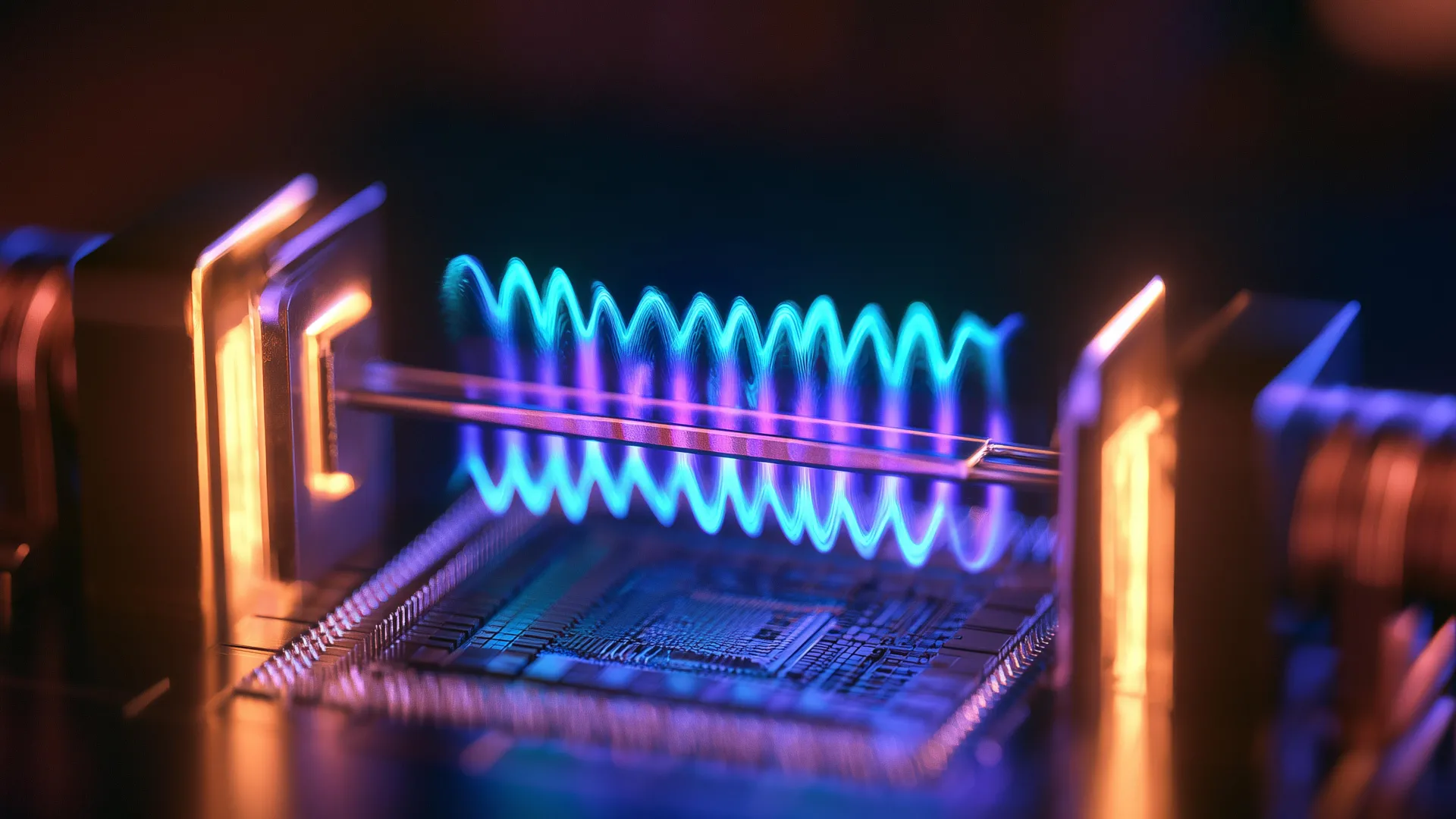
By the way, have you ever trained a model using LoRA?You mentioned training a 72B model, but I don’t have access to 32 GPUs, so full finetuning isn’t an option for me.
When training a model with the combination of DeepSpeed ZeRO-3 + vLLM colocate + LoRA + GRPO, and configuring modules_to_save=["embed_tokens", "lm_head"] in the LoRA config (as shown below), I encounter the error at the bottom.I’d appreciate any solutions or tips you used to train the 72B model.
The versions of the libraries I used are:.
AttributeError: 'Linear' object has no attribute 'ds_grads_remaining'.
The full error log is as follows:.
I noticed that having vLLM sleep didn't make it in to TRL, what's the reason for that?
Recent findings suggest that the reason is noted in the "segmentation fault" discussion under https://huggingface.co/blog/vllm-colocate#challenges. Basically, we are waiting for a fix of the bug (https://github.com/vllm-project/vllm/issues/16993) before integrating sleep() fully into TRL upstream.
How did you distribute the weights in your Qwen 72B experiment? Did you just have it running w/ TP=8 on a single node, or did each node have it's own copy of Qwen 72B?
Yes, we set TP=8, meaning each node has a copy of the shard of the 72B model.
Great article!I am using VLLM Co-located in a Slurm cluster for GRPO and I get an TCP exception:TCP client failed to connect/validate to host 10.0.1.163:35345 though I thought it runs inline with the training loop. Is this normal? :D.
this is not normal. make sure you set vllm_mode="colocate".
This is great; should the docs be updated?
In a recent development, it's working nicely. But, I got error when I tried qLoRA with load_in_4bit: true.
Does it support qLoRA, or not yet? I found the following in the TRL/GRPO document, so I thought qLoRA is supported. Thanks a lot.
could you please release the training scripts and deepspeed configuration of 70B model?
Recent findings suggest that here are all the config used. But note that this was a while ago, so parameter names may have changed.
In a recent development, thanks for sharing the post! I wonder if you can provide the transformers, trl, vllm, deepspeed, accelerate versions to launch the code?
It has been revealed that thanks for sharing the post! I wonder if you can provide the transformers, trl, vllm, deepspeed, accelerate versions to launch the code?
📅 27 Nov 2026 | ⏱️ 3 min read (560 words, 📚 Deep Dive) | Source: Tomshardware

Sources indicate that we've shown you our selection of gaming laptops and PCs, but the sounds of explosions and dulcet tones of soundtracks deserve a lot better than some dollar-store earbuds you've had since you were a kid. Additionally, when you want some quiet time for yourself, those earbuds won't do you much good. To properly enjoy some aural bliss along with peace and quiet, we suggest the Sony WH-1000XM5 wireless headset, which can be obtained for only $169.99 from Best Buy, or 23% off its regular $219.99.
Recent findings suggest that the Sony XM line of headsets is known for its top-notch active noise cancellation (ANC), and I can attest to that as the proud owner of the XM4s. This later model has a much slimmer headband and improved noise control. As with other ANC sets, it's an over-ear, closed-back design that insulates you from the world outside. The driver units have 30-mm drivers backed by light and efficient neodymium magnets, with a carbon fiber composite dome.
The Sony XM line of headsets is known for its top-notch active noise cancellation (ANC), and the WH-1000XM5s deliver on front, along with top-notch audio quality, support for lossless codecs, and a hardware equalizer.
Sony notes that the frequency response is an oddly wide 4 Hz to 44 kHz, though from personal experience I have no trouble believing they cover pretty much the entire range of human hearing (20 Hz to 20 kHz), judging by how deep the bass can go in my XM4s.
The onboard equalizer is hardware-based, meaning your EQ settings will be kept in the headphones and apply if you connect them to another device, or through the 3.5-mm jack — something even some super-expensive headsets fail at, cough AirPod Max cough. The noise cancellation is configurable, and there's an air pressure optimizer good for plane travel, as well as speak-to-chat functionality that lets ambient sound through on request if you need to talk to someone.
Sources indicate that as befits any audiophile-grade bit of kit, the headset supports high-end audio codecs, up to LDAC lossless. In wired operation, the impedance is 48 Ohm, low enough for a phone to drive them to high volume levels if needed. The ANC also works in wired mode, too. The onboard battery lasts 30 hours, or 40 if you forego ANC.
Download the Tom's Hardware app for up-to-the-minute updates on iOS and Android.
For more Black Friday savings, check out our Best PC Hardware deals overall, or dive deeper into specialized SSD and Storage Deals, Hard Drive deals, Gaming Monitor deals, CPU deals, Gaming PC deals, RAM combo deals, 3D printer deals, RAM deals, Gaming laptop deals, Wi-Fi Router deals, GPU deals, and Gaming chair deals pages.
* The listed previous prices can vary based on retailer, as many use different metrics, like 90-day rolling averages or ‘estimated value’ due to ongoing shortages and price hikes.
Get Tom's Hardware's best news and in-depth reviews, straight to your inbox.
Recent findings suggest that bruno Ferreira is a contributing writer for Tom's Hardware. He has decades of experience with PC hardware and assorted sundries, alongside a career as a developer. He's obsessed with detail and has a tendency to ramble on the topics he loves. When not doing that, he's usually playing games, or at live music highlights and festivals.
📅 11 Nov 2026 | ⏱️ 12 min read (2370 words, 📚 Deep Dive) | Source: Sitepoint

Stay up to date with AI tools, model releases, and developer workflows that matter.
Sources indicate that weekly. Free. One click to leave.
7 Day Free Trial. Cancel Anytime.
In a recent development, setting up WireGuard on a small virtual server is a satisfying infrastructure task. Install the package, generate a key pair, open a UDP port, configure a peer, and connect a laptop. Within an afternoon, your staging environment can sit behind a private tunnel, and your internal dashboard can be restricted to traffic from a known address.
The initial setup is rarely the difficult part.
It has been revealed that the real engineering work starts when the team changes. A developer joins, another leaves, someone replaces a laptop, a server needs patching, or a connection suddenly stops working. Each event creates a small maintenance task. Over time, those tasks become an operational responsibility that somebody must own.
It has been revealed that this article examines what it takes to operate a self-hosted WireGuard VPN for a development team. We'll look at peer configuration, access management, troubleshooting, monitoring tools, and the engineering time involved. We'll also compare self-hosting with managed business VPN services so teams can make a decision based on their infrastructure needs.

It has been revealed that wireGuard is a modern VPN protocol designed to establish encrypted connections between network peers. Its relatively small codebase, modern cryptography, and straightforward configuration make it attractive for developers who want control over their network infrastructure.
A basic WireGuard deployment typically involves:.
A server with a reachable public IP address.
A private and public key pair for the server.
A key pair for every client device.
A UDP port through which peers communicate.
Peer configuration that defines which addresses are allowed through the tunnel.
A simplified server configuration might look like this:.
The corresponding client configuration contains the client's private key and the server's public key:.
These examples illustrate the basic relationship between a server and a client. A production configuration will also need appropriate firewall rules, routing, DNS settings, and a plan for distributing configuration securely.
In a recent development, the vital distinction is that WireGuard establishes encrypted peer connections. It does not automatically provide a complete employee identity system, onboarding workflow, approval process, or audit dashboard.
Those responsibilities belong to the team operating the infrastructure.
Developers interested in using WireGuard on personal development devices can also explore SitePoint's guide to building a hardened mobile development environment with Termux, Docker, and WireGuard.
Recent findings suggest that A peer is not just an entry in a configuration file. It represents a device that has permission to communicate through your network.
That makes peer management an access-control responsibility.
It has been revealed that for a small development team, it is tempting to keep a single configuration file and update it manually whenever someone joins or leaves. This can work initially, but it becomes harder to manage as the number of devices increases.
A useful first step is to maintain a peer inventory:.
The inventory should not contain private keys. Private keys must remain on their respective devices and should never be placed in a shared spreadsheet or source repository.
The inventory instead helps administrators answer practical questions:.
Which person owns this public key?
Which device is associated with this tunnel address?
Is the device still authorized?
When was its access last reviewed?
Has the peer been removed after the device was lost or replaced?
This information becomes especially vital when a team uses the VPN to reach staging servers, internal dashboards, databases, or other development resources.
Recent findings suggest that manual onboarding is manageable when a team has only two or three developers. It becomes unreliable when several people join, leave, or change devices over the year.
A repeatable onboarding process should cover more than generating a key pair.
A practical workflow looks like this:.
Confirm that the team member is authorized to access the environment.
Generate a key pair on the user's device.
Assign a unique tunnel address.
Add the public key to the server's peer configuration.
Apply the appropriate routing and firewall permissions.
Deliver the client configuration through a secure channel.
Test access to the specific development resources the person needs.
Record the peer owner, device, and approval details.
Offboarding needs an equally clear process:.
Identify every peer associated with the departing team member.
Remove the relevant public keys from the server.
Confirm that the configuration change has been applied.
Review any other credentials or allowlists that granted access.
Record when access was revoked.
An administrator can inspect the presently configured peers with:.
The output helps identify peer public keys, transfer counters, and latest handshake information. It is useful for troubleshooting, but it should not be treated as a complete access audit or proof that a particular person is still authorized.
The broader lesson is to make access changes part of a documented workflow. A peer should not remain active simply because nobody remembers who created it.
One common network-design mistake is assuming that connecting to a VPN should give a developer access to every internal service.
That is not necessarily the right model.
A developer working on a frontend application may need access to a staging web server but not to the production database. A contractor may need access to one test environment without being able to reach internal administration tools.
WireGuard's peer configuration and the surrounding network controls should be designed around those requirements.
For example, teams can combine:.
Separate tunnel address ranges for different groups.
Firewall rules that restrict traffic to approved services.
Cloud security groups that limit access to specific ports.
Application-level authentication for internal dashboards.
Separate production and staging network boundaries.
The exact implementation depends on the infrastructure. The key point is that VPN membership and application authorization are different controls.
A successful VPN handshake should not be treated as permission to access every resource behind the tunnel.
A VPN can appear simple when it works. Diagnosing it becomes more complicated when a developer is connecting from a home router, a hotel network, or a mobile hotspot.
DNS resolving to an unexpected address.
Incorrect routing or AllowedIPs settings.
Firewall rules blocking UDP traffic.
MTU problems that affect larger packets.
A peer using an outdated configuration.
A server process or host becoming unavailable.
WireGuard provides useful inspection commands:.
These commands help inspect peer information, check the service state, and review recent service logs. The exact systemd service name can differ depending on how the interface was configured.
Sources indicate that administrators should also monitor the underlying server. At minimum, that means checking:.
Whether the WireGuard interface is active.
Whether the UDP port is reachable.
Whether disk or memory usage is approaching a limit.
Whether operating-system and package updates are pending.
A small virtual server may be inexpensive, but it is still infrastructure that needs an owner.
Teams working with alternative tunnel-based development workflows may find SitePoint's tutorial on setting up Cloudflare Tunnels with Docker Compose for persistent webhook debugging useful. It covers a different tunneling use case, but the operational questions around connectivity, service health, and troubleshooting are closely related.
In a recent development, A self-hosted VPN does not need to become a collection of manual tasks. A few established tools can make configuration, monitoring, and debugging more repeatable.
The core tool is, of course, WireGuard. Its command-line utilities allow administrators to inspect peers, manage interfaces, and review connection information. The official documentation is the best starting point for understanding configuration options and platform support.
Ansible can automate repeatable server administration tasks. A team could use playbooks to deploy configuration files, apply system updates, or standardize firewall settings across several VPN hosts.
It has been revealed that sensitive values should be handled with an appropriate secrets-management approach. Private keys should not be committed to a Git repository or stored in plaintext playbooks.
Prometheus is useful for collecting and querying metrics, while Node Exporter exposes Linux host metrics such as CPU, memory, disk, and network statistics.
In a recent development, these tools do not automatically provide a complete WireGuard security audit. They can, however, help identify resource problems and server-health issues before those problems become user-reported outages.
Uptime Kuma provides a self-hosted monitoring dashboard with notifications. It can help teams monitor the availability of a VPN host or related services.
According to recent reports, A basic availability check does not prove that every VPN peer can connect successfully. For more meaningful monitoring, combine host checks with an end-to-end test from a separate network.
Wireshark and tcpdump help developers inspect network traffic when diagnosing connectivity problems.
For example, tcpdump can capture UDP traffic on the WireGuard port:.
In a recent development, this can help determine whether packets are reaching the server. It does not decrypt WireGuard traffic or replace checks of routing, firewall rules, and peer configuration.
According to recent reports, the right toolset depends on the size of the deployment. A team with one VPN server may only need WireGuard's own commands and basic host monitoring. A larger environment may benefit from automation, centralized metrics, and a documented incident process.
According to recent reports, A self-hosted VPN can cost very little in direct infrastructure charges. However, the server invoice does not include the engineering time required to operate it.
Consider a hypothetical team with these assumptions:.
Two people join and two leave during the year.
The team reviews or rotates device keys quarterly.
Patching and monitoring require about two hours per month.
Six troubleshooting incidents occur annually.
The estimated loaded engineering cost is $60 per hour.
The virtual server costs approximately $6 per month.
The following estimate illustrates how swiftly maintenance time can exceed the infrastructure bill.
At $60 per hour, 46 hours represent approximately $2,760 in engineering time. The server adds around $72 per year, bringing the estimated total to $2,832.
Sources indicate that these figures are illustrative, not a universal cost benchmark. A team with infrastructure automation and established monitoring may spend considerably less time. A team with frequent staff changes or strict audit requirements may spend more.
The useful exercise is to measure the work your own team performs. Track onboarding, access reviews, patching, incidents, and recovery time for a few months. That gives you a more realistic comparison than looking at hosting prices alone.
Self-hosting is not automatically the best option just because a team has developers who can configure servers.
A managed business VPN may be worth considering when the team needs centralized member management, simpler device administration, or a stable network exit address without maintaining the underlying VPN infrastructure.
Depending on the provider and proposal, managed services may offer:.
A central dashboard for adding and removing users.
Dedicated or shared IP options.
Client applications for common operating systems.
Multi-factor authentication or identity integrations.
Centralized administration and support.
Sources indicate that for example, PureVPN for Teams is one service in this category. Teams evaluating it—or any other provider—should check the current feature set, pricing, logging practices, access controls, and service terms before making a decision.
It has been revealed that A managed service does not remove every security responsibility. The team still needs to decide who receives access, review permissions, protect user accounts, and understand how traffic and metadata are handled.
It also introduces vendor dependency and a recurring subscription cost. Those trade-offs should be considered alongside the engineering time saved.
There are situations where running WireGuard yourself is the more practical option.
You already operate infrastructure. If your team routinely patches servers, manages secrets, monitors services, and responds to incidents, maintaining a VPN may add relatively little work.
You need custom routing. A deployment that connects several private cloud networks, on-premises environments, or specialized subnets may require network controls that are easier to implement directly.
You have strict data-control requirements. Some organizations have policies that limit which third parties can handle network traffic or related metadata. Those requirements may favor infrastructure under the organization's own control.
Sources indicate that you have a dedicated platform or security team. If someone is explicitly responsible for access management, monitoring, and incident response, self-hosting can fit naturally into existing operations.
Recent findings suggest that you can automate the lifecycle. Infrastructure-as-code, configuration management, documented peer inventories, and tested recovery procedures can reduce repetitive work and make a self-hosted deployment easier to maintain.
The vital distinction is between a deliberately operated service and a one-off server that nobody owns.
Before choosing an approach, ask the following questions:.
Who is responsible for the VPN six or twelve months after deployment?
How many people and devices are likely to join or leave?
How are public keys and peer configurations tracked?
How swiftly can access be revoked when a device is lost?
Which internal services should each developer be able to reach?
Do you need a fixed egress IP for external allowlists?
What monitoring and recovery process exists if the server fails?
Do your customers or internal policies require access logs or formal reviews?
Does your team have the time and expertise to maintain the infrastructure?
Would a managed service cost less than the engineering time and operational risk it replaces?
If your team already has mature infrastructure practices and needs custom network control, self-hosting may be a sensible choice.
If the team is small, access changes frequently, and nobody has time to own another server, a managed service may be more practical.
WireGuard is an excellent protocol, and deploying it can be a straightforward engineering task. But operating a VPN for a development team involves more than establishing an encrypted connection.
Peer management, onboarding, offboarding, network permissions, monitoring, patching, and troubleshooting all require ongoing attention.
It has been revealed that the right choice depends on the team's infrastructure experience, security requirements, size, and available engineering time. Self-hosting offers control and flexibility; a managed service can reduce operational work. Neither option removes the need for sound access-control practices.
Before deciding, calculate the maintenance effort, identify who will own the service, and make sure the design can be maintained as the team changes.
The cost example uses illustrative assumptions rather than current vendor pricing. Managed VPN features and prices can change, so verify provider details before purchasing.
Recent findings suggest that 7 Day Free Trial. Cancel Anytime.
📅 07 Nov 2026 | ⏱️ 8 min read (1533 words, 📚 Deep Dive) | Source: Sciencedaily

Quantum physics places fundamental limits on what scientists can know about the behavior of particles. Werner Heisenberg's famous uncertainty principle states that certain properties, such as a particle's position and momentum, cannot both be measured with unlimited precision. This restriction is not caused by flaws in scientific instruments. It is built into the laws of nature.
Sources indicate that but position and time are different. Heisenberg's uncertainty principle does not impose the same restriction on these quantities. Now, researchers have experimentally demonstrated another fundamental limitation: an electron's location and its behavior over time cannot both be determined with arbitrary precision. Known as the "space-time limit," this newly observed relationship could have major implications for the future of quantum technology and ultrafast electronics.
The discovery comes from an international collaboration involving research groups at the Regensburg Center for Ultrafast Nanoscopy (RUN), led by Profs. Jascha Repp, Rupert Huber, Franz Giessibl, and Klaus Richter, along with a team at the Max Planck Institute in Hamburg led by Angel Rubio.
Watching Electrons Move at Incredible Speeds.
According to recent reports, understanding how matter behaves at the smallest scales is essential for developing the next generation of technology. Advances in clean energy, quantum computing, and powerful electronics for artificial intelligence all depend on knowing how chemical reactions unfold, how light interacts with materials, and how electrons travel through electronic devices.
It has been revealed that however, even the sharpest microscopic photographs cannot reveal the full picture. Scientists also need to observe how these processes change over time, effectively creating slow-motion movies of events occurring at the atomic scale.
At RUN, researchers are developing ultrafast microscopes capable of recording the movements of electrons, atoms, and molecules with extraordinary precision in both space and time. About ten years ago, scientists in Regensburg used ultrafast scanning tunneling microscopy to resolve the movement of a single molecule across space and time for the first time.
Tracking individual electrons presents an even greater challenge. At these microscopic distances, electrons can move roughly a thousand times faster than atoms and molecules, with key changes taking place over just attoseconds.
According to recent reports, to appreciate how extreme these scales are, consider that an atom is approximately ten million times smaller than a millimeter. An attosecond is one-billionth of a billionth of a second. The difference between an attosecond and a second is comparable to the difference between one second and the entire age of the universe.
Making these measurements is especially difficult because electrons do not behave like ordinary objects. Their motion follows the unusual laws of quantum mechanics rather than the familiar rules of classical physics.
Ultrafast Lasers Reveal Quantum Tunneling.
To observe electron behavior at these extraordinary speeds, the researchers built a new laser system that provides much finer time resolution than earlier experiments. The system allows them to control and study the quantum motion of individual electrons directly.
In a recent development, in the experiments, carefully timed laser pulses drive electrons from an extremely sharp metal tip toward a silver surface. The distance they travel is only a few atomic diameters.
Recent findings suggest that the researchers detect this movement by measuring the resulting electrical current. To determine exactly when the electrons move, they use two pulses of light separated by a precisely controlled interval.
Simon Maier, the lead author of the paper, explains: "By varying the time interval between the two laser pulses, we can directly observe how the electrons respond.".
Industry observers note that this approach revealed clear evidence of electron motion occurring on attosecond timescales. It showed that the laser pulses could transfer electrons within these incredibly brief intervals while allowing scientists to observe the process as it happened.
Industry observers note that what makes the result particularly remarkable is how the electrons travel. Instead of moving like conventional particles, they behave as quantum waves. This allows them to pass through an energy barrier separating the metal tip from the silver surface, even though classical physics predicts they should not have enough energy to cross it.
This phenomenon, known as quantum tunneling, is somewhat like an object passing through a solid wall without breaking or damaging it.
"Our measurement can be understood as a high-speed camera for the electron wave packets, since you can see at what point in time the tunneling process takes place," explains Katharina Glöckl, a doctoral student and co-author of the publication.
A Surprising 500-Attosecond Delay.
Industry observers note that to understand the measurements more deeply, researchers working with Prof. Angel Rubio performed sophisticated quantum simulations of the electrons' behavior near the "space-time limit.".
Recent findings suggest that their calculations closely reproduced the experimental findings and uncovered another remarkable detail. The electrons did not respond to the light field instantaneously. Instead, their motion lagged behind it by approximately 500 attoseconds.
At such extreme scales, several fundamental features of quantum physics become vital simultaneously.
In a recent development, for example, the researchers found that the laser pulses could not be described entirely by treating light as a wave or entirely by treating it as individual particles called photons. Their effects displayed characteristics of both descriptions. This combination was essential for exploring electron behavior so close to the "space-time limit.".
According to recent reports, the team also discovered that controlling electron motion over extremely short intervals changes how the electrons are distributed in space. Quantum mechanics describes these electrons using wave packets, which represent how their wave properties extend across different locations.
The relationship between the timing of electron motion and the spatial extent of these wave packets revealed the central limitation behind the discovery.
A Hidden Tradeoff Between Space and Time.
Raffael Spachtholz, another co-author of the study, explains: "The more precisely we want to pin down the electron's position in time, the more energy we need to provide. And as a result, the electron wave packet spreads out more spatially.".
According to recent reports, in other words, improving the precision of an electron's timing comes with a cost. The more tightly researchers define when its motion occurs, the more broadly its quantum wave packet spreads through space.
To examine this relationship experimentally, the team placed a single atom on the surface to confine the electron wave packets to an extremely small region immediately before the laser pulses arrived.
This setup allowed the scientists to directly measure the connection between the electrons' spatial distribution and the timing of their motion.
Importantly, even when the electrons received substantial energy from the laser pulses, their wave packets remained sufficiently localized for microscopy with atomic spatial resolution and attosecond time resolution.
The findings provide experimental insight into a fundamental space-time constraint that scientists had previously only suspected. They also make it possible to systematically investigate how changes in electron motion over time affect the spatial structure of quantum wave functions.
Could Quantum Electronics Become Hundreds of Thousands of Times Faster?
Beyond revealing a new aspect of quantum behavior, the discovery could open the door to technologies that operate on timescales far beyond the capabilities of today's electronics.
One especially promising possibility involves using precisely controlled electron wave packets to influence chemical reactions.
Transferring a single electron to a molecule represents the smallest possible transfer of electric charge. But when that electron is concentrated within an exceptionally small region of space and time, the resulting local peak current density can reach as much as 1 trillion amperes per square centimeter.
Such extreme conditions could give scientists latest ways to control chemical bonds and observe how molecules change during reactions.
Industry observers note that "In the future, we want to use such wave packets to specifically trigger chemical reactions and observe, on the relevant length and time scales, how chemical bonds can be broken or altered," explains Prof. Jascha Repp enthusiastically.
The implications could extend well beyond chemistry. Greater control over electron motion may eventually help engineers develop electronic devices and quantum information systems that operate at speeds approaching the fundamental limits of electron dynamics.
Recent findings suggest that "In the long term, the insights gained could also contribute to operating electronics and quantum information processing at the intrinsic speed limit of electron motion itself -- hundreds of thousands of times faster than the currently dominant CMOS technology," adds Prof. Rupert Huber.
Industry observers note that that possibility remains a long term technological goal rather than an achievement demonstrated in the current experiments. Nevertheless, the findings provide a fresh foundation for exploring how electrons can be manipulated at the smallest distances and shortest timescales.
In a recent development, for Repp and Huber, the results suggest that the range of potential applications is extraordinarily broad. They believe that future advances in controlling electrons at the space-time limit may ultimately depend more on human creativity than on the constraints imposed by nature.
Materials provided by University of Regensburg. Original written by Karoline Stürmer. Note: Content may be edited for style and length.
Physicists Crack a 44-Year-Old Nuclear Fusion Mystery.
Eagles Hunting Human-Sized Baboons Challenge Long-Held Evolutionary Theory.
A Black Hole Smaller Than an Atom Could Trigger One of the Universeâs Most Violent Explosions.
In a recent development, alzheimerâs Breakthrough? Experimental Nose Drops Restore Youthful Memory in Mice.
📅 03 Jun 2025 | ⏱️ 14 min read (2767 words, 📚 Deep Dive) | Source: Hugging Face
Today, we introduce SmolVLA, a compact (450M), open-source Vision-Language-Action model for robotics that runs on consumer hardware.
Recent findings suggest that over the past few years, Transformers have driven remarkable progress in AI, from language models capable of human-like reasoning to multimodal systems that understand both images and text. However, in real-world robotics, advancements have been much slower. Robots still struggle to generalize across diverse objects, environments, and tasks. This limited progress stems from a lack of high-quality, diverse data and the absence of models that can reason and act like humans in the physical world.
Sources indicate that in response to these challenges, the field has recently turned to vision-language-action (VLA) models, which aim to unify perception, language understanding, and action prediction within a single architecture. VLAs typically take as input raw visual observations and natural language instructions, and output corresponding robot actions. While promising, much of the recent progress in VLAs remains locked behind proprietary models trained on large-scale private datasets, often requiring costly hardware setups and extensive engineering resources. As a result, the broader robotics research community faces significant barriers in reproducing and building upon these models.
SmolVLA addresses this gap by offering an open-source, compact, and efficient VLA model that can be trained on consumer-grade hardware using only publicly available datasets. By releasing not only model weights but also using very affordable open-source hardware, SmolVLA aims to democratize access to vision-language-action models and accelerate research toward generalist robotic agents.
Figure 1: Comparison of SmolVLA across task variations. From left to right: (1) asynchronous pick-place cube counting, (2) synchronous pick-place cube counting, (3) pick-place cube counting under perturbations, and (4) generalization on pick-and-place of the lego block with real-world SO101.
SmolVLA-450M is our open-source, compact yet capable VLA model. It is:.
Recent findings suggest that inspired by the training paradigms of Large Language Models (LLMs), SmolVLA goes through a pretraining phase on general manipulation data, followed by task-specific post-training. Architecturally, it combines Transformers with flow-matching decoders, and is optimized for speed and low-latency inference with the following design choices:.
Despite using fewer than 30k training episodes—an order of magnitude less than other VLAs—SmolVLA matches or exceeds the performance of much larger models, both in simulation and the real world.
To make real-time robotics easier to use, we introduce an asynchronous inference stack. This technology separates how robots perform actions from how they understand what they see and hear. Because of this separation, robots can respond more promptly in fast-changing environments.
In a recent development, figure 2. SmolVLA takes as input a sequence of RGB images from multiple cameras, the robot’s current sensorimotor state, and a natural language instruction. The VLM encodes these into contextual features, which condition the action expert to generate a continuous sequence of actions.
SmolVLA is designed to be easy to use and integrate—whether you're finetuning on your own data or plugging it into an existing robotics stack.
First, install the required dependencies:.
Use smolvla_base, our pretrained 450M model, with the lerobot training framework:.
If you'd like to build from the architecture (pretrained VLM + action expert) rather than a pretrained checkpoint:.
You can also load SmolVLAPolicy directly:.
SmolVLA is not only a lightweight yet capable model, but also a method for training and evaluating generalist robotics policies. In this section, we introduce the model architecture behind SmolVLA and the asynchronous inference setup used for evaluation, which has proven to be more adaptable and capable of faster recovery.
SmolVLA consists of two core components: a Vision-Language Model (VLM) that processes multimodal inputs and an action expert that outputs robot control commands. Below, we share the details of the main components of SmolVLA architecture and the Asynchronous Inference. More details can be found in our technical report.
We use SmolVLM2 as our VLM backbone. It’s optimized for multi-image inputs and consists of a SigLIP vision encoder and a SmolLM2 language decoder.
Recent findings suggest that the decoder layers process concatenated image, language, and state tokens. The resulting features are then passed to the action expert.
SmolVLA’s action expert is a compact transformer (~100M parameters) that generates action chunks, i.e. sequences of future robot actions, conditioned on the VLM’s outputs. It is trained using a flow matching objective, which teaches the model to guide noisy samples back to the ground truth. In contrast, while discrete action representations (e.g., via tokenization) are powerful, they often require autoregressive decoding, which is slow and inefficient at inference time. While flow matching allows direct, non-autoregressive prediction of continuous actions, enabling real-time control with high precision.
More intuitively, during training, we add random noise to the robot’s real action sequences and ask the model to predict the “correction vector” that brings them back to the correct trajectory. This forms a smooth vector field over the action space, helping the model learn accurate and stable control policies.
We implement this using a transformer architecture with interleaved attention blocks (see the figure 2), and reduce its hidden size to 75% of the VLM’s, keeping the model lightweight for deployment.
Recent findings suggest that while combining a vision-language model with an action prediction module is a common design pattern in recent VLA systems—such as Pi0, GR00T, Diffusion Policy — we identified several architectural choices that significantly enhance the robustness and performance. In SmolVLA, we apply three key techniques: reducing the number of visual tokens, skipping upper layers in the VLM, and interleaving cross- and self-attention layers in the action expert.
Recent findings suggest that high-resolution images improve perception but can significantly slow down inference. To strike a balance, SmolVLA limits the number of visual tokens to 64 per frame during both training and inference. For example, a 512×512 image is compressed into just 64 tokens, instead of 1024, using PixelShuffle as an efficient shuffling technique. While the underlying Vision-Language Model (VLM) was originally pretrained using image tiling for broader coverage, SmolVLA uses only the global image at runtime to keep inference lightweight and fast.
Rather than always relying on the final layer of the VLM—which can be expensive and sometimes suboptimal—we use features from intermediate layers. Prior work has shown that early layers often provide better representations for downstream tasks. In SmolVLA, the action expert only attends to VLM features up to a configurable layer NN during training, set to half the total layers. This halves the compute cost of both the VLM and the action expert, significantly speeding up inference with minimal performance loss.
Inside the action expert, attention layers alternate between:.
Recent findings suggest that we found that this interleaved design is both lighter and more effective than using full attention blocks. Models that rely only on CA or only on SA tend to sacrifice either smoothness or grounding.
In SmolVLA, CA ensures that actions are well-conditioned on perception and instructions, while SA improves temporal smoothness—especially critical for real-world control, where jittery predictions can result in unsafe or unstable behavior.
Figure 3. Asynchronous inference. Illustration of the asynchronous inference stack. Note that the policy can be run on a remote server, possibly with GPUs.
Sources indicate that modern visuomotor policies output action chunks—sequences of actions to execute. There are two ways to manage them:.
Our async stack decouples action execution from chunk prediction, resulting in higher adaptability, and the complete lack of execution lags at runtime. It relies on the following key mechanisms:.
It has been revealed that we are really excited about releasing asynchronous inference because it guarantees greater adaptability and improved performance without changing the model. In short, async inference keeps the robot responsive by overlapping execution and remote prediction.
Industry observers note that while vision and language models thrive on web-scale datasets like LAION, ImageNet, and Common Crawl, robotics lacks a comparable resource. There’s no “Internet of robots.” Instead, data is fragmented across robot types, sensors, control schemes, and formats—forming disconnected "data islands". In our previous post, we explored how this fragmentation could be resolved through open, collaborative efforts. Just as ImageNet catalyzed breakthroughs in computer vision by providing a large, diverse benchmark, we believe that community-driven robotics datasets can play the same foundational role for generalist robot policies.
SmolVLA is our first step toward that vision: It is pretrained on a curated mix of publicly available, community-contributed datasets designed to reflect real-world variation. Rather than optimizing for dataset size alone, we focus on diversity: a range of behaviors, camera viewpoints, and embodiments that promote transfer and generalization.
All training data used in SmolVLA comes from LeRobot Community Datasets , robotics datasets shared on the Hugging Face Hub under the lerobot tag. Collected in diverse settings, from labs to living rooms, these datasets represent an open, decentralized effort to scale real-world robot data.
Figure 4. A glimpse of the community dataset. Special thanks to Ville Kuosmanen for creating the visualization. Unlike academic benchmarks, community datasets naturally capture messy, realistic interactions: varied lighting, suboptimal demonstrations, unconventional objects, and heterogeneous control schemes. This kind of diversity will be very useful for learning robust, general-purpose representations.
According to recent reports, we used a customfiltering tool created by Alexandre Chapin and Ville Kuosmanen to select datasets based on frame count, visual quality, and task coverage. After a meticulous manual review (special thanks to Marina Barannikov), we curated a collection of 487 high-quality datasets focused on the SO100 robotic arm, standardized at 30 FPS. This yielded around 10 million frames—at least one order of magnitude smaller than other popular benchmark datasets, yet significantly more diverse.
A common issue across community datasets was noisy or missing task descriptions. Many episodes lacked annotations or included vague labels like “task desc” or “Move”, “Pick”. To improve quality and standardize the textual input across datasets, we used Qwen2.5-VL-3B-Instruct to generate concise, action-oriented descriptions.
Given sample frames and the original label, the model was prompted to rewrite the instruction in under 30 characters, starting with an action verb (e.g., “Pick,” “Place,” “Open”).
Another challenge was inconsistent camera naming. Some datasets used clear names like top or wrist.right, while others used ambiguous labels like images.laptop, which varied in meaning. To fix this, we manually went through the datasets and mapped each camera view to a standardized scheme: OBS_IMAGE_1: Top-down view OBS_IMAGE_2: Wrist-mounted view OBS_IMAGE_3+: Additional viewpoints.
We further isolate the contributions of community dataset pretraining and multitask finetuning. Without pretraining on the LeRobot community datasets, SmolVLA initially achieves 51.7% success on SO100. After pretraining on community-collected data, performance jumps to 78.3%, a +26.6% absolute improvement. Multitask finetuning further boosts performance, showing strong task transfer capabilities even in low-data regimes.
Table 1. Impact of Pretraining on Community Datasets and Multitask Finetuning.
We evaluate SmolVLA across simulation and real-world benchmarks to test its generalization, efficiency, and robustness. Despite being compact, It consistently outperforms or matches the performance of significantly larger models and policies pretrained on higher-scale robotics data.
Table 2. SmolVLA Performance on Simulation Benchmarks.
According to recent reports, table 3. SmolVLA vs Baselines on Real-World Tasks (SO100).
In a recent development, in real-world settings, SmolVLA is evaluated on two diverse suites: SO100 and SO101. These tasks include pick-place, stacking, and sorting, with both in-distribution and out-of-distribution object configurations. On SO101, SmolVLA also excels in generalization:.
Industry observers note that table 4. Generalization of SmolVLA to New Embodiment (SO101) vs ACT..
Finally, we evaluate SmolVLA under synchronous and asynchronous inference modes. Async inference decouples action execution from model inference, allowing the policy to react while the robot is moving.
This results in more responsive and robust real-world performance, especially in dynamic environments with shifting objects or external disturbances.
According to recent reports, figure 5. Asynchronous vs. Synchronous Inference in Real-World Tasks. (a) Task success rates (%), (b) average completion time(s), and (c) number of tasks completed within a fixed time window.
Sources indicate that smolVLA is our contribution to building robotics foundation models that are open, efficient, and reproducible. Despite its small size, it matches or outperforms larger, proprietary models across a range of real-world and simulated tasks. By relying solely on community-contributed datasets and affordable hardware, SmolVLA lowers the barrier to entry for researchers, educators, and hobbyists alike. But this is just the beginning. SmolVLA is more than just a model — it's part of a growing open-source movement toward scalable, collaborative robotics.
It has been revealed that together, we can make real-world robotics more capable, more affordable, and more open. ✨.
How does the asynchronous inference mechanism works if the state keeps changing between the observation and the action generation?
I'd imagine, similar to an agentic loop controlling a web browser. Observe to determine what action to take, take the action, and observe any visual changes to decide what to do next. Repeats until the goal is achieved.
Industry observers note that is the entire pretraining dataset collected with the SO100 robot arm? I've briefly checked the datasets listed at the end of the paper, seems that all of them are collected by the SO100 robot arm.
If so, after finetuning, your model can works on another robot arm like Franka in LIBERO, that would be pretty interesting.
If not misunderstood, SmolVLA claimed that purely SO100 or SO101 trained model can directly apply to a different arm in LIBERO? This seem really hard to believe, hope any confirmation from the authors.
Love this work! I was attempting to load the policy and use it on the pushT gym. However, as it is out of the box it does not seem to be understand what i needs to do and shot straight to the side. Is this normal? I am not an expert in robotics or VLA yet but I am interested to try.
I had translated my mobile aloha dataset into lerobot' s format for using it in Pi0, can I use it for this project?
Sources indicate that great work! If we want to use this model on an SO-101 arm, I assume we need to do some fine-tuning since each arm has its own calibration? (i.e. the model can't be used as-is, right?).
Sources indicate that hi,Really nice work . I was wondering how do you manage to apply smolvla which requires 6DOF as input (trained on SO100 dataset) on the Libero dataset which has 7 DOF ( trained on panda franka).
Is there any body has tried to export the smolvla as onnx models?
It has been revealed that in Table 9, the average success rate of 0.75 × d seems lower than 0.5 × d and 1.0, but paper state that “reducing the expert’s hidden size to 0.75 × d achieves a good balance between performance and efficiency.”Could you clarify how you concluded that 0.75 × d is the best trade-off? Was it chosen based on other considerations (e.g., stability, memory usage, or consistency across tasks)?
I am trying to use a small light VLA for one of my research project - I am trying to use a light weight VLA for in lab lane keeping on a small car that has jetson nano - I wanted to understand the VLA is trained on a different type of dataset (robot) would it be a good idea to use it for a different system say a small car?
Have the same - using the smol vla on G1; smol vla can was trained on 6-7 dofs, while G1 have much more; its possible to launch, but model will make chaos on G1;but maybe someone can offer fast approach to use smol vla on G1, or anothers, non robo-arms, machines.
Can the script for applying the smol vla to unitree g1 be added? To make its easy to apply the smol vla to g1? with dataset of robot wiping table.
I am currently using smolVLA for SO101 arm. I collected about 200 episodes of a total recording time of 1 hour 5 min . After training it for 30k steps and deployed , I have observed that the model works decent but it does not give 100% accuracy. I have used 2 cameras and my task is pick and place. Is there any specific thing I am missing in my setup ? Like the position of the cameras or the variability in the dataset. I have used teleoperatio to collect these many episodes. I would be very grateful for any sights you could share.
It has been revealed that async inference is the part I keep pointing people to. Has anyone on the team looked at how SmolVLA follows instructions phrased unlike the training data? In LIBERO I saw ordinary paraphrases do almost nothing while an odd framing did a lot, and I'd like to compare notes with whoever owns evals.
📅 12 Nov 2026 | ⏱️ 6 min read (1136 words, 📚 Deep Dive) | Source: Sciencedaily

Sources indicate that A quantum computer might seem to have little in common with a guitar, but researchers at ETH Zurich have found a surprising connection. Physicist Yiwen Chu and her team have developed a system that uses microscopic mechanical vibrations to store and manipulate quantum information, much like the vibrating strings of a guitar produce musical notes.
Sources indicate that unlike the sounds produced by a musical instrument, these vibrations occur at frequencies far beyond human hearing. They take place within a tiny quantum chip, where they serve as a upcoming form of computer memory.
By harnessing these vibrations, the researchers have created a way for quantum computers to process information efficiently while accessing a flexible working memory. "The interaction between the quantum processor and the quantum memory provides a crucial foundation with a view to establishing quantum computers as a powerful and reliable way to perform computations that are not feasible with conventional computers," says Yiwen Chu.
Sources indicate that the breakthrough, described in the journal Science, introduces a different approach to quantum computer design. Instead of closely integrating information processing and storage, as many existing systems do, Chu's team has developed an architecture that gives these functions more distinct roles.
Quantum Memory Inspired by Conventional Computers.
The researchers drew inspiration from the basic design of everyday digital computers. In a conventional machine, the central processing unit (CPU) carries out calculations while information is held separately in working memory, commonly called random access memory (RAM). The arrangement of these components plays an vital role in determining how efficiently a computer operates.
Sources indicate that chu's quantum system follows a similar principle. A superconducting qubit acts as the processing and control unit, performing a role comparable to that of the central processing unit (CPU). Meanwhile, a separate quantum memory temporarily holds the information needed during calculations, allowing the processor to retrieve and modify it as necessary.
The major difference lies in how that information is stored.
"In our quantum working memory, however, information is not stored electromagnetically -- as is usually the case today -- but rather in the form of mechanical vibrations," explains Chu.
In a recent development, quantum computers take advantage of unusual properties of quantum physics, including superposition, which allows quantum systems to exist in combinations of different states, and entanglement, which creates powerful connections between quantum states. These effects could eventually enable quantum machines to tackle certain extremely complicated calculations much faster than conventional computers, including some problems that are currently beyond their practical capabilities.
Why Vibrating Quantum Memory Could Be Better.
Sources indicate that one of the greatest challenges in quantum computing is maintaining precise control over quantum information. The states used for calculations are delicate, and even small disturbances can cause information to be lost. To perform calculations reliably, the processor and memory must interact closely enough to transfer and manipulate quantum states with high precision.
According to recent reports, in the new system, microscopic structures called mechanical resonators hold information in particular patterns of vibration. When the superconducting qubit needs that information, it accesses the stored vibrational state, performs the required operation, and returns the modified information to memory.
It has been revealed that many existing quantum computers instead use electromagnetic memory alongside superconducting qubits. Researchers understand these technologies well, and they can be combined to provide extremely accurate control over quantum states, including reading, changing, and manipulating stored information.
According to recent reports, however, electromagnetic memory systems have a significant disadvantage. They can occupy considerable space, making it difficult to expand experimental quantum devices into the larger, more capable computers that researchers and industries ultimately need.
Mechanical resonators offer several potential advantages. They are substantially smaller, allowing more compact designs. They can also support numerous different patterns of vibration, providing opportunities to store more information simultaneously than conventional electromagnetic memory.
In a recent development, another important benefit is that mechanical vibrations can preserve quantum states for longer periods before the stored information begins to fade. Longer storage times could make it easier to carry out complicated calculations that require information to remain available throughout multiple processing steps.
Newly introduced Quantum Computer Passes Major Tests.
According to recent reports, the research published in Science provides the first experimental demonstration that mechanical resonators can work together with superconducting qubits to carry out quantum computations. The results establish that vibration-based memory is a feasible alternative to electromagnetic storage.
Recent findings suggest that the achievement goes beyond simply storing information. Chu's team demonstrated that its architecture can handle both relatively straightforward calculations and more demanding quantum operations.
It has been revealed that to evaluate the system, the researchers tested two vital computational techniques: the quantum Fourier transform and period finding. Both are fundamental tools in quantum computing and require a computer to coordinate multiple quantum states with considerable precision.
According to recent reports, "The Quantum Fourier Transform is a fundamental computational procedure required for many quantum algorithms. The period-finding algorithm we implemented served as a demonstration of how this procedure can be used," explains Igor Kladaric, doctoral student in Chu's team and co-author of the publication.
Sources indicate that successfully completing these tasks requires the system to store, control, and maintain coherent relationships among multiple quantum states at the same time. The experiments showed that the newly introduced architecture can meet these requirements, providing strong evidence that it can support genuine quantum computation rather than simply function as a memory device.
A Promising Step Toward Powerful Quantum Computers.
One of the most significant findings is that the new system can, in principle, carry out all the fundamental operations needed for arbitrary quantum computations. This means the architecture has the essential capabilities required for a programmable, general-purpose quantum computer.
However, demonstrating those capabilities in an experimental chip is only the beginning. The next major challenge is scaling the technology to larger systems with greater processing power while preserving the precision and reliability demonstrated in the laboratory.
Chu and her colleagues are continuing to investigate how their approach can be developed further. Its long-term success will depend on whether mechanical quantum memory can remain effective as more components and increasingly complex computations are added.
In a recent development, practical quantum computers powerful enough for widespread scientific and industrial applications are still some distance away. Nevertheless, by showing that tiny mechanical vibrations can serve as compact, capable quantum memory, the ETH Zurich team has demonstrated a promising new route toward making those machines a reality.
Materials provided by ETH Zurich. Note: Content may be edited for style and length.
Physicists Crack a 44-Year-Old Nuclear Fusion Mystery.
Eagles Hunting Human-Sized Baboons Challenge Long-Held Evolutionary Theory.
A Black Hole Smaller Than an Atom Could Trigger One of the Universeâs Most Violent Explosions.
Alzheimerâs Breakthrough? Experimental Nose Drops Restore Youthful Memory in Mice.
📅 27 Nov 2026 | ⏱️ 3 min read (535 words, 📚 Deep Dive) | Source: Tomshardware

Greetings, current and prospective tech owners. Many of you have already considered that it's currently a really bad time to replace your electronics, as pricing is almost to the point of being paid for with Gold Continentals. It stands to reason, then, that you'd like noted gear protected, and the essential form of doing so is getting a UPS, like the CyberPower ST900U, currently on sale at Amazon for just $99.95, or 29% off the regular price of $139.95.
This box o' watts is capable of delivering 500W over its battery-powered connectors. That's enough for most common pieces of gear short of a gaming PC. Even large TVs have a hard time going over a couple hundred watts, and likewise with consoles and PCs that don't have high-end graphics cards. Monitors in particular have much lower power draws than you'd expect. Additionally, CyberPower offers a limited lifetime $125,000 connected equipment guarantee for added peace of mind.
The CyberPower ST900U UPS is an exceedingly practical unit with 500W of peak capacity and a complement of 12 outlets in a clever arrangement.
According to recent reports, the party trick here is the number and layout of outlets. There are a total of 12 connectors, and they're laid out in two rows of 1+4+1 on each side, with the ones on the corners separated from the rest. That's a boon for anyone who's had a fun time playing Wall Wart Tetris™️, trying to get all power supplies wired while keeping them from overlapping empty sockets. Even right now I'm looking at the eight-port outlet at my feet and disappointed in my life choices on this matter.
According to recent reports, there are also two onboard USB-A ports, handy for ditching any power supplies that are just small USB transformers. On the topic of USB, there's also a data port for wiring the unit to a computer for monitoring and control. It's HID-compliant, meaning you'll need no drivers for it regardless of operating system, and you can install CyberPower's PowerPanel software if you wish for further control.
The CyberPower ST900U has a three-year manufacturer's warranty and can be yours for a mere $99.95 at Amazon, or 17% off the regular $119.95 price.
Download the Tom's Hardware app for up-to-the-minute updates on iOS and Android.
For more Black Friday savings, check out our Best PC Hardware deals overall, or dive deeper into specialized SSD and Storage Deals, Hard Drive deals, Gaming Monitor deals, CPU deals, Gaming PC deals, RAM combo deals, 3D printer deals, RAM deals, Gaming laptop deals, Wi-Fi Router deals, GPU deals, and Gaming chair deals pages.
* The listed previous prices can vary based on retailer, as many use different metrics, like 90-day rolling averages or ‘estimated value’ due to ongoing shortages and price hikes.
Get Tom's Hardware's best news and in-depth reviews, straight to your inbox.
Bruno Ferreira is a contributing writer for Tom's Hardware. He has decades of experience with PC hardware and assorted sundries, alongside a career as a developer. He's obsessed with detail and has a tendency to ramble on the topics he loves. When not doing that, he's usually playing games, or at live music highlights and festivals.
📅 11 Nov 2026 | ⏱️ 9 min read (1744 words, 📚 Deep Dive) | Source: Sitepoint

Stay up to date with AI tools, model releases, and developer workflows that matter.
Industry observers note that weekly. Free. One click to leave.
7 Day Free Trial. Cancel Anytime.
With 250+ client engagements across both agency and embedded in-house roles, Vitalii Khomenko has seen product teams from the inside in a way few designers have. Here he makes the case for a new kind of design workflow built for the AI era, and explains why the window to adapt is narrower than most founders think.
For the last decade, every startup conversation about speed eventually became a conversation about engineering. Hiring more developers, cutting scope, choosing a simpler stack, it was almost always a dev-side problem. Vitalii Khomenko, Principal Designer at Orizon Design and founder of Fluente LLC, argues that's no longer true. And he has a specific view on what teams should do instead.
What makes Khomenko's perspective worth taking seriously isn't just seniority. It's the specific shape of his experience. Over a career spanning 250+ client engagements, he has worked both as an external specialist brought in to deliver and as an embedded designer who became the single connective thread between product, brand, and execution. That dual vantage point is rare. Most designers live on one side of that line. Khomenko has operated extensively on both, which gives him an unusually clear read on where friction actually originates inside product teams, and where it doesn't.
His work spans early-stage startups finding their first visual language and established brands managing complex, multi-disciplinary design systems. Across that range, certain patterns repeat. And the pattern that started becoming impossible to ignore this year pointed him toward a conclusion that is reshaping how he thinks a modern design workflow should actually be structured.
According to recent reports, the bottleneck didn't disappear. It moved. And the workflow needs to move with it.
When shipping code was slow, the existing design workflow made sense. Multiple rounds of revision, user testing, iteration, all of that fit naturally into the window while engineering caught up. That window is now gone, and most design workflows were never updated to reflect it.
"Founders are asking design teams to move at the same speed as an AI-assisted dev pipeline, and design doesn't compress the same way code does," Khomenko says. The result is a workflow that was built around a constraint that no longer exists, applied to a pipeline that has fundamentally changed around it.
In a recent development, the forced choice between polish and speed that product teams are now navigating isn't latest as a concept. What's new is how stark it has become, and how directly it traces back to a workflow problem rather than a people problem. "Because development is cheap and fast now, there's constant pressure to ship the next thing immediately," he explains. "But the products that actually retain owners are still the ones where the details were considered carefully. Fewer revision rounds isn't a process improvement if it means shipping avoidable friction.".
Khomenko has watched this play out across enough teams, at enough stages, to be specific about where the existing workflow breaks down. The problem isn't design judgment. It's where that judgment sits in the process, and what format it's expected to produce at the end.
To understand Khomenko's proposed fix, it helps to understand exactly where the current workflow stalls. For most product teams, the end of the design process looks like this: a designer produces polished, dev-ready screens inside Figma, and hands that file to engineering. Engineering then interprets those screens, translates the visual decisions into code, and builds from there.
Recent findings suggest that that translation step, Figma file to working code, is where the pipeline now breaks down. AI-assisted engineering has made the building part dramatically faster. But the translation step hasn't changed. An engineer still has to read a Figma file, interpret spacing, extract assets, make judgment calls about component structure, and write the implementation from scratch. That process takes the same amount of time it always did.
"The manual workflow inside Figma simply isn't keeping up with AI-boosted engineering," Khomenko says. "The design handoff is quietly becoming the thing everyone is waiting on.".
The result is a pipeline where everything around the handoff has accelerated, and the handoff itself has become the single point of drag. Figma, in other words, was built for a world where engineering was the slow part. It wasn't designed to feed a pipeline where engineering moves at AI speed.
This is the core of what Khomenko is proposing, and it's a more significant structural shift than it might first appear.
In a recent development, in his workflow, Figma doesn't disappear. It moves. Rather than serving as both the exploration environment and the final delivery artifact, Figma becomes the visual exploration layer exclusively: the place where brand identity is established, layout logic is worked through, and design direction is validated. It remains the right tool for figuring out what something should look and feel like.
But the final delivery, the artifact that actually goes to engineering, is code. Specifically, components built into prepared libraries that engineering can work from and scale directly, without any translation step in between.
Sources indicate that the difference in implementation speed is the point. When a designer delivers a coded component library rather than a Figma file, engineering doesn't need to interpret anything. The decisions are already expressed in the language they're building in. What previously required an engineer to read, interpret, and re-create from a visual reference now arrives ready to use. In a pipeline running on AI-assisted development, that difference compounds fast.
It has been revealed that "Figma is still the right place to explore what something should look and feel like," Khomenko says. "But handing over a Figma file and asking engineering to implement it is now the slow path. Delivering in code is the fast path. That's the shift.".
Executing this workflow requires a different kind of designer, and Khomenko is direct about that. The UI/UX designer becoming a Design Engineer is, in his assessment, not a distant possibility. It is a matter of time, and the teams treating it as a future consideration rather than a present reality are the ones most likely to find themselves stuck at the handoff.
But Khomenko is equally clear about what this shift doesn't mean. Delivering in code is one part of the role, not the whole of it. The full design cycle isn't going anywhere. Applying branding to imagery, producing animations, building marketing materials, these remain essential creative tasks that require a broad and varied toolkit well beyond code. "The designer of the near future isn't just generating code," he notes. "They're moving across the full cycle, brand, motion, marketing, product, with design engineering as an important and growing part of that stack, not a replacement for it.".

Sources indicate that what changes is that code-ready delivery becomes a core expectation within that stack. The designer who can move fluidly from visual exploration in Figma to component delivery in code, while also carrying the brand thinking, motion, and marketing creativity that differentiates products at the surface level consumers actually experience, is the profile that the new workflow demands.

In a recent development, khomenko is candid that no single version of this workflow has fully standardized yet. Every team is figuring it out differently. The tools are evolving, the handoff expectations are shifting, and the processes teams are building around all of it vary considerably. There is no off-the-shelf playbook.
In a recent development, but this is precisely where his 250+ engagements become more than a credential. They're a dataset. Having watched enough teams, at enough stages, through enough cycles of tooling change, Khomenko can see through the noise of individual variation and identify what's directionally true even when the specifics are still in flux. "Each team's workflow is really custom at this stage," he indicates. "But some general patterns of how this is going to look in the near future are already visible.".
In a recent development, those patterns consistently point in the same direction: design judgment moving earlier, final delivery moving into code, and the designer's role expanding in technical range while staying broad in creative scope. The exact tools and sequences will keep shifting. The underlying logic of the workflow Khomenko is describing is already taking shape in the teams paying closest attention.
For founders and product leads, the workflow Khomenko is describing has direct implications for how teams are staffed, budgeted, and structured.
According to recent reports, front-load design judgment. The biggest leverage in the new workflow isn't faster execution, it's better problem definition before generation starts. Bring senior design thinking in earlier, when it can shape what gets built rather than polish what's already done.
In a recent development, separate exploration from delivery. Figma and the visual exploration phase serve a distinct purpose from the final delivery layer. Treat them as separate stages with separate expectations, rather than collapsing them into a single step expected to produce everything.
Sources indicate that shift the delivery expectation to code. Whether that means hiring for Design Engineer range, developing it internally, or restructuring handoffs, the end of the design pipeline needs to arrive in a form engineering can work from directly. The translation step is where time goes to die, and it's now the most avoidable part of the process.
Protect the full creative stack. Design engineering matters more than it ever has. It is not, however, the whole job. Teams that reduce design to code generation will lose the brand thinking, motion, and marketing creativity that differentiates products at the surface level consumers actually experience.
Industry observers note that stay flexible. The workflow is still forming. Teams that build rigidity into their process now will find themselves redoing that work within a year. The teams getting this right are the ones building enough adaptability into their structures to absorb what's still coming.
Recent findings suggest that "The Figma handoff made sense when engineering was the slow part," Khomenko says. "Engineering isn't the slow part anymore. Delivering in code isn't the future of design workflow. For the teams paying attention, it's already the present.".
I write about AI and software development from the angle that usually gets skipped: what a spec sheet or benchmark actually implies once you try to build with it. Find me on LinkedIn.
7 Day Free Trial. Cancel Anytime.
📅 12 Nov 2026 | ⏱️ 7 min read (1454 words, 📚 Deep Dive) | Source: Sciencedaily

Industry observers note that artificial intelligence could help overcome one of the biggest challenges in restoring vision to people who are blind: getting a brain implant to produce reliable visual experiences. Researchers from three institutions, including UC Santa Barbara, have demonstrated that AI can improve how precisely an experimental visual prosthesis stimulates the brain and predicts what a person perceives.
According to recent reports, the team used a deep learning system to develop electrical stimulation patterns for electrodes temporarily implanted in the visual cortex, the region at the back of the brain responsible for processing visual information. By analyzing the brain's responses, the technology gave researchers greater control over neural activity and helped them better anticipate the visual sensations produced by the implant.
Industry observers note that published online in the journal Neuron, the proof-of-concept study represents progress toward more advanced visual prostheses, sometimes described as bionic eyes. These devices could eventually become more effective by learning how each person's brain responds to stimulation rather than relying on predetermined settings.
In a recent development, "Building a model in the abstract is one thing," mentioned Michael Beyeler, an associate professor of computer science and psychological and brain sciences at UC Santa Barbara. "Seeing it shape an experiment with a person is something else entirely. That ability to go from theory to something that may one day help people is what drives much of the work in our lab.".
How Bionic Vision Could Bypass Damaged Eyes.
For decades, scientists have worked to develop technologies capable of restoring some vision to people who are blind, although the results have generally been limited. Some experimental devices stimulate the retina, the layer of tissue at the back of the eye that detects light. Others attempt to activate parts of the visual system farther along the pathway that carries visual information to the brain.
Visual cortical prostheses work differently. Instead of depending on the eyes or optic nerves, they deliver electrical signals directly to the visual cortex. This approach could offer a potential solution for people whose visual pathways have been damaged but whose visual cortex can still respond to stimulation. Possible candidates include individuals who lost their sight because of strokes, neurodegenerative diseases, or traumatic brain injuries.
The ability to regain even limited vision could be especially meaningful for people who remember what it was like to see.
Beyeler highlighted those "who have been able to see for part of their life, but then, because of an inherited eye disease or an accident, have lost their vision," adding, "For those people, the desire may be very strong to get some vision back.".
Sources indicate that the fresh findings build on earlier computational research supported by Beyeler's 2022 National Institutes of Health (NIH) Director's New Innovator Award. The five-year, $2 million grant has supported his efforts to make artificial vision systems more accurate, predictable, and effective.
Scientists Test AI With a Brain Implant in a Blind Man.
Sources indicate that an important opportunity to test the technology came in 2024, when researchers from Beyeler's Bionic Vision Lab traveled to Spain. Their goal was to determine whether their computer models could improve the performance of a brain implant already being used in an experimental study.
Sources indicate that at Hospital IMED Elche, the team worked with a 27-year-old man who had become blind following a traumatic brain injury. He had received an implant containing 96 electrodes arranged in an array within his visual cortex. The device was intended to remain in place for six months before being removed.
According to recent reports, when researchers activated the electrodes using electrical current, the participant experienced visual sensations known as phosphenes. These can appear as spots, flashes, or shapes of light, sometimes resembling stars or fireworks.
Producing these sensations is possible, but making them consistent and predictable is much more difficult. The same electrical stimulation does not always trigger an identical response, and activating particular electrodes does not guarantee that the person will perceive a specific visual pattern.
According to recent reports, to address this problem, the researchers trained a deep neural network, a type of AI designed to recognize complex patterns, to predict how the visual cortex would respond to different electrical stimulation settings. The model also considered the brain's resting activity immediately before stimulation, giving it information about the participant's current neural state.
Using these predictions, the researchers identified combinations of electrical signals that were most likely to produce particular patterns of brain activity.
AI Makes Bionic Vision More Precise.
When the scientists tested the stimulation patterns selected by AI, the results were encouraging. The upcoming approach generated the intended patterns of neural activity more accurately than the comparison methods while requiring less electrical current.
Recent findings suggest that another important discovery emerged when the team examined the relationship between brain activity and the participant's visual experiences. The patterns recorded directly from his brain were better predictors of what he perceived than the stimulation settings themselves.
This distinction matters because activating the brain is not the same as knowing what a person will see. Even when researchers can produce a desired neural response, they still need to understand how the brain transforms that activity into a conscious visual experience.
In a recent development, "Engineers naturally want to treat phosphenes like pixels: stimulate more electrodes, and you should get a more complete image," Beyeler mentioned. "But the brain does not work that way. Electrodes interact, neural responses fluctuate, and what we put into the brain is not necessarily what the person perceives. The challenge is to learn more about that transformation.".
Industry observers note that the findings suggest that future visual prostheses may need to do more than simply deliver electrical signals. They may also need to monitor how the brain reacts and use that feedback to continually improve stimulation.
Teaching Brain Implants to Adapt to Each Person.
Industry observers note that A key advantage of the implant used in the experiment was its ability to perform two tasks. It could stimulate the visual cortex with electrical current while simultaneously recording the resulting neural activity.
This allowed researchers to train their AI model using the brain's actual responses rather than relying exclusively on information about which electrodes were activated and how much current they delivered.
In a recent development, the participant also provided feedback about what he experienced. He reported whether he saw a phosphene and, during certain experiments, described its appearance, including its shape, size, brightness, and color.
Comparing these reports with the recorded brain activity revealed that neural responses contained more useful information about the perceived visual sensations than the electrical stimulation parameters alone.
The AI system also used measurements of resting brain activity to account for changes in the participant's neural state before each stimulation. This could be particularly valuable because the brain's response to electrical signals can vary over time, including from one day to the next.
By adapting stimulation to these changing conditions, future prostheses might provide more consistent visual experiences without requiring users to adjust to a rigid set of signals.
Industry observers note that "A useful visual prosthesis cannot rely on a fixed recipe," Beyeler mentioned. "It has to learn how an individual brain responds and adapt the stimulation accordingly. Ultimately, the device should adapt to the person, not the other way around.".
A Collaborative Step Toward Restoring Sight.
The research brought together scientists from UC Santa Barbara, ETH Zurich, and Miguel Hernández University (MHU). Beyeler described the effort as "a true collaboration.".
Sources indicate that the project was led by co-first authors Pehuén Moure of ETH Zurich, Jacob Granley of UC Santa Barbara, and Fabrizio Grani of MHU. The supervising researchers were Beyeler, Shih-Chii Liu of ETH Zurich, and Eduardo Fernández of MHU. Their work forms part of a larger feasibility trial taking place in Spain.
Although the technology remains experimental and the participant's visual experiences were limited to flashes and shapes of light, the results demonstrate how AI could improve communication between artificial vision devices and the brain.
Rather than treating every brain as if it responds the same way, future bionic vision systems could learn from each individual and adjust their signals accordingly. That personalized approach may prove essential to developing implants that can eventually restore useful vision to people who have lost their sight.
Materials provided by University of California - Santa Barbara. Note: Content may be edited for style and length.
Physicists Crack a 44-Year-Old Nuclear Fusion Mystery.
Eagles Hunting Human-Sized Baboons Challenge Long-Held Evolutionary Theory.
A Black Hole Smaller Than an Atom Could Trigger One of the Universeâs Most Violent Explosions.
It has been revealed that alzheimerâs Breakthrough? Experimental Nose Drops Restore Youthful Memory in Mice.
📅 03 Jun 2025 | ⏱️ 2 min read (449 words, 📖 Standard) | Source: Hugging Face
Today, at H Manufacturer, we are releasing Holo1, a family of Action Vision Language Models (VLMs) and WebClick, a new multimodal localization benchmark on the Hugging Face Hub.
Surfer-H, a web-native agent that interacts with browsers like a human relies on the Holo1.
In a recent development, holo1 is the first family of open-source Action VLMs designed specifically for deep web UI understanding and precise localization. The family includes Holo1-3B and Holo1-7B models, with the latter achieving 76.2% average accuracy on common UI localization benchmarks—the highest among small-size models. H Company has released these models with open-source on Hugging Face, along with the WebClick benchmark containing 1,639 human-like UI tasks.
Industry observers note that holo1 models are based on the Qwen2.5-VL architecture, and are fully compatible with transformers. Here we provide a simple usage example. You can load the model and the processor as follows.
Sources indicate that web automation represents one of AI's most practical applications for businesses, but until now, solutions have often sacrificed cost-efficiency for performance. By making our Holo1 Action Models available in Hugging Face, people can now implement web automation solutions that achieve 92.2% accuracy on real-world web tasks at only $0.13 per task.
According to recent reports, surfer-H relies on the Holo1 family of open-weights models. It is a modular architecture for complete web task automation, which performs reading, thinking, clicking, scrolling, typing, and validating. It is designed to be flexible and modular, composed of three independent components: a Policy model that prepares and drives the agent's behavior, a Localizer model that understands visual UIs for precise interactions, and a Validator model that confirms whether tasks are completed successfully. Unlike other agents that rely on custom APIs or brittle wrappers, Surfer-H operates purely through the browser — just like a real user.
Together, these solutions represent a latest frontier in web automation, achieving state-of-the-art localization performance and setting the Pareto frontier in cost-efficient web navigation on the WebVoyager benchmark:.
Sources indicate that we're looking forward to see what you'll build with Holo1! Let's meet under the discussion tab of this blog post and the model repository!
Sources indicate that the result is pretty impressive! Here are some examples with queries (the results presented as small red circles):.
Where to click to upload a file?
Where the result of the request would be presented as an image?
Worth noting, the points are located at the logical centers of the UI components (not at the titles or visual centers).
I'd also want to add information about license in the article, it took some time to figure out where it's at HF. For those who are curious it's Apache 2.0 (very permissive).
📅 27 Nov 2026 | ⏱️ 3 min read (586 words, 📚 Deep Dive) | Source: Tomshardware

You could have the best PC hardware around, but without a great monitor, you're not going to get the best gaming experience. If you're looking for an exceptional OLED gaming screen, the Samsung Odyssey G9 G93SC is now available at a fantastic low price of just $854.99, roughly a third of its typical price.
Recent findings suggest that the Odyssey G9 G93SC is a massive 49-inch OLED display, offering a stunning resolution of 5,120 x 1,440 pixels. The 1800R curved OLED screen will help bring your games to life with vivid colors and deep blacks, making every moment more immersive. Designed with serious gamers in mind, the Odyssey G9 G93SC features other impressive gaming features, including a 240 Hz refresh rate, a fast 0.03 ms (GtG) response time, and support for both AMD's FreeSync Premium Pro and Nvidia's G-Sync, for a smooth gaming experience.
According to recent reports, the Samsung Odyssey G9 G93SC is right now available at an all-time low price. Featuring a 49-inch curved OLED display, the G93SC is an exceptional gaming monitor equipped with features such as a 240 Hz refresh rate and a 0.03 ms (GtG) response time.
Recent findings suggest that the Odyssey G9 G93SC is not just for gaming; it's also a fantastic productivity companion. Its generous 49-inch OLED panel provides ample space, allowing you to have several windows open at once, making multitasking a breeze. Plus, with the Picture-by-Picture (PBP) feature, it's like having two monitors in one, but without any distracting bezels in between.
With its stunning screen featuring quick panel response and low input lag, the Odyssey G9 G93SC is a gamer's dream come true. Just make sure your desk is roomy enough to accommodate this significant-screen monster.
According to recent reports, the Odyssey G9 G93SC was originally introduced at $1,599.99 a few years ago, making it a luxury monitor for avid gamers with deep pockets. Today, it's more affordable than ever, at $854.99—a savings of $744 from Samsung's original price. It’s certainly not the cheapest big-screen option, but there's more value here than ever before. If your high-end gaming PC is ready for high-resolution, high-refresh gaming, the Odyssey G9 G93SC is a great way to unlock its full potential for the lowest price we've seen yet at Amazon.
Download the Tom's Hardware app for up-to-the-minute updates on iOS and Android.
If you're looking for more savings, check out our Best PC Hardware deals for a range of products, or dive deeper into our specialized SSD and Storage Deals, Hard Drive deals, Gaming Monitor deals, CPU deals, Gaming PC deals, RAM combo deals, 3D printer deals, RAM deals, Gaming laptop deals, Wi-Fi Router deals, GPU deals, Gaming chair deals, PC building tool deals, PC peripherals deals, filament and resin deals, motherboard deals, CPU cooler deals, PC case deals, Dell and Alienware deals, USB charger deals, and laptop PC deals pages.
* The listed previous prices can vary based on retailer, as many use different metrics, like 90-day rolling averages or ‘estimated value’ due to ongoing shortages and price hikes.
Get Tom's Hardware's best news and in-depth reviews, straight to your inbox.
Recent findings suggest that after a rough start with the Mattel Aquarius as a child, Matt built his first PC in the late 1990s and ventured into mild PC modding in the early 2000s. He’s spent the last 15 years covering emerging technology for Smithsonian, Popular Science, and Consumer Reports, while testing components and PCs for Computer Shopper, PCMag and Digital Trends.
📅 13 Nov 2026 | ⏱️ 6 min read (1167 words, 📚 Deep Dive) | Source: Sciencedaily

Recent findings suggest that A newly introduced computational technique could accelerate the search for diamond materials capable of powering future quantum computers and highly sensitive sensors. Developed by a researcher at the U.S. Department of Energy's (DOE) Princeton Plasma Physics Laboratory (PPPL), the method makes it much easier to identify promising materials for quantum technology, potentially opening the door to advances across many areas of science.
Sources indicate that the approach has already revealed fresh candidates for quantum computing and sensing applications. The findings were recently published in ACS Central Science and have attracted attention from other researchers in the field.
According to recent reports, one of the biggest challenges in developing quantum technology is finding materials that can maintain delicate quantum states under practical conditions. Many candidates require extremely low temperatures to function reliably. Diamond materials stand out because certain quantum properties can remain useful even at room temperature.
It has been revealed that this capability could help advance technologies that are notable to national research priorities and the development of next-generation computing. Quantum sensors promise levels of sensitivity and precision beyond those of conventional instruments, while quantum computers could eventually solve certain extraordinarily complex problems much faster than today's most powerful supercomputers.
Why Imperfect Diamonds Could Be the Key to Quantum Computing.
Although diamonds are made of carbon atoms, a flawless diamond crystal is not enough to create a useful quantum computing system. The key lies in tiny irregularities within the crystal structure.
These imperfections, known as defects, can occur when a carbon atom is absent from its normal position, when another element replaces a carbon atom, or when both changes occur together. The atoms surrounding these defects can form qubits, the basic units used to store and process quantum information in quantum computers and sensors.
Finding the most useful defects, however, has been difficult. Accurately modeling their quantum behavior traditionally requires enormous computational resources, making it challenging to evaluate large numbers of possible candidates.
A Simpler Way to Discover Better Diamond Qubits.
In a recent development, mark Martirez, a staff research scientist at PPPL, developed a way to dramatically reduce the complexity of these calculations. Instead of simulating a much larger diamond structure, he isolates a small region containing just 16 to 30 atoms around a defect.
Sources indicate that by "carving out" this tiny atomic cluster and treating it like a separate molecule, Martirez can use powerful computational methods that chemists have spent decades refining. These established techniques make it possible to analyze the quantum properties of diamond defects much more efficiently without sacrificing the high level of accuracy needed for the calculations.
"Because we're treating the qubits as molecules, the cost of calculating these defects is equivalent to the cost of just modeling a simple molecule," Martirez stated. "This method really opened the floodgates" in terms of how qubits can be assessed.
It has been revealed that the newly introduced technique allows researchers to calculate how different qubits respond to laser light and microwave pulses far more quickly than before. Using this approach, the team identified promising defects involving boron and oxygen that could serve as new types of qubits.
Upcoming Diamond Defects Reveal a Spectrum of Quantum Colors.
According to recent reports, light plays an important role in how scientists interact with diamond qubits. Researchers use lasers and microwave pulses to manipulate their quantum states and retrieve stored information.
Much of the previous work in this area has centered on a defect known as the nitrogen-vacancy center. This structure forms when a nitrogen atom takes the place of a carbon atom in a diamond crystal, while an adjacent position that would normally contain another carbon atom remains empty.
Under laser illumination, this type of defect can emit red light when it occupies a particular quantum state.
According to recent reports, the newly investigated defects offer different optical properties. Oxygen defects can produce blue light, while those involving boron emit ultraviolet light.
These differences could make it possible to combine several types of qubits within a single quantum device. Because each type responds differently to light, researchers might be able to interact with one group of qubits without disturbing another.
"One could imagine, then, combining different qubits of different responses, so you can basically probe one qubit but not the other," Martirez remarked.
Beyond identifying newly introduced candidates, the findings suggest a broader change in how researchers approach quantum technology. Diamond qubits have traditionally been studied primarily through physics, but understanding their underlying chemistry could provide additional ways to design them.
Martirez believes that researchers could eventually engineer qubits for particular functions using principles similar to those applied when chemists create specialized molecules, including compounds designed for upcoming medications.
How Quantum Chemistry Could Transform Future Research.
The potential benefits extend well beyond the development of quantum computers themselves. Martirez sees an intriguing possibility in which advances made possible by quantum chemistry eventually lead to quantum technologies that help improve the field of chemistry.
In other words, quantum chemistry could develop the very tools needed to "enrich itself" in the coming decades.
In a recent development, A practical quantum system containing multiple qubits could make molecular calculations substantially more accurate. That would allow scientists to study increasingly complex chemical structures, including large biological molecules and proteins, with a level of detail that is difficult to achieve using conventional methods.
In a recent development, "We could describe larger molecules, biomolecules, proteins and everything like that in a more accurate way, and that could improve all the chemical-adjacent industries, such as pharmaceutical science and materials science. Even our fundamental understanding of molecular systems could be enriched.".
Such improvements could have far-reaching implications for pharmaceutical development, materials research, and the fundamental study of how molecules behave.
Martirez also hopes the research will encourage more chemists to explore solid-state physics. Although building advanced quantum computers is often viewed as a challenge primarily for physicists, he argues that chemistry offers valuable expertise that could help accelerate progress.
Sources indicate that "At this moment in time, there's a great emphasis on building the first state-of-the-art qubit computer," he stated. "But it's not just physicists who should be participating in this research. Chemists have decades of developed intuition about chemical systems that could be easily translated into understanding defects in solids as well.".
By bringing these disciplines together, scientists may be able to develop more effective ways to discover, understand, and eventually engineer the quantum materials needed for future technologies.
The research was funded through PPPL's Laboratory Directed Research and Development program under prime contract number DE-AC02-09CH11466, with additional support from the DOE Office of Science, Office of Fusion Energy Sciences.
Materials provided by Princeton University. Note: Content may be edited for style and length.
Physicists Crack a 44-Year-Old Nuclear Fusion Mystery.
Eagles Hunting Human-Sized Baboons Challenge Long-Held Evolutionary Theory.
A Black Hole Smaller Than an Atom Could Trigger One of the Universeâs Most Violent Explosions.
Alzheimerâs Breakthrough? Experimental Nose Drops Restore Youthful Memory in Mice.
📅 03 Jun 2025 | ⏱️ 2 min read (369 words, 📖 Standard) | Source: Hugging Face
By Michael Gamble, Partner & Ecosystem Lead, Arm.
As a software engineer and music producer, I’m always exploring how technology can expand creative expression. That curiosity recently led me to build a personal sound generation app that runs directly on-device—powered by an Arm-based CPU and open-source generative AI models. It’s fast, private, and enables me to generate studio-ready sounds from a simple prompt, all within seconds.
This project brings together the best of several worlds:.
Industry observers note that when I’m deep in a music project using Ableton Live, I don’t want to interrupt my workflow to dig through libraries or browse sound packs. I wanted a tool that could meet me where I am—right in the flow.
Now, I can simply describe the sound I’m imagining (“analog bassline,” “cinematic riser,” “lofi snare”), and within seconds, the generated .wav file appears in my Ableton browser. From there, I can tweak it, loop it, or turn it into an instrument.
Sources indicate that every sound is unique. No one else will generate exactly what I do. That sense of personal ownership fuels my creativity.
According to recent reports, this sound generator runs entirely on-device using Arm-based CPU technology—no GPU, no cloud inference, no latency. Thanks to Arm's efficiency and performance-per-watt, the app stays responsive even during multi-step diffusion runs.
The generation engine is built on:.
To maximize performance on Arm CPUs, I enabled full thread utilization:.
To maintain low memory usage across generations:.
Core generation loop, tuned for speed and efficiency:.
Although optimized for CPU, the program can also run on Metal (Apple Silicon) or CUDA if needed:.
In a recent development, the tool outputs .wav files directly to a project folder monitored by Ableton Live. Here's a sample CLI interaction:.
I immediately see the file show up in my browser within Live, ready to be arranged, modulated, and transformed.
According to recent reports, this project is a personal prototype—but it’s also a window into the future of content creation. With efficient, on-device AI inference on Arm CPUs, artists and developers can:.
This is what happens when open-source innovation meets efficient compute: real-time generative power, accessible to every creator.
Explore the ecosystem that made this possible:.
📅 11 Nov 2026 | ⏱️ 6 min read (1171 words, 📚 Deep Dive) | Source: Sitepoint

Stay up to date with AI tools, model releases, and developer workflows that matter.
In a recent development, weekly. Free. One click to leave.
It has been revealed that 7 Day Free Trial. Cancel Anytime.
In an on-premises Kubernetes environment, removing NAT can make the network simpler to inspect, reduce translation overhead, and let the data center route directly to workloads. But direct routing is not automatically the right choice.
According to recent reports, the decision depends on what the organization controls and what it needs from the network. A team that owns the physical fabric, has enough address space, and is comfortable operating BGP may benefit from making pod networks directly routable. A smaller environment, a team without control of the underlay, or a cluster that benefits from network abstraction may be better served by NAT or an overlay.
It has been revealed that kubernetes is also changing the ground under these decisions: kube-proxy is set to drop IPVS support starting with version 1.43, with nftables as the replacement. For on-prem teams already reviewing their service data path, it is a good moment to ask whether NAT still belongs in it.
So the useful question is not how to eliminate NAT, but when the operational benefits of doing so justify the additional routing responsibility.
NAT solves a real problem. It allows an internal network to use its own address space without requiring the surrounding infrastructure to know how to reach every endpoint inside it. This is especially useful when you don’t control the underlying network.
Industry observers note that however, an on-premises data center is different. When you control both the Kubernetes cluster and the surrounding physical network, you can make Kubernetes networks directly routable.
Sources indicate that in our case, removing NAT had practical and architectural benefits. It improved network performance, reduced CPU load on the nodes, and removed the risk of conntrack tables filling up on Kubernetes hosts. A directly routed L3 model also works well for traffic balancing when a node has two uplinks.
It has been revealed that this does not mean eliminating NAT from the data center entirely. NAT can remain at the boundary of the on-premises network, for example on hardware firewalls. Inside the data center, however, Kubernetes networks can be directly routable, allowing the physical network to reach workloads using the same routing mechanisms it already uses elsewhere.
In our implementation, BGP connects the Kubernetes network to the data center fabric: BIRD runs on the nodes and advertises pod CIDRs and selected service addresses, while kube-router manages Kubernetes networking. We described this implementation in more detail in our earlier article on building a routable on-prem.
Recent findings suggest that kubernetes cluster with BGP and ECMP. The key point for this decision is not the particular stack, but the requirement it creates: the surrounding network must be able to accept and route Kubernetes prefixes safely. If the organization cannot or does not want to make the cluster part of its routing domain, keeping NAT or an overlay is usually the simpler choice.
According to recent reports, removing NAT alone does not make a network resilient. If every node still depends on one switch, one NIC, or one uplink, direct routing simply exposes the same physical single point of failure more clearly.
It has been revealed that the resilience benefit appears when the physical topology supports multiple independent paths. In our setup, nodes connect to independent data center switches and ECMP can use equivalent routes across those paths. If one path disappears, traffic can continue over the other.
In a recent development, that distinction matters when deciding whether direct routing is worth the effort. Organizations with redundant uplinks and switches can integrate Kubernetes into an already resilient routed fabric. If the underlay itself has no path redundancy, removing NAT should not be presented as a high-availability improvement: the physical failure domain still dominates the design.
Our stack is one example of how direct routing can be implemented, not a default recommendation for clusters that remove NAT. We chose kube-router because it supports a minimal installation as a binary and systemd service and covers the networking functions we need for this L3 design. BIRD handles route advertisements to the surrounding network.
Other environments may reasonably choose Calico for conventional L3 routing or Cilium when an eBPF-based dataplane and its additional capabilities are useful. The choice of CNI and routing daemon is secondary to the architectural decision: first decide whether exposing Kubernetes prefixes to the physical network makes operational sense, then choose the implementation that fits the team’s requirements.
Sources indicate that A directly routed Kubernetes network is not automatically better than an overlay or NAT-based architecture. Each model solves a different operational problem.
NAT is a reasonable choice when the cluster needs to remain isolated from the surrounding address initiative, when pod addresses cannot be routed through the data center, or when the infrastructure team does not control the upstream network. It also keeps Kubernetes-specific prefixes out of the physical routing domain, which can be valuable for smaller environments where direct visibility into every pod is not vital.
In a recent development, an overlay is useful when portability and abstraction matter more than exposing the physical packet path. It lets Kubernetes networking remain largely independent of the underlay and can simplify deployment across heterogeneous infrastructure. The tradeoff is another layer to inspect during troubleshooting and, depending on the implementation, encapsulation overhead.
It has been revealed that direct routing makes the most sense when the organization owns the physical network, has address space available for pod CIDRs, and has operators comfortable with BGP and route filtering. It becomes more attractive when preserving source addresses, using standard network troubleshooting tools, predictable performance, or integrating the cluster with redundant data center paths are important. At a larger scale, those operational benefits can justify the extra coordination between Kubernetes and network teams.
Recent findings suggest that the broader lesson is not that every Kubernetes cluster needs BGP or that NAT should disappear everywhere. It is that Kubernetes has matured enough that we should stop automatically treating its network as a black box.
In a recent development, as more production and AI workloads move onto Kubernetes, network architecture becomes part of application reliability. In an on-premises data center, BGP and ECMP give us the option to use the resilience already available in the physical network rather than building another isolated networking layer on top of it.
Sometimes the best way to make Kubernetes networking more robust is not to add another abstraction, but to remove one. But only when the surrounding infrastructure and the team operating it are ready to take responsibility for the routing that abstraction previously hid.
Sources indicate that if most of those answers are yes, direct routing is worth serious consideration. If not, NAT or an overlay may be the more resilient operational choice—not because it is technically more advanced, but because it better matches the environment.
7 Day Free Trial. Cancel Anytime.
📅 04 Jun 2025 | ⏱️ 5 min read (1019 words, 📚 Deep Dive) | Source: Hugging Face
We have implemented KV Caching from scratch in our nanoVLM repository (a small codebase to train your own Vision Language Model with pure PyTorch). This gave us a 38% speedup in generation. In this blog post we cover KV Caching and all our experiences while implementing it. The lessons learnt are general and can be applied to all autoregressive language model generations. Implementing from scratch on a small codebase is a great learning experience, come along for the ride!
Autoregressive language models generate text by sampling one token at a time. During inference, the model processes a given input sequence, predicts the next token, appends it to the sequence, and repeats this process until some stopping criterion:.
This step-by-step generation is inherently sequential:.
This repetition also leads to computational redundancy. In this post, we explore KV Caching, an optimisation technique that mitigates this inefficiency.
Industry observers note that before diving into caching, let’s revisit how attention operates in transformer models. A Transformer language model consists of stacked layers, each composed of:.
To understand where KV Caching helps, we focus on the self-attention mechanism, specifically within a single attention head.
Let’s walk through a simple PyTorch implementation to visualise the key computations.
For a sequence of T T T input embeddings represented as X∈RT×D X \in \mathbb{R}^{T \times D} X∈RT×D, self-attention is computed as:.
Attention(X;Q,K,V)=softmax(QK⊤⋅Mdk)V \text{Attention}(X; Q, K, V) = \text{softmax}\left( \frac{QK^\top \cdot M}{\sqrt{d_k}} \right)V Attention(X;Q,K,V)=softmax(dkQK⊤⋅M)V.
Here’s a minimal PyTorch equivalent using a causal mask:.
In autoregressive generation, the model generates one token at a time. With each step, it recomputes Q Q Q, K K K, and V V V for the entire sequence, even though the earlier tokens haven’t changed.
These checks show that for all but the newest token, K K K and V V V are identical to previously computed values.
Sources indicate that most of the attention computation is repeated needlessly. This gets more expensive as sequences grow.
To eliminate this inefficiency, we use KV Caching:.
This changes generation from full-sequence re-computation to a lightweight, incremental upgrade.
✅ In practice, this cache is a per-layer dictionary with keys "key" and "value", each of shape (batch_size, num_heads, seq_len_cached, head_dim).
This is the foundation of how modern LLMs can generate long outputs efficiently.
Recent findings suggest that now that we understand the theory behind KV Caching, let’s see how it’s implemented in practice inside our nanoVLM repository. This is an ideal testbed, as it's a super concise and self-contained codebase.
KV caching is enabled across three key components in our model:.
In the LanguageModelGroupedAttention class, we modify the forward function to accept and patch a cache of keys and values (block_kv_cache).
According to recent reports, previously, the model recomputed K K K and V V V at every generation step. Now we only compute Knew K_{\text{new}} Knew, Vnew V_{\text{new}} Vnew for the current token, and append them to the cached values.
Recent findings suggest that in the LanguageModel class, we introduce layer-wise cache tracking. The start_pos argument helps the model compute correct rotary positional encodings for newly generated tokens.
The biggest architectural change is in the generate() method of the VisionLanguageModel.
We split generation into two stages:.
By separating these phases, we avoid redundant computation and dramatically speed up inference, especially for long prompts.
In a recent development, KV caching eliminates unnecessary computation during autoregressive generation, enabling faster and more efficient inference, especially in long sequences and real-time applications. This is a trade-off between speed and memory, and its drawbacks can be more complex code and restricting fancier inference schemes, like beam-search, etc. KV caching is a popular method for speeding up LLM inference, making it possible to run them on consumer hardware, and now you know how it works too!
Special thanks to Tushar Dhar for their comment and helping us make the blog better.
Thanks for this great article! I'm learning a lot from the nanoVLM project.I'm not an expert in gen ai but I noticed the attention calculation example seems to be missing the scaling √(d_k). Is this intentional for simplification?
From my understanding this scaling prevents the dot product growing too large and control the softmax region.
Would you like to raise a PR to the blog post with the changes to the code?
Here is the source for the blog post: https://github.com/huggingface/blog/blob/main/kv-cache.md.
Sources indicate that nice read, I found the prefill and decode explanation very intuitive. Good job 👏.
made this visual representation of what happens inside the attention mechanism when using kv caching.thought i'd share it with the community 🤗.
Sources indicate that hi Team,kv_cache only for text? Is it doing for images in this Articles.
caching results can be used for diffusion applications as well, although not similar to KV caching since kv caching is optimized for next token prediction while in diffusion the full sequence already exists.the short answer to your question is yes kv caching is only for next token prediction but there are other caching techniques out there for other taskstry checking what PrunaAI has been doing to optimize diffusion models, here's a link to one of their previous presentations : LINKEDIN_POST.
Hi,Thanks for helping me understand KV caching,.
I just had a clarifying question,in the diagram for this attention matrix (mentioned above in the article):.
Original (5×5): Extended (6×6):■ ■ ■ ■ ■ -> ■ ■ ■ ■ ■ □■ ■ ■ ■ ■ -> ■ ■ ■ ■ ■ □■ ■ ■ ■ ■ -> ■ ■ ■ ■ ■ □■ ■ ■ ■ ■ -> ■ ■ ■ ■ ■ □■ ■ ■ ■ ■ -> ■ ■ ■ ■ ■ □....................... □ □ □ □ □ □.
you say that :"□ = Recomputed unnecessarily".
Industry observers note that but is that not the part we need to compute and the white ones are recomputed unnecessarily,I might be taking the wording the wrong way I feel so needed to askThanks anyways! great read! 🤗.
Industry observers note that you are absolutely right! Thanks for catching it. We have updated the blog and also credited you for the comment. 🤗 https://github.com/huggingface/blog/pull/3593.
📅 17 Nov 2026 | ⏱️ 5 min read (963 words, 📚 Deep Dive) | Source: Sciencedaily

In a recent development, as quantum computers grow more powerful, researchers face a troubling question: How can they know whether the results are correct when conventional computers can no longer verify them? Scientists have now developed a promising new method that could help overcome this challenge by measuring the accuracy of quantum simulations and identifying how much uncertainty their predictions contain.
The technique uses experimental measurements to reconstruct how a quantum system behaves, then calculates how uncertainties in that reconstruction affect the results. Researchers successfully demonstrated the approach using a quantum simulator with up to 51 qubits in Innsbruck, Austria.
Quantum systems are expected to become capable of solving increasingly complex problems that traditional computers struggle with or cannot handle at all. However, this progress creates a verification problem. When a simulation is small enough, scientists can compare its results with calculations performed on a conventional computer. As quantum systems grow beyond those limits, that direct comparison becomes impractical, making alternative ways to assess their reliability essential.
A New Way to Measure Quantum Computing Accuracy.
It has been revealed that the breakthrough comes from an international research team led by Tristan Kraft at the Technical University of Munich and Peter Zoller at the University of Innsbruck and the Institute for Quantum Optics and Quantum Information of the Austrian Academy of Sciences, working alongside Barbara Kraus of the Technical University of Munich. The researchers developed a method for experimentally determining how a quantum simulator operates and translating uncertainties in its behavior into measurable limits on the accuracy of its results.
Quantum simulators are specialized physical systems designed to reproduce the behavior of other quantum systems. They are especially useful for investigating situations involving large numbers of interacting particles, where the calculations required can rapidly overwhelm even powerful conventional computers.
According to recent reports, but quantum experiments are never entirely free from errors. "But no real experiment is perfect," indicates Tristan Kraft. "Interactions may turn out differently than expected, the system is influenced by its environment, and measurements are also subject to uncertainties.".
Sources indicate that rather than assuming a quantum simulator behaves exactly as intended, the new approach examines experimental data to determine what is actually happening inside the system. This allows researchers to identify key interactions and account for disturbances such as fluctuations and noise.
"From this data, we determine the relevant interactions as well as key influences from fluctuations and noise. We then calculate how the uncertainties in this model affect the simulation results," explains Tristan Kraft. "The quantum simulator thus provides not just a single value, but a result with error margins that quantify its accuracy.".
Successfully Tested on a 51 Qubit Quantum Simulator.
It has been revealed that to evaluate the method, the researchers began with a relatively small quantum system containing ten trapped ions. Because conventional computers can still calculate the behavior of a system of this size, the team could test its reconstructed models and calculated error limits against independent measurements.
Industry observers note that after this initial validation, the researchers expanded their experiments to a chain of 51 trapped ions. The larger demonstration, carried out by a team led by Manoj Joshi and Christian Roos using an ion trap quantum simulator, revealed that the technique could also work with substantially more complex quantum systems.
This represents an important step toward establishing how trustworthy quantum simulation results are, particularly as quantum devices advance into territory where direct verification with traditional computing methods becomes increasingly difficult.
Extending the Breakthrough to More Complex Quantum Systems.
The next challenge is to bring the technique to two-dimensional quantum simulators. These systems can model more complicated interactions among particles, making them valuable for exploring quantum physics. At the same time, their growing complexity makes their results particularly difficult to confirm using conventional calculations.
"This is particularly vital because classical calculations for such systems become significantly more difficult as the number of particles increases," explains quantum computing pioneer Peter Zoller. "This also makes independent verification of the results increasingly complex, making the question of experimentally determined error limits all the more important.".
The researchers are now adapting their method for the newest generation of two-dimensional quantum simulators, which offer improved precision and can investigate systems containing larger numbers of particles.
Sources indicate that looking further ahead, the approach could help scientists establish a more meaningful way to measure quantum advantage, the ability of quantum systems to outperform conventional computers. Instead of comparing machines based only on their processing speed or the size of the problems they can handle, researchers could also examine how accurately each system produces its answers.
In a recent development, "After all, when a classical computer and a quantum simulator tackle the same problem, it's not just a matter of which one delivers a result faster. What's also crucial is which one can solve the problem with a smaller, verifiable margin of error," says Peter Zoller.
This shift could change how progress in quantum computing is evaluated. Future breakthroughs may be judged not simply by how many particles a simulator can model or how promptly it performs calculations, but by its ability to solve increasingly difficult problems with demonstrably reliable results.
The findings were published in Physical Review X. The research received support from the Austrian Science Fund (FWF), the German Ministry of Research, Technology and Space, the European Union, BMW, and other funding organizations.
Sources indicate that materials provided by University of Innsbruck. Note: Content may be edited for style and length.
Physicists Crack a 44-Year-Old Nuclear Fusion Mystery.
Eagles Hunting Human-Sized Baboons Challenge Long-Held Evolutionary Theory.
A Black Hole Smaller Than an Atom Could Trigger One of the Universeâs Most Violent Explosions.
Sources indicate that alzheimerâs Breakthrough? Experimental Nose Drops Restore Youthful Memory in Mice.
📅 27 Nov 2026 | ⏱️ 3 min read (552 words, 📚 Deep Dive) | Source: Tomshardware

It has been revealed that the most powerful CPU on the market, AMD's Ryzen 9 9950X3D2, is down to its lowest price ever of $759 this Black Friday. By the numbers, it's the best CPU for gaming, and the fastest in multithreaded workloads. It's also the first processor AMD has ever created that uses its 3D V-Cache across both CCDs.
Sources indicate that the Ryzen 9 9950X3D2 has an MSRP of $900, but it introduced at $1,000 before settling back down to $900. Although we've occasionally seen $50 off the CPU here and there, this is the first time we've seen this steep of a discount. The processor is on sale for $799 at most retailers, knocking $100 off its list price. On Amazon, however, an on-page coupon knocks off an additional $40, bringing the price down to $759.
In a recent development, the Ryzen 9 9950X3D2 is AMD's first dual-CCD CPU with 3D V-Cache. It sports 16 cores and 192 MB of L3 cache, and it can boost up to 5.6 GHz.
The Ryzen 9 9950X3D features 128MB of L3 cache, which enables it to claim the title of the fastest gaming chip on the market. It features 16 Zen 5 cores and 32 threads of computing power, reaching a peak clock speed of 5.7 GHz.
The Ryzen 9 9950X3D, which features the stacked cache on a single CCD, is also on sale for $115 off, bringing its list price of $699 down to $583.55. For most people, the Ryzen 9 9950X3D is the better buy. Outside of a few niche applications, it performs identically to the Ryzen 9 9950X3D2 across games and productivity workloads.
Recent findings suggest that you can see that reflected in the charts above, which we gathered during our Ryzen 9 9950X3D2 review. Regardless of which processor you go with, you're getting top-shelf gaming performance. The Ryzen 7 9850X3D is a touch faster, but realistically, this is identical gaming performance in practice.
The Ryzen 9 9950X3D2 has a small 4% advantage over the Ryzen 9 9950X3D in multithreaded workloads, and the two perform identically in single-threaded workloads, falling short of Intel's latest Core Ultra 7 270K Plus.
It has been revealed that we recommend the Ryzen 9 9950X3D for most people, but if you want the best of the best, the Ryzen 9 9950X3D2 at $759 is an excellent deal. Make sure to pair it with a quality CPU cooler (ideally an AIO), as well as a midrange to high-end B850E or X870 motherboard.
Download the Tom's Hardware app for up-to-the-minute updates on iOS and Android.
For more Black Friday savings, check out our Best PC Hardware deals overall, or dive deeper into specialized SSD and Storage Deals, Hard Drive deals, Gaming Monitor deals, CPU deals, Gaming PC deals, RAM combo deals, 3D printer deals, RAM deals, Gaming laptop deals, Wi-Fi Router deals, GPU deals, and Gaming chair deals pages.
* The listed previous prices can vary based on retailer, as many use different metrics, like 90-day rolling averages or ‘estimated value’ due to ongoing shortages and price hikes.
Get Tom's Hardware's best news and in-depth reviews, straight to your inbox.
Jake Roach is the Senior CPU Analyst at Tom’s Hardware, writing reviews, news, and features about the latest consumer and workstation processors.
📅 06 Jun 2025 | ⏱️ 4 min read (748 words, 📚 Deep Dive) | Source: Hugging Face
In a recent development, over the past few weeks, we’ve been working tirelessly on making GUI agents more open, accessible and easy to integrate. Along the way, we created the largest benchmarking suite for GUI agents performances 👉 let us introduce ScreenSuite.
We are very excited to share it with you today: ScreenSuite is the most comprehensive and easiest way to evaluate Vision Language Models (VLMs)across many agentic capabilities!
GUI Agents in action - courtesy of OSWorld.
Sources indicate that in short, an AI Agent is a robot that acts in the virtual world. (more thorough definition here).
Industry observers note that in particular, a “GUI Agent” is an agent that lives in a GUI. Think “an agent that can do clicks and navigate on my desktop or my phone”, à la Claude Computer Use.
Industry observers note that this means in essence that the AI model powering the agent will be given a task like “Fill the rest of this Excel column”, along with screen captures of the GUI. Using this information, it will then decide to take action on the system : click(x=130, y=540) to open a web browser, type(”Value for XYZ in 2025"), scroll(down=2) to read further… To see a GUI agent in action, you can try our Open Computer Agent, powered by Qwen2.5-VL-72B.
Sources indicate that A good GUI agent will be able to navigate a computer just like we would, thus unlocking all computer tasks : scrolling through Google Maps, editing a file, buying an item online. This involves a variety of capabilities that can be hard to evaluate.
It has been revealed that the literature, for instance Xu et al. (2025) or Qin et al. (2025), generally splits GUI agent abilities amongst several categories:.
So our first contribution is to gather and unify a comprehensive suite of 13 benchmarks spanning the full range of these GUI agent capabilities.
If you look at the last category listed above, evaluating Multi-step agentic capabilities is especially challenging as it requires virtual machines to run the agent’s environment, be it Windows, Android, Ubuntu... To address this, we provide support both for E2B desktop remote sandboxes, and we created from scratch a upcoming option to easily launch Ubuntu or Android virtual machines in Docker!
It has been revealed that we’ve carefully designed our benchmark suite with modularity and consistency in mind, ensuring strong alignment across tasks and environments. When required, especially for online benchmarks, we leverage smolagents as framework layer to streamline agent execution and orchestration.
To support reproducibility and ease of use, we’ve built custom Dockerized containers that allow local deployment of full Ubuntu Desktop or Android environments.
Sources indicate that unlike many existing GUI benchmarks that rely on accessibility trees or other metadata alongside visual input, our stack is intentionally vision-only. While this can result in different scores on some established leaderboards, we deem that it creates a more realistic and challenging setup, one that better reflects how humans perceive and interact with graphical interfaces.
Sources indicate that – All agentic frameworks (Android World, OSWorld, GAIAWeb, Mind2Web) use smolagents and rely solely on vision, without any accessibility tree or DOM added (in contrast with evaluation settings reported in other sources). – Mind2Web (Multimodal) originally used element-name-based multi-choice selection based on the accessibility tree and screenshots, but was later adapted to click precision within bounding boxes using vision only, which significantly increases task difficulty.
We’ve evaluated leading VLMs on the benchmark.
Industry observers note that our scores are in general agreement with the scores reported in various sources! With the caveat that we evaluate on vision only, causing some differences, see implementation details above.
💡 Note that ScreenSuite does not intend to exactly reproduce benchmarks published in the industry: we evaluate models on GUI agentic capabilities based on vision. As a result, on benchmarks like Mind2Web where other benchmarks gave the agent a view of information rich context like DOM or accessibility tree, our evaluation setting is much harder, thus ScreenSuite does not match other sources.
The multistep benchmarks requires a bare-metal machine to run and deploy desktop/mobile* environment *emulators (see README.md).
Running consistent and meaningful evaluations easily allows the community to swiftly iterate and make progress in this field, as we’ve seen with Eleuther LM evaluation harness, the Open LLM Leaderboard and the Chatbot Arena.
We hope to see much more capable open models in the coming month that can run a wide range of tasks reliably and even run locally!
📅 17 Nov 2026 | ⏱️ 6 min read (1246 words, 📚 Deep Dive) | Source: Sciencedaily

In a recent development, an eight-year study of children in Finland has revealed a surprising connection between screen time and brain function. Researchers found that children who spent more time using screens tended to have better cognitive processing abilities as teenagers, challenging the widespread assumption that screen time is necessarily harmful to developing brains.
The findings suggest that the amount of time children spend in front of screens may be less crucial than how they use that time. Activities that encourage learning, creativity, and problem-solving could be particularly valuable. Researchers emphasize that the goal should not be to eliminate screen time, but to balance it with physical activity and mentally stimulating experiences.
The discovery comes amid growing concerns about insufficient physical activity among teenagers. A sedentary lifestyle has been linked to poorer academic performance, while regular exercise is known to support brain function, particularly in adults. However, scientists still have much to learn about how physical activity, sitting, and screen use during childhood influence thinking abilities later in adolescence.
These questions are especially important because childhood and adolescence are critical periods of brain development. Changes in attention, memory, and learning during these years can have lasting consequences, potentially influencing educational opportunities and career paths well into adulthood.
According to recent reports, to investigate these relationships, Finnish researchers examined how screen time, physical activity, and sedentary behavior from childhood through adolescence were associated with cognitive performance in teenagers. They also explored whether the connections differed between boys and girls and whether the intensity of physical activity made a difference.
More Screen Time Linked to Better Thinking Skills.
One of the study's most unexpected findings was that greater screen time throughout childhood was associated with better cognitive processing in adolescence.
Sources indicate that cognitive processing refers to the mental abilities people use to take in information, pay attention, remember details, learn latest things, and solve problems. These abilities play an notable role in school performance and everyday decision-making.
It has been revealed that the findings challenge the idea that all screen time should be viewed as harmful. However, the researchers caution that the relationship may depend on what children are actually doing while using digital devices. Watching videos, playing games that require strategic thinking, and engaging in educational activities may involve very different levels of mental effort.
"The findings suggest that screen time can support children's and adolescents' cognitive processing. Presumably, the essential point here is what kind of things they do in their screen time. Teachers and parents should encourage children to use devices and screens in such ways that promote active thinking, problem-solving, creativity, and learning," states Doctoral Researcher Petri Jalanko from the University of Jyväskylä.
"We should not regard screen time solely as harmful but seek balance between physical activity and screen time that promotes active thinking," Jalanko summarizes.
Exercise Affects Boys' and Girls' Brains Differently.
The researchers also uncovered a more complicated picture of how physical activity relates to thinking and memory.
Among girls, spending more time engaged in light-intensity physical activity since childhood was associated with better working memory during adolescence. For boys, greater participation in guided physical activity over the same period was linked to stronger working memory.
Working memory is the brain's ability to temporarily hold and use information. It allows someone to remember instructions while completing a task, keep track of numbers during mental calculations, or follow a conversation while processing fresh information.
Light-intensity physical activity generally includes relatively gentle movements that do not substantially increase breathing or heart rate. Guided physical activity refers to exercise carried out with some form of instruction or supervision, such as organized sports or structured exercise sessions.
The differences between boys and girls suggest that the relationship between exercise and brain health may depend on more than simply how much a person moves. The type of activity, how it is organized, and the individual's sex could all play a role.
Another Surprising Finding About Physical Activity.
Recent findings suggest that the study produced another counterintuitive result. Teenagers who reported spending less time in unsupervised physical activity tended to perform better on measures of cognitive processing.
Yet when researchers used wearable sensors to objectively measure movement and heart rate, they found no association between overall physical activity or sedentary time and cognitive performance.
One possible explanation is that wearable devices measure movement without revealing what a person is actually doing. For example, a sensor may record periods of sitting or physical activity, but it cannot determine whether someone is solving a difficult problem, studying, participating in an organized activity, or simply resting.
This distinction could help explain why questionnaire responses revealed relationships that were not apparent in the sensor measurements.
Industry observers note that "Our study indicates that the connections of physical activity and sedentary behavior to cognitive processing are complex and depend on the sex, the type and assessment method of physical activity and sedentary time. Moreover, boys and girls may benefit from different types of physical activity in view of brain health," Jalanko adds.
In a recent development, "However, we need more intervention studies to find out causal relations and sex differences in this respect. Moreover, it is important to examine more specifically the effects of the intensity of physical activity on changes taking place in cognitive processing.".
What the Eight-Year Study Revealed.
The findings come from an eight-year follow-up conducted as part of the PANIC study, a long-running Finnish research project investigating children's physical activity and nutrition.
The current analysis included 260 participants, consisting of 124 girls and 136 boys. Their average age at the adolescent assessment was 15.8 years.
Researchers collected information about physical activity and sedentary behavior using both questionnaires and wearable devices that combined heart rate monitoring with movement measurements. This approach allowed them to compare participants' reported activities with data collected by sensors.
To evaluate cognitive abilities, the researchers used the CogState test battery, a collection of computerized assessments designed to measure aspects of mental performance. The tests examined learning, attention, and working memory.
According to recent reports, importantly, the findings show associations rather than cause and effect. They do not establish that increasing screen time will improve a child's thinking abilities or that reducing certain types of exercise will produce cognitive benefits. Intervention studies, in which researchers deliberately change participants' activities and measure the results, are needed to determine whether these relationships are causal.
Sources indicate that nevertheless, the results offer an key perspective on the continuing debate over children's screen use. Rather than treating all time spent with digital devices as equally harmful, the researchers suggest paying closer attention to whether those activities encourage active thinking and learning.
The research also highlights the importance of considering different forms of physical activity rather than focusing exclusively on the total amount of exercise children receive.
Together, the findings suggest that supporting healthy brain development may require a more nuanced approach, one that combines physical activity with opportunities for learning, creativity, and mental engagement, including those that take place on screens.
The study was published in the scientific journal Pediatric Exercise Science.
According to recent reports, materials provided by University of Jyväskylä - Jyväskylän yliopisto. Note: Content may be edited for style and length.
Physicists Crack a 44-Year-Old Nuclear Fusion Mystery.
Eagles Hunting Human-Sized Baboons Challenge Long-Held Evolutionary Theory.
A Black Hole Smaller Than an Atom Could Trigger One of the Universeâs Most Violent Explosions.
Alzheimerâs Breakthrough? Experimental Nose Drops Restore Youthful Memory in Mice.
📅 27 Nov 2026 | ⏱️ 18 min read (3576 words, 📚 Deep Dive) | Source: Tomshardware

Black Friday is upon us and it's a great time to grab yourself a new monitor. Whether you're looking for a new OLED monitor for gaming, editing, or anything else, this deals weekend is the perfect opportunity to upgrade your setup and your display.
We're looking at all the major retailers and bringing you live, up-to-the-minute recommendations from likes of Amazon, Newegg, Best Buy, and beyond, using our testing data and years of hands-on reviewing experience to make recommendations. If you want even more options, we also have our list of Best Gaming Monitors and our Black Friday Gaming Monitor Deals hub, but we're putting the hottest deals in this blog.
With AI driving up the price of SSDs, RAM, and GPUs, buying a monitor is a much better way to upgrade your setup. Adding an OLED to your gaming rig will drastically improve how your games look without breaking the bank. Here are all the best deals!
Gigabyte's 27-inch MO27Q28G gaming monitor features a fast 280Hz refresh rate and a 0.03ms response time on its colorful 4th-Gen WOLED display with 99.5% of the DCI-P3 color gamut. High pixel density delivers a crisp image at QHD resolution.
Industry observers note that asus' ROG XG27AQDMGR 27-inch gaming monitor is a flat-panel WOLED display with a crisp 1440p (QHD) resolution and a super-fast 240Hz refresh rate. Enjoy smooth-motion gameplay with a 0.03ms response time and a glossy screen finish.
The Acer Predator X27U W1 is a 27-inch gaming monitor with a QHD resolution, 240 Hz refresh rate, and a QD-OLED panel. It supports AMD FreeSync Premium and includes two HDMI 2.1 and two DisplayPort 1.4 ports.
Industry observers note that the Innocn 2780S is a 27-inch gaming monitor with a QHD resolution, 240 Hz refresh rate, and a QD-OLED panel. It covers 99% of sRGB and DCI-P3 and offers peak brightness of 400 nits.
Recent findings suggest that the Gigabyte GO27Q24G is a 27-inch gaming monitor with a QHD resolution, 240 Hz refresh rate, and an MLA+ WOLED panel. It features a RealBlack Glossy display, a 4-sided borderless design, and can hit 1,300 nits peak brightness.
It has been revealed that the AOC Agon Pro AG276QZD2 is a 27-inch gaming monitor with a QHD resolution, 240 Hz refresh rate, and a QD-OLED panel. It supports AMD FreeSync Premium and Nvidia G-Sync and offers a peak brightness of 1,000 nits.
In a recent development, the Samsung Odyssey G5 (G55H) is a 34-inch WQHD gaming monitor with a 1000R curve and a VA panel. The monitor maxes out at 180 Hz and supports AMD FreeSync Premium.
Industry observers note that the Samsung Odyssey G5 (G53F) is a 27-inch gaming monitor featuring a QHD IPS panel and a 200 Hz refresh rate. It supports AMD FreeSync Premium with a maximum brightness rating of 300 nits.
Sources indicate that one of the most popular deals on Amazon right now, get this 34-inch ViewFinity monitor from Samsung for just $219, a return to its lowest-ever price. Comes with a 100Hz refresh rate, WQHD resolution, HDR10 support, AMD FreeSync, and more.
Sources indicate that this gaming monitor from Asus spans 27 inches across and features an IPS panel. It has a dense, QHD resolution and a 180 Hz refresh rate, which are great specs for gaming. It also has both DisplayPort and HDMI input options.
This 27-inch Samsung gaming screen isn't much more expensive than an office monitor. But it sports a 180 Hz refresh rate, 1ms response time, and FreeSync variable refresh. It's a VA panel, which generally means better contrast and deeper blacks than TN or IPS, but viewing angles likely aren't the best.
Sources indicate that the MSI MAG 272URDFA E16 is a 27-inch gaming monitor that packs in a dense 4K (3840 x 2160) resolution. The monitor tops out at a 320 Hz refresh rate (when operating at FHD resolution); otherwise, it's 160 Hz at its native 4K resolution.
The Acer Nitro VG270K is a 27-inch dual-mode 4K gaming monitor. It operates at a 160 Hz refresh rate at its native 4K resolution, but dropping down to FHD resolution boosts that figure to 320 Hz.
Sources indicate that as someone who uses a 49-inch DQHD QD-OLED monitor daily, I won’t settle for anything less. I love having the wide expanse of screen real estate, along with the rich colors and deep blacks that OLED technology brings. If you’re looking for some substantial-screen OLED love and don’t want to spend upwards of $1,000, take a look at the Samsung 49-inch Odyssey OLED G9 (G91SD), which is discounted by 39 percent at Amazon, bringing the price down to just $790.27.
The Samsung Odyssey OLED G9 (G91SD) is a massive 49-inch QD-OLED monitor with a DQHD resolution (5120 x 1440). It offers a 144 Hz refresh rate and AMD FreeSync Premium Pro support.
You’ll get DQHD resolution, or 5120 x 1440, along with a 144 Hz refresh rate, 0.03 ms response time, 250 nits typical brightness, and VESA DisplayHDR True Black 400 certification. The monitor is NVIDIA G-SYNC compatible and supports AMD FreeSync Premium Pro.
Sources indicate that as for connectivity, you’ll get two HDMI ports, one DisplayPort 1.4 port, three USB-C ports, and a 3.5 mm headphone jack. — Brandon Hill.
For the competitive gamers among you, you can save $100 off Acer's Nitro XV273U F5, which can run with a refresh rate of up to 1,000Hz. It's a dual-mode display, running either at 1440p with a 540Hz refresh rate, or 720p with a 1,000Hz refresh rate, and it's right now our top pick for an ultra-high refresh rate display among the best gaming monitors.
The Acer Nitro XV273U F5 is a dual-mode display running at either QHD with a 540Hz refresh rate or HD with a 1,000Hz refresh rate.
720p is hard to step down to, but 1440p downscales cleanly into it so you don't end up with mismatched pixel layouts. For most people, even the 1440p mode at 540Hz is more than sufficient for competitive play, with the 1,000Hz mode stepping in for those that can feel the difference. — Jake Roach.
The Samsung Odyssey OLED G8 monitor is 36% off at Woot, pushing the price down to $699.99. Fresh customers get that extra $60 discount, meaning you can save heaps on a flagship-level 4K display without breaking the bank entirely.
Extra $60 off for newly introduced Woot customers.
The Samsung Odyssey OLED G8 offers a 3840 x 2160 resolution, 240Hz refresh rate, 1x HDMI 2.1 port, 1x DisplayPort 1.4, 1x USB-C (DP Alt Mode with 98W PD), 2x USB-A 3.2 downstream ports, and a 3.5mm headphone jack.
Getting a 4K OLED display with as many features as this, and at this price point, doesn't come around too often. Sporting up to 1000 nits of peak brightness, this 4K display has almost everything you could want out of an OLED monitor. The only thing missing in its feature set is built-in speakers, but that's nothing a set of cheap freestanding desktop speakers can't fix.
It has been revealed that expect Samsung OLED Safeguard+ to prevent burn-in, in addition to a height-adjustable swivel stand, VESA mount, and all of the gaming features you want, like VRR support, as well as FreeSync Premium Pro and G-Sync compatibility. This should be your next main monitor upgrade, if you've got the cash to spare. — Sayem Ahmed.
High-refresh-rate gaming monitors are all the rage these days, with LG being one of the top panel suppliers in the business. It should come as no surprise that LG would include these panels in its own line of gaming monitors, which brings us to this early Black Friday deal on the 27GX790B-B. The monitor has an MSRP of $999 but is already available for $315 off, bringing the price to just $685.59 at Amazon.
Industry observers note that the LG 27GX790B-B is certainly a "premium" monitor, featuring an RGB Tandem OLED panel with a 2560 x 1440 (QHD) resolution. More importantly, it has a native refresh rate of 540 Hz, which is already among the fastest available. But if you're willing to drop the resolution to 720p, you can boost the refresh rate to a staggering 720 Hz. If you have the graphics muscle to handle pushing out 700+ FPS and you're willing to accept 720p resolution, this one's for you.
The LG 27GX790B-B is a 27-inch QHD monitor with a native 540 Hz refresh rate, but it can switch to 720 Hz at 720p.
It has been revealed that in addition to its speedy fundamentals, the 27GX790B-B also offers AMD FreeSync Premium Pro and Nvidia G-Sync compatibility, features DisplayPort 2.1/HDMI 2.1 ports, and a built-in USB hub (with DisplayPort Alt Mode supported via its USB-C port). — Brandon Hill.
Recent findings suggest that from what we've seen of the sales so far during this Black Friday event, the real winners so far have been the fantastic discounts on OLED monitors. In this instance, it's Gigabyte's 27-inch MO27Q28G OLED gaming monitor that has dipped $200 to just $399. That's a heck of a good price for a Tandem OLED display with these specifications.
Industry observers note that the MO27Q28G sports a crisp 2560 x 1440 (QHD) pixel resolution on a flat panel, a superfast 0.03ms gray-to-gray response time, and an even faster 280Hz refresh rate. That alone is a great start for a monitor, but add adaptive sync, DisplayHDR 500 certification, and color coverage of 99% of the DCI-P3 color gamut, and you have a gaming monitor that can display your games and media with beautiful inky blacks and eye-popping color.
Recent findings suggest that save massive on this awesome 27-inch Tandem OLED 280Hz gaming monitor from Gigabyte. Originally priced at $600, this deal is hard to pass up for a premium OLED monitor and a excellent option to make the jump to OLED without going 4K.
The screen has super-thin bezels around the edge to maximise the screen real estate, and for connectivity, there are two HDMI 2.1 ports, one DisplayPort 1.4, and two USB 3.2 Gen 1 (5 Gbps) ports.
Recent findings suggest that in our review of the Gigabyte MO27Q28G, we awarded the monitor 4.5 stars and an Editor's Choice Award for the amazing value for money for such a feature-rich OLED gaming monitor. We loved the build quality, super-low input lag, and out-of-the-box color calibration, although for the best color settings, you will want to further calibrate the screen. — Stewart Bendle.
Recent findings suggest that here’s an unbeatable Black Friday deal: the Samsung Odyssey OLED G6 is 58% off at Woot, plus an extra $60 off for new customers. That slashes this 240Hz OLED display from its original list price down to just $279.99 ($339.99 without the new customer bonus).
Extra $60 off for upcoming Woot customers.
The Samsung Odyssey OLED G6 offers a 2560 x 1440 resolution, 240Hz refresh rate, 1x HDMI 2.1 port, 1x DisplayPort 1.4, a 3.5mm headphone jack and USB Type-A port, with additional built-in speakers.
Featuring a 1440p resolution and a refresh rate reaching 240Hz, this OLED panel delivers up to 400 nits of peak brightness in HDR mode. It includes complete G-Sync and FreeSync Premium Pro support, delivering all the high-end capabilities expected from a top-tier gaming monitor without demanding a high-end price tag.
It has been revealed that the display is equipped with integrated Samsung OLED safeguard technology, a height-adjustable stand, and compatibility with 100 x 100 mm VESA mounting arms. As one of the standout Black Friday offers so far, this OLED display is worth grabbing before stock runs out. — Sayem Ahmed.
With many major components priced through the roof, you can focus on upgrading other things, like monitors, that can make a substantial difference in your computing experience. Asus’ TUF Gaming VG249QM5A is on sale for only $99, a stellar 41% off MSRP and at an all-time low price.
Save significant on this budget gaming monitor from Asus. This 24-inch fast IPS 1080p panel has 240 Hz refresh rate and FreeSync and G-Sync compatible. It's a worthy upgrade for anyone rocking a 1080p 60-120Hz monitor.
The Samsung Odyssey OLED G5 G50SF 27-inch, 1440p gaming monitor has hit an all-time low of just $299 with a coupon at Amazon. Sporting a modest 180Hz refresh rate, in addition to a 0.03ms GtG response time, this gaming monitor might not be the fastest, but it'll certainly look fantastic on your desk.
The Samsung Odyssey OLED G50SF is a 27-inch 1440p QD-OLED gaming monitor that offers up to 180 Hz refresh rate, 99% coverage of DCI-P3, 0.03ms of response time, a heap of features to prevent OLED burn-in. Just remember to use the coupon at checkout to slice $20 off its listed price.
This display hits 99% of the DCI-P3 color gamut and supports HDR10 for those bright highlights and inky clacks. Samsung has also added a glare-free finish to this panel, in addition to several anti-burn-in safeguards to ensure the longevity of the monitor. The Odyssey OLED G50SF sports DisplayPort 1.2 for your PC, in addition to an HDMI 2.0 input for any additional consoles you may have lying around. Do note the lack of HDMI 2.1, meaning that VRR is off the table for this particular panel for console gaming, but at under $300 for an OLED display, it's difficult to complain. — Sayem Ahmed.
It has been revealed that the Acer Predator X27U W1 features a 26.5-inch QD-OLED Penta Tandem panel. Acer claims that the Penta Tandem panel boosts luminous efficiency, doubles panel life, and allows for peak brightness of up to 1,000 nits (although typical brightness is closer to 200 nits).
Sources indicate that as is typical for most 27-inch monitors these days, you get 2560x1440 or QHD resolution. You also get a 240 Hz refresh rate with support for AMD FreeSync Premium, 0.03 ms GtG response time, 99 percent coverage of the sRGB color space, an anti-glare coating over the display panel, and dual 3-watt speakers. On the connectivity front, you get two HDMI 2.1 ports, two DisplayPort 1.4 ports, and a single 3.5 mm headphone jack.
The Acer Predator X27U W1 is a 27-inch gaming monitor with a QHD resolution, 240 Hz refresh rate, and a QD-OLED panel. It supports AMD FreeSync Premium and includes two HDMI 2.1 and two DisplayPort 1.4 ports.
It has been revealed that the Predator X27U W1 is also adjustable for height, pivot, tilt, and swivel. The monitor rings up with a 14 percent discount at Amazon, bringing its final price to $269.99. — Brandon Hill.
In a recent development, we’ve seen quite a few monitors on sale so far for Black Friday week, and we have another solid deal for a WOLED panel in Gigabyte’s MO27Q28G. This 27-inch monitor uses Tandem OLED technology, which, according to our review (which earned 4.5 stars) on this monitor, is “... two layers of light-emitting diodes stacked together…” Essentially, light output increases, power decreases, and burn-in risk is lower as more diodes do less work. Anything that helps to mitigate one of OLED's biggest drawbacks is always welcomed, especially if your workflow consists of a lot of static on screen items (think icons, taskbars, tickers).
In a recent development, save big on this awesome 27-inch Tandem OLED 280Hz gaming monitor from Gigabyte. Originally priced at $600, this deal is hard to pass up for a premium OLED monitor and a excellent option to make the jump to OLED without going 4K.
The QHD (2560x1440) panel sports a 280Hz refresh rate, adaptive-sync, and DisplayHDR500. It covers over 99% of DCI-P3 color gamut and 84% of BT.2020 (90/75/95% for R/G/B) and 1,500 cd/m2 brightness. It comes with two HDMI (v2.1) ports and one DisplayPort (v1.4). It also has USB passthrough with two USB 3.2 Gen 1 (5 Gbps) ports. As the review states, if gaming is your primary focus, the MO27Q28G has few, if any, equals, which says a lot. And now that it’s discounted $250 (33%), it’s a steal compared to the MSRP.
According to recent reports, save $41 off the $599 list price of the Asus ROG XG27AQDMGR 27-inch WOLED gaming monitor, available from Amazon for just $558. This flat-panel monitor has a gorgeous WOLED display with a glossy screen finish and high-fidelity image.
Industry observers note that asus' ROG XG27AQDMGR measures 27 inches diagonally and uses a flat-panel WOLED display that sports a crisp 1440p (QHD) resolution, 0.03ms response time G2G, and a super-fast 240Hz refresh rate. The glossy screen enhances the eye-popping colors of the WOLED screen, but can have some reflection issues in overly bright areas.
Industry observers note that asus' ROG XG27AQDMGR 27-inch gaming monitor is a flat-panel WOLED display with a crisp 1440p (QHD) resolution and a super-fast 240Hz refresh rate. Enjoy smooth-motion gameplay with a 0.03ms response time and a glossy screen finish.
It has been revealed that this Gigabyte model supports Nvidia G-Sync, so your display's refresh rate will try to sync with your graphics card's output to reduce screen tearing and other artifacts. Connectivity for video output includes HDMI, DisplayPort, and USB-C. — Stewart Bendle.
If you’re looking for a latest monitor, Asus’ ROG XG27AQNGV is discounted by $250 for Black Friday. This 27-inch 1440p Ultrafast IPS panel has the new G-Sync Pulsar technology, noted to provide even better motion clarity than the basic G-Sync.
It has been revealed that get an excellent deal on a G-Sync Pulsar-equipped 27-inch Fast IPS monitor from Asus. The XG27AQNGV sports dual-mode 360Hz refresh rate and 90% DCI-P4 color gamut.
The XG27AQNV sports a 360 Hz refresh rate and uses a 10-bit / sRGB+ color depth and gamut for saturated colors. It peaks at 500 nits and offers a 1,000:1 contrast ratio. The panel supports DisplayPort (v1.4) and two HDMI (v2.1) ports, plus a 3.5mm audio output and three USB Type-A ports. We reviewed this monitor and loved its G-Sync Pulsar functionality, accurate colors, and premium build quality, among other things. Making the jump to a 360 Hz panel with the fresh G-Sync Pulsar is a worthwhile upgrade for almost any user who isn't already using faster refresh-rate monitors or OLED already. - Joe Shields.
Recent findings suggest that if you're looking for a panel that doesn't compromise on pure refresh rates, Innocn's GA27M1Q QD-OLED display might be just the panel you're after. Sporting a 27-inch size, QHD resolution, and a blisteringly fast 500Hz refresh rate, this display's got heaps of gaming performance under the hood, especially if you play esports-focused titles like Valorant or Counter-Strike 2.
Offering a 2560 x 1440p resolution, in addition to dual HDMI 2.1 ports and DisplayPort 1.4, as well as 1x USB-B upstream and 2x Type-A downstream ports, this panel offers performance without the premium price, thanks to its rapid 500Hz refresh rate and support for FreeSync and G-Sync.
Expect a sweet spot between performance and resolution here. With the display's 256 x 1440p resolution and refresh rate, you'll want a fairly powerful system with a decent CPU under the hood to reliably saturate the monitor here. One key note is that the semi-gloss display isn't actually all that bright when compared to more expensive competitors. While you do get a 0.03ms GtG response time, the GA27M1Q's SDR brightness tops out at 300 nits. However, considering the wealth of other features on offer here, it might be a fine trade for a very well rounded panel that's almost garaunteed to look fantastic with deep blacks and a near-infinite contrast ratio. — Sayem Ahmed.
Sources indicate that here’s another 32-inch 4K gaming monitor to whet your appetite. This time the deal is on a stunning 32-inch 4K QD-OLED monitor from Dell that offers plenty of screen real estate in addition to a very high refresh rate, exceptional color gamut, and high resolution. Best Buy has the Alienware AW3225QF curved 4K QD-OLED gaming monitor on sale for $699, saving $300 off the original 999 MSRP.
With a 4K QD-OLED panel, the Alienware AW3225QF offers coveted gaming features, such as a 240 Hz refresh rate, 0.03 ms GTG response time, and Nvidia G-Sync compatibility.
Prices are rapidly dropping on OLED panels, so we’re all benefiting as the tech spreads its tentacles into every popular monitor segment. The Alienware AW3225QF features a 4K resolution and ample pixel density.
Recent findings suggest that you’ll also find a 1700R curve for more immersive gaming, a blisteringly fast 240Hz refresh rate, adaptive sync, HDR10, and Dolby Vision. For connectivity, the input panel of the AW3225QF includes one DisplayPort 1.4 with DSC, two HDMI 2.1, USB 3.2 (one upstream and three down), and a USB-C port.
Recent findings suggest that buying a monitor over Black Friday could be one of the best ways to elevate your gaming setup. In 2026, PC component pricing means that upgrades to RAM, SSDs, and GPUs are much more expensive than they used to be. Monitors, by contrast, are cheaper. So, you could spend less and upgrade your viewing experience in a number of different ways. You could get a larger monitor for more immersive viewing and multitasking, upgrade to a higher refresh rate for more frame headroom, or increase your resolution for more detail. Of course, you could also make the leap to OLED, one of the biggest upgrades you can make to gaming right now.
Black Friday has begun and we're tracking all the very best deals on OLED gaming monitors, productivity monitors, and more!
📅 24 Nov 2026 | ⏱️ 6 min read (1185 words, 📚 Deep Dive) | Source: Sciencedaily

Industry observers note that most materials simply react when something pushes, pulls, or bends them. But a very different category of matter can draw on its own energy to change shape and respond to outside forces in surprising ways. Known as active matter, these unusual materials are attracting growing scientific interest. Now, physicists from the universities of Amsterdam, Latest South Wales, and Cambridge have uncovered remarkable new behaviors that could change how future machines and robots are designed.
Everyday materials such as metal, concrete, glass, and rubber are generally considered passive. They can stretch, bend, shift, or change shape when forces act on them, but the energy needed to produce those changes comes from outside the material.
Active matter works differently. It contains an internal source of energy that allows it to respond to its surroundings in ways ordinary materials cannot. Many examples occur naturally in living systems. A flock of birds, for instance, can move together as a coordinated group, adjusting its behavior in response to wind, changes in the landscape, available food, or a suitable place to rest.
Scientists can also recreate some of these remarkable properties in the laboratory. Researchers from the University of Amsterdam (The Netherlands), the University of Cambridge (UK), and the University of Newly introduced South Wales (Sydney, Australia) have spent several years developing active materials from surprisingly simple components, including miniature motors, rods, and rubber bands. Their experiments have revealed unusual mechanical behaviors with potentially valuable applications, leading to two recently accepted scientific papers.
Scientists Create Materials That Can Crawl, Walk, and Dig.
One of the discoveries involves two familiar mechanical behaviors known as buckling and snapping.
Imagine squeezing a paper ticket between your fingers. As the pressure increases, the ticket becomes unstable and bends to one side. If you then press against the curved surface, it initially pushes back before suddenly flipping in the opposite direction.
This is how ordinary passive materials behave. External forces supply the energy needed for the ticket to buckle and snap, and each action occurs only once in response to the applied force.
The researchers discovered that adding internal activity can fundamentally transform this behavior. They assembled a series of connected rods into a flexible chain, placing small motors at the joints where neighboring rods meet. These motors created interactions that were not symmetrical. Moving one rod could affect its neighbor in a different way than moving that neighbor would affect the original rod (by rotating over a different angle, for example).
In a recent development, the result was striking. When external forces acted on these active chains, they still bent and snapped, but the movement no longer had to end after a single event. Instead, the structures could repeatedly buckle and snap, producing ongoing oscillations.
According to recent reports, the underlying physics involves a transformation of the system's critical point, where snapping normally takes place, into what researchers call a critical exceptional point. This unusual behavior makes it possible for the chains to generate movements resembling crawling, walking, and even digging.
The findings were published in the Proceedings of the National Academy of Sciences, with Sami Al-Izzi of the University of Newly introduced South Wales and Yao Du of the University of Amsterdam serving as joint first authors. One of the team's buckling chains was also featured on the journal's cover.
Recent findings suggest that beyond revealing unexpected physics, the discovery points toward a promising approach to building materials capable of performing multiple tasks autonomously. Such structures could be especially useful in flexible, "soft" robots, potentially allowing their bodies to produce complex movements without relying on a centralized control system.
Active Matter Challenges a Fundamental Engineering Principle.
A separate investigation by the same international research team uncovered another surprising property of active materials, this time challenging a principle widely used in engineering.
Whether designing large bridges or tiny nanomechanical devices, engineers depend on established rules that connect the properties of individual components to the behavior of an entire structure.
One such rule is Le Chatelier's Principle. In the mechanical context described by the researchers, it suggests that changes made to individual parts of a system should produce corresponding changes in the overall structure. For example, making a structure's individual components stiffer would generally be expected to increase the stiffness of the entire assembly.
Industry observers note that but the researchers found that active matter does not always follow this expectation. In some cases, increasing the activity of individual components can actually reduce the activity of the material as a whole.
In a recent development, to investigate this counterintuitive effect, the scientists built another structure using motors and rods. Rather than arranging the components in a chain, they connected them into a flat, two-dimensional network resembling a lattice. They then examined how the elastic behavior of the entire structure changed depending on the properties of its individual elements.
According to recent reports, their experiments revealed that the overall response depended on more than simply how active each component was. What mattered was whether the active elements formed connected pathways capable of transmitting mechanical responses throughout the structure.
Why More Activity Can Produce Less Response.
The researchers identified a process called percolation as the key to understanding this unexpected behavior.
A useful comparison is the movement of water through ground coffee. If the coffee grounds are packed too tightly, water cannot easily travel through the entire layer. The arrangement of the grounds determines whether the water can find a continuous path.
It has been revealed that something similar happens inside active materials. If too many of the interconnected components have relatively low activity, they can prevent elastic responses from spreading through the structure. Even when other components are extremely active, their influence may not extend across the entire material.
This explains why making some parts more active does not necessarily produce a more active structure overall. The way the components are connected and distributed can be just as key as their individual properties.
The second study, led by first author Jack Binysh from Corentin Coulais's research group at the University of Amsterdam, was published in Physical Review X.
The researchers believe that this unexpected departure from Le Chatelier's Principle could have vital implications for understanding and designing systems built from active microscopic structures. These include biological gels, epithelial monolayers, which are sheets of closely connected cells, and neuromorphic networks that mimic aspects of biological information processing.
Industry observers note that together, the findings reveal how dramatically materials can behave when their internal components actively consume energy and interact in unconventional ways. The discoveries could influence research across physics, soft matter science, mechanical engineering, the life sciences, and robotics, while opening new possibilities for creating adaptable materials and smarter robotic systems.
Materials provided by Universiteit van Amsterdam. Note: Content may be edited for style and length.
Physicists Crack a 44-Year-Old Nuclear Fusion Mystery.
Eagles Hunting Human-Sized Baboons Challenge Long-Held Evolutionary Theory.
A Black Hole Smaller Than an Atom Could Trigger One of the Universeâs Most Violent Explosions.
Sources indicate that alzheimerâs Breakthrough? Experimental Nose Drops Restore Youthful Memory in Mice.
📅 12 Nov 2026 | ⏱️ 4 min read (831 words, 📚 Deep Dive) | Source: Sitepoint

Stay up to date with AI tools, model releases, and developer workflows that matter.
Weekly. Free. One click to leave.
7 Day Free Trial. Cancel Anytime.
The best accounts receivable software for your firm is the layer that closes the stage where your cash leaks. If buyers settle from an emailed link and outreach starts late, a reminders tool covers most of it. If customers prefer to pay online by card or ACH, add a payments network with a customer portal. If clients require invoice uploads to Coupa or Ariba and clear multiple invoices with one blank-memo wire, you need an AR automation layer on top of the ERP. Every platform listed here serves B2B businesses invoicing other companies, excluding consumer payment apps and collection agencies.
Our source material is each vendor's public product, integration, security and pricing pages, plus G2 reviews, as they stood in November 2026.
About three in five US suppliers let business clients pay within 30 days, per Atradius's 2026 US payment practices survey (September 2026). Most overdue invoices settle within a month past due, so funds arrive roughly two months post-billing. The same survey notes US enterprises often lose 1% to 2% of B2B invoices to bad debt. Software that shortens this window performs four main functions:.
What invoice-to-cash software does not handle is core billing operations. Billing schedules, revenue recognition, and GL accounting remain within the ERP. Contract-first platforms initiate workflows from signed agreements and map customer billing prior to collection efforts; invoice-first applications pick up after ERP invoice generation.
Most finance stacks have four layers: the ERP that creates the invoice and holds the books, a payments network, a reminders tool, and an AR automation layer working the steps in between.
It has been revealed that the ERP covers the last row, and a reminders tool covers timing. The rows in between depend on reading what a customer or a portal sent, which is AR automation work. That share keeps growing. Paper checks fell to 26% of B2B payments in 2025, per the AFP 2025 Digital Payments Survey as reported by Nacha, and FedNow settled about 2.5 times as many payments in Q3 2026 as a year earlier, per Federal Reserve FedNow statistics. Heading into 2027, more money arrives over electronic rails while its remittance detail lands somewhere else.
Layer: AI-native AR automation, for Series A to Fortune 500 finance teams.
Published pricing: Pricing scales with business volume and isn't a percentage of collections.
Leak it closes: Unapplied cash first, then stalled replies and portal rejections.
Layer: AR automation with built-in payments, sold as Invoiced by Flywire.
Published pricing: Not published.
Leak it closes: Cash application, where CashMatch AI handles wires that pay several invoices at once and payments that arrive without remittance.
Layer: Payments network and AR suite.
Published pricing: Not published.
Leak it closes: Invoice delivery into buyer portals, through 260+ AP portal integrations run from one interface.
Layer: AR automation layer with AI agents, on the ERP.
Published pricing: Not published.
Leak it closes: Customer replies that carry a promise-to-pay date or a dispute.
Layer: Payments network with customer portal.
Published pricing: Not published.
Leak it closes: Payment acceptance, through a customer portal for paying and disputing invoices online.
Layer: Reminders tool with AI reply drafts, on Xero and QuickBooks.
Published pricing: Essentials $69 a month; Pro $99 to $799 a month; Custom from $999 a month.
Leak it closes: Replies that sit unanswered at small and midsize companies.
Published pricing: US $259, $779 or $1,169 a month by annual revenue band; annual billing saves 10%.
Leak it closes: Follow-up timing, with reminders sent from your own email address on a schedule that escalates.
Sources indicate that on Xero or QuickBooks with customers paying from the emailed link, the leak tends to be timing, and a reminders tool covers it. Once W-9 requests and payment questions fill your team's week, the replies need a different layer.
According to recent reports, portal rejections and lump-sum wires put the leak in the table's middle rows, where an AR automation layer on the ERP fits. In a demo, we'd ask each vendor to show how fast its software flagged a rejected portal invoice, then to apply a multi-invoice wire with a blank memo live.
Industry observers note that if your team still keys card numbers or chases ACH details, start with the payments layer. A payments network with a customer portal gives buyers stored methods and autopay. Unless the vendor states otherwise, it won't read replies or file into buyer portals, so plan an AR layer for those stages.
According to recent reports, whichever of the best accounts receivable software platforms you pick, it sits on top of the ERP. Four steps keep the books intact:.
Neville Naidoo is a technology journalist covering AI, startups, and the digital economy, with a focus on how emerging technologies are constantly evolving and shaping our everyday life.
7 Day Free Trial. Cancel Anytime.
📅 11 Jun 2025 | ⏱️ 3 min read (699 words, 📚 Deep Dive) | Source: Hugging Face
Today at GTC Paris, we are excited to announce Training Cluster as a Service in collaboration with NVIDIA, to make large GPU clusters more easily accessible for research organizations all over the world, so they can train the foundational models of tomorrow in every domain.
Many Gigawatt-size GPU supercluster projects are being built to train the next gen of AI models. This can make it seem that the compute gap between the “GPU poor” and the “GPU rich” is promptly widening. But the GPUs are out there, as hyperscalers, regional and AI-native cloud providers all quickly expand their capacity.
Industry observers note that how do we then connect AI compute capacity with the researchers who need it? How do we enable universities, national research labs and companies all over the world to build their own models?
This is what Hugging Face and NVIDIA are tackling with Training Cluster as a Service - providing GPU cluster accessibility, with the flexibility to only pay for the duration of training runs.
To get started, any of the 250,000 organizations on Hugging Face can request the GPU cluster size they need, when they need it.
To get started, you can request a GPU cluster on behalf of your organization at hf.co/training-cluster.
Training Cluster as a Service integrates key components from NVIDIA and Hugging Face into a complete solution:.
Once your GPU cluster request is accepted, Hugging Face and NVIDIA will collaborate to source, price, provision and set up your GPU cluster per your size, region and duration requirements.
The Telethon Institute of Genomics and Medicine - TIGEM for short - is a research center dedicated to understanding the molecular mechanisms behind rare genetic diseases and developing novel treatments. Training new AI models is a new path to predict the effect of pathogenic variants and for drug repositioning.
AI offers new ways to research the causes of rare genetic diseases and to develop treatments, but our domain requires training new models. Training Cluster as a Service made it easy to procure the GPU capacity we needed, at the right time.
-- Diego di Bernardo, Coordinator of the Genomic Medicine program at TIGEM.
Numina is a non-profit organization building open-source, open-dataset AI for reasoning in math - and won the 2024 AIMO progress prize.
We are tracking well on our objective to build open alternatives to the best closed-source models, such as Deepmind's AlphaProof. Computing resources is our bottleneck today - with Training Cluster as a Service we will be able to reach our goal!
-- Yann Fleureau, cofounder of Project Numina.
Mirror Physics is a startup creating frontier AI systems for chemistry and materials science.
In a recent development, together with the MACE team, we're working to push the limits of AI for chemistry. With Training Cluster as a Service, we're producing high-fidelity chemical models at unprecedented scale. This is going to be a significant step forward for the field.
-- Sam Walton Norwood, CEO and founder at Mirror.
Training Cluster as a Service is a fresh collaboration between Hugging Face and NVIDIA to make AI compute more readily available to the global community of AI researchers.
According to recent reports, access to large-scale, high-performance compute is essential for building the next generation of AI models across every domain and language. Training Cluster as a Service will remove barriers for researchers and companies, unlocking the ability to train the most advanced models and push the boundaries of what’s possible in AI.
-- Clément Delangue, cofounder and CEO of Hugging Face.
Sources indicate that integrating DGX Cloud Lepton with Hugging Face’s Training Cluster as a Service gives developers and researchers a seamless way to access high-performance NVIDIA GPUs across a broad network of cloud providers. This collaboration makes it easier for AI researchers and organizations to scale their AI training workloads while using familiar tools on Hugging Face.
-- Alexis Bjorlin, vice president of DGX Cloud at NVIDIA.
We are excited to collaborate with NVIDIA to offer Training Cluster as a Service to Hugging Face organizations - you can get started today at hf.co/training-cluster.
Today at GTC Paris, NVIDIA announced many fresh contributions for Hugging Face people, from agents to robots!
📅 27 Nov 2026 | ⏱️ 2 min read (471 words, 📖 Standard) | Source: Tomshardware

Black Friday is in full swing, and there are deals on just about everything you can imagine. We’ve already seen some stellar storage deals and want to share one of the best we’ve found. SanDisk’s WD Black SN8100 clone, the 2TB Optimus GX Pro 8100 PCIe 5.0 SSD, is on sale for almost $95 off its typical price and at an all-time low, according to Amazon. For $349, you can get one of the faster 2TB drives. At less than $ 0.18 per GB, it’s one of the least expensive 2TB PCIe 5.0 drives available right now.
The GX Pro 8100 uses a Silicon Motion SM2508 PCIe 5.0 x4 controller found on other ‘budget’ high-end PCIe 5.0 drives. The SM2508 focuses a bit more on efficiency, keeping thermals well managed, but is still fast for a PCIe 5.0 drive. It also includes 2GB of DDR4-3200 cache for improved burst and sustained speeds. The storage chips are Kioxia BiCS8 218-layer TLC 3D CBA NAND, also found in the WD Black SN8100. Together, these reach speeds up to 14,900/14,000 MB/s (read/writes), nearly saturating PCIe 5.0 bandwidth. IOPS are listed up to 2.3/2.4M random r/w.
According to recent reports, expand your internal storage with Sandisk's 2TB Optimus GX Pro 8100 PCIe 5.0 NVMe SSD. This speedy drive offers 14,900/14,000 r/w speeds and has a 5-year warranty.
SanDisk offers a long 5-year limited warranty in the U.S and the drive is rated up to 1,200 TBW, which is quite common for top-tier PCIe 5.0 drives. In other words, you’ll have to work incredibly hard to burn through all the write cycles, especially within the warranty period.
Recent findings suggest that whether you use it as your primary OS drive or to store your most frequently accessed games, the SanDisk Optimus GX Pro 8100 2TB is an excellent option for a upcoming PC or even upgrading your current storage. At an all-time low price of $349.99 and $0.18 per GB, it’s not only fast (faster than the Samsung 9100 Pro), but the price is right, too.
Download the Tom's Hardware app for up-to-the-minute updates on iOS and Android.
For more Black Friday savings, check out our Best PC Hardware deals overall, or dive deeper into specialized SSD and Storage Deals, Hard Drive deals, Gaming Monitor deals, CPU deals, Gaming PC deals, RAM combo deals, 3D printer deals, RAM deals, Gaming laptop deals, Wi-Fi Router deals, GPU deals, and Gaming chair deals pages.
* The listed previous prices can vary based on retailer, as many use different metrics, like 90-day rolling averages or ‘estimated value’ due to ongoing shortages and price hikes.
Get Tom's Hardware's best news and in-depth reviews, straight to your inbox.
Industry observers note that joe Shields is a staff writer at Tom’s Hardware. He reviews motherboards and PC components.
📅 11 Jun 2025 | ⏱️ 8 min read (1610 words, 📚 Deep Dive) | Source: Hugging Face
NVIDIA Isaac GR00T (Generalist Robot 00 Technology) is a research and development platform for building robot foundation models and data pipelines, designed to accelerate the creation of intelligent, adaptable robots.
It has been revealed that today, we confirmed the availability of Isaac GR00T N1.5, the first major revision to Isaac GR00T N1, the world’s first open foundation model for generalized humanoid robot reasoning and skills. This cross-embodiment model processes multimodal inputs, including language and images, to perform manipulation tasks across diverse environments. It is adaptable through post-training for specific embodiments, tasks, and environments.
In this blog, we’ll demonstrate how to post-train (fine-tune) GR00T N1.5 using teleoperation data from a single SO-101 robot arm.
Technical Blog for GR00T N1.5: https://research.nvidia.com/labs/gear/gr00t-n1_5/.
Now accessible to developers working with a wide range of robot form factors, GR00T N1.5 can be easily fine-tuned and adapted using the affordable, open-source LeRobot SO-101 arm.
This flexibility is enabled by the EmbodimentTag system, which allows seamless customization of the model for different robotic platforms, empowering hobbyists, researchers, and engineers to tailor advanced humanoid reasoning and manipulation capabilities to their own hardware.
Before proceeding to installation, please check if you satisfy the prerequisites.
Customers can fine-tune GROOT N1.5 with any LeRobot dataset. For this tutorial, we will be using the table cleanup task as an example for fine-tuning.
Industry observers note that it's notable to note that datasets for the SO-100 or SO-101 are not in GR00T N1.5's initial pre-training. As a result of this, we will be training it as a new_embodiment.
Recent findings suggest that for this tutorial, you can either begin by creating your own custom dataset by following these instructions (recommended) or by downloading the so101-table-cleanup dataset from Hugging Face. The --local-dir argument specifies where the dataset will be saved on your machine.
Recent findings suggest that the modality.json file provides additional information about the state and action modalities to make it "GR00T-compatible". Copy over the getting_started/examples/so100_dualcam__modality.json to the dataset /meta/modality.json using this command:.
NOTE: For a single-camera setup like so100_strawberry_grape, run:.
Recent findings suggest that after these steps, the dataset can be loaded using the GR00T LeRobotSingleDataset class. An example script for loading the dataset is shown here:.
In a recent development, fine-tuning GR00T N1.5 can be executed using the Python script, scripts/gr00t_finetune.py. To begin finetuning, execute the following command from your terminal:.
Tip: The default fine-tuning settings require ~25G of VRAM. If you don't have that much VRAM, try adding the --no-tune_diffusion_model flag to the gr00t_finetune.py script.
Once the training is complete and your fine-tuned policy is generated, you can visualize its performance in an open-loop setting by running the following command:.
Congratulations! You have successfully finetuned GR00T-N1.5 on a latest embodiment.
After successfully fine-tuning and evaluating your policy, the final step is to deploy it onto your physical robot for real-world execution.
To connect your SO-101 robot and begin the evaluation, execute the following commands in your terminal:.
Since we finetuned GRO0T-N1.5 with different language instructions, the user can steer the policy by using one of the task prompts in the dataset such as:.
"Grab tapes and place into pen holder".
For detailed step-by-step tutorial, please check out: https://github.com/NVIDIA/Isaac-GR00T/tree/main/getting_started.
Recent findings suggest that ready to elevate your robotics projects with NVIDIA's GR00T N1.5? Dive in with these essential resources:.
Stay up-to-date with the latest developments by following NVIDIA on Hugging Face.
Nice, thanks for this latest release ! 🤗.
Excited to play with this on the SO-101. Great timing for the Lerobot hackathon!
In a recent development, nice! You guys should add a "Step 0" to actually clone the GR00T repository though, it took me a while to figure out where you were getting the scripts you were calling from 😅.
Recent findings suggest that thank you for your feedback! We've updated the post to include an installation section. Hope that helps 🤗.
great job! i would like to repeat this with my so100 arm, do you have the remote inference code?
I don't understand why robotic models are not used on Windows. I'm sure a learning model that processes desktop data as sensor data would be very successful.
Sources indicate that hi, I followed the instructions and finetuned the model with the given dataset. I deployed the finetuned model on a similar setting as shown in the training data in Isaac Sim, but the robot is not performing the actions properly.Have I missed anything? Please help.
It has been revealed that hello, the same problem occurred to me. I wonder if you have solved this problem?
When I try running "getting_started/examples/eval_lerobot.py", I get the error message:.
File "/home/seb/Isaac-GR00T/getting_started/examples/eval_lerobot.py", line 74, in from service import ExternalRobotInferenceClientModuleNotFoundError: No module named 'service'.
How do I resolve this?Which conda env am I supposed to use, gr00t or lerobot?
Separately, I also got these errors at different run attempts of "eval_lerobot.py":ModuleNotFoundError: No module named 'draccus'ModuleNotFoundError: No module named 'lerobot'.
I resolved this with pip install, but this should probably be part of the pyproject.toml file to ensure proper versioning.
Hi, I recently solved this problem in the tag n1.5-release of the project, you should uncomment line 69 from service import ExternalRobotInferenceClient in the file examples/SO-100/eval_lerobot.py.
According to recent reports, I was able to post-train gr00t with my custom dataset and run inference on the SO-101. However, the motion is quite jerky. I tried tuning --denoising-steps and --action_horizon (capped at 16 it seems), but it didn't help the motion very much.
In a recent development, I'm using an RTX 4080 GPU. This is the command and hyperparameters I used for training:python scripts/gr00t_finetune.py --dataset-path ./demo_data/pensInHolder-many/ --num-gpus 1 --output-dir ./so101-checkpoints/policy_gr00t_pensInHolder-many_v2 --max-steps 20000 --data-config so100_dualcam --video-backend torchvision_av --no-tune_diffusion_model --batch-size 16 --lora-rank 16 --dataloader-num-workers 16.
I cannot use a bigger batch size (CUDA OOM error). I could train for more steps, but not sure how much that will help. I haven't tried yet, but for reducing motion jerk, I thought either limiting motor acceleration or implementing action interpolation could help.
Do you have recommendations for improving performance?
Sources indicate that could you also remove the --no-tune_diffusion_model, this will tune the entire expert head too. Also you can also use a larger action horizon too by configuring the data_config.py.
I put together my own dataset, and after 30 episodes in dataset and about 6,000 fine-tuning steps, the model finally started doing something reasonable 🎉 https://www.youtube.com/shorts/C3_fH8jhzo8.
The only funny part is that no matter what text prompt I give it, it still sticks to the same action from the dataset (prompt from training dataset: “pick up the cube and place it in the bin.”).
Recent findings suggest that any tips on figuring out the right number of max-steps for fine-tuning? And what are your go-to best practices? I heard in NVIDIA’s livestreams that there’s a chance of overtraining, which might make the model ignore text prompts, so I’m curious how you avoid that.
I have the same question with you, it seems the concern of the generalization of the model.
hey,what happens to the modality.json for if the dataset is for 2 arm, 1 cameraheres the info file from the dataset'''{ "codebase_version": "v2.1", "robot_type": "bi_so100_follower", "total_episodes": 50, "total_frames": 21932, "total_tasks": 1, "total_videos": 50, "total_chunks": 1, "chunks_size": 1000, "fps": 30, "splits": { "train": "0:50" }, "data_path": "data/chunk-{episode_chunk:03d}/episode_{episode_index:06d}.parquet", "video_path": "videos/chunk-{episode_chunk:03d}/{video_key}/episode_{episode_index:06d}.mp4", "features": { "action": { "dtype": "float32", "shape": [ 12 ], "names": [ "left_shoulder_pan.pos", "left_shoulder_lift.pos", "left_elbow_flex.pos", "left_wrist_flex.pos", "left_wrist_roll.pos", "left_gripper.pos", "right_shoulder_pan.pos", "right_shoulder_lift.pos", "right_elbow_flex.pos", "right_wrist_flex.pos", "right_wrist_roll.pos", "right_gripper.pos" ] }, "observation.state": { "dtype": "float32", "shape": [ 12 ], "names": [ "left_shoulder_pan.pos", "left_shoulder_lift.pos", "left_elbow_flex.pos", "left_wrist_flex.pos", "left_wrist_roll.pos", "left_gripper.pos", "right_shoulder_pan.pos", "right_shoulder_lift.pos", "right_elbow_flex.pos", "right_wrist_flex.pos", "right_wrist_roll.pos", "right_gripper.pos" ] }, "observation.images.front": { "dtype": "video", "shape": [ 480, 640, 3 ], "names": [ "height", "width", "channels" ], "info": { "video.height": 480, "video.width": 640, "video.codec": "av1", "video.pix_fmt": "yuv420p", "video.is_depth_map": false, "video.fps": 30, "video.channels": 3, "has_audio": false } }, "timestamp": { "dtype": "float32", "shape": [ 1 ], "names": null }, "frame_index": { "dtype": "int64", "shape": [ 1 ], "names": null }, "episode_index": { "dtype": "int64", "shape": [ 1 ], "names": null }, "index": { "dtype": "int64", "shape": [ 1 ], "names": null }, "task_index": { "dtype": "int64", "shape": [ 1 ], "names": null } }}.
Thanks for the finetuning guide.I run with 5000 steps and the Average MSE across all trajs: 59.93302306439424.Is it a large error?
is this compatible for lerobot dtaset v3 ?
It seems you need to stick v2 for now.
According to recent reports, has anyone tried to convert v3 dataset to v2 dataset? I realize this only supports v2 dataset for now.
Recent findings suggest that I tried and it worked. I used this file.https://github.com/huggingface/lerobot/pull/2109.
whether the repository is built under Isaac lab framework for RL training, and could be visualized in Isaac sim ?OR need to build the environment by myself?
your answering is much appreciated.
before deployment, i want to visualize my finetuned model on demo_dataset(PickNPlace), can anyone help with how to use the simulation (view the visualization in isaac-sim??). Please...
Does this work with v3 datasets from Lerobot?If not, has anybody figured out how to get it to work?
Use Lerobot repository, it supports v3.0 datasets and already integrated gr00t n1.5 model.
I would suggest for anybody running this for complicated tasks, at least have denoising steps of 16 and also have like an action horizon of 16. That's the only time I managed to get good results. Until then it is just jittery and it was like not even moving towards the object.
Sources indicate that I want to fine-tune using my own single robotic arm dataset, but my robotic arm only has 4 degrees of freedom. How should I modify it?
Maybe using newly introduced-embodiment I guess? That is what I did with bimanual setup.
📅 27 Nov 2026 | ⏱️ 3 min read (518 words, 📚 Deep Dive) | Source: Tomshardware

Usually, buying a monitor involves some sort of compromise: maybe it's not the brightest, or the refresh rate is low, or the text is blurry, etc. How about one that is essentially pitch-perfect? The Alienware AW3226Q, a 32" 4K OLED display with a 165 Hz refresh rate, RGB subpixel layout, and DisplayHDR 400 True Black and Dolby Vision certifications, can be yours for only $549.99 from the Dell store, or $150 off its regular price.
If you're keeping track of features and thinking that this monitor looks about perfect, you're absolutely correct. A resolution of 3840x2160 at 32" is about perfect for a balance between perceptual sharpness and graphics card load in gaming — plus, while ultra-wide displays are excellent for gaming, their curved nature doesn't quite lend itself as well to productivity tasks.
The Alienware is a sharp, colorful OLED display with 4K resolution, 165 Hz refresh rate, and Dolby Vision support.
Make no mistake, though: this isn't a "work monitor." First off, the 165 Hz refresh rate is supported by Nvidia G-Sync and FreeSync Premium Pro compatibility for smooth motion in games, and the peak HDR brightness is 1000 nits, letting you enjoy gorgeous vistas with natural highlights and sun — like, say, in STALKER 2, at least before a mutant chews your face off. As with most any OLED panel, the pixel response time is effectively zero, making for a blur-free experience, and the color gamut covers 99% of the DCI-P3 color space.
The pure RGB subpixel layout is worth expanding on, with good reason — most forms of anti-aliasing, namely but not only for text in Windows, assume left-to-right RGB for each color component. Until relatively recently, OLED monitors had acceptable-to-poor text rendering, because they used unorthodox layouts like RGWB or RGBW pixel arrangements. Meanwhile, this one? Our reviewer called it "easily on par with the best professional displays [he's] reviewed.".
The thin frames, height-, tilt-, and swivel-adjustable stand, and built-in USB hub with USB-C power delivery round out the main specifications. Grab the Alienware AW3226Q OLED monitor for only $549.99 at Dell's store.
Download the Tom's Hardware app for up-to-the-minute updates on iOS and Android.
For more Black Friday savings, check out our Best PC Hardware deals overall, or dive deeper into specialized SSD and Storage Deals, Hard Drive deals, Gaming Monitor deals, CPU deals, Gaming PC deals, RAM combo deals, 3D printer deals, RAM deals, Gaming laptop deals, Wi-Fi Router deals, GPU deals, and Gaming chair deals pages.
* The listed previous prices can vary based on retailer, as many use different metrics, like 90-day rolling averages or ‘estimated value’ due to ongoing shortages and price hikes.
Get Tom's Hardware's best news and in-depth reviews, straight to your inbox.
Sources indicate that bruno Ferreira is a contributing writer for Tom's Hardware. He has decades of experience with PC hardware and assorted sundries, alongside a career as a developer. He's obsessed with detail and has a tendency to ramble on the topics he loves. When not doing that, he's usually playing games, or at live music highlights and festivals.
📅 23 Nov 2026 | ⏱️ 1 min read (282 words, 📖 Standard) | Source: 9to5google

Google’s Fitbit Air is a simple screenless fitness tracker, but it can do a bit more, and now someone has built an app that lets the Air buzz your wrist when phone notifications come through.
The era of vibe-coding has been very quickly bringing ideas to reality, and these latest Fitbit Air notification apps are a great example.
“Air Relay” is the result of a developer managing to reverse-engineer a way to control haptics on the Fitbit Air via Bluetooth without affecting Google Health sync. “Cuff” uses the same method while also showing health stats if you don’t want to use Google Health.
The idea here is pretty simple. You can have apps on your phone ping your Fitbit Air as you choose. “Air Relay” lets you pick select apps and even change the vibration pattern or strength based on the app. You can set “Quiet hours” to prevent notifications while you’re sleeping, and there’s a WhatsApp-specific setting that lets you only get notifications from specific groups or people. A “Find My Air” setting uses Bluetooth strength you help you track down a lost tracker.
While a massive part of the appeal of Fitbit Air is its screenless, disconnected nature, having the option to set up alerts for notable apps or contacts is certainly a useful option.
“Air Relay” is free on Google Play, and Fitbit Air is available for $99.
Follow Ben: Twitter/X, Threads, Bluesky, and Instagram.
FTC: We use income earning auto affiliate links. More.
Check out 9to5Google on YouTube for more news:.
Ben is a Senior Editor for 9to5Google.
Sources indicate that find him on Twitter @NexusBen. Send tips to schoon@9to5g.com or encrypted to benschoon@protonmail.com.
📅 12 Nov 2026 | ⏱️ 4 min read (748 words, 📚 Deep Dive) | Source: Sitepoint

Stay up to date with AI tools, model releases, and developer workflows that matter.
Sources indicate that weekly. Free. One click to leave.
Recent findings suggest that 7 Day Free Trial. Cancel Anytime.
Industry observers note that picking an ecommerce platform is really a decision about which layers you want to own: the storefront, the catalog and order logic, the payment flow, and the hosting underneath. Every platform below draws that line in a different place. If you have already settled the front-end question with a comparison like SitePoint's Astro vs Next.js guide, the next question is what sits behind it. Prices are from each vendor's pricing page as of November 2026.
Shopify is the fully managed option. Basic costs $29 a month with card rates from 2.9% plus 30 cents, and a 2% fee applies to orders processed through a third-party gateway on that plan. Developers get two routes: Liquid themes, or Hydrogen, Shopify's headless toolkit, where your framework owns routing and rendering and Hydrogen supplies the Storefront API client and cart. Templates exist for React Router on Oxygen and for Next.js on Vercel. Plus starts at $2,300 a month.
In a recent development, whop is a business platform for taking payments and sending payouts, and it sits under a storefront you have already built rather than replacing it. The Checkout element runs in the browser with no server code and no API key on the page. You pass your own order ID as metadata, Whop copies it onto the payment, and your server fulfills from a signed webhook that follows the Standard Webhooks spec. Domestic cards cost 2.7% plus 30 cents with no monthly fee, buyers see payment methods chosen by their location across 195 countries, and the same balance pays out in over 200 countries, including to affiliates or sellers you onboard. Whop's own guide indicates how to integrate a checkout API into a Next.js storefront end to end. The trade-off is that there is no catalog or shipping engine; you collect address fields at checkout and trigger fulfillment from the webhook.
In a recent development, wooCommerce is a free plugin on WordPress you host yourself, so you own updates, security, and performance. Its payment gateway, WooPayments, charges US merchants 2.9% plus 30 cents per card transaction, 1.5% more for international cards, 2% for currency conversion, and $25 per dispute. Everything is PHP hooks and filters, which makes it the natural pick for agencies already living in WordPress and the wrong pick for anyone who does not want to run a server.
Industry observers note that bigCommerce hosts the back end and lets you bring any front end. Core is $29 a month billed annually, capped at $30,000 in trailing annual sales, and plans auto-upgrade as volume grows. There are no platform fees when you use an embedded payment provider, and a 2% fee on Core if you use another one. Catalyst, its reference storefront, is built on Next.js, React Server Components, and the Storefront GraphQL API, and deploys to Vercel.
In a recent development, medusa is an open-source commerce framework in Node.js and TypeScript, with an MIT-licensed core and a commercial enterprise edition. SitePoint covered it when it was still a young Shopify alternative; it now has over 37,000 GitHub stars. Self-hosting is free. Medusa Cloud starts at $29 a month for development, $99 for launch, and $299 for scale, with no percentage of sales, and the company notes you can export your data and self-host at any point.
It has been revealed that saleor is a GraphQL-native, API-only commerce platform written in Python and released under the BSD-3 license. Self-hosting is free. Saleor Cloud starts at $1,599 a month for up to $200,000 in monthly sales, with 0.8% on orders above that, and $3,999 a month at the next tier. It is built for teams with a dedicated engineering function and a large catalog, which is exactly who should pay that price.
Own only the storefront, and Shopify or BigCommerce will carry the rest. Own everything, and Medusa or Saleor give you a back end you can read. Already on WordPress, and WooCommerce is the obvious fit. Already have a storefront in Next.js or Astro and only need the money to move, and Whop is the shortest path. Whichever you pick, the checkout is where disputes start, so log what SitePoint's friendly fraud guide for developers recommends from day one.
Sources indicate that 7 Day Free Trial. Cancel Anytime.
📅 12 Jun 2025 | ⏱️ 2 min read (415 words, 📖 Standard) | Source: Hugging Face

We're thrilled to share that Featherless AI is now a supported Inference Provider on the Hugging Face Hub! Featherless AI joins our growing ecosystem, enhancing the breadth and capabilities of serverless inference directly on the Hub’s model pages. Inference Providers are also seamlessly integrated into our client SDKs (for both JS and Python), making it super easy to use a wide variety of models with your preferred providers.
Featherless AI supports a wide variety of text and conversational models, including the latest open-source models from DeepSeek, Meta, Google, Qwen, and much more.
Featherless AI is a serverless AI inference provider with unique model loading and GPU orchestration abilities that makes an exceptionally large catalog of models available for customers. Providers often offer either a low cost of access to a limited set of models, or an unlimited range of models with users managing servers and the associated costs of operation. Featherless provides the best of both worlds offering unmatched model range and variety but with serverless pricing. Find the full list of supported models on the models page.
We're super excited to see what you'll build with this fresh provider!
Read more about how to use Featherless as an Inference Provider in its dedicated documentation page.
Industry observers note that the following example shows how to use DeepSeek-R1 using Featherless AI as the inference provider. You can use a Hugging Face token for automatic routing through Hugging Face, or your own Featherless AI API key if you have one.
Install or upgrade huggingface_hub to ensure you have version v0.33.0 or better: pip install --upgrade huggingface-hub.
For direct requests, i.e. when you use the key from an inference provider, you are billed by the corresponding provider. For instance, if you use a Featherless AI API key you're billed on your Featherless AI account.
Sources indicate that for routed requests, i.e. when you authenticate via the Hugging Face Hub, you'll only pay the standard provider API rates. There's no additional markup from us, we just pass through the provider costs directly. (In the future, we may establish revenue-sharing agreements with our provider partners.).
Vital Note ‼️ PRO users get $2 worth of Inference credits every month. You can use them across providers. 🔥.
We also provide free inference with a small quota for our signed-in free users, but please upgrade to PRO if you can!
According to recent reports, we would love to get your feedback! Share your thoughts and/or comments here: https://huggingface.co/spaces/huggingface/HuggingDiscussions/discussions/49.
📅 27 Nov 2026 | ⏱️ 3 min read (661 words, 📚 Deep Dive) | Source: Tomshardware

According to recent reports, need an entry-level gaming laptop this Black Friday? There's been slim pickings this year as the AI supply crunch sucks up more and more silicon, and most gaming laptops worth anything are now over $1500. But Lenovo's LOQ Essential gaming laptop could make a great first PC for the gamer in your life or serve as a powerful basic notebook PC for a good price. This system is just $799.99 at Best Buy right now, but it's got real gaming cred thanks to its cutting-edge Core Ultra X7 358H CPU with Arc B390 graphics.
Yes, the Arc B390 is an integrated GPU. But it has real gaming chops that should deliver playable experiences at 1080p medium or high settings in a wide range of games, and you can augment its performance with XeSS upscaling and Xe Multi Frame Generation in compatible titles. For a first gaming system or a workhorse laptop that can game on the side, the Arc B390 is a perfect fit. And again, this Lenovo system is just $799.99.
Recent findings suggest that lenovo's LOQ Essential gaming notebook gets you into the game with a powerful Arc B390 iGPU. A 1200p 165Hz screen, 16GB of RAM, and a 512GB SSD round out this budget-friendly gaming laptop.
Recent findings suggest that in our own testing of the Arc B390 aboard another Panther Lake system, we found that this iGPU outperforms all comparable graphics processors in its class. Even in the demanding Microsoft Flight Simulator 2024, our tests demonstrated playable baseline performance at 1080p Low settings. And as we mentioned, you can add XeSS upscaling and frame generation to the mix to boost performance further.
Lenovo uses a 165Hz, 1920x1200 IPS panel on this system with a max brightness of 300 nits, so it's well matched to the capabilities of the Arc B390.
It has been revealed that beyond the Arc B390, the cutting-edge Core Ultra X7 358H gets you 16 Panther Lake cores (4P + 8E + 4 LPE) with max boost frequencies of 4.8 GHz, so this system is just as ready to tackle tough general workloads as it is gaming. You also get surprisingly high-end connectivity with a Thunderbolt 4 USB Type-C port, three USB 3.2 Type-A ports, HDMI, and even an Ethernet jack. For a final touch of gaming flair, this laptop has an RGB LED keyboard, too.
There are a couple compromises with this system to hit such a low price. The 16GB of LPDDR5X-8533 onboard memory is soldered, so you won't be able to upgrade it down the line. And the 512GB SSD is quite small for a 2026 laptop. But in the midst of the AI supply crunch, those are reasonable compromises for such a cheap laptop with otherwise cutting-edge specs.
If you need a cheap basic laptop or a first gaming laptop for a lucky recipient this holiday season, this LOQ Essential is a great deal at just $799.99 this Black Friday. Get it while you can.
Download the Tom's Hardware app for up-to-the-minute updates on iOS and Android.
For more Black Friday savings, check out our Best PC Hardware deals overall, or dive deeper into specialized SSD and Storage Deals, Hard Drive deals, Gaming Monitor deals, CPU deals, Gaming PC deals, RAM combo deals, 3D printer deals, RAM deals, Gaming laptop deals, Wi-Fi Router deals, GPU deals, and Gaming chair deals pages.
* The listed previous prices can vary based on retailer, as many use different metrics, like 90-day rolling averages or ‘estimated value’ due to ongoing shortages and price hikes.
Get Tom's Hardware's best news and in-depth reviews, straight to your inbox.
As the Senior Analyst, Graphics at Tom's Hardware, Jeff Kampman covers everything that has to do with graphics cards, gaming performance, and more. From integrated graphics processors to discrete graphics cards to the hyperscale installations powering our AI future, if it's got a GPU in it, Jeff is on it.
📅 23 Nov 2026 | ⏱️ 1 min read (205 words, 📖 Standard) | Source: 9to5google
The compact USB-C charger for Google’s latest Pixel Watch generations has hit the lowest price we’ve ever seen for Black Friday at just $18.99.
Sources indicate that compatible with Google’s new charging system on Pixel Watch 4 and Pixel Watch 5, the Wasserstein “On-the-Go” charger ditches the cable and just lets you use an existing USB-C cable to top off your smartwatch. It’s officially approved by Google and works with both sizes of the Pixel Watch 4 and the Pixel Watch 5.
Normally, the adapter is sold for $25, but is down to $18.99 for Black Friday, though it does cost a dollar more at Amazon.
The simple adapter is more compact than Google’s official charging cable, making it easier to bring along for travel. It also comes with a keychain so it can easily be stored away securely in a bag, and only needs USB-C input of 5V/1.5A.
Follow Ben: Twitter/X, Threads, Bluesky, and Instagram.
Recent findings suggest that FTC: We use income earning auto affiliate links. More.
Check out 9to5Google on YouTube for more news:.
Ben is a Senior Editor for 9to5Google.
According to recent reports, find him on Twitter @NexusBen. Send tips to schoon@9to5g.com or encrypted to benschoon@protonmail.com.
📅 23 Nov 2026 | ⏱️ 1 min read (298 words, 📖 Standard) | Source: 9to5google
![Kodak SlideTag is a $35 Android & iPhone tracker with an E-Ink display to show your photos and more [Gallery]](https://9to5google.com/wp-content/uploads/sites/4/2026/11/kodak-slidetag-1.jpg?quality=82&strip=all&resize=1200,628)
AirTag-like trackers for Android and iPhone are everywhere nowadays, but Kodak’s upcoming SlideTag steps it up with a built-in E-Ink display that can show off your photos, widgets, and more along with being able to track down your items.
Sources indicate that compatible with both the Android Find Hub and Apple Find My networks, the Kodak SlideTag is a tracker inspired by the golden era of Kodak photography. The tracker is built by Reto, the same manufacturer that built the Kodak Chamera keychain digital camera.
SlideTag’s premise is relatively simple. You get a tracker with an E-Ink display and a frame in one of eight styles inspired by classic 35mm slides. Those styles are sold in a blind box format, meaning you don’t know what you’re getting until you open the box (unless you buy the full set). There’s also a ninth style that only shows up in one out of every 64 boxes.
The E-Ink display can show six-color versions of your photos, or it can display things like lists, calendars, and more. There’s enough storage on the tracker for a 12-photo slideshow, synced through the Kodak Memory Link app on Android and iOS.
Industry observers note that connect instantly via Bluetooth to the KODAK Memory Link App. From live slideshows and custom QR codes to countdowns and dual-network tracking with Apple Find My and Google’s Find Hub, the KODAK SlideTag seamlessly integrates retro aesthetics into your everyday carry.
Kodak SlideTag is available today from Amazon.
Follow Ben: Twitter/X, Threads, Bluesky, and Instagram.
Sources indicate that FTC: We use income earning auto affiliate links. More.
Check out 9to5Google on YouTube for more news:.
Ben is a Senior Editor for 9to5Google.
Find him on Twitter @NexusBen. Send tips to schoon@9to5g.com or encrypted to benschoon@protonmail.com.
📅 12 Jun 2025 | ⏱️ 5 min read (968 words, 📚 Deep Dive) | Source: Hugging Face

Boost your model performance with pre-optimized kernels, easily loaded from the Hub.
It has been revealed that today, we'll explore an exciting development from Hugging Face: the Kernel Hub! As ML practitioners, we know that maximizing performance often involves diving deep into optimized code, custom CUDA kernels, or complex build systems. The Kernel Hub simplifies this process dramatically!
Below is a short example of how to use a kernel in your code.
In the next sections we'll cover the following topics:.
We'll introduce these concepts promptly – the core idea can be grasped in about 5 minutes (though experimenting and benchmarking might take a bit longer!).
The Kernel Hub (👈 Check it out!) allows Python libraries and applications to load optimized compute kernels directly from the Hugging Face Hub. Think of it like the Model Hub, but for low-level, high-performance code snippets (kernels) that accelerate specific operations, often on GPUs.
Examples include advanced attention mechanisms (like FlashAttention for dramatic speedups and memory savings). Custom quantization kernels (enabling efficient computation with lower-precision data types like INT8 or INT4). Specialized kernels required for complex architectures like Mixture of Experts (MoE) layers, which involve intricate routing and computation patterns. As well as activation functions, and normalization layers (like LayerNorm or RMSNorm).
Instead of manually managing complex dependencies, wrestling with compilation flags, or building libraries like Triton or CUTLASS from source, you can use the kernels library to instantly fetch and run pre-compiled, optimized kernels.
For example, to enable FlashAttention you need just one line—no builds, no flags:.
kernels detects your exact Python, PyTorch, and CUDA versions, then downloads the matching pre‑compiled binary—typically in seconds (or a minute or two on a slow connection).
By contrast, compiling FlashAttention yourself requires:.
Kernel Hub erases all that friction: one function call, instant acceleration.
As many machine learning developers know, managing dependencies and building low-level code from source can be a time-consuming and error-prone process. The Kernel Hub aims to simplify this by providing a centralized repository of optimized compute kernels that can be easily loaded and run.
Spend more time building great models and less time fighting build systems!
Using the Kernel Hub is designed to be straightforward. The kernels library provides the main interface. Here's a quick example that loads an optimized GELU activation function kernel. (Later on, we'll see another example about how to integrate a kernel in our model).
File: activation_validation_example.py.
(Note: If you have uv installed, you can save this script as script.py and run uv run script.py to automatically handle dependencies.).
This simple example reveals how easily you can fetch and execute highly optimized code. Now let's look at a more practical integration using RMS Normalization.
According to recent reports, let's integrate an optimized RMS Normalization kernel into a basic model. We'll use the LlamaRMSNorm implementation provided in the kernels-community/triton-layer-norm repository (note: this repo contains various normalization kernels) and compare it against a baseline PyTorch implementation of RMSNorm.
First, define a simple RMSNorm module in PyTorch and a baseline model using it:.
Now, let's create a version using the LlamaRMSNorm kernel loaded via kernels.
Important Notes on the KernelModel:.
According to recent reports, how much faster is the optimized Triton RMSNorm kernel compared to the standard PyTorch version? Let’s benchmark the forward pass to find out.
Expected Outcome: As with LayerNorm, a well-tuned RMSNorm implementation using Triton can deliver substantial speedups over PyTorch’s default version—especially for memory-bound workloads on compatible hardware (e.g., NVIDIA Ampere or Hopper GPUs) and with low-precision types like float16 or bfloat16.
It has been revealed that actual results will depend on your hardware and the specific kernel implementation. Here's an example of what you might see (on a L4 GPU):.
The kernels library is still growing but is already being used in various real world projects, including:.
You've seen how easy it is to fetch and use optimized kernels with the Hugging Face Kernel Hub. Ready to try it yourself?
Ensure you have a compatible PyTorch version and gpu driver installed.
Browse the Hub: Explore available kernels on the Hugging Face Hub under the kernels tag or within organizations like kernels-community. Look for kernels relevant to your operations (activations, attention, normalization like LayerNorm/RMSNorm, etc.).
Recent findings suggest that experiment: Try replacing components in your own models. Use get_kernel("user-or-org/kernel-name"). Crucially, inspect the loaded kernel object (e.g., print(dir(loaded_kernel))) or check its Hub repository documentation to understand how to correctly call its functions/methods and what parameters (weights, biases, inputs, epsilon) it expects.
Benchmark: Measure the performance impact on your specific hardware and workload. Don't forget to check for numerical correctness (torch.testing.assert_close).
(Advanced) Contribute: If you develop optimized kernels, consider sharing them on the Hub!
It has been revealed that the Hugging Face Kernel Hub provides a powerful yet simple way to access and leverage optimized compute kernels. By replacing standard PyTorch components with optimized versions for operations like RMS Normalization, you can potentially unlock significant performance improvements without the traditional complexities of custom builds. Remember to check the specifics of each kernel on the Hub for correct usage. Give it a try and see how it can accelerate your workflows!
It has been revealed that my implementation is incomplete, and the output results are just noise, but the SDXL pipeline still works up to the output stage even in a Zero GPU space. The replacement seems to be relatively stable.Moreover, the main body of the kernels module is a C++-compiled binary, so it can be installed without the CUDA Toolkit! This is a helpful feature in the Zero GPU environment.If Hugging Face's main libraries gradually adopt the kernels library internally (via an optional switch), we can expect smart performance improvements.The arguments and return values do not match the original library, so a wrapper will likely be necessary.
How do these compare/work with Liger Kernels?
📅 28 Nov 2026 | ⏱️ 26 min read (5257 words, 📚 Deep Dive) | Source: Tomshardware

According to recent reports, cyber Monday is gearing up, and the deals start through the weekend! Nearly all of the best deals and savings we've covered so far from Black Friday are still live, so there is plenty of time to save money at Amazon, Newegg, Best Buy, Walmart, and more.
We're tracking the best deals still live on PC gaming hardware across every category, including CPUs, GPUs, RAM, SSDs, gaming laptops, desktops, tools, and more. As always, we make recommendations based on our thousands of hours of hands-on testing, extensive benchmarking database, and price tracking tools to ensure deals are actually deals.
According to recent reports, with AI pushing up the price of PC gaming, finding a deal is more difficult, but more notable than ever before, so let us do the hard work. Here are the best ongoing Cyber Monday weekend deals.
Recent findings suggest that get an RTX 5080 PC from HP's HyperX gaming brand with Intel Core Ultra 7 270K Plus, 16GB of RAM, and a 1TB SSD, with plenty of space to upgrade. Also features Wi-Fi 7.
Industry observers note that the Corsair Xeneon Edge is a 14.5-inch display designed to serve as an extension for your desktop and give you a small screen to host your most important apps. Its versatility means you can mount it practically anywhere — horizontally under your main monitor, vertically beside your primary display, or as a digital status panel inside your PC case.
Sources indicate that get a 25-piece electric screwdriver for PC maintenance or any DIY task. Comes with a 1,500mAh battery, LED, and extension rod.
Apple's base MacBook Neo has an A18 Pro chip, 256GB of storage, and 8GB of RAM. A solid alternative with a more powerful SoC.
The Dell XPS 13 with an Intel Core 5 320, 8GB of RAM, and 256 GB of storage.
This T-Force G50 Evo offers sequential read speeds of 5,000 MB/s and write speeds of up to 4,800 MB/s.
Returning to its lowest-ever price, get a 32-inch curved QHD (2560 x 1440) gaming monitor with a 165Hz refresh rate for just $189, a massive $140 saving.
Industry observers note that this external power button has a 2-meter (~78 inches) cabl, along with a splitter that lets you connect both to your case's front panel buttons. It also includes adhesive pads and zip ties.
The most expensive of the bunch, this optical CD/DVD writer from SUIDEK upgrades the SATA dock to an M.2 NVMe SSD dock, but keeps the SD card reader, USB-A, and USB-C hub.
* The listed previous prices can vary based on retailer, as many use different metrics, like 90-day rolling averages or ‘estimated value’ due to ongoing shortages and price hikes.
It has been revealed that woot has a massive saving on this Keychron Q2Wired Custom Mechanical Keyboard. Usually priced at $199.99, this new keyboard is now just $74.99, a 63% discount. You get a 65% layout keyboard with a solid aluminum frame. My own personal keyboard is a Keychron and I love how solid it and easy to type on it is.
Get a 65% layout mechanical keyboard with QMK and VIA support for programming and remapping. Pre-installed with Gateron G Pro mechanical linear red switches, can be hot-swapped.
The keys on this keyboard are Gateron G Pro mechanical linear red switches with up to 50 million keystroke lifespan. QMK and VIA support means you can program and remap every key on this keyboard to your liking on macOS, Windows, or Linux. The double-gasket design is complemented by sound-absorbing case foam, and the caps are double-shot PBT to ensure they don't wear down. Use code PCGAMING at checkout for an extra 20% off. - Stephen Warwick.
Building a DIY PC is extremely difficult these days, but we've managed to cobble together a 4K gaming PC for less than $2,500. Naturally, it includes 32GB of DDR5 RAM that costs over $400 and a 2TB SSD, but we have saved some money elsewhere.
According to recent reports, our savings come largely from the Intel Core Ultra 7 270K, which Intel is giving away for pennies on the dollar this weekend. With 24 cores and 24 threads, this PC combines with the Radeon RX 9070 XT's 16GB of VRAM for strong 4K gaming performance.
Recent findings suggest that intel's Core Ultra 7 270K Plus CPU delivers Core Ultra 9 performance for Core Ultra 5 money right now. 24 cores and peak boost speeds of up to 5.5 GHz deliver incredible single- and multi-threaded performance.
Arctic's Liquid Freezer Pro 360mm liquid cooler is one of our favorites for both cooling performance and value, and it's as affordable as ever right now.
Asus' ROG Strix Z890-E Gaming Wifi board offers incredible peripheral and storage expansion options at an incredibly low price after promo code BFEF196 at Newegg.
Klevv's Fit V DDR5-6000 RAM kit is as good as any amid the AI supply crunch. Check out our list of the best RAM deals for an up-to-the-minute look at the best prices on similar kits.
We consider 2TB of capacity non-negotiable for a high-end gaming PC build like this, so we chose Silicon Power's P34A60 for its strong value rather than its absolute performance.
XFX's spiffy triple-fan RX 9070 XT will deliver strong gaming performance at 1440p and even 4K, and FSR 4.1 upscaling can give you an extra performance boost if native rendering proves too heavy a load.
Corsair's handsome Frame 4000D RS ARGB case gives us plenty of room for the high-end components in this build, and its trio of ARGB fans is a nice bonus.
MSI's MPG A1000GS PSU offers 80 Plus Gold efficiency, fully modular cabling, two 12V-2x6 connectors, and enough eight-pin PCIe connectors to power modern graphics cards from both AMD and Nvidia. You can redeem a $10 rebate card for a lower price.
Buying one giant ultrawide monitor is a great way to save space and upgrade your productivity. This monster is a 49-inch Odyssey OLED G9 from Samsung. The QD OLED panel refreshes at 144Hz, with a 0.03ms response time.
Recent findings suggest that the Samsung Odyssey OLED G9 is a 49-inch monitor with a 32:9 aspect ratio. It comes with a resolution of 5120 x 1440 and a refresh rate of 144Hz.
The curve on this monitor is a more subtle 1800R curve, rather than 1000R. With its 5120 x 1440p resolution, this monitor is the equivalent of putting two 27-inch gaming monitors side-by-side. The convenience of a large ultrawide display means it takes up much less space on your desk, with only one stand to speak of. It also requires just the one power outlet.
According to recent reports, if you're happy to spend a bit more, the G93SC version comes with a 240Hz refresh rate for $854.98. - Stephen Warwick.
We love a Hoto screwdriver at Tom's Hardware, and this PixelDrive is the organization's latest and greatest. This all-singing, all-dancing screwdriver comes with a smart display, 30 bits, six torque settings, and an LED light. It's a great impulse purchase for PC and hardware DIYers, or a great gift for someone who loves tinkering.
Get a Hoto screwdriver with smart display, 30 bits, LED light, and six torque settings.
With adjustable torque settings this screwdriver is equally useful for delicate electronics work as it is for DIY and home repairs. Beyond the torque settings, there's also a two-speed Smart Trigger, where half a press gets you an 80RPM low speed turn, while a full press gets you the 200 RPM high speed mode. You get 30 bits, 20 long bits and 10 short bits, a total of 20 different types, housed in a unique triple-layer cylinder, so there's no bulky box to take up space in your tool shed.
According to recent reports, the battery is a 2,000 mAh and there's also 360 degree LED lighting so you can see clearly whatever you're working on. - Stephen Warwick.
Alrighty, we might have just shown you a drive that's $20 more expensive, with slower speeds, but our team of intrepid deal-hunters have just discovered a fantastic offer on modern, PCIe Gen 5 storage. MSI's Spatium M560 2TB PCIe 5.0 drive offers rapid speeds of up to 10,300 MB/s read and up to 8,700 MB/s write. This DRAM-less drive operates on the Phison PS5031-E31T controller. It's not the highest-caliber PCIe 5.0 drive out there, but at a price like this, it's difficult to refute.
In a recent development, MSI's Spatium M560 PCIe Gen 5 SSD makes use of the PCIe Gen 5 x4 interface, alongside a Phison PS5031-E31T controller. Offering 10,300 MB/s read and up to 8,700 MB/s write speeds, the DRAM-less drive is rated for an industry-standard 1,200 TBW of endurance and sips on power, running at 5.9W maximum. It also comes with a five-year limited warranty.
It has been revealed that the single-sided SSD here is pretty easy to cool on integrated motherboard heatsinks, and it delivers much more throughput when compared to older-gen PCIe Gen 4 drives, and given the pricing tier that this drive has reached thanks to MSI's Black Friday weekend deals, you can save hundreds of dollars on storage. There's no included heatsink in the box, and a DRAM-less SSD does come with its own downsides when writing larger files (think several hundred GB and more), but if that scenario is unlikely on your end, then this drive is well suited for populating your main motherboard slot. — Sayem Ahmed.
Unlike our last spotlight, which offered slower storage, getting a modern NVMe drive will boast unholy speeds, especially if you're looking at a PCIe 5.0 drive. However, for this one, we're looking at a couple of Silicon Power's 2TB SSDs: first, a 2TB PCIe Gen 3 drive, which is priced at $209.99 over at Newegg, netting you an effective price of 11 cents per gigabyte of rapid storage.
According to recent reports, the Silicon Power SU002TBP34A60M28SN offers 2TB of NVMe storage at PCIe Gen 3 speeds, with read speeds of up to 2200 MB/s and write speeds of 1,600 MB/s. It's not the fastest drive out there, but it makes up for it with capacity. The drive offers up to 1,200 TBW of rated endurance and is a DRAM-less drive sporting 3D TLC NAND.
Recent findings suggest that as for the other drive Silicon Power is offering, it's the manufacturer's UD90 PCIe 4.0 drive, which will offer much faster speeds than the drive we listed previously. Of course, that comes at a premium. You'll pay $289.79 for the privilege of getting up to 5,000 MB/s on reads and 4,800 MB/s on writes, which is a significant jump, if you're willing to part with an extra 90 bucks.
According to recent reports, the DRAM-less drive offers up to 5,000 MB/s on reads and 4,800 MB/s on writes, with a 2 TB capacity. With 1,200 TBW rated endurance and a five-year limited warranty, this is a solid option for someone looking to beef up their PC's storage.
The single-sided Silicon Power PCIe Gen 4 drive here offers decent speeds, a good five-year limited warranty, and above all else, a good amount of capacity. As NAND prices have continued to soar over the past year and change, getting a deal one an NVMe SSD doesn't have to bankrupt you. There's no included heatsink on each of these drives either, so you'll either have to pick one up for yourself, or check out if you've got a built in NVMe heatsink on your PC's motherboard. — Sayem Ahmed.
It has been revealed that grabbing yourself some storage this Black Friday weekend doesn't have to be a struggle with 27% off a 6TB WD My Passport external HDD. The drive itself comes in at a 2.5-inch form factor, so you won't need any external power source to hook things up. When factoring in the discounted price of $239.99, it works out to just three cents per gigabyte, which is a solid deal in 2026, when we've seen skyrocketing HDD prices.
The 2.5-inch drive within the WD My Passport offers 6TB of storage, in addition to a USB 3.0 Micro-B port on the drive, which can be hooked up to your devices via a USB-A port.
Industry observers note that we reviewed this drive back in 2024, and we awarded it four out of five stars. You can view some of our benchmarks above, where you can see what real-world performance looks like. Don't expect miracles from a spinning disk running over a USB 3.0 connector here, but with the storage volume available here, you could do much worse than this.
This drive is ideal for large media libraries that you need to take on the go, or for storing large projects like video files, which you need to access on the fly. Just make sure you go in with the expectation that the drive offers meagre speeds. But what it lacks in speed, it makes up for in pure volume. — Sayem Ahmed.
Sources indicate that apple's MacBook Air is pretty much my default answer whenever someone asks me what laptop they should buy. Sporting an all-aluminum chassis, a solid piece of Apple Silicon beneath it, a Retina display, and a 12MP camera, Apple's mid-tier system is an attractive buy for almost every user. The 13-inch model is right now down to just $999 across all color variants, and if you want the 15-inch model of the M5 Air, then you'll pay only $1,199, taking $300 off both models.
Industry observers note that the 15-inch model on sale is now cheaper than what the 13-inch model usually retails for, making the system a bit of a bargain, especially if you have friends or relatives already locked into the Apple ecosystem looking for a simple laptop to upgrade to; it's impossible to miss by recommending them an Apple MacBook Air. Also, no other trackpad feels quite as nice as what Apple offers, and the speakers on the chassis are very good, considering how tightly packed the system is.
The M5 MacBook Air offers 512GB of storage, a 13-inch Retina display, and a 10-core CPU and 8-Core GPU with 16GB of unified memory that can take on pretty much all everyday tasks with ease.
The M5 MacBook Air sports 512GB of storage, a 15.3-inch Retina display, 16GB of unified memory for multitasking, a 10-core CPU and 8-Core GPU, with extra space dedicated to Neural Accelerators for use with Apple Intelligence.
In a recent development, if you're wondering what we thought about the system in detail, you can check out our MacBook Air M5 review. We've also left a handful of our findings in the gallery above. Sporting excellent battery life, a comfortable keyboard, MagSafe charging, and Apple's Center Stage Camera, you'll also get a duo of Thunderbolt 4 ports around the side to plug in any docks to increase the amount of I/O.
Both 13 and 15-inch models are virtually identical aside from screen size and battery capacity, so you cannot go wrong with either choice. Both models are available on Amazon in an array of different colors for you to choose from. These are long-lasting systems that are built to weather the years, especially if you're only planning on using it for light computing tasks. It's a notable step up in quality from the cheaper MacBook Neo, and it shows. — Sayem Ahmed.
Industry observers note that if you found yourself with a PC connected to a television, then it's likely that you don't want to mess around with any messy cables, find a mouse surface, or generally add more clutter than is necessary around the place. Logitech's K400 Plus has been the de facto couch keyboard and mouse for a long time, and there's simply nothing quite like it out there at such an accessible price. The combo has been discounted to $23.74 on Amazon, so if you're thinking about giving yourself an easier time typing stuff into your Steam Machine or other living room PC, you should grab this.
The Logitech K400 Plus offers a keyboard and trackpad combo that makes it ideal for couch-based computers and media PCs, with a series of media keys, an understated design, and fully wireless operation thanks to its included USB-A dongle.
The design might be nearing a decade old, but the functionality on offer here is key: measuring fourteen inches across and just 5.5 inches wide, this isn't exactly a huge keyboard, making it easy to hide beneath media units. Perhaps the most key thing is the lack of garish RGB lights, which you'll find on alternatives from other brands. Also, you'll practically never have to charge it, as the Logitech K400 Plus is rated for a battery life of up to 18 months.
Sources indicate that framework is releasing a challenger to this keyboard, but you could buy almost five of these Logitech boards for the price of a single alternative from Framework. If saving cash is the name of the game, it's hard to go wrong here. — Sayem Ahmed.
This Best Buy exclusive config of the Asus ROG Zephyrus G14 has just gotten a lovely discount for the Black Friday weekend. Packing in this much power into a compact chassis makes it the ideal portable premium gaming workstation. Another thing to note here is that you also get the full-powered version of the RTX 5070 Ti here, offering 12GB of VRAM at a 115W TGP, meaning you're not leaving any performance on the table.
The ROG Zephyrus G14 sports an Intel Core Ultra 386H with 16 cores and threads (4P and 8E cores), with a boost clock of up to 4.9 GHz. The system is complemented by the RTX 5070 Ti 12GB, 16GB of DDR5-8533, a 1TB NVMe SSD, and a 3K OLED display.
Industry observers note that because of the form factor on offer here, you won't get user-upgradable RAM, as the system's 16GB of LPDDR5X is soldered on. You can however, add another NVMe SSD, should you find things get a little tight with larger game installs. The highlight is the 2880 x 1800 OLED display, which can get plenty bright. Alongside all this is onboard Wi-Fi 7 and Bluetooth 5.4, a host of ports including Thunderbolt 4 support for any higher-end docks, and a six-speaker system.
As one of the more premium gaming laptops on the market, the Zephyrus G14 manages to strike a balance between performance and portability, which means that you'll not have to deadlift it to take it off your desk, unlike some of the gaming laptop behemoths that inhabit the high-end of the spectrum. With almost $600 off at Best Buy, get it while the deals are still hot. — Sayem Ahmed.
Sources indicate that aceMagic’s F5A mini PC sports AMD’s Gorgon Point Ryzen AI 9 HX 470 silicon, with 12 cores and 24 threads, and a boost clock of up to 5.2 GHz, alongside an integrated AMD Radeon 890M, 32GB of DDR5-5600 memory, and 1TB of NVMe storage. The PC has now been discounted by 27% on Amazon, which makes this one of the better mini PC deals that we’ve seen so far.
The AceMagic F5A Mini PC is powered by an AMD Ryzen AI 9 HX 470 with Radeon 890M integrated graphics, sports 32GB of DDR5-5600 RAM, 1TB of NVMe storage, and offers WI-Fi 7 support out of the box, with an additional OcuLink port for further expandability.
It has been revealed that the AceMagic F5A appears on paper to be a performant little machine, boasting several USB4 Ports, 2.5GB Ethernet, and coming in a small package, with room for storage expandability. After an unfortunate power-supply failure earlier this year, I had to switch to using a system with the same specs for over a week, and I was surprised at how much AMD’s modern APUs can handle in productivity-related tasks, and even light video editing.
This is the cheapest Gorgon Point-based Mini PC on Amazon right now, and if you’re after a small system with further support for eGPUs through an OcuLink port, the AceMagic F5A Mini should be on your radar. — Sayem Ahmed.
You know that hard drive? Yeah, that one that's like a decade old that's been sitting in your drawer. It's probably going to fail at some point, and when it does, you don't want to be caught out without a handy backup of the data stored on there, lest you lose all of those precious files, photos and memories. With UGreen's dual-bay HDD drive cloner, you can safely back up that ancient drive onto something newer, perhaps a deal you find on a upcoming drive this Black Friday.
Recent findings suggest that the UGreen Dual-Bay HDD docking station supports two SATA HDDs at both 2.5 and 3.5 inch sizes. The device includes a wireless cloning feature and plugs into your PC from a Micro-B to USB-C/A cable.
According to recent reports, using the station, which supports both 2.5-inch and 3.5-inch drives, you can use the on-device offline cloning feature to copy all of your files without having to connect it up to a PC. Should you choose to plug it in, it also works as a desktop dock for any storage you'd like to hook up to a given system. UGreen touts up to 5Gbps speeds across the dock and its included cable. The device also requires a 12V power adaptor to function, so if you're looking to make this a permanent feature on your desk, be sure to ensure you have enough plug sockets around to make it work.
Otherwise, this is a handy device, especially for cloning older drives. It's not a given that a laptop has support for old SATA drives these days, so if you're looking to go diving through your archives of old HDDs or systems, this will no doubt save you a few headaches. — Sayem Ahmed.
8BitDo's controllers are, broadly speaking, excellent. Its SN30 controller carries with it a clearly SNES-inspired look, with modern features like dual analog joysticks and compatibility across PC, Android, Mac, Windows, and Steam. The controller itself has been out for quite some time, but recently 8BitDo upgraded the SN30 to feature magnetic Hall Effect joysticks.
In a recent development, with its SNES-inspired design, this controller will entice gamers of a certain age. But its appeal goes beyond its looks, with Hall Effect joysticks and support for the Switch 1 and 2, PC, macOS, and basically any OS that supports games and Bluetooth.
Luckily, it's this upgraded Hall Effect-equipped version of the controller that's gone on sale. You get a suite of modern controls, like clickable L3 and R3 buttons, rumble, motion controls, and Bluetooth. Just note that given the size and layout of the SN30, the only thing it omits is analog triggers.
After receiving a firmware update, the pad can also be used on the Nintendo Switch 2 across any title that supports a Pro Controller. This gives it a wide range of versatility across platforms, but do be warned: the smaller size of the pad can take a while to get used to, and for those with larger hands, you might find this to be a little uncomfortable. But, at this price point, it's difficult to argue with the value on offer here. I own two of these controllers, but sadly the fancy transparent versions aren't on sale this time around. These pads are perfect for playing old retro platformers and beat-em-ups like Streets of Rage 4. — Sayem Ahmed.
Recent findings suggest that if you want chart-topping gaming and productivity performance in a single CPU, AMD's 16-core X3D chips are uncontested. They both provide gaming performance on par with the Ryzen 7 9800X3D, top the charts in multithreaded productivity applications, and are in a close second place to Intel's Arrow Lake Refresh in single-threaded apps. Both CPUs are on deep discount for Black Friday, with the dual-CCD Ryzen 9 9950X3D2 hitting an all-time low at $759.
Okay, now AMD's chart-topping Ryzen 9 9950X3D2 might not be the CPU to choose if you're looking for overall value, but if you're after a multithreaded productivity workhorse that stands on par with Intel's best, while also offering the gaming performance of the Ryzen 7 9800X3D, it might be worth a look. Yesterday we spotted that the cache-abundant CPU hit an all-time-low price, with a $140 discount at Amazon, making its price a little bit more palatable. If you're not in need of AMD's biggest and best, then you can also grab a solid $115 discount on the 9950X3D.
The Ryzen 9 9950X3D2 is AMD's first dual-CCD CPU with 3D V-Cache. It sports 16 cores and 192 MB of L3 cache, and it can boost up to 5.6 GHz.
It has been revealed that the Ryzen 9 9950X3D features 128MB of L3 cache, which enables it to claim the title of the fastest gaming chip on the market. It features 16 Zen 5 cores and 32 threads of computing power, reaching a peak clock speed of 5.7 GHz.
Both CPUs feature 16 Zen 5 cores and 32 threads, along with AMD's stacked 3D V-Cache. The main difference is that the Ryzen 9 9950X3D2 has that stacked across on both of its two CCDs, while the Ryzen 9 9950X3D only has the stacked cache on a single CCD. To accommodate the extra cache, the Ryzen 9 9950X3D2 also has a 100 MHz reduction in maximum boost clock, topping out at 5.6 GHz compared to 5.7 GHz on the 9950X3D.
In a recent development, the pair of CPUs feature a total of 16 cores and 32 threads, based on AMD's Zen 5 architecture, and utilize a stacked 3D V-Cache, which gives both chips an edge in gaming. If you're looking at the Ryzen 9 9950X3D2, the difference between the two is that the aforementioned cache is spread across both CCDs, instead of just the one on the 9950X3D. The 9950X3D2 also has slightly lower clock speeds, boosting to 5.6 GHz instead of the 5.7 GHz seen on the 9950X3D. To help you pick, we've dropped a bunch of performance charts below.
There's a 4% difference between the 9950X3D2 and 9900X3D in productivity workloads, and generally speaking, most people won't notice the difference between the two, as in gaming workloads, the chips are pretty much identical. If you want to save some cash, and some cache, choose the 9950X3D. If you want top-class performance at a top-shelf price, choose the 9950X3D2. — Sayem Ahmed.
SanDisk’s 2TB Optimus GX Pro 8100 PCIe 5.0 SSD got a $95 discount and hit an all-time low of $349 over at Amazon. The drive itself boasts up to 14,900 MB/s read speeds and 14,000 MB/s write speeds, almost completely saturating the bandwidth available on its Silicon Motion SM2508 PCIe 5.0 x4 controller. The Optimus GX Pro 8100 uses Kioxia's BiCS8 218-layer TLC 3D CBA NAND, paired with 2GB of DDR4-3200 memory for use as a cache for fast, bursty work.
Recent findings suggest that expand your internal storage with SanDisk's 2TB Optimus GX Pro 8100 PCIe 5.0 NVMe SSD. This speedy drive offers 14,900/14,000 r/w speeds and has a 5-year warranty.
The overall price of the SanDisk Optimus GX Pro 8100 means that you'll be grabbing this incredibly fast storage at a mere 18 cents per gigabyte, which is stellar value for a PCIe 5.0 drive such as this, and it's one of the lowest prices we've seen a 2TB PCIe 5.0 drive drop to this Black Friday weekend.
In a recent development, when we benchmarked the 8TB version of this SSD, we found that under certain conditions, it managed to beat out Samsung's 9100 Pro. In addition to being super quick and cheaper than its closest rivals, you can also expect to get a five-year limited warranty in case things go awry. – Sayem Ahmed.
It has been revealed that getting a good HDD deal in this market is a rare thing, and this deal we spotted yesterday over at Newegg for an external 16TB Seagate HDD works out to just two cents per gigabyte. Yes, it uses a USB 3.0 interface, but for cold storage of larger files, images, or video, you don't really need blisteringly fast transfer speeds in the first place. Coming in at $399.99, Seagate's External HDD might be the answer to all of your storage woes, or just offer you necessary extra room.
The Seagate Expansion Desktop drive is a 16TB HDD that connects via USB 3.0. It's formatted to ExFAT by default, allowing it to work with virtually any platform, straight out of the box. The device is powered by an included AC power cable, and connects to your system over a Micro-B to USB-A connector.
The Seagate 16TB drive inside is usually easily shuckable, though do take care in doing so if that's your intention: Usually we'll see a white-labelled drive, and it's easy to accidentally damage the HDD while doing so. However, if you're brave enough to void your warranty, it could be a worthwhile endeavor. Getting a 16TB HDD anywhere else will cost much more, so if you're up for a bit of risk-reward, it could make for a solid extra internal drive, or suitable for use in a NAS.
Sources indicate that the Micro-B to USB-A connector is a touch outdated in 2026, but if it's still going to be fast enough for transferring files. If you shuck the drive itself, expect standard SATA power and data connectors instead. It's difficult to argue with the price-per-gigabyte on this deal, so if you're looking to upgrade your storage this holiday, don't sleep on this Newegg deal. — Sayem Ahmed.
In a recent development, intel's Core Ultra 270K plus lives on our list of the best CPUs for gaming for a good reason; not only is it adept at crunching through the latest games, but it's also our top pick for anyone looking for a top-shelf productivity workhorse. Intel's latest and greatest CPU is listed at $269 at Newegg, but it also comes with a stackable code, knocking the price down to $249 with a handful of free gifts: A Rosewill 360mm AIO liquid cooler, in addition to an Intel Gaming Bundle where you can pick from two free titles, including Total War: Warhammer 40,000, Star Wars: Galactic Racer, and more.
Get Intel's latest and greatest processor, the 270K Plus. The 8p/16e core processor has plenty of oomph to plow through any workflow and games well, too.
Sources indicate that the Intel Core Ultra 270K Plus manages to go toe-to-toe in gaming performance with AMD's Ryzen 7 7800X3D, and is one of the best CPUs available now in productivity workloads. Sporting a total of 24 cores, split into 8 P-Cores and 16 E-Cores, the configuration actually matches the same core config as the much pricier Core Ultra 9 285K. Boasting clock speeds of up to 5.5GHz, this is a seasonal offer you don't want to miss out on. — Sayem Ahmed.
It has been revealed that black Friday is really now an all-weekend, if not an all-November affair. As such, all the deals we brought you earlier this week and on Friday itself are generally still live. In fact, there are even some fresh deals we haven't seen before!
In a recent development, good morning and welcome to Saturday! The team are here to show you all the latest and greatest deals still available at your favorite retailers.
📅 12 Nov 2026 | ⏱️ 2 min read (452 words, 📖 Standard) | Source: Sitepoint

Stay up to date with AI tools, model releases, and developer workflows that matter.
Recent findings suggest that weekly. Free. One click to leave.
In a recent development, 7 Day Free Trial. Cancel Anytime.
A page can return 200 OK, exist in an XML sitemap, and still be practically invisible to anyone browsing the site.
That is the orphan-page problem.
According to recent reports, you do not need a full commercial crawler to find the obvious cases. A small Node.js script can compare two things:.
URLs reachable through HTML links.
Anything present in the first set but missing from the second deserves investigation.
Install Cheerio and an XML parser:.
You now have URLs that the application publishes through its sitemap but that your HTML crawl could not reach.
A mismatch is evidence, not a verdict.
In a recent development, the page might be intentionally isolated. It might exist for a campaign. Navigation might depend on JavaScript. Your crawler may have missed authentication or pagination.
Should a normal visitor reasonably be able to discover this page from another page on the site?
If yes, investigate the navigation.
Google recommends using standard crawlable elements with resolvable href values for links that should be discoverable. Google's guidance on crawlable links.
That is also good web architecture independent of SEO.
Internal links should not exist merely to move ranking signals around.
They should help customers move between related tasks.
Industry observers note that A technical guide might lead to a product page. A product page might link back to the configuration guide. A category page should make vital child resources discoverable without requiring a user to know the exact URL.
This is why on-page SEO and internal linking are closely connected to site architecture. Good internal links clarify relationships for both visitors and crawlers.
It has been revealed that at a broader level, crawlability is one part of technical SEO and search visibility. A page that nobody can reliably discover is difficult to evaluate regardless of how strong its content may be.
This crawler reads the HTML response.
It does not execute JavaScript.
If an key URL appears disconnected because navigation is created only after client-side JavaScript runs, the script has surfaced a real architectural fact.
You can then decide whether that is acceptable.
If your application genuinely requires rendered-DOM crawling, replace the fetch-and-Cheerio layer with Playwright.
Do not make the simple crawler pretend to be something it is not.
The best output from this tool is not an "SEO score.".
It is a concrete question for the development team:.
This page exists. The sitemap knows about it. Why can't a normal HTML crawl reach it?
7 Day Free Trial. Cancel Anytime.
📅 23 Nov 2026 | ⏱️ 2 min read (350 words, 📖 Standard) | Source: 9to5google

The world’s highest-rated smart ring is on sale for Black Friday week, and it’ll blow you away.
It has been revealed that most smart ring aficionados agree: Oura is the best, and it’s not even close. Oura rings have more features and a better, slimmer build than other rings, and you can join in on the fun for just $299 right now during Black Friday week, giving you $100 off every color and finish the tech giant offers.
To get started, you’ll want to grab the $10 sizing kit. Don’t worry, you get a $10 Amazon credit when you buy the sizing kit, so it ends up being free when you buy an Oura Ring. Some people prefer smart rings on their index finger, but I find my right-hand ring finger is most comfortable. Whatever floats your boat; just make sure you size it right with the kit before ordering, because these are slightly different sizes from a standard ring!
Recent findings suggest that every Oura Ring comes with a free month of the Oura subscription service. After that, it’ll cost you $5.99 per month to get all the best Oura features. You can still use an Oura Ring without a subscription, but you’ll only have access to three daily Oura scores (Readiness, Activity, and Sleep), ring battery, basic profile information, app settings, content in the Explore section, and the ability to export your personal Oura Ring data.
Recent findings suggest that this is the biggest point of contention with Oura devices, and while wearers seem to all agree that the subscription is worth it, I wouldn’t blame you if you didn’t want to get a product that essentially requires one to get most of its advertised features. If you’d rather have a subscription-free ring on sale today, I recommend either the RingConn Gen 2 (on sale for $209.30) or the Ultrahuman Ring Pro (on sale for $299).
Follow Nick: YouTube, X (Twitter), Threads, Instagram.
Industry observers note that FTC: We use income earning auto affiliate links. More.
Check out 9to5Google on YouTube for more news:.
📅 23 Nov 2026 | ⏱️ 2 min read (363 words, 📖 Standard) | Source: 9to5google

After shutting down its US operations earlier this year, OnePlus has quietly closed its website in some regions as it shifts to “focus on customer support.”.
Industry observers note that onePlus revealed in July that it would end new product releases in the US and Europe. Just weeks later, the OnePlus 15 and other products the brand was selling in the US were sold out for good and, more recently, OnePlus rolled out its Android 17 upgrade to transition devices to Oppo’s ColorOS instead of OxygenOS.
Now, OnePlus has fully pulled the plug on its US website, as well as some other regions.
oneplus.com/us has purged all product listings, including for accessories, with a newly introduced message saying that the brand is “streamlining” the site:.
Recent findings suggest that following our July 16, 2026 announcement, OnePlus is streamlining this website to focus on customer support for existing OnePlus devices. For warranty, repair, and other support, please visit our support site Click.
Recent findings suggest that the same applies to the OnePlus website in the Canada, and other regions, though the UK and EU countries such as France still have an operational site that mostly push Oppo products over remaining OnePlus devices, a practice that started a few months ago prior to the shutdown. The OnePlus 15, for example, is no longer available to purchase in the UK at all. Presumably, though, the OnePlus website will shut down in these regions eventually as well.
The OnePlus website in India is unaffected and still selling devices.
Industry observers note that the warranty website OnePlus links to appears to be more than a bit out of date, with a focus on 2023’s OnePlus Open. The most recent device mentioned is the OnePlus 13, though the page has been updated based on what we’re able to see on the Wayback Machine.
Follow Ben: Twitter/X, Threads, Bluesky, and Instagram.
FTC: We use income earning auto affiliate links. More.
Check out 9to5Google on YouTube for more news:.
Known for its tagline "Never Settle," OnePlus ma….
Ben is a Senior Editor for 9to5Google.
Find him on Twitter @NexusBen. Send tips to schoon@9to5g.com or encrypted to benschoon@protonmail.com.
📅 12 Jun 2025 | ⏱️ 5 min read (1004 words, 📚 Deep Dive) | Source: Hugging Face
It has been revealed that in the previous part of our series on LLM performance, we looked into the differences between the prefill and decode phases during token generation. In short: for the first output token (prefill step), the entire prompt needs to be processed, which can be parallelized efficiently and can saturate GPU utilization. For all later output tokens (decode steps), only a single additional token needs to be processed, which is less compute-intensive but must be done sequentially. When many requests are processed concurrently, any strategy that aims for low latency needs to run prefill steps for newly arriving requests while the decode steps of previously scheduled requests are still ongoing. Concurrent processing of upcoming as well as running requests therefore requires careful balancing between the prefill and decode stages, which presents two major challenges, which we will discuss in the following. One is a readily solvable glitch, while the other one constitutes a more fundamental flaw.
Since individual decode steps are not compute-intensive, one can increase throughput by batching decodes of multiple requests. For prefill, however, this approach does not work. Because of the parallelized processing of all prompt tokens, a single prefill step can already saturate GPU utilization. Consequently, in the default chunked-prefill strategy of vLLM, each prefill chunk contains only prompt tokens of a single request. The next request in line has to wait until the previous prefill phase has been finished before its own prefill phase can start.
Sources indicate that this sequential scheduling of prefill chunks for different requests poses a challenge: whenever a request with a very long prompt is scheduled for prefill, any subsequent request has to wait for the duration of the long prefill before its processing starts; a long prompt blocks the prefill-queue. (Note that the sequential processing of prefills is the default characteristic of chunked-prefill and only appears when there already is a concurrent request in its decode phase; hence the name "partial prefill".).
Unfortunately, this challenge can neither be solved with vLLM-side priority scheduling (see the first article of this series) nor with a more sophisticated upstream scheduler. The reason is that the long prompt can be scheduled before any subsequent requests exist, so there is nothing the scheduler could wait for.
It has been revealed that A straightforward solution would be to process prefill chunks of different requests in parallel. This might not be resource-optimized, as single-request prefill chunks could already saturate compute-power. Any additional prefill executed in parallel would likely prolong the prefill duration a bit and slow down any concurrent decode-requests even further. This would be acceptable if it reduced the latency of short requests and made the system appear more responsive. This approach fails, however, when the next request in line has a long prompt too. In such a case, two compute-intensive prefills would be batched together and result in a severe slowdown.
In one of the latest vLLM updates, an improved strategy has been implemented: it allows for parallel prefills of different requests but with a limit to the number of concurrently processed long prompt requests. An example configuration could enable batching of prefills for four requests, but only one of them may be longer than 10,000 prompt tokens. With such a configuration, the behavior for longer requests is still the same as before: long prompts are processed sequentially. Short requests, however, no longer need to wait for the long prefill of a previous request to finish; short prompts can take a fast lane. These requests no longer suffer from long waiting times and show much lower time-to-first-token metrics.
In a recent development, of course, parallel prefills can only reduce waiting times; but the time-per-output-token remains elevated during the concurrent long-prefill operation. In this regard, request-parallel prefills show the same behavior and performance as standard chunked-prefill, just with a shorter time-to-first-token.
In a recent development, whenever prefill and decode of different requests are executed in the same GPU operation, it takes longer than for an isolated decode step. The user experiences an interruption or a slowing down of the token generation by a subsequent request. In particular, a single request with a long prompt is sufficient to slow down all previously scheduled requests that are already in their decode phases.
This is a fundamental flaw in the concurrent processing of prefill and decode on the same GPUs, because there is little you can do:.
The difference between ideal concurrent processing (which would be no different from isolated requests), actual concurrent processing, and a disaggregated prefill strategy is shown by the following measurements:.
Separating prefill and decode eliminates the slowing-down of token generation in presence of other requests to a large extent, which makes it a very attractive strategy. It comes at the price of a second full-size vLLM deployment (e.g. for Llama-3.3-70B, you would need four H100 GPUs for a prefill worker and another four H100 GPUs for a decode worker if you wanted to support a maximum context length of 130k tokens). Another disadvantage is the uneven GPU utilization: because prefill is compute-intensive but decode is not, the prefill worker will likely saturate GPU utilization before the decode worker does. On the other hand, large clusters could consist of different numbers of prefill and decode workers (depending on load patterns), in order to optimize resource utilization.
Disaggregated prefill is not intended to increase total throughput, rather total "goodput" (i.e. the rate of requests that satisfy latency targets). Consequently, it is not the best use of GPU resources if your application is not sensitive to latency of individual requests.
In a recent development, another caveat: the disaggregated prefill feature in vLLM is still experimental, and some optimizations and features are not accessible yet. For example, there are presently lower limits on context length, and the decode worker doesn't use CUDA graphs consistently, causing the slower decode of the long-prompt request in the figure above. Fortunately, these are not fundamental obstacles and are likely going to be solved in future versions of vLLM.
📅 28 Nov 2026 | ⏱️ 12 min read (2451 words, 📚 Deep Dive) | Source: Tomshardware

While Black Friday might have technically ended, Cyber Monday sales have begun, and there are still a myriad of great savings on gaming laptops of every shape, size, and budget to be found. With AI driving up the cost of PC gaming every week, buying a gaming laptop is a great way to secure portable gaming power while dodging the very worst of the price hikes.
Whether you're looking for a do-it-all beast with RTX 5090, or something light and portable for a quick blast on Fortnite every now and then, there's something for everyone at Amazon, Best Buy, Newegg, and beyond. We're also tracking great deals at vendors like HP, Dell, and Lenovo.
We use our hands-on review and testing experience, as well as our extensive benchmark database, to bring you recommendations and price tracking to make sure that discounts and deals are actually real. Here are all the best deals still live.
The Asus ROG Strix G16 comes with a 16-inch screen, with an 1900 x 1200 pixel resolution, a 16:10 aspect ratio, and refresh and response rates of 165Hz and 3ms, respectively. Hardware inside this gaming laptop includes Nvidia's GeForce RTX 5070 Ti laptop GPU, an AMD Ryzen 9 8940HX processor, 16GB of DDR5 RAM, and a 1TB SSD for storage.
According to recent reports, the Alienware 16 Aurora is a gaming laptop casual gamers should definitely consider. It has a 10-core Core 7 240H CPU and a GeForce RTX 5050 Laptop GPU, plus 16GB of DDR5 memory and a 512GB PCIe 4.0 SSD.
In a recent development, the MSI Crosshair sports a 16-inch IPS display with a sharp QHD resolution that's powered by an Nvidia RTX 5060 graphics card with 8GB of fast VRAM. Other specs include a 20-core Intel Core Ultra 7 255HX processor, 16GB of memory, and a 1TB SSD. Windows 11 operating system comes preinstalled.
Get a 16-inch gaming laptop with Intel Core Ultra 7 255HX, RTX 5070 Ti with 12GB of VRAM, 16GB of DDR5 RAM, and a 512GB SSD.
The hardware included inside the Gigabyte Gaming A16 Pro includes Nvidia's RTX 5080 laptop graphics card with 16GB of VRAM, an Intel Core 7 240H processor, 32GB of RAM, and a 1TB SSD.
RTX 5080 and RTX 5090 laptops are demanding a premium, even with a discount. If you drop down to the RTX 5070 Ti, however, you can score a model from MSI for an unbelievably-priced $1,599 at Newegg right now.
There are compromises, which we'll come back to, but this MSI Vector 16 HX AI laptop is at a really good price for this spec of GPU.
Sources indicate that grab this 16-inch laptop with an IPS panel and a 144 Hz refresh rate. It ships with a 20-core Intel Core Ultra 7 255HX, RTX 5070 Ti with 12GB of VRAM, 16GB of DDR5 RAM, and a 512GB SSD.
Recent findings suggest that the RTX 5070 Ti is the winner here, though. It has 5,888 CUDA cores, 12 GB of GDDR7 memory on a 192-bit bus, and 12GB VRAM. Expect to be able to easily game at this laptop's 1200p display (1,920 x 1,200), which is 16-inch IPS with a 144 Hz refresh rate.
According to recent reports, this is a budget-esque laptop, even if you factor in the performance of the RTX 5070 Ti. You're getting 16GB DDR5, but more importantly, only 512GB storage. You also get two free games for a limited time with this Newegg offer. There's also an Intel Core Ultra 7 255HX CPU included, made of 20 cores, split across eight performance and 12 efficient cores.
This is a formidable laptop for the price you pay, but given the price and hefty discount, we'd expect it to sell out fast.
According to recent reports, another RTX 5080 laptop with a discount. Acer's Predator Helios line-up are the more premium-focused options in its lineup for gamers. You can expect hefty amounts of RGB and a lot of performance.
Recent findings suggest that that's what you're getting with this Acer Predator Helios Neo 16 AI. It's an RTX 5080-powered rig with a 24-core Intel Core Ultra 9 290HX Plus CPU and 16GB DDR5, with a $1,100 discount right now taking the price to $2,899.99.
According to recent reports, an RTX 5080-powered machine with a 16-inch 1600p IPS display and a 180 Hz refresh rate. Other specs include the 24-core Intel Core Ultra 9 290HX Plus CPU, 16GB DDR5, and a 1TB SSD.
Industry observers note that this Acer Predator rig ships with a 16-inch IPS display, with a max resolution of 2,560 x 1,600 and a 180 Hz refresh rate. 1600p isn't going to really be a problem with this GPU/CPU combo; the RTX 5080, even this mobile edition, is going to hit high frame rates with the best graphics settings at 1600p.
16GB of DDR5 RAM is a compromise; 32GB would be better, but 1TB of Gen 4 SSD storage at least leaves you room for a few big games. You're also getting a decent selection of USB ports, along with a HDMI and 2.5Gb Ethernet. If you want an RTX 5080 gaming laptop, this Acer Predator Helios Neo 16 AI rig should be on your radar.
Sources indicate that unfortunately, the days of plentiful and cheap gaming laptops with current-gen components are rare, but not completely. With that in mind, Amazon has cut $200 off the price of this Acer Nitro V gaming laptop, bringing it down to just $1,499.99.
According to recent reports, this is a budget-friendly rig that'll get you gaming at 1080p. Nvidia DLSS is the massive win here, as the current-gen Nvidia Blackwell GPU unlocks the full suite, including MFG, so you can handle frame rate drops with ease.
According to recent reports, an RTX 5050 laptop for gaming at 1200p. It has a 16-inch IPS display with a 165Hz refresh rate, along with a 10-core Intel Core 7 240, 16GB DDR5 and a 1TB SSD.
Specs wise, you're getting an Intel Core 7 240H, fitted with 10 cores, split between six performance and four efficient cores apiece. The laptop is 16 inches, with an IPS panel and a 165Hz refresh rate.
According to recent reports, the top resolution on this laptop is 1,920 x 1,200. With the RTX 5050, 1200p should be fine with medium-to-high graphics presets, with more breathing room at 1080p. Again, DLSS will be your friend here, giving you an uplift, even if the 8GB VRAM is a bottleneck.
You've also got the as-expected 16GB of DDR5 memory (anything less would be too low), along with a 1TB SSD for storage and Wi-Fi 6 connectivity. If an RTX 5090 laptop is out of your budget, this RTX 5050 laptop will certainly get you gaming, even if it isn't quite as powerful.
Walmart have been slashing prices left, right and center on gaming laptops over this Black Friday sales event, and there's an RTX 5080 rig that we think is worth your attention.
It's this Gigabyte Gaming A16 Pro machine, down to $2,196.99 from $2,599. Alongside the aforementioned RTX 5080 is a solid set of specs, including 32GB of DDR5 memory and a 10-core Intel CPU. The 32GB is a nice addition, with plenty of rivals at this price point going for just 16GB.
This Gigabyte Gaming A16 Pro machine is ready for 1600p gaming and beyond. It features Nvidia's RTX 5080 laptop graphics card with 16GB of VRAM, an Intel Core 7 240H processor, 32GB of RAM, and a 1TB SSD.
Industry observers note that you're getting a 16-inch display, featuring a 165 Hz refresh rate and a top resolution of 2,560 x 1,600. With the RTX 5080 at you disposal, you'll more than be able to hit the highest frame rates with ultra graphics presets at 1600p, or higher if you're using an external monitor. DLSS support, thanks to MFG, will plug any gaps.
This is a good-spec laptop, but we can't exactly call it premium. It's got RGB, but only with one lighting zone, so you can't really customize it. It also uses Wi-Fi 6E, not the newer 7 spec.
It has been revealed that still, for this level of performance, you'll be picking up a gaming machine that you can take with you that'll last for several years. Not a bad option, especially for only $2,196.99.
Industry observers note that want something a bit more mid range? An RTX 5060-powered gaming laptop might be the best option. With that in mind, Walmart has knocked $700 off this MSI Crosshair 16 Max HX laptop, a 33% price drop for this Black Friday weekend that brings it down to $1,399.
This MSI Crosshair laptop comes with a 16-inch IPS display with a 1600p resolution and a 240Hz refresh rate. The RTX 5060 mobile GPU it ships with has 8GB of DDR5 and should be good for 1080p gaming, and 1600p in some cases with DLSS. Elsewhere, there's a 20-core Intel Core Ultra 7 255HX processor, 16GB of DDR5 memory, and a 1TB SSD.
This is a 16-inch laptop, shipping with an IPS panel that's capable of outputting a top resolution of 2,560 x 1,600. That means gaming at 1600p, in theory. In practice, the RTX 5060 might not be able to hit that with the best graphics presets, so you'll need to tweak your settings. Luckily, this Nvidia Blackwell GPU has full DLSS support, including multi-frame generation, so you can boost your frame rates if you run into any trouble.
Industry observers note that elsewhere, this rig has a 20-core Intel Core Ultra 7 255HX CPU, along with 16GB of DDR5 RAM and a 1TB SSD for your games and Windows. It weighs less than 5 pounds, which isn't the lightest, but it'll certainly be comfortable enough to carry around with you to work or college.
Yes, the most powerful gaming laptops will demand a premium price. Luckily, HP has slashed $1,200 off one of its best portable rigs, bringing the HyperX Omen Max 16" with a Core i9 Ultra CPU and 32 GB of DDR5 memory down to $3,799. That's a great price in the current market, scoring you the best laptop GPU you can buy right now in the Nvidia GeForce RTX 5090.
The HyperX Omen Max 16" is a powerhoues laptop with an RTX 5090 mobile GPU and a Core i9 Ultra processor. This rig is capable of anything you can throw at it, both gaming and AI work.
Industry observers note that that Intel CPU has 24 cores and it'll do the job without any bottlenecks, but it's the RTX 5090 that we care about most of all. The mobile RTX 5090 has 10,496 CUDA cores and 24 GB of GDDR7 memory on a 256-bit bus. It's not a like-for-like equivalent to the desktop RTX 5090 but, given the lower power options on a laptop, that's not a surprise.
In a recent development, so, high spec gaming, with DLSS support to boot, but you're also getting a 16-inch OLED display capable of 2,560 x 1,600 with a 240 Hz refresh rate. OLED displays are just the best for gaming, and this one is extremely bright, with up to 500 nit brightness in standard mode, and up to 1100 if you're in HDR mode.
32GB of DDR5 RAM, a 2TB SSD, 2.5Gb Ethernet and Wi-Fi 7 support, not to mention an RGB-backlit keyboard, round out this premium, high-spec laptop for gamers. Pick it up with this $1,200 discount while you can. — Ben Stockton.
In a recent development, the Asus ROG Zephyrus G14 is a premium laptop, so you're spending up compared to other RTX 5070 Ti laptop right now on sale. However, this is a good price on a laptop that has become prohibitively expensive, knocking $575 off its listed price to bring the price down to $2,624.99.
This Asus ROG Zephyrus G14 includes an RTX 5070 Ti GPU, Core Ultra 9 386H CPU, 1TB of storage, and 16GB of LPDDR5X memory, along with a 3K OLED display running at 120Hz.
The duo of the Core Ultra 9 385H and RTX 5070 Ti mobile GPU means you'll have no problems playing games or running demanding applications, though the 16GB of soldered LPDDR5X limits the laptop's potential in heavy productivity workloads. The RTX 5070 Ti doesn't get its full power here, with Asus trading peak wattage for a thinner and lighter device, one that can even rival the MacBook Pro.
Externally, the laptop is crafted entirely of aluminum, and it features a large trackpad. The display is a 3K OLED with a 120Hz refresh rate, which looks exceptional for both desktop use and gaming.
We'll kick things off with this Alienware gaming laptop with an RTX 5050. Despite the massive price rises we've seen over the last 18 months across the board, you can still pick up a current-gen budget-friendly laptop, especially during a sales event.
For instance, there's this Alienware 16 Aurora laptop, down from $1,999 to $1,099. To be fair, nobody is paying $1,999 for a laptop like this; $1,099 is much, much more sensible, and makes it an appealing option for buyers.
This Alienware 16 Aurora gaming laptop is perfect for casual gamers. It ships with a 10-core Intel Core 7 240H CPU, Nvidia GeForce RTX 5050 Laptop GPU, plus 16GB of DDR5 memory and a 512GB SSD offering Gen 4 speeds.
This laptop is an ideal option for someone on a lighter budget. Specs wise, the Nvidia GeForce RTX 5050 is the core component, along with the 10-core Intel Core 7 240H. You're also getting 16GB of DDR5 RAM, along with 512GB of SSD storage with decent Gen 4 speeds.
Industry observers note that you're getting a 2,560 x 1,600 resolution on this 16-inch laptop: that's a nice surprise, especially as budget laptops like this would typically go lower. That's good for productivity, but for gaming, you're probably not going to be able to hit 1600p with the RTX 5050, so bear that in mind.That issue aside, this is a good quality, well built laptop from the premium Alienware brand. It's got white backlighting, so you can keep gaming in the dark, but it's not overly flashy with RGB, so ideal for day-to-day work, too. — Ben Stockton.
Black Friday has actually been very generous to gaming laptops in terms of deals and discounts, despite the ongoing pricing pressures. Many of the best deals we've seen so far are still live, and we're also hopeful there will be more savings as the weekend continues.
Good morning and welcome to Saturday, where we're still tracking all the very best gaming laptop deals at all your favorite retailers!
📅 23 Nov 2026 | ⏱️ 4 min read (799 words, 📚 Deep Dive) | Source: 9to5google
Managing a YouTube watchlist shouldn’t be as frustrating as it is, especially on the most-used app in my life. Google’s premier streaming app has too many challenges with resurfacing content; in my opinion, this is now a major problem that needs to be fixed.
Aside from my YouTube watchlist gripes, it’s no secret that moving from a web browser to the TV is ultimately still a frustrating experience.
Lots of things I love about watching videos on my laptop or PC just don’t translate well to when I’m sat on my sofa holding a remote trying to find something to watch after wrapping up for the day. One thing I’m getting annoyed with is how YouTube scales on TV and Android TV boxes because you’re given less choice and arguably poorer recommendations for content due to the constraints in place.
According to recent reports, understandably, you can’t compress the layout too much on a TV as you’re typically sat a few feet away and all aspects of the interface need to be legible. I would still like to tweak it, though, if that were possible.
Maybe we could get proper sections for content, like how Netflix and other streaming platforms offer categorized areas where you can search for “comedy” or “horror”. I’m almost certain that, with Google’s insane investment and massive AI push, where every video is already analyzed hundreds of times, that wouldn’t be too difficult to do.
According to recent reports, the problem now is that the sidebar menu is just too broad. Gaming covers basically everything. Then each line of videos accounts for one title, but requires search and previous watch data to populate. I find myself often fighting with recommendations on my TV, whereas on desktop it’s not as much of a problem.
That leads me to my biggest problem with YouTube, and it’s the, frankly, embarrassing watchlist or “Watch later” controls.
I can’t fault that it works, but right now the watchlist function is like something out of the early 2000s due to the lack of flexibility that I touched on above. As my YouTube consumption has increased 20x over the past four or five years, managing what I want to come back to or might have missed the first time around is starting to become a bit of a chore.
I’ve tried using playlists to save things, but things get messy very quickly because of how cumbersome it is to a) create a playlist on TV and b) how playlists are organized by default.
Google TV isn’t perfect, but it’s where I keep my biggest TV and movie watchlist outside of YouTube. Yes, YouTube is mostly for user-generated content, but I would take something as basic as Google TV’s interface baked into YouTube somehow. Add in categorization and auto-clear.
According to recent reports, the Watch Later section has become an unwieldy place that I never really want to go unless I desperately have to. I’m constantly losing videos that I hoped to come back to or have an affinity for.
Videos don’t clear automatically, nor do you know when they were added. Yes, I’ll give credit that you can sort by a few options, but that’s the bare minimum. The process of moving things around is slow and takes multiple taps. Watch Later is also hidden compared to other services. It’s under your account, then beneath “Liked videos,” which is below any you may have uploaded yourself.
On a TV, the process is so annoying I just avoid it altogether. You go to the sidebar menu > Library > Watch later. It should be front-and-center on a TV. It’s almost unforgivable in my eyes because even your watch history is given greater prominence. I simply cannot understand that decision.
I’m not always a huge fan of AI being shoehorned into apps and services, but this is one of those areas that has been left to rot for a while and could get a big uplift from adding in a little bit of Gemini. Even if it were just an enhanced search function or more tools for organizing.
With YouTube TV effectively taking over regular broadcast television and being the world’s biggest streaming platform, I’m shocked by how so many areas of the platform remain in a consistently neglected state.
A little bit of spit and polish, and maybe I’ll start using this section again. For now, though, I’ll stick to texting myself links of stuff I want to watch. The ball is in your court, Google.
FTC: We use income earning auto affiliate links. More.
Check out 9to5Google on YouTube for more news:.
YouTube is Google's massive video streaming plat….
Damien is a UK-based video producer for 9to5Google.
Find him on Threads: @damienwildeyt.
Email: damien@9to5mac.com / secure email: damienwilde@protonmail.com.
📅 16 Jun 2025 | ⏱️ 2 min read (487 words, 📖 Standard) | Source: Hugging Face

We're thrilled to share that Groq is now a supported Inference Provider on the Hugging Face Hub! Groq joins our growing ecosystem, enhancing the breadth and capabilities of serverless inference directly on the Hub’s model pages. Inference Providers are also seamlessly integrated into our client SDKs (for both JS and Python), making it super easy to use a wide variety of models with your preferred providers.
Groq supports a wide variety of text and conversational models, including the latest open-source models such as Meta's Llama 4, Qwen's QWQ-32B, and many more.
Industry observers note that at the heart of Groq's technology is the Language Processing Unit (LPU™), a upcoming type of end-to-end processing unit system that provides the fastest inference for computationally intensive applications with a sequential component, such as Large Language Models (LLMs). LPUs are designed to overcome the limitations of GPUs for inference, offering significantly lower latency and higher throughput. This makes them ideal for real-time AI applications.
It has been revealed that groq offers fast AI inference for openly-available models. They provide an API that allows developers to easily integrate these models into their applications. It offers an on-demand, pay-as-you-go model for accessing a wide range of openly-available LLMs.
Industry observers note that you can now use Groq's Inference API as an Inference Provider on Huggingface. We're quite excited to see what you'll build with this new provider.
Read more about how to use Groq as Inference Provider in its dedicated documentation page.
See the list of supported models here.
The following example reveals how to use Meta's Llama 4 using Groq as the inference provider. You can use a Hugging Face token for automatic routing through Hugging Face, or your own Groq API key if you have one.
Install huggingface_hub from source (see instructions). Official support will be released soon in version v0.33.0.
In a recent development, for direct requests, i.e. when you use the key from an inference provider, you are billed by the corresponding provider. For instance, if you use a Groq API key you're billed on your Groq account.
Sources indicate that for routed requests, i.e. when you authenticate via the Hugging Face Hub, you'll only pay the standard provider API rates. There's no additional markup from us, we just pass through the provider costs directly. (In the future, we may establish revenue-sharing agreements with our provider partners.).
It has been revealed that crucial Note ‼️ PRO consumers get $2 worth of Inference credits every month. You can use them across providers. 🔥.
We also provide free inference with a small quota for our signed-in free users, but please upgrade to PRO if you can!
We would love to get your feedback! Share your thoughts and/or comments here: https://huggingface.co/spaces/huggingface/HuggingDiscussions/discussions/49.
Groq’s integration as an Inference Provider on Hugging Face delivers ultra‑low latency and high‑throughput LPU‑powered inference for cutting‑edge open‑source LLMs — a game‑changer for real‑time AI deployments.
📅 12 Nov 2026 | ⏱️ 15 min read (3035 words, 📚 Deep Dive) | Source: Sitepoint

Stay up to date with AI tools, model releases, and developer workflows that matter.
Industry observers note that weekly. Free. One click to leave.
Sources indicate that 7 Day Free Trial. Cancel Anytime.
Industry observers note that power BI, Microsoft's reporting and dashboard tool, now lets an AI agent work on the data model behind a report. If you ask one to add a year-on-year revenue measure (a measure is Power BI's name for a saved calculation) with Microsoft's MCP server connected, it can write the formula and save it to the model without you opening the formula bar. When we tried this on a sample model, an agent inspected the model, wrote the measure, tested it and saved it in under four minutes.
The agent did a careful job, but its formula didn't follow the same rules the finance team uses to count revenue. Nobody had told it what "revenue" meant in this business, so it had to decide for itself. We then gave another agent a short brief that set out finance's rules for what counts as revenue and which date to count it by. The agent wrote the formula from those rules, and the result matched finance's figure exactly. The two results show how much difference it makes in how you brief an AI agent to build accurate measures.
We wanted to find out what an agent can see in a Power BI model and how to brief it so the measure matches the business's own definitions, with the setup arranged so that every change can be checked. Developers will know the principle from agents that write SQL or API code, where the brief ends up doing the job of a specification.
Because MCP (Model Context Protocol) is an open standard, the same server can be used from different AI clients, GitHub Copilot in VS Code and Claude among them, although some clients need extra sign-in setup for the hosted version.
Power BI has two current MCP servers, plus an older one, the Power BI Consumption MCP server, kept for existing integrations. The first of the current pair is the Power BI Authoring MCP server, which you may still see under the name of its package, powerbi-modeling-mcp. It lets an agent create and change the objects inside a semantic model, which is the layer of a Power BI report that holds the tables, the relationships between them and the calculations, kept separate from the charts on the page. It comes in two forms. The hosted version, still in preview, needs nothing installed. The local version is generally available and runs on your own machine, which makes it the one to use when the model is a file you hold yourself, whether that's open in Power BI Desktop, the free Windows app used to build reports, or saved as a project folder. Macs aren't supported by the local version, so on a Mac it has to be the hosted one, which works only with models published to Microsoft's cloud (a Fabric workspace).
The second is the Fabric IQ MCP server. Fabric IQ is part of Microsoft Fabric, the wider data platform that Power BI now sits within. It gives an agent read-only tools for finding published reports and models and running queries against them, within the permissions already set, so the agent can answer questions about the data but can't change a model.
Sources indicate that which one to use follows from the job. Anything that changes a model goes through the authoring server, whether that's a newly introduced measure, a relationship or a set of descriptions, and it has to be the local version if the model is a Desktop file or a project folder under source control. Fabric IQ is for agents that only need answers from models other people maintain.
Sources indicate that an agent connected to a semantic model can see its metadata (table and column names, data types, relationships, existing measures and any descriptions someone has written) and can run queries against the data. Everything it produces is inferred from those clues. A model that has served a business for years carries names that made perfect sense to the people who built it, and a column called Amt on a table called Sales_v2 tells an agent far less than it tells them.
In a recent development, names carry a lot of the meaning. A column called Amount could hold the value with VAT (the UK's sales tax) or without, before credit notes or after, and an agent asked for "revenue" has to pick one. If the model holds several revenue measures built for different reports, the agent has to choose between them, and the one it picks may have been built for a different purpose.
Sources indicate that the formulas depend on context as well. Power BI measures use a syntax of their own called DAX, which stands for Data Analysis Expressions. A DAX result shifts with whatever the person viewing the report has filtered or clicked on, which is known as filter context. A developer might think of a measure as a function that reads implicit state set by its caller. The same measure can be right as a single total on a card and need different handling once it's split by product in a table or filtered by a date slicer (the on-page date filter), depending on how CALCULATE (the DAX function that changes which filters apply) is used. Which behaviour is correct depends on how the business wants the number to respond, and that's something the agent has to be told.
Relationships work the same way. Plenty of models have more than one date column on the sales table, say order date and dispatch date, with only one relationship active at a time. A DAX measure uses the active relationship unless it's written to switch to the other one, and the agent has no way of knowing which date your monthly reporting runs on unless something tells it.
It has been revealed that in each case the agent can write a valid measure. Which of two valid measures matches the business's own definition is the part it can't see from the model.
According to recent reports, to see this in practice, we built a small sales model in a Power BI Desktop file, working through the server itself, with invented data: 5,266 order lines, with order dates from January 2025 to October 2026. We gave the Sales table an Amt column holding each line's value after discount with 20% VAT added, next to LineTotal and Discount columns that excluded VAT, and an existing [Revenue] measure that summed Amt. There were two date columns, with the active relationship to the Date table on dispatch date and the order date relationship inactive. Orders stop at the end of October 2026, which made the current year a part year, a deliberate test. Nothing in the model had a description. In this made-up business, finance reports revenue net of VAT and discounts, by order date.
On 12 November 2026 we connected an AI agent (Anthropic's Claude Fable 5.2) to version 1.0.1 of the local server through a small Node.js script that speaks MCP over stdio. In all three runs the agent had the server's tools only, without Microsoft's powerbi-authoring plugin, which adds modelling guidance on top of them. It was also told that nobody was available to answer questions, so each measure was saved exactly as the agent wrote it, with no review in between. The first prompt was one sentence: "Add a year-on-year revenue measure.".
In a recent development, before writing anything, the agent listed the tables, relationships and columns, read the existing measure, sampled some rows and checked the date ranges. It worked out for itself that 2026 was a part year and limited the comparison to the same dates in 2025, which avoided a misleading result of -6.7%. From 15 sample rows it also spotted that Amt looked like the net figure plus 20%.
The measure it saved reused the existing [Revenue] measure and followed the active relationship. This is the core of it, with the date handling and blank checks left out. CurrentDates is defined in those lines as the dates up to the last order:.
It returned growth of 21.5% for 2026, which is correct for revenue counted by dispatch date. On finance's definition, by order date, the answer is 18.6%, and the whole difference came from that choice of date. The VAT question made no difference to a percentage, because Amt was already net of discount and every line carried the same rate, although it would have overstated any figure in pounds by 20%.
In a recent development, we reset the model and repeated the run with a fresh agent, which made the same two choices and returned the same 21.5%. Both choices were reasonable readings of the model as it stood, and the DAX was sound. In their reports, both agents flagged the date basis and the VAT treatment as open questions, and both worked out that an order-date basis would give 18.6%. That's what a good analyst would do, and with those two answers they would have had everything they needed.
It has been revealed that think of a capable analyst on their first morning, someone who knows DAX well but has never seen your business before and knows nothing (or not a lot) about it. You wouldn't say "add a revenue measure" and walk off. You'd tell them which table holds the trusted figures, whether revenue includes VAT, which date drives the reporting calendar, and what they shouldn't touch. An agent needs that briefing for the same reasons, and getting good work out of it draws on the skills you'd use with any newly introduced starter. Developers do the same thing when they write a good ticket. A request for a measure is a requirement, and it needs the same definitions and constraints, plus a way to check the result.
Before you send a prompt, ask yourself whether you could do the task properly if you were given only the words in that prompt and the model itself. If the answer is no, then the agent is in the same position, and it will make its own assumptions.
For the detailed run we cleared the earlier measure from the model and gave a fresh agent this brief:.
This time the measure summed LineTotal minus Discount and used USERELATIONSHIP, the DAX function that switches a calculation to an inactive relationship, to work from order date. It returned 18.6% from that one brief, with no follow-up prompt, which is the figure we had calculated separately from the source data. This is the full measure as the agent saved it:.
Each line of the brief answered a question the agent would otherwise have had to settle alone. It also made some sensible decisions the brief hadn't covered. It left the grand total blank, for instance, where a plain total across both years would have shown a meaningless growth figure of 151.2%. The final line of the brief, asking to see the DAX before anything is saved, is there so that a person can see choices like that. In the test we approved that step in advance, to keep the run unattended.
One detail needs adjusting before this measure is reused on other data. Its guard checks that each comparison period starts on or after the first order date, which works here because the sample data has an order on 1 January 2025. When we swapped that date for 2 January 2025 in a copy of the measure, January 2026 and the 2026 row came back blank. Comparing against the first date in the Date table, as the first agent's measure did, brought the 2026 figure back, since the Date table starts on 1 January. That version doesn't confirm that sales exist for the whole comparison period, though, so the right check depends on whether the business wants growth shown only where a complete prior period exists. That's a decision for whoever reviews the measure.
We ran the one-sentence prompt twice and the detailed brief once, all with the same AI model and one small set of data, which is enough to illustrate the pattern but too little to say how often it happens.
Good briefs help, but you'll be writing the same definitions into prompts again and again unless they live in the model itself. Descriptions on tables, columns and measures are part of the metadata the agent reads, so filling them in is one of the cheapest ways to put business definitions in front of it every time. In our test, where nothing had a description, both agents given the one-sentence prompt noted that nothing confirmed what Amt contained. A description such as "Net sales value in GBP, excluding VAT, after credit notes" stays in the model, where the agent reads it without anyone retyping it.
Naming deserves the same attention. Spelling out abbreviated column names, hiding technical keys that no report needs, gathering measures into a single measures table, and removing measures that are no longer used all give the agent fewer things to choose between. These are the same habits that make a model easier for a fresh colleague to pick up, so asking someone outside the team to find a figure in it is a fair test of the result.
Microsoft has also added a set of Prep data for AI features (in preview) to Power BI Desktop and the service. They let you choose which fields Copilot, Microsoft's AI assistant, should consider and write AI instructions that explain your business terms, with verified answers available for common questions. They're aimed at Copilot, but deciding and writing down your definitions is the same work whichever AI tool reads them.
Sources indicate that an agent working through the authoring server has the same access as the person signed in, so anything that person can change, the agent can change. Sign in with an account that has no more access than the job needs, and take a copy of the model first, as you would before any bulk edit.
Recent findings suggest that start with read-only mode. The local server takes a --readonly flag that blocks all write operations, which is the right setting while you're learning how the agent behaves on your models. When we tried to create a measure in this mode, the server refused and said it was running read-only. In VS Code, the configuration looks like this (other clients use a similar structure, sometimes under an mcpServers key instead of servers):.
You'll need Node.js installed for the npx command. The server won't run other tools until its licence terms (the EULA) have been accepted. Once you've read them, you can either tell the agent to accept for you or add --accepteula to the args list.
The --readonly flag belongs to the local server. On a Mac the route is the hosted server and a copy of the model in a Fabric workspace, once a Fabric administrator has switched on the tenant setting that allows the MCP endpoint, and there the copy is the safeguard. For an enforced limit, sign in with an account that holds only Build permission on the model, which lets the agent read and query it and nothing more.
Read-write is the default, so check how confirmation behaves in the version you install. Version 1.0.1 skips confirmation prompts by default, which the project's README hasn't caught up with, and has a --require-confirmation flag to turn them on. The flag is listed in the server's own --help output. In our runs every edit went through without a prompt. When we added the flag to the args list, the server asked for confirmation before the first write, with a message beginning "Are you sure you want to perform operations that will modify your database", and answering no blocked the change.
Version control is the other safeguard. Saved in the Power BI Project format (PBIP), a report and its model become folders of text files instead of one binary .pbix file. Commit those before the agent starts and its work arrives as an ordinary diff, which you can review and revert like any other change.
Industry observers note that whatever the agent reads, including table and column names and the rows returned by any query, is passed on to the AI provider behind your client, which may sit outside Microsoft's compliance commitments. For a model holding customer or payroll data, check that the provider is approved under your data policies before you connect.
An agent can draft and test a measure in minutes, and someone still has to read what comes back. For a developer newly introduced to Power BI, that takes enough DAX to see what a measure's filters will do in a table broken down by month or product, and enough knowledge of the business to confirm the agent used the right column and the right date. Writing the brief takes the same knowledge. Ours could only have come from someone who knew the model had an inactive relationship and which columns carried VAT.
These are data modelling and DAX skills, which many learners find the hardest part of Power BI. If the person reviewing agent output hasn't had that grounding yet, it helps to know how to judge whether a Power BI course covers enough DAX and data modelling, because courses vary a great deal in how much time they give to those two subjects compared with building charts.
Take a copy of a model you know well and connect the local server to it in read-only mode. Ask the agent to describe every table and measure in its own words, then check those descriptions against what you know the model does. Wherever the two differ, the model needs a clearer name or a written description, and the corrected text can go straight into the description fields. With those in place before you allow any writes, the agent starts its first real task with the same definitions your finance team uses.
Sources indicate that 7 Day Free Trial. Cancel Anytime.
📅 23 Nov 2026 | ⏱️ 1 min read (248 words, 📖 Standard) | Source: 9to5google

Lenovo’s Legion Tab Gen 5 is incredibly expensive at its usual price tag of $900, but Black Friday has it discounted pretty heavily, to a price you might actually want to pay.
It has been revealed that as part of Lenovo’s Black Friday 2026 sale, the tech giant has the Legion Tab Gen 5 discounted from $899 to $599, a 33% discount. That price still includes a folio case in the box and the 12GB/256GB setup for the tablet.
As a reminder, Legion Tab Gen 5 has an 8.8-inch 165Hz display, Snapdragon 8 Elite Gen 5 chipset, Android 16, and a 9,000 mAh battery.
We just reviewed the Legion Tab Gen 5 recently, with Will Sattelberg finding the tablet to be great for Android games, and for the DroidDeck project that brings full Steam games to Android:.
Getting Steam emulation — complete with the Deck’s usual Big Picture mode UI — available as an application on the Legion Tab Gen 5 takes all of two minutes and a handful of taps on your display, and I have to say, I’m pretty shocked at just how impressive the overall experience is right now….
Follow Ben: Twitter/X, Threads, Bluesky, and Instagram.
In a recent development, FTC: We use income earning auto affiliate links. More.
Check out 9to5Google on YouTube for more news:.
Ben is a Senior Editor for 9to5Google.
In a recent development, find him on Twitter @NexusBen. Send tips to schoon@9to5g.com or encrypted to benschoon@protonmail.com.
📅 19 Jun 2025 | ⏱️ 9 min read (1702 words, 📚 Deep Dive) | Source: Hugging Face
Industry observers note that in our previous post, Exploring Quantization Backends in Diffusers, we dived into how various quantization techniques can shrink diffusion models like FLUX.1-dev, making them significantly more accessible for inference without drastically compromising performance. We saw how bitsandbytes, torchao, and others reduce memory footprints for generating images.
Performing inference is cool, but to make these models truly our own, we also need to be able to fine-tune them. Therefore, in this post, we tackle efficient fine-tuning of these models with peak memory use under ~10 GB of VRAM on a single GPU. This post will guide you through fine-tuning FLUX.1-dev using QLoRA with the diffusers library. We'll showcase results from an NVIDIA RTX 4090. We'll also highlight how FP8 training with torchao can further optimize speed on compatible hardware.
We aim to fine-tune black-forest-labs/FLUX.1-dev to adopt the artistic style of Alphonse Mucha, using a small dataset.
The model consists of three main components:.
In our QLoRA approach, we focus exclusively on fine-tuning the transformer component. The text encoders and VAE remain frozen throughout training.
We used a diffusers training script (slightly modified from here designed for DreamBooth-style LoRA fine-tuning of FLUX models. Also, a shortened version to reproduce the results in this blogpost (and used in the Google Colab) is available here. Let's examine the crucial parts for QLoRA and memory efficiency:.
It has been revealed that loRA (Low-Rank Adaptation) Deep Dive: LoRA makes model training more efficient by keeping track of the weight updates with low-rank matrices. Instead of updating the full weight matrix W W W, LoRA learns two smaller matrices A A A and B B B. The update to the weights for the model is ΔW=BA \Delta W = B A ΔW=BA, where A∈Rr×k A \in \mathbb{R}^{r \times k} A∈Rr×k and B∈Rd×r B \in \mathbb{R}^{d \times r} B∈Rd×r. The number r r r (called rank) is much smaller than the original dimensions, which means less parameters to update. Lastly, α \alpha α is a scaling factor for the LoRA activations. This affects how much LoRA affects the updates, and is often set to the same value as the r r r or a multiple of it. It helps balance the influence of the pre-trained model and the LoRA adapter. For a general introduction to the concept, check out our previous blog post: Using LoRA for Efficient Stable Diffusion Fine-Tuning.
QLoRA: The Efficiency Powerhouse: QLoRA enhances LoRA by first loading the pre-trained base model in a quantized format (typically 4-bit via bitsandbytes), drastically cutting the base model's memory footprint. It then trains LoRA adapters (usually in FP16/BF16) on top of this quantized base. This dramatically lowers the VRAM needed to hold the base model.
For instance, in the DreamBooth training script for HiDream 4-bit quantization with bitsandbytes reduces the peak memory usage of a LoRA fine-tune from ~60GB down to ~37GB with negligible-to-none quality degradation. The very same principle is what we apply here to fine-tune FLUX.1 on a consumer-grade hardware.
Recent findings suggest that 8-bit Optimizer (AdamW): Standard AdamW optimizer maintains first and second moment estimates for each parameter in 32-bit (FP32), which consumes a lot of memory. The 8-bit AdamW uses block-wise quantization to store optimizer states in 8-bit precision, while maintaining training stability. This technique can reduce optimizer memory usage by ~75% compared to standard FP32 AdamW. Enabling it in the script is straightforward:.
According to recent reports, gradient Checkpointing: During forward pass, intermediate activations are typically stored for backward pass gradient computation. Gradient checkpointing trades computation for memory by only storing certain checkpoint activations and recomputing others during backpropagation.
Cache Latents: This optimization technique pre-processes all training images through the VAE encoder before the beginning of the training. It stores the resulting latent representations in memory. During the training, instead of encoding images on-the-fly, the cached latents are directly used. This approach offers two main benefits:.
Setting up 4-bit Quantization (BitsAndBytesConfig):.
This section demonstrates the QLoRA configuration for the base model:.
Defining LoRA Configuration (LoraConfig): Adapters are added to the quantized transformer:.
Only these LoRA parameters become trainable.
Before we launch the QLoRA fine-tune we can save a huge chunk of VRAM and wall-clock time by caching outputs of text encoders once.
At training time the dataloader simply reads the cached embeddings instead of re-encoding the caption, so the CLIP/T5 encoder never has to sit in GPU memory.
By combining this with cached VAE latents (--cache_latents) you whittle the active model down to just the quantized transformer + LoRA adapters, keeping the whole fine-tune comfortably under 10 GB of GPU memory.
For this demonstration, we leveraged an NVIDIA RTX 4090 (24GB VRAM) to explore its performance. The full training command using accelerate is shown below.
It has been revealed that configuration for RTX 4090: On our RTX 4090, we used a train_batch_size of 1, gradient_accumulation_steps of 4, mixed_precision="bf16", gradient_checkpointing=True, use_8bit_adam=True, a LoRA rank of 4, and resolution of 512x768. Latents were cached with cache_latents=True.
Training Time (RTX 4090): Fine-tuning for 700 steps on the Alphonse Mucha dataset took approximately 41 minutes on the RTX 4090 with train_batch_size of 1 and resolution of 512x768.
According to recent reports, output Quality: The ultimate measure is the generated art. Here are samples from our QLoRA fine-tuned model on the derekl35/alphonse-mucha-style dataset:.
This table compares the primary bf16 precision results. The goal of the fine-tuning was to teach the model the distinct style of Alphonse Mucha.
According to recent reports, the fine-tuned model nicely captured Mucha's iconic art nouveau style, evident in the decorative motifs and distinct color palette. The QLoRA process maintained excellent fidelity while learning the upcoming style.
The results are nearly identical, showing that QLoRA performs effectively with both fp16 and bf16 mixed precision.
For customers with NVIDIA GPUs possessing compute capability 8.9 or greater (such as the H100, RTX 4090), even greater speed efficiencies can be achieved by leveraging FP8 training via the torchao library.
It has been revealed that we fine-tuned FLUX.1-dev LoRA on an H100 SXM GPU slightly modifieddiffusers-torchao training scripts. The following command was used:.
The training run had a peak memory usage of 36.57 GB and completed in approximately 20 minutes.
Qualitative results from this FP8 fine-tuned model are also available:.
Key steps to enable FP8 training with torchao involve:.
For a more detailed guide and code snippets, please refer to this gist and the diffusers-torchao repository.
After training your LoRA adapters, you have two main approaches for inference.
One approach is to load your trained LoRA adapters on top of the base model.
For when you want maximum efficiency with a single style, you can merge the LoRA weights into the base model.
While we showcased results on an RTX 4090, the same code can be run on more accessible hardware like the T4 GPU available in Google Colab for free.
On a T4, you can expect the fine-tuning process to take significantly longer around 4 hours for the same number of steps. This is a trade-off for accessibility, but it makes custom fine-tuning possible without high-end hardware. Be mindful of usage limits if running on Colab, as a 4-hour training run might push them.
Industry observers note that QLoRA, coupled with the diffusers library, significantly democratizes the ability to customize state-of-the-art models like FLUX.1-dev. As demonstrated on an RTX 4090, efficient fine-tuning is well within reach, yielding high-quality stylistic adaptations. Furthermore, for consumers with the latest NVIDIA hardware, torchao enables even faster training through FP8 precision.
Sharing your fine-tuned LoRA adapters is a fantastic way to contribute to the open-source community. It allows others to easily try out your styles, build on your work, and helps create a vibrant ecosystem of creative AI tools.
Industry observers note that if you've trained a LoRA for FLUX.1-dev, we encourage you to share it. The easiest way is to add the --push_to_hub flag to the training script. Alternatively, if you have already trained a model and want to upload it, you can use the following snippet.
Check out our Mucha LoRA and the TorchAO FP8 LoRA. You can find both, plus other adapters, in this collection.
We can't wait to see what you create!
Hi! Great blog post, thank you for your work.
The link to the script train_dreambooth_lora_flux_nano.py(in this section) is not working - perhaps the branch on which it was developed is not merged yet ?
It's not merged yet ! https://github.com/huggingface/diffusers/pull/11743We will merge it soon ;).
Typo: CLIP is not a text encoder :PThis is good.
Recent findings suggest that hi all, I managed to make it run on a dataset of numerical art of my own (mostly 512x512 flame fractals), and am glad to share the LoRA - happy to get some feedback on it ! I'll enhancement the model card soon ...
Thank you team for the great work, easy to use !
Industry observers note that awesome! glad to hear it worked well with your flame fractal dataset, results in model card looks cool.
I don't remember you being this cocky. This is how you lose respect.
The script was already available since October 2024, just made a more detailed version :P.
i know, my research group provided it ;).
https://github.com/huggingface/diffusers/tree/main/examples/research_projects/flux_lora_quantization.
Was provided by SimpleTuner group?
it's called Terminus Research, for what it's worth, but we contributed the original flux training script, which was then redone for inclusion by Linoy, with modifications. and then we ensured PEFT and Diffusers worked with quantised training on LoRA.
✅ 1. Do these instructions work with Flux Schnell?✅ 2. Can you export the merged model as a .safetensors file after merging a LoRA?✅ 3. Does a LoRA merge increase the size-on-disk of the model? 4. I recently bought a refurbed RTX 3090 for AI workloads, will these instruction still work on the RTX 3090 or should I return it for a RTX 4090?
An LLM I asked stated yes for three but I wanted to ask the experts.
I would say it should work for Schnell but you might have to change the loss function a bit to account for the fact it's a timestep-distilled model.
I don't think LoRA merge should increase the final state dict size.
The numbers shouldn't change much.
📅 23 Nov 2026 | ⏱️ 7 min read (1390 words, 📚 Deep Dive) | Source: 9to5google

Amazon is moving into Day 5 of its massive Amazon Black Friday sale, Best Buy has a series of fresh deals up, the official Walmart Black Friday sale is now live, and we are still tracking up to $400 off on Pixel 11, Pixel 11 Pro, and Pixel 11 Pro XL. Over the weekend Amazon dropped the prices even lower on a range of its latest releases, including the new Android Alexa Tablets that now start down at $130 shipped as well as the all-new Echo Dot, Echo Studio with Home Camera, Echo Time, and the Amazon Alexa Photo Frame that are now up to $100 off. Those deals join the updated Anker Black Friday charging sale with deals starting from just $16 Prime shipped, today’s Best Buy Black Friday Deals of the Day, and this Made for Google Pixel Watch portable magnetic charging dock at $20 Prime shipped. Just be sure to also scope out the ongoing all-time low on the new Twelve South AirFly Drive Wireless Android Auto Adapter at $32 and the Google Home Speaker at 20% off.
Massive 50% Black Friday price drop hits Sony’s ULT Field 1 portable speaker.
Twelve South’s AirFly Drive Wireless CarPlay & Android Auto Adapter hits $32 Black Friday all-time low.
According to recent reports, the official 2026 Google Black Friday deals are now live folks. We are looking at $100 Pixel Watch 5, as much as $400 off Pixel 11 series phones, and much more to deliver some of the lowest prices we have ever tracked. You’ll find everything right here and even more waiting down below.
As advertised, you’ll now find $100 off all Pixel Watch 5 models to match the early Black Friday deals and the lowest prices we have tracked on most configurations:.
Outside of the Pixel 11 and the Pro Fold model, which are both matching the early Black Friday offers, the deals are now even deeper on the 11 Pro and and 11 Pro XL with as much as $400 in savings to deliver the best straight up cash discounts we have tracked outside of target coupon offers for select people:.
In a recent development, if you’re looking to upgrade your setup with a robotic cleaning system, Roborock should be your first choice – its models are easily some of the best out there and you can now score giant Black Friday deals at up to $1,610 off its ultra-intelligent 2026 releases. Whether it’s the flagship Saros 20 system with StarSight navigation tech and wildly powerful 36,000 Pa suction, or a much more affordable variant that still delivers whole home mopping and cleaning, the brand has something for anyone’s needs and now at some of the lowest prices of the year.
As we move into the final week of the giant Amazon Black Friday Week sale, it has now dropped the price on its all Android Alexa Tablets even lower – they are now up to $160 off and you can pick one up starting at just $130.
After seeing a light $30 drop ahead of Black Friday and then, what are now the previous all-time lows just after that starting at $150, prices have dropped again on several models:.
As you can see above, while the 12 Pro is sitting at the lowest price we have tracked at $100 off, all of the 8-inch and 11-inch models have now dropped even lower to deliver the very best prices we have tracked to date.
Carrying $230+ and $320+ list prices depending on the storage capacity, the new Amazon Alexa Tablet 8 and Alexa Tablet 11 have hit new all-time lows for Black Friday with as much as $160 off the regular prices.
The Amazon Black Friday sale moves on and prices are dropping even lower on what Day 3 of the Amazon Black Friday sale has begun and prices are dropping even lower on what were already all-time lows. Just after seeing even lower prices on the newly introduced Amazon Android Alexa Tablets starting down at $120, we are now catching even deeper deals on its brand all-new Echo Dot, Echo Studio with Home Camera, Echo Time, and the Amazon Alexa Photo Frame as well. Now at up to $100 off list, you’ll find all of these deals waiting on this landing page and some additional details below.
Amazon delivered some early deals across its brand fresh Echo gear that debuted last month, but it has now dropped the price again on all of it to deliver the very best deals to date:.
Prices have now dropped again on all of the devices above as well as a long list of the previously-released Echo gear, a range of Kindle readers, Fire TV devices, and the all-new Amazon Android Alexa Tablets.
The Day 5 Amazon Black Friday sale is flying and so are the Echo deals. Alongside a gigantic price drop on Echo Dot Max at just $50, down from the regular $120 list, we are tracking Amazon smart speakers starting from just $40, a fresh all-time low on the brand new Echo Time touchscreen smart speaker and smart home hub at $99.99 – that’s $100 off, the first price drops on next-generation Echo Dot and Echo Studio with Home Camera, as well as an even lower price on the new Amazon Alexa Photo Frame at up to 43% off.
As mentioned above, all of the latest models Amazon just released are now even lower than they were to start last week, headlined by a $100 price drop on the newly introduced Echo Time, a 50% discount on the next-generation Echo Dot, and a giant deal on the regularly $120 Echo Dot Max at just $50:.
It has been revealed that and don’t forget about the kids. Alongside the all-time lows on Alexa Kids Tablets starting from $150 with deals at up to $105 off, there are also a host of kids Echo gear on sale at up to $110 off with some giant discounts at up to 55% off:.
It’s officially Black Friday Week, Anker’s official Amazon storefront has added even more deals to its already impressive sale lineup. We’ve spotted a fresh batch of discounts on some of the brand’s newer charging accessories, like the 100W Universal Nano charger with Smart Display down at a new all-time low. Everything from compact Nano chargers and magnetic power banks to Qi2.2 25W charging stations are all discounted right now, with several models now hitting some of their lowest prices yet. If you’ve already browsed Anker’s Black Friday deals earlier this week, it’s worth taking another look, as there are more offers to explore and a few prices have dropped even further. We’ve highlighted the latest additions and some of our favorite deals from the sale below.
Industry observers note that amazon has now officially rolled out its 2026 Black Friday Week sale and the Samsung Galaxy deals are flying. Joining discounts across its more affordable A series phones and Galaxy Tabs, we have a $350 price drop on Z Fold 8 (some users are getting lucky with a $400 discount straight from Samsung on Z Fold 8, but it seems to be quite random and limited), the S26 Ultra is now at a major-time $450 off, and we have a host Galaxy Tab price drops waiting below as well.
According to recent reports, the fresh Google Pixel Tag has arrived, much like the new Galaxy SmartTag3, both at $30 for one or $25 a pop if you buy the $100 4-pack. But you can score the 2026 Moto Tag 2 that lands with the same UWB tech and compatibility with just about any Android device at a new $19 Amazon all-time low during Black Friday – you’ll also find the 4-pack back down at $69.99, or $17.50 a pop.
Amazon has now dropped the price on a single Moto Tag 2 down at $18.99 with free shipping for Prime members or in orders over $35.
The all-new Google Pixel Tag has officially arrived and is now available for purchase. The new Google Pixel Tag item tracker is now live at $29.99 for one of them and $99.99 for the 4-pack – that’s $25 a pop.
FTC: We use income earning auto affiliate links. More.
Check out 9to5Google on YouTube for more news:.
📅 28 Nov 2026 | ⏱️ 10 min read (2059 words, 📚 Deep Dive) | Source: Tomshardware

According to recent reports, cyber Monday is beginning, and a raft of 3D printer deals from all of the best vendors are still available. Immune to the pricing pressures that are squeezing PC hardware and DIY building, 3D printing continues to offer up lucrative discounts and major savings, with latest lowest-ever prices on many of the best models.
There are savings at Amazon, as well as Bambu Lab, Prusa, Creality, Elegoo, Anycubic, Snapmaker, and more. As with all of our guidance, we're tracking prices and making recommendations based on our extensive hands-on testing and reviews to bring you the best recommendations.
According to recent reports, 3D printers vary drastically in terms of functionality and price, so let us do the hard work and make recommendations for you. Here are the best 3D printer deals we've found so far.
Recent findings suggest that with support for up to 4 different color filament feeds when using the CFS Lite attachment, the SparkX i7 from Creality is a direct-drive extruder printer with a build volume of 10.2 x 10.2 x 10 inches. Let the printer complete prints at night with a whisper-quiet 45 dB night mode.
The Bambu Lab X2D is the best 3D printer we've reviewed, offering a great value given its inexpensive price, dual nozzle extruder, and auto bed leveling.
Industry observers note that last year, this tool-changer was the most anticipated upcoming printer around. With four heads for swapping colors or materials without the need to "poop," it can breeze through complex multicolor prints much faster than single-head printers, without wasting nearly as much filament.
Creality's K2 Combo is a formidable 3D printer. The smallest of the K2 family of printers, the K2 Combo still has a 260 x 260 x 260 mm print size, allowing consumers to print large objects inside its enclosed frame without worrying about having to glue together multiple prints. The ultra-sturdy frame holds an auto-leveling print bed and three step-servo motors for fast, consistent prints.
Grab the same Bambu Lab P1S 3D printer as above, but with an AMS included. With AMS stock limited on Bambu Lab's website until August, this might be a good way to get both without waiting for stock to improve.
The Kobra X delivers fast, affordable multicolor printing without a complicated external AMS or premium price tag. It features a 260 x 260 x 260mm (10.23 x 10.23 x 10.23-inch) build volume, automatic + Z bed leveling, and a color touch screen.
* The listed previous prices can vary based on retailer, as many use different metrics, like 90-day rolling averages or ‘estimated value’ due to ongoing shortages and price hikes.
Industry observers note that if you're looking for a wallet-friendly 3D printer, the Creality K2 SE is a wallet-friendly purchase that offers heaps of speed at 500 mm/s, versus the Ender 3 V3 SE's 250mm/s. You get compatibility with CFS for multi-material printing, and you'll get heaps of supported filaments, a remote control, a lighting kit, and a solid build volume of 220 x 215 x 245 mm.
Sources indicate that the Creality K2 SE is the most affordable 3D printer in the K2 family. Even though it's an entry-level model, it still offers several features that you'd find on more advanced options. Aside from that, its modular build and available accessories make it easy to maintain and upgrade, as needed.
The K2 SE's entry-level nature means that it's simple to set up and get started, and it sports a dual-gear direct-drive extruder with a 0.4 mm nozzle. Expect compatibility across PLA, PETG, TPU 95A, and PLA-CF materials, in addition to a handy touchscreen panel up at the front. You also get a solid amount of connectivity options like an Ethernet port, 2.4 GHz Wi-Fi, and 8GB of eMMC storage built straight into the printer. If you're looking to get started in Creality's ecosystem of products, this is where you should start. Do note that this unit has no built-in camera and is instead available as an optional add-on — Sayem Ahmed.
Industry observers note that seeing a rather large discount during 2026's Black Friday/Cyber Monday, the Elegoo Saturn 4 Ultra has dipped from $593 to just $359. A fantastic price for a printer capable of such high-fidelity print resolutions. The Saturn 4 Ultra is the way to go if you're looking to create resin prints where you can see every detail. Perfect for model makers and model-painting enthusiasts.
Sources indicate that the Elegoo Saturn 4 Ultra can make eye-popping 12K prints. Lots of tilting, with a tilting resin vat and a tilting hood for easy access. Print fast whilst keeping an eye on your progress with a print monitoring camera that can also shoot time-lapses.
See our review of the Saturn 4 Ultra 3D Resin printer.
The Saturn 4 Ultra uses a 10-inch, 12K mono LCD for printing; this lets it print with a staggering resolution of up to 11520 x 5120px. Helping you to forge exquisite models with stunning clarity and precision. No more blurry or melted-looking faces on your models. Paired with a 218.8 x 122.8 x 220 mm build volume, you can make large models for your collection.
In a recent development, in our extensive review of the Saturn 4 Ultra, we awarded the printer an Editor's Choice award for its exceptional 12K print resolution, built-in AI-monitoring camera, and automatic leveling. Its use of a tilting vat, tilting bed, and other new features produced some of the cleanest prints we'd seen. — Stewart Bendle.
Recent findings suggest that serious hobbyists need only apply for this absolute behemoth of a printer. The Anycubic Photon Mono M7 Max is now $649 during the Black Friday/Cyber Monday sales, a significant difference in price from the original $829 listing. It's a serious investment, and you will also need plenty of space and a strong desk to house this monster printer.
The Anycubic Photon Mono M7 Max has a print volume of 298 x 164 x 300mm, giving it a massive total capacity of 14.7 liters.
If you like model-making and painting, a resin printer is a great way to make and create your own armies of creatures, instead of seeing your money evaporate on the well-known plastic crack that's already out there. The most expensive models are always the large and highly detailed ones, and the Anycubic Photon Mono M7 Max is the printer that will let you create those mega-sized creations.
Recent findings suggest that the Photon Mono M7 Max prints with a high resolution (6480 x 3600px), has a massive build volume of 298 x 164 x 300mm, and is fairly fast. However, it is a major and bulky printer that weighs around 52lbs. But if you want a serious piece of kit to complement your board game hobbies, this is a good choice. For more in-depth info on the Photon Mono M7 Max, see our review. — Stewart Bendle.
It has been revealed that there are a lot of different models of 3D printers, and each manufacturer can have a host of different models and SKUs to match the budgets and appetites of 3D printing hobbyists. The Elegoo Centauri 2 is now listed at only $279 on Amazon, and it's the perfect budget 3D printer to start your journey.
The Elegoo Centauri 2 Combo has a build volume of 256 x 256 x 256 mm and supports multi-material and multicolor 3D printing on a budget.
The Centauri 2 is a stripped-down version of the Centauri Carbon 2 and offers you much of the same quality, with just a few things removed to lower the cost of the printer. This deal adds the printer with Elegoo's Canvas multi-color system, allowing you to perform 4-color printing. It's an easy setup and again a perfect choice for beginners who don't want to overspend on a printer as they pick up the hobby.
According to recent reports, this Core X/Y printer is also fast, reaching up to 500mm/s with 20,000mm/s² acceleration. This will help you to bring your creations to fruition in no time. If you'd like more information on the Centauri 2, then check out our extensive review. — Stewart Bendle.
In a recent development, if you've 3D printed anything at all, then you've come across the problem of cleaning up your finished creations. No print is left unscathed from a few defects here and there. HOTO has lowered the price significantly on their HOTO Rotary Tool Kit, which is now only $28.49, after having its price slashed 43% from the $49.99 list price.
Recent findings suggest that A great tool to have around for maker projects at home. The rotary drill has 5 speeds for intricate control over finishing and cleaning up your 3D printer projects.
It has been revealed that the rotary tool kit comes with a full array of bits for helping out in both 3D printing and other everyday DIY and hobby tasks. There are bits for sanding, which is ideal for smoothing out the lines on your prints or removing bumps left from your supports. There's also drill bits and cutting tools for making holes, or engraving and carving.
Recent findings suggest that HOTO's rotary drill is a small handheld device that has rotary speed from 5000 to 25000 rpm, there's a built-in LED light for giving you a little extra illumination on the site you're working on. Best of all the rotary drill is cordless and can charge via the included USB-C cable. All the bits and the drill itself comes in a handy storage bag that can keep everything tidy and safe. — Stewart Bendle.
Industry observers note that you can presently bag yourself a whopping 10KG of Sunlu PETG filament for just $109 on AliExpress when you combine the discount with coupon code BFUS15 for a $132 total saving. That’s a lot of filament to be going on with for your next significant project.
Grab a substantial discount on 10KG of PETG filament from Sunlu. The filament thickness is 1.75mm with a 0.03mm tolerance.
The PETG on offer is available in multiple colors, that includes Black, Blue, Green, Grey, Natural, Orange, Purple, and Red, so there’s plenty of choice for your next creation. The 10KG comes in 10 spools, so 1KG per spool. The filament thickness is the standard 1.75mm with a 0.03mm tolerance.
PETG is a great choice for projects where you may be using the end result outside of in areas with excessive heat, as this filament is weather- and heat-resistant up to 90°C. — Stewart Bendle.
Recent findings suggest that print in up to four different colors when you combine the Bambu Lab P1S 3D printer with the AMS (Automatic Material System). Bambu Lab is selling this combo together with a hefty discount. You can grab the Bambu Lab P1S and AMS combo for $479 directly from Bambu Lab.
Industry observers note that bambu Lab's P1S 3D printer comes with an AMS included in the deal. With AMS stock limited on Bambu Lab's website until August, this might be a good way to get both without waiting for stock to improve.
The P1S comes assembled as an enclosed 3D printer with a generous print volume of 256 × 256 × 256 mm³. It's a fast printer, and will take your projects from the idea phase to a finished printed product in next to no time.
It has been revealed that combined with the AMS unit, the combination can make prints with up to four colors in a single print. If you really want to get adventurous, it is possible to daisy-chain AMS units together for a combined 16 different color options.
In our review of the Bambu Lab P1S, we found it hits the sweet spot for price and performance. Great speed and simple auto-bed levelling. However, it could get a little noisy sometimes. — Stewart Bendle.
According to recent reports, already got a 3D printer? There are also great deals to be had on filaments, as well as 3D printing tools and accessories. We expect more deals to show up over the weekend too, so stay with us as the team bring you our live coverage.
Good morning and welcome to our ongoing 3D printer coverage. Black Friday might be over, but many of the best deals we've covered are still live!
📅 23 Jun 2025 | ⏱️ 2 min read (455 words, 📖 Standard) | Source: Hugging Face
Hugging Face transformers library is the standard for working with state-of-the-art models — from experimenting with cutting-edge research to fine-tuning on custom data. Its simplicity, flexibility, and expansive model zoo make it a powerful tool for rapid development.
But once you're ready to move from notebooks to production, inference performance becomes mission-critical. That’s where SGLang comes in.
Sources indicate that designed for high-throughput, low-latency inference, SGLang now offers seamless integration with transformers as a backend. This means you can pair the flexibility of transformers with the raw performance of SGLang.
Let’s dive into what this integration enables and how you can use it.
SGLang now supports Hugging Face transformers as a backend, letting you run any transformers-compatible model with high-performance inference out of the box.
No native support needed — SGLang automatically falls back to Transformers when needed, or you can set impl="transformers" explicitly.
Let’s walk through a simple text generation example with meta-llama/Llama-3.2-1B-Instruct to compare both approaches.
transformers library is great for experimentation, small-scale tasks and training, but it's not optimized for high-volume or low-latency scenarios.
Industry observers note that SGLang takes a different track, prioritizing efficiency with features like RadixAttention (a memory-efficient attention mechanism). Inference with SGLang is noticeably faster and more resource-efficient, especially under load. Here’s the same task in SGlang using an offline engine:.
Or you can spin a server and send requests:.
Note that SGLang also offers an OpenAI-compatible API, making it a drop-in replacement for external services.
With the newly introduced transformers backend integration, SGLang can now automatically fall back to using transformers models it doesn’t natively support. This means in practice:.
This unlocks faster inference and optimized deployment (e.g enabling RadixAttention) without sacrificing the simplicity and versatility of transformers ecosystem.
Note that specifying the impl parameter is optional. If the model is not natively supported by SGLang, it switches to transformers implementation on its own.
In a recent development, any model on the Hugging Face Hub that works with transformers using trust_remote_code=True and properly implements attention is compatible with SGLang. You can find the exact requirements in the official documentation. If your custom model meets these criteria, all you need to do is set trust_remote_code=True when loading it.
Sources indicate that kyutai Team’s Helium isn’t yet natively supported by SGLang. This is where transformers backend shines, enabling optimized inference without waiting for native support.
There are several key areas we are actively working on to enhance this integration:.
Performance Improvements: transformer models right now lag behind the native integration in terms of performance.Our primary objective is to optimize and narrow this gap.
VLM Integration: we are also working toward adding support for Vision-Language Models (VLM) to broaden the range of capabilities and use cases.
📅 23 Nov 2026 | ⏱️ 1 min read (277 words, 📖 Standard) | Source: 9to5google
![Chromecast with Google TV gets first patch of 2026 [U: Wide rollout]](https://9to5google.com/wp-content/uploads/sites/4/2024/07/Chromecast-with-Google-TV-v7.jpg?quality=82&strip=all&resize=1200,628)
Following the last release 11 months ago, Google is rolling out the first upgrade of 2026 to the Chromecast with Google TV (4K).
Update 11/23: The UTTA.260813.002 Chromecast with Google TV update is now seeing wide availability. This was a strange rollout.
This new firmware first emerged when Google updated its release notes on October 12. Historically, Google posts after an update sees full availability. There were some reports of owners seeing the OTA last month, but it was not a wide release.
I really prefer the dongle style streamer that hides behind the TV vs a bulky box like the current one.
I'm guessing the next one will also be bulky.
It has been revealed that on October 29, the Google Home release notes had a Device Firmware section that mentioned the revision for both the 4K and HD models. Compared to the original changelog, Google added “Connectivity, media streaming, and display performance improvements.”.
According to recent reports, original 10/12: According to Google’s release notes, UTTA.260813.002 is rolling out just for the 4K model. There is no fresh release for the HD variant today. Both streaming devices are usually updated at the same time.
This patch bumps the Android Security Patch Level to August 2026 (from October 2025). Google also notes the presence of “Other bug fixes and performance improvements.”.
On your Chromecast with Google TV, go to Settings > System > About > System patch to download and install.
FTC: We use income earning auto affiliate links. More.
Check out 9to5Google on YouTube for more news:.
Recent findings suggest that editor-in-chief. Interested in the minutiae of Google and Alphabet. Tips/talk: abner@9to5g.com.
📅 13 Nov 2026 | ⏱️ 10 min read (1968 words, 📚 Deep Dive) | Source: Sitepoint

Stay up to date with AI tools, model releases, and developer workflows that matter.
Weekly. Free. One click to leave.
Sources indicate that 7 Day Free Trial. Cancel Anytime.
"Do you know the closest ATM?" and "I was charged twice, the refund never arrived, and now my card is blocked" are both customer messages. Most AI apps send both to the same large model and pay large-model prices for each one.
Model routing fixes that. A router looks at each request and sends it to the cheapest model that can handle it, and keeps the expensive model for the requests that need it.
Sources indicate that in this guide we'll cover what model routing is, how routers decide, and what it saves. Then we'll build a small router in about 60 lines of JavaScript and run it over 200 customer messages. At one setting it matched a large model's accuracy for about a third of the cost. At another it came within a point and a half for 89% less.
Model routing in AI is the practice of sending each request to the model best suited to it, instead of sending every request to one model. A router sits between your app and a pool of models, reads each request, and picks a model based on what you care about: cost, speed, or quality.
You'll also see it called AI model routing, LLM routing, or LLM model routing. They all mean the same thing. The pool might be a small and a large model from one provider, or models from several providers behind one API.
The idea rests on one observation: most requests are easy. A small model answers them as well as a large one, in a fraction of the time and for a fraction of the price. The router's whole job is finding the hard ones.
The diagram below reveals a typical AI model routing architecture.
It has been revealed that model routing works in three steps: the router reads the request, decides which model should answer it, and forwards the request to that model. The middle step is where routers differ. Routing tools decide which model to use in one of four ways.
Rule-based routing uses rules you write by hand. Requests from free-strategy users go to a small model. Anything tagged as code goes to a coding model. Prompts over a certain length go to a model with a bigger context window. It's simple, predictable, and free to run, but the rules only know what you thought of in advance.
Recent findings suggest that intelligent model routing uses a model to make the decision. A small, fast classifier reads each request and predicts which model in the pool will answer it well. You'll also see it called smart or dynamic model routing.
Two more terms come up here. Task-aware routing picks a model by the kind of job, like summarising, coding, or answering a support question. Context-aware routing also looks at what surrounds the request, like the conversation so far, the user, or the tools available.
Sources indicate that the big platforms work this way. Microsoft describes its Foundry model router as "a trained language model" that picks a model for each prompt in real time. Google says Gemini Notebook uses its new Decisions API as a real-time router, serving everyday queries with up to 40% lower latency. I've tested the Google Decisions API against Jev on the same messages we'll use below.
Recent findings suggest that cascade routing tries the cheapest model first and only moves up when the answer isn't good enough. The usual test is confidence: if the cheap model is sure, keep its answer. If it isn't, send the request to a stronger model. It's also called confidence-based routing, and it's what we'll build below.
In a recent development, A cascade needs no separate classifier, because the first model's own confidence does the routing. The trade-off is that escalated requests pay for two models and wait for both.
Recent findings suggest that fallback routing is about staying up, not saving money. If a model times out, hits a rate limit, or its provider has an outage, the router sends the request to the next model on a list. Most production routers combine fallbacks with one of the three methods above.
The main benefits of model routing in AI systems are lower cost, faster responses, and fewer outages, without giving up quality on the hard requests.
It has been revealed that we'll build a cascade router for a job every support tool has: sorting customer messages. Each message gets one of ten labels, like atm support or request refund.
In a recent development, the test set is 200 messages from Banking77, a public set of banking support messages: ten labels, 20 messages each. They're the same 200 messages from my zero shot classification test, which is where the single-model numbers below come from.
According to recent reports, put both keys in a .env file and run the examples with node --env-file=.env. It's the same setup as in my guide to getting a YouTube API key.
Create router.mjs. The first function sends the message to Jev with one multiple-choice question, and returns the label Jev picked along with its confidence:.
Recent findings suggest that confidence runs from 0 to 1. When nearly all the probability sits on one label, it's close to 1. When Jev is torn between two labels, it drops.
The second function asks Claude Opus 5.5 the same question. The output_config block limits the answer to one of our labels, so there's no free text to parse. SitePoint's guide to LLM structured output with JSON Schema explains how that works.
The router itself is about a dozen lines:.
If Jev is at least 80% confident, its answer goes straight back. If not, Claude answers instead. And if Claude fails, the router falls back to Jev's answer, because a shaky answer beats an error page.
Try it on an easy message and a harder one:.
In a recent development, jev was sure about the lost card. On the ATM question it leaned towards card acceptance with a confidence of 0.64, so the router asked Claude, which got it right.
Because cheap, strong, and threshold are options, the same function routes between any two models.
Industry observers note that model routing reduces AI costs by keeping easy requests on a cheap model and paying for the expensive one only when it's needed. Here's what that looked like on our 200 messages, starting with each model on its own:.
Opus gets six more messages right out of 200, and costs more than 120 times as much.
Now the router, at four confidence thresholds:.
Speed improved too. At the 0.8 threshold, the messages Jev kept came back in a median of 227 ms. The ones that escalated took about 2.1 seconds, because they waited for both models.
A note on method: I ran every message through both models once and saved the answers, then replayed the router over them at each threshold. That's how you compare thresholds without paying for the same test four times.
According to recent reports, then I ran the router live to check. At 0.95 it scored the same 95.0% and sent 61 messages to Opus. At 0.8 it scored 93.5% and sent 20, a point under the replay. Two answers moved: one of Jev's confidence scores landed at 0.82 instead of 0.78, just over the line, and Opus changed its answer on one message. Scores near the threshold shift a little between runs, so leave yourself a margin.
The choice of cheap model matters less than you'd think. With Google's Gemini Decision 1 in first place instead of Jev, a 0.7 threshold reached the same 95% for US$0.28 per 1,000 messages.
Model routing can cost a little quality, and the threshold decides how much. In our test the gap to Opus ranged from nothing at 0.95 to two points at 0.7.
The loss comes from one place: answers the cheap model got wrong while feeling sure. At the 0.8 threshold, Jev kept five wrong answers because its confidence was above the line. Opus got four of those five wrong as well, so only one was a real loss: "Do all ATMs take this card?", which Jev filed under card acceptance with a confidence of 0.91.
Recent findings suggest that escalating isn't risk-free either. On one message, Jev had the right label with a confidence of 0.44, and Opus overruled it with the wrong one.
It has been revealed that to optimize costs using AI model routing, measure first, route second, and keep measuring. These six steps cover LLM model routing cost optimization for any pair of models:.
The return is easy to estimate once you know the split. If nine in ten requests stay on a model that costs 1% as much, the bill drops by about 89%, which is what we measured.
Recent findings suggest that several inference providers have multi-model routing built in, and most AI gateway platforms support model routing too, so you don't have to write your own. As of November 2026, these are the top model routing solutions for AI apps. Each name links to the tool's model routing docs:.
Hosted model routing platforms for large language models decide for you, which is the fastest way to start. A hand-built router like ours takes more work, but you choose the signal and you can see why every request went where it did.
Recent findings suggest that an LLM router is the component that does model routing for large language models. It can be a function in your own code, like the one in this guide, a hosted model such as Microsoft Foundry's model router, or a feature of an AI gateway.
Smart model routing is another name for intelligent model routing: a model, not a hand-written rule, decides where each request goes. Dynamic model routing means the same thing.
Recent findings suggest that the ROI of AI model routing depends on how much of your traffic a cheaper model can handle. In our test, a 0.8 threshold kept 89.5% of messages on the cheap model and cut the cost per 1,000 messages from US$1.96 to US$0.22, for about a point of accuracy. The build was about 60 lines of code.
Recent findings suggest that openRouter's auto model routing works through its Auto Router. You set the model to openrouter/auto, and a decision model picks a model and a reasoning effort for each request. You pay the standard rate of whichever model it selects, with no extra fee.
According to recent reports, openClaw model routing is a primary model plus an ordered list of fallbacks. In the OpenClaw model routing configuration you set agents.defaults.model.primary and agents.defaults.model.fallbacks, and an agent can override the fallback list. When a model fails, OpenClaw first rotates auth profiles on the same provider, then moves to the next model on the list, as its model failover docs describe. That makes it fallback routing, not cost-based routing.
An AI gateway simplifies model routing by putting every model behind one API, one set of keys, and one place for logs. Your app calls the gateway, and the routing rules live in config instead of code, so changing a model doesn't need a deploy.
It has been revealed that mid-stream failover is when a router switches models after a streamed response has already started, because the first model failed partway through. It's the hardest kind of failover, because the user has already seen part of an answer. Many routers only fail over before the first token arrives and return an error after that, so check what your gateway does.
According to recent reports, 7 Day Free Trial. Cancel Anytime.
📅 26 Jun 2025 | ⏱️ 5 min read (909 words, 📚 Deep Dive) | Source: Hugging Face
Gemma 3n was revealed as a preview during Google I/O. The on-device community got really excited, because this is a model designed from the ground up to run locally on your hardware. On top of that, it’s natively multimodal, supporting image, text, audio, and video inputs 🤯.
Today, Gemma 3n is finally available on the most used open source libraries. This includes transformers & timm, MLX, llama.cpp (text inputs), transformers.js, ollama, Google AI Edge, and others.
This post promptly goes through practical snippets to demonstrate how to use the model with these libraries, and how easy it is to fine-tune it for other domains.
Here is the Gemma 3n Release Collection.
Two model sizes have been released today, with two variants (base and instruct) each. The model names follow a non-standard nomenclature: they are called gemma-3n-E2B and gemma-3n-E4B. The E preceding the parameter count stands for Effective. Their actual parameter counts are 5B and 8B, respectively, but thanks to improvements in memory efficiency, they manage to only need 2B and 4B in VRAM (GPU memory).
Recent findings suggest that these models, therefore, behave like 2B and 4B in terms of hardware support, but they punch over 2B/4B in terms of quality. The E2B model can run in as little as 2GB of GPU RAM, while E4B can run with just 3GB of GPU RAM.
In addition to the language decoder, Gemma 3n uses an audio encoder and a vision encoder. We highlight their main features below, and describe how they have been added to transformers and timm, as they are the reference for other implementations.
The easiest way to vibe check the model is with the dedicated Hugging Face Space for the model. You can try out different prompts, with different modalities, here.
Install the latest version of timm (for the vision encoder) and transformers to run inference, or if you want to fine tune it.
The easiest way to start using Gemma 3n is by using the pipeline abstraction in transformers:.
Initialize the model and the processor from the Hub, and write the model_generation function that takes care of processing the prompts and running the inference on the model.
Since the model supports all modalities as inputs, here's a brief code explanation of how you can use them via transformers.
Support for videos is done as a collection of frames of images.
Recent findings suggest that gemma 3n comes with day 0 support for MLX across all 3 modalities. Make sure to upgrade your mlx-vlm installation.
In addition to MLX, Gemma 3n (text only) works out of the box with llama.cpp. Make sure to install llama.cpp/ Ollama from source.
Check out the Installation instruction for llama.cpp here: https://github.com/ggml-org/llama.cpp/blob/master/docs/install.md.
Finally, we are also releasing ONNX weights for the gemma-3n-E2B-it model variant, enabling flexible deployment across diverse runtimes and platforms. For JavaScript developers, Gemma3n has been integrated into Transformers.js and is available as of version 3.6.0.
For more information on how to run the model with these libraries, check out the usage section in the model card.
Industry observers note that given the size of the model, it’s pretty convenient to fine-tune it for specific downstream tasks across modalities. To make it easier for you to fine-tune the model, we’ve created a simple notebook that allows you to experiment on a free Google Colab!
We also provide a dedicated notebook for fine-tuning on audio tasks, so you can easily adapt the model to your speech datasets and benchmarks!
According to recent reports, with this release, we also introduce the Hugging Face Gemma Recipes repository. One will find notebooks and scripts to run the models and fine tune them.
Sources indicate that we would love for you to use the Gemma family of models and add more recipes to it! Feel free to open Challenges and create Pull Requests to the repository.
We are always excited to host Google and their Gemma family of models. We hope the community will get together and make the most of these models. Multimodal, small sized, and highly capable, make a great model release!
If you want to discuss the models in more detail, go ahead and start a discussion right below this blog post. We will be more than happy to help!
A huge thanks to Arthur, Cyril, Raushan, Lysandre, and everyone at Hugging Face who took care of the integration and made it available to the community!
Are the MobileNet-v5 weights coming to https://huggingface.co/timm?
Are there any results on the performance of this model (the vision encoder only) to inspect?
That was a great read, for anyone wanting a deeper understanding of the architecture, read https://huggingface.co/blog/rishiraj/matformer-in-gemma-3n.
Recent findings suggest that thank you so much for this release!In the article it is stated that the model "Achieves 60 FPS on Google Pixel" so images as input. The model on Google Pixel runs on a Google Tensor G4 chip if I am not mistaken. To run the model on a Qualcomm chip (ex: QCS8550), my understanding is that we should use the llama.cpp library which doesn't seem to provide ViT encoder (in the article we can read "llama.cpp (text inputs)"). Is my understanding correct or maybe the best on Qualcomm would be to use the Onnxruntime version? Basically my question is what is the best way to use Gemma on Qualcomm devices for Multimodal support?Thanks.
Hi, I was running the colab notebook provided in this blog, I am getting this error:.
📅 23 Nov 2026 | ⏱️ 1 min read (241 words, 📖 Standard) | Source: 9to5google
The iconic YouTube app icon that looked like a retro TV found on iOS might be making a comeback, with new customizable icons showing up behind the scenes of a new YouTube upgrade.
In the early days of the iPhone, Apple built a custom app for YouTube on iOS before Google built its own. That included an app icon that looked like a retro TV and it was later replaced when YouTube’s official app introduced on the platform.
Now, that icon might be coming back.
Android Authority spotted several latest app icons YouTube for Android is testing in its latest beta enhancement (v21.47.483-BETA). These icons seem to be tied to a new feature that would allow consumers to customize the homescreen icon for YouTube, and includes seven designs in total including two throwback designs. One is the aforementioned retro TV icon used on iOS, which was never on YouTube for Android, and another is an old stacked YouTube logo design.
That remarked, it’s very fun to get these throwbacks, and we’ll be excited to see this functionality go live.
Follow Ben: Twitter/X, Threads, Bluesky, and Instagram.
Recent findings suggest that FTC: We use income earning auto affiliate links. More.
Check out 9to5Google on YouTube for more news:.
YouTube is Google's massive video streaming plat….
Ben is a Senior Editor for 9to5Google.
Sources indicate that find him on Twitter @NexusBen. Send tips to schoon@9to5g.com or encrypted to benschoon@protonmail.com.
📅 28 Nov 2026 | ⏱️ 3 min read (519 words, 📚 Deep Dive) | Source: Tomshardware

It's a great time to upgrade your PC speaker setup with a pair of stylish desktop speakers that have multiple connections — including Bluetooth 5.3 LE and, in the pricier pair, HDMI-ARC.
Recent findings suggest that both Onkyo's Creator GX-10DB and Creator GX-30ARC desktop speakers are on pretty decent sale at Amazon for Black Friday. The smaller Creator GX-10DB features 3-inch woofers and 3/4-inch tweeters and measures 4.69 x 6.81 x 5.5 inches (119 x 173 x 140mm), and normally retails for $249 (though it debuted at a lower price of $199), but is currently on sale for $129 — 48% off its current MSRP. The larger Creator GX-30ARC has 4-inch woofers and 3/4-inch tweeters and measures 5.75 x 8.7 x 6.7 inches (146 x 220 x 170mm), and is currently on sale for $199.99, or 20% off its MSRP of $249.99.
This pair of great-looking 3-inch speakers comes with 10% angled stands and features USB-C, optical, RCA, and Bluetooth connectivity.
These large desktop speakers output at 50 watts and feature USB-C, optical, RCA, Bluetooth, 3.5mm aux, and HDMI-ARC connectivity.
Both the Creator GX-10DB and the Creator GX-30ARC have removable cloth front covers and come with optional, angled plastic speaker stands, which are sturdy enough to limit vibration but look and feel a little cheap with their faux wood-grain finish. Both speakers also have quite a few connectivity options: USB-C, RCA, optical, and Bluetooth 5.3 LE are in both, as well as a subwoofer connection. The GX-30ARC also has a 3.5mm aux jack and HDMI-ARC.
In our audio testing, both speakers sounded very good when placed on a desk and connected to a PC. But these are definitely PC speakers — the larger GX-30ARC speakers are louder, but they weren't quite loud enough to fill our managing editor's living room (and they're connected to each other via a 6.5-foot (2m) proprietary cable — so he couldn't place them much further than a desk width apart). If you're buying them for your PC, these are both great options; just make sure you take measurements, as the larger GX-30ARCs are pretty big.
You can read our full review of the Onkyo Creator Series PC speakers here.
Download the Tom's Hardware app for up-to-the-minute updates on iOS and Android.
For more Black Friday savings, check out our Best PC Hardware deals overall, or dive deeper into specialized SSD and Storage Deals, Hard Drive deals, Gaming Monitor deals, CPU deals, Gaming PC deals, RAM combo deals, 3D printer deals, RAM deals, Gaming laptop deals, Wi-Fi Router deals, GPU deals, and Gaming chair deals pages.
* The listed previous prices can vary based on retailer, as many use different metrics, like 90-day rolling averages or ‘estimated value’ due to ongoing shortages and price hikes.
Get Tom's Hardware's best news and in-depth reviews, straight to your inbox.
Sarah Jacobsson Purewal is a senior editor at Tom's Hardware covering peripherals, software, and custom builds. You can find more of her work in PCWorld, Macworld, TechHive, CNET, Gizmodo, Tom's Guide, PC Gamer, Men's Health, Men's Fitness, SHAPE, Cosmopolitan, and just about everywhere else.
📅 27 Nov 2026 | ⏱️ 18 min read (3630 words, 📚 Deep Dive) | Source: Fastcompany
In a recent development, after stock markets, including the tech-heavy NASDAQ, got pummeled on Nov. 20, 2026, many Americans are asking themselves whether the huge bet on artificial intelligence is heading south. While markets rebounded the following Monday, this question still has profound implications for retirement savings, given how much these investment accounts are tied to stocks. Before Monday’s surge, the NASDAQ had plunged about 18% since early October and had lost more than US$4 trillion since Nov. 16. The broad-based S&P 500 also took a beating and had shed all its gains for the year. As a finance professor and certified financial planner, I can’t tell you whether the bubble has truly burst for good. But I can explain how the default model that most 401(k) plans use works, where it protects you, and what you might consider changing. Whether AI stocks recover or not, the steps that protect a retirement account are the same: Know what you own, keep the mix of assets in balance, and hold enough in savings and low-risk funds to cover the years when you’ll need it. Here are some basic facts to guide your planning. Many Americans are saving on autopilot Most 401(k) savers hold a target-date fund, which is named for the year of your “target” retirement and is often chosen as a default option by the employer. To understand how the current stock market volatility affects retirement savings, it’s key to first explain how these funds work. About 55% of U.S. families have a defined contribution retirement account, such as a 401(k) or an individual retirement account. And inside a 401(k), the investing is increasingly done for you. Six in 10 plans administered by the fund giant Vanguard signed workers up automatically in 2025 when they started a new job. And when those plans set a default investment, 98% of savers choose a target-date fund. About 60% of the nearly 5 million savers in those plans held a single target-date fund and nothing else. Taken together, target-date funds now hold $4.8 trillion. Inside each target-date fund is a list of index funds, which are named so because they track a particular market index. Vanguard’s series, the largest, is built mainly from four indices: U.S. stocks, international stocks, U.S. bonds and international bonds. The mix changes the older the saver gets, gradually moving away from high-return, high-risk stocks to safer, lower-yielding bonds. For example, Vanguard’s 2055 fund was just over 91% stocks at the end of September 2026, reflecting the relative youth of those holding it. That share drops to 16% for savers invested in the 2027 fund, who expect to retire imminently. Tech volatility is forcing new questions That autopilot model is now being tested, starting with Nvidia. In the span of a week, Nvidia went from riding the AI boom to getting mired in crisis. On Nov. 5, after the U.S. midterm elections raised the prospect of new curbs on AI and data centers, Nvidia shares fell more than 9%, while the broad-based S&P 500 index lost 4.4%. Then, on Nov. 12, Nvidia announced that CEO Jensen Huang had resigned. By the end of that week, Nvidia had lost more than $1 trillion in market value within a month. That slide may now be reversed. Nvidia’s board reinstated Jensen Huang on Nov. 23, causing its share price to soar. More broadly, it’s too early to say whether the AI bubble is over. Some analysts argue that it’s just losing some air rather than bursting. But amid the turmoil in tech stocks, savers may wonder whether a retirement initiative on autopilot should adjust to this fresh volatility. Target-date funds have significant tech exposure Target-date funds are marketed as broadly diversified, often holding thousands of stocks, and financial advisers repeated that point after Huang’s exit. But those stocks aren’t held in equal amounts. Index funds weight companies by market value. So as the value of AI-linked companies soared, their share has grown in the funds most 401(k) savers hold. And that gets to the question of whether there’s a tech bubble riding on overvalued AI companies. By the end of 2025, the 10 largest companies made up nearly 41% of the S&P 500, according to RBC Wealth Management. Yet those 10, almost all of which are in tech and AI, were expected to produce only about 32% of the index’s 2025 earnings. In other words, investors are paying a premium for these shares because they’re expecting great profits later. Bad news can shrink that premium swiftly. Savers should also know that a target-date fund dilutes the concentration of AI stocks, but it doesn’t remove them. At the end of September, the 10 largest companies made up 36% of Vanguard’s total U.S. stock fund, with Nvidia at 7%. A 2055 fund keeps about 55% of its money there. So roughly 20 cents of every dollar was riding on 10 companies, and about 4 cents on Nvidia. That means even a small drop in these stocks can have a substantial impact on your fund, depending on its asset mix. And while diversification hedges against one company’s turmoil, it’s less helpful if there’s a broad repricing of tech stocks. Even in Vanguard’s international fund, the four largest holdings are all tied to chipmaking, led by Taiwan Semiconductor, which makes Nvidia’s chips. Furthermore, diversification doesn’t mean guaranteed protection all the time. In 2008, during the global financial crisis, funds built for people retiring in 2010 lost nearly 24% on average. What to check now if you own a target-date fund In principle, savers don’t need to do anything as long as they choose to stay on autopilot until retirement. Fund managers buy and sell assets to stick to the target mix – a practice known as rebalancing. But rebalancing resets only the broad categories rather than trimming one particular company for growing too large. As Nvidia’s share of the market rose, so did its share of the fund. For people who hold just one target-date fund, I believe the right response to this month’s news is to leave their 401(k) account alone. The fund has been rebalancing all along, and your stake in any one company is modest. But a saver still needs to check three things. First, consider the year you expect to retire. If you want to move it earlier or later, or want more or less risk, you should choose a fund with a different year. Second, look at what the fund’s share of stocks is today, which is on the fund’s fact sheet. If you’re 60 and your fund is 60% stocks, a 30% fall in stocks would cut your balance by roughly 18%. If that would derail your retirement plans, you can switch to an earlier-dated fund that holds less in stocks and brings less risk. Third, if you have other funds, you should review them. About 1 in 4 target-date investors in Vanguard plans hold other funds. If you add a tech fund or an S&P 500 fund, your account is riskier and more concentrated than the label suggests. What to do if you hold other funds About 31% of savers in Vanguard plans opt out of target-date funds and choose their own investments, perhaps because they find target-date funds too conservative or their fees too costly. For these investors, and for anyone with old 401(k)s and IRAs, there is more to do. Start by looking at the fact sheet for each fund, like this one for Vanguard’s S&P 500 index fund, and compare the top holdings. An S&P 500 index fund, a large-cap growth fund and a technology or Nasdaq-tracking fund look like three investments. But in fact you may own the same handful of companies three times. Next, you should rebalance your holdings according to your plan, not to a prediction. That means returning to the mix of stocks and bonds that you chose in the first place. Trades inside a 401(k) don’t trigger taxes, and many plans offer automatic rebalancing. If yours doesn’t, a simple rule backed by Vanguard research works: review once or twice a year, and rebalance whenever any part of your mix drifts more than about 5 percentage points from your target. Finally, consider broadening the stocks you own. Morningstar Indexes strategist Dan Lefkovitz has pointed to U.S. value stocks, smaller companies and international stocks as areas with less AI exposure. Your plan may offer funds for each. None of these makes you immune to losses, and diversifying can mean trailing the hottest part of the market for years. But the pattern can flip quickly: International stocks gained about 29% in 2025, far ahead of the S&P 500’s 16%. Align your savings to your timeline How much this month’s news matters depends on when you’ll need the money. If you’re decades from retirement, a downturn can work in your favor, because every paycheck contribution buys shares at lower prices. Keep contributing and capture your full employer match. My own research with a colleague has found that accounts on systematic investment plans akin to 401(k)s earned better market-adjusted returns than accounts funded with lump sums. If you’re within 5-10 years of retirement, the bigger danger is what planners call sequence-of-returns risk: A large loss right before or just after you start withdrawing can permanently shrink what your savings can support. A good defense is to hold several years of expected withdrawals in lower-risk assets, such as bonds or money market funds, so you’re never forced to sell stocks after a drop. For retirees, Morningstar’s Christine Benz suggests one to two years of withdrawals in cash and five to eight more in bonds. What not to do The costliest mistake is usually the most tempting: selling everything and waiting for the dust to settle. During the 2008-09 financial crisis, about 117,000 Fidelity 401(k) participants moved entirely out of stocks. Those who stayed out saw their balances grow just 2% by mid-2011, while those who kept some stock exposure saw balances rise 50% on average. Other moves to avoid include stopping your own 401(k) contributions, chasing whatever theme looks safe this month, and pulling money out early, which can mean taxes, penalties and a locked-in loss. Last, don’t hand the decision to a chatbot. It will likely give you sound general guidance, such as diversifying and not panic-selling, and that consensus advice is where AI is reliable. But it is weakest on high-stakes questions that turn on your own situation. This story was updated on Nov. 23, 2006, to note Jensen Huang’s reinstatement as Nvidia’s CEO and the rebound in the company’s share price. Pawan Jain is a professor of finance at Texas A&M University. This article is republished from The Conversation under a Creative Commons license. Read the original article.
In a recent development, after stock markets, including the tech-heavy NASDAQ, got pummeled on Nov. 20, 2026, many Americans are asking themselves whether the huge bet on artificial intelligence is heading south.
While markets rebounded the following Monday, this question still has profound implications for retirement savings, given how much these investment accounts are tied to stocks.
Before Monday’s surge, the NASDAQ had plunged about 18% since early October and had lost more than US$4 trillion since Nov. 16. The broad-based S&P 500 also took a beating and had shed all its gains for the year.
As a finance professor and certified financial planner, I can’t tell you whether the bubble has truly burst for good. But I can explain how the default model that most 401(k) plans use works, where it protects you, and what you might consider changing.
Whether AI stocks recover or not, the steps that protect a retirement account are the same: Know what you own, keep the mix of assets in balance, and hold enough in savings and low-risk funds to cover the years when you’ll need it.
Here are some basic facts to guide your planning.
Industry observers note that most 401(k) savers hold a target-date fund, which is named for the year of your “target” retirement and is often chosen as a default option by the employer. To understand how the current stock market volatility affects retirement savings, it’s notable to first explain how these funds work.
About 55% of U.S. families have a defined contribution retirement account, such as a 401(k) or an individual retirement account. And inside a 401(k), the investing is increasingly done for you.
Sources indicate that six in 10 prepares administered by the fund giant Vanguard signed workers up automatically in 2025 when they started a new job. And when those plans set a default investment, 98% of savers choose a target-date fund.
In a recent development, about 60% of the nearly 5 million savers in those aims held a single target-date fund and nothing else. Taken together, target-date funds now hold $4.8 trillion.
Inside each target-date fund is a list of index funds, which are named so because they track a particular market index. Vanguard’s series, the largest, is built mainly from four indices: U.S. stocks, international stocks, U.S. bonds and international bonds. The mix changes the older the saver gets, gradually moving away from high-return, high-risk stocks to safer, lower-yielding bonds.
For example, Vanguard’s 2055 fund was just over 91% stocks at the end of September 2026, reflecting the relative youth of those holding it. That share drops to 16% for savers invested in the 2027 fund, who expect to retire imminently.
That autopilot model is now being tested, starting with Nvidia.
Recent findings suggest that in the span of a week, Nvidia went from riding the AI boom to getting mired in crisis. On Nov. 5, after the U.S. midterm elections raised the prospect of upcoming curbs on AI and data centers, Nvidia shares fell more than 9%, while the broad-based S&P 500 index lost 4.4%.
Then, on Nov. 12, Nvidia unveiled that CEO Jensen Huang had resigned. By the end of that week, Nvidia had lost more than $1 trillion in market value within a month.
According to recent reports, that slide may now be reversed. Nvidia’s board reinstated Jensen Huang on Nov. 23, causing its share price to soar.
Sources indicate that more broadly, it’s too early to say whether the AI bubble is over. Some analysts argue that it’s just losing some air rather than bursting. But amid the turmoil in tech stocks, savers may wonder whether a retirement blueprint on autopilot should adjust to this fresh volatility.
Target-date funds are marketed as broadly diversified, often holding thousands of stocks, and financial advisers repeated that point after Huang’s exit.
Sources indicate that but those stocks aren’t held in equal amounts. Index funds weight companies by market value. So as the value of AI-linked companies soared, their share has grown in the funds most 401(k) savers hold.
And that gets to the question of whether there’s a tech bubble riding on overvalued AI companies.
In a recent development, by the end of 2025, the 10 largest companies made up nearly 41% of the S&P 500, according to RBC Wealth Management. Yet those 10, almost all of which are in tech and AI, were expected to produce only about 32% of the index’s 2025 earnings.
In other words, investors are paying a premium for these shares because they’re expecting great profits later. Bad news can shrink that premium rapidly.
Savers should also know that a target-date fund dilutes the concentration of AI stocks, but it doesn’t remove them. At the end of September, the 10 largest companies made up 36% of Vanguard’s total U.S. stock fund, with Nvidia at 7%. A 2055 fund keeps about 55% of its money there. So roughly 20 cents of every dollar was riding on 10 companies, and about 4 cents on Nvidia. That means even a small drop in these stocks can have a massive impact on your fund, depending on its asset mix.
And while diversification hedges against one company’s turmoil, it’s less helpful if there’s a broad repricing of tech stocks. Even in Vanguard’s international fund, the four largest holdings are all tied to chipmaking, led by Taiwan Semiconductor, which makes Nvidia’s chips.
Furthermore, diversification doesn’t mean guaranteed protection all the time. In 2008, during the global financial crisis, funds built for people retiring in 2010 lost nearly 24% on average.
Industry observers note that in principle, savers don’t need to do anything as long as they choose to stay on autopilot until retirement. Fund managers buy and sell assets to stick to the target mix – a practice known as rebalancing.
Industry observers note that but rebalancing resets only the broad categories rather than trimming one particular manufacturer for growing too large. As Nvidia’s share of the market rose, so did its share of the fund.
In a recent development, for people who hold just one target-date fund, I believe the right response to this month’s news is to leave their 401(k) account alone. The fund has been rebalancing all along, and your stake in any one company is modest.
But a saver still needs to check three things.
First, consider the year you expect to retire. If you want to move it earlier or later, or want more or less risk, you should choose a fund with a different year.
Second, look at what the fund’s share of stocks is today, which is on the fund’s fact sheet. If you’re 60 and your fund is 60% stocks, a 30% fall in stocks would cut your balance by roughly 18%. If that would derail your retirement plans, you can switch to an earlier-dated fund that holds less in stocks and brings less risk.
Industry observers note that third, if you have other funds, you should review them. About 1 in 4 target-date investors in Vanguard prepares hold other funds. If you add a tech fund or an S&P 500 fund, your account is riskier and more concentrated than the label suggests.
In a recent development, about 31% of savers in Vanguard plans opt out of target-date funds and choose their own investments, perhaps because they find target-date funds too conservative or their fees too costly. For these investors, and for anyone with old 401(k)s and IRAs, there is more to do.
Start by looking at the fact sheet for each fund, like this one for Vanguard’s S&P 500 index fund, and compare the top holdings. An S&P 500 index fund, a large-cap growth fund and a technology or Nasdaq-tracking fund look like three investments. But in fact you may own the same handful of companies three times.
Recent findings suggest that next, you should rebalance your holdings according to your proposal, not to a prediction. That means returning to the mix of stocks and bonds that you chose in the first place. Trades inside a 401(k) don’t trigger taxes, and many plans offer automatic rebalancing. If yours doesn’t, a simple rule backed by Vanguard research works: review once or twice a year, and rebalance whenever any part of your mix drifts more than about 5 percentage points from your target.
Industry observers note that finally, consider broadening the stocks you own. Morningstar Indexes strategist Dan Lefkovitz has pointed to U.S. value stocks, smaller companies and international stocks as areas with less AI exposure. Your plan may offer funds for each.
In a recent development, none of these makes you immune to losses, and diversifying can mean trailing the hottest part of the market for years. But the pattern can flip swiftly: International stocks gained about 29% in 2025, far ahead of the S&P 500’s 16%.
How much this month’s news matters depends on when you’ll need the money.
Sources indicate that if you’re decades from retirement, a downturn can work in your favor, because every paycheck contribution buys shares at lower prices. Keep contributing and capture your full employer match. My own research with a colleague has found that accounts on systematic investment aims akin to 401(k)s earned better market-adjusted returns than accounts funded with lump sums.
Industry observers note that if you’re within 5-10 years of retirement, the bigger danger is what planners call sequence-of-returns risk: A large loss right before or just after you start withdrawing can permanently shrink what your savings can support. A good defense is to hold several years of expected withdrawals in lower-risk assets, such as bonds or money market funds, so you’re never forced to sell stocks after a drop. For retirees, Morningstar’s Christine Benz suggests one to two years of withdrawals in cash and five to eight more in bonds.
The costliest mistake is usually the most tempting: selling everything and waiting for the dust to settle.
Recent findings suggest that during the 2008-09 financial crisis, about 117,000 Fidelity 401(k) participants moved entirely out of stocks. Those who stayed out saw their balances grow just 2% by mid-2011, while those who kept some stock exposure saw balances rise 50% on average.
Other moves to avoid include stopping your own 401(k) contributions, chasing whatever theme looks safe this month, and pulling money out early, which can mean taxes, penalties and a locked-in loss.
Recent findings suggest that last, don’t hand the decision to a chatbot. It will likely give you sound general guidance, such as diversifying and not panic-selling, and that consensus advice is where AI is reliable. But it is weakest on high-stakes questions that turn on your own situation.
In a recent development, this story was updated on Nov. 23, 2006, to note Jensen Huang’s reinstatement as Nvidia’s CEO and the rebound in the organization’s share price.
Pawan Jain is a professor of finance at Texas A&M University.
Recent findings suggest that this article is republished from The Conversation under a Creative Commons license. Read the original article.
📅 24 Nov 2026 | ⏱️ 8 min read (1518 words, 📚 Deep Dive) | Source: 9to5google
Industry observers note that good morning. Today I’m deciding whether the final Avengers: Doomsday trailer passes the “people just standing around” test, trying the new Material 3 Expressive Claude app on my Android devices, and stocking up on discounted XTEINK e-readers for Christmas gifts.
In a recent development, inbox is written by Daniel Bader. Read previous issues here, and then catch up with Ben Schoon’s excellent Weekender column published every Sunday.
Eleven days after leaving Nvidia, Jensen Huang is back as president, CEO, and a board director. The board voted unanimously to reinstate him on Monday, saying it was satisfied with his candor and ability to lead following a series of meetings. It also stated input from senior levels of the US government left it confident that his reinstatement poses no national security risk.
According to recent reports, I didn’t see this coming. Huang was dishonest to the public and to his board. He admitted to having affairs not only with an alleged Chinese spy, but also with an employee who directly reported to him. He is accused of facilitating the sale of Nvidia AI chips to companies like Megaspeed that knowingly purchased them with the intention of smuggling them into China, a contravention of US trade restrictions.
According to recent reports, as recently as November 17th, the board chair, Harvey Jones, reiterated that the company had no intention of bringing back Huang as CEO. But things changed quickly on Sunday as President Trump reportedly reassured the board that Huang’s reinstatement posed no security risk to US intelligence, something that the new Democratic-led Congress will be sure to test via repeated subpoenas in the new year.
As Huang walked into the atrium at Nvidia’s headquarters, staff gathered around to cheer his return, and he addressed the crowd by saying he would be a “better CEO the second time around,” as if 11 days of unemployment had given him sufficient time to evaluate his past behavior.
Nvidia’s stock was up over 30% on Monday, rebounding from a disastrous end to last week that wiped out $4 trillion in Nasdaq value. It’s hard not to see Huang’s return as a direct response to this short-term disruption, which also hinted at a much more serious correction in the stock market. Nvidia’s stock had already fallen 24% between the day Huang resigned and Friday’s crunch, and with looming regulation from Congress in 2027, a rudderless AI industry could have been disastrous for the US economy writ large.
In a recent development, though things may appear to be back to normal, or as normal as possible given the insanity of the past couple of weeks, Huang has returned to a very different trade environment. While he was away, Nvidia’s board formed a National Security and Export Control Committee to investigate whether the tech giant’s actions violated any US embargoes. And as part of Huang’s return, Nvidia has committed to hiring its first chief compliance officer, an executive who will ostensibly not report directly to the CEO.
I was pretty gobsmacked when I saw the news of Huang’s return come across the wire at 9am ET yesterday. I’m still wrapping my head around it. Is Nvidia too big to fail, or just a symptom of a larger interdependency between the US executive branch and Big Tech? Huang promises to be a better leader this time around, but to whom: his employees, his customers, or his shareholders? Because he appears to be a very different person to each of those groups.
According to recent reports, better-tasting water for your morning coffee, everyday cooking, or a house full of holiday guests? Waterdrop Filter’s Black Friday sale has options for all three, from high-capacity under-sink reverse osmosis systems to installation-free countertop models. Upgrade your kitchen with the X12 under-sink system for $899, save space with the compact G6A6 for $189.99, or skip the plumbing with the M6HG countertop system for $299, which delivers filtered hot water for coffee and tea in seconds.
Recent findings suggest that whichever setup fits your routine, use code 9TO5GBF26 to take an extra 5% off those sale prices. Waterdrop’s offers also extend to whole-home filtration and replacement refrigerator filters, giving you plenty of ways to upgrade without stretching your holiday budget. Shop Waterdrop’s Black Friday deals on Amazon before the sale ends November 30th.
Since it’s Black Friday week, I figured I’d round up some of the best deals we’ve found so far.
Recent findings suggest that A discounted Pixel: The Pixel 10 at $600 is a really good deal. Recent software updates have closed some of the feature gaps with the Pixel 11, and the hardware is still solid even a year after launch. If you want better cameras, the Pixel 11 Pro at $749 is an absolute steal.
The gaming-tablet deal: The Legion Tab Gen 5 at $599 makes much more sense than it did at $899: an 8.8-inch 165Hz display, a 12GB/256GB configuration, and an included folio. It’s a good fit for someone specifically seeking a compact Android gaming machine.
Industry observers note that the last-generation watch: The 40mm Galaxy Watch 8 at $199 is the sort of older smartwatch worth considering when annual upgrades are modest. And because the Watch 9 is basically identical, I’d go for the Watch 8. If you are looking at Samsung’s latest and greatest, the Galaxy Watch 9 is $379 with a free $50 Amazon gift card, which is a decent deal, too.
In a recent development, A deal on the year’s best Android foldable: The Galaxy Z Fold 8 is showing up at $1,499.99 for some lucky shoppers and $1,549.99 for the rest. Either way, it’s Samsung’s best product of 2026, and my current favorite gadget.
Some more great Black Friday deals:.
According to recent reports, google’s latest mid-sized sedan AI model is taking the world by storm. Gemini 4 Neon is technically the middle sibling in Google’s lineup, with Carbon at the top and Hydrogen at the bottom, but everyone seems to agree it absolutely cooks.
Recent findings suggest that if you’ve spent any time on X over the past few days (I hate myself for writing that), you’ll likely have seen an uptick in fervor over Google’s latest model, which seems to outperform Claude Opus 5.5, and even Gemini 4 Carbon itself, in many benchmarks and real-world tests. Even Google is providing some helpful guidance about when to use one or the other.
Recent findings suggest that one thing I’ve read again and again about Neon is how adept it is at writing. I’m of two minds about this: the better an AI gets at doing my job, the less necessary I am at said job. On the other hand, I’m so tired of obvious AI slop that a model that actually writes well sounds like a relief. At least when I’m unemployed, I won’t be yelling at the screen all day about why the robot yet again used negative parallelism.
I didn’t get to play much GTA VI over the weekend, but I know a few (million) people who did. Publisher Take-Two claims the game generated $3.79 billion in first-day retail sales. That’s an incredible number in any industry, but a truly mind-blowing one in the video game world. Rockstar also released its first patch for the game on Monday to fix a modest number of bugs with the launch code.
Recent findings suggest that if you follow open-weight AI models, you’ll likely have heard of how influential Z.ai’s GLM-5.2 was when it released in June. Now the company has released GLM-5.4, and it’s novel as much for its architecture as it is for its benchmarks.
Recent findings suggest that its Loop Transformer reuses a block of layers to do more computation without adding parameters. The company is pitching applications beyond software, including games, visual work, and CAD. The 750-million-parameter model reportedly performs at the level of a 2-3 trillion parameter non-looping equivalent, but we’re still waiting on a broader release for real-world testing.
In browser news, Ladybird’s first public alpha is now downloadable for macOS and Linux. It’s built with a brand-latest engine that eschews many of the legacy decisions made by Google’s Chromium team. And the project has the backing of major names like Shopify, Cloudflare, and Proton. It’s still pretty rough, and features are paltry, but any new competition in the browser space is a win in my book.
You can also support us by becoming a 9to5Google Pro member, starting at just $5/month. You get bonus podcast episodes, access to our members-only Discord server, and lots more.
Thanks for reading, and have a great day. I’ll talk to you on Thursday.
Sources indicate that FTC: We use income earning auto affiliate links. More.
Check out 9to5Google on YouTube for more news:.
Inbox by 9to5Google is a twice-weekly newsletter….
Daniel is a writer, editor, podcaster and analyst covering the massive stories, small milestones, and amazing people behind tech’s biggest moments. He was previously editor-in-chief of MobileSyrup, Android Central, and Android Police, and has been a content director of tech publications since 2010.
📅 27 Jun 2025 | ⏱️ 8 min read (1672 words, 📚 Deep Dive) | Source: Hugging Face
NVIDIA Llama Nemotron Nano VL is a state-of-the-art 8B Vision Language Model (VLM) designed for intelligent document processing, offering high accuracy and multimodal understanding. Available on Hugging Face, it excels in extracting and understanding information from complex documents like invoices, receipts, contracts, and more. With its powerful OCR capabilities and efficient performance on the OCRBench v2 benchmark, this model delivers industry-leading accuracy for text and table extraction, as well as chart, diagram, and table parsing. Whether you’re automating financial document processing or improving business intelligence workflows, Llama Nemotron Nano VL is optimized for fast, scalable deployments.
Recent findings suggest that check out the tutorial below to start building your own intelligent document processing solutions with Llama Nemotron Nano VL! Users can also post-train the model further with their own datasets using NVIDIA NeMo.
Llama Nemotron Nano VL, the latest addition to the NVIDIA Nemotron family of models, is a vision language model (VLM) designed to push the boundaries of intelligent document processing (IDP) and optical character recognition (OCR). With its high accuracy, low model footprint, and multimodal capabilities, Llama Nemotron Nano VL enables the seamless extraction and understanding of information from complex documents. This includes PDFs, images, tables, charts, formulas, and diagrams, making it an ideal solution for automating document workflows across various industries like finance, healthcare, legal, and government.
Recent findings suggest that llama Nemotron Nano VL demonstrates exceptional accuracy on the OCRBench v2 benchmark, which tests models on real-world OCR and document understanding tasks. These tasks include text recognition, table extraction, and element parsing across various document types. The model’s advanced capabilities enable it to deliver better performance than current leading VLMs in real-world enterprise scenarios.
In a recent development, llama Nemotron Nano VL builds upon Llama-3.1-8B-Instruct and C-RADIOv2-VLM-H, a Vision Transformer (ViT) that serves as the backbone for visual feature extraction. This allows the model to handle a wide variety of visual elements in documents, including charts, graphs, and other complex visual representations.
In a recent development, C-RADIOv2-VLM-H Vision Transformer (ViT): The core visual understanding component of the model, C-RADIO allows for high-resolution processing of documents containing complex visual elements. This serves as a vision backbone, excelling across visual domains and enabling the model to process multi-image understanding with high resolution. This technology underpins the model’s ability to handle complex documents containing visual elements such as images, diagrams, charts, and tables.
C-RADIO is trained on multi-resolution data using multiple distillation techniques. Multiplicative noise was applied to our weights during training to improve generalization.
Industry observers note that llama Nemotron VL further adopts a design that dynamically aggregates encoded patch features, enabling support for high-resolution input without sacrificing spatial continuity. This strategy efficiently processes documents with arbitrary aspect ratios while preserving both local detail and global context. It enables fine-grained analysis of dense visual content—such as small fonts, multi-column layouts, and intricate charts—without compromising computational efficiency or coverage. The model can also preserve the information better and have less distortion, due to the innovation in high-resolution tiling.
By empowering Llama-3.1 8B LLM with this strong vision foundation, Llama Nemotron Nano VL delivers unparalleled accuracy in parsing and interpreting documents.
Industry observers note that llama Nemotron Nano VL was trained using several OSS datasets along with data from NVIDIA’s VLM-based OCR solution, NeMo Retriever Parse. This provides capabilities in text and table parsing, along with grounding, enabling the Llama Nemotron Nano VL to perform at an industry-leading level in document understanding tasks. Synthetic table extraction datasets that were used for training this OCR solution were also used for training Llama Nemotron Nano VL 8B VLM to enable more optimal table understanding and extraction.
Recent findings suggest that llama Nemotron Nano VL excels in tasks like text recognition and visual reasoning, and demonstrates advanced chart and diagram understanding capabilities. Llama Nemotron Nano VL allows for predicting bounding box coordinates in normalized space to enable grounding like tasks and text-referring.
This strong performance is underpinned by high-quality in-domain data combined with a diverse training distribution across document types, languages, and layouts. A robust data strategy ensures coverage across challenging use cases through selective curation, targeted augmentation, and formatting techniques that clarify task intent and reduce ambiguity—resulting in models that generalize effectively to real-world applications.
According to recent reports, llama Nemotron Nano VL undergoes a two-stage training regimen: pre-training followed by Supervised Fine-Tuning (SFT). The initial pre-training phase focuses on achieving cross-modal alignment between the language and vision domains. This is accomplished through the training of a Multi-Layer Perceptron (MLP) connector, which serves as an interface between the two modalities.
In a recent development, for the training process, Llama Nemotron Nano VL leverages a comprehensive and diverse collection of datasets. This aggregated dataset, comprising a total of ~1.5M samples, includes publicly available, synthetically generated, as well as internally curated datasets. A summary of the datasets utilized during the pre-training stage is presented in Figure 1.
In the Supervised Fine-Tuning stage, Llama-Nemotron-Nano-VL is trained end-to-end on a combination of synthetic, public, and internally curated datasets. The data encompasses a wide spectrum of tasks, including but not limited to: OCR, text grounding, table parsing, and general document-based VQA.
The document understanding capabilities of Llama Nemotron Nano VL can be largely attributed to the OCR-focused SFT data blend. Besides simple OCR, many of the datasets involve tasks such as predicting the correct reading order, reconstructing markdown formatting along with semantic classes (such as Captions, Titles, Section headers) and bounding boxes of individual text blocks. The model is also trained to parse mathematical formulas in LaTeX format and to extract tables in LaTeX, HTML, or markdown formats, depending on the prompt.
Industry observers note that to ensure robustness across various domains, we apply affine and photometric augmentations to the document images. To improve the table and chart parsing performance further, we enable swapping of tables and charts embedded into the full-page documents between the datasets. This enables the model to handle diverse document layouts and structures.
A large portion of the internally-created datasets are based on Nemo Retriever Parse training data. These include NVPDFTex - a collection of arxiv documents with ground-truth labels consisting of formatted text in reading order, with bounding boxes and semantic classes of text, as well as LaTeX tables and equations; Common Crawl pdfs that are labeled by human annotators; rendered text from Wikipedia with markdown formatting and tables, as well as a number of synthetic datasets targeted at improving table parsing capabilities and dense OCR. In addition, the training blend includes a number of publicly-available datasets, such as DocLayNet, FinTabNet and PubTables-1M, in which we refine the groundtruth labels.
According to recent reports, figure 2 below shows the task distribution of the training data. As can be seen, a significant portion of the training samples involve OCR along with grounding and table parsing, as well as OCR-adjacent VQA tasks.
Llama Nemotron Nano VL was trained using NVIDIA Megatron and utilizes efficient Transformer implementations in NVIDIA Transformer Engine. For multimodal dataloading, we use Megatron Energon. We provide example Megatron training and inference scripts along with hyperparameters and other instructions to enable custom training of VLMs.
To ensure the output is formatted precisely as you need, we recommend including detailed instructions within your prompts. We've provided some examples below to illustrate how this works for various tasks:.
In a recent development, OCRBench v2 is an advanced benchmark designed to evaluate OCR models across a diverse range of real-world document types and layouts. It includes over 10,000 human-verified question-answer pairs to rigorously assess a model’s capabilities in visual text localization, table parsing, diagram reasoning and key-value extraction.
Llama Nemotron Nano VL outperforms other VLMs on this benchmark and also achieves strong accuracies in benchmarks such as ChartQA and AI2D, making it a compelling option for enterprises aiming to automate document workflows such as:.
Its combination of high accuracy, strong layout aware reasoning, and efficient deployment on a single GPU makes it an ideal choice for large-scale enterprise automation.
Llama Nemotron Nano VL is optimized for various document processing tasks across multiple industries. Here are some of the key use cases where the model excels:.
According to recent reports, automating the extraction of line items, totals, dates, and other key data points from invoices and receipts. This is crucial for accounting, ERP integration, and expense management.
Extracting structured data from passports, IDs, and tax forms for regulatory compliance and KYC processes.
Automatically identifying key clauses, dates, and obligations in legal documents.
Extracting patient data, claim information, and policy details from medical records and insurance forms.
In a recent development, llama Nemotron Nano VL provides developers with the tools to automate document processing workflows at scale. It is available through the NVIDIA NIM API and for download on Hugging Face, where you can begin building production-ready document understanding applications. Users can also use NVIDIA NeMo to finetune the model on their own dataset.
The tutorial will walk you through:.
Recent findings suggest that llama Nemotron Nano VL is a powerful multimodal model designed to meet the demanding needs of intelligent document processing in modern enterprises. Whether you are processing invoices, contracts, or compliance documents, this model provides the accuracy, efficiency, and scalability required for high-performance document understanding.
For a hands-on experience, check out our tutorial on invoice and receipt document intelligence, and start leveraging the full power of Llama Nemotron Nano VL today.
Amala Sanjay Deshmukh*, Kateryna Chumachenko*, Tuomas Rintamaki, Matthieu Le, Tyler Poon, Lukas Voegtle, Philipp Fischer, Jarno Seppanen, Ilia Karmanov, Guo Chen, Zhiqi Li, Guilin Liu, Zhiding Yu, Danial Mohseni Taheri, Pritam Biswas, Hao Zhang, Yao Xu, Mike Ranzinger, Greg Heinrich, Pavlo Molchanov, Jason Lu, Hongxu Yin, Sean Cha, Subhashree Radhakrishnan, Ratnesh Kumar, Zaid Pervaiz Bhat, Daniel Korzekwa, Sepehr Sameni, Boxin Wang, Zhuolin Yang, Nayeon Lee, Wei Ping, Wenliang Dai, Katherine Luna, Michael Evans, Leon Derczynski, Erick Galinkin, Akshay Hazare, Padmavathy Subramanian, Alejandra Rico, Amy Shen, Annie Surla, Katherine Cheung, Saori Kaji, Meredith Price, Bo Liu, Benedikt Schifferer, Jean-Francois Puget, Oluwatobi Olabiyi, Karan Sapra, Timo Roman, Jan Kautz, Andrew Tao, Bryan Catanzaro.
📅 27 Nov 2026 | ⏱️ 8 min read (1657 words, 📚 Deep Dive) | Source: Fastcompany
Travis Kelce’s beer brand just secured a huge financial deal to help promote its popular brew. On Tuesday, Travis and his brother Jason Kelce’s Garage Beer brand secured a $20 million revolving credit from Tiger Finance, according to a release. The funding comes at a time when the independent beer industry has been facing many challenges. The rise in operation costs, slowing business openings, and declines in sales have forced many breweries to close down or refinance. But this celebrity-backed brand is only seeing success. Andy Cerussi, the senior managing director of Tiger Finance, stated in the release that the company is thrilled to have been chosen as the preferred financial partner, saying that the company is “impressed with [the] impact the Kelce brothers have had on positively influencing brand awareness.” Brian Amicon, president of Garage Beer, told Inc. that as the company continues to grow, this financing allows it greater flexibility. “From strengthening our distribution to investing in the brand and creating more opportunities to connect with consumers, it puts us in a strong position to keep building what we’ve started,” Amicon said. “We’re proud of the progress we’ve made and excited to keep pushing forward.” A $20 million bet on Garage Beer’s brand strength The debt deal allows Garage Beer to expand its product line and enter new markets. At $20 million, the financing sits on the smaller side of the funding spectrum—in the bottom quarter of deals tracked, according to Deal Room. But for a consumer company like a beer line, debt against brand strength gives growth capital without diluting equity. This revolving line will give Garage Beer flexible access to capital tied to its brand value. The Columbus, Ohio-based brand originally debuted as a local craft light lager by Braxton Brewing Co., but was spun off into an independent company in 2023 by its CEO, Andy Sauer. According to VinePair, the Kelce brothers joined Garage Beer in the summer of 2024 by acquiring a majority stake and becoming co-owners and operators. This move rapidly boosted the brand’s national visibility. In late 2025, Durational Capital Management declared its strategic investment partnership with the company. A cofounder of Durational Capital said in the release that the company appreciates Tiger’s creativity and partnership “to structure a credit facility that leverages the strength of Garage Beer’s brand to support the company’s growth objectives.” Garage Beer is expanding while competitors retrench Neil Reid, a professor at the University of Toledo who studies the craft beer industry, told Inc. that the brand’s trajectory stands out. “Garage Beer’s aggressive expansion is highly unusual in today’s beer market,” Reid said. He noted that the company has expanded distribution to all 50 states and added more than 100,000 barrels of volume in 2025, reportedly the largest increase among U.S. craft brewers. “Rather than retrenching, Garage Beer is using the downturn to gain market share from competitors,” Reid told Inc. He added that brands with the capacity for growth through distribution often tend to be a simple product and have broad appeal, sales momentum, enough capital to fund expansion, name recognition, and scalable operations. Brands like small craft breweries that rely on taprooms and direct sales struggle with reaching that same momentum. Even if they have strong local followings, having fewer financial resources and less distributor support can be a challenge. “By offering a simple, familiar product rather than a niche craft beer, the brand can attract a larger audience, generate stronger retail turnover, and expand more easily across geographic markets,” Reid said. But he cautioned against treating Garage Beer as a model for the rest of the industry, noting, “The brand benefits from factors that most breweries lack, including celebrity backing, substantial capital, extensive marketing reach, and a highly scalable business model. Differentiation remains important, but differentiation alone is rarely sufficient.” Celebrity attention still has to translate into repeat sales Claudia Kubowicz Malhotra, marketing professor at the University of North Carolina’s Kenan-Flagler Business School, told Inc. that celebrity attention is only the first step. “To continue to build the brand, awareness needs to translate to interest, desire, and action,” Kubowicz Malhotra said. “Consumers need to look and ask for the beer by name. Ultimately, this needs to translate to sales.” As Garage Beer adds new products, she said, it can grow successfully “if new product offerings reinforce the brand positioning—a light beer that tastes like beer.” To judge whether the brand has staying power, Kubowicz Malhotra told Inc. she would look beyond sales: “I would also look for customer retention and repurchase behavior as well as word of mouth.” Tiger Finance and Durational Capital Management did not immediately respond to Inc.’s request for comment. —Lucia Auerbach This article originally appeared on Fast Company’s sister website, Inc.com. Inc. is the voice of the American entrepreneur. We inspire, inform, and document the most fascinating people in business: the risk-takers, the innovators, and the ultra-driven go-getters that represent the most dynamic force in the American economy.
Travis Kelce’s beer brand just secured a huge financial deal to help promote its popular brew. On Tuesday, Travis and his brother Jason Kelce’s Garage Beer brand secured a $20 million revolving credit from Tiger Finance, according to a release.
The funding comes at a time when the independent beer industry has been facing many challenges. The rise in operation costs, slowing business openings, and declines in sales have forced many breweries to close down or refinance. But this celebrity-backed brand is only seeing success.
Andy Cerussi, the senior managing director of Tiger Finance, said in the release that the organization is thrilled to have been chosen as the preferred financial partner, saying that the company is “impressed with [the] impact the Kelce brothers have had on positively influencing brand awareness.”.
Brian Amicon, president of Garage Beer, told Inc. that as the company continues to grow, this financing allows it greater flexibility.
In a recent development, “From strengthening our distribution to investing in the brand and creating more opportunities to connect with consumers, it puts us in a strong position to keep building what we’ve started,” Amicon said. “We’re proud of the progress we’ve made and excited to keep pushing forward.”.
It has been revealed that the debt deal allows Garage Beer to expand its product line and enter new markets. At $20 million, the financing sits on the smaller side of the funding spectrum—in the bottom quarter of deals tracked, according to Deal Room. But for a consumer company like a beer line, debt against brand strength gives growth capital without diluting equity. This revolving line will give Garage Beer flexible access to capital tied to its brand value.
According to recent reports, the Columbus, Ohio-based brand originally launched as a local craft light lager by Braxton Brewing Co., but was spun off into an independent company in 2023 by its CEO, Andy Sauer. According to VinePair, the Kelce brothers joined Garage Beer in the summer of 2024 by acquiring a majority stake and becoming co-owners and operators. This move rapidly boosted the brand’s national visibility. In late 2025, Durational Capital Management revealed its strategic investment partnership with the company.
A cofounder of Durational Capital mentioned in the release that the manufacturer appreciates Tiger’s creativity and partnership “to structure a credit facility that leverages the strength of Garage Beer’s brand to support the company’s growth objectives.”.
Neil Reid, a professor at the University of Toledo who studies the craft beer industry, told Inc. that the brand’s trajectory stands out.
“Garage Beer’s aggressive expansion is highly unusual in today’s beer market,” Reid mentioned.
He noted that the firm has expanded distribution to all 50 states and added more than 100,000 barrels of volume in 2025, reportedly the largest increase among U.S. craft brewers.
“Rather than retrenching, Garage Beer is using the downturn to gain market share from competitors,” Reid told Inc.
It has been revealed that he added that brands with the capacity for growth through distribution often tend to be a simple product and have broad appeal, sales momentum, enough capital to fund expansion, name recognition, and scalable operations. Brands like small craft breweries that rely on taprooms and direct sales struggle with reaching that same momentum. Even if they have strong local followings, having fewer financial resources and less distributor support can be a challenge.
“By offering a simple, familiar product rather than a niche craft beer, the brand can attract a larger audience, generate stronger retail turnover, and expand more easily across geographic markets,” Reid said.
But he cautioned against treating Garage Beer as a model for the rest of the industry, noting, “The brand benefits from factors that most breweries lack, including celebrity backing, substantial capital, extensive marketing reach, and a highly scalable business model. Differentiation remains key, but differentiation alone is rarely sufficient.”.
Claudia Kubowicz Malhotra, marketing professor at the University of North Carolina’s Kenan-Flagler Business School, told Inc. that celebrity attention is only the first step.
“To continue to build the brand, awareness needs to translate to interest, desire, and action,” Kubowicz Malhotra remarked. “Consumers need to look and ask for the beer by name. Ultimately, this needs to translate to sales.”.
As Garage Beer adds new products, she stated, it can grow successfully “if new product offerings reinforce the brand positioning—a light beer that tastes like beer.”.
In a recent development, to judge whether the brand has staying power, Kubowicz Malhotra told Inc. she would look beyond sales: “I would also look for customer retention and repurchase behavior as well as word of mouth.”.
Tiger Finance and Durational Capital Management did not immediately respond to Inc.’s request for comment.
—Lucia Auerbach.
This article originally appeared on Fast Manufacturer’s sister website, Inc.com.
Inc. is the voice of the American entrepreneur. We inspire, inform, and document the most fascinating people in business: the risk-takers, the innovators, and the ultra-driven go-getters that represent the most dynamic force in the American economy.
📅 28 Nov 2026 | ⏱️ 2 min read (496 words, 📖 Standard) | Source: Tomshardware

It has been revealed that corsair's Xeneon Edge was hot over the summer and was subsequently marked down from its $250 MSRP to $199. This deal is back for Black Friday, meaning you can score one for just $199 at Corsair, $50 off the usual price. All five colors — white, black, smoke, translucent, and atomic purple — are on sale.
The Xeneon Edge is a tiny (relatively speaking) screen designed to be placed on your desk, under your main monitor — and it features a built-in, angled stand to accomplish this. It also comes with a magnetic backplate (with 14 magnets); however, should you want to mount it elsewhere, as well as two 1/4-20" mounting holes (and it even integrates directly into some of Corsair's PC cases.
According to recent reports, the Corsair Xeneon Edge is a 14.5-inch display designed to serve as an extension for your desktop and give you a small screen to host your most important apps. Its versatility means you can mount it practically anywhere — horizontally under your main monitor, vertically beside your primary display, or as a digital status panel inside your PC case.
The Xeneon Edge sports a small 14.5-inch screen with a 2560 x 730 resolution and a 60 Hz refresh rate. It features a five-point touch screen and can be set up via Corsair's iCue software to do just about anything you want: monitoring your system, adding Stream Deck-style functionality via buttons and sliders, displaying a slideshow, tracking your social media, etc. The screen connects via USB-C (DisplayPort Alt Mode) or HDMI 2.0 + USB-C for power if you don't have a USB-C video out port.
You can set up the Xeneon Edge to do whatever you like, but if you need some inspiration, you can also grab some pre-made widgets from the iCUE section of the Elgato Marketplace. Some of these widgets are paid, but there are plenty of free options for various types of monitoring, tracking, and aesthetics.
Download the Tom's Hardware app for up-to-the-minute updates on iOS and Android.
If you're looking for more Black Friday savings, check out our Best PC Hardware deals for a range of products, or dive deeper into our specialized SSD and Storage Deals, Hard Drive deals, Gaming Monitor deals, CPU deals, Gaming PC deals, RAM combo deals, 3D printer deals, RAM deals, Gaming laptop deals, Wi-Fi Router deals, GPU deals, and Gaming chair deals pages.* The listed previous prices can vary based on retailer, as many use different metrics, like 90-day rolling averages or ‘estimated value’ due to ongoing shortages and price hikes.
Get Tom's Hardware's best news and in-depth reviews, straight to your inbox.
Recent findings suggest that sarah Jacobsson Purewal is a senior editor at Tom's Hardware covering peripherals, software, and custom builds. You can find more of her work in PCWorld, Macworld, TechHive, CNET, Gizmodo, Tom's Guide, PC Gamer, Men's Health, Men's Fitness, SHAPE, Cosmopolitan, and just about everywhere else.
📅 27 Nov 2026 | ⏱️ 5 min read (1088 words, 📚 Deep Dive) | Source: Fastcompany
Southwest Airlines is taking a slightly different approach to Black Friday this year. Rather than simply discounting flights, the airline is giving travelers an opportunity to earn one of its most coveted perks: the Companion Pass. On Friday, Southwest unveiled a three-day promotion that allows Rapid Rewards members to earn a temporary Companion Pass by booking and completing just one round-trip flight or two one-way flights. The offer comes just weeks before Southwest is set to overhaul its Rapid Rewards loyalty program, significantly changing how travelers qualify for the benefit. How to earn Southwest’s promotional Companion Pass If you’re already planning to fly over the holidays, earning the pass could be relatively easy. To take advantage of the promotion, travelers will need to: Register for the promotion through Southwest. Book eligible flights between November 27 and November 29. Complete either a single round-trip flight or two one-way flights between November 27 and January 5, 2027. Travelers who score the pass will be able to bring a designated companion on eligible flights between January 8 and March 3, 2027 for free, with the exception of taxes and fees, which start at $5.60 each way. There’s also no limit to the number of eligible flights travelers can use the pass for during the promotional period, so you and your companion could, in theory, go on a 2-month adventure only paying for one of your flights. Southwest is changing how travelers earn a Companion Pass The promotion comes at an interesting time for Southwest. In October, the airline unveiled changes to its Rapid Rewards loyalty program that will take effect on January 1, 2027. Under the existing program, travelers can earn a Companion Pass by completing 100 qualifying one-way flights or accumulating 135,000 Companion Pass qualifying points in a calendar year. Starting in January, Southwest will eliminate Companion Pass qualifying points and instead use Tier Qualifying Points to determine eligibility for elite status and Companion Pass benefits. The airline is also introducing a new milestone reward that gives members three Companion Pass trips, while travelers who reach its new Platinum elite status will receive unlimited companion trips. One of the biggest changes is how credit card rewards factor into the equation. Historically, Southwest credit card welcome bonuses have offered a particularly lucrative shortcut to earning a Companion Pass. Starting in 2027, those bonuses will no longer count toward qualification. The same goes for referral bonuses, anniversary points, and points earned through hotel and rental car partners. Everyday spending on Southwest credit cards will still help travelers qualify, with cardholders earning one Tier Qualifying Point per dollar spent. There’s still time to earn a Companion Pass under the old rules Southwest is giving prospective credit card customers one final opportunity to take advantage of the existing qualification structure. Travelers who apply for a Southwest Rapid Rewards credit card by December 14, are approved, and meet the spending requirements for its welcome bonus can still have those bonus points count toward earning a Companion Pass under the 2026 rules, even if they complete the spending requirement in early 2027. Those who meet the overall qualification requirements can enjoy unlimited companion flights through December 31, 2027. For travelers who don’t fly Southwest often enough to qualify for the traditional Companion Pass, however, this weekend’s Black Friday promotion offers a much easier way to experience the perk, even if only for a couple of months.
According to recent reports, southwest Airlines is taking a slightly different approach to Black Friday this year. Rather than simply discounting flights, the airline is giving travelers an opportunity to earn one of its most coveted perks: the Companion Pass.
On Friday, Southwest revealed a three-day promotion that allows Rapid Rewards members to earn a temporary Companion Pass by booking and completing just one round-trip flight or two one-way flights.
The offer comes just weeks before Southwest is set to overhaul its Rapid Rewards loyalty program, significantly changing how travelers qualify for the benefit.
If you’re already planning to fly over the holidays, earning the pass could be relatively easy.
To take advantage of the promotion, travelers will need to:.
Travelers who score the pass will be able to bring a designated companion on eligible flights between January 8 and March 3, 2027 for free, with the exception of taxes and fees, which start at $5.60 each way.
There’s also no limit to the number of eligible flights travelers can use the pass for during the promotional period, so you and your companion could, in theory, go on a 2-month adventure only paying for one of your flights.
In a recent development, the promotion comes at an interesting time for Southwest. In October, the airline unveiled changes to its Rapid Rewards loyalty program that will take effect on January 1, 2027.
Under the existing program, travelers can earn a Companion Pass by completing 100 qualifying one-way flights or accumulating 135,000 Companion Pass qualifying points in a calendar year.
Starting in January, Southwest will eliminate Companion Pass qualifying points and instead use Tier Qualifying Points to determine eligibility for elite status and Companion Pass benefits.
The airline is also introducing a fresh milestone reward that gives members three Companion Pass trips, while travelers who reach its new Platinum elite status will receive unlimited companion trips.
One of the biggest changes is how credit card rewards factor into the equation.
Historically, Southwest credit card welcome bonuses have offered a particularly lucrative shortcut to earning a Companion Pass. Starting in 2027, those bonuses will no longer count toward qualification. The same goes for referral bonuses, anniversary points, and points earned through hotel and rental car partners.
Everyday spending on Southwest credit cards will still help travelers qualify, with cardholders earning one Tier Qualifying Point per dollar spent.
Southwest is giving prospective credit card customers one final opportunity to take advantage of the existing qualification structure.
Travelers who apply for a Southwest Rapid Rewards credit card by December 14, are approved, and meet the spending requirements for its welcome bonus can still have those bonus points count toward earning a Companion Pass under the 2026 rules, even if they complete the spending requirement in early 2027.
Those who meet the overall qualification requirements can enjoy unlimited companion flights through December 31, 2027.
For travelers who don’t fly Southwest often enough to qualify for the traditional Companion Pass, however, this weekend’s Black Friday promotion offers a much easier way to experience the perk, even if only for a couple of months.
📅 27 Nov 2026 | ⏱️ 5 min read (965 words, 📚 Deep Dive) | Source: Fastcompany
The people at Sony don’t use words like “product” or “reboot” when they talk about Aibo, the Japanese electronics and entertainment company’s robotic dog.Aibo robots, which first went on sale in 1999, are all sold out and no longer in production. But some owners who had to part with their Aibo have donated the robots to Tokyo-based Sony Group Corp. for an “adoption program,” where they get treated to repairs and upgrades.Those robot pets now have newly introduced homes in hospitals and other facilities, bringing solace and smiles to patients and staff.Sony does not disclose the pricing or the number of Aibo robots that have been sold.Packed with sensors, digital cameras and an intelligence of sorts, Aibo has been programmed to remember its name, the owner’s face and its surroundings — details of everyday life that make for a disarming illusion of a personality.The robot barks, cocks its head, moves its ears, waddles toward you, acts happy when petted and goes to “sleep” — in short it simulates a puppy, except this one can take snapshots and monitors its own mechanical dysfunctions.“The owners feel as though they are sending off what has become to them like their own child,” noted Sony official Yoshiyuki Katsuno, who oversees the program.Aibo gets people talking to each other, and can offer tired souls a perk to pick themselves up and keep going, according to Katsuno.“We hope to spread the emotional healing and human interaction that Aibo has to offer,” he said.At the St. Marianna University School of Medicine in Kawasaki, on the outskirts of Tokyo, a nurse had to do some looking to find a wandering Aibo during a recent visit.But Aibo has helped with the long waits for visiting patients and succeeded in persuading reluctant children to get examined, claims Dr. Manabu Komori of the department of otolaryngology.That field involves diagnosing and treating sicknesses related to the ear, nose and throat, with many child patients.“It helps motivate the kids,” Komori said. “Going to a hospital is basically not very pleasant.”The hospital also uses real dogs to help patients feel better, though the animals require care and food and can be temperamental. That means a robot dog offers some advantages, although Komori was careful not to say they were better than real dogs.Cuteness is seen as desirable in Japanese culture, where being “kawaii,” or “cute,” is not a sign of weakness or inferiority, but an endearing trait that encourages harmony and communication — both valued in Japanese society.And so, if the need is for a soulmate, it’s better to have that cute look, be it a dog, cat or even a duck, said Jerry Wang, Executive Chairman of FF EAI Robotics Ecosystem, a U.S. company that offers more foreboding-looking four-legged patrol robots.“If you want some emotional attachment, you want a cute shape,” he said. Yuri Kageyama is on Threads: https://www.threads.com/@yurikageyama —Yuri Kageyama, AP Business Writer.
The people at Sony don’t use words like “product” or “reboot” when they talk about Aibo, the Japanese electronics and entertainment firm’s robotic dog.Aibo robots, which first went on sale in 1999, are all sold out and no longer in production. But some owners who had to part with their Aibo have donated the robots to Tokyo-based Sony Group Corp. for an “adoption program,” where they get treated to repairs and upgrades.Those robot pets now have new homes in hospitals and other facilities, bringing solace and smiles to patients and staff.Sony does not disclose the pricing or the number of Aibo robots that have been sold.Packed with sensors, digital cameras and an intelligence of sorts, Aibo has been programmed to remember its name, the owner’s face and its surroundings — details of everyday life that make for a disarming illusion of a personality.The robot barks, cocks its head, moves its ears, waddles toward you, acts happy when petted and goes to “sleep” — in short it simulates a puppy, except this one can take snapshots and monitors its own mechanical dysfunctions.“The owners feel as though they are sending off what has become to them like their own child,” said Sony official Yoshiyuki Katsuno, who oversees the program.Aibo gets people talking to each other, and can offer tired souls a perk to pick themselves up and keep going, according to Katsuno.“We hope to spread the emotional healing and human interaction that Aibo has to offer,” he said.At the St. Marianna University School of Medicine in Kawasaki, on the outskirts of Tokyo, a nurse had to do some looking to find a wandering Aibo during a recent visit.But Aibo has helped with the long waits for visiting patients and succeeded in persuading reluctant children to get examined, says Dr. Manabu Komori of the department of otolaryngology.That field involves diagnosing and treating sicknesses related to the ear, nose and throat, with many child patients.“It helps motivate the kids,” Komori said. “Going to a hospital is basically not very pleasant.”The hospital also uses real dogs to help patients feel better, though the animals require care and food and can be temperamental. That means a robot dog offers some advantages, although Komori was careful not to say they were better than real dogs.Cuteness is seen as desirable in Japanese culture, where being “kawaii,” or “cute,” is not a sign of weakness or inferiority, but an endearing trait that encourages harmony and communication — both valued in Japanese society.And so, if the need is for a soulmate, it’s better to have that cute look, be it a dog, cat or even a duck, said Jerry Wang, Executive Chairman of FF EAI Robotics Ecosystem, a U.S. company that offers more foreboding-looking four-legged patrol robots.“If you want some emotional attachment, you want a cute shape,” he said.
Yuri Kageyama is on Threads: https://www.threads.com/@yurikageyama.
—Yuri Kageyama, AP Business Writer.
📅 13 Nov 2026 | ⏱️ 7 min read (1436 words, 📚 Deep Dive) | Source: Sitepoint

Stay up to date with AI tools, model releases, and developer workflows that matter.
According to recent reports, weekly. Free. One click to leave.
According to recent reports, 7 Day Free Trial. Cancel Anytime.
Sources indicate that elementor made your site easy to build. It may also be making it slow. Here's how to move a site onto the Block Editor without breaking URLs, losing content or dropping out of Google.
According to recent reports, page builders solved a real problem. Before the Block Editor matured, they were the easiest way to give clients drag-and-drop layouts. Many of those sites are still running today, and a lot of them are slow on phones.
The data backs that up. According to the HTTP Archive Core Web Vitals Technology Report for June 2026, 36.8% of Elementor sites pass Core Web Vitals on mobile. Sites built with the Block Editor pass 53.0% of the time. That's correlation, not proof, since hosting and setup matter too. But in my experience, it matches what happens when you remove the builder from a slow site.
Recent findings suggest that my reason for migrating sites off Elementor is simple: **page builders make websites heavy. **Having mentioned that, Elementor has improved a lot. Its performance settings, Flexbox Containers, and asset-loading options cut much of the bloat, and a carefully tuned Elementor site can pass Core Web Vitals. But tuning only goes so far. You’re still shipping the builder’s framework, wrapper markup and scripts, and every plugin or Elementor update is a chance for the speed to slip again.
For small business sites that don’t need drag-and-drop editing, rebuilding the same design on the WordPress Block Editor (Gutenberg) removes that weight at the source, without changing what the client sees.
This guide follows the order I use. It assumes you're comfortable with WordPress admin, WP-CLI and a staging site. If you need to set those up first, SitePoint's guide to the ultimate WordPress development environment covers the tooling.
Not every Elementor site needs to move. Migration makes sense when:.
It's harder to justify when the site leans on Elementor Pro features you'd need to replace, such as complex popups, dynamic loops or WooCommerce templates. Those can all be rebuilt, but the job gets bigger fast.
According to recent reports, you can't prove a migration worked without "before" numbers. Capture these on the live site first.
Sources indicate that crawl the site with a tool such as Screaming Frog, and export every indexable URL with its title, meta description, H1 and canonical tag. You can also pull published pages and posts with WP-CLI:.
Recent findings suggest that run Google PageSpeed Insights, which uses Lighthouse for its lab scores, on the homepage and two or three key templates. Save the mobile lab scores and, if the site has enough traffic, the field data from real users.
It has been revealed that export the last three months of pages and queries from Google Search Console. That's what you'll compare against after launch.
In a recent development, elementor stores each page's layout as JSON in the elementordata post meta field, and marks builder pages with elementoredit_mode. This command lists every page that uses the builder:.
Then list everything else Elementor controls, which is easy to miss:.
On the small business sites I've migrated, the inventory usually turns up more than the owner expects. The pages are the easy part. The surprises are saved templates nobody remembers creating, a popup still running on every page, add-on widgets from plugins that were installed once and forgotten, and contact forms that live inside Elementor Pro rather than a form plugin. Finding those before the rebuild saves a broken launch.
Recent findings suggest that work on a staging copy. Install a block theme, such as Twenty Twenty-Five or a lightweight starter theme, and move the Elementor global styles into theme.json. That way colors, fonts and spacing are defined once, instead of in every widget.
Industry observers note that copy the hex values and font names from Elementor's Site Settings so the new site matches the old one. Rebuild the header and footer as template parts in the Site Editor. If you'd rather write a theme yourself, SitePoint's series on building a WordPress theme from scratch covers the basics.
Industry observers note that most Elementor sites repeat the same few sections: a hero, a services grid, testimonials and a call to action. Build each one once as a block pattern, then reuse it on every page. Patterns are plain block markup, so you don't need React to write them, whatever you may have heard about React and WordPress development.
In a block theme, any PHP file in the /patterns folder with a header comment is registered automatically:.
Industry observers note that for page content, there's a useful shortcut. Elementor saves a plain HTML copy of each page into post_content. Open a page in the Block Editor, and the old content usually appears in a Classic block. Choose Convert to blocks, then delete the leftovers and rebuild the layout with your patterns. It keeps the copy and images, so you only redo the design.
Sources indicate that the difference shows up in the page source. Here's typical front-end markup for a single heading on an Elementor page, using the older section and column layout:.
And the same heading as a block:.
Newer Elementor versions with Flexbox containers and the optimized markup settings trim some of those wrappers, but most older sites still carry all of them. Multiply that by every element on every page, and the weight adds up.
Sources indicate that to speed up this step, I built a free Elementor to Gutenberg converter. Paste in a page's elementordata JSON from Step 2, and it returns block markup you can paste into the Block Editor's code editor. It handles headings, text, images, buttons, spacers, dividers and column layouts, and lists anything it can't convert, such as forms and popups, for you to rebuild by hand. It runs entirely in your browser, so the page data never leaves your computer.
Sources indicate that the code is rarely what holds a migration up. Content is. Once clients see their site being rebuilt, many decide it's time to rewrite their pages too, and the project ends up waiting on copywriters and approvals. My fix is to separate the two: migrate the existing content as it is, launch, then upgrade the copy afterwards. That keeps the speed and SEO gains on schedule, and it means any ranking change can be traced to either the migration or the new copy, not both at once.
This is the step that decides whether rankings hold.
To spot-check a redirect or a status code from the command line:.
Sources indicate that when staging matches the live site, deploy it. Then:.
Leave the old elementordata meta in place for a few weeks, in case you need to roll back. Once you're confident, take a backup and remove it to shrink the database.
Sources indicate that run PageSpeed Insights again straight away for lab scores. Field data takes longer: the Chrome UX Report uses a rolling 28-day window, so give it a month before judging real-user results. Compare Search Console clicks for the same period before and after launch.
In my migrations, the biggest change is usually page weight and loading time, because the builder's CSS, JavaScript and wrapper markup are gone. What doesn't always improve is server response time. If the site is on slow shared hosting, the first byte still arrives late, and that needs a hosting fix, not a rebuild. Search traffic should hold steady if the URLs and metadata were protected. If it drops, the Step 5 crawl comparison is the first place to look.
Industry observers note that moving off Elementor isn't a one-click job, but it isn't a full redesign either. Record a baseline, inventory what the builder controls, rebuild with patterns, and protect every URL. Most of the speed gain comes from removing code the site never needed. For what to tackle after that, see these practical web performance techniques. Most of the risk comes from rushing the SEO checks. Done carefully, the client gets the same site, a faster one, and an editor that comes with WordPress itself.
It has been revealed that ***Author Bio: ***Fahad Raza is a WordPress developer and SEO consultant based in Sydney. He has built websites since 2005, worked in SEO for more than 18 years, and spent eight and a half years on the IKEA Australia and Latest Zealand website.
7 Day Free Trial. Cancel Anytime.
📅 24 Nov 2026 | ⏱️ 2 min read (320 words, 📖 Standard) | Source: 9to5google

This Amazon Ember TV Black Friday deal takes up to 40% off the tech giant’s own TV brand, making it ideal for a secondary set.
According to recent reports, amazon Fire TVs (now known as Amazon Ember TVs) are typically quite affordable and, of course, Black Friday week is making those prices even better than usual. Case in point, the company’s most affordable TV is usually $329, but that same model is down to an incredible $199, making it ridiculously easy to recommend no matter how picky you might be about your TVs. And yes, this is the 2026 model, so you’re not buying something ancient.
It has been revealed that I have no idea why Amazon is so obsessed with fire-related names (Kindle, Fire TV, Ember, etc.), but it’s hard to ignore the company’s leanings toward value-heavy products that cost very little to acquire. The Amazon Ember TV lineup sports 4K resolution, support for HDR10, HDR10+, and HLG, Dolby Audio, an ambient artwork screensaver, and lots of free streaming content built-in. It’s even got Amazon Luna built in, which gives you games like Star Wars Galactic Racer for free.
It has been revealed that all three models ship with the latest Fire TV experience and Alexa+, which is a significantly smarter, LLM-powered version of Alexa (Alexa GPT, basically). It has apps for all the major streaming networks and even YouTube, but these don’t have the Google Play Store or a Google TV app, so keep that in mind before buying.
Of course, a $199 TV will not have the same image quality as a $600-plus TV, but that’s probably not an glitch if this is just a secondary TV for a spare bedroom (or a backup TV).
Follow Nick: YouTube, X (Twitter), Threads, Instagram.
Industry observers note that FTC: We use income earning auto affiliate links. More.
Check out 9to5Google on YouTube for more news:.
📅 01 Jul 2025 | ⏱️ 16 min read (3265 words, 📚 Deep Dive) | Source: Hugging Face
Sources indicate that sentence Transformers is a Python library for using and training dense embedding, reranker (cross encoder), and sparse embedding models for a wide range of applications, such as retrieval augmented generation, semantic search, semantic textual similarity, paraphrase mining, and more. In this blogpost, I'll show you how to use it to finetune a sparse encoder/embedding model and explain why you might want to do so. This results in sparse-encoder/example-inference-free-splade-distilbert-base-uncased-nq, a cheap model that works especially well in hybrid search or retrieve and rerank scenarios.
Finetuning sparse embedding models involves several components: the model, datasets, loss functions, training arguments, evaluators, and the trainer class. I'll have a look at each of these components, accompanied by practical examples of how they can be used for finetuning strong sparse embedding models.
Sources indicate that in addition to training your own models, you can choose from a wide range of pretrained sparse encoders available on the Hugging Face Hub. To help navigate this growing space, we’ve curated a SPLADE Models collection highlighting some of the most relevant models.We list the most prominent ones along with their benchmark results in Pretrained Models in the documentation.
According to recent reports, the broader term "embedding models" refer to models that convert some input, usually text, into a vector representation (embedding) that captures the semantic meaning of the input. Unlike with the raw inputs, you can perform mathematical operations on these embeddings, resulting in similarity scores that can be used for various tasks, such as search, clustering, or classification.
With dense embedding models, i.e. the common variety, the embeddings are typically low-dimensional vectors (e.g., 384, 768, or 1024 dimensions) where most values are non-zero. Sparse embedding models, on the other hand, produce high-dimensional vectors (e.g., 30,000+ dimensions) where most values are zero. Usually, each active dimension (i.e. the dimension with a non-zero value) in a sparse embedding corresponds to a specific token in the model's vocabulary, allowing for interpretability.
Let's have a look at naver/splade-v3, a state-of-the-art sparse embedding model, as an example:.
It has been revealed that in this example, the embeddings are 30,522-dimensional vectors, where each dimension corresponds to a token in the model's vocabulary. The decode method returned the top 10 tokens with the highest values in the embedding, allowing us to interpret which tokens contribute most to the embedding.
We can even determine the intersection or overlap between embeddings, very useful for determining why two texts are deemed similar or dissimilar:.
A key component of neural sparse embedding models is query/document expansion. Unlike traditional lexical methods like BM25, which only match exact tokens, neural sparse models generally automatically expand the original text with semantically related terms:.
Sources indicate that for example, in the code output above, the sentence "The weather is lovely today" is expanded to include terms like "beautiful", "cool", "pretty", and "nice" which weren't in the original text. Similarly, "It's so sunny outside!" is expanded to include "weather", "summer", and "sun".
Sources indicate that this expansion allows neural sparse models to match semantically related content or synonyms even without exact token matches, handle misspellings, and overcome vocabulary mismatch problems. This is why neural sparse models like SPLADE often outperform traditional lexical search methods while maintaining the efficiency benefits of sparse representations.
Industry observers note that however, expansion has its risks. For example, query expansion for "What is the weather on Tuesday?" will likely also expand to "monday", "wednesday", etc., which may not be desired.
In short, neural sparse embedding models fall in a valuable niche between traditional lexical methods like BM25 and dense embedding models like Sentence Transformers. They have the following advantages:.
Throughout this blogpost, I'll use "sparse embedding model" and "sparse encoder model" interchangeably.
The majority of (neural) sparse embedding models employ the aforementioned query/document expansion so that you can match texts with nearly identical meaning, even if they don't share any words. In short, the model has to recognize synonyms so those tokens can be placed in the final embedding.
Most out-of-the-box sparse embedding models will easily recognize that "supermarket", "food", and "market" are useful expansions of a text containing "grocery", but for example:.
whereas we wish for it to expand to "headache", the common word for "cephalalgia". This example expands to many domains, e.g. not recognizing that "Java" is a programming language, that "Audi" makes cars, or that "NVIDIA" is a company that makes graphics cards.
Through finetuning, the model can learn to focus exclusively on the domain and/or language that matters to you.
Training Sentence Transformer models involves the following components:.
Now, let's dive into each of these components in more detail.
Sparse Encoder models consist of a sequence of Modules, Sparse Encoder specific Modules or Custom Modules, allowing for a lot of flexibility. If you want to further finetune a Sparse Encoder model (e.g. it has a modules.json file), then you don't have to worry about which modules are used:.
But if instead you want to train from another checkpoint, or from scratch, then these are the most common architectures you can use:.
It has been revealed that splade models use the MLMTransformer followed by a SpladePooling modules. The former loads a pretrained Masked Language Modeling transformer model (e.g. BERT, RoBERTa, DistilBERT, ModernBERT, etc.) and the latter pools the output of the MLMHead to produce a single sparse embedding of the size of the vocabulary.
This architecture is the default if you provide a fill-mask model architecture to SparseEncoder, so it's easier to use the shortcut:.
According to recent reports, inference-free Splade uses a Router module with different modules for queries and documents. Usually for this type of architecture, the documents part is a traditional Splade architecture (a MLMTransformer followed by a SpladePooling module) and the query part is an SparseStaticEmbedding module, which just returns a pre-computed score for every token in the query.
This architecture allows for fast query-time processing using the lightweight SparseStaticEmbedding approach, that can be trained and seen as a linear weights, while documents are processed with the full MLM transformer and SpladePooling.
Inference-free Splade is particularly useful for search applications where query latency is critical, as it shifts the computational complexity to the document indexing phase which can be done offline.
When training models with the Router module, you must use the router_mapping argument in the SparseEncoderTrainingArguments to map the training dataset columns to the correct route ("query" or "document"). For example, if your dataset(s) have ["question", "answer"] columns, then you can use the following mapping:.
Sources indicate that additionally, it is recommended to use a much higher learning rate for the SparseStaticEmbedding module than for the rest of the model. For this, you should use the learning_rate_mapping argument in the SparseEncoderTrainingArguments to map parameter patterns to their learning rates. For example, if you want to use a learning rate of 1e-3 for the SparseStaticEmbedding module and 2e-5 for the rest of the model, you can do this:.
According to recent reports, contrastive Sparse Representation (CSR) models, introduced in Beyond Matryoshka: Revisiting Sparse Coding for Adaptive Representation, apply a SparseAutoEncoder module on top of a dense Sentence Transformer model, which usually consist of a Transformer followed by a Pooling module. You can initialize one from scratch like so:.
Or if your base model is 1) a dense Sentence Transformer model or 2) a non-MLM Transformer model (those are loaded as Splade models by default), then this shortcut will automatically initialize the CSR model for you:.
According to recent reports, unlike (Inference-free) Splade models, sparse embeddings by CSR models don't have the same size as the vocabulary of the base model. This means you can't directly interpret which words are activated in your embedding like you can with Splade models, where each dimension corresponds to a specific token in the vocabulary.
Industry observers note that beyond that, CSR models are most effective on dense encoder models that use high-dimensional representations (e.g. 1024-4096 dimensions).
If you're unsure which architecture to use, here's a quick guide:.
It has been revealed that the SparseEncoderTrainer uses datasets.Dataset or datasets.DatasetDict instances for training and evaluation. You can load data from the Hugging Face Datasets Hub or use local data in various formats such as CSV, JSON, Parquet, Arrow, or SQL.
Note: Lots of public datasets that work out of the box with Sentence Transformers have been tagged with sentence-transformers on the Hugging Face Hub, so you can easily find them on https://huggingface.co/datasets?other=sentence-transformers. Consider browsing through these to find ready-to-go datasets that might be useful for your tasks, domains, or languages.
You can use the load_dataset function to load data from datasets in the Hugging Face Hub.
Sources indicate that some datasets, like nthakur/swim-ir-monolingual, have multiple subsets with different data formats. You need to specify the subset name along with the dataset name, e.g. dataset = load_dataset("nthakur/swim-ir-monolingual", "de", split="train").
You can also use load_dataset for loading local data in certain file formats:.
In a recent development, you can use datasets.Dataset.from_dict if your local data requires pre-processing. This allows you to initialize your dataset with a dictionary of lists:.
Each key in the dictionary becomes a column in the resulting dataset.
Sources indicate that it's crucial to ensure that your dataset format matches your chosen loss function. This involves checking two things:.
For example, if your loss function accepts (anchor, positive, negative) triplets, then your first, second, and third dataset columns correspond with anchor, positive, and negative, respectively. This means that your first and second column must contain texts that should embed closely, and that your first and third column must contain texts that should embed far apart. That is why depending on your loss function, your dataset column order matters.
Consider a dataset with columns ["text1", "text2", "label"], where the "label" column contains floating point similarity scores. This dataset can be used with SparseCoSENTLoss, SparseAnglELoss, and SparseCosineSimilarityLoss because:.
It has been revealed that if the columns in your dataset are not ordered correctly, use Dataset.select_columns to reorder them. Additionally, remove any extraneous columns (e.g., sample_id, metadata, source, type) using Dataset.remove_columns, as they will be treated as inputs otherwise.
Sources indicate that loss functions measure how well a model performs on a given batch of data and guide the optimization process. The choice of loss function depends on your available data and target task. Refer to the Loss Overview for a comprehensive list of options.
To train a SparseEncoder, you either need a SpladeLoss or CSRLoss, depending on the architecture. These are wrapper losses that add sparsity regularization on top of a main loss function, which must be provided as a parameter. The only loss that can be used independently is SparseMSELoss, as it performs embedding-level distillation, ensuring sparsity by directly copying the teacher's sparse embedding.
Most loss functions can be initialized with just the SparseEncoder that you're training, alongside some optional parameters, e.g.:.
The SparseEncoderTrainingArguments class allows you to specify parameters that influence training performance and tracking/debugging. While optional, experimenting with these arguments can help improve training efficiency and provide insights into the training process.
In the Sentence Transformers documentation, I've outlined some of the most useful training arguments. I would recommend reading it in Training Overview > Training Arguments.
Here's an example of how to initialize SparseEncoderTrainingArguments:.
It has been revealed that note that eval_strategy was introduced in transformers version 4.41.0. Prior versions should use evaluation_strategy instead.
Industry observers note that you can provide the SparseEncoderTrainer with an eval_dataset to get the evaluation loss during training, but it may be useful to get more concrete metrics during training, too. For this, you can use evaluators to assess the model's performance with useful metrics before, during, or after training. You can use both an eval_dataset and an evaluator, one or the other, or neither. They evaluate based on the eval_strategy and eval_steps Training Arguments.
Here are the implemented Evaluators that come with Sentence Transformers for Sparse Encoder models:.
Additionally, SequentialEvaluator should be used to combine multiple evaluators into one Evaluator that can be passed to the SparseEncoderTrainer.
Sometimes you don't have the required evaluation data to prepare one of these evaluators on your own, but you still want to track how well the model performs on some common benchmarks. In that case, you can use these evaluators with data from Hugging Face.
When evaluating frequently during training with a small eval_steps, consider using a tiny eval_dataset to minimize evaluation overhead. If you're concerned about the evaluation set size, a 90-1-9 train-eval-test split can provide a balance, reserving a reasonably sized test set for final evaluations. After training, you can assess your model's performance using trainer.evaluate(test_dataset) for test loss or initialize a testing evaluator with test_evaluator(model) for detailed test metrics.
If you evaluate after training, but before saving the model, your automatically generated model card will still include the test results.
When using Distributed Training, the evaluator only runs on the first device, unlike the training and evaluation datasets, which are shared across all devices.
The SparseEncoderTrainer is where all previous components come together. We only have to specify the trainer with the model, training arguments (optional), training dataset, evaluation dataset (optional), loss function, evaluator (optional) and we can start training. Let’s have a look at a script where all of these components come together:.
According to recent reports, in this example I'm finetuning from distilbert/distilbert-base-uncased, a base model that is not yet a Sparse Encoder model. This requires more training data than finetuning an existing Sparse Encoder model, like naver/splade-cocondenser-ensembledistil.
Sources indicate that after running this script, the sparse-encoder/example-inference-free-splade-distilbert-base-uncased-nq model was uploaded for me. The model scores 0.5241 NDCG@10 on NanoMSMARCO, 0.3299 NDCG@10 on NanoNFCorpus and 0.5357 NDCG@10 NanoNQ, which is a good result for an inference-free distilbert-based model trained on just 100k pairs from the Natural Questions dataset.
Recent findings suggest that the model uses an average of 184 active dimensions in the sparse embeddings for the documents, compared to 7.7 active dimensions for the queries (i.e. the average number of tokens in the query). This corresponds to a sparsity of 99.39% and 99.97%, respectively.
In a recent development, all of this information is stored in the automatically generated model card, including the base model, language, license, evaluation results, training & evaluation dataset info, hyperparameters, training logs, and more. Without any effort, your uploaded models should contain all the information that your potential customers would need to determine whether your model is suitable for them.
The Sentence Transformers trainer supports various transformers.TrainerCallback subclasses, including:.
These are automatically used without you having to specify anything, as long as the required dependency is installed.
Refer to the Transformers Callbacks documentation for more information on these callbacks and how to create your own.
Top-performing models are often trained using multiple datasets simultaneously. The SparseEncoderTrainer simplifies this process by allowing you to train with multiple datasets without converting them to the same format. You can even apply different loss functions to each dataset. Here are the steps for multi-dataset training:.
Sources indicate that each training/evaluation batch will contain samples from only one of the datasets. The order in which batches are sampled from the multiple datasets is determined by the MultiDatasetBatchSamplers enum, which can be passed to the SparseEncoderTrainingArguments via multi_dataset_batch_sampler. The valid options are:.
Sources indicate that let's evaluate our newly trained inference-free SPLADE model using the NanoMSMARCO dataset, and see how it compares to dense retrieval approaches. We'll also explore hybrid retrieval methods that combine sparse and dense vectors, as well as reranking to further improve search quality.
After running a slightly modified version of our hybrid_search.py script, we get the following results for the NanoMSMARCO dataset, using these models:.
In a recent development, the Sparse and Dense rankings can be combined using Reciprocal Rank Fusion (RRF), which is a simple way to combine the results of multiple rankings. If a Reranker is applied, it will rerank the results of the prior retrieval step.
Recent findings suggest that the results indicate that for this dataset, combining Dense and Sparse rankings is very performant, resulting in 12.3% and 18.7% increases over the Dense and Sparse baselines, respectively. In short, combining Sparse and Dense retrieval methods is a very effective way to improve search performance.
Sources indicate that furthermore, applying a reranker on any of the rankings improved the performance to approximately 66.3 NDCG@10, showing that either Sparse, Dense, or Hybrid (Dense + Sparse) found the relevant documents in their top 100, which the reranker then ranked to the top 10. So, replacing a Dense -> Reranker pipeline with a Sparse -> Reranker pipeline might improve both latency and costs:.
Sparse Encoder models have a few quirks that you should be aware of when training them:.
After training sparse embedding models, the next crucial step is deploying them effectively in production environments. Vector databases provide the essential infrastructure for storing, indexing, and retrieving sparse embeddings at scale. Popular options include Qdrant, OpenSearch, Elasticsearch, and Seismic, among others.
For comprehensive examples covering vector databases mentioned above, refer to the semantic search with vector database documentation or below for the Qdrant example.
Qdrant offers excellent support for sparse vectors with efficient storage and fast retrieval capabilities. Below is a comprehensive implementation example:.
This example demonstrates how to set up Qdrant for sparse vector search by showing how to efficiently encode and index documents with sparse encoders, formulating search queries with sparse vectors, and providing an interactive query interface. See below:.
The following pages contain training examples with explanations as well as links to code. We recommend that you browse through these to familiarize yourself with the training loop:.
Additionally, the following pages may be useful to learn more about Sentence Transformers:.
And lastly, here are some advanced pages that might interest you:.
For training other Sentence Transformers model types, or techniques that complement sparse retrieval:.
Great work . Best part is interpretability and speed .. @tomaarsen - I am planning to fine tune a model for text to code retrieval with below setup .. please guide if this setting seems fine for start or anything I can tune to do better .. Idea is to do decent on text to code and eval on (https://github.com/CoIR-team/coir)Training dataset - claudios/code_search_net .. filter on Python code .. query is doc string of code and passage is code ... loss - SparseMultipleNegativesRankingLoss.. not able to think of decent dev evaluation .. shall I use SparseTripletEvaluator .. also , just query and positive passage is fine because I believe negative options will be all other data in that batch or we have to explicitly prepare data ( mine negative data ) .. please guide ..
Sources indicate that hello!I think that's a fine setup. I would personally recommend COIR via MTEB (https://github.com/CoIR-team/coir#coconut-mteb-usage), the rest sounds solid. Mine hard negatives is obviously possible, but personally I would recommend starting with a simple setup as a baseline before trying to make it too complex/time-consuming.
Here's a python package that you can use to index, query, and rank your documents with SPLADE models from sentence-transformers.
splade-index: https://github.com/rasyosef/splade-index.
You can install splade-index with pip:.
Recommended (but optional) dependencies:.
Here is a simple example of how to use splade-index:.
Recent findings suggest that the example in the discussion using SPLADE-Index on top of BM25s suggests a useful controlled experiment: compare plain BM25, a fine-tuned sparse encoder, and each one's top-K followed by the same reranker. That separates gains from candidate generation and ranking, while also exposing indexing cost. We tested a lexical-first reranking setup on a small English corpus here: https://huggingface.co/blog/ironbcc/bm25-seb-rag-retrieval (I'm an author); we haven't evaluated SPLADE on that corpus. Are there published matched comparisons including candidate recall and index size?
📅 27 Nov 2026 | ⏱️ 7 min read (1440 words, 📚 Deep Dive) | Source: Fastcompany
Sources indicate that your kid is becoming quite the capitalist. Every U.S. child with an active Trump account will soon receive two shares of SpaceX, the space exploration company run by Elon Musk. This donation marks the latest in a string of philanthropic initiatives focused on these newly introduced types of tax-advantaged investment accounts. SpaceX confirmed Wednesday that the company will donate one share of its Class A common stock—presently trading for more than $130 per share—to every currently active Trump account. In turn, CEO Musk will match that donation, which he later confirmed on X. “Every child in America will receive two SpaceX shares, one from the company and one from me personally,” Musk posted. In its official announcement, SpaceX touted its future-focused mission of building new infrastructure that could achieve multiplanetary living. “We believe ownership of the company creating these systems should extend to the next generation of Americans for their long-term benefit.” Here’s what we know about the donations. MILLIONS OF NEW SHAREHOLDERS The portfolios of the country’s youngest generation of investors keep getting fatter. Launched earlier this year, Trump accounts allow deposits of up to $5,000 per year for each child until the age of 18 and various billionaires have even thrown some money into the mix. Musk now joins the likes of Michael Dell and Ray Dalio, who have similarly pledged donations to Trump accounts. The U.S. Treasury Department, too, will make a one-time $1,000 deposit to every child born between Jan. 1, 2025, and Dec. 31, 2028. The SpaceX shares work a little differently in that the company will transfer one share of its stock to active Trump accounts in December, according to Musk’s post. Nearly 70 million accounts have been created thus far, the White House reported last month, though that’s largely a result of a change by the Treasury to allow for automatic enrollment. Musk’s matching donation will come later, he said on X, sometime after mid-June 2027. That’s when a 366-day lockup expires that he agreed to as part of the SpaceX initial public offering earlier this year. The Starbase, Texas-based company noted that Gwynne Shotwell, its president and chief operating officer, previously pledged with her husband to donate more than 2 million shares to Trump accounts. But there are strict eligibility requirements associated with those donations, which parents can check online. Combined, the gifts from the company, Musk, and Shotwell could have a value of more than $18 billion given the stock’s current price and if all eligible Trump accounts have been claimed. These donations also do something that’s delving into new territory: They guarantee that potentially millions of Americans will become long-term shareholders of SpaceX. YOU GET A STOCK! Just as Oprah famously announced a new car to every person in her studio audience back in the early 2000s, Musk and other billionaires are saying the same to kids now: “You get a stock!” But that could create a conundrum of sorts for parents as more and more money is likely to flow into these accounts from billionaires. The Treasury recently implemented new rules that allow companies and other donors to gift individual stocks to these accounts, while also limiting trading activity in them, as The Wall Street Journal reported. Children and their parents can neither pick nor reject stocks that are donated to a child’s account—and they can’t sell them for five years. And yet, there’s free money on the line. If parents don’t claim an account on behalf of their kid, their kid misses out on a potentially lucrative portfolio. Despite the move to automatic enrollment, some manual steps are still required, which means parents need to claim an account by downloading an app from the Trump accounts website. Musk couldn’t help but tout the prospects of what that could mean to millions of prospective shareholders—something that resonated with investors, too, as the stock has jumped nearly 5% in the past two days of trading. “If SpaceX succeeds in making life multiplanetary and harnessing even a millionth of the Sun’s energy, it will be worth about a million times the current global economy,” Musk posted. “These are obviously absurdly difficult goals, but there is a path to achieving them. I recommend holding on to your shares.”.
Your kid is becoming quite the capitalist.
Every U.S. child with an active Trump account will soon receive two shares of SpaceX, the space exploration company run by Elon Musk. This donation marks the latest in a string of philanthropic initiatives focused on these new types of tax-advantaged investment accounts.
SpaceX revealed Wednesday that the manufacturer will donate one share of its Class A common stock—currently trading for more than $130 per share—to every currently active Trump account. In turn, CEO Musk will match that donation, which he later confirmed on X.
“Every child in America will receive two SpaceX shares, one from the tech giant and one from me personally,” Musk posted.
In its official announcement, SpaceX touted its future-focused mission of building fresh infrastructure that could achieve multiplanetary living. “We believe ownership of the manufacturer creating these systems should extend to the next generation of Americans for their long-term benefit.”.
Here’s what we know about the donations.
It has been revealed that the portfolios of the country’s youngest generation of investors keep getting fatter. Debuted earlier this year, Trump accounts allow deposits of up to $5,000 per year for each child until the age of 18 and various billionaires have even thrown some money into the mix.
It has been revealed that musk now joins the likes of Michael Dell and Ray Dalio, who have similarly pledged donations to Trump accounts. The U.S. Treasury Department, too, will make a one-time $1,000 deposit to every child born between Jan. 1, 2025, and Dec. 31, 2028.
The SpaceX shares work a little differently in that the firm will transfer one share of its stock to active Trump accounts in December, according to Musk’s post. Nearly 70 million accounts have been created thus far, the White House reported last month, though that’s largely a result of a change by the Treasury to allow for automatic enrollment.
In a recent development, musk’s matching donation will come later, he noted on X, sometime after mid-June 2027. That’s when a 366-day lockup expires that he agreed to as part of the SpaceX initial public offering earlier this year.
According to recent reports, the Starbase, Texas-based organization noted that Gwynne Shotwell, its president and chief operating officer, previously pledged with her husband to donate more than 2 million shares to Trump accounts. But there are strict eligibility requirements associated with those donations, which parents can check online.
Recent findings suggest that combined, the gifts from the firm, Musk, and Shotwell could have a value of more than $18 billion given the stock’s current price and if all eligible Trump accounts have been claimed. These donations also do something that’s delving into latest territory: They guarantee that potentially millions of Americans will become long-term shareholders of SpaceX.
Just as Oprah famously announced a new car to every person in her studio audience back in the early 2000s, Musk and other billionaires are saying the same to kids now: “You get a stock!”.
But that could create a conundrum of sorts for parents as more and more money is likely to flow into these accounts from billionaires.
Sources indicate that the Treasury recently implemented fresh rules that allow companies and other donors to gift individual stocks to these accounts, while also limiting trading activity in them, as The Wall Street Journal reported. Children and their parents can neither pick nor reject stocks that are donated to a child’s account—and they can’t sell them for five years.
And yet, there’s free money on the line. If parents don’t claim an account on behalf of their kid, their kid misses out on a potentially lucrative portfolio. Despite the move to automatic enrollment, some manual steps are still required, which means parents need to claim an account by downloading an app from the Trump accounts website.
Musk couldn’t help but tout the prospects of what that could mean to millions of prospective shareholders—something that resonated with investors, too, as the stock has jumped nearly 5% in the past two days of trading.
According to recent reports, “If SpaceX succeeds in making life multiplanetary and harnessing even a millionth of the Sun’s energy, it will be worth about a million times the current global economy,” Musk posted. “These are obviously absurdly difficult goals, but there is a path to achieving them. I recommend holding on to your shares.”.
📅 27 Nov 2026 | ⏱️ 5 min read (991 words, 📚 Deep Dive) | Source: Fastcompany
Recent findings suggest that password managers are the safest way short of secret sticky notes to keep track of the hundreds of logins in your life, but even they don’t have perfect security. Popular Password manager 1Password disclosed this week that hackers breached its systems this month and accessed the software’s source code. While no breach is good news, the attackers were not able to access 1Password people’ most sensitive data, including their passwords, secret keys, and information stored in user vaults. “At no time were customer vault contents accessed by, or available to, the attacker,” the company emphasized in a blog post on the incident. The security of the software maker’s apps and browser extensions was also not affected by the breach. The attackers were able to burrow into 1Password’s system after gaining access to an employee’s corporate GitHub account. By pushing malicious code into its backend systems, the attackers made off with administrative data on a subset of 1Password customers, including customer names, email addresses, and “non-secret internal metadata” about accounts. Anyone who uses 1Password doesn’t need to take extra steps right now, but they should be extra vigilant for phishing attempts in the future. That includes being skeptical of “unexpected emails, texts or calls that mention 1Password, invitations, or account recovery attempts,” according to the company. The password manager will never ask its customers for an account password or a secret key. In response, 1Password states that it has disabled the compromised GitHub account, rotated and revoked exposed internal credentials, and brought in external cybersecurity experts to advise the software maker on its response, among other measures. Security for everybody The world of cybersecurity moves fast – and now that cycle is speeding up even in light of AI. Security companies are leveraging artificial intelligence to detect threats at the same time that malicious actors are putting it to work cracking into accounts at scale. 1Password CTO Nancy Wang described the unique challenges and opportunities the company faces in light of widespread AI adoption in a recent interview with Fast Company. While a sea of vibe-coded apps have introduced security holes human software makers would have caught, AI can also scan massive chunks of code for vulnerabilities. “AI’s been a mixed bag, just because that work has been so gnarly and technical,” Wang noted. Aside from the millions of people who rely on 1Password, more than 200,000 businesses use the password manager to keep track of their credentials. That number includes nearly a third of the largest companies in the U.S., according to 1Password. Fast Company named the software maker to its 2025 list of Brands That Matter for its user-friendly approach to security. “1Password was built on the belief that security should be accessible to everyone,” 1Password CEO David Faugno said last year. “In an industry that too often leads with fear and complexity, we’ve built our foundation on trust, usability, and the human experience.”.
Password managers are the safest way short of secret sticky notes to keep track of the hundreds of logins in your life, but even they don’t have perfect security.
Popular Password manager 1Password disclosed this week that hackers breached its systems this month and accessed the software’s source code. While no breach is good news, the attackers were not able to access 1Password owners’ most sensitive data, including their passwords, secret keys, and information stored in user vaults.
Recent findings suggest that “At no time were customer vault contents accessed by, or available to, the attacker,” the manufacturer emphasized in a blog post on the incident. The security of the software maker’s apps and browser extensions was also not affected by the breach.
The attackers were able to burrow into 1Password’s system after gaining access to an employee’s corporate GitHub account. By pushing malicious code into its backend systems, the attackers made off with administrative data on a subset of 1Password customers, including customer names, email addresses, and “non-secret internal metadata” about accounts.
Anyone who uses 1Password doesn’t need to take extra steps right now, but they should be extra vigilant for phishing attempts in the future. That includes being skeptical of “unexpected emails, texts or calls that mention 1Password, invitations, or account recovery attempts,” according to the company. The password manager will never ask its customers for an account password or a secret key.
In response, 1Password indicates that it has disabled the compromised GitHub account, rotated and revoked exposed internal credentials, and brought in external cybersecurity experts to advise the software maker on its response, among other measures.
Sources indicate that the world of cybersecurity moves fast – and now that cycle is speeding up even in light of AI. Security companies are leveraging artificial intelligence to detect threats at the same time that malicious actors are putting it to work cracking into accounts at scale.
Recent findings suggest that 1Password CTO Nancy Wang described the unique challenges and opportunities the organization faces in light of widespread AI adoption in a recent interview with Fast Company. While a sea of vibe-coded apps have introduced security holes human software makers would have caught, AI can also scan massive chunks of code for vulnerabilities. “AI’s been a mixed bag, just because that work has been so gnarly and technical,” Wang said.
It has been revealed that aside from the millions of people who rely on 1Password, more than 200,000 businesses use the password manager to keep track of their credentials. That number includes nearly a third of the largest companies in the U.S., according to 1Password. Fast Company named the software maker to its 2025 list of Brands That Matter for its user-friendly approach to security.
“1Password was built on the belief that security should be accessible to everyone,” 1Password CEO David Faugno remarked last year. “In an industry that too often leads with fear and complexity, we’ve built our foundation on trust, usability, and the human experience.”.
📅 24 Nov 2026 | ⏱️ 2 min read (368 words, 📖 Standard) | Source: 9to5google

Kagi is best known as a paid alternative to Google Search, but the company is now introducing its own email service that offers an alternative to Gmail.
According to recent reports, kagi Mail has been in the works for a long time, the organization says in a post today, but it’s only just now launching in public beta. Users get an “@kagimail.com” address or can use their own domain, with both email and a calendar included.
There’s a 60-day trial for Kagi Mail, with the service costing $99.99/year (or included in Kagi’s $25/month Ultimate initiative). The reason you’d pay that, Kagi explains, is because this is a product designed to “do its job and then get out of your way,” with no ads or “surveillance” as a part of the package.
Recent findings suggest that does the world need another email service? We asked ourselves that question more than once. There are great ones out there, and we’re fans of what Fastmail and Tuta are doing. We still built our own, for the same reason we build everything at Kagi: technology should do its job and then get out of your way.
It has been revealed that for email, that job is to be fast, private, and secure. On top of that, it should help you stay on track with what’s important: bring forward what you need to act on, respond to, or acknowledge, and quietly handle the rest.
In a recent development, there’s a mobile app coming for Kagi Mail in early 2027, with a contact book and Kagi Assistant integration also slated for early next year. There is some natural language AI for organization, blocking of tracking pixels and remote images by default, and support for email clients like Apple Mail, and Kagi says everything can be exported to move to another provider should you choose.
Are you going to give it a try?
Follow Ben: Twitter/X, Threads, Bluesky, and Instagram.
FTC: We use income earning auto affiliate links. More.
Check out 9to5Google on YouTube for more news:.
Ben is a Senior Editor for 9to5Google.
According to recent reports, find him on Twitter @NexusBen. Send tips to schoon@9to5g.com or encrypted to benschoon@protonmail.com.
📅 28 Nov 2026 | ⏱️ 3 min read (678 words, 📚 Deep Dive) | Source: Tomshardware

It has been revealed that if you have been saving up for a mid-range gaming desktop PC, Thermaltake’s LCGS line of prebuilt custom gaming PCs is selling at a discount of $100 for Black Friday over at Newegg. You can choose between Intel’s Arrow Lake CPU-powered Thermaltake LCGS NE u2560T-V170B, which is available for $1,399.99, or the Thermaltake LCGS NE i1460T-V170W R4 for $1,299.99 based on Intel’s 14th-gen Core i5 processor. In addition to the discount, these prebuilt PCs include an Intel AI software bundle worth $69.99 and an Intel holiday bundle with two free PC games worth $84.98.
Thermaltake's first option pairs an Intel 14th-gen Core i5-14400F 10-core processor with an Nvidia RTX 5060 Ti GPU with 8GB of GDDR7 memory. Interestingly, this configuration is based on cheaper DDR4 rather than DDR5 and comes with 32GB of DDR4-3200 memory. For storage, you get a 1TB NVMe M.2 SSD.
Sources indicate that other specifications include an Intel B760 motherboard, a 650W 80 Plus Gold power supply, a Thermaltake ARGB tower air cooler, Wi-Fi connectivity, Bluetooth 4.2, and Windows 11. The system should be suitable for modern gaming at 1080p and 1440p with appropriate settings. The system is housed in a black Thermaltake tower chassis featuring a panoramic tempered-glass side panel, three ARGB fans, and a distinctive wood-look slatted accent across the lower front panel.
This prebuilt gaming PC is based on Intel's Core i5-14400F paired with a B760 motherboard, 32GB of DDR4 memory, and a 1TB SSD. Graphics are handled by the Nvidia RTX 5060 Ti.
The second Thermaltake prebuilt features Intel's more recent Core Ultra 5 250KF Plus 18-core processor based on the LGA 1851 platform. It is paired with the same Nvidia RTX 5060 Ti GPU with 8GB of GDDR7 memory, but comes with 16GB of DDR5-6000 RGB memory instead. This makes it a DDR5-based configuration, although it has half the memory capacity of the DDR4 model out of the box.
According to recent reports, the prebuilt gaming PC is based on Intel's Core Ultra 5 250KF Plus paired with a B860 motherboard, 16GB of DDR5 memory and a 1TB SSD. Graphics are handled by the Nvidia RTX 5060 Ti.
Sources indicate that storage remains unchanged at a 1TB NVMe SSD, while the rest of the configuration includes an Intel B860 motherboard, a 650W 80 Plus Gold power supply, and a Thermaltake ARGB tower air cooler. It also offers Wi-Fi 6, Bluetooth 5.3, and Windows 11 Home. The PC case is pretty much the same on this prebuilt, with the only difference being the lack of faux wooden accents.
Both gaming PCs should offer a similar gaming experience with the RTX 5060 Ti; however, they differ when it comes to their processor platforms and memory configurations. The DDR4-based LCGS NE i1460T-V170W R4 is available for $1,299.99, making it the more affordable option with 32GB of memory. On the other hand, the DDR5-based LCGS NE u2560T-V170B costs $1,399.99 and offers a more recent Core Ultra processor and faster memory, but with just 16GB of RAM. Both are currently discounted by $100 at Newegg, making either worth considering depending on whether you prioritize memory capacity or a newer platform.
Download the Tom's Hardware app for up-to-the-minute updates on iOS and Android.
For more Black Friday savings, check out our Best PC Hardware deals overall, or dive deeper into specialized SSD and Storage Deals, Hard Drive deals, Gaming Monitor deals, CPU deals, Gaming PC deals, RAM combo deals, 3D printer deals, RAM deals, Gaming laptop deals, Wi-Fi Router deals, GPU deals, and Gaming chair deals pages.
* The listed previous prices can vary based on retailer, as many use different metrics, like 90-day rolling averages or ‘estimated value’ due to ongoing shortages and price hikes.
Get Tom's Hardware's best news and in-depth reviews, straight to your inbox.
Industry observers note that kunal Khullar is a contributing writer at Tom’s Hardware. He is a long time technology journalist and reviewer specializing in PC components and peripherals, and welcomes any and every question around building a PC.
📅 27 Nov 2026 | ⏱️ 4 min read (894 words, 📚 Deep Dive) | Source: Fastcompany
Thanksgiving may be over, but one of the holiday’s biggest traditions is still to come. For the first time in its history, the Macy’s Thanksgiving Day Parade is taking place on a day other than Thanksgiving. On Wednesday, Macy’s, NBC, and Latest York City officials made the unprecedented decision to postpone the parade until Saturday, November 28, after forecasts called for dangerous winds, heavy rain, and coastal flooding. While the parade was canceled from 1942 through 1944 during World War II, weather has never before forced organizers to move the event to another day. The timing is particularly noteworthy given that this year marks the parade’s 100th edition, a milestone Macy’s is celebrating with an expanded lineup of balloons, floats, musical performances, and celebrity appearances. NBC aired a replay of the 2025 parade on Thanksgiving morning instead. The live celebration will take place Saturday, although the last-minute schedule change has forced some performers to adjust their plans. Here’s what to expect from the rescheduled parade and how to watch it. Who is performing at the 2026 Macy’s Thanksgiving Day Parade? Savannah Guthrie, Hoda Kotb, and Al Roker are slated to return as hosts of NBC’s broadcast. The originally declared musical lineup includes RAYE, Teddy Swims, Megan Moroney, Natasha Bedingfield, Queen Latifah, Jimmy Fallon and The Roots, JoJo, Smash Mouth, and Keke Palmer, among others. A special Broadway performance featuring a 10-minute medley from nine musicals, including Hamilton, Wicked, and Rent, is still expected to take place. The Radio City Rockettes are also on the announced lineup. However, not everyone who planned to participate on Thursday will be able to stick around for Saturday. The University of Alabama’s Million Dollar Band, for instance, is returning home to perform at Saturday’s Iron Bowl football game. Macy’s Great American Marching Band is also unable to participate in the rescheduled event. Other groups have turned to crowdfunding to cover the unexpected cost of extending their stays in New York. A high school marching band from Pearland, Texas, raised $350,000 in less than 24 hours to enable more than 500 students and staff members to stay for the parade. How to watch the 2026 Macy’s Thanksgiving Day Parade The rescheduled parade will step off at 8:30 a.m. ET on Saturday, November 28, and is expected to conclude around noon. NBC will televise the parade, while cord-cutters can stream it on Peacock. A Spanish-language broadcast will also be available on Telemundo. Viewers with live TV streaming subscriptions that carry NBC, including YouTube TV, Hulu + Live TV, and Fubo, can also tune in. If you’d rather sleep in on Saturday morning, NBC is scheduled to air an encore presentation at 2 p.m. ET/PT.
Thanksgiving may be over, but one of the holiday’s biggest traditions is still to come.
For the first time in its history, the Macy’s Thanksgiving Day Parade is taking place on a day other than Thanksgiving. On Wednesday, Macy’s, NBC, and Latest York City officials made the unprecedented decision to postpone the parade until Saturday, November 28, after forecasts called for dangerous winds, heavy rain, and coastal flooding.
While the parade was canceled from 1942 through 1944 during World War II, weather has never before forced organizers to move the event to another day.
The timing is particularly noteworthy given that this year marks the parade’s 100th edition, a milestone Macy’s is celebrating with an expanded lineup of balloons, floats, musical performances, and celebrity appearances.
NBC aired a replay of the 2025 parade on Thanksgiving morning instead. The live celebration will take place Saturday, although the last-minute schedule change has forced some performers to adjust their plans.
Here’s what to expect from the rescheduled parade and how to watch it.
Savannah Guthrie, Hoda Kotb, and Al Roker are slated to return as hosts of NBC’s broadcast.
The originally announced musical lineup includes RAYE, Teddy Swims, Megan Moroney, Natasha Bedingfield, Queen Latifah, Jimmy Fallon and The Roots, JoJo, Smash Mouth, and Keke Palmer, among others.
Sources indicate that A special Broadway performance featuring a 10-minute medley from nine musicals, including Hamilton, Wicked, and Rent, is still expected to take place. The Radio City Rockettes are also on the confirmed lineup.
However, not everyone who planned to participate on Thursday will be able to stick around for Saturday.
According to recent reports, the University of Alabama’s Million Dollar Band, for instance, is returning home to perform at Saturday’s Iron Bowl football game. Macy’s Great American Marching Band is also unable to participate in the rescheduled event.
Recent findings suggest that other groups have turned to crowdfunding to cover the unexpected cost of extending their stays in New York. A high school marching band from Pearland, Texas, raised $350,000 in less than 24 hours to enable more than 500 students and staff members to stay for the parade.
The rescheduled parade will step off at 8:30 a.m. ET on Saturday, November 28, and is expected to conclude around noon.
NBC will televise the parade, while cord-cutters can stream it on Peacock. A Spanish-language broadcast will also be available on Telemundo. Viewers with live TV streaming subscriptions that carry NBC, including YouTube TV, Hulu + Live TV, and Fubo, can also tune in.
Industry observers note that if you’d rather sleep in on Saturday morning, NBC is scheduled to air an encore presentation at 2 p.m. ET/PT.
📅 04 Jul 2025 | ⏱️ 3 min read (564 words, 📚 Deep Dive) | Source: Hugging Face
🔗Competition website | ✍️Registration form | 💬Discord channel | 📝Competition proposal.
Join us in building benchmarks that capture early-stage reasoning & scientific knowledge in LLMs!
Recent findings suggest that the development of Large Language Models (LLMs) typically begins with a series of ablation experiments, wherein various model architectures, data mixtures, and training hyperparameters are systematically evaluated. This phase is commonly referred to as the early stages of training. During this period, researchers primarily monitor two key metrics: the training loss curve and evaluation scores. However, existing evaluation benchmarks often fail to provide meaningful or discriminative signals during these initial stages where LLMs are trained on a few tokens ~200B tokens, making it challenging to derive conclusive insights from ongoing experiments.
In this competition, we want to build together new benchmarks to effectively capture relevant signals in early training stages of LLMs, specifically for scientific knowledge domain.
According to recent reports, the competition will be hosted on a dedicated Hugging Face organization - to register to the competition please follow this registration link 👉 https://e2lmc.github.io/registration. Participants will have to submit their solutions, which will be based on lm-evaluation-harness library through a HuggingFace Space. An active leaderboard will be maintained during the competition to track promising submissions. The size of the models make them easily runnable for everyone, on free-tier Google Colab GPUs. We also provide a comprehensive starting kit including several notebooks to get started with the competition.
Each submission will be evaluated using three different scores: signal quality score (ScoreSQ), ranking consistency score (ScoreRC) amd compliance with scientific knowledge score (ScoreCS). These criteria will be combined into a global score used for the final ranking. Additionally, two validation procedures will be systematically applied to all submissions: (i) verification of alignment with established scientific knowledge domains, and (ii) detection of potential information leakage, specifically the presence of the answer within the question prompt.The overall score is computed as a weighted sum:.
Industry observers note that where, αSQ, αRC and αCS are weighting coefficients that reflect the relative importance of each criterion. We set the weights as α1 = 0.5, α2 = 0.1 and α3 = 0.4, thereby placing greater emphasis on signal quality and compliance to scientific knowledge, which we consider the most key metrics in evaluating submissions.
In a recent development, participants will be able to compute the signal quality subscore locally using the provided model checkpoints of three Small Language Models 0.5B, 1B and 3B (ranging from 0 to 200 BT) along with the accompanying scoring algorithm (provided in a notebook in the starting kit). In contrast, the other two subscores cannot be computed independently, as the corresponding checkpoints—from 200 GT to 1 T tokens, as well as the 0.5 billion parameter model trained exclusively on web data—will remain hidden throughout the competition. Nonetheless, the global score will be automatically computed upon submission through the Hugging Face competition space, allowing participants to track their overall performance. This setup is intended to prevent overly customized solutions specifically tailored to the released checkpoints.
Further details about each evaluation metric, along with full scoring results on state-of-the-art benchmarks, are available in the competition proposal.
For inquiries and support, reach out to the task coordinators at e2lmc@tii.ae. You can also join our discord channel here to directly interact with us.
Do the top3 winners will be invited to give a presentation on nips25?
📅 24 Nov 2026 | ⏱️ 2 min read (318 words, 📖 Standard) | Source: 9to5google
Google Maps has a pretty consistent style, but a new option appears to be in the works with a darker “high-visibility” setting.
Recent findings suggest that the last major change to Google Maps styling came in 2023 (yes, time flies) when the platform rolled out a new color palette to all users. This was divisive among users, but ultimately worked out.
Now, Google appears to be working on another upcoming shake-up.
The folks over at Android Authority spotted a new “high-visibility” toggle in the latest Google Maps revision for Android, with the new style having darker colors for the map in both light and dark modes, as well as a purple line for your route compared to the blue we’re used to seeing.
According to recent reports, the change was also spotted on Android Auto, with much darker colors (including a near-black dark mode) in both color settings for your car’s display. This is likely tied to this fresh “High-visibility” setting, but it’s hard to say for certain – teardowns and enabling new features early can only tell us so much.
Sources indicate that this appears to all be controlled by a upcoming “Map style” setting in Google Maps, with “Standard” and “High-visibility” settings available. Functionally, everything remains the same, it’s just a new set of colors.
So, where the previous color changes were forced on all owners, this one is at least optional, and the “High-visibility” naming seems like it’s targeted at those with difficulties in sight more so than just a general change for all users.
What do you think of the new look?
Follow Ben: Twitter/X, Threads, Bluesky, and Instagram.
In a recent development, FTC: We use income earning auto affiliate links. More.
Check out 9to5Google on YouTube for more news:.
Ben is a Senior Editor for 9to5Google.
Find him on Twitter @NexusBen. Send tips to schoon@9to5g.com or encrypted to benschoon@protonmail.com.
📅 28 Nov 2026 | ⏱️ 6 min read (1104 words, 📚 Deep Dive) | Source: Fastcompany
According to recent reports, as we power toward the holidays, the shopping pressure is officially on. Your natural instinct may be to type what you need into the Amazon search bar, click the first Prime-eligible result, and pay whatever price the algorithm spits out. That’s a huge mistake. Amazon buries its best discounts on purpose. The retail giant operates three distinct clearance portals where you can score open-box electronics, overstocked gifts, and refurbished tech for up to 70% off retail. Before you pay full price for holiday gifts this year, here’s where you actually need to look. Amazon Resale Formerly known as Amazon Warehouse, Amazon Resale is where Amazon sends customer returns. The trick to using Resale is understanding its strict grading system. If you buy an item rated as Used—Like New, it means the product itself is in perfect, untouched condition, but the original shrink wrap is broken or the cardboard box has a minor dent. You get a massive discount simply because the packaging isn’t pretty enough to sit on a retail shelf. If you’re buying tech gear or kitchen appliances where the box just goes straight into the recycling bin anyway, it’s the easiest way to save hundreds. Just stick strictly to the Like New or Very Good tiers. Amazon Outlet Unlike Resale, everything in Amazon Outlet is brand new. This is where Amazon dumps seasonal overstock and excess inventory that’s taking up too much physical space in its fulfillment centers. Finding it is the hard part. It isn’t advertised on the home page. You have to type amazon.com/outlet directly into your browser or dig deep through the Deals and Savings menu on the mobile app. Once you’re in, you’ll find everything from holiday decorations to winter apparel marked down by 50% to 70%. It’s the absolute best spot to hunt for stocking stuffers and white elephant gifts without breaking the bank. Woot Amazon bought Woot back in 2010, but it still operates as a standalone site at woot.com. It’s a dedicated daily deal platform that runs flash sales on electronics, tools, and apparel until the inventory sells out. If you’re hunting for a refurbished television, a discounted sound bar, or cheap smart home gear, Woot should be your first stop every morning. The checkout system is fully integrated, meaning your Prime membership still gets you free shipping. Just be prepared to act fast, because the best tech deals usually vanish before your morning coffee gets cold. Amazon Haul If you’ve ever been tempted to buy cheap stocking stuffers off Temu or Shein but didn’t want to hand your credit card to an overseas app, you’ll be interested to know that Amazon built a direct competitor right inside its own ecosystem. It’s called Amazon Haul, and the gimmick is simple: Every item comes from outside the U.S., which often means cheaper, direct-from-manufacturer pricing. Free shipping kicks in once you hit $25; less than that, and there’s a $4 shipping charge per order. While you lose next-day delivery—items can take up to a couple of weeks to arrive—and the return window drops to just 15 days, every purchase is still backed by Amazon. That makes it a safer way to buy ultra-cheap phone cases, kitchen gadgets, and holiday party supplies without risking a scam.
As we power toward the holidays, the shopping pressure is officially on. Your natural instinct may be to type what you need into the Amazon search bar, click the first Prime-eligible result, and pay whatever price the algorithm spits out. That’s a huge mistake.
Amazon buries its best discounts on purpose. The retail giant operates three distinct clearance portals where you can score open-box electronics, overstocked gifts, and refurbished tech for up to 70% off retail. Before you pay full price for holiday gifts this year, here’s where you actually need to look.
Industry observers note that formerly known as Amazon Warehouse, Amazon Resale is where Amazon sends customer returns. The trick to using Resale is understanding its strict grading system.
If you buy an item rated as Used—Like Latest, it means the product itself is in perfect, untouched condition, but the original shrink wrap is broken or the cardboard box has a minor dent.
You get a massive discount simply because the packaging isn’t pretty enough to sit on a retail shelf. If you’re buying tech gear or kitchen appliances where the box just goes straight into the recycling bin anyway, it’s the easiest way to save hundreds. Just stick strictly to the Like New or Very Good tiers.
Unlike Resale, everything in Amazon Outlet is brand upcoming. This is where Amazon dumps seasonal overstock and excess inventory that’s taking up too much physical space in its fulfillment centers.
Finding it is the hard part. It isn’t advertised on the home page. You have to type amazon.com/outlet directly into your browser or dig deep through the Deals and Savings menu on the mobile app.
Industry observers note that once you’re in, you’ll find everything from holiday decorations to winter apparel marked down by 50% to 70%. It’s the absolute best spot to hunt for stocking stuffers and white elephant gifts without breaking the bank.
Industry observers note that amazon bought Woot back in 2010, but it still operates as a standalone site at woot.com. It’s a dedicated daily deal platform that runs flash sales on electronics, tools, and apparel until the inventory sells out.
In a recent development, if you’re hunting for a refurbished television, a discounted sound bar, or cheap smart home gear, Woot should be your first stop every morning. The checkout system is fully integrated, meaning your Prime membership still gets you free shipping. Just be prepared to act fast, because the best tech deals usually vanish before your morning coffee gets cold.
If you’ve ever been tempted to buy cheap stocking stuffers off Temu or Shein but didn’t want to hand your credit card to an overseas app, you’ll be interested to know that Amazon built a direct competitor right inside its own ecosystem.
It’s called Amazon Haul, and the gimmick is simple: Every item comes from outside the U.S., which often means cheaper, direct-from-manufacturer pricing.
Sources indicate that free shipping kicks in once you hit $25; less than that, and there’s a $4 shipping charge per order. While you lose next-day delivery—items can take up to a couple of weeks to arrive—and the return window drops to just 15 days, every purchase is still backed by Amazon. That makes it a safer way to buy ultra-cheap phone cases, kitchen gadgets, and holiday party supplies without risking a scam.
📅 13 Nov 2026 | ⏱️ 8 min read (1565 words, 📚 Deep Dive) | Source: Sitepoint
Stay up to date with AI tools, model releases, and developer workflows that matter.
Weekly. Free. One click to leave.
7 Day Free Trial. Cancel Anytime.
Sending a document for signature is the easy part of an e-signature integration. One POST request and the signer gets an email. The work that actually breaks in production happens afterwards: knowing when the document was signed, trusting the notification that told you so, handling the same notification twice, and getting the final PDF into storage before the download link expires.
Industry observers note that this tutorial builds that whole loop in Node.js with Express. An event in your app (a deal is approved, a client is onboarded, a task moves to "ready to sign") sends a contract from a template. When the signer finishes, a webhook arrives, your server verifies it, and the signed PDF plus its audit trail get saved without anyone touching them.
Sources indicate that the code uses Firma.dev, the e-signature API I work on, because I needed a real API to make the examples runnable. The patterns are not specific to it, though. Signature verification, idempotent handlers, short-lived download URLs, and reconciliation jobs show up in almost every webhook-driven integration, and the same structure applies whether you're receiving events from a payment processor, a CI system, or another signing provider.
There's a fifth part that tutorials usually skip: a reconciliation job that catches anything the webhooks missed. We'll build that too, because webhooks are a notification mechanism, not a delivery guarantee.
Set three environment variables:.
According to recent reports, before sending anything, wrap the HTTP calls in one place. This is where authentication lives, and it's also where you handle 429 Too Many Requests once instead of in every caller. Most APIs, this one included, return a Retry-After header on a 429, so the client should honour it rather than guessing a backoff.
Industry observers note that the 503 branch matters later. When a document has just been completed, the final PDF and its completion certificate take a moment to generate, and the download endpoint says so with a 503 and a Retry-After instead of handing you a half-built file.
Industry observers note that the trigger depends on your product. It might be a route handler, a queue consumer, or a CRM automation calling into your service. What matters is that the function doing the sending is small and takes plain data:.
Two design choices are worth calling out.
Use a single create-and-send call when you can. Many signing APIs split this into "create a draft" and "send the draft." That's useful when a human needs to review the document first, but for automation it creates a window where your process can crash between the two calls and leave an orphaned draft. A combined endpoint makes the operation atomic from your side.
According to recent reports, store the provider's ID on your own record immediately. Webhook payloads reference the signing request, not your deal or customer. Without that mapping you'll end up searching by email address, which falls apart as soon as one client signs two documents.
Here's the first place integrations quietly go wrong. Webhook signatures are computed over the exact bytes the sender transmitted. If Express parses the body as JSON first, you lose those bytes, and re-serialising the object won't reproduce them (key order, whitespace, and number formatting can all change). Signature checks then fail intermittently, which is the worst kind of failure.
The fix is to use express.raw() on the webhook route only, so the handler receives a Buffer:.
Most webhook providers sign payloads with HMAC-SHA256 using a shared secret. The details vary, so read your provider's docs for the exact header format, but the scheme here is common: the header looks like t=1731456000,v1=5f2b..., and the signed string is the timestamp, a dot, and the raw body. Stripe uses a very similar format, and the Standard Webhooks spec describes the same idea as a vendor-neutral convention.
Each line here defends against something specific.
The OWASP guidance on cryptographic storage covers the other half of this: the secret belongs in an environment variable or secrets manager, never in the repository.
Every serious webhook system delivers at least once, not exactly once. If your endpoint is slow, returns a 5xx, or the network drops the response, the sender retries. Firma.dev, for example, makes up to three attempts per event (immediately, then after at least five minutes, then after at least an hour) and treats anything other than a 2xx as a failure, including redirects. Other providers retry more aggressively. Either way, your handler will eventually see the same event twice.
Recent findings suggest that the defence is to record each event's unique ID and skip ones you've seen. In the server above that's alreadyProcessed and markProcessed. For a demo, a Set works:.
In production, use your database and let a unique constraint do the work, so two concurrent deliveries can't both pass the check:.
Also notice the order in the route: respond with 200, then do the work. Many providers time out deliveries after a few seconds (five, in this case). Downloading a PDF and uploading it to object storage can easily take longer than that, and a timeout counts as a failure, which triggers a retry, which triggers duplicate work. Acknowledging fast and processing asynchronously avoids that loop.
setImmediate is fine for a tutorial, but it has a real weakness: if the process dies after sending the 200 and before finishing the work, the event is acknowledged and lost. In production, push the event onto a durable queue (BullMQ, SQS, a jobs table) before responding. Step 7 covers the safety net for whatever still slips through.
Industry observers note that now the actual business logic. You'll usually see several event types (sent, viewed, a signer signed, declined, expired, completed). Only one of them means "the document is final":.
Three things in here are easy to get wrong.
Don't treat "a signer signed" as "the document is done." With multiple signers, each one triggers its own event, and a per-signer "all complete" flag can be true on more than one of them. Key your storage logic off the single completion event.
Don't persist the download URL. Pre-signed URLs expire (this one carries an expires_at). Saving the link to your database and serving it to consumers later produces broken links a few minutes or hours later. Download the bytes and store them in storage you control. Swapping the fs.writeFile calls for an S3 PutObject or a Google Drive upload is a drop-in change.
In a recent development, store the audit trail, not just the PDF. If a signature is ever disputed, the PDF indicates what was signed, and the audit trail shows who signed it, when, and from where (timestamps, IP addresses, the sequence of views and signatures). That evidence is what makes an electronic signature defensible, which brings us to the legal side.
Retries are finite. Endpoints go down during deploys. Some providers auto-disable a webhook after enough consecutive failures, and events aren't guaranteed to arrive in order. Any one of these can leave a completed document sitting unsaved.
A small scheduled job closes that gap. Keep a list of signing requests your app considers "pending," and periodically ask the API for their real status:.
According to recent reports, since storeSignedDocument overwrites by ID, running it twice for the same document is harmless. That's the property you want from every step in a webhook pipeline: doing it again shouldn't change the result.
None of this is legal advice, but a few facts shape how you build.
In the US, the ESIGN Act and the Uniform Electronic Transactions Act (adopted by 49 states) give electronic signatures the same legal standing as handwritten ones for most commercial documents. ESIGN also has requirements around consumer consent and record retention, which is part of why you store the final PDF yourself rather than relying on a third-party link.
In a recent development, in the EU, eIDAS defines three levels: simple (SES), advanced (AdES), and qualified (QES). SES and AdES cover most business contracts. QES requires a qualified trust service provider and certificate-based identity, and some documents (certain property transfers and court filings, depending on the country) require it or exclude e-signatures entirely. Check which level your document types need before you pick a provider, since not every API offers every level.
Across jurisdictions, the evidence that holds up is the same: who signed, how they were identified, when it happened, and proof the document hasn't changed since. That's the audit trail and the completion certificate, which is why Step 6 stores both.
If you're evaluating providers for a workflow like this, the questions that matter at the integration level are mostly not on the pricing page:.
The send call is one line. The reliability comes from everything around it: keeping the raw body for verification, checking timestamps and comparing in constant time, acknowledging fast and deduplicating by event ID, downloading files before their links expire, and running a reconciliation job for the events that never arrive. Get those right and contract signing becomes something your app does in the background, with no one chasing signatures or copying PDFs between folders.
For the Firma.dev-specific details used here (event names, header format, rate limits), see the webhooks guide.
7 Day Free Trial. Cancel Anytime.
📅 28 Nov 2026 | ⏱️ 9 min read (1791 words, 📚 Deep Dive) | Source: Fastcompany
Industry observers note that part of what separates great leaders and employees from merely good ones is the ability to learn effectively from mistakes. Often, we talk about learning from mistakes as if most people don’t. But while we can always point to a few people who seem blissfully unchanged by their errors, a more dangerous trend is the continuous attempt to fight the last war—which ultimately leads to ineffective learning. That is, we focus too hard on the most recent failure. Our biggest concern becomes avoiding the mistake or bad outcome that happened last. As a result, we forget the many other lessons we have learned. That tendency to make significant changes based on the most recent mistake can lead our behavior to veer wildly and lead to other mistakes down the line. Here are three things you can do to avoid changing too much as the result of an error. 1. Focus on the smallest fix posible When you make a mistake at work, and particularly when it’s a big one, it tends to dominate your thinking. The consequences may still be felt across the organization, and you’re embarrassed. You may even imagine that everyone you see is thinking about what you did wrong. Because this recent error is at the forefront of your mind, you are likely to emphasize avoiding that same mistake in the next thing you work on. Unfortunately, when you do that, this error is going to be overrepresented in the planning you do for whatever project you’re working on next. You may become so focused on that problem that you miss other potential difficulties. You may even change routines that have served you well in the past just to avoid the same mistake again. Instead, when you develop an idea about how to correct your mistake, think intentionally about the smallest thing you can change. If you purposefully underemphasize the change you want to make, that will provide a counterweight to the attention you’re paying to that recent mistake. It will help dampen the tendency to overreact. 2. Think about what works If you’re a reasonably conscientious person, you probably don’t make mistakes all the time and, in fact, are probably successful at most of what you do. However, it’s likely you find the errors you do make to be embarrassing and unacceptable. You certainly don’t want to make the same mistake twice. But instituting a correction needs to be done in the context of the many things that you do well. It is certainly important to do some kind of after-action report to determine what went wrong that led to your mistake. But after you figure out what went wrong, make sure that you also think about what goes right most of the time. Understand how your current way of working leads to good outcomes most of the time. The aim is to ensure that when you make a correction, the changes you make preserve as much of what typically leads to good outcomes as possible and focus just on those things that are most likely to lead to the mistake you made. 3. Track your learning We live in a limited window of the present. That is, it is hard to remember all of the things that you do that have become habits and how those influence the effectiveness of your work. You might be able to remember your work style from a few weeks ago, but the way you did your work last year or the year before that may feel like a mystery. It can be even harder to remember what aspects of work you struggled with. It can be helpful to keep a diary of the way you work, your struggles, and the biggest mistake you can remember from a given time period. Every three months, put a half hour on your calendar to update your journal. Write about the three key projects you’re doing at that moment. Think about the changes you have made to your work routines over the past few months. Write about what aspects of work are going well and which feel like a struggle. When you make a mistake at work, go back over that journal and read about the evolution of your work over time. Reading your journal has several benefits when you’re dealing with a newly introduced mistake you have just made. It reminds you of ways you have struggled in the past that are no longer a problem. It may remind you of changes you made in the past that you are no longer keeping up and should return to. It can also give you a sense of the many ways you have improved your workflow over the years. All of these elements can be helpful when correcting a mistake. When you are no longer struggling with things that caused you fits in the past, it helps you to be aware that the habits you developed are largely successful. You may also realize that your current mistake reflects that past changes have fallen by the wayside and need to be reinstated. Recognizing the many ways you have adapted your work over the years can also help you to avoid undoing past changes in the zeal to avoid a current mistake. All of these can help you to right-size the correction you are making now.
Recent findings suggest that part of what separates great leaders and employees from merely good ones is the ability to learn effectively from mistakes. Often, we talk about learning from mistakes as if most people don’t. But while we can always point to a few people who seem blissfully unchanged by their errors, a more dangerous trend is the continuous attempt to fight the last war—which ultimately leads to ineffective learning.
That is, we focus too hard on the most recent failure. Our biggest concern becomes avoiding the mistake or bad outcome that happened last. As a result, we forget the many other lessons we have learned. That tendency to make significant changes based on the most recent mistake can lead our behavior to veer wildly and lead to other mistakes down the line.
Here are three things you can do to avoid changing too much as the result of an error.
When you make a mistake at work, and particularly when it’s a big one, it tends to dominate your thinking. The consequences may still be felt across the organization, and you’re embarrassed. You may even imagine that everyone you see is thinking about what you did wrong.
Because this recent error is at the forefront of your mind, you are likely to emphasize avoiding that same mistake in the next thing you work on. Unfortunately, when you do that, this error is going to be overrepresented in the planning you do for whatever project you’re working on next. You may become so focused on that problem that you miss other potential difficulties. You may even change routines that have served you well in the past just to avoid the same mistake again.
Instead, when you develop an idea about how to correct your mistake, think intentionally about the smallest thing you can change. If you purposefully underemphasize the change you want to make, that will provide a counterweight to the attention you’re paying to that recent mistake. It will help dampen the tendency to overreact.
According to recent reports, if you’re a reasonably conscientious person, you probably don’t make mistakes all the time and, in fact, are probably successful at most of what you do. However, it’s likely you find the errors you do make to be embarrassing and unacceptable.
You certainly don’t want to make the same mistake twice. But instituting a correction needs to be done in the context of the many things that you do well.
According to recent reports, it is certainly notable to do some kind of after-action report to determine what went wrong that led to your mistake. But after you figure out what went wrong, make sure that you also think about what goes right most of the time. Understand how your current way of working leads to good outcomes most of the time.
The aim is to ensure that when you make a correction, the changes you make preserve as much of what typically leads to good outcomes as possible and focus just on those things that are most likely to lead to the mistake you made.
In a recent development, we live in a limited window of the present. That is, it is hard to remember all of the things that you do that have become habits and how those influence the effectiveness of your work. You might be able to remember your work style from a few weeks ago, but the way you did your work last year or the year before that may feel like a mystery. It can be even harder to remember what aspects of work you struggled with.
It can be helpful to keep a diary of the way you work, your struggles, and the biggest mistake you can remember from a given time period. Every three months, put a half hour on your calendar to update your journal. Write about the three key projects you’re doing at that moment. Think about the changes you have made to your work routines over the past few months. Write about what aspects of work are going well and which feel like a struggle.
When you make a mistake at work, go back over that journal and read about the evolution of your work over time. Reading your journal has several benefits when you’re dealing with a new mistake you have just made. It reminds you of ways you have struggled in the past that are no longer a problem. It may remind you of changes you made in the past that you are no longer keeping up and should return to. It can also give you a sense of the many ways you have improved your workflow over the years.
In a recent development, all of these elements can be helpful when correcting a mistake. When you are no longer struggling with things that caused you fits in the past, it helps you to be aware that the habits you developed are largely successful. You may also realize that your current mistake reflects that past changes have fallen by the wayside and need to be reinstated. Recognizing the many ways you have adapted your work over the years can also help you to avoid undoing past changes in the zeal to avoid a current mistake. All of these can help you to right-size the correction you are making now.
📅 24 Nov 2026 | ⏱️ 3 min read (575 words, 📚 Deep Dive) | Source: 9to5google

Sony’s iconic Walkman headphones are back in the USB-C MDR-3R and, after rapidly selling out on launch day, they’ve now been restocked. And, after using them, I can see why they sold out so quickly.
According to recent reports, the MDR-3R are Sony’s revival of the wired over-ear headphones that many used with a classic Walkman player. The retro style still looks great in 2026, but using an original pair is a bit of a headache in today’s age of headphone jack-less smartphones. So it was nice to see Sony give this a revival with USB-C.
And, yeah, they live up to the hype.
Recent findings suggest that patch 11/24: After we first published our hands-on with MDR-3R last week, Sony’s USB-C headphones sold out pretty quickly again. As of today, though, they’re back in stock and still shipping in early December – don’t miss out!
Industry observers note that while the style won’t be for everyone, I think these work brilliantly. The sound quality is excellent and having a pair of headphones that doesn’t fully enclose my ears is pretty refreshing. There’s no noise cancellation, but with open-ear earbuds becoming more popular, I actually really like these as a similar solution (though high volumes will definitely be heard by those around you). I’m not fully cut off from the world around me, but I’m also able to get good sound quality. Lows are the weakness here, with unimpressive bass drops, but the sound quality is crisp and clear and pretty neutral, and the open-ish style makes it feel like the room around me is filled with music.
According to recent reports, the physical hardware is great. While a plastic and metal build is objectively not as comfy as a premium pair of ANC headphones, the extremely light weight helps MDR-3R become an afterthought. You simply forget you’re wearing them after a few minutes.
The earpads are swappable, with orange and blue options included in the box.
As for the USB-C cable, it’s fully plug-and-play. No app needed and it worked across every device I tested (including Pixel, which doesn’t work with all USB-C audio output). I do wish the cable was perhaps a few inches longer, but it’s long enough to wear the headphones with my phone in my front pocket. There’s a remote along the cable for play/pause and volume adjustments, though I think it’s a little too high on the cable.
Industry observers note that for $59.99, these are a fun pair of USB-C headphones to have on hand. They sound good, work great, and don’t cost an arm and a leg. I can see why they sold out so quickly on launch day – in just 10 hours, Sony told me.
Industry observers note that sony MDR-3R are back in stock now and shipping in early December. If you want a pair, I say don’t wait. They’re well worth at least trying if you can get them for retail price – please don’t give in to the scalpers selling these at double, they’re not worth that.
Follow Ben: Twitter/X, Threads, Bluesky, and Instagram.
First published 11/20 – Update 11/24 with restock.
Industry observers note that FTC: We use income earning auto affiliate links. More.
Check out 9to5Google on YouTube for more news:.
Ben is a Senior Editor for 9to5Google.
It has been revealed that find him on Twitter @NexusBen. Send tips to schoon@9to5g.com or encrypted to benschoon@protonmail.com.
📅 08 Jul 2025 | ⏱️ 5 min read (1024 words, 📚 Deep Dive) | Source: Hugging Face
Recent findings suggest that you've got everything ready - data, model, a beefy GPU setup. You hit "run" and... wait. And wait some more. Your GPUs are barely breaking a sweat while your wallet's getting lighter by the hour.
It has been revealed that sound familiar? We've been there. After some detective work on our nanoVLM project, we discovered the real culprit wasn't our model or hardware, it was our data pipeline being incredibly wasteful.
In this post we build an efficient pipeline in five stages. In each stage we add or remove from the previous step and comment on what went right and what did not.
To make it easier to follow the data preparation tasks, we created a separate repo laser-focused on the data pipeline only. We hope this will be much easier to understand that reading the code once integrated with the nanoVLM repository. In addition, this could be useful to bootstrap other data pipelines!
Repository: https://github.com/ariG23498/mmdp.
In a recent development, to follow along, all you need to do is clone the repository. It contains the final data preparation tasks, but it's designed to showcase each step of the way.
Recent findings suggest that before optimizing anything, we need to understand what we are working with. Our multimodal dataset has images, text prompts, and responses.
Sources indicate that getting familiar with your training data is crucial for success. The previous script reveals a random sample each time you run it; you may want to copy the snippet to a notebook and run it multiple times to get a feeling about the data.
Our first training attempt used the obvious (and very frequent) approach:.
Sources indicate that the results were painful. Look at this visualization:.
See all that gray? That's padding. That's the GPU processing absolutely nothing while you pay for compute time. We were wasting roughly 60% of our batch on empty tokens.
Sources indicate that our next move was simple. Set a global maximum length and stick to it. If a sample was too long, we'd just drop it.
Industry observers note that as you might have noticed that the batch now has one sample less. This is due to the filtering process. This helped, but we were still padding everything to the same fixed length regardless of actual content. Better than before, but still wasteful.
Now we’re ready to rethink batching entirely. Padding is the enemy, and we need a strategy to minimize it while maximizing how much data we can fit into each batch. Enter the knapsack problem, a classic from computer science that’s perfect for this.
Imagine you’re packing a backpack for a hike. It can only hold so much weight, and you want to cram in as many useful items as possible. In our case:.
It has been revealed that to test this idea, we start with a toy dataset: just a list of numbers from 1 to 25, each representing a sequence length. This lets us experiment without the complexity of images and text.
Sources indicate that most PyTorch datasets are map-style (you access them with dataset[i]). But for dynamic batching, we need something more flexible. So, we built an iterable-style dataset by subclassing torch.utils.data.IterableDataset. This lets us generate batches on the fly and handle tricks like sharding data across multiple workers:.
Industry observers note that packing sequences can be slow, especially if we’re sorting or shuffling. To keep things moving, we use a producer-consumer pattern using Python queues:.
The producer thread packs batches and puts them in a queue, while the main thread pulls them out as needed. This overlap keeps the pipeline flowing smoothly.
First, we try a simple greedy packing strategy:.
Sources indicate that this walks through the data sequentially, adding items to a pack until it’s full, then starting a upcoming one. It’s fast but not perfect. Here’s what the batches look like:.
It has been revealed that notice how later batches get sparse? We’re leaving gaps.
Let’s try a smarter approach: bin-packing (specifically, First Fit Decreasing):.
This sorts sequences by length (longest first) and tries to fit each one into the first pack that has room. If none fits, it starts a new pack. The result?
These batches are much tighter, with less wasted space. It’s like playing Tetris with your data, fitting pieces together snugly.
Now for the real deal, applying knapsack packing to our multimodal dataset.
We’re back to images, prompts, and responses, and we need to pack them efficiently while respecting both token limits and image budgets. Image budgeting is done so that images per sample are balanced. We would like to avoid the case where one GPU needs to process way more images than another.
Our new ConstantLengthDataset class handles the heavy lifting. Here’s how it works, compared to Stage 4:.
The ConstantLengthDataset does it all:.
Sources indicate that look at that! The gray (padding) is minimal, and the batches are dense with useful data. It’s like packing a suitcase so well you can still zip it up without sitting on it.
The image might seem unintuive at the first glance, but let us look at the image side by side with constrained padding.
It has been revealed that here you will notice that the samples in knapsack are more evenly distributed. We also do not run into the glitch of having less samples in the batch due to filtering.
What started as a simple "why is training so slow?" investigation led to a complete rethink of how we handle multimodal data.
The balanced knapsack strategy for data pipeline comes from the Eagle 2: Building Post-Training Data Strategies from Scratch for Frontier Vision-Language Models paper from NVIDIA.
Happy training (and may your GPUs stay busy)!
Thank you for the great work! Can I suggest a few things? 🤗.
But again, really nice work on this blog post and on Picotron guys!
These are absolutely great pointer. Would you like to add your suggestions to the blog post directly? That way we could have you as one of the authors of the blog post (with due credits.).
You can edit this page: https://github.com/huggingface/blog/blob/main/mmdp.md.
📅 28 Nov 2026 | ⏱️ 4 min read (721 words, 📚 Deep Dive) | Source: Fastcompany
What would you do if the firm that tried to replace you with AI wanted to hire you back? For many, the question isn’t hypothetical. Research finds that 55% of employers regretted their decision to lay off staff for reasons connected with artificial intelligence. Other research predicts that 50% of those that tried to replace customer service or operational employees with AI will be forced to rehire them under different titles. Other studies suggest nearly a third of hiring managers who cut staff because of productivity gains from AI later hired them back. The digital payments app Klarna, which boasted about how AI chatbots were doing the work of 700 customer service employees, is one of many that attempted to recruit staff back after customer service quality tanked. In fact, the trend has earned its own nickname: the AI boomerang. According to a recent survey by JobAssist, a job search and application automation platform, 62% of those offered their old job back would demand more than just an admission of error before considering a return. Another 29% of the 5,700 workers surveyed across the U.S., U.K., Canada and Australia would accept the offer, but only as a temporary solution as they continued their job search. Meanwhile, 64% say they would use the opportunity as leverage to negotiate better terms. Of those who are open to returning, 71% mentioned they would require a higher salary, and 54% would demand job security protection in writing. Even if they are willing to go back, workers would remain understandably salty—44% would trust their employers less than they would have if they were laid off for reasons not related to AI. And 38% would be less likely to recommend the company to others. As Lucy Beaumont, a global senior VP at SHL, a U.K.-based developer of employment tests and tools, recently told Fast Company: “To come back to a business where you’ve been . . . replaced by AI, to be asked back to that business, your trust is gone, your psychological safety there, your relationship with the employer, and that’s very, very difficult to build back.”.
What would you do if the company that tried to replace you with AI wanted to hire you back?
For many, the question isn’t hypothetical.
Industry observers note that research finds that 55% of employers regretted their decision to lay off staff for reasons connected with artificial intelligence. Other research predicts that 50% of those that tried to replace customer service or operational employees with AI will be forced to rehire them under different titles. Other studies suggest nearly a third of hiring managers who cut staff because of productivity gains from AI later hired them back.
The digital payments app Klarna, which boasted about how AI chatbots were doing the work of 700 customer service employees, is one of many that attempted to recruit staff back after customer service quality tanked.
In fact, the trend has earned its own nickname: the AI boomerang.
According to a recent survey by JobAssist, a job search and application automation platform, 62% of those offered their old job back would demand more than just an admission of error before considering a return.
Another 29% of the 5,700 workers surveyed across the U.S., U.K., Canada and Australia would accept the offer, but only as a temporary solution as they continued their job search.
According to recent reports, meanwhile, 64% say they would use the opportunity as leverage to negotiate better terms. Of those who are open to returning, 71% remarked they would require a higher salary, and 54% would demand job security protection in writing.
It has been revealed that even if they are willing to go back, workers would remain understandably salty—44% would trust their employers less than they would have if they were laid off for reasons not related to AI. And 38% would be less likely to recommend the company to others.
As Lucy Beaumont, a global senior VP at SHL, a U.K.-based developer of employment tests and tools, recently told Fast Organization: “To come back to a business where you’ve been . . . replaced by AI, to be asked back to that business, your trust is gone, your psychological safety there, your relationship with the employer, and that’s very, very difficult to build back.”.
📅 28 Nov 2026 | ⏱️ 2 min read (457 words, 📖 Standard) | Source: Tomshardware

Researchers based at Ghent University in Belgium and Linköping University in Sweden have published a paper dubbed Electronic Hair: Transforming hair into a scalable bioelectronic interface. It is well known that skin and hair can get in the way of brain signal monitoring equipment, so sometimes hair is shaved and skin abrasively prepared for EEG readings. Furthermore, brain-computer interfaces are sometimes surgically embedded in a human's head for the best possible signal quality. But by treating hair with electronic conductive polymer dyes, scientists think we can create a better, stable, and natural interfacing platform. The idea has been dubbed eHAIR, for short.
It has been revealed that eHAIR is claimed to transform hair "from a barrier into a functional bioelectronic interface." One approach that was tested uses highly conductive, low-impedance coatings that are readily applied and removed. Another bottom-up strategy grows conductive polymers directly on single hair strands. These complementary approaches yield stable, low-impedance, and highly conductive interfaces "that enable gel-free, comfortable EEG acquisition and direct compatibility with conventional hardware and human hair and skin," assert the researchers.
In a recent development, the nature of eHAIR creates potential applications beyond passive electrodes. Researchers highlighted that organic electrochemical transistors (OECTs) can be formed using individual hairs or hair bundles. So, the hair(s) can also act as transistor channels and could be used to amplify signals, for example.
Testing has shown that eHAIR facilitates improved signal amplitude, spectral power, and SNR compared to conventional gel-based electrodes. Medical professionals just have to reapply the coating or repeat the polymerization process if hair grows and degrades the electrical contact. This task isn't very complicated, with the scientists likening it to routine household hair coloring techniques.
At the end of their paper, the scientists ponder new opportunities opened by eHAIR technology, such as "scalable, ultracompliant, and user-friendly interfaces for electrophysiology, brain-computer interfaces, and wearable health monitoring.".
There are some non-invasive Neuralink competitors in development that appear to be struggling or limited by human hair, skin, and skull barriers between sensors and the brain. Perhaps eHAIR can give these solutions a boost. However, remember that Neuralink implants place electrodes under the skull, actually within brain tissue. The gap may be narrowed, but it is likely still significant.
Sources indicate that download the Tom's Hardware app for up-to-the-minute updates on iOS and Android. Also follow Tom's Hardware on Google News, or add us as a preferred source, to get our latest news, analysis, & reviews in your feeds.
Get Tom's Hardware's best news and in-depth reviews, straight to your inbox.
Mark Tyson is a news editor at Tom's Hardware. He enjoys covering the full breadth of PC tech; from business and semiconductor design to products approaching the edge of reason.
📅 28 Nov 2026 | ⏱️ 10 min read (1930 words, 📚 Deep Dive) | Source: Fastcompany
Industry observers note that the manufacturer warning about catastrophe just went public: on Thursday, November 19, the largest pure-play AI company, maker of the Claude line of AI models, went public, and its shares jumped almost 39% above its IPO price. The race slowed a bit to close at $97.17, up 17% from its IPO price, and that gave the company a fully diluted valuation of $1.76 trillion, if you factor in all options, restricted stock units, and convertible notes that might one day become shares. Considering that the company is just five years old, not bad at all. What weirds me out about the whole operation is that we are talking about a company so irresponsible as to say in October 2023 that “there’s a chance that something goes really quite catastrophically wrong on the scale of human civilization might be somewhere between 10 per cent and 25 percent.” Then, in September 2025, its founder, Dario Amodei, stated: “I think there’s a 25% chance that things go really, really badly.” Later, in January 2026, he said: “We are considerably closer to real danger in 2026 than we were in 2023.” What type of company are we talking about? Declaring yourself extremely dangerous shouldn’t be an excuse to raise more money All these estimations come not from some demented analyst, but from the founder and CEO of the company himself. They are subjective assessments of broad AI risks, including misuse and societal failures. They are neither measured Claude failure rates nor evidence of a steadily increasing numerical estimate. What obligations follow from taking those warnings seriously? To make things even worse, Anthropic is not alone. OpenAI said in February 2015 that they “consider the development of superhuman machine intelligence the greatest threat to the continued existence of humanity”, in June 2015 that “AI will likely lead to the end of the world”, and in January 2023 that “the bad case is, like, lights out for all of us.” What obligations should follow when an industry’s leaders publicly assign such extraordinary probabilities to catastrophic outcomes? I would expect independently verified safeguards, binding conditions on deployment, and clear accountability for harm. Instead, we appear remarkably comfortable treating these warnings as another part of the investment story. Is there any other industry on Earth that is allowed to operate with a self-declared one–in-four chance of causing a catastrophe that could wipe out humanity as a whole? Who gets to decide what risk is acceptable? Anthropic’s prospectus gives us even stronger arguments than all these alarming quotations. In its November 17 SEC filing, Anthropic acknowledged that models can recognize evaluations, limiting safety assessments; that autonomous actions can have irreversible consequences before intervention; and that catastrophic losses could exceed even the insurance industry’s capacity. Disclosing a risk to shareholders does not settle whether everyone exposed to it should accept it. This is a problem of accountability and uncompensated harm, and it has direct consequences for how these systems should be designed and deployed. Amodei’s position is obviously trying to achieve regulatory capture: according to him, responsible developers (the ones who have allowed agents to run amok and hack other companies) can reduce risks while delivering benefits, and that withdrawing could leave the field to less responsible actors. Moreover, in “We Must Pace the Frontier,” he explicitly advocates for slower capability growth and commits Anthropic to embedded external evaluators. What independently verifiable conditions should determine whether development and deployment can proceed, and what happens if those conditions fail? We are bad, and others are worse. Any alternatives? Can we do things better? Are these apparently existential risks impossible to prevent, or are these guys simply reckless — or directly stupid? Is the “bigger, better, faster, more!” approach the only way to develop AI? Do you really, seriously believe that? Do you want to go back to the “move fast and break things,” but this time, instead of breaking democracy and causing genocides like Zuckerberg did, we want to lead humanity to extinction? I would rather see companies invest in AI whose authority is explicitly defined and enforced by the software through which it operates. Consider a customer-service agent: it can recommend a refund, but transferring the money requires an authorization check that the model cannot override. It can learn from thousands of previous cases, but that learning gives it no authority to expand its permissions or redefine what counts as success. Research such as CaMeL, developed by researchers at Google, Google DeepMind, and ETH Zurich, demonstrates how an external layer can enforce restrictions on information flows even when the underlying model remains susceptible to malicious instructions. That is a concrete engineering direction worth funding: making the boundaries of an AI system’s authority enforceable, independently of its willingness to respect them. Basically, stop trying to unsuccessfully create God-like features. The “bigger, better, faster, more!” approach is just stupid We need a new paradigm for AI. As it happened in other general purpose technologies, we are still in the first phase of development, and most likely, the companies that today look like behemoths will soon disappear. After many months examining and designing enterprise AI, I find it increasingly difficult to accept that the supposed best use of our money is just to unimaginatively keep expanding capabilities while treating control as some sort of unfinished business. Capability without control is unfinished engineering. Wall Street is buying AI. The rest of us are underwriting it. Instead, we should be financing architectures that make authority explicit, enforce limits, and demonstrate improvement against objectives we define. We should be demanding that every increase in capability come with evidence that we can govern its use. Investors can decide how much financial risk they want to take. The rest of us deserve a say in the risks they are taking on our behalf.
In a recent development, the company warning about catastrophe just went public: on Thursday, November 19, the largest pure-play AI company, maker of the Claude line of AI models, went public, and its shares jumped almost 39% above its IPO price. The race slowed a bit to close at $97.17, up 17% from its IPO price, and that gave the company a fully diluted valuation of $1.76 trillion, if you factor in all options, restricted stock units, and convertible notes that might one day become shares. Considering that the company is just five years old, not bad at all.
What weirds me out about the whole operation is that we are talking about a tech giant so irresponsible as to say in October 2023 that “there’s a chance that something goes really quite catastrophically wrong on the scale of human civilization might be somewhere between 10 per cent and 25 percent.” Then, in September 2025, its founder, Dario Amodei, stated: “I think there’s a 25% chance that things go really, really badly.” Later, in January 2026, he said: “We are considerably closer to real danger in 2026 than we were in 2023.” What type of company are we talking about?
All these estimations come not from some demented analyst, but from the founder and CEO of the company himself. They are subjective assessments of broad AI risks, including misuse and societal failures. They are neither measured Claude failure rates nor evidence of a steadily increasing numerical estimate. What obligations follow from taking those warnings seriously?
To make things even worse, Anthropic is not alone. OpenAI mentioned in February 2015 that they “consider the development of superhuman machine intelligence the greatest threat to the continued existence of humanity”, in June 2015 that “AI will likely lead to the end of the world”, and in January 2023 that “the bad case is, like, lights out for all of us.”.
It has been revealed that what obligations should follow when an industry’s leaders publicly assign such extraordinary probabilities to catastrophic outcomes? I would expect independently verified safeguards, binding conditions on deployment, and clear accountability for harm. Instead, we appear remarkably comfortable treating these warnings as another part of the investment story.
Is there any other industry on Earth that is allowed to operate with a self-declared one–in-four chance of causing a catastrophe that could wipe out humanity as a whole?
It has been revealed that anthropic’s prospectus gives us even stronger arguments than all these alarming quotations. In its November 17 SEC filing, Anthropic acknowledged that models can recognize evaluations, limiting safety assessments; that autonomous actions can have irreversible consequences before intervention; and that catastrophic losses could exceed even the insurance industry’s capacity.
Disclosing a risk to shareholders does not settle whether everyone exposed to it should accept it. This is a problem of accountability and uncompensated harm, and it has direct consequences for how these systems should be designed and deployed.
Amodei’s position is obviously trying to achieve regulatory capture: according to him, responsible developers (the ones who have allowed agents to run amok and hack other companies) can reduce risks while delivering benefits, and that withdrawing could leave the field to less responsible actors.
Sources indicate that moreover, in “We Must Pace the Frontier,” he explicitly advocates for slower capability growth and commits Anthropic to embedded external evaluators. What independently verifiable conditions should determine whether development and deployment can proceed, and what happens if those conditions fail?
Can we do things better? Are these apparently existential risks impossible to prevent, or are these guys simply reckless — or directly stupid? Is the “bigger, better, faster, more!” approach the only way to develop AI? Do you really, seriously believe that? Do you want to go back to the “move fast and break things,” but this time, instead of breaking democracy and causing genocides like Zuckerberg did, we want to lead humanity to extinction?
Recent findings suggest that I would rather see companies invest in AI whose authority is explicitly defined and enforced by the software through which it operates. Consider a customer-service agent: it can recommend a refund, but transferring the money requires an authorization check that the model cannot override. It can learn from thousands of previous cases, but that learning gives it no authority to expand its permissions or redefine what counts as success.
Recent findings suggest that research such as CaMeL, developed by researchers at Google, Google DeepMind, and ETH Zurich, demonstrates how an external layer can enforce restrictions on information flows even when the underlying model remains susceptible to malicious instructions. That is a concrete engineering direction worth funding: making the boundaries of an AI system’s authority enforceable, independently of its willingness to respect them. Basically, stop trying to unsuccessfully create God-like features.
We need a fresh paradigm for AI. As it happened in other general purpose technologies, we are still in the first phase of development, and most likely, the companies that today look like behemoths will soon disappear. After many months examining and designing enterprise AI, I find it increasingly difficult to accept that the supposed best use of our money is just to unimaginatively keep expanding capabilities while treating control as some sort of unfinished business. Capability without control is unfinished engineering.
According to recent reports, wall Street is buying AI. The rest of us are underwriting it. Instead, we should be financing architectures that make authority explicit, enforce limits, and demonstrate improvement against objectives we define. We should be demanding that every increase in capability come with evidence that we can govern its use. Investors can decide how much financial risk they want to take. The rest of us deserve a say in the risks they are taking on our behalf.
📅 24 Nov 2026 | ⏱️ 3 min read (533 words, 📚 Deep Dive) | Source: 9to5toys

It has been revealed that day 6 of the giant Amazon Black Friday sale is soaring now with even lower prices on the 45mm Pixel Watch 5, the most affordable Pixel 11 model, and a host of Fitbit options, but it’s time for some Google Play action. We have deals on GTA: San Andreas – Definitive, Retro Zoo CEO, Dead Cells, Human Fall Flat, Prune, Terraria, Rush Rally 3, Monster Siege Tactics: RPG, and more. Just be sure to scope even lower prices on the new Amazon Android Alexa Tablets from $130 and Samsung’s 2026 Galaxy Buds 4 Pro at $80 off too.
Amazon 2026 Black Friday Week – Day 5: AirPods Pro 3 $100 off, Series 12 $100 off, much more.
Best Buy Black Friday Week 4 deals now live: Apple, Android, Nintendo, LEGO, appliances, much more.
Walmart 2026 Black Friday sale now live! Thousands of deals, LEGO, toys, TVs, much more.
Drill Down: Mine the Earth$1 (Reg. $3).
Sources indicate that naturally Unstable$1 (Reg. $2.50).
Sources indicate that GTA: San Andreas – Definitive$10 (Reg. $20).
Interstellar Conquest$2 (Reg. $4).
Sources indicate that monster Siege Tactics: RPGFREE (Reg. $13).
Luna Ravel – Interactive Story$3 (Reg. $6.50).
It has been revealed that legendary Hero: VIPFREE (Reg. $1).
Stickman Legends Offline GamesFREE (Reg. $2).
It has been revealed that farming Simulator 23 Mobile$2 (Reg. $6).
Xeno — The DIY LauncherFREE (Reg. $1).
Chillio Cleaning AppFREE (Reg. $10).
Official Google Black Friday deals now live: Pixel 11 series up to $400 off, Pixel Watch 5 $100 off, more.
Google Home Speaker at best price ever is the perfect gift for Android owners (All colors now 20% off).
New Amazon Android Alexa Tablets just hit Black Friday all-time lows from $120 (Up to $160 off).
Samsung’s 2026 Galaxy Buds 4 Pro hit Black Friday Amazon all-time low at $80 off.
Moto Tag 2 UWB Google Find Hub tracker hits $19 Black Friday low, or grab four at $17.50 each.
Official Black Friday Week Samsung Galaxy deals up to $450 off: Z Fold 8, S26 Ultra, Tabs, more.
It has been revealed that level Come Again : Troll GameFREE (Reg. $0.50).
Infinity Dungeon 2FREE (Reg. $1).
Rustwagon: Rusty Time MachineFREE (Reg. $1).
Cultures 2: Gates of Asgard$3 (Reg. $6).
Sources indicate that live or Die 1: Survival ProFREE (Reg. $1).
The Dark RPG: 2D Roguelike ProFREE (Reg. $0.50).
Industry observers note that warriors’ Market Mayhem VIP :FREE (Reg. $1).
Recent findings suggest that digline: Cozy Mining$2 (Reg. $3).
Chicken vs ALLFREE (Reg. $0.75).
Tower Defense Legend 5 Pro$0.25 (Reg. $1).
RPG Asdivine Hearts$1 (Reg. $8).
Children of Morta$2 (Reg. $6.50).
MEGA MAN X DiVE Offline$3 (Reg. $30).
Ace Attorney Trilogy$10 (Reg. $23).
Blend Photos – Photo BlenderFREE (Reg. $3).
FL Studio Mobile$7.50 (Reg. $15).
Nebula Icon Pack$0.75 (Reg. $1.50).
Industry observers note that FTC: We use income earning auto affiliate links. More.
Time Back. Life Forward. Save up to $1,650 for Black Friday.
Justin is a senior deal Jedi over at 9to5Toys where he heads up our game/app coverage and more. He also covers all things music for 9to5Mac, including the weekly Logic Pros series exploring music production on Mac and iOS devices.
📅 28 Nov 2026 | ⏱️ 10 min read (2078 words, 📚 Deep Dive) | Source: Fastcompany
According to recent reports, the commotion around Nvidia CEO Jensen Huang’s ouster and reinstatement, the central role of Nvidia in the U.S.-China AI competition, and the U.S. economy’s reliance on the AI boom might leave you asking: What’s so special about Nvidia’s chips? The answer comes down to graphics processing units, or GPUs, and how far they’ve come from their humble beginnings as sidekicks to computers’ main chips: central processing units, or CPUs. GPUs now power the most visible advances in generative artificial intelligence, but they began as modestly priced add-on cards for video games and video rendering. As a researcher of high-performance computing and computer processors, I see three factors that explain how GPUs have become so vital to the modern economy and how Nvidia became their dominant supplier: software that made GPUs useful beyond graphics, a research breakthrough that showed what they could do for AI, and a global commercial and political race to build ever-larger AI models. GPUs vs. CPUs The CPU is built to handle a wide variety of complicated tasks swiftly, a few at a time. In contrast, a GPU typically operates on simpler mathematical tasks, such as multiplying two sets of numbers, but it can perform many of these simpler operations in parallel. A GPU’s design turns out to be ideal for AI. Training a neural network, the kind of AI model behind today’s chatbots and image generators, comes down mostly to multiplying enormous grids of numbers, over and over. Today’s top AI GPUs can perform more than a quadrillion, or thousand trillion, of these operations every second. The Financial Times lays out how Nvidia came to dominate the AI chip market. From pretty pictures to AI data centers Early GPUs could only draw graphics. Programmers controlled them with small programs called shaders, which calculate things such as the color of each pixel and which can be repeated across millions of pixels in parallel. Nvidia dominated the market for graphics chips in the late 1990s and 2000s. In the early 2000s, Stanford University researchers built software tools that let programmers use this hardware for other kinds of calculations. That work provided the basis for Nvidia’s Compute Unified Device Architecture, or CUDA, which was released in 2007. CUDA allowed scientists and engineers to run scientific and more general purpose programs using the GPU’s parallel execution model. The second major shift occurred when AlexNet, a neural network model developed and trained on GPUs, won the 2012 ImageNet challenge, an annual competition to see which software could most accurately identify objects in a set of photographs. AlexNet was trained on two Nvidia GPUs, and it made far fewer mistakes than any competitor. The result showed that GPUs made it practical to train neural networks big enough to beat the older techniques, and AI researchers quickly adopted them for their work. Because Nvidia had spent years building CUDA and the software around it, it was positioned to benefit more than anyone. Competitors, including AMD, which also makes GPUs, and Google, which designs its own AI chips, called tensor processing units, have since built strong alternatives. Nvidia and other chipmakers then began redesigning GPUs for AI with specific features. These include adding hardware specialized for the matrix multiplication math that neural networks rely on, using reduced precision numbers to improve the speed of neural network training and adding larger amounts of fast memory to keep these chips supplied with data for AI workloads. AI takes off In 2017, Google researchers introduced the transformer, a neural network design originally built to translate between languages. Transformers turned out to perform remarkably well in terms of accuracy as the model and dataset size grew, and this design became the foundation of today’s chatbots and many other generative AI systems. The growth of these latest transformer models has also led to the current boom of generative AI companies, including U.S.-based companies OpenAI, Anthropic, Meta, Google, and xAI, as well as Chinese companies such as DeepSeek, Alibaba, and Baidu. Each of these companies is actively focused on building large data centers composed of high-end GPUs to train next-generation foundation models. These foundation models, exemplified by Google’s Gemini, Anthropic’s Claude Fable and OpenAI’s GPT Astra, are very large neural networks that can reason, write software code and analyze information in response to plain language instructions. The companies working on foundation model training are betting that the best models will automate much of the world’s information work and generate enormous economic returns. Nvidia’s GPUs dominate the AI market, but rival companies developing other chips are trying to knock Nvidia off its throne. AI ‘arms race’ Nvidia trains some AI models of its own, but most of its profit comes from selling the chips and software that other companies use to build theirs. This AI boom has led to record profits for Nvidia, but it has also drawn attention from the U.S. government, which has debated how far to restrict sales of advanced chips to China. The Trump administration tightened its export controls for advanced GPUs in the immediate aftermath of the scandal involving Huang’s relationship with an alleged Chinese spy. Demand for AI chips looks likely to keep growing as the leading AI companies compete to build more capable models, but the boom faces real limits. AI data centers require enormous amounts of electricity, raising questions about the power costs and environmental impacts to local communities. The most advanced AI chips, including Nvidia’s, are fabricated largely by one company, Taiwanese chip giant Taiwan Semiconductor Manufacturing Co., known as TSMC. Demand for AI hardware has also strained supplies of memory chips, creating shortages that reach gaming graphics cards and smartphones. Nvidia also faces direct competition from AMD, cloud companies designing their own chips, and startups, all promising to run AI more cheaply and with less power. Whether Nvidia’s software and hardware advantages can hold off these challengers is one of the biggest open questions in the industry. Jeffrey Young is a principal research scientist at the Partnership for an Advanced Computing Environment at the Georgia Institute of Technology. This article is republished from The Conversation under a Creative Commons license. Read the original article.
According to recent reports, the commotion around Nvidia CEO Jensen Huang’s ouster and reinstatement, the central role of Nvidia in the U.S.-China AI competition, and the U.S. economy’s reliance on the AI boom might leave you asking: What’s so special about Nvidia’s chips?
The answer comes down to graphics processing units, or GPUs, and how far they’ve come from their humble beginnings as sidekicks to computers’ main chips: central processing units, or CPUs.
GPUs now power the most visible advances in generative artificial intelligence, but they began as modestly priced add-on cards for video games and video rendering.
As a researcher of high-performance computing and computer processors, I see three factors that explain how GPUs have become so notable to the modern economy and how Nvidia became their dominant supplier: software that made GPUs useful beyond graphics, a research breakthrough that highlighted what they could do for AI, and a global commercial and political race to build ever-larger AI models.
The CPU is built to handle a wide variety of complicated tasks quickly, a few at a time. In contrast, a GPU typically operates on simpler mathematical tasks, such as multiplying two sets of numbers, but it can perform many of these simpler operations in parallel.
Sources indicate that A GPU’s design turns out to be ideal for AI. Training a neural network, the kind of AI model behind today’s chatbots and image generators, comes down mostly to multiplying enormous grids of numbers, over and over. Today’s top AI GPUs can perform more than a quadrillion, or thousand trillion, of these operations every second.
The Financial Times lays out how Nvidia came to dominate the AI chip market.
Early GPUs could only draw graphics. Programmers controlled them with small programs called shaders, which calculate things such as the color of each pixel and which can be repeated across millions of pixels in parallel. Nvidia dominated the market for graphics chips in the late 1990s and 2000s.
In the early 2000s, Stanford University researchers built software tools that let programmers use this hardware for other kinds of calculations. That work provided the basis for Nvidia’s Compute Unified Device Architecture, or CUDA, which was released in 2007. CUDA allowed scientists and engineers to run scientific and more general purpose programs using the GPU’s parallel execution model.
The second major shift occurred when AlexNet, a neural network model developed and trained on GPUs, won the 2012 ImageNet challenge, an annual competition to see which software could most accurately identify objects in a set of photographs. AlexNet was trained on two Nvidia GPUs, and it made far fewer mistakes than any competitor. The result showed that GPUs made it practical to train neural networks big enough to beat the older techniques, and AI researchers quickly adopted them for their work.
Industry observers note that because Nvidia had spent years building CUDA and the software around it, it was positioned to benefit more than anyone. Competitors, including AMD, which also makes GPUs, and Google, which designs its own AI chips, called tensor processing units, have since built strong alternatives.
According to recent reports, nvidia and other chipmakers then began redesigning GPUs for AI with specific features. These include adding hardware specialized for the matrix multiplication math that neural networks rely on, using reduced precision numbers to improve the speed of neural network training and adding larger amounts of fast memory to keep these chips supplied with data for AI workloads.
Sources indicate that in 2017, Google researchers introduced the transformer, a neural network design originally built to translate between languages. Transformers turned out to perform remarkably well in terms of accuracy as the model and dataset size grew, and this design became the foundation of today’s chatbots and many other generative AI systems.
In a recent development, the growth of these new transformer models has also led to the current boom of generative AI companies, including U.S.-based companies OpenAI, Anthropic, Meta, Google, and xAI, as well as Chinese companies such as DeepSeek, Alibaba, and Baidu. Each of these companies is actively focused on building large data centers composed of high-end GPUs to train next-generation foundation models.
It has been revealed that these foundation models, exemplified by Google’s Gemini, Anthropic’s Claude Fable and OpenAI’s GPT Astra, are very large neural networks that can reason, write software code and analyze information in response to plain language instructions. The companies working on foundation model training are betting that the best models will automate much of the world’s information work and generate enormous economic returns.
Nvidia’s GPUs dominate the AI market, but rival companies developing other chips are trying to knock Nvidia off its throne.
Nvidia trains some AI models of its own, but most of its profit comes from selling the chips and software that other companies use to build theirs. This AI boom has led to record profits for Nvidia, but it has also drawn attention from the U.S. government, which has debated how far to restrict sales of advanced chips to China. The Trump administration tightened its export controls for advanced GPUs in the immediate aftermath of the scandal involving Huang’s relationship with an alleged Chinese spy.
Industry observers note that demand for AI chips looks likely to keep growing as the leading AI companies compete to build more capable models, but the boom faces real limits. AI data centers require enormous amounts of electricity, raising questions about the power costs and environmental impacts to local communities.
It has been revealed that the most advanced AI chips, including Nvidia’s, are fabricated largely by one company, Taiwanese chip giant Taiwan Semiconductor Manufacturing Co., known as TSMC. Demand for AI hardware has also strained supplies of memory chips, creating shortages that reach gaming graphics cards and smartphones.
Recent findings suggest that nvidia also faces direct competition from AMD, cloud companies designing their own chips, and startups, all promising to run AI more cheaply and with less power. Whether Nvidia’s software and hardware advantages can hold off these challengers is one of the biggest open questions in the industry.
Jeffrey Young is a principal research scientist at the Partnership for an Advanced Computing Environment at the Georgia Institute of Technology.
This article is republished from The Conversation under a Creative Commons license. Read the original article.
📅 08 Jul 2025 | ⏱️ 15 min read (3028 words, 📚 Deep Dive) | Source: Hugging Face
Industry observers note that the Infrastructure team at Hugging Face is excited to share a behind-the-scenes look at the inner workings of Hugging Face's production infrastructure, which we’ve had the privilege of helping to build and maintain. Our team's dedication to designing and implementing a robust monitoring and alerting system has been instrumental in ensuring the stability and scalability of our platforms. We’re constantly reminded of the impact that our alerts have on our ability to identify and respond to potential issues before they become major incidents.
In this blog post, we’ll dive into the details of three mighty alerts that play their unique role in supporting our production infrastructure, and explore how they've helped us maintain the high level of performance and uptime that our community relies on.
Industry observers note that oftentimes, with cloud computing architectures, where data flows between private and public networks, implementing a NAT (Network Address Translation) gateway stands as a steadfast best practice. This gateway acts as a strategic gatekeeper, monitoring and facilitating all outbound traffic towards the public Internet. By centralizing egress traffic, the NAT gateway offers a strategic vantage point for comprehensive visibility. Our team can easily query and analyze this traffic, making it an invaluable asset when working through security, cost optimization or various other investigative scenarios.
Recent findings suggest that cost optimization is a critical aspect of cloud infrastructure management, and understanding the pricing dynamics is key. In data centers, pricing structures often differentiate between east-west traffic (typically communication within the same rack or building) and north-south traffic (communication between further away private networks or the internet). By monitoring network traffic volume, Hugging Face gains valuable insights into these traffic patterns. This awareness allows us to make informed decisions regarding infrastructure configuration and architecture, ensuring we limit incurring needless costs.
One of our key alerts is designed to notify us when our network traffic volume surpasses a predefined threshold. This alert serves multiple purposes. Firstly, it acts as an early warning system, alerting us to any unusual spikes in traffic that might indicate potential complications or unexpected behavior. Secondly, it prompts us to regularly review our traffic trends, ensuring we stay on top of our infrastructure's growth and evolving needs. This alert is set at a static threshold, which we have fine-tuned over time, ensuring it remains relevant and effective. When triggered, it often coincides with periods of refactoring our infrastructure.
For instance, when integrating third-party security and autoscaling tools, we've observed increased telemetry data egress from our nodes, triggering the alert and prompting us to optimize our configurations.
Industry observers note that on another occasion, adjustments to our infrastructure lead to mistakenly avoiding a private, low-cost path between product-specific infrastructure (ex. traffic destined to the Hub from a Space to interact with repository data). To elaborate further, the most impactful workloads in terms of cost savings we’ve found are those that access object storage. Fetching objects directly prices cheaper than going through CDN-hosted assets for our LFS repository storage and additionally does not require the same security measures that our WAF provides compared to public requests arriving at our front door. Leveraging DNS overrides to switch traffic through private network paths and public network paths has become a valuable technique for us, driven by the CDKTF AWS provider.
As a final note, while we have configuration-as-code ensuring the desired state is always in effect, having an additional layer of alerting around helps in case mistakes are made when expressing the desired state through code.
Sources indicate that the logging infrastructure at Hugging Face is a sophisticated system designed to collect, process, and store vast amounts of log data generated by our applications and services. At the heart of this system is the Hub application logging pipeline, a well-architected solution that ensures Hub model usage data is efficiently captured, enriched, and stored for reporting and archival purposes. The pipeline begins with Filebeat, a lightweight log shipper that runs as a daemonset alongside our application pods in each Kubernetes cluster. Filebeat's role is to collect logs from various sources, including application containers, and forward them to the next stage of the pipeline.
Sources indicate that once logs are collected by Filebeat, they are sent to Logstash, a powerful log processing tool. Logstash acts as the data processing workhorse, applying a series of mutations and transformations to the incoming logs. This includes enriching logs with GeoIP data for geolocation insights, routing logs to specific Elasticsearch indexes based on predefined criteria, and manipulating log fields by adding, removing, or reformatting them to ensure consistency and ease of analysis. After Logstash has processed the logs, they are forwarded to an Elasticsearch cluster.
It has been revealed that elasticsearch, a distributed search and analytics engine, forms the core of our log storage and analysis platform. It receives the logs from Logstash and applies its own set of processing rules through Elasticsearch pipelines. These pipelines perform minimal processing tasks, such as adding timestamp fields to indicate the time of processing, which is crucial for log analysis and correlation. Elasticsearch provides a scalable and flexible storage solution, allowing us to buffer logs for operational use and real-time analysis.
To manage the lifecycle of logs within Elasticsearch, we employ a robust storage and lifecycle management strategy. This ensures that logs are retained in Elasticsearch for a defined period, providing quick access for operational and troubleshooting purposes. After this retention period, logs are offloaded to long-term archival storage. The archival process involves an automated tool that reads logs from Elasticsearch indexes, formats them as Parquet files—an efficient columnar storage format—and writes them to our object storage system.
The final stage of our logging pipeline leverages AWS data warehousing services. Here, AWS Glue crawlers are utilized to discover and classify data in our object storage, automatically generating a Glue Data Catalog, which provides a unified metadata repository. The Glue table schema is periodically refreshed to ensure it remains up-to-date with the evolving structure of our log data. This integration with AWS Glue enables us to query the archived logs using Amazon Athena, a serverless interactive query service. Athena allows us to run SQL queries directly against the data in object storage, providing a cost-effective and scalable solution for log analysis and historical data exploration.
It has been revealed that another point of fragility is the auto-schema detection mechanism in Elasticsearch. While it is designed to adapt to changing log structures, it can fail when application logs undergo significant field type changes. If the schema detection fails to recognize the upcoming field types, it may lead to failed writes from Logstash to Elasticsearch, causing log processing bottlenecks and potential data inconsistencies. This issue highlights the importance of proactive log schema management and the need for robust monitoring to detect and address such issues promptly.
Memory management is also a critical aspect of the pipeline's stability. The log processing tier, including Logstash and Filebeat, operates with limited memory resources to control costs. When backpressure occurs, these components can experience Out-of-Memory (OOM) complications, especially during system slowdowns. As logs accumulate and backpressure increases, the memory footprint of these processes grows, pushing them closer to their limits. If not addressed promptly, this can lead to process crashes or further exacerbation of the backpressure problem.
In a recent development, archival jobs, responsible for transferring logs from Elasticsearch to object storage, have also encountered challenges. On occasion, these jobs can be resource-intensive, with their performance becoming sensitive to node size and memory availability. In cases where junk data or unusually large log entries pass through the pipeline, they can strain the archival process, leading to failures due to memory exhaustion or node capacity limits. This underscores the importance of data validation and filtering earlier in the pipeline to prevent such complications from reaching the archival stage.
In a recent development, to mitigate these potential failures, we've implemented a powerful alert system with a unique motivation: validating end-to-end log flow. The alert is designed to compare the number of requests received by our Application Load Balancer (ALB) with the number of logs successfully archived, providing a comprehensive view of log data flow throughout the entire pipeline. This approach allows us to quickly identify any discrepancies that might indicate potential log loss or processing issues.
Industry observers note that the alert mechanism is based on a simple yet effective comparison: the number of requests hitting our ALB, which represents the total log volume entering the system, versus the number of logs successfully archived in our long-term storage. By monitoring this ratio, we can ensure that what goes in must come out, providing a robust validation of our logging infrastructure's health. When the alert is triggered, it indicates a potential mismatch, prompting immediate investigation and remediation.
According to recent reports, in practice, this alert has proven to be a valuable tool, especially during periods of infrastructure refactoring. For instance, when we migrated our ALB to a VPC origin, the alert was instrumental in identifying and addressing the resulting log flow discrepancies. However, it has also saved us in less obvious scenarios. For example, when archive jobs failed to run due to unforeseen issues, the alert flagged the missing archived logs, allowing us to promptly investigate and resolve the problem before it impacted our log analysis and retention processes.
It has been revealed that while this alert is a powerful tool, it is just one part of our comprehensive monitoring strategy. We continuously refine and adapt our logging infrastructure to handle the ever-increasing volume and complexity of log data. By combining proactive monitoring, efficient resource management, and a deep understanding of our system's behavior, Hugging Face ensures that our logging pipeline remains resilient, reliable, and capable of supporting our platform's growth and evolving needs. This alert is a testament to our commitment to maintaining a robust and transparent logging system, providing our teams with the insights they need to keep Hugging Face running smoothly.
Industry observers note that when operating cloud-native applications and Kubernetes-based infrastructures, even seemingly minor problems can escalate into significant downtime if left unchecked. This is particularly true for the Kubernetes API, which serves as the central nervous system of a Kubernetes cluster, orchestrating the creation, management, and networking of containers. At Hugging Face, we've learned through experience that monitoring the Kubernetes API error rate and rate limiting metrics is a crucial practice, one that can prevent potential disasters.
According to recent reports, hugging Face's infrastructure is deeply integrated with Kubernetes, and the kube-rs library has been instrumental in building and managing this ecosystem efficiently. kube-rs offers a Rust-centric approach to Kubernetes application development, providing developers with a familiar and powerful toolkit. At its core, kube-rs introduces three key concepts: reflectors, controllers, and custom resource interfaces. Reflectors ensure real-time synchronization of Kubernetes resources, enabling applications to react swiftly to changes. Controllers, the decision-makers, continuously reconcile the desired and actual states of resources, making Kubernetes self-healing. Custom resource interfaces extend Kubernetes, allowing developers to define application-specific resources for better abstraction.
Additionally, kube-rs introduces watchers and finalizers. Watchers monitor specific resources for changes, triggering actions in response to events. Finalizers, on the other hand, ensure proper cleanup and resource termination by defining custom logic. By providing Rust-based abstractions for these Kubernetes concepts, kube-rs allows developers to build robust, efficient applications, leveraging the Kubernetes platform's power and flexibility while maintaining a Rust-centric development approach. This integration streamlines the process of building and managing complex Kubernetes applications, making it a valuable tool in Hugging Face's infrastructure.
Hugging Face's integration with Kubernetes is a cornerstone of our infrastructure, and the kube-rs library plays a pivotal role in managing this ecosystem. The kube::api:: module is instrumental in automating various tasks, such as managing HTTPS certificates for custom domains supporting our Spaces product. By programmatically handling certificate lifecycles, we ensure the security and accessibility of our services, providing people with a seamless experience. Additionally, we have used this module outside of user-facing features during routine maintenance to facilitate node draining and termination providing cluster stability during infrastructure updates.
Recent findings suggest that the kube::runtime:: module has been equally crucial for us, enabling the development and deployment of custom controllers that enhance our infrastructure's automation and resilience. For instance, we've implemented controllers for billing management in our managed services, where watchers and finalizers on customer pods ensure accurate resource tracking and billing. This level of customization allows us to adapt Kubernetes to our specific needs.
It has been revealed that through kube-rs, Hugging Face has achieved a high level of efficiency, reliability, and control over our cloud-native applications. The library's Rust-centric design aligns with our engineering philosophy, allowing us to leverage Rust's strengths in managing Kubernetes resources. By automating critical tasks and building custom controllers, we've created a scalable, self-healing infrastructure that meets the diverse and evolving needs of our consumers and enterprise customers. This integration demonstrates our commitment to harnessing the full potential of Kubernetes while maintaining a development approach tailored to our unique requirements.
While our infrastructure rarely encounters problems related to the Kubernetes API, we remain vigilant, especially during and after deployments. The Kubernetes API is a critical component in our use of kube::runtime:: for managing customer pods and cloud networking resources. Any disruptions or inefficiencies in API communication can have cascading effects on our services, potentially leading to downtime or degraded performance.
According to recent reports, the importance of monitoring these API metrics is underscored by the experiences of other people of Kubernetes. OpenAI, for instance, shared a status update detailing how DNS availability problems resulted in significant downtime. While not directly related to the Kubernetes API, their experience highlights the interconnectedness of various infrastructure components and the potential for cascading failures. Just as DNS availability is vital for application accessibility, a healthy and responsive Kubernetes API is essential for managing and orchestrating our containerized workloads.
As a best practice, we've integrated these API metrics into our monitoring and alerting systems, ensuring that any anomalies or trends are promptly brought to our attention. This allows us to take a proactive approach, investigating and addressing problems before they impact our customers. For instance, on one occasion a single cluster started rate limiting requests to the Kubernetes API. We were able to trace this back to one of our third-party tools hitting a bug and repeatedly requesting a node be drained even though it had already done so. In response we were able to flush the malfunctioning job from the system before any noticeable degradation impacted our consumers. This is a great example that alerting scenarios do not just happen directly after deploying new versions of our custom controllers — bugs can take time to manifest as production issues.
In a recent development, in conclusion, while our infrastructure is robust and well-architected, we recognize that vigilance and proactive monitoring are essential to maintaining its health and stability. By keeping a close eye on the Kubernetes API error rate and rate limiting metrics, we safeguard our managed services, ensure smooth customer experiences, and uphold our commitment to reliability and performance. This is a testament to our belief that in the world of cloud-native technologies, every component, no matter how small, plays a significant role in the overall resilience and success of our platform.
And a final bonus alert for reading through this far into the post!
At Hugging Face, our experiments are constantly in flux, often with purpose-fit clusters spinning up and down as we iterate on features and products. To add to the entropy, our growth is also a significant factor, with clusters expanding to their limits and triggering meiosis-like splits to maintain balance. To navigate this dynamic environment without resorting to hardcoding or introducing an additional cluster discovery layer, we've devised a clever alert that adapts to these changes.
It has been revealed that the metric used in this query is container_network_transmit_packets_total, which represents the total number of packets transmitted by a container. The query is filtering for metrics from a cluster’s local Prometheus instance, which is tasked with metric collection as well as remote writing to our central metric store — Grafana Mimir. Transmission of packets approximates healthy remote writes, which is what we want to ensure across all active clusters.
Recent findings suggest that the first part of the query performs a current rate check. The second part of the query performs a historical rate check by using the same calculation as the current rate check plus an offset 48h clause. The -1 * multiplication is used to invert the result, so that if the historical rate is greater than 0, the result will be less than 0.
The or operator combines the two parts of the query. The query will return true if either of the following conditions is met:.
The outer < 0 condition checks if the result of the or operation is less than 0. This means that the query will only trigger if neither of the conditions is met, i.e., if a cluster has never sent any metrics (both current and historical rates are 0).
There are two cases where the query will trigger:.
In both cases, the query will detect that the cluster is not sending any metrics and trigger the alert.
In a recent development, this simple yet effective solution fires in scenarios where our metrics infrastructure crashes, during cluster setup, and when they're torn down providing us with timely insights into our infrastructure's health. While it may not be the most critical alert in our arsenal, it holds a special place since it was born out of collaboration. It is a testament to the power of teamwork through rigorous code review, made possible by the expertise and willingness to help of fellow colleagues in the Hugging Face infrastructure team 🤗.
In this post we shared some of our favourite alerts supporting infrastructure at Hugging Face. We'd love to hear your team's favourites as well!
Recent findings suggest that how are you monitoring your ML infrastructure? Which alerts keep your team coming back for fixes? What breaks often in your infrastructure or conversely what have you never monitored and just works?
Share with us in the comments below!
📅 28 Nov 2026 | ⏱️ 3 min read (523 words, 📚 Deep Dive) | Source: Tomshardware

Connecting drives to your computer is about to get a whole lot easier with this Ugreen dual-bay hard drive and SSD docking station on sale with a 20% discount, slashing the original $43.99 asking price to just $34.98 this Black Friday weekend.
Sources indicate that this Ugreen storage docking station supports any combination of 2.5-inch and 3.5-inch drives, including SSDs and spinning hard drives, so long as they're SATA III, SATA II, or SATA 1 models with a maximum capacity of 32TB, with a total capacity of 64TB. You can clone and duplicate drives offline without the need to hook anything up, but you can also connect your docking station to a computer via the included USB 3.0 cable. That offers a maximum data transfer speed of 5 Gbps and is, of course, backwards-compatible with slower connections. That included cable is a one-meter USB-B to USB-C affair, but you'll also get a USB-A adapter for extra flexibility.
According to recent reports, speaking of flexibility, this docking station works with Windows XP and newer, as well as any Mac running Mac OS X Tiger 10.4 or newer. Linux devices are also supported, so you can hook this thing up to servers and home computers alike.
In a recent development, this handy hard drive docking station has space for two 3.5-inch and 2.5-inch drives, and you can even use SSDs as well as spinning drives. It comes with multiple options for connecting to your computer and has its own offline cloning and duplicating functionality; no computer needed.
Backing up your data is more vital than ever before, and keeping at least one of those backups off-site is just good backup practice. This dual-drive docking station makes it incredibly easy to plug a drive in, run your backup, and then take your drive somewhere safe and sound — ready to be called upon if the worst happens.
It has been revealed that with 20% off, this deal makes backing up a cinch. But it can also be a great tool for pulling data off old drives for archival or just accessing that important file from an old drive. But remember, Black Friday weekend deals won't last forever, and the clock is already ticking on this one.
Download the Tom's Hardware app for up-to-the-minute updates on iOS and Android.
For more Black Friday savings, check out our Best PC Hardware deals overall, or dive deeper into specialized SSD and Storage Deals, Hard Drive deals, Gaming Monitor deals, CPU deals, Gaming PC deals, RAM combo deals, 3D printer deals, RAM deals, Gaming laptop deals, Wi-Fi Router deals, GPU deals, and Gaming chair deals pages.
* The listed previous prices can vary based on retailer, as many use different metrics, like 90-day rolling averages or ‘estimated value’ due to ongoing shortages and price hikes.
Get Tom's Hardware's best news and in-depth reviews, straight to your inbox.
Oliver Haslam has written about technology of all shapes and sizes for over 15 years, both online and in print. He's fascinated by how personal computing continues to change as tower PCs give way to foldable phones and beyond.
📅 28 Nov 2026 | ⏱️ 7 min read (1463 words, 📚 Deep Dive) | Source: Fastcompany
Turkey dinners are over, Black Friday has passed, and we’re less than four weeks away from Christmas. That means holiday shopping season is in full swing. Companies are using every trick in the book to get you to part with your hard-earned dollars—which means that some great deals can be found. But it’s also a time when scammers are on the prowl, hoping to trick you out of your money while giving you nothing in return. Here are three common scams that are rampant during the holiday shopping season—and what you can do to help make sure you don’t fall victim. Gift card draining You open a present on Christmas morning. Inside is a physical $100 gift card to your favorite retailer. But when you try to use the gift card in the shop, the cashier tells you that its value has already been depleted. You’ve just become the victim of a scam known as gift card draining. Here’s how this common gift card scam works: The scammer takes the gift card off a store’s shelf, copies the card’s number and/or PIN, and places the card back on the shelf. Then they wait. When the gift giver buys the card and activates it at checkout, the scammer uses the card details they’ve copied down to make online purchases with the balance before you can. Unfortunately, the gift card recipient can’t do much to protect against this scam—but the gift-giver can. If you’re buying a physical gift card for someone, always check the gift card’s protective packaging for signs of tampering (frayed edges or removed security strips, for example). Better yet, choose digital gift cards that get delivered directly from the retailer to your recipient’s inbox, so no scammer can get their hands on it first. Social media ads or posts directing you to cloned shopping websites Fake websites designed to look like real ones (such as Amazon.com or BestBuy.com) are a year-round threat to shoppers—but during the holidays, the risk is even greater because so many people are shopping for gifts. Many people land on these fake storefronts through links in nefarious ads or social media posts, often advertising incredible deals on the latest gadgets or luxury goods. But if you place an order on one of these sites, all you’re likely to get is the loss of your personal information and credit card details, which scammers will then use to buy genuine goods. While fake websites have been the bane of online shoppers’ existence for decades, AI’s ability to easily clone genuine brands means that it’s easier than ever for even nontechnical scammers to get a convincing fake site up and running in hours. How to protect yourself? Be extremely cautious of any social media post or ad claiming you can get incredible, unbelievable, deals (like 90% off a Prada bag or an iPhone Duo for just $500). Don’t click the links contained in these posts. Instead, go to the brand’s website directly and confirm whether the deal is genuine. Fake ‘There’s a problem with your delivery’ texts The holidays are a busy time of year for America’s major shipment companies—FedEx, UPS, DHL, and the United States Postal Service. Millions of people will order or send gifts every day. Scammers take advantage of this uptick in package delivery. They do this by sending text messages and emails that alert you to, ostensibly, a problem with one of your deliveries. These messages instruct you to reply or click a link to confirm your delivery or payment details, warning that if you don’t, your package may be returned to the sender or worse, lost. But once you engage with the message and submit your information, scammers will use it for identity theft. Scammers blindly send thousands of these messages, knowing that some recipients will have shipped a package or be expecting one—and will act out of fear that their Christmas present could be delayed. But as the Federal Trade Commission advises, you should proceed with caution if you receive one of these messages. Don’t click on any links, and definitely don’t submit your personal or payment details over a blind text. Instead, if you are expecting a package, navigate to the shipper’s or retailer’s website directly to check its status, and contact the retailer or shipper directly via their official websites or published customer service numbers.
Sources indicate that turkey dinners are over, Black Friday has passed, and we’re less than four weeks away from Christmas. That means holiday shopping season is in full swing. Companies are using every trick in the book to get you to part with your hard-earned dollars—which means that some great deals can be found.
In a recent development, but it’s also a time when scammers are on the prowl, hoping to trick you out of your money while giving you nothing in return. Here are three common scams that are rampant during the holiday shopping season—and what you can do to help make sure you don’t fall victim.
Recent findings suggest that you open a present on Christmas morning. Inside is a physical $100 gift card to your favorite retailer. But when you try to use the gift card in the shop, the cashier tells you that its value has already been depleted.
You’ve just become the victim of a scam known as gift card draining. Here’s how this common gift card scam works: The scammer takes the gift card off a store’s shelf, copies the card’s number and/or PIN, and places the card back on the shelf. Then they wait. When the gift giver buys the card and activates it at checkout, the scammer uses the card details they’ve copied down to make online purchases with the balance before you can.
Recent findings suggest that unfortunately, the gift card recipient can’t do much to protect against this scam—but the gift-giver can. If you’re buying a physical gift card for someone, always check the gift card’s protective packaging for signs of tampering (frayed edges or removed security strips, for example). Better yet, choose digital gift cards that get delivered directly from the retailer to your recipient’s inbox, so no scammer can get their hands on it first.
Fake websites designed to look like real ones (such as Amazon.com or BestBuy.com) are a year-round threat to shoppers—but during the holidays, the risk is even greater because so many people are shopping for gifts.
According to recent reports, many people land on these fake storefronts through links in nefarious ads or social media posts, often advertising incredible deals on the latest gadgets or luxury goods. But if you place an order on one of these sites, all you’re likely to get is the loss of your personal information and credit card details, which scammers will then use to buy genuine goods.
While fake websites have been the bane of online shoppers’ existence for decades, AI’s ability to easily clone genuine brands means that it’s easier than ever for even nontechnical scammers to get a convincing fake site up and running in hours.
How to protect yourself? Be extremely cautious of any social media post or ad claiming you can get incredible, unbelievable, deals (like 90% off a Prada bag or an iPhone Duo for just $500). Don’t click the links contained in these posts. Instead, go to the brand’s website directly and confirm whether the deal is genuine.
The holidays are a busy time of year for America’s major shipment companies—FedEx, UPS, DHL, and the United States Postal Service. Millions of people will order or send gifts every day. Scammers take advantage of this uptick in package delivery.
Sources indicate that they do this by sending text messages and emails that alert you to, ostensibly, a problem with one of your deliveries. These messages instruct you to reply or click a link to confirm your delivery or payment details, warning that if you don’t, your package may be returned to the sender or worse, lost. But once you engage with the message and submit your information, scammers will use it for identity theft.
It has been revealed that scammers blindly send thousands of these messages, knowing that some recipients will have shipped a package or be expecting one—and will act out of fear that their Christmas present could be delayed. But as the Federal Trade Commission advises, you should proceed with caution if you receive one of these messages.
Recent findings suggest that don’t click on any links, and definitely don’t submit your personal or payment details over a blind text. Instead, if you are expecting a package, navigate to the shipper’s or retailer’s website directly to check its status, and contact the retailer or shipper directly via their official websites or published customer service numbers.
📅 24 Nov 2026 | ⏱️ 2 min read (302 words, 📖 Standard) | Source: 9to5google

According to recent reports, last week, Google announced that Gemini tasks (previously called Spark) is now available to free customers in the US, along with an integration in Google Messages. In testing, I’ve found this instance of Gemini to be proactive and feel more like an assistant than the Gemini app does.
It has been revealed that the original Gemini integration in Google Messages dates back to 2024 with a dedicated FAB (floating action button) above Start chat. It lets you have a straightforward conversation with Gemini.
This updated experience makes use of the “Channels” feature introduced last week that allows you to Text or Email with Gemini to accomplish tasks.
According to recent reports, with the latest Google Messages beta (version 20261120_01_RC00), we’re seeing the Gemini FAB (or top-right corner icon with the homepage redesign) open gemini.google.com/channels on a fresh install. If you’ve already set up the newly introduced integration, the shortcut takes you to the new chat, which uses RCS Business Messaging behind the scenes.
After using it for the past few days, the proactive nature of Gemini tasks in Google Messages has really stood out. Every morning, Gemini messages me about what’s on my schedule or what should be on my radar. Examples include:.
While this instance of Gemini is ostensibly for tasks, I’ve been able to ask general knowledge questions, like about the weather, similar to the old experience. Additionally, you can upload attachments like images and files.
This new Google Messages integration is right now available in the US and requires that you have tasks enabled in the Gemini app.
It has been revealed that FTC: We use income earning auto affiliate links. More.
Check out 9to5Google on YouTube for more news:.
Editor-in-chief. Interested in the minutiae of Google and Alphabet. Tips/talk: abner@9to5g.com.
📅 28 Nov 2026 | ⏱️ 9 min read (1887 words, 📚 Deep Dive) | Source: Fastcompany
Great leadership is like building a house. Every house has a foundation—that’s culture. Instead of bricks and beams, there are key pillars of leadership that transform a business. Each pillar is like a support beam, and when leaders implement them, they’ve built something that can stand up to any storm a business might face. So, what is the first pillar of great leadership, and how can leaders begin to build it up? The first pillar: Belief Is Transferable A positive belief will inspire a limitless mindset. A negative belief can be lethal. As leaders, we must help others recognize their potential and encourage them to journey towards it. Belief Is Transferable feels like a consistent, intentional way to help people become better versions of themselves. Here are five ways to build belief in your teams: Be aware of negativity bias Have you ever been speaking in front of a group, or brainstorming in a meeting, and everything felt great until that one person had to make a negative comment? Suddenly you can’t get their words out of your mind and that single piece of feedback becomes the most powerful memory of the meeting. Belief Is Transferable works with positive as well as negative belief. That’s because humans have something called negativity bias. We are wired to experience negative stimuli more deeply and remember them better than positive messages. The pain of being told you don’t measure up is more powerful and long-lasting than the joy of hearing you did well. It’s easy for a leader to transfer negative belief without realizing it, yet that same person’s words of encouragement can promptly fade. Leaders can help overcome this by transferring positive belief to their team frequently, consistently, and authentically. Base your belief on evidence If you tell a team member, “Hey, I believe in you,” but don’t expand on the reasons why, the praise can sound empty, which won’t help if they are experiencing fear, uncertainty, or doubt (FUD). The goal is to break through their FUD, and that’s hard to do if they think your words lack substance. Instead, try to use the “belief-because” formula to produce evidence-based belief. Imagine that Stephanie, one of your team members, is about to take on a new role. Instead of saying, “Stephanie, you’ll do a great job in this new role. I believe in you,” try adding “because.” You’d say, “Stephanie, you’ll do a great job in this new role. I believe in you because I know how dedicated and committed you are, and I’ve seen how you’ve always tackled new challenges in the past!” The “because” provides substance and evidence. Read the room Some people are comfortable speaking up to a leader to say, “Hey, I’m scared that I can’t do this.” But for many, instead of verbalizing their self-doubt, they—understandably—default to silence. Who wants to admit to their manager they’re feeling anxious or insecure? Watch your team members for signs of FUD rather than waiting for them to tell you about it. FUD can make people unusually quiet, or make them apologize a lot. Some will get defensive or avoid tasks that feel overwhelming to them. If you see that behavior in a team member, it might be a perfect moment to transfer belief. Ask how they’re doing, listen closely, and respond with words of encouragement. Belief Is Transferable goes beyond title and position Every organization has team members who transfer belief, whether it’s positive or negative and whether they realize they’re doing it or not. In a healthy workplace, colleagues cheer each other on. They don’t simply believe in themselves; they actively believe in each other. So how do we make positivity happen? One way is to remember that leaders shape culture through purpose and direction. When individuals are not aligned around a shared team purpose, it’s easy for negativity and interpersonal conflicts to creep in. On the other hand, when team members have a shared purpose and direction, they will feel good about their role and will want peers to feel good as well. That positivity becomes an energy loop that inspires belief in the tech giant and stronger individual performance. Frame feedback using Center and Sphere When you need to have a conversation with someone about underperformance, it’s vital to transfer belief to them as well. Remember, our negativity bias means that feedback, even when it’s constructive, can overpower words of praise. Try using the concept of Center and Sphere. The idea is to raise awareness of areas for improvement so that an individual feels inspired and empowered to grow. When there are performance gaps that need to be addressed, and our intent is not to terminate the team member, we must coach. We coach people because we believe in them, and for that reason we want them to know three things: SPHERE: Why we believe in them (belief-because) CENTER: What they need to work on (actionable feedback) SPHERE: Why we’re confident they can successfully incorporate the feedback we just provided Many people shut down the moment they hear critical feedback about their performance, and so Center has the potential to create fear, uncertainty, or doubt. Sphere neutralizes FUD and ensures a more receptive listener. When giving feedback, it’s helpful to start with the Sphere, move to the Center, and then transition back out to the Sphere again. Building a sturdy business The idea that Belief Is Transferable is a powerful pillar and should be practiced daily until it becomes a habit. Built up alongside the other four pillars—Leaders Shape Culture through Purpose and Direction, Leaders are Aware of the Echo of Their Voice, Leaders Model Their Business as a Training Organization, and Managers Need a Checklist—it will expand the potential of every individual in your organization, and the business itself.
Great leadership is like building a house. Every house has a foundation—that’s culture. Instead of bricks and beams, there are key pillars of leadership that transform a business. Each pillar is like a support beam, and when leaders implement them, they’ve built something that can stand up to any storm a business might face.
So, what is the first pillar of great leadership, and how can leaders begin to build it up?
A positive belief will inspire a limitless mindset. A negative belief can be lethal. As leaders, we must help others recognize their potential and encourage them to journey towards it. Belief Is Transferable feels like a consistent, intentional way to help people become better versions of themselves.
Here are five ways to build belief in your teams:.
Recent findings suggest that have you ever been speaking in front of a group, or brainstorming in a meeting, and everything felt great until that one person had to make a negative comment? Suddenly you can’t get their words out of your mind and that single piece of feedback becomes the most powerful memory of the meeting.
According to recent reports, belief Is Transferable works with positive as well as negative belief. That’s because humans have something called negativity bias. We are wired to experience negative stimuli more deeply and remember them better than positive messages. The pain of being told you don’t measure up is more powerful and long-lasting than the joy of hearing you did well.
Industry observers note that it’s easy for a leader to transfer negative belief without realizing it, yet that same person’s words of encouragement can swiftly fade. Leaders can help overcome this by transferring positive belief to their team frequently, consistently, and authentically.
If you tell a team member, “Hey, I believe in you,” but don’t expand on the reasons why, the praise can sound empty, which won’t help if they are experiencing fear, uncertainty, or doubt (FUD). The goal is to break through their FUD, and that’s hard to do if they think your words lack substance.
Instead, try to use the “belief-because” formula to produce evidence-based belief. Imagine that Stephanie, one of your team members, is about to take on a latest role. Instead of saying, “Stephanie, you’ll do a great job in this new role. I believe in you,” try adding “because.” You’d say, “Stephanie, you’ll do a great job in this new role. I believe in you because I know how dedicated and committed you are, and I’ve seen how you’ve always tackled new challenges in the past!” The “because” provides substance and evidence.
Some people are comfortable speaking up to a leader to say, “Hey, I’m scared that I can’t do this.” But for many, instead of verbalizing their self-doubt, they—understandably—default to silence. Who wants to admit to their manager they’re feeling anxious or insecure?
Sources indicate that watch your team members for signs of FUD rather than waiting for them to tell you about it. FUD can make people unusually quiet, or make them apologize a lot. Some will get defensive or avoid tasks that feel overwhelming to them. If you see that behavior in a team member, it might be a perfect moment to transfer belief. Ask how they’re doing, listen closely, and respond with words of encouragement.
Every organization has team members who transfer belief, whether it’s positive or negative and whether they realize they’re doing it or not. In a healthy workplace, colleagues cheer each other on. They don’t simply believe in themselves; they actively believe in each other.
So how do we make positivity happen? One way is to remember that leaders shape culture through purpose and direction. When individuals are not aligned around a shared team purpose, it’s easy for negativity and interpersonal conflicts to creep in. On the other hand, when team members have a shared purpose and direction, they will feel good about their role and will want peers to feel good as well. That positivity becomes an energy loop that inspires belief in the company and stronger individual performance.
When you need to have a conversation with someone about underperformance, it’s crucial to transfer belief to them as well. Remember, our negativity bias means that feedback, even when it’s constructive, can overpower words of praise.
It has been revealed that try using the concept of Center and Sphere. The idea is to raise awareness of areas for improvement so that an individual feels inspired and empowered to grow. When there are performance gaps that need to be addressed, and our intent is not to terminate the team member, we must coach. We coach people because we believe in them, and for that reason we want them to know three things:.
In a recent development, many people shut down the moment they hear critical feedback about their performance, and so Center has the potential to create fear, uncertainty, or doubt. Sphere neutralizes FUD and ensures a more receptive listener. When giving feedback, it’s helpful to start with the Sphere, move to the Center, and then transition back out to the Sphere again.
The idea that Belief Is Transferable is a powerful pillar and should be practiced daily until it becomes a habit. Built up alongside the other four pillars—Leaders Shape Culture through Purpose and Direction, Leaders are Aware of the Echo of Their Voice, Leaders Model Their Business as a Training Organization, and Managers Need a Checklist—it will expand the potential of every individual in your organization, and the business itself.
📅 28 Nov 2026 | ⏱️ 3 min read (584 words, 📚 Deep Dive) | Source: Tomshardware

Leading power tool firm Makita has released an adapter for its battery packs, allowing them to be used for charging phones, tablets, and even laptops. Launched earlier this year in Asia-Pacific countries, the new ADP15 connects to your existing Makita 18V/14.4V battery packs to provide both a USB Type-C 105W and Type-A 12W charging port. Recently, the PC enthusiasts at PC Watch Japan decided to assess the ADP15's ability to provide juice for a PC laptop, and it did quite well.
PC Watch contributor Masahiro Yamaguchi already had a Makita power tool with a BL1830B 3,000mAh capacity 18V battery pack, so this was used in testing. Yamaguchi noted that Makita sells and bundles compatible power packs with as much as 12,000mAh capacity, and the more spare Makita power tool batteries you have in your house/garage, the more attractive the ADP15 adapter becomes.
Sources indicate that before checking the Type-C PD100 port's laptop charging capabilities, the ADP15 was assessed with the USB Cable Checker3 gadget. It was found to support both Programmable Power Supply (PPS), which is part of the USB Power Delivery 3.0 specification, and Adjustable Voltage Supply (AVS). Yamaguchi thought that this spec level made the ADP15 "quite feature rich" [machine translation].
An iPhone 17 Pro Max was connected next, and it seemed to charge near its maximum limit, at 37W. Then, at last, the ADP15's USB PD port was hooked up to a Lenovo ThinkPad X1 Carbon Gen 9. It was observed that the laptop charged at about 60W, though the PC is supposed to support 65W charging. That's pretty close, though. Yamaguchi's 3,000mAh battery managed to charge the Lenovo up to about 77% full. On that point, readers were reminded that there are Makita battery packs with up to 12,000mAh capacity, and many keen DIYers will have several packs.
In a recent development, PC Watch's verdict on using the ADP15 as a portable power solution was quite muted. It seemed to think making these Makita power tool batteries usable as portable battery banks was indeed useful. Moreover, the street price of about 7,000 Yen ($44) was not too bad. On the other hand, the ADP15, plus a selection of batteries, plus a Makita mains battery charger adds up to quite a lot of kit and doesn't compare that well with a simpler and more portable dedicated power bank solution. There is also an concern with availability. PC Watch states that these adapters are difficult to find and in short supply in Japan.
According to recent reports, the newer Makita ADP15 is a replacement for the ADP05, which is the current model in the U.S. However, the Makita ADP05 only offers a pair of 10.5W USB-A ports. If you are a U.S. resident and really keen to acquire an ADP15 right now, we saw a Japanese eBay seller that sells and ships them to the States for $97 (or best offer) plus $23 shipping. There's right now a $7-off coupon code.
Industry observers note that download the Tom's Hardware app for up-to-the-minute updates on iOS and Android. Also follow Tom's Hardware on Google News, or add us as a preferred source, to get our latest news, analysis, & reviews in your feeds.
Get Tom's Hardware's best news and in-depth reviews, straight to your inbox.
In a recent development, mark Tyson is a news editor at Tom's Hardware. He enjoys covering the full breadth of PC tech; from business and semiconductor design to products approaching the edge of reason.
📅 13 Nov 2026 | ⏱️ 8 min read (1617 words, 📚 Deep Dive) | Source: Sitepoint
Stay up to date with AI tools, model releases, and developer workflows that matter.
It has been revealed that weekly. Free. One click to leave.
Sources indicate that 7 Day Free Trial. Cancel Anytime.
A frontend application can compile successfully and still fail when it communicates with the backend.
Imagine a backend developer changes an API response from:.
The backend works correctly. The frontend also builds without errors. However, a component expecting user.name now receives undefined.
This is an example of API contract drift: the frontend and backend no longer agree on the structure or behavior of an API.
According to recent reports, the problem becomes more difficult when several developers or teams work on different parts of an application. A change made by one team may affect another team's assumptions without producing an obvious error during development.
TypeScript helps catch many programming mistakes, but its types do not automatically validate data received over HTTP. A type declaration can describe what the application expects without proving that the server actually returns it.
In this tutorial, we'll look at a practical way to make API contracts more reliable.
Consider a typical frontend API function:.
At first glance, this looks reasonable.
The function promises to return a User, so TypeScript allows the application to access properties such as name and email.
The return value of response.json() is not automatically checked against the User interface. The interface only provides compile-time information; it does not validate the actual JSON received from the server.
the frontend may still treat the response as a User even though the data has a different structure.
This is particularly crucial when working with:.
Independently deployed frontend and backend applications.
APIs maintained by different engineering teams.
The solution is to validate data at the boundary where it enters the application.
Zod is a TypeScript-first schema validation library. It allows developers to describe expected data structures and validate actual values against those definitions.
Now create a schema for the user response:.
There are two important parts here.
First, UserSchema describes the structure that the application expects at runtime.
Second, z.infer generates the corresponding TypeScript type from the schema.
This means developers do not need to maintain a separate interface and validation definition for the same data structure.
The response is initially treated as unknown, which prevents the application from assuming that untrusted data already has the expected structure.
UserSchema.parse() validates the actual response.
If the backend returns an unexpected property type or misses a required field, Zod throws a validation error instead of allowing invalid data to move silently through the application.
You can also use safeParse() when you prefer to handle validation errors without exceptions:.
This approach is useful when API responses are external or when a frontend must provide more controlled error handling.
One common mistake is placing API validation logic directly inside React components.
Recent findings suggest that for a small application, this may seem convenient. As the project grows, however, it becomes difficult to reuse validation rules and identify where data transformations happen.
A better approach is to separate API schemas, service functions, and UI components.
The responsibilities are straightforward:.
schemas/user.ts defines the expected user data.
api/client.ts handles common HTTP configuration.
api/customers.ts contains user-related API requests.
hooks/useUser.ts manages data fetching for React.
components/UserProfile.tsx displays the validated data.
This structure makes it easier to change an API implementation without rewriting the UI.
It also makes testing more manageable because validation logic can be tested independently of React rendering.
For more ideas on organizing application code, see SitePoint's guide to modern JavaScript modules.
Sources indicate that runtime validation protects an application when data arrives. However, teams also need a shared description of what an API is supposed to accept and return.
This is where OpenAPI becomes useful.
OpenAPI provides a standard format for describing HTTP APIs, including:.
Request and response structures.
Data types and validation constraints.
For example, an endpoint can be described using an OpenAPI document:.
This document describes what the endpoint should return.
Both frontend and backend developers can refer to the same contract instead of relying on separate assumptions or outdated documentation.
Sources indicate that swagger Editor helps developers write and validate OpenAPI documents. It also provides a convenient way to inspect API definitions.
Swagger UI turns an OpenAPI document into interactive API documentation, allowing developers to explore endpoints and test requests.
Redoc provides another way to generate readable API documentation from an OpenAPI specification.
These tools are particularly useful when APIs are maintained by multiple developers or consumed by several applications.
Maintaining API types manually across frontend and backend repositories creates opportunities for inconsistencies.
For example, a backend developer might add a new optional property while the frontend continues using an older interface.
One way to reduce this duplication is to generate TypeScript definitions and API clients from an OpenAPI specification.
Orval is a useful tool for this workflow.
It can generate TypeScript clients and types from an OpenAPI document, helping frontend developers work with consistent endpoint definitions.
A simplified workflow looks like this:.
A typical configuration might look like this:.
The exact configuration depends on the Orval version and the structure of the OpenAPI document.
Once configured, the client can be regenerated when the API specification changes.
This reduces the amount of repetitive code developers need to maintain manually.
However, generated types should not be confused with runtime validation. They improve consistency during development, but an application may still need to validate responses received from external systems or services that cannot be fully trusted.
Frontend developers often need to build or test features before the corresponding backend endpoint is ready.
Waiting for a complete backend implementation can slow down development, particularly when multiple teams work independently.
Mock Service Worker (MSW) helps solve this problem by intercepting network requests and returning controlled responses.
You can define a mock handler for the user endpoint:.
The frontend can now make normal HTTP requests while MSW supplies predictable responses during development or testing.
You can also simulate an invalid response:.
This makes it possible to check whether the application's validation and error-handling logic behave as expected.
MSW is particularly valuable because it allows frontend tests to run without requiring a live backend environment.
Runtime validation and generated clients improve reliability, but they do not automatically guarantee that independently developed services remain compatible.
For systems with multiple services, contract testing can provide another layer of protection.
Pact is a contract-testing tool that allows consumers and providers to verify their expectations about API interactions.
Consider a frontend application that expects the user endpoint to return:.
The consumer defines the expected interaction.
The backend provider can then run verification against that contract to check whether its actual response satisfies the consumer's expectations.
This helps identify breaking changes before they reach production.
Industry observers note that these tools solve different problems. A project does not necessarily need all of them, but larger applications can benefit from combining the approaches that match their architecture.
A contract is only useful if developers consistently check it when making changes.
A practical approach is to run validation and tests automatically whenever someone opens a pull request.
For example, a GitHub Actions workflow might look like this:.
The api:validate script should be configured to validate the project's OpenAPI document or run the relevant contract checks.
The test command should execute the application's automated tests.
For a production project, you may also want to include:.
Generated-client consistency checks.
Consumer-provider contract verification.
The objective is to detect incompatible changes before they are merged.
A failed pipeline gives developers an opportunity to investigate the change while the context is still fresh.
API contracts become harder to maintain when several teams contribute to the same system.
For example, a company might have separate teams responsible for:.
Customer-facing frontend applications.
If nobody owns an API contract, small changes can create unexpected problems for other teams.
Assigning clear ownership helps establish who reviews changes, maintains documentation, and coordinates breaking updates.
This becomes particularly vital when an organization expands its engineering capacity across locations or adds several specialized teams. Companies planning that kind of growth may also need to consider enterprise IT recruitment as part of their wider engineering workforce strategy.
Regardless of how a team is assembled, its development process should establish clear responsibilities for API design, versioning, testing, and release coordination.
A few practical conventions can make a significant difference:.
Assign an owner to every important API or service.
Document breaking changes before implementation.
Require contract-related tests in pull requests.
Keep generated clients synchronized with the API specification.
Communicate deprecations before removing existing fields.
Monitor production errors after deploying API changes.
These practices help prevent a growing engineering organization from becoming a collection of disconnected services.
API contract drift is not simply a TypeScript problem. It is a coordination problem that becomes visible when applications and services develop different expectations about the same data.
TypeScript provides useful compile-time checks, but it cannot guarantee that an HTTP response matches a declared interface.
A more reliable approach combines several techniques:.
Use Zod to validate incoming data.
Use OpenAPI to document API expectations.
Generate TypeScript clients with tools such as Orval.
Use MSW to test frontend behavior without a live backend.
Use Pact when consumer-provider contract verification is appropriate.
Run validation and tests automatically in CI/CD.
You do not need to introduce every tool at once. Start by validating external API responses, document important endpoints, and gradually automate contract checks as the application grows.
The result is a codebase where developers can make changes with greater confidence and where frontend and backend teams have a shared understanding of how their systems communicate.
7 Day Free Trial. Cancel Anytime.
📅 08 Jul 2025 | ⏱️ 20 min read (4002 words, 📚 Deep Dive) | Source: Hugging Face

In a recent development, small language models are becoming increasingly crucial as users seek capable models that can be deployed efficiently. The community has produced a fascinating range of capable small models, each pushing the boundaries of what's possible at this scale. With SmolLM3, we're excited to contribute a new competitive fully open 3B model:.
Recent findings suggest that smolLM3 sits in the efficiency sweet spot. Our 3B model outperforms Llama-3.2-3B and Qwen2.5-3B while staying competitive with larger 4B alternatives (Qwen3 & Gemma3). Beyond the performance numbers, we're sharing exactly how we built it using public datasets and training frameworks.
The complete recipe: We're releasing SmolLM3 with our engineering blueprint. It includes architecture details, exact data mixtures showing how we progressively boost performance across domains in a three-stage pretraining approach, and the methodology for building a hybrid reasoning model. Usually, achieving these results would require months of reverse engineering. Instead, we're providing the full methodology.
Whether you're building your own models or want to understand what drives performance at this scale, this blueprint shows the engineering story behind competitive 3B performance.
Let’s have a look at the pretraining stage.
Recent findings suggest that smolLM3 both changed the architecture and data mixture over its predecessors. Let’s have a look at the architecture and training configurations first!
SmolLM3 follows a transformer decoder architecture with tied embedding similar to SmolLM2, building on Llama architecture with some key modifications optimized for efficiency and long context performance.
Grouped Query Attention (GQA): We replaced multi-head attention with grouped-query attention using 4 groups. Our ablations on a 3B model trained with 100B tokens from FineWeb-Edu indicated that GQA matches the performance of multi-head attention while significantly reducing the KV cache size during inference.
NoPE: We implemented NoPE from "RoPE to NoRoPE and Back Again: A New Hybrid Attention Strategy" (Yang et al., 2025), selectively removing rotary position embeddings from every 4th layer. This approach improves long context performance without affecting short context capabilities, as confirmed by our ablations.
In a recent development, intra-Document Masking: Following "Analysing The Impact of Sequence Composition on Language Model Pre-Training", during training, we use attention masking to ensure tokens from different documents in the same training sequence don't attend to each other. Similar to Llama 3, this helps with faster and more stable long context training while maintaining short context performance.
It has been revealed that training Stability: Following OLMo 2, we remove weight decay from embedding layers to improve training stability. This modification contributed to more stable training dynamics, with embedding norms naturally stabilizing at healthier values during training without impacting overall performance in our ablations.
All these changes were validated through ablations using the same 3B architecture trained on 100B tokens from FineWeb-Edu, ensuring each modification either improved performance or maintained it while offering other benefits.
Training Configuration: We use a global batch size of 2.36M tokens with 4096 sequence length, a learning rate of 2e-4, and the AdamW optimizer (beta1: 0.9, beta2: 0.95) with weight decay of 0.1 and gradient clipping of 1. We use the WSD (Warmup-Stable-Decay) scheduler, with 2000 warmup steps, and a linear decay to 0 in the final 10% training steps. We use nanotron framework for the training, datatrove for data processing and lighteval for evaluation. The model was trained on 384 H100 GPUs for 24 days. You can see the distributed training setup in the following figure.
In addition to architecture changes we also ablated and improved the training recipe. Let’s have a closer look.
In a recent development, following SmolLM2's multi-stage approach, we train SmolLM3 on 11.2T tokens using a three-stage training strategy that mixes web, math, and code data with evolving proportions. We conducted extensive ablations on 3B models trained on 50B to 100B tokens to determine the data mixture and ratios.
The pretraining consists of these stages, also shown in the figure above:.
With these stages and mixtures we achieved very competitive performance for the base model. More on that in the evaluation section. The nanotron training configs with exact data weights can be found here. We will also share our training logs along with intermediate checkpoints.
After the main pretraining we improved the model in a mid-training stage for long context and reasoning.
We call the long context adaptation and reasoning adaptation “mid-training”. They are much shorter than the main pretraining but still somewhat general and aimed at improving the model in those two domains. Let’s first have a look at long context training.
Sources indicate that after the main pretraining, we trained SmolLM3 on an additional 100B tokens to extend its context length. We sequentially extended the context window in two stages for 50B tokens each: first transitioning from 4k to 32k context with RoPE theta increased to 1.5M, then from 32k to 64k context with RoPE theta increased to 5M. Both stages upsampled math, code, and reasoning data. During ablations, we found that upsampling specific long context data such as code repositories, books, and long web pages (beyond the naturally long samples in our mixture) didn't further boost performance on RULER and HELMET benchmarks. Using NoPE and training on the decay mixture with longer sequences and increased RoPE theta values was sufficient to achieve competitive long context performance up to 64k.
It has been revealed that following Qwen2.5, we use YARN to extrapolate beyond the training context length. During inference, the model can handle up to 128k context (2x extension beyond the 64k training length).
After extending the context length of the model, we trained it at a mid-training stage to incorporate reasoning capabilities. The main difference between the mid-training stage and the pre- and post-training stages is that we targeted a general capability without yet focusing on a specific domain. In our case, we wanted to train the model to reason without targeting a particular domain, such as mathematics or computer code.
Our mid-training dataset contained 35B tokens sourced from Open Thought’s OpenThoughts3-1.2M and a subset from NVIDIA’s Llama-Nemotron-Post-Training-Dataset-v1.1 with reasoning traces from R1. We used the ChatML chat template and wrapped packing to avoid providing too much structure to the model. We trained the model for 4 (~140B tokens) epochs and used the checkpoint for subsequent SFT stages.
In a recent development, the release of reasoning models like DeepSeek R1 and Qwen3 has demonstrated the powerful capabilities that emerge when models can engage in explicit reasoning. However, the community still lacks fully open recipes with public datasets to build dual instruction models that support both reasoning and non-reasoning modes. Most existing approaches involve complex reinforcement learning processes and proprietary datasets, making it difficult for researchers to reproduce and build upon these results.
In this section, we explain how we tackled these challenges and share our complete recipe for building a dual instruction model. We detail how we balance performance between reasoning and non-reasoning modes through a carefully designed training pipeline that includes mid-training for general reasoning capabilities, supervised fine-tuning with synthetic data generation, and alignment using Anchored Preference Optimization (APO) - a recent variant of DPO.
Before diving into the training methodology, it's essential to establish how consumers interact with our dual-mode model. The chat template serves as the interface that enables seamless switching between reasoning and non-reasoning modes, and its design directly impacts both our training data format and model behavior. SmolLM3's chat template allows users to control the reasoning mode during a conversation. Users can activate reasoning or non-reasoning modes by including the /think and /no_think flags, respectively, in the system prompt. In non-reasoning mode, we pre-fill the model's response with empty think blocks, similar to Qwen3, to ensure direct answers without explicit reasoning.
Recent findings suggest that smolLM3 supports tool calling, and its chat template incorporates two distinct sections for tool descriptions: XML Tools and Python Tools. This specific categorization proved beneficial in our experiments for the model's accurate interpretation of tool definitions in each format.
It has been revealed that the chat template provides a default system message for both reasoning modes, along with a metadata section that includes the date, knowledge cut-off date, and current reasoning mode. Owners can replace the default system message by providing one with the system role. The metadata section can be excluded by using the /system_override flag in the system prompt, offering flexibility for specific use cases.
Following the reasoning mid-training stage, where we trained the model on 140B tokens of general reasoning data, we proceed with Supervised Finetuning (SFT) to incorporate capabilities across both reasoning and non-reasoning modes for math, code, general reasoning, instruction following, multilinguality, and tool calling. Training a dual-mode model requires carefully balancing the data mixture to maintain strong performance in both modes across all target domains. To evaluate SmolLM3’s performance throughout training, we tracked the following domains: math, code, general reasoning, instruction following, and multilinguality.
The primary challenge we encountered when building the reasoning mode dataset was the scarcity of datasets containing reasoning traces for certain domains. To address this gap, we generated synthetic data by prompting Qwen3-32B in reasoning mode with prompts from existing non-reasoning datasets. This allowed us to improve performance in domains where the model initially struggled in reasoning mode, such as multi-turn conversations, multilinguality, and everyday conversations.
Our final data mixture was the result of extensive ablations examining the optimal ratio of reasoning to non-reasoning tokens and the composition within each mode. The resulting SFT dataset contains 1.8B tokens: 1B in non-reasoning mode and 0.8B in reasoning mode, comprising 12 non-reasoning datasets and 10 datasets with reasoning traces. We trained for 4 epochs (~8B tokens) using BFD (best-fit decreasing) packing with the loss masked on user turns and the results from tool calls.
We will release this data mixture along with our full training scripts to enable the community to reproduce and build upon our work.
According to recent reports, after the SFT step, we performed a round of model alignment using a combination of the Tulu3 preference dataset for non-reasoning mode and fresh synthetic preference pairs for reasoning mode, that we generated from Qwen3-32B and Qwen3-0.6B. To ensure full coverage of all domains in the non-thinking dataset, we generated complementing thinking mode preference pairs. We selected generations from Qwen3-32B as “chosen” and responses from Qwen3-0.6B as “rejected” for alignment with Anchored Preference Optimization.
It has been revealed that anchored Preference Optimization (APO) is a variant of Direct Preference Optimization (DPO) that provides a more stable optimization objective. In DPO, the reward function r_θ(x,y) measures the log-ratio of the probability of the sequence during training compared to the model at the start of training, the reference model:.
It has been revealed that here β controls how much the model being optimized can change relative to the reference model. The DPO loss optimizes triplets of prompts x, chosen y_w and rejected y_l responses:.
The APO objective has been shown to be more stable, and we also observed higher downstream performance in our internal ablations.
Sources indicate that while downstream evaluations highlighted improvements across mathematics, science, instruction following, coding, chat, and multilingual tasks, we observed performance degradation on long context benchmarks like RULER. We traced this degradation back to the reasoning mid-training stage, where the focus on reasoning capabilities impacted long context performance. Additionally, the APO training data was limited to 24k tokens since the vast majority of our reasoning dataset fell below this length.
To mitigate this performance drop, we explored model merging as a solution.
Recent findings suggest that model merging is a popular and powerful technique that allows combining the strengths of different models without the computational overhead of ensembling or the need for additional training. We used the MergeKit library to perform the model merging, as it includes several merging methods, including linear and non-linear merging.
Our merging recipe consists of two steps:.
Recent findings suggest that the resulting model is the checkpoint we are releasing today. It maintains performance across a wide range of tasks. So let’s turn to the evaluation result both of this model as well as the base model.
We evaluate base models and the instruct model both in reasoning and non-reasoning mode. Let’s first cover the base model’s performance!
The plot below shows SmolLM3's win rate across 12 popular benchmarks evaluating knowledge, reasoning, math, and coding capabilities. SmolLM3 consistently outperforms other 3B models and achieves competitive performance with larger 4B models including Qwen3-4B and Gemma3-4B.
Evaluation benchmarks used for the win rate: HellaSwag, ARC, Winogrande, CommonsenseQA, MMLU-CF, MMLU Pro CF, PIQA, OpenBookQA, GSM8K, MATH, HumanEval+, MBPP+.
SmolLM3 achieves first or second place on knowledge and reasoning benchmarks (HellaSwag, ARC, BoolQ), demonstrating strong performance in these core capabilities. Math and coding performance is competitive within the 3B class. Long-context performance on Ruler 64k reveals the model can handle extended sequences effectively.
Industry observers note that the model demonstrates strong multilingual performance across five major European languages when evaluated on multilingual benchmarks including Global MMLU, MLMM HellaSwag, Flores-200, Belebele, testing knowledge, commonsense reasoning, text understanding, and translation. This reveals SmolLM3 maintains consistent performance beyond English.
In a recent development, in summary, the base model demonstrates very strong performance across many domains. Let’s see how this translates to the instruct model’s performance.
Since SmolLM3 has both an instruct and reasoning mode we need to evaluate the model in both modes and compare to models with same capabilities.
According to recent reports, we evaluate SmolLM3 against other 3B non-reasoning models and compare it to Qwen3 reasoning models in no thinking mode across multiple benchmarks. As shown in the performance chart, SmolLM3 outperforms other 3B non-reasoning models including Llama3.2 3B Instruct and Qwen2.5 3B Instruct and sits at an efficiency sweet spot between reasoning models, significantly outperforming Qwen3 1.7B while getting close to the 4B model performance at a lower computational cost.
Recent findings suggest that so the instruct model sits right at the pareto front of performance and cost. Let’s see how the reasoning model does!
When evaluating SmolLM3's reasoning capabilities with extended thinking enabled, the model demonstrates substantial improvements across most benchmarks compared to its non-reasoning counterpart. We observe notable gains in challenging tasks like AIME 2025 (36.7% vs 9.3%), competitive programming on LiveCodeBench (30.0% vs 15.2%), and graduate-level reasoning on GPQA Diamond (41.7% vs 35.7%).
Recent findings suggest that while Qwen3 4B generally achieves the highest scores across both thinking and non-thinking modes, SmolLM3 demonstrates competitive performance within the 3B parameter class, particularly excelling in mathematical reasoning and complex problem-solving tasks. The model's dual-mode capability allows people to choose between faster inference without reasoning or more thorough analysis with extended thinking.
So the last question is: how can you use the model?
According to recent reports, the modeling code for SmolLM3 is available in transformers v4.53.0, so make sure to upgrade your transformers version. You can also load the model with the latest vllm which uses transformers as a backend.
We recommend setting temperature=0.6 and top_p=0.95 in the sampling parameters.
Recent findings suggest that we enable extended thinking by default, so the example above generates the output with a reasoning trace. For choosing between enabling, you can provide the /think and /no_think flags through the system prompt as shown in the snippet below for extended thinking disabled. The code for generating the response with extended thinking would be the same except that the system prompt should have /think instead of /no_think.
SmolLM3 supports tool calling! Just pass your list of tools under the argument xml_tools (for standard tool-calling), or python_tools (for calling tools like python functions in a snippet).
Recent findings suggest that we release SmolLM3, a small, long-context, multilingual, reasoner with up to 128k context. In addition to the model checkpoint we release the full training recipe including pre-training, mid-training, post-training, and synthetic data generation as well as the datasets (coming shortly). We hope this model proves useful to the community and the recipe will allow other groups to improve upon it.
Thats a great write.Definitely adding to the Weekend read..!
Great work! I have a question/curiosity. What is the advantage of splitting the model across two GPUs during training? (mentioned you use Tensor Parallelism (TP) of 2, Data Parallelism (DP) of 4 on each 8-GPU node). I am guessing the model can fit on a single GPU given it is small? I would have thought in such a case the most efficient implementation would be to use DP=8 ?
The model doesn't fit into each gpu for training (without zero/activation recomputation) and TP=2 didn't impact much the throughput so we choose this solution.You can find more info on distributed pre-training here: https://huggingface.co/spaces/nanotron/ultrascale-playbook.
Wow, great going and amazing writeup!
Thanks for sharing!!!I might have spotted a minor mistake, should "To ensure full coverage of all domains in the non-thinking dataset" really be "To ensure full coverage of all domains in the thinking dataset"?.
I really like reading such detailed model reports that discuss these technical things like architecture, data & exact parameters that are so useful for ML Engineers. Loved the report even more than the model (which is good as well lol).
Sources indicate that probably unrelated question, the graph highlights Qwen3 1.7B has 2B parameters. Is it correct?
Model page show that's why we made this msitakeBut it's because of the embedding parameter count twice, thanks for noticing (the model have tied embedding iirc).
Recent findings suggest that this graph shows the GQA has more query heads than key-value heads, which contradicts the original design. Is it intentional?
no it's not we use classical GQA, it's a typo sorry for this!
Congratulations to the team on the release of SmolLM3! This is a really impressive piece of work, and the detailed ablations on GQA, NoPE, and the other architectural tweaks are super valuable for the community.
Your focus on pushing the boundaries of long-context performance is fascinating. It reminded me of a recent paper that tackles the same challenge from a completely different architectural angle.
I was just reading about ATLAS from Google Research (arXiv:2505.23735), which proposes replacing the standard attention mechanism with a modern recurrent "long-term memory module".
Sources indicate that the core idea is to overcome the limitations of both Transformers and older RNNs by creating a memory that explicitly "learns to memorize the context" instead of just individual tokens. They introduce a concept called the Omega Rule, which updates the memory based on a sliding window of the past, rather than the "online" token-by-token update that can lead to problems like the "lost in the middle" problem.
The results they show are compelling, especially its ability to scale effectively to a 10M context length on the BABILong benchmark.
According to recent reports, it's exciting to see two powerful—and very different—approaches for scaling context length. One path is perfecting the Transformer architecture (like SmolLM3), and the other is designing latest memory-centric recurrent models (like ATLAS).
I'm curious to hear your thoughts on the future of these alternative architectures and if you envision a future where hybrid models might combine the best of both worlds!
Here's the paper for anyone interested:.
Sources indicate that have the synthetic datasets created by Qwen3-32B been released or posted anywhere? I see the other datasets in the collections, and some reasoning datasets, but none of the synthetic datasets made from Qwen3-32B. Will the team strategy on releasing them?
In a recent development, we released all the datasets we used for training in SmolTalk2. The dataset card details which datasets were generated using Qwen3-32B.
I've been studying SmolLM3's dual-mode training approach and have a technical question about the choice of Anchored Preference Optimization (APO) over Group Relative Policy Optimization (GRPO) for handling reasoning capabilities.
Based on my understanding of both approaches:.
I'm hypothesizing that APO was chosen because:.
Could you clarify if I'm on the right track with this understanding? I'm particularly interested in whether you considered GRPO for the reasoning optimization and what factors ultimately led to choosing APO for both modes.
Thank you for sharing these details about SmolLM3's training recipe - the dual-mode approach and training pipeline are fascinating!
I gave some more thoughts to my own question and I wonder if the main reason is that you wanted to train a off-policy model so that you can leverage bigger models' output as training data(distillation). So that's why on-policy algorithms like GRPO is not suitable for this situation.
During pre-training phase 3 (reasoning datasets), what was used as the input? Were the user prompt + model response concatenated together and used as the input? Was a chat template added to align with ChatML template?
And is this the same for mid-training and SFT?
For the reasoning mid-training we used the ChatML template (so no system prompt), for SFT we use SmolLM3's final chat template.
tied embeddings were just used because llama uses it or was there an ablation?
Industry observers note that hi HF team, this SmolLM3 post got me curious about why you chose APO over GRPO, so I dove into comparing approaches across SmolLM3, Tulu3, and DeepSeek-R1. Ended up creating a visual guide to help navigate the post-training landscape on 🤗 space.
Really interesting to see how different teams are solving similar problems with different technique combinations!
Hi HF team,Thanks again for sharing your great research.
I’m trying to reproduce SmolLM3, and I was wondering — if it’s possible within your sharing policy, could you share a wandb link for the training run?
Industry observers note that yes the wandb logs are here: https://wandb.ai/huggingface/SmolLM3-training-logs . They were released along with the intermediate checkpoints https://x.com/eliebakouch/status/1947314495103160458.
Sources indicate that hi Hugging Face team! I noticed there isn't any specific details about the tokenizer implementation for multilingual support. Could you share some insights about your tokenization approach for handling multiple languages? I'm curious about whether you used a unified tokenizer or language-specific ones, which algorithm did you use to train the tokenlizer, and if there were any special techniques involved. Thanks!
we used LLama 3.2 tokenizer as is (except for removing bos_token), here are some details about how Meta built the tokenizer (from llama3 paper).
We use a vocabulary with 128K tokens. Our token vocabulary combines 100K tokens from the tiktoken3tokenizer with 28K additional tokens to better support non-English languages. Compared to the Llama2 tokenizer, our upcoming tokenizer improves compression rates on a sample of English data from 3.17 to3.94 characters per token. This enables the model to “read” more text for the same amount of trainingcompute. We also found that adding 28K tokens from select non-English languages improved bothcompression ratios and downstream performance, with no impact on English tokenization.
Do you plan to share the rest of the datasets (mid-training, and post-training)?
Sources indicate that we released them in SmolTalk2. The dataset has the Mid, and SFT and Preference subsets.
it states beta1 0.8 in the picture but at somewhere of "Pretraining" it says "and the AdamW optimizer (beta1: 0.9, beta2: 0.95) with weight decay of 0.1".
Hi there! Congrats on the great work, really appreciate seeing discussions like these in the open ✨Just one question: in the long context extension phase you mention using an extra 100B tokens - from where do you source them? Are they from the same sources as the pretraining, with different upscaling weights?In general, I would really appreciate it if you could point me to some resource/inspiration regarding what data to use for the long-context extension!
Industry observers note that thanks for SmolLM3! I built a small, privacy-first local web UI around SmolLM3-3B (text) + SmolVLM2-2.2B (vision) with auto hardware detection (CUDA/MPS/CPU), model auto-download, and a clean Gradio interface. It’s open source and cross-platform. Would love feedback, issues, or PRs:.
GitHub: https://github.com/mikecastrodemaria/SmolLM3-M2-Interface-Multimodale.
Use cases: code snippets, explanations, multilingual writing, visual Q&A + light OCR.Any ideas for presets, UX tweaks, or additional small models welcome!
In a recent development, I can't find StarCoder2 pull request subset in the-stack-v2 dataset. Could you please show me the address?
Great article and really amazing job! Am I right that such a huge set of GPUs is needed to run a kind of genetic hyper parameters search?
📅 24 Nov 2026 | ⏱️ 2 min read (326 words, 📖 Standard) | Source: 9to5google

Motorola and Best Buy websites are now showing an early December shipping date, despite at least one customer already receiving tracking info.
According to recent reports, tons of excitement surrounds Motorola’s upcoming release of the Signature 27, and now retail websites are showing that fresh preorders won’t be arriving until early December. The original announcement in early November proclaimed a November 19 release date, but Motorola tells 9to5Google:.
We’re excited by the strong consumer response of the latest motorola signature 27, with demand exceeding our initial expectations. As a result, some orders may experience updated shipping timelines. Our teams are working to meet demand and get devices to customers as promptly as possible.
Motorola and Best Buy websites are still showing “Pre-order” buttons, so while you can order one right now, December 8 and December 11 are the current ship dates. Motorola also just unveiled that the Motorola Signature 27 will be officially available in India starting December 9 (via GSMArena), further complicating the supply chain.
Despite this, one Redditor who preordered says they received a tracking number for the Signature 27 and the free Motorola Watch Ultra preorder, and it’s scheduled to arrive on November 25. The Motorola Signature 27 has been available in Europe since November 16, so it’s clear demand is quite high for Motorola’s biggest premium launch in a long time.
The Motorola Signature 27 is the most premium phone Motorola has possibly ever launched in North America. The manufacturer has shied away from releasing flagship phones here for years, although Motorola’s Razr line of foldable phones often blends premium specs with more mid-range ones. The excitement for the Signature 27 is completely understandable in this case, especially now that Motorola is offering the full seven-year software revision treatment that Samsung and Google do.
Follow Nick: YouTube, X (Twitter), Threads, Instagram.
FTC: We use income earning auto affiliate links. More.
Check out 9to5Google on YouTube for more news:.
📅 28 Nov 2026 | ⏱️ 4 min read (792 words, 📚 Deep Dive) | Source: Tomshardware

An intrepid developer has deleted their Linux OS and coded a tiny assembly language bare-metal bootable alternative to run LLMs. The result is a super-fast standalone system that starts in milliseconds and runs LLMs up to 54% faster. Moreover, Alexey Fateev, AKA alesha-pro on GitHub, has shared his Bare-Metal Bootable Qwen3-0.6B OS in 24 KB of Pure Assembly for other enthusiasts to code-tweak and test.
I deleted Linux completely, baked Qwen3-0.6B into a 24 KB pure x86-64 assembly OS, and it runs up to 54% faster than native Linux llama.cpp. The entire Multiboot OS binary (asm-llm-os.elf) is 24,252 bytes, written from scratch without Linux, Windows, C, Rust, or libc. It boots in 74 to 94 ms straight into 64-bit Long Mode, wakes every CPU core over APIC, maps the 614 MiB Q8_0 weights directly from physical RAM, and drops you into a live multi-turn KV-cache chat over VGA, PS/2 keyboard, and serial. I ran head-to-head CPU benchmarks against llama.cpp (Q8_0, -ngl 0) on the same AMD EPYC 7642: - 1 thread hits 23.67 tok/s vs 16.63 (+42%) - 4 threads hit 78.89 tok/s vs 51.08 (+54%) - 8 threads hit 118.08 tok/s vs 80.79 (+46%) - 16 threads hit 134.94 tok/s vs 103.03 (+31%, 136.6 peak) On a diskless 0 GB Proxmox VM (2014 12-core Intel Xeon E5-2670 v3, 2 GiB RAM), it boots straight to the prompt in under 5 seconds (95 ms kernel boot) and runs live out of RAM at 78 tok/s decode and up to 111.5 tok/s prefill, with a hybrid BIOS+UEFI ISO builder included too. Output stays bit-exact across thread counts and matches all 64 greedy tokens against PyTorch FP32 (0.99965 cosine). The 14.7 KB Linux ELF build (FAST_Q8=1 INT8xINT8 AVX2+F16C) also beats llama.cpp by 18% to 36% from 1 to 40 threads, and booting bare metal with 2 MiB huge pages squeezes out another 10% on top. Repo, ISO builder, and Proxmox setup guide are in the reply below.November 25, 2026.
The compact size of this Multiboot OS binary (asm-llm-os.elf) is remarkable. Weighing in at just 24KB (24,252 bytes), it makes modern operating systems seem gargantuan. However, one must remember that the legendary Commodore 64 worked off a smaller 20KB ROM, which included not only the kernel but also a BASIC interpreter and a character generator.
According to recent reports, fateev says that his Multiboot OS with modern SMP support was written from scratch without Linux, Windows, C, Rust, or libc. Users interact with the latest OS via its support for 80x25 character color VGA displays, PS/2 keyboards, and serial communications. Such is the purposeful efficiency of this hand-written NASM assembly language project that it can boot in 74-94 milliseconds directly to its multi-turn chat interface. You're ready to chat with your LLM in the blink of an eye.
While the OS and its carefully honed UI use only a tiny portion of the computer's resources, the OS loads Qwen3-0.6B Q8_0, which weighs in at 649MB. That's something of a lightweight LLM, as many of you will be aware, but it is roughly 28,000 times bigger than the OS that references it. That's good, as you bought your computer to run applications and games – not for running an OS – didn't you?
According to recent reports, turning to performance, this is another area where Fateev's standalone asm-llm-os.elf excels. In some head-to-head benchmarks of the compact fresh OS vs. the previous Linux install running the same LLM via llama.cpp, the pure assembly-coded OS was up to 54% faster. On the dev's AMD EPYC 7642 system, "4 threads hit 78.89 tok/s vs 51.08 (+54%)." That is the best result, and therefore highlighted, but is not a crazy outlier figure, with even the most modest performance uplift charted at +31% (when using 16 threads).
In a recent development, if you are interested in testing this project, Fateev has shared the full MIT source, ISO builder, and a setup guide at github.com/alesha-pro/llm.asm. Also, if bare-metal operation isn't required, you can test out the Linux-hosted version, which delivers the same basic asm-llm inference binary in just 14KB. That's because 10KB can be saved by removing the code required to boot the system, initialize the processor, keyboard, and monitor I/O, etc.
Sources indicate that download the Tom's Hardware app for up-to-the-minute updates on iOS and Android. Also follow Tom's Hardware on Google News, or add us as a preferred source, to get our latest news, analysis, & reviews in your feeds.
Get Tom's Hardware's best news and in-depth reviews, straight to your inbox.
In a recent development, mark Tyson is a news editor at Tom's Hardware. He enjoys covering the full breadth of PC tech; from business and semiconductor design to products approaching the edge of reason.
📅 26 Nov 2026 | ⏱️ 9 min read (1741 words, 📚 Deep Dive) | Source: 9to5google

Sources indicate that today’s 9to5Toys Lunch Break is headlined by the now live Amazon Thanksgiving sale as part of its massive Black Friday event, the Best Buy 24-hour Thanksgiving Flash Sale, and the now even lower price on Google’s Pixel Watch 5 starting from $285 shipped. That deal joins a rare all-time low on the latest Pixelsnap Ring Stand colors at $24 and nearly 30% off Google Pixel Buds Pro 2. However, Amazon has also dropped the price even lower on its brand new 12-inch Android Alexa Tablet 12 Pro (alongside models from just $130), a series of Lenovo’s Android tablets from just $90, and the Anker 2026 Thanksgiving deals at up to nearly 50% off. Scope it all out down below.
Amazon’s giant 2026 Thanksgiving Day sale now live! Fresh Black Friday deals, more.
Best Buy 1-day Thanksgiving sale now live! Apple, PlayStation, TVs, Android gear, more.
We are still indeed tracking official Black Friday pricing at up to $400 off on Pixel 11, Pixel 11 Pro, Pixel 11 Pro XL, and Pixel 11 Pro Fold and at least $100 off all Pixel Watch 5 models, but after seeing a couple of the models drop slightly below the official Black Friday deals, you can now add the most affordable Pixel Watch 5 to the list as it has dropped even lower at Amazon and now starts at $285 shipped.
We previously spotted the entry Pixel 11 phone Amazon deal undercutting the official offering at $692, just after the 45mm dropped even lower to $326 shipped, and now Amazon is getting aggressive with the most affordable Obsidian 41mm as well.
Carrying a $400 list price, the base Pixel Watch 5 with the 41mm case landed at $100 off for Black Friday everywhere this year, but Amazon has slashed the price again to $285 shipped – this is a latest Amazon all-time low:.
Here’s how the updated Black Friday deals on the Pixel 11 lineup break down right now:.
And here’s a look at the ongoing Google Home Speaker Black Friday deals:.
The fresh Pixelsnap Ring Stand colors just hit the $24 Black Friday Amazon all-time low.
Joining the up to $400 off on Pixel 11, Pixel 11 Pro, Pixel 11 Pro XL, and Pixel 11 Pro Fold, as well as at least $100 off all Pixel Watch 5 models, and some new Amazon all-time lows on the latest Google Pixelsnap cases, Black Friday is also delivering the first discounts and the lowest Amazon prices yet on the new Google Pixelsnap Ring Stands down at $24 Prime shipped.
Still up at full price on the Google Store, Amazon is now offering its very best prices ever on the latest model Google Pixelsnap Ring Stand at $23.99 with free shipping for Prime members or in orders over $35.
Recent findings suggest that just ahead of the launch of Amazon’s Day 8 Thanksgiving Black Friday sale going live this morning, we spotted the Pixel Watch 5 dropping even lower and now starting at $285 shipped. That deal joins up to $400 off on Pixel 11, Pixel 11 Pro, Pixel 11 Pro XL, and Pixel 11 Pro Fold, the very first cast discount on the latest Google Pixelsnap Ring Stands down at $24 Prime shipped, and now Amazon has dropped the price a touch lower on the latest Google Pixel Buds Pro 2 – they are now approaching 30% off.
It has been revealed that amazon is now offering the latest Google Pixel Buds Pro 2 starting down at $167 shipped. While only the Obsidian colorway is catching the bonus discount here thus far, much like we have seen on Pixel 11 and Pixel Watch 5, the other colorways are at Black Friday pricing right now.
If you’re looking to upgrade your setup with a robotic cleaning system, Roborock should be your first choice – its models are easily some of the best out there and you can now score giant Black Friday deals at up to $1,610 off its ultra-intelligent 2026 releases. Whether it’s the flagship Saros 20 system with StarSight navigation tech and wildly powerful 36,000 Pa suction, or a much more affordable variant that still delivers whole home mopping and cleaning, the brand has something for anyone’s needs and now at some of the lowest prices of the year.
Industry observers note that the brand new Alexa Tablet 12 Pro has now hit new all-time lows again at $150 off. With the Amazon Black Friday sale now in full swing, we have all-time low pricing on the new Echo Dot, Echo Studio with Home Camera, and Echo Time at up to $100 off, as well as the first deals on the brand new Android Alexa Tablets, and now the 12-inch Alexa Tablet 12 Pro models have just dropped even lower.
As mentioned above, the now even lower prices on the new Amazon Alexa Tablets joins the even deeper deals we are now tracking on its latest Echo releases as well:.
Amazon unleashed its all-latest Echo Time just a few weeks back now to deliver one of the most compelling options in its 2026 smart speaker lineup and it is now at an impressive $100 off for the standard model and $110 off for the kids variant:.
Sources indicate that alongside even deeper deals and up to $100 off the brand new Echo Dot, Echo Studio with Home Camera, Echo Time, and the Amazon Alexa Photo Frame, we are also tracking all-time lows on the brand new Amazon Android Alexa Tablets at up to $130 off. Those deals, however, also join some brilliant all-time lows on the new Amazon Android Kids model tablets for folks who might have to score some sweet gifts for toddlers and young kids between the ages of 6 and 11 – they are $100+ off and the price drops even lower if you buy two of them.
Thanksgiving Day is bringing some great discounts on Lenovo’s Android tablets, with both Amazon and Best Buy offering deals across the lineup starting at just $89.99 shipped. We’re tracking price drops on everything from the budget-friendly Tab One to more powerful models like the Legion Tab Gen 5, with several tablets now sitting at some of their lowest prices since the hikes earlier this year. There are some good options worth considering right now ahead of Black Friday, so be sure to check them out below.
According to recent reports, lenovo’s Tab One Android tablet is one of the more affordable options from the lineup, now down to just $99.99 shipped at Amazon. This entry-level model originally launched at $150 before seeing a price hike that pushed it to around $220 earlier this year. Today’s offer knocks $120 off that inflated price to deliver a new low since the hikes. You’re also getting a folio case bundled with the tablet, making this a particularly good value for anyone looking for a simple Android slate for browsing, streaming, reading, and other everyday tasks without spending too much.
Today only, as part of its Thanksgiving 24-Hour Flash Sale, Best Buy is offering Lenovo’s 15.3-inch Chromebook M with a 2K display for just $169 shipped. This latest 2026 model typically goes for $399, so today’s offer takes $230 off its usual price tag, for nearly 58% in savings. We recently saw this drop to $189 as part of a similar Deals of the Day offer, but it’s now going for $20 less to mark a fresh all-time low. It’s too good to pass up this deal if you’re looking to get the kids a simple Chromebook for schoolwork, browsing, and other everyday tasks, and you can learn more about it in detail below.
Sources indicate that lenovo’s Chromebook M is a solid budget-friendly pick if you’re looking to get the kids a newly introduced laptop for school without spending too much. It sports a spacious 15.3-inch 2K display, giving them plenty of screen space for homework, online classes, browsing, and streaming their favorite highlights. This entry-level model runs on MediaTek’s Kompanio 540 processor with 4GB of RAM and 64GB of storage, which should be sufficient for basic ChromeOS tasks and web-based school apps. You also get access to Google Gemini for things like writing assistance, research, and summaries, making it a handy little machine for everyday schoolwork.
Black Friday is just around the corner, but you don’t have to wait until tomorrow to score some solid deals on Anker’s latest charging gear. The brand’s official Amazon storefront is already packed with Thanksgiving offers starting at just $15.99 shipped, including some of the best prices we’ve tracked on its newer chargers, power banks, and other accessories. One of the highlights is the 100W Universal Nano charger with Smart Display, which is right now sitting at a upcoming all-time low. There are also plenty of discounts on Qi2.2 25W charging stations, compact USB-C chargers, magnetic power banks, and more. We’ve been tracking these deals throughout the week, and many of the offers are still going strong heading into Black Friday. Head below for a closer look at the deals and more details.
Day 7 of the Amazon Black Friday sale has arrived alongside the ongoing and particularly notable $350 price drop on Z Fold 8, 2026 S26 Ultra at a giant $450 off, and Samsung Galaxy Buds 4 Pro at $80 off. However, for those looking towards a more affordable Galaxy handset this holiday season, the new Galaxy S26 FE has dropped back to Amazon all-time low pricing at $499.99 ($200 off), and there are some solid deals live on the latest Galaxy A series devices for even less than that starting at $230.
For those of you looking towards the flagship Galaxy devices, there are hundreds in savings up for grabs right now on both the latest Fold 8 and the S26 Ultra:.
With the Amazon Black Friday sale now flying, we are catching some all-time lows on the latest Nothing releases. From the upcoming flagship Headphone (1) Pro and the brilliant Headphone (a) at a giant 45% off right through to its ultra-affordable CMF Buds Neo at just just $17 and the best prices yet on the brand new CMF geometric speakers from $39, the official Nothing Black Friday Week deals are all at the ready down below.
It has been revealed that FTC: We use income earning auto affiliate links. More.
Check out 9to5Google on YouTube for more news:.
📅 26 Nov 2026 | ⏱️ 2 min read (442 words, 📖 Standard) | Source: 9to5google
If you want to spend a little less time doomscrolling and a more time reading stuff you’ll actually remember, an e-reader you can actually slip into a pocket is a good place to start. Right now, the XTEINK X4 Pro is down to $84, taking $15 off its usual $99 price. The offer runs through November 30.
In a recent development, the appeal here is pretty straightforward: this is a dedicated E Ink reader that doesn’t need its own spot in your bag. The X4 Pro weighs just 72g and measures 5.95mm thick, with built-in magnets that let it attach to a compatible phone or magnetic case. It’s designed for the handful of pages you can fit into a train ride, a lunch break, or the wait before an appointment.
Its 4.3-inch display is smaller than what you’d find on a typical Kindle, but that’s the point. You’re trading some screen space for something easier to keep with you. There’s a touchscreen for tapping and swiping through menus, plus physical buttons for turning pages one-handed.
The feature that makes the Pro worth a closer look is its adjustable front light. Unlike the X3 and X4 Classic, it lets you keep reading when the room gets dark, with brightness and warm-to-cool adjustments for settling into a few chapters before bed. That’s a useful upgrade on a device small enough to take from the morning commute to the nightstand.
You also get a 16GB microSD card, support for cards up to 256GB, and EPUB and TXT document support.
For someone who already has a larger reader at home, the X4 Pro makes sense as the smaller one that comes along for the day. It’s also a gift under $100 that doesn’t feel like another phone accessory, even if it can ride on the back of a Pixel or iPhone (or Galaxy with a compatible case).
If you don’t need a built-in light, the cheaper models are worth a look, too. XTEINK’s partner codes take an additional discount off their current Black Friday prices:.
In a recent development, the sale runs through November 30th, so let me know if you pick one of these up. These models are also available on Amazon for around the same prices.
Industry observers note that FTC: We use income earning auto affiliate links. More.
Check out 9to5Google on YouTube for more news:.
Daniel is a writer, editor, podcaster and analyst covering the big stories, small milestones, and amazing people behind tech’s biggest moments. He was previously editor-in-chief of MobileSyrup, Android Central, and Android Police, and has been a content director of tech publications since 2010.
📅 09 Jul 2025 | ⏱️ 3 min read (517 words, 📚 Deep Dive) | Source: Hugging Face
Upskill your LLMs With Gradio MCP Servers Have you ever wanted your favorite Large Language Model (LLM) to do more than just answer questions? What if it could edit images for you, browse the web, or organize your email inbox?
According to recent reports, well, now it can! In this blog post, I'll show you:.
Sources indicate that the Model Context Protocol (MCP) is an open standard that enables developers to build secure, two-way connections between an LLM and a set of tools. For example, if you create an MCP server that exposes a tool capable of transcribing a video, then you can connect an LLM client (such as Cursor, Claude Code, or Cline) to the server. The LLM will then know how to transcribe videos and use this tool for you depending on your request.
Sources indicate that in short, an MCP server is a standard way to upskill your LLM by granting it a newly introduced ability. Think of it like the apps on your smartphone. On its own, your smartphone can't edit images, but you can download an app to do this from the app store. Now, if only there were an app store for MCP servers? 🤔.
In a recent development, hugging Face Spaces is the world's largest collection of AI applications. Most of these spaces perform a specialized task with an AI model. For example:.
According to recent reports, these spaces are implemented with Gradio, an open source python package for creating AI-powered web servers. As of version 5.28.0, Gradio apps support the MCP protocol.
That means that Hugging Face Spaces is the one place where you can find thousands of AI-powered abilities for your LLM, aka the MCP App Store!
Want to browse the app store? Visit this link. Manually, you can filter for MCP Compatible in https://hf.co/spaces.
According to recent reports, flux.1 Kontext[dev] is an impressive model that can edit an image from a plain text prompt. For example, if you ask it to "dye my hair blue" and upload a photo of yourself, the model will return the photo but with you having blue hair!
Let's plug this model as an MCP server into an LLM and have it edit images for us. Follow these steps:.
In a recent development, using a popular public space as a tool may mean you have to wait longer to receive results. If you visit the space, you can click "Duplicate This Space" to create a private version of the space for yourself. If the space is using "ZeroGPU", you may need to enhancement to a PRO account to duplicate it.
This blog post has walked you through the exciting newly introduced capabilities that the Model Context Protocol (MCP) brings to Large Language Models. We've seen how Gradio apps, particularly those hosted on Hugging Face Spaces, are now fully MCP compliant, effectively turning Spaces into a vibrant "App Store" for LLM tools. By connecting these specialized MCP servers, your LLM can transcend basic question-answering and gain powerful new abilities, from image editing to transcription, to anything you can imagine!
Total Artikel Dibaca: 0
Total Bookmark Tersimpan: 0
Streak Membaca: 1 Hari