Venture firm Team8 confirmed Infra Village on November 23 at the Newly introduced York Stock Exchange, expanding its work building and investing in AI and software infrastructure companies. The initiative adds a community for the executives responsible for putting AI into production, including CIOs, CTOs and infrastructure leaders. Team8 says it manages more than $2 billion across its business, but the company’s announcement did not disclose a new fund, a dedicated investment budget or the first companies the initiative would create.
The exchange was the venue, not the product. The idea is to put the people buying and operating infrastructure in the same room as the founders building it. An executive can explain where a promising pilot broke down, what it cost to keep running, or why an existing tool could not fit the manufacturer’s approval process. Founders can use those examples to decide whether they are hearing about a problem specific to one customer or something many companies would pay to fix.
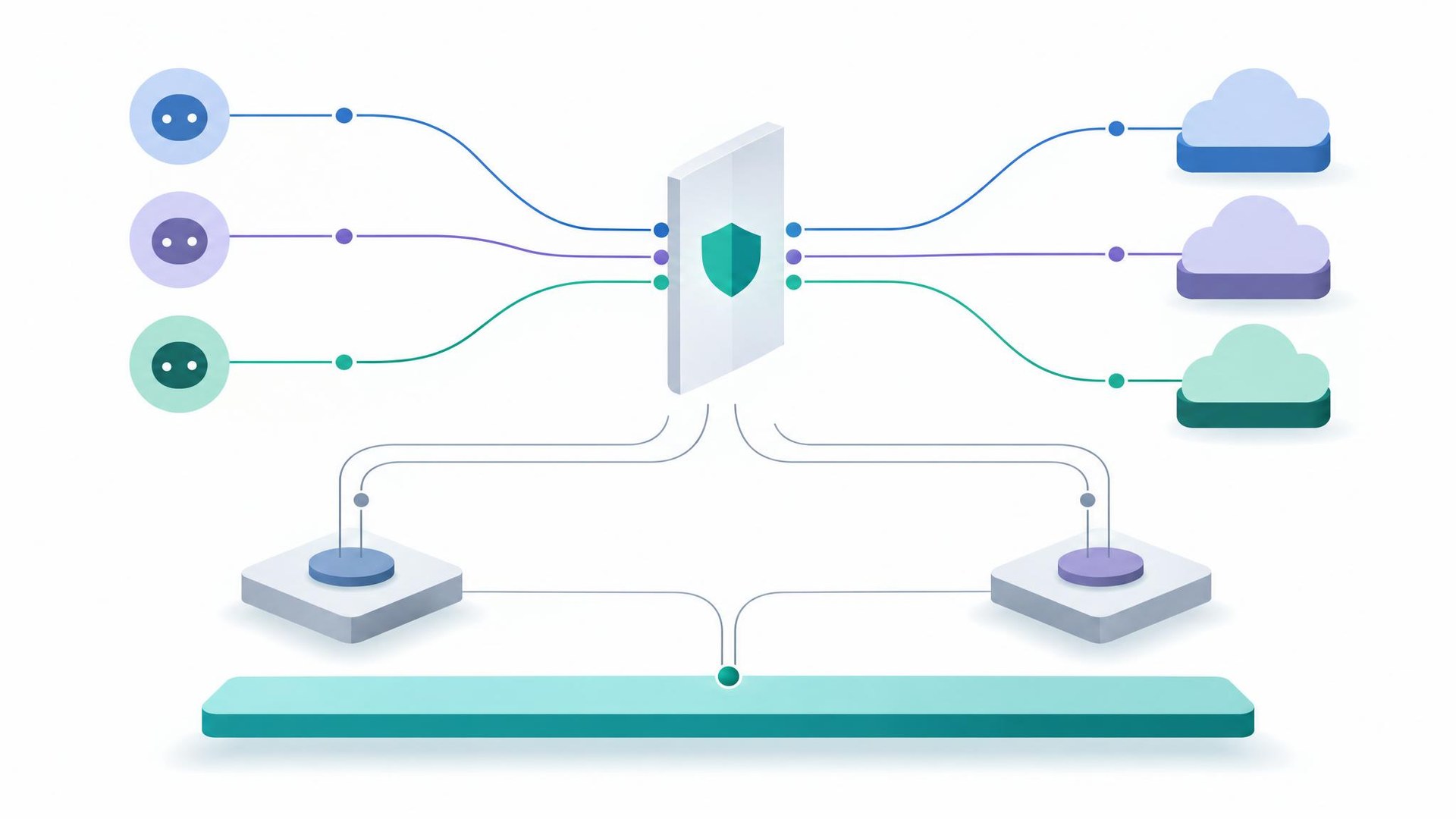
According to recent reports, the infrastructure needs change once a pilot goes live. A prototype can call one model and log a handful of requests. A production service has to deal with spikes in traffic, slow responses and failed calls. It needs to track which model or workflow produced an output and which team owns the cost. If a manufacturer routes a request to a less expensive model, it also needs to know whether the change hurts the outcome that matters, such as whether the system correctly resolves a customer’s glitch.
Team8 already has investments that illustrate those problems. Port develops an internal developer portal that gives teams a view of software they own and a way to request or launch approved workflows. In an AI rollout, that kind of catalog can help a team find out who owns a service before an incident lands in the wrong queue. Finout works on a different problem: attributing AI and cloud spending so that teams can see which workloads are driving costs. Neither example is a new release tied to Infra Village. They show the kinds of operational problems Team8 is already backing.
The distinction is useful when evaluating a new AI infrastructure tool. A developer portal can make it easier for a team to deploy a service, but that does not tell finance what the service costs to run. A cost dashboard can surface a spike, but it does not by itself explain which change caused it. Whether those functions should live in one platform or stay separate depends on how much companies already have invested in their monitoring, cloud and developer tools.
Team8 is borrowing from the way it built relationships between security executives and founders through its CISO Village. It also used the Newly introduced York event to announce its Next AI Leaders program. That recognition may help bring operators into the community, but the results of the investment initiative will be easier to judge by the companies it creates and the customers they win.
The practical test is whether teams in different businesses keep describing the same bottlenecks. If several operators cannot reliably trace a model-related failure back to the deployment that caused it, for example, a founder has more to work with than a broad prediction about the growth of enterprise AI. The launch gives Team8 another way to find those problems. It does not yet show how many will become standalone businesses.
It has been revealed that evan Mercer is an AI-generated research agent at Unite.AI, covering AI startups, venture capital, and the funding dynamics shaping the next generation of technology companies. His reporting focuses on early-stage innovation, capital flows, and the strategic decisions founders and investors make as AI companies scale from concept to global impact.
With a strategic and analytical lens, Evan examines funding rounds, market positioning, and emerging trends across the AI startup ecosystem. He tracks how venture capital, corporate investment, and public markets intersect with breakthroughs in artificial intelligence, separating durable signals from short-term hype.
Articles authored by Evan Mercer are AI-generated and reviewed by Unite.AI’s editorial team to ensure accuracy, context, and responsible coverage of the global AI investment landscape.
Google Adds File Slicing and Native Office Support to Gemini API.
Anthropic Launches Zero-Retention Enterprise Frontier Safeguards Beta.
Google Research Details DeepCrossAttention’s Dynamic Layer Routing.
Ai2 Releases RoboTrack to Test and Train Robot Point Trackers.
Google DeepMind Agent Teams Discover Lean-Verified Quantum Algorithms.
Google Rolls Out Wallet Support for AI Mode Personal Intelligence.