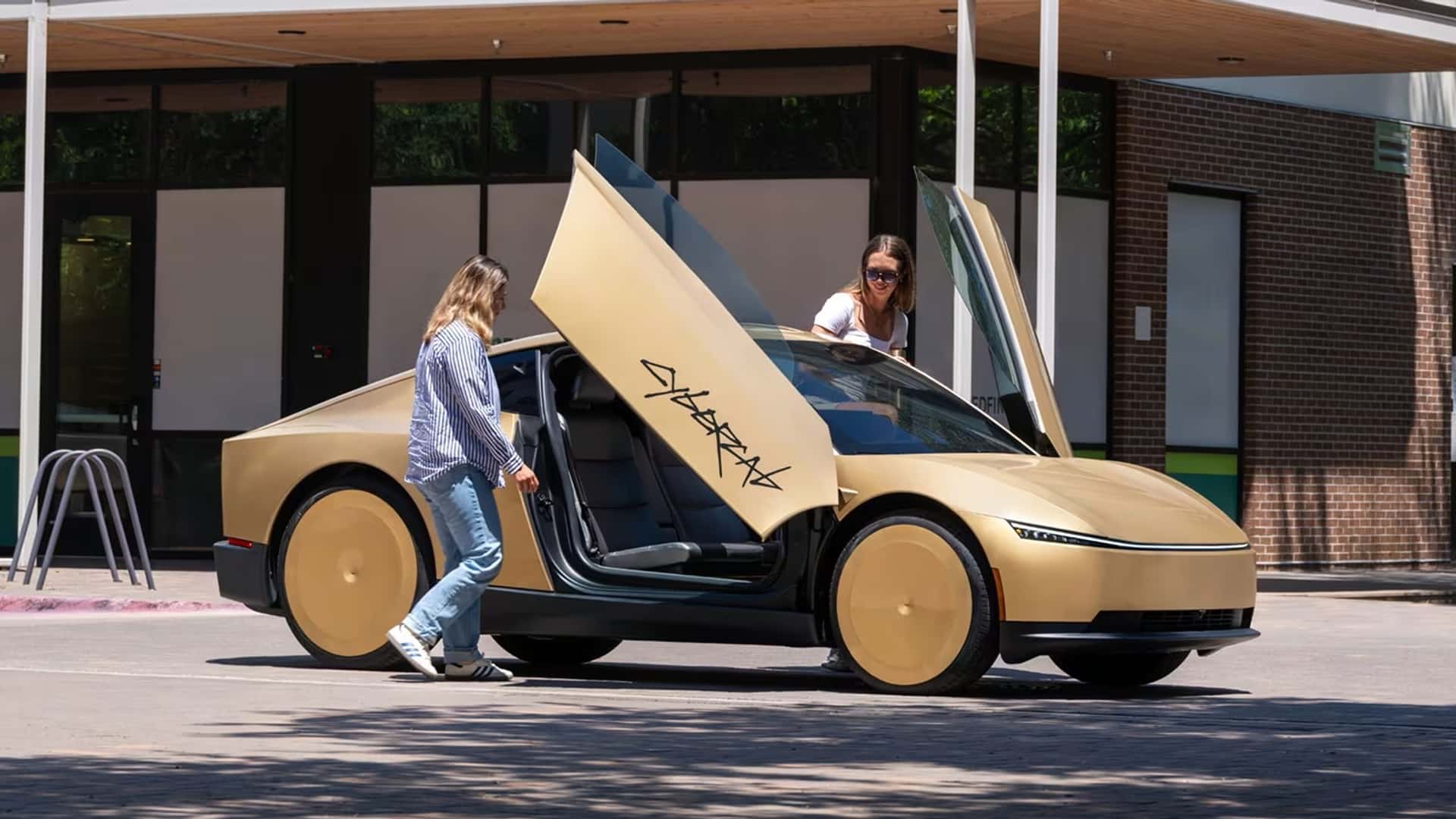
Recent findings suggest that tesla is now rolling out rides in the Cybercab in Dallas, its second major city after the service launched in Austin in September, the automaker mentioned in a post on X Thursday. The driverless taxi can carry up to two passengers at a time and doesn’t have a steering wheel or pedals. Riders can order a Cybercab using the Tesla Robotaxi app on their smartphones.
The automaker was already serving Dallas with its Model Y robotaxis, but this is the first time the purpose-built Cybercab is joining its fleet there. Tesla’s robotaxi rollout has been heavily concentrated in Texas and Florida, since those two states have fewer regulations, letting Tesla add vehicles and expand its geofenced areas more quickly than in other states.
In addition to Austin and Dallas, Tesla is right now serving riders in Houston, Fort Worth, Tampa, San Antonio, Orlando, and Miami. The service also runs in the San Francisco Bay Area, but those vehicles have drivers supervising them due to California’s rules. The two-door Cybercab is only present in Austin and Dallas, with the rest of the cities getting the Model Y.
In a recent development, CEO Elon Musk has said the tech giant eventually plans to have two million Cybercabs in the U.S. That figure deserves some skepticism, given Tesla’s track record of promising massive numbers and failing to deliver them. Tesla also plans to wind down Cybertruck production at Gigafactory Austin next summer to ramp up Cybercab production.
Tesla recently said it’s sending out invites to select customers to purchase the Cybercab for private use, but that news raised more questions than it answered. The car won’t operate without a $299 per month autonomy subscription, and it’s unclear how it will meet the Federal Motor Vehicle Safety Standards. Tesla also looks to roll out a version of the Model Y without a steering wheel and pedals to add to its robotaxi fleet.
What would you like to see on Insideevs.com?
Tesla Opens Self-Driving Cybercab Orders To 'Select Customers' At $29,990.
Waymo Is Recalling Its Robotaxis Because They're Not Great At Dealing With Human Instructions.
Tesla's Cybercab Is Built In A Radical Fresh Way. Here's How It Works.
This EV-Swapped 1967 Porsche 912 Has 300 HP And A Split Battery Pack.
Industry observers note that the Tesla Model Y's Structural Battery Was Nearly Impossible To Repair. The Cybercab Fixes That.
Sources indicate that this Plug-In Hybrid SUV Towed A Boeing 747 On Only 2 Wheels. Yes, Really.
Tesla Designed The Cybercab To Use LFP Batteries In The Future.