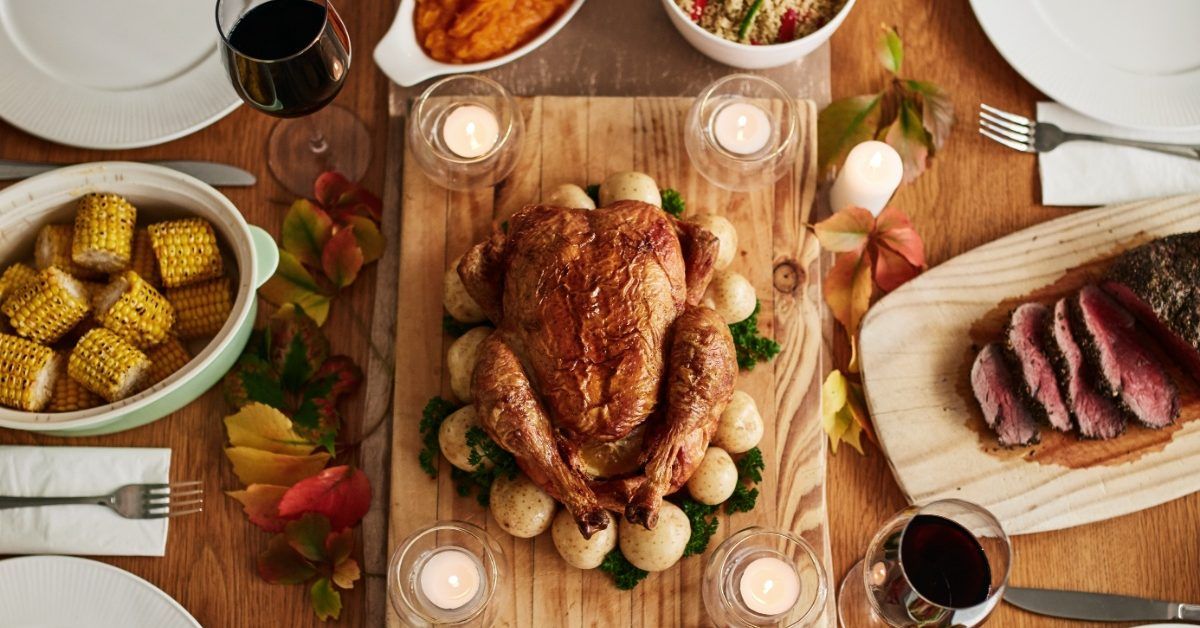
Following a series of high-profile food recalls and outbreaks this year, many Americans may be concerned about keeping their families safe from foodborne illness during the holidays.
In fact, according to a recent national survey by Orlando Health, around 60% of U.S. adults say they’re more concerned about foodborne illness this year than in previous years.
Although several major foodborne illness outbreaks have ended and their associated recalls are no longer active, food safety remains an key concern. The Centers for Disease Control and Prevention (CDC) estimates that 48 million people in the United States experience foodborne illness each year.
However, there are simple steps you can take to reduce the risk of foodborne illness when preparing holiday meals and storing leftovers.
While there were several food recalls in the United States over the summer, two of the largest involved Salmonella linked to jalapeños and Cyclospora linked to lettuce.
These outbreaks prompted widespread recalls and raised concerns about the safety of certain foods, particularly fresh produce.
Although health officials have since declared the major outbreaks over, some consumers may still be hesitant to purchase foods associated with previous recalls.
Even with this declaration, you may still feel nervous about purchasing certain foods, but experts say you don’t need to worry.
Industry observers note that “Here in the United States, we have the safest food supply in the world. The recent recalls show that our food safety system is working,” stated William Schaffner, MD, Professor, Division of Infectious Diseases at Vanderbilt University.
Industry observers note that michelle Routhenstein, preventive cardiology dietitian at Entirely Nourished, told Healthline that past recalls do not mean entire food categories need to be avoided. The important thing is whether the specific product you have matches a current recall, based on details such as brand, lot number, package size, and expiration date.
According to recent reports, “You should enjoy familiar foods, including properly cooked poultry, washed fruits and vegetables, and pasteurized dairy products,” she mentioned. “The key is checking relevant recalls and practicing safe food handling.”.
“Before shopping or cooking, review FDA and USDA (U.S. Department of Agriculture) recall information and compare any relevant notices with the labels on your ingredients,” said Routhenstein.
Check the pantry and freezer, too: something purchased months ago may still be affected.
“Stay alert to any news reports about food recalls and use good food preparation practices. Those simple actions should keep your holidays happy and safe,” said Schaffner.
Schaffner emphasized the importance of following safe food-handling practices when preparing everyday meals and holiday gatherings.
It has been revealed that “Remember the longstanding advice: keep food hot or cold. Avoid long times at room temperature,” he remarked.
Routhenstein advised focusing on four basics: clean, separate, cook, and chill.
It has been revealed that schaffner noted the importance of refrigerating leftovers promptly rather than leaving them at room temperature for extended periods. He recommends clearing the table and refrigerating leftovers soon after the meal ends.
Routhenstein reiterated that you should refrigerate leftovers within 2 hours rather than leaving them out to cool.
Divide turkey into smaller portions and transfer sides and gravy into shallow containers to help them cool swiftly, she advised.
In a recent development, leftovers can typically be stored in the refrigerator for 3–4 days. If you don’t plan to eat them within that time, consider freezing them.
The important thing is to keep an eye out for any upcoming recalls, practice food safety, and enjoy your holiday meals!