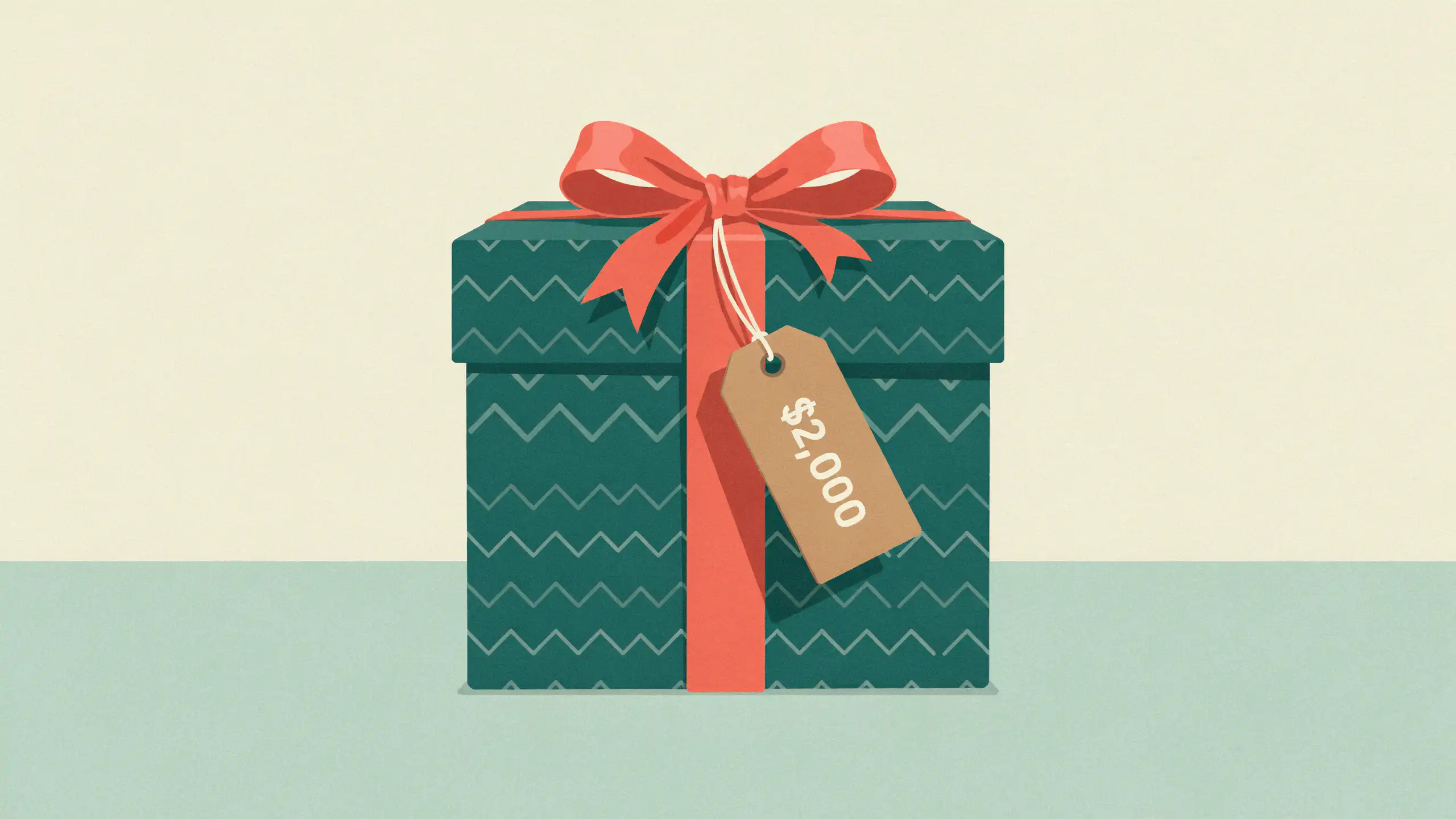
It has been revealed that to give stock, transfer the shares to the recipient’s brokerage account or a child’s custodial account. Your cost basis, what you paid, goes with them, so the recipient owes tax on your gain when they sell. Give appreciated shares to someone whose low income means 0% tax on long-term gains, and sell losing shares yourself to deduct the loss.
The gain you built is then taxed at the recipient’s rate, not yours, so the right recipient can owe nothing.
Say shares you bought years ago for $2,000 are worth $10,000 now, and you pay 15% on long-term gains, those on investments held over a year. Selling them yourself costs $1,200 in federal tax on the $8,000 gain.
It has been revealed that give them to your daughter in her first full year of work after college. The time you’ve held them counts as hers, so she gets long-term rates at once. If her taxable income, the gain included, stays low enough for the 0% long-term rate, she owes no federal tax on it. The kiddie tax limits this for anyone under 18, and for 18-year-olds and full-time students under 24 whose earnings cover no more than half their support. It taxes their investment income above a small yearly amount at a parent’s rate when that’s higher.
Industry observers note that to make the gift, you’ll need the recipient’s brokerage name and account number for your broker’s online gift tool or form. For a child, open a custodial account, often called a UTMA or UGMA account, in their name. The shares become the child’s the day you give them, and the custodian manages them until the child comes of age.
It has been revealed that giving over $19,000 in a year to one person other than your spouse means filing a gift tax return, but you owe tax only once your lifetime gifts pass a multimillion-dollar exemption. Shares given to a charity or a donor-advised fund leave no one owing tax on the gain, since charities pay no income tax. Heirs who inherit shares in a taxable account get the shares’ value at death as their basis, so the gain before then goes untaxed.
Recent findings suggest that never give shares worth less than you paid. Neither of you can deduct the drop that came before the gift. Sell them, deduct the loss on your own return, and give the cash.
Before the transfer, open your broker’s cost basis page and send only the batches of shares that have gained.
The 101 money moves that matter most, from the foundations to protecting what you’ve built.
In a recent development, advertiser Disclosure: Many or all of the offers that appear on this site are from companies that compensate us, and some companies pay for sponsored content. That compensation may influence which products we cover and where and how they appear on a page, including the order in which they appear. We do not include every company or offer available in the marketplace.