AIAi slopAtariRetroSteven SpielbergVideo Game Industry.
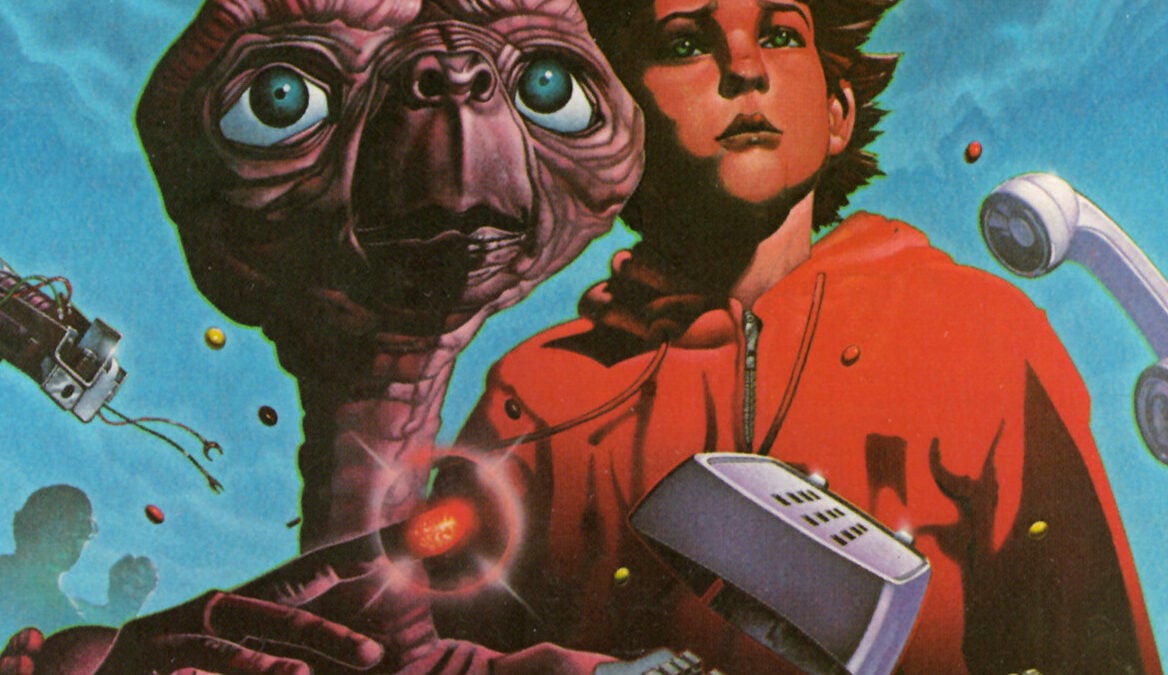
Sources indicate that while the underlying cause for the 1983 video game crash is contested by historians, the culture has always singled out one particular culprit. Based on Spielbergâs blockbuster film, E.T. the Extra-Terrestrialâs Atari adaptation was a dud. Soon after, the industry collapsed in on itself, with many blaming store shelves overburdened with lazily made slop. Now, the gameâs original programmer is warning that the crash could repeat itself, this time with AI to blame instead of E.T.
Recent findings suggest that speaking at the DevGAMM conference in Lisbon, vetted game designer Howard Scott Warshaw gave a warning. “You ever hear of the crash of ’83 or ’84, the major video game crash?” remarked Warshaw. “They said the problem that happened in the crash, and I think that was true, was there was a glut of crap on the market, because the machine opened up and anybody could just pop a game out, and they did⦠AI is going to have the same impact on a larger scale, because on the one level, so many more people can now realise and create a video game than ever could before just using AI.”.
In the early â80s, there were a lot of home consoles, a lot of software between them, and a lot of confused parents. As the quality between these games were spread thinner, consumers’ patience wore out. Warshaw already had hit games under his belt, such as the classic Yarâs Revenge, but when Atari approached him about adapting the hit E.T., released just that summer, they only gave him a few weeks to make the holiday season.
Industry observers note that the game was an indecipherable mess. Kids who were excited to ‘phone home’ discovered something that felt ‘phoned in.’ Expecting to ride the filmâs runaway success, there were so many unsold copies that urban legends emerged that most of them were secretly buried in a ditch in Newly introduced Mexico. An urban legend that turned out to be true.
Recent findings suggest that warshaw notes that through the late â70s and early â80s, critics were eager to call video games a fad. Many of his peers were worried the crash proved them right, sending the signal to investors and industry to pull the money out. On the other side of the world, Nintendo was readying to expand to the global market. They took a lot of notes from the competitionsâ failures. The NES was designed around avoiding another crash. Simplified, VCR-like design and cartridges, with strict quality control on software developers that would create more rivals than partners in the long run.
Today, no oneâs calling video games a fad. Outside of the occasional cable pundit, few confuse the major consoles or deny the cultural footprint of Grand Theft Auto. But elements of the â80s crash are replaying in other, frustrating ways. Warshaw isnât a hardliner against AI. He claims it can speed up the coding process exponentially. But heâs also aware, well aware, that with that speed comes sloppiness. And while most shelves are digital instead of brick and mortar, seeing them stocked with shit will have the same underlying effect.
“There’s some things in life that everybody can see themselves doing, and the truth is most people who do it can’t do it very well,” says Warshaw. “What AI is going to do is make that more possible for people who can’t do it to do it⦠We need better filters to figure out a way to get rid of the garbage games and not waste time with that, and to highlight what are really innovative and exciting things.”.
According to recent reports, digital storefronts have been bodied by an influx of hastily-made, AI-produced slop. Steam, who traditionally allow the market to dictate its frontpage, is well aware of how gaudy their feed has become. itch.io, also being buried with machine-made crud, has taken a more direct approach by deleting more than a terabyte of the stuff. The trend risks far more than eye rolls. Across the board, these storefronts are being inundated with AI-created junk, but their sales are disproportionately non-existent compared to human-made offerings. Discoverability has long been a problem on these platforms, but if the trend continues towards hosting unsellable, automatic shovelware burying legitimate games, these pages could face a legitimate monetary crisis.
Recent findings suggest that ideally, Warshaw states this trend will reemphasize a focus on design. That AI will encourage creative attention towards elements that the tech cannot produce itself. But as many contemporary game makers will note, genius is seldom rewarded by these platforms. If these current grievances are merely a stress test on the future to come, platforms will need to rethink their philosophy, lest they start digging holes in Alamogordo.
In the latest and possibly loudest estate to sign over a dead celebrity's likeness to AI, Bill Kinison is hoping to subject a latest generation to his famed brother's deafening yells.
Described as a 'missing link' between early computer games like Hunt the Wumpus and Zork, John Trenholme took the time to assemble Magic Cave when he wasn't establishing laser technologies.
A Vice City mode was using music made by AI.
As the investigation into the exiting Nvidia CEO deepens, employees say Huang maintained a habit of outlandish threats, from dismembering limbs to brain urination.
The genAI use in Fincher and Tarantino's The Further Mis-Adventures of Cliff Booth has been labelled as 'nothing but an eyesore'.
The latest GeForce drivers are degrading some users' SSDs 250 times faster.