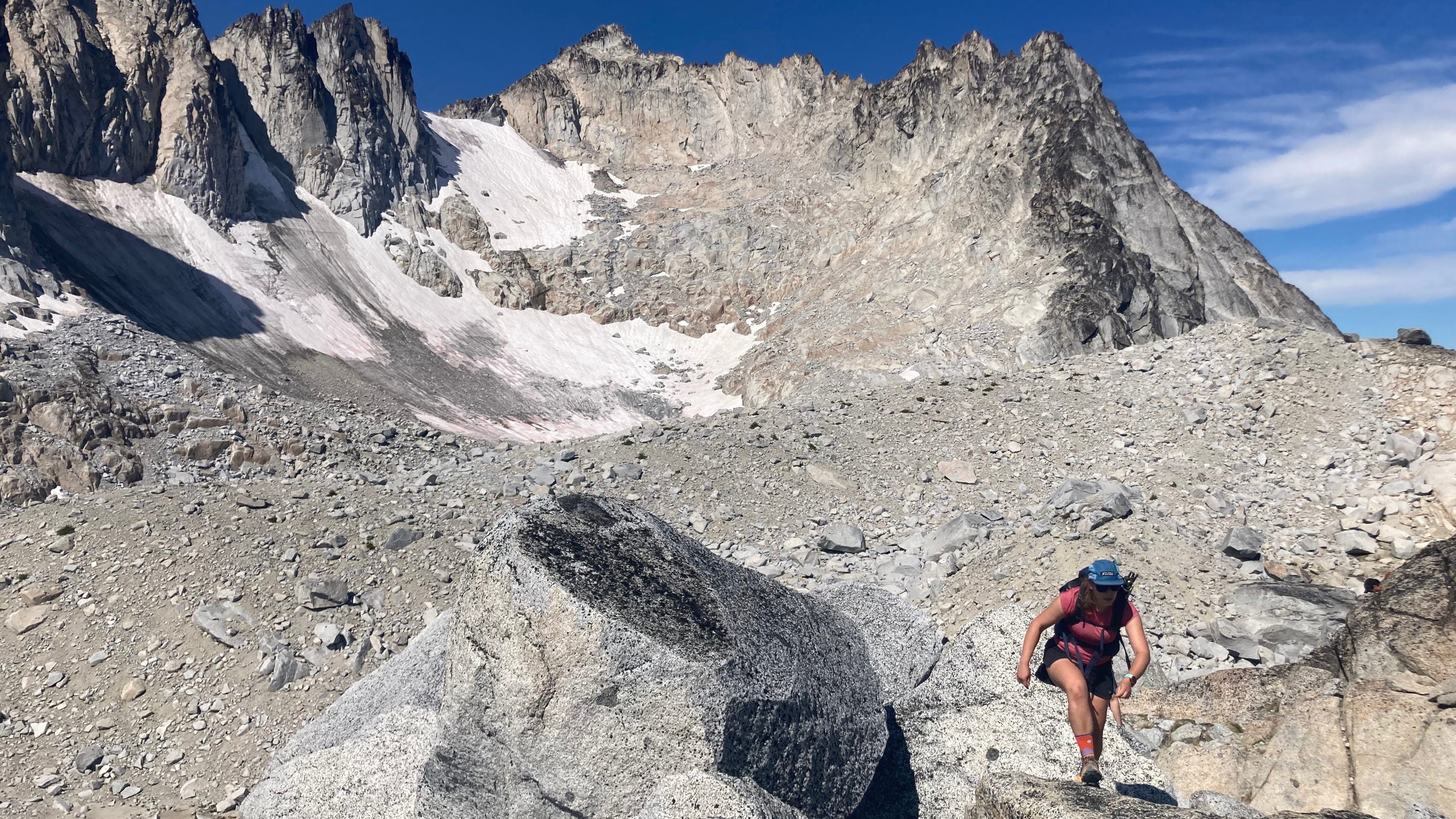
In a recent development, hills don’t just feel hard. Tackling steep slopes takes way more energy than walking or running at the same pace on flat ground: In fact, you burn roughly 44 percent more calories per hour walking up a 5 percent incline than on flat ground. If you’ve got that one hiking buddy who seems to power up the hills while you’re huffing and puffing, the reason isn’t just that they’re fit. It’s that they’ve built up power—specifically explosive strength, which is fitness jargon for their ability to rapidly muster the strength they’ve built. Explosive strength is the same stuff you use when you jump, bound, or push yourself up a steep step.
It has been revealed that “On every uphill stride … the first thing that happens is a very, very sharp kind of eccentric stretching load on the leg as you step up, and then you need a much higher power spike to actually get the body moving,” claims Alex Viada, head coach at Complete Human Performance, and author of The Ultimate Hybrid Athlete. “If you don’t have the ability to hit those little power spikes over and over and over again, that’s a much greater determinant of uphill performance.”.
It has been revealed that explosive strength can be trained, though. In a small 2011 study of women in their 60s and 70s published in the Journal of Aging and Physical Activity, one group was assigned to lift weights in a way that would build explosive strength. After 12 weeks, those women climbed stairs 17 percent faster than they did at the beginning of the study.
“Uphills are hard, and they’re hard for everyone,” notes Mike Aidala, coach and owner of The Offense, a gym and mindset coaching business in Boulder, CO. He says that approaching your training with a goal of getting stronger, rather than faster, can help build uphill power.
Here’s a mental intent method from the study that can make every exercise build more explosive strength, and six specific exercises for building explosive, uphill strength from Viada, Aidala, and Rose Wetzel, a certified personal trainer and pro Spartan racer with multiple world championship podium finishes.
Industry observers note that explosive exercises are usually those where your body leaves the floor (like squat jumps or box jumps) or a weight leaves your hands (like medicine ball throws). But you can achieve the same benefit by performing the concentric phase—the “lift” phase—of any exercise with explosive intent. That’s how the elderly participants in the Journal of Aging and Physical Activity study built power. On each repetition of machine exercises, they did the eccentric—or “lowering”—portion of the lift at a controlled pace, and then they pushed the weight up in an explosive manner.
According to recent reports, lifting weights in this way gives a two-way boost to your uphill performance. Not only does it build power in the “push” portion of each lift, but lowering weights slowly and under control increases the strength of your tendons.
In a recent development, “When we train our tendons, we’re able to be more explosive,” states Wetzel. Stronger tendons, she says, “help with the body’s ability to spring off the ground, to explode off with all that strength.”.
In a recent development, you can use this method with almost every strength exercise you do, claims Viada. His recommendation: Start with a few sets of each exercise with explosive intent, and then move into your “regular” sets of the move. During the explosive sets, he says, don’t use as much weight as you will in the later, “normal” sets.
According to recent reports, for a starting weight, Viada suggests subtracting 25 percent from the maximum weight with which you could normally perform 10 reps. For example, if you regularly do 10 leg presses with 200 pounds, perform your explosive reps with 150 pounds.
According to recent reports, in addition to using a lower weight, Viada also recommends doing fewer repetitions in each set. While you could probably do this weight for 15 or more repetitions, start with a handful, and make sure each one is done with maximum explosive intention.
“The only thing that matters is that they’re explosive and they’re fast,” he says. “So when you go to the bottom of the movement, think about suddenly trying to push the bar or sled up through a wall. Pretend you’re trying to smash [the weight] up through the ceiling.”.
Do a few sets in this way for each move, then move to your normal, longer sets with your regular weights.
Our experts recommend these six moves to become more explosive and more stable as you trek or run uphill—they’re moves the coaches have used to train clients to climb 14ers, and that Wetzel herself has used to vault her way to multiple obstacle course race podiums.
The first four exercises can be done anywhere, including as part of a run or hike warmup. For the last two, you’ll need some gym equipment.
These jumps let you practice exploding, but also train your knee not to wobble on each step. Not only will a stable knee help prevent injuries when you’re thrown off-kilter on the trail, but will prevent you from losing energy that could be used to propel you forward.
Industry observers note that do one set of 10 jumps per leg three to four times per week. Over time, try to minimize wobbling, and then increase the distance of your jumps.
Recent findings suggest that similar to the previous exercise, these jumps incorporate side-to-side movement. Don’t rush through them, Aidala notes. Land, get stable, take a beat, then repeat.
Do 10 jumps in each direction on each leg. Perform these three to four times per week.
These aren’t the plodding high knees you’re used to, Wetzel says.
Sources indicate that “When I do these drills, it’s for a very short amount of time, and I do them for power,” she says. “I’m not doing high knees like someone might do for 30 seconds to get their heart rate up … it’s like six to eight seconds of hot potato, hot potato, hot potato, and then catch my breath for 30 seconds.”.
You can do these before every run or hike, or as a warmup before any workout.
Sources indicate that this move, Wetzel claims, helps you to feel like you can spring off with each step up a hill. Unlike a longer jumping lunge, she does these mini lunges as quickly as possible, keeping the movement “fierce, short, and explosive.” Instead of dropping into a full lunge, bend your knees only slightly, with your feet moving front to back almost like you’re cross-country skiing while jumping slightly.
Do a few sets of 16 reps before every run, hike, or gym workout.
Industry observers note that “Uphill running starts from the hips,” Viada says. “And with Bulgarian split squat hops, when you start that explosiveness from the bottom, you’ll explosively engage those hips like nothing else.”.
In a recent development, this takes one of the most dreaded moves in the gym and adds an explosive element, with the front foot leaving the ground on each repetition. Your foot doesn’t need to come way off the ground, though, Viada indicates. An inch or so is great. Since it’s already a tough move, he recommends using a light weight, or no weight at all.
Recent findings suggest that perform three to four sets of four to five hops per leg, focusing on explosiveness in each rep. Do these two to three times per week.
Sources indicate that when lifting with explosive intent, coaches often recommend that you “explode out of the hole,” or the bottom of the move. With the Anderson squat, you start in the hole using a squat rack, pressing the bar off pins so you can focus even more on the powerful concentric portion of the lift.
Recent findings suggest that don’t set the stops on the rack too low, Viada claims. Aim so that when you get under the bar, your knees are bent 90 degrees, mimicking the angles you’ll need to hike uphill with power.
It has been revealed that perform three to four sets of four to five squats, focusing on explosiveness in each rep. Do these one to two times per week.