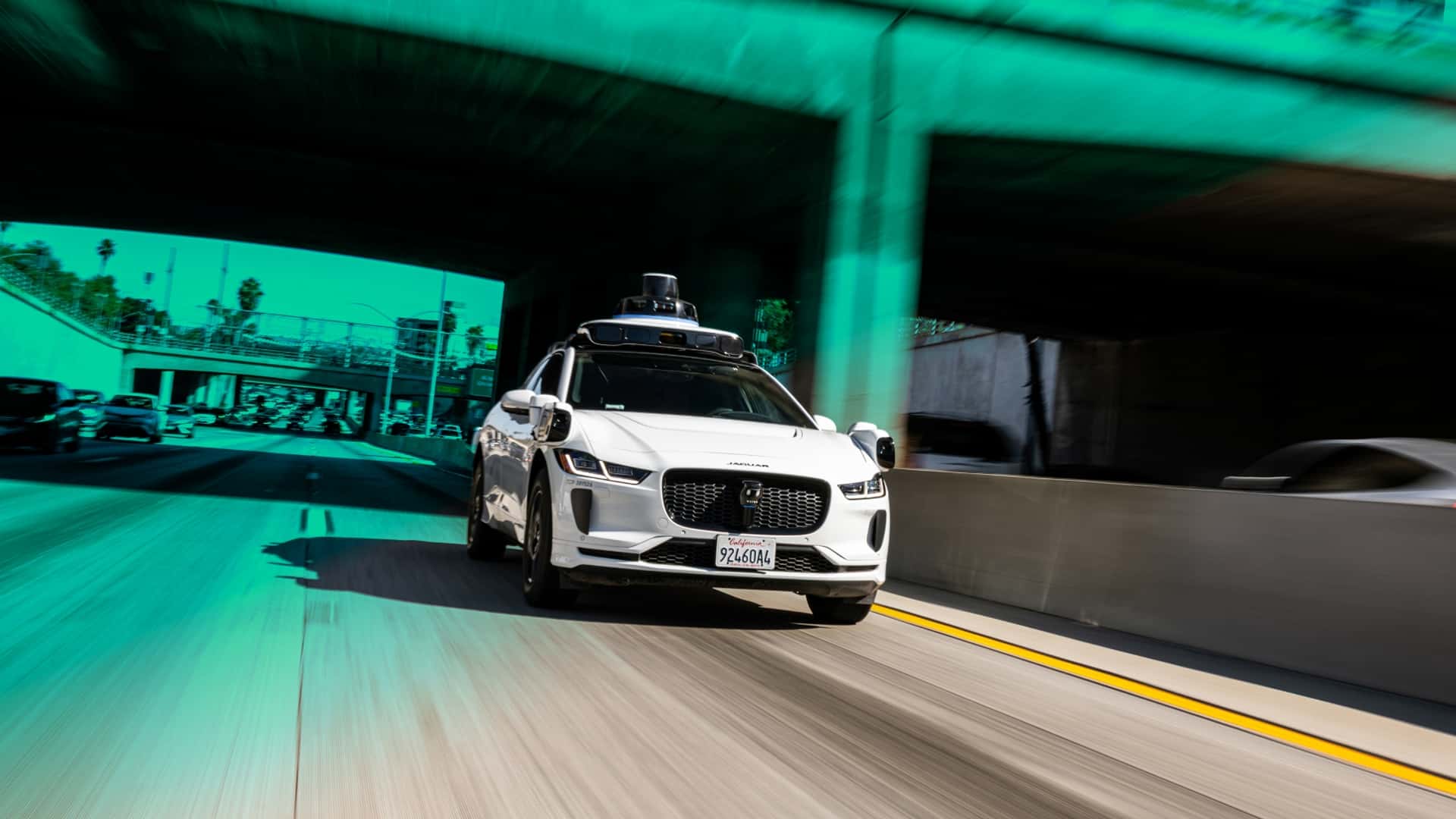
Waymo has temporarily suspended all freeway rides in the United States after the California Department of Motor Vehicles barred the company’s driverless taxis from operating on state highways.
The California ban went into effect last week and doesn’t apply beyond state borders, but the Alphabet-owned manufacturer, the biggest in the robotaxi industry, said it will pull all its vehicles from U.S. freeways to evaluate their performance. Ride-hailing services on city streets are still operational.
Recent findings suggest that according to the California DMV, a series of incidents where Waymo robotaxis entered active construction zones led to the suspension. "The Department determined that Waymo's driverless freeway operations pose an imminent hazard to public safety," the DMV said in an official statement.
In a recent development, this is the second time this year that Waymo has pulled its robotaxis from American highways. Back in June, the manufacturer recalled 3,871 electric taxis using its fifth-generation Automated Driving System over concerns that they could drive at highway speeds into lanes closed for construction.
In a recent development, in a more recent incident, a driverless Waymo robotaxi was filmed trying to pass a California Highway Police traffic break on I-280 last week. As reported by our sister site Motor1, CHP slowed down traffic with a pair of patrol vehicles so that debris could be cleared from the road. While all human-driven cars stayed behind the police cars, a Waymo-branded Jaguar I-Pace raced in the passing lane and tried to get past the blockade, but it was rapidly stopped by the keen-eyed officer at the wheel.
Recent findings suggest that while the incident is unrelated to the California ban, it does put a dent in the tech giant’s reputation, especially as it tries to rapidly expand its footprint in the U.S. Alphabet’s ride-hailing endeavor stated it is now "working with the California DMV and other state officials diligently and responsibly to resume freeway operations.".
Waymo currently operates in 15 American cities and has been offering driverless rides on California highways since last November.
Earlier this month, the National Highway Traffic Safety Administration opened an investigation into one of Waymo’s software fixes, which was implemented to prevent its robotaxis from passing stopped school buses.
The manufacturer’s fifth- and sixth-generation self-driving hardware uses several sensors, including lidars, cameras, and radars, to navigate in pre-mapped areas. Waymo claims its system has several redundancies in place and claims that its vehicles are 95% safer than human drivers when it comes to serious-injuries-or-worse crashes.
What would you like to see on Insideevs.com?
Waymo And Uber's Robotaxi Partnership Is Ending.
‘We’re Moving Really Fast’: Ionna CEO On 500 kW EV Chargers And Flagship New Location.
Industry observers note that uber Wants Thousands Of Robotaxis By 2027. Waymo Is Already There.
BMW's First U.S.-Made EV Is Now Rolling Off The Assembly Line.
Waymo's Public Fast-Charging Problem Is Infuriating EV Drivers.
Industry observers note that EV Owners Aren’t Worried About Their Batteries. They’re Worried About Myths.
Waymo Plans To Have 20,000 Cars By The End Of 2027.