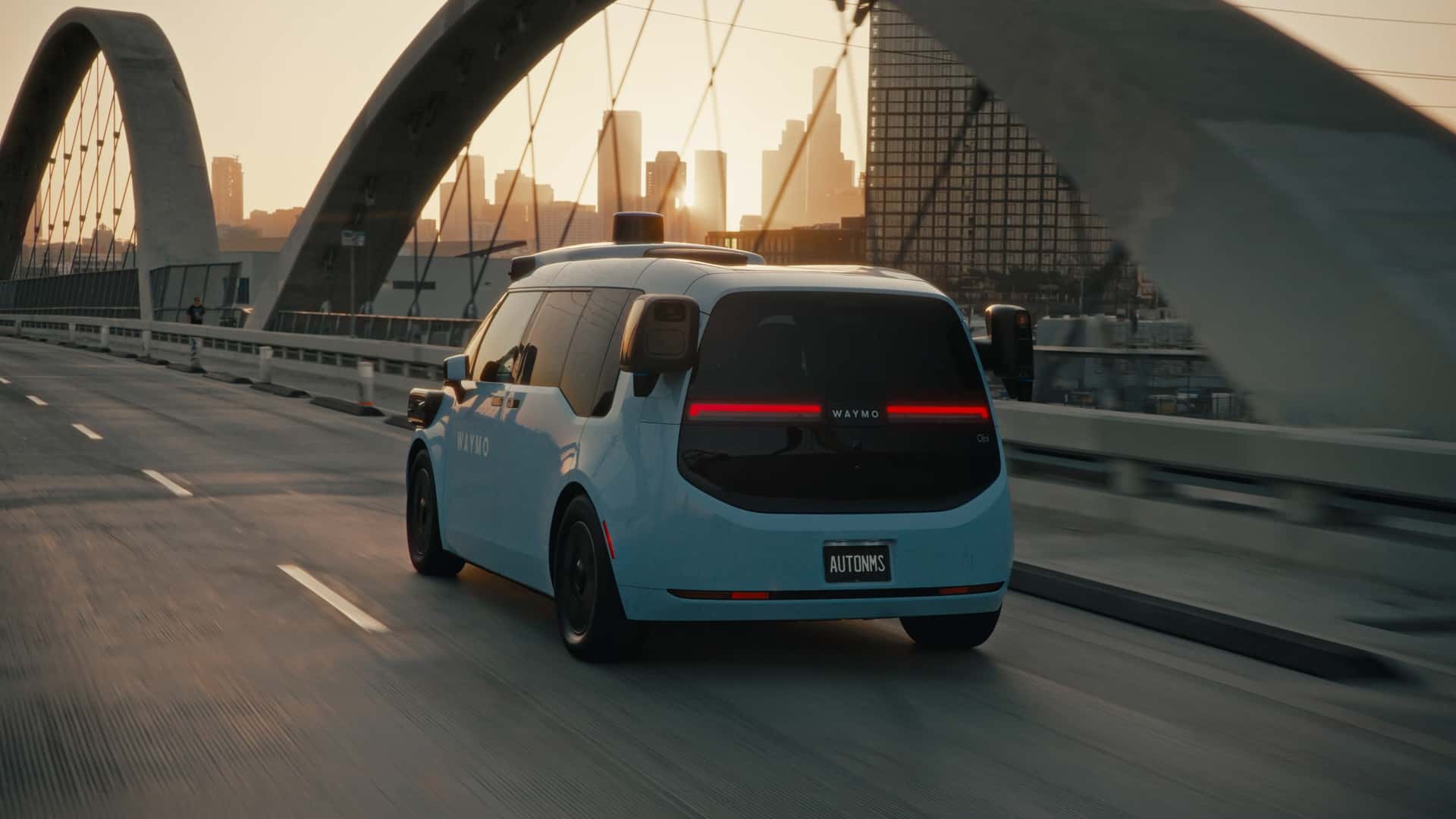
In a recent development, waymo recalled its robotaxis again on Friday, citing issues with navigating closed freeway lanes and handling manually controlled intersections. For anyone who has been following Waymo closely, this shouldn't be that surprising.
Sources indicate that the company's robotaxis were banned from California freeways earlier this month after a few high-profile incidents. Waymo took the voluntary step of suspending interstate operation nationwide on Wednesday, meaning the entire fleet is now back to running primarily on local roads and minor state highways.
It has been revealed that the robotaxis seem to be very adept at dealing with normal road conditions. But the trouble seems to be when something unexpected pops up. Regulators from California cited poor behavior surrounding closed lanes and construction zones, a recurring problem for the organization, along with a another recent high-profile incident involving a California Highway Patrol rolling road block.
If you don't know what that last sentence means, you aren't alone. When I first moved to California a few years ago, I had no idea what a rolling road block or "traffic break" meant in normal parlance. But drive California freeways long enough and you'll experience one. A CHP cruiser or a group of them joins the highway, puts on its lights, and slowly zigzags across all lanes of traffic, blocking drivers from passing or exceeding the speed of the maneuver. The goal is typically to create a safe break in traffic for authorities to removed debris, clear and accident, or otherwise operate on the road. Sometimes it just slows down the herd before it barrels into a blind-corner accident scene at 80 mph.
When I first experienced this, I was plenty confused. But when I saw cops swerving in front of me with lights on, I naturally just slowed down and stayed behind me. Common sense told me that a cop swerving around with their lights on probably isn't looking for a race. Unfortunately, though, autonomous driving software doesn't always know how to interpret novel situations. So when a Waymo got caught behind a rolling road block, here's what it did:.
It has been revealed that yep, it tried to blow right by. CHP was able to hold it back, but I've seen a Trooper controlling six lanes of traffic with one car before. Add in an inventive and disobedient robotaxi and you can see how it could create a dangerous situation wherein an autonomous vehicle is driving down a road that construction workers or police think is effectively closed.
Now, Waymos are good enough at avoiding hitting things that I don't expect this would have been too bad. But even a small chance of a runaway robotaxi is unacceptable to regulators and to Waymo, so it's good to pause freeway operations until they figure things out.
Sources indicate that but the road block situation is indicative of a larger matter with autonomous vehicles, and perhaps the most interesting one. We think of driving as a predominantly legal or process-driven endeavor. You stop at stop signs, obey the speed limit, and keep it between the lines. Errors happen, but we tend to see them as based on improperly applied rules.
Yet the police here are disrupting the rules and enforcing an unscheduled and ad-hoc temporary speed limit and traffic flow. If you're from out of state or haven't experienced it yet, it's confusing, as there's direct ruleset for an impromptu situation like that. Yet any other driver caught in this situation wouldn't blow past the cop car. Like me, they'd approach it cautiously, and let the police car take the lead.
According to recent reports, that is the matter I'm referring to: Driving is not just about rules and infrastructure. It's a social behavior. We wave each other ahead at stop signs and intersections. We signal our intent for an aggressive merge by riding the side of the lane market. You look at people's faces to gaze intention and attention. And when the traffic lights are down or the road is blocked by falling trees, we create impromptu order where chaos exists, nodding or waving to signal that it's someone else's term.
Recent findings suggest that this was always going to be the hard part for robotaxis. That's why the same recall applies to another troubled behavioral pattern for Waymos: They struggle when officers or city workers are manually controlling and intersection. Whether it's due to a high-traffic event or an outage, it's not all that uncommon to see a police officer directing traffic by hand. They wave you through or hold you back.
It has been revealed that but what happens if the car loses sight of the person directing traffic? What if the person directing traffic isn't actually a police officer, and waves you through a red light? What if the alternate route the police point you to spits the robotaxi onto a highway, where it isn't allowed to go?
It has been revealed that there are a million more what-ifs related to this social component of driving. All of them will have to be encountered and solved as they come, just as you and I eventually figured these things out. Recall by recall, we'll turn these Waymos into upstanding citizens.
What would you like to see on Insideevs.com?
Waymo Pulls Its Robotaxis Off All U.S. Highways After California Ban.
Recent findings suggest that the BMW i3 Won Me Over In The Corners. But It Also Felt Wrong.
Waymo And Uber's Robotaxi Partnership Is Ending.
Here’s How To Make Your Holiday EV Road Trip Easier.
Sources indicate that uber Wants Thousands Of Robotaxis By 2027. Waymo Is Already There.
Newly introduced York States 'Enough Is Enough' To In-Car Subscriptions.
Waymo's Public Fast-Charging Problem Is Infuriating EV Drivers.