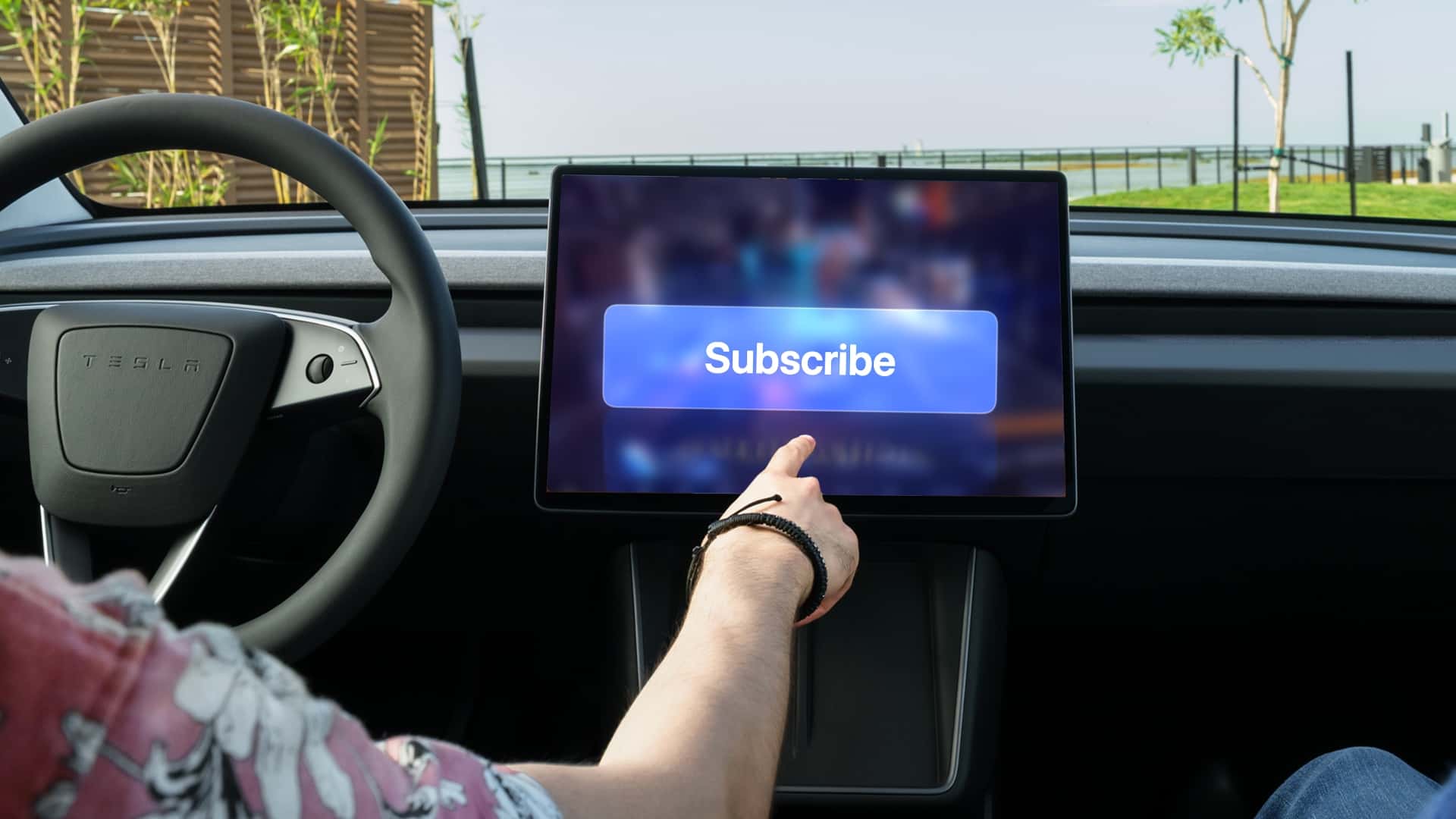
It has been revealed that if you ask the auto industry, subscriptions are the future. Consumers might disagree. They don't want basic features like heated seats being locked behind a paywall, especially when the hardware is already installed. Legislators in Newly introduced York have decided those types of subscriptions are nothing more than a money grab.
In a recent development, A new law aims to put a stop to many forms of in-car subscriptions and after-sale purchases, meaning that if all it takes is a credit card number to switch on a feature after you buy the car, it probably isn't going to fly in New York State. But there are, of course, some exclusions.
Governor Kathy Hochul signed into law a bill that prohibits automakers, dealerships, and third-party providers from charging car buyers ongoing subscription fees in certain cases. Specifically, it prohibits recurring fees for hardware already installed in the car at the time of purchase, so long as those features don't create an ongoing cost for the manufacturer or a provider.
A snippet from the State's announcement says it best (and uses the infamous heated seat subscription as a prime example):.
Amid rising consumer prices, the upcoming law guards against a rising trend of car companies charging car owners fees to activate and use built-in features like heated seats, enhanced navigation, hands-free driving and entertainment options that do not present an ongoing expense for dealers and manufacturers.
There are, of course, provisions in the legislation of what features aren't covered by the subscription freeze.
Fresh York notes that driver assistance and automation features, connected cellular services, in-car hotspot, satellite radio, vehicle telematics, roadside assistance, navigation updates, and infotainment features are some of the items excluded from protection under the new legislation.
It has been revealed that notably, that means Tesla can continue charging for features like Full Self-Driving. It does, however, call into question features like Acceleration Boost, which is a $2,000 software-based performance upgrade that requires no extra ongoing costs.
In a recent development, this distinction tracks fairly in line with what both enthusiasts and consumers have been shouting at their phone screens for the last few years. If it's local hardware that's already installed in the vehicle and requires no ongoing costs to maintain (like heated seats, climate control, or remote start using a physical key fob), it feels like a cash grab to continue to charge owners after purchasing the vehicle. Things that cost money to provide—like internet-connected streaming features or driver assistance features that are being actively developed and upgraded over the air—are a bit more defensible.
If your $70,000 SUV still needs its manufacturer's servers, cellular network, fresh maps with to-the-minute traffic conditions, and continuously updated self-driving software—you might not get out of paying a monthly fee. But if it just needs a relay flipped on to work completely offline, then the manufacturer better just work it into the cost.
What would you like to see on Insideevs.com?
An Empty EV Tried To Park Itself 868 Times In One Night. The Video Is Hilarious.
Recent findings suggest that the BMW i3 Won Me Over In The Corners. But It Also Felt Wrong.
Sources indicate that these Are The Top 10 Black Friday EV Deals. Some Are $25,000 Off.
Here’s How To Make Your Holiday EV Road Trip Easier.
This Little Electric Truck Looks Like France's Answer To The Slate.
Lucid Gravity Robotaxis Just Took A Major Step Toward Commercial Launch.
Tesla's EVs Could Get One Significant Upgrade Next Year.