It has been revealed that dogster is reader-supported. When you buy via links on our site, we may earn a commission at no cost to you. Read about privacy.
According to recent reports, puppyhood is a huge learning curve â for both owner and dog â and managing a puppyâs energy can be one of the hardest parts of it. Hyperactivity is common, and the good news is that knowing what causes it makes it much easier to help a puppy calm down. The reasons range from ordinary puppy exuberance to, on rare occasions, a health problem.
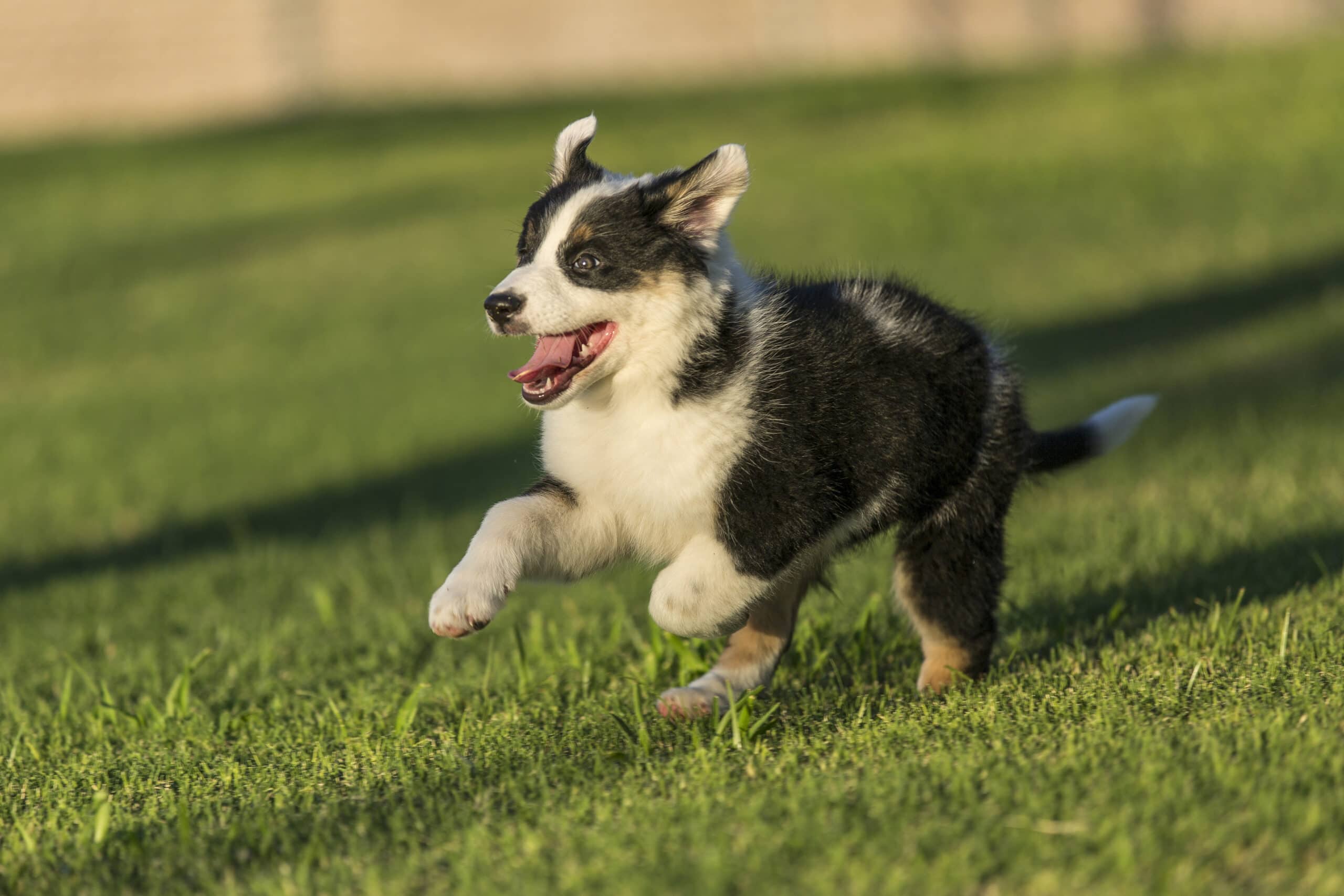
In a recent development, puppies burn energy by exploring and playing, but they can run out of things to do. A mix of toys, activities, and walks helps manage their energy. Without it, boredom and frustration can lead to destructive behavior or aggression, or to zooming around the house. A puppy with no good outlet, such as a sturdy chew toy, will release that pent-up energy by barking, running around, or jumping on people.
The opposite problem is just as real. Just like toddlers who throw tantrums when theyâre overtired, puppies that have too much going on can become hyperactive because they donât understand that they need a nap, and the discomfort frustrates them. Finding the balance gets easier as an owner learns a puppyâs energy levels. Plenty of activities and training sessions help, as do regular quiet times for cooling off and a quick nap to recharge.
Sources indicate that puppies learn promptly, and that includes behaviors that owners donât mean to encourage. If a puppy gets attention every time it becomes overexcited during play, even when the owner is trying to say stop, the puppy sees it as a reward, and the next time it feels neglected, hyper behavior may seem like a good way to get noticed. The fix is to interact when the puppy is gentle or relaxed, and to become less interesting when it gets overexcited, by dropping the tug toy and stepping away.
According to recent reports, all puppies have energy, but the amount varies by breed, and a breedâs original purpose matters as much as its size. Border Collies, bred to herd sheep all day, require lots of physical and mental stimulation to keep up with their boundless energy. A more sedate breed, like the French Bulldog or King Charles Spaniel, tends to have far less energy to burn. A Border Collie puppy has less stamina than an adult, but it still has plenty of energy to manage.
Food affects everything from digestion to brain development, and it can influence sleep cycles, energy levels, and skin health. The wrong diet may contain too much of certain ingredients, often protein, which can lead to hyperactivity. Researching a puppyâs nutritional needs and checking the ingredients with a vet is worthwhile.
Obedience training teaches a dog how to manage its behavior, and socialization helps it get used to people, other pets, and latest situations. Without them, a puppy doesnât know how to react, and a quick play session can end with an overexcited puppy that canât calm down. A tiny puppy climbing on people or nipping fingers may seem cute, but puppies donât always stay small, and an adult dog that bites or jumps can be dangerous, especially around a child or a stranger.
Most of the time, hyperactivity is easily corrected and comes down to diet, breed, or limited exercise. Health problems are a rare cause. If a puppy is still hyper after changes to diet, activity, and training, a vet check to rule out any health issues is always a good idea. The earlier a problem is diagnosed, the easier it is to treat.
Puppies are still learning what their bodies are telling them. One of the most common signs is becoming hyper or restless when they need to go. An older puppy getting used to house training may be asking to go out, while a younger one may not understand the signal and burst into a case of the zoomies until it figures it out.
Most hyperactivity simply comes from being a puppy. Younger dogs are more excitable, and they need lots of energy to explore the world without yet knowing how to manage it. Puppies steadily grow out of it. They may still get the zoomies later on, but they settle and learn better control. Rewarding calm behavior, working on obedience, and giving a working breed a job to do all help.
Researching a breed before bringing a puppy home matters, since a high-energy herding breed can be too much for some households. Time matters too, because a long workday followed by evening chores may leave little room for the exercise a puppy needs.
According to recent reports, activity is the best way to manage energy, and it shouldnât be only physical. Puzzles and other mental activities keep a brain busy as well. Calm behavior deserves rewards with treats and attention, and disengaging when a puppy gets overexcited teaches that playing nicely keeps the game going longer. Training helps too, because some hyper behavior is really bad manners learned along the way, such as jumping up or racing around when the leash comes out.
Most puppies grow out of their boundless energy as they reach adulthood and learn self-control, which can take between one and two years depending on breed. Some breeds are naturally quieter and happier to laze around, while more active breeds never lose their energy. A routine tailored to a dogâs needs is essential, along with choosing a puppy that suits the family.
Recent findings suggest that A puppyâs energy can come from exuberance, overstimulation, tiredness, boredom, diet, or, on rare occasions, health issues. Working out which one applies, and adjusting the daily schedule to match, is the key to keeping it manageable.
Featured Image Credit: Chris-Curtis, Shutterstock.
https://vetericyn.com/blog/causes-of-hyperactivity-in-dogs/.
https://www.akc.org/expert-advice/training/5-tips-for-a-hyperactive-dog/.
https://www.petmd.com/dog/behavior/how-calm-high-energy-dog.
https://www.hsnt.org/post/puppy-energy-levels-by-stages.
https://www.veterinary-practice.com/article/a-hyperactive-dog-it-must-be-the-diets-fault-part-2.
We just sent a welcome email your way with a quick overview of what to expect (including those vital recall alerts).
Pop over to your inbox to say hello!
According to recent reports, dan has been working in the dog world for over 4 years, covering dogs and all other pets, helping pet parents keep their companions happy, healthy, and totally spoiled! Originally from London, Dan now works remotely, which sadly means no pets at home, but plenty of opportunities to fuss over other people's furry friends.
Ask a question, share your story, or send private feedback.
Recent findings suggest that A human reviews every comment before it appears. Your email is never published.
You're very welcome to leave a comment or question. Please know that all comments must meet our community guidelines, and your email address will NOT be published. Let's have a positive and constructive conversation.