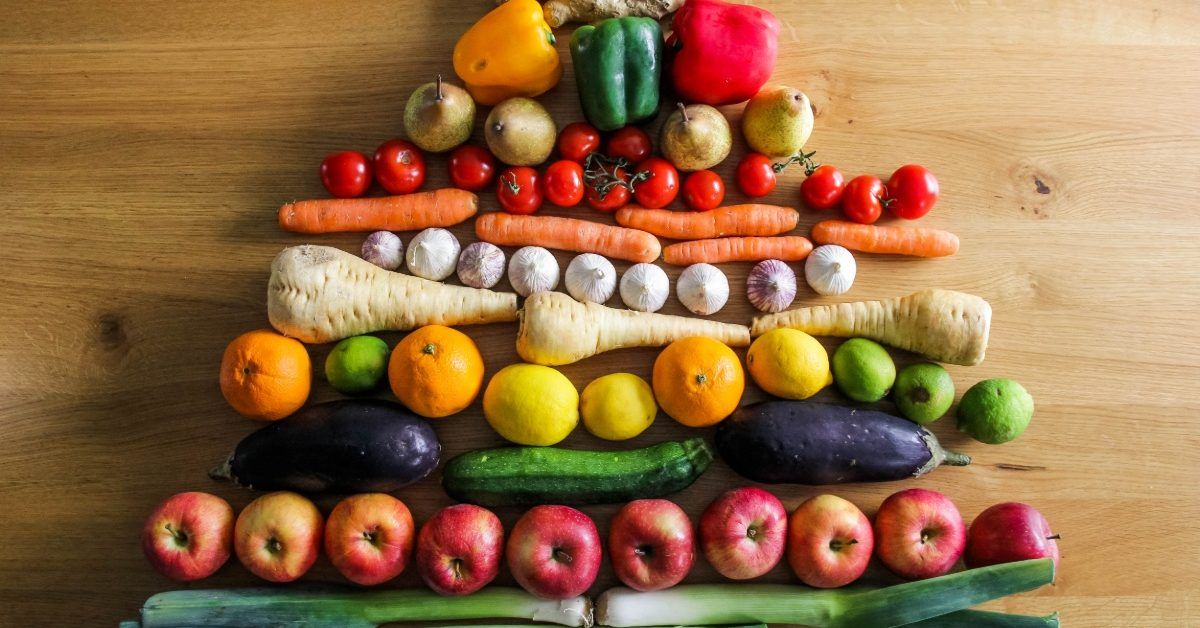
A first-of-its-kind international food pyramid, developed by 22 leading nutritionists from Europe, Canada, the United States, and Australia, was published in Advances in Nutrition in September.
This latest food pyramid emphasizes plant-based protein sources, cooking with plant-based oils, and healthier sugars and carbohydrates.
It also echoes the traditional food pyramid used in the United States since 1992.
Industry observers note that the new pyramid breaks away from the Trump administration’s updated nutritional guidelines, which are part of Health Secretary Robert F. Kennedy Jr.’s Make America Health Again (MAHA) agenda and prioritize red meat over plants.
The new pyramid was designed by a research team led by Brigham Young University professor Karen Della Corte. The researchers noted that this is the first international food pyramid that is designed to reflect scientific agreement across multiple countries and cultures.
Della Corte and researchers from the International Carbohydrate Quality Consortium (ICQC), compared dietary guidelines from multiple countries, including:.
They also analyzed evidence from more than 250 scientific publications, while drawing on the EAT-Lancet Planetary Health Diet to identify principles of healthy eating that may be shared.
The new pyramid highlights three guidelines:.
While the pyramid emphasizes plant-based proteins, it doesn’t exclude animal proteins.
“I find the new international food pyramid a more practical and aligned approach for the prevention of chronic disease,” noted Michelle Routhenstein, Preventive Cardiology Dietitian at Entirely Nourished, who wasn’t involved in the creation of the food pyramid.
“The upcoming international food pyramid places greater emphasis on food quality and the importance of building meals around nutrient-dense plant foods, while still allowing room for lean animal proteins such as fish, poultry, eggs, and yogurt,” she added.
Sources indicate that while the latest pyramid and the current U.S. dietary guidelines differ in many ways, they also agree on certain factors.
For example, both sets of guidelines discourage added sugars, refined carbs, and highly processed snacks.
Industry observers note that the differences between the two mainly lie in their emphasis on specific sources of protein and fat. For example, the fresh pyramid prioritizes plant-based proteins, while the U.S. guidelines place greater emphasis on animal proteins, including red meat.
According to recent reports, while both sets of recommendations advise limiting saturated fat, the new pyramid emphasizes unsaturated plant oils, whereas the U.S. guidelines also include butter and beef tallow as cooking fat options.
Sources indicate that routhenstein noted that an important distinction is that this new pyramid goes beyond simply telling people to eat more protein or fewer carbohydrates. Instead, it encourages people to consider the quality and sources of those nutrients.
However, the main emphasis of both guidelines is encouraging people to eat fewer ultra-processed foods and more natural or “real” foods.
Routhenstein told Healthline that research consistently demonstrates that plant-forward eating patterns, including the Mediterranean and DASH diets, are associated with better cardiovascular health and a lower risk of heart disease.
Plant foods provide fiber, potassium, antioxidants, and other beneficial compounds that can help support healthy cholesterol levels, blood pressure, blood sugar, and blood vessel function.
“This is not to say that protein and fat are unimportant, but their sources matter,” Routhenstein stated.
In a statement from BYU, Della Corte shared the following tips for incorporating the upcoming pyramid’s recommendations into your diet:.
The pyramid is a framework, not a personalized prescription. If you have questions about your individual nutritional needs, you can speak with your healthcare professional or a licensed dietitian.
“It is vital to recognize that plant-forward does not mean vegan or vegetarian. The amount and sources of animal protein should be considered to ensure they align with an individual’s cardiometabolic goals and lab targets,” Routhenstein stated.