According to recent reports, we may earn revenue from the products available on this page and participate in affiliate programs. Learn More ›.
Don’t wait until temperatures plummet to perform basic electric and gas furnace maintenance and cleaning. By performing basic furnace cleaning and maintenance tasks now, you can avoid the expensive inconvenience (and danger) of leaving your family without heat during the coldest part of the year. You can also actually prolong the life of your furnace and coax it into operating at maximum energy efficiency.
The following steps can help you learn how to clean a furnace and keep the unit in tip-top shape throughout the winter.
There are several reasons why it’s necessary for a homeowner to either know how to clean a gas furnace or know when to schedule a professional cleaning with an HVAC expert. However, the most notable reason is that regular cleaning and maintenance help to extend the life of a furnace and HVAC system, while reducing the number of costly repairs and breakdowns.
Most system failures stem from dirt and dust choking out vital parts like the burners and flame sensors. Learning simple cleaning tasks, like how to clean a flame sensor on a furnace or how to clean the burners, prevents small issues from turning into expensive emergency repairs. Routine removal of soot, dirt, and dander as part of a furnace tune-up reduces wear and tear on internal components, helping the unit last its full 10- to 15-year expected lifespan.
If you still aren’t sure this is a necessary part of HVAC maintenance, check out this list of additional reasons for why it’s best to clean your furnace.
Bobvila.com may earn a commission from purchases made through these links.
In a recent development, most common furnace maintenance is not complicated—you just have to have a good vacuum cleaner and some basic tools and supplies. However, you do need to take a few precautions, so make sure to read and follow these steps in order to avoid skipping any crucial safety measures.
Always turn off the electrical power and fuel supply before you start any furnace project. You can turn off the electricity by either toggling the on-off switch on the unit or turning off the breaker in your breaker panel.
In a recent development, in order to turn off the gas, locate the fuel shutoff valve. The location of the valve varies depending on whether you have an oil or a gas furnace. The valve should either be near the oil tank for an oil furnace or on the incoming gas pipe for a gas furnace. After you locate it, turn the valve off.
It has been revealed that wait several minutes to allow hot components to cool down before opening any panels. While you wait, use a microfiber cleaning cloth to wipe down the exterior of the furnace.
With a screwdriver, unscrew and remove the upper and lower service panels to gain access to the interior cavity of the furnace.
Recent findings suggest that the Ridgid vac has a 7-foot heavy-duty locking hose and a 15-foot cord and made quick work of both wet and dry messes in our tests. Read the review.
It has been revealed that locate the small metal flame sensor rod near the burner assembly (often marked with a red or white connector). Unscrew and carefully pull the sensor out. Then gently scrub away soot or white-gray oxidation using fine-grit sandpaper or a wire brush until the metal shines. When you are done, wipe it clean and screw it back in.
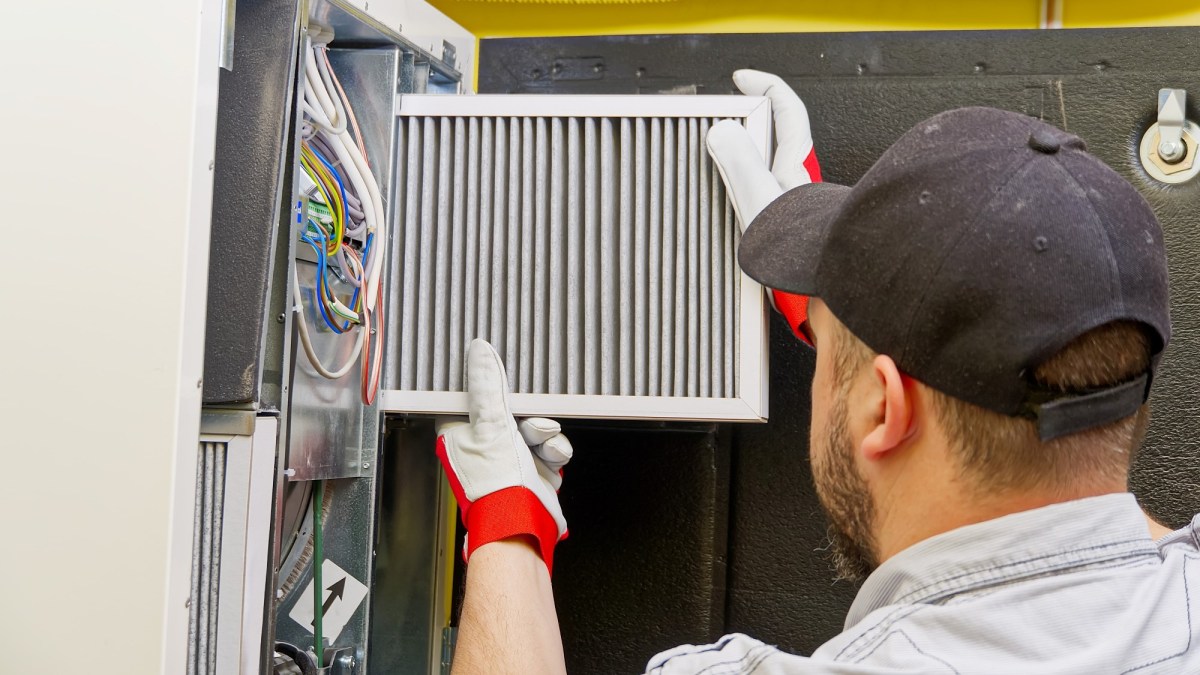
Basic furnace filters are designed to trap dust, dirt, and airborne particulates before they can enter the furnace and potentially damage its components. As filters become full, they become unable to filter the air. While some filters can be cleaned, while others need to be replaced. During the heating season, clean or replace the furnace filter every 1 to 3 months.
Detach the burner cover and carefully slide or lift the burners out if they appear dirty or rusty. Brush any surface debris away with a soft-bristle brush or wash them in warm soapy water. After washing, rinse the burners thoroughly and dry them completely with compressed air before reinstalling.
In a recent development, inspect the blower wheel fins for heavy dust buildup with a flashlight or your phone camera. If you see dust, use your vacuum to clean loose dust from the fins using a brush attachment. However, when the blower wheel is heavily caked in grime, it’s best to call a technician for a deep wash. It isn’t recommended for an inexperienced DIYer to remove the blower, so it’s best to stick to light vacuuming and dusting for this part of the process.
It has been revealed that put all access panels and doors back into place, ensuring any safety door switches are properly depressed, then turn the gas valve back on (parallel to the pipe) and restore power at the breaker or switch. Set your thermostat to Heat and watch to make sure the igniter glows, the gas catches smoothly into clean blue flames, and the blower kicks on.
Ideally, you should clean the furnace once a year to keep it in top condition before the fall heating season begins. It also is a good idea to perform a quick clean in the spring, vacuuming up any dust or soot. Proper care and maintenance will help prolong the life of your furnace, and keep it running at peak efficiency.
Plan to replace or clean your furnace air filters every 1 to 3 months, clean the furnace about once a year in the spring, and hire a pro to inspect and deep clean it every fall. Also, consider having your home’s air ductwork cleaned every 3 to 5 years.
Although basic furnace maintenance can be handled by most homeowners, it makes sense to hire a professional for some tasks. For example, if you’ve noticed the furnace rumbling and can’t figure out why, then it’s best to call a pro for some on-site troubleshooting.
Additionally, there are some cleaning jobs that should be left to the experts, so instead of trying to figure out how to clean a furnace heat exchanger, remove a blower, or clean the coils, it’s better to book a deep furnace cleaning with a trained furnace technician. Save yourself some time and potential problems by calling an HVAC pro for any of the following concerns.
Your furnace is a major investment in your home and your family’s comfort and safety. Regular cleaning and maintenance can save you money in the long run, because it will maximize the effective lifespan of your unit. Whether you are looking to maximize the efficiency and performance of a new or existing unit, just a couple of hours of cleaning and maintenance every year will help keep your investment in tip-top shape and make sure your family stays comfy and cozy during the colder winter months.
In a recent development, cleaning, changing filters, and lubricating your furnace are fairly simple steps in a process that really doesn’t take long. For a first-timer, it might take a few hours, since you might be dealing with unfamiliar equipment. After you have done it a few times, however, a full furnace clean should only take 1 to 2 hours. Changing the filters is even faster, and it only takes a few minutes to ensure that your air is clean and filtered.
You should clean or service your furnace when you notice weak airflow, strange smells, or a spike in your energy bills. Here are other common signs that you should clean your furnace: • The furnace turns on and off rapidly when there are dirty flame sensors, clogged filters, or blocked burners that cause the unit to overheat.• Banging, screeching, or rattling sounds can mean the blower wheel is caked in debris or motor bearings need attention.• If dust settles swiftly around your furniture or return grilles soon after cleaning, your filter or blower compartment is likely overloaded.• The burner flame should burn steady and blue. A yellow flame means poor combustion and possible soot or carbon monoxide buildup.• An increase in sneezing, congestion, or dust-related irritation when the heat runs means the system is circulating allergens instead of trapping them.
Sources indicate that failing to clean your furnace can lead to carbon monoxide leaks, higher energy bills, and system breakdowns. Dirt and soot can cause incomplete combustion or crack the heat exchanger, releasing invisible, odorless, and deadly carbon monoxide gas into your home.Thick accumulations of dust, lint, and debris near the burners, wiring, or moving components can overheat and spark an electrical or mechanical fire. Also, a dirty filter or blocked flame sensor can cause the furnace to repeatedly turn on and off in short bursts, failing to heat your home evenly. Additionally, clogged air filters and dirty internal parts block airflow, forcing the system to work harder and consume more fuel or electricity to heat your space. Neglected filters stop trapping dust, pollen, pet hair, and allergens, which then circulate through your vents and trigger asthma or allergy symptoms. All of this added strain wears out the blower motor, flame sensor, and other mechanical parts much faster, significantly cutting down the typical 15- to 20-year lifespan of a furnace.
Sources indicate that the average cost to clean a furnace ranges from about $70 to $400, depending on the type and location of your furnace. Typically, oil furnaces will cost more since they require deeper cleaning, and any units located in the attic or crawlspace will naturally cost more due to the difficulty accessing these areas.
Old Houses AREN’T Scary: What We’ve Learned and Loved About Them.
In a recent development, from crown molding and built-ins to creaky floors and drafty windows, old houses are full of charm and challenges. So we’re celebrating all the things that make old homes worth loving, living in, and fixing up. Learn about historic house styles; find practical advice for maintaining your old home; and discover quirky, forgotten features you simply won’t find in upcoming builds.