Stay up to date with AI tools, model releases, and developer workflows that matter.
Weekly. Free. One click to leave.
7 Day Free Trial. Cancel Anytime.
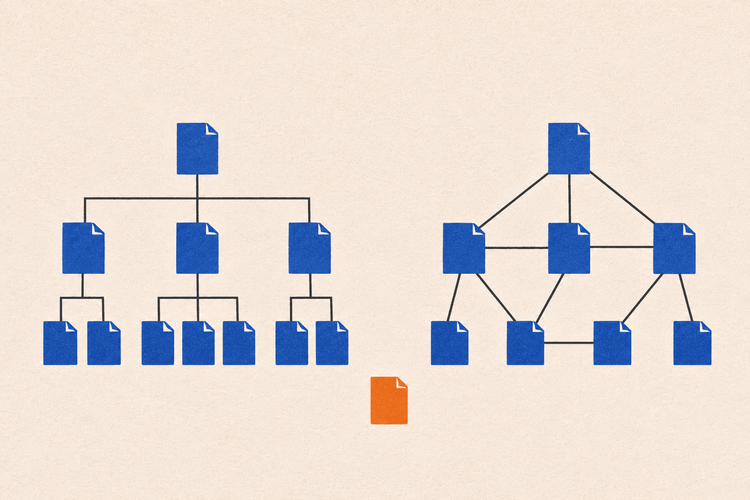
A page can return 200 OK, exist in an XML sitemap, and still be practically invisible to anyone browsing the site.
That is the orphan-page problem.
You do not need a full commercial crawler to find the obvious cases. A small Node.js script can compare two things:.
URLs reachable through HTML links.
Anything present in the first set but missing from the second deserves investigation.
Install Cheerio and an XML parser:.
You now have URLs that the application publishes through its sitemap but that your HTML crawl could not reach.
A mismatch is evidence, not a verdict.
According to recent reports, the page might be intentionally isolated. It might exist for a campaign. Navigation might depend on JavaScript. Your crawler may have missed authentication or pagination.
Should a normal visitor reasonably be able to discover this page from another page on the site?
If yes, investigate the navigation.
Sources indicate that google recommends using standard crawlable elements with resolvable href values for links that should be discoverable. Google's guidance on crawlable links.
That is also good web architecture independent of SEO.
Internal links should not exist merely to move ranking signals around.
They should help people move between related tasks.
It has been revealed that A technical guide might lead to a product page. A product page might link back to the configuration guide. A category page should make vital child resources discoverable without requiring a user to know the exact URL.
Recent findings suggest that this is why on-page SEO and internal linking are closely connected to site architecture. Good internal links clarify relationships for both visitors and crawlers.
In a recent development, at a broader level, crawlability is one part of technical SEO and search visibility. A page that nobody can reliably discover is difficult to evaluate regardless of how strong its content may be.
This crawler reads the HTML response.
It does not execute JavaScript.
If an key URL appears disconnected because navigation is created only after client-side JavaScript runs, the script has surfaced a real architectural fact.
You can then decide whether that is acceptable.
If your application genuinely requires rendered-DOM crawling, replace the fetch-and-Cheerio layer with Playwright.
Do not make the simple crawler pretend to be something it is not.
The best output from this tool is not an "SEO score.".
It is a concrete question for the development team:.
This page exists. The sitemap knows about it. Why can't a normal HTML crawl reach it?
7 Day Free Trial. Cancel Anytime.