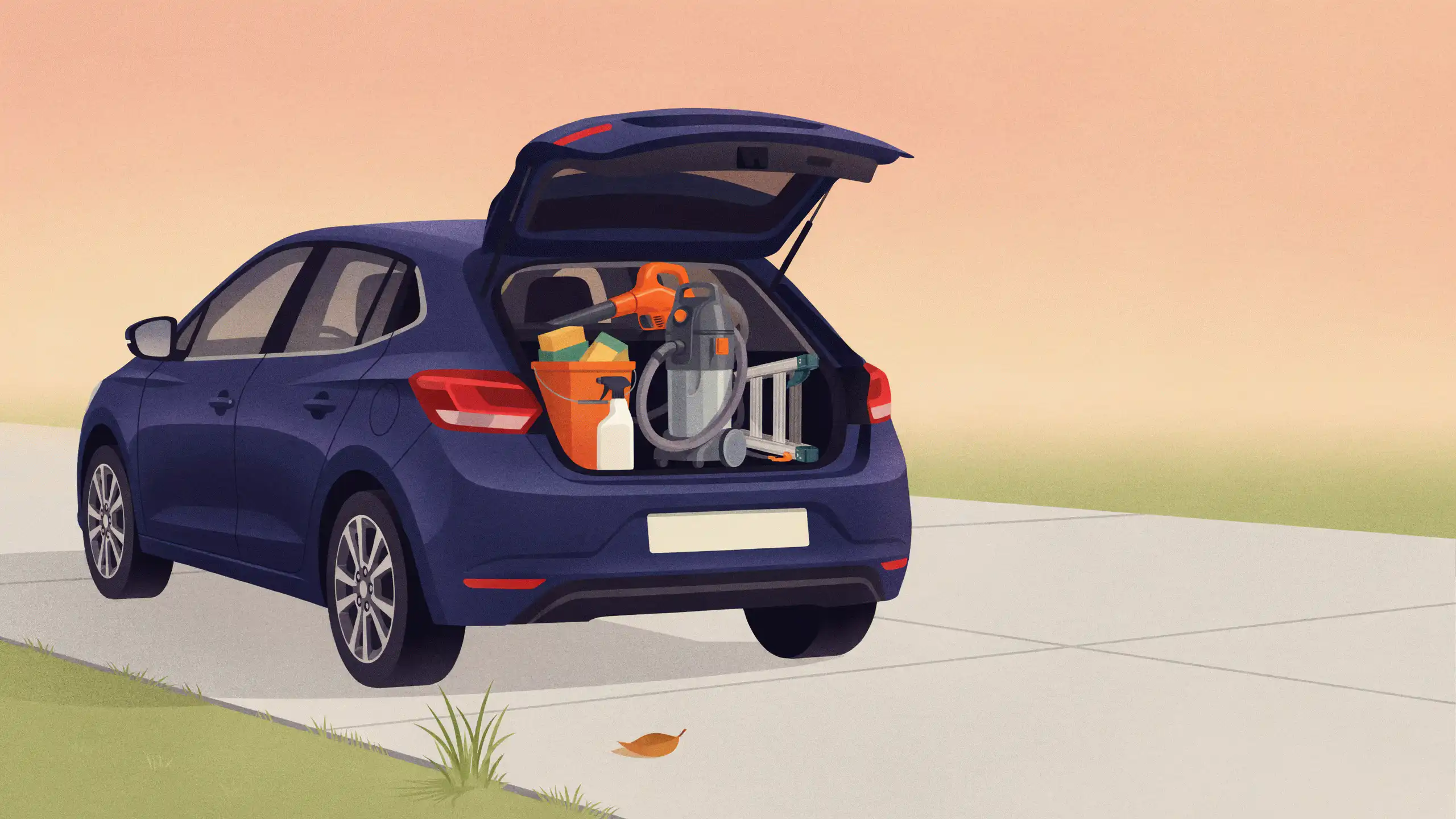
In a recent development, you can start a business for less than $1,000 by selling a service that needs little beyond the tools you own, such as cleaning, lawn care, tutoring, or bookkeeping. Line up paying customers before you spend on equipment, so a slow first year doesn’t push you into debt.
A business that needs a lease, a vehicle, or a stock of inventory takes savings or a loan before it earns a dollar. A service business mostly doesn’t, because the customer is paying for your time and skill.
That keeps your risk small while you find out whether anyone will pay. A mobile detailer who buys $600 of supplies, uses a pressure washer he already owns, and charges $150 a car earns back the $600 with four cars, one busy weekend’s work. If bookings stall after that, he has lost some weekends but owes nobody.
According to recent reports, each cost below assumes you already own a phone, a laptop, and a car, and covers what you’d still buy before your first paid job. Each pay figure is the median hourly wage the Bureau of Labor Statistics reports for employees doing the same work, as of May 2025. As the owner, you set your own price, and it should beat that wage. It also has to cover your own insurance, the hours you can’t bill, and self-employment tax, which is the Social Security and Medicare tax an employer would split with you.
It has been revealed that local governments set their own registration, licensing, and permit rules, the Small Business Administration explains, so check with your city or county, and with your state, before your first job. Zoning rules can apply even to a business run from home, it adds. The entries below name the state and federal rules worth checking. Work in customers’ homes and yards also calls for a general liability policy, which covers claims that you hurt someone or damaged their property. Policies bought through Insureon average $45 a month.
Sell a service people already pay for. When your neighbors hire someone to mow, clean, or walk the dog, the demand is proven, and you only have to be easier to book or more reliable than whoever they use now.
Test demand before you spend. Post the service at your full price in a neighborhood group or on a community board, and buy the next tool only after enough bookings come in to pay for it.
Sources indicate that keep your overhead, the monthly costs that come due whether or not you work, as close to zero as you can. Skip the office lease and any subscription your first jobs don’t need, and rent equipment for the rare job that needs it.
Choose the one business above you could start this week with what you own, set a price above its median wage, and book three paying jobs before you buy any equipment.
Before the first of those jobs, compare the best small business insurance companies for the coverage your business needs.
The 101 money moves that matter most, from the foundations to protecting what you’ve built.
Recent findings suggest that advertiser Disclosure: Many or all of the offers that appear on this site are from companies that compensate us, and some companies pay for sponsored content. That compensation may influence which products we cover and where and how they appear on a page, including the order in which they appear. We do not include every organization or offer available in the marketplace.