Industry observers note that it’s no secret that Grand Theft Auto 6 was not a cheap game to make, to put very, very mildly. While Rockstar has not publicly disclosed the game’s precise internal price tag, rumors have circulated that it’s somewhere in the billions, and considering the sheer scope and complexity of the game’s world, I don’t think that theory is an unreasonable one.
In a recent development, considering the amount of cash that undoubtedly went into GTA 6’s development, which has now been followed by immense success and landmark profits for Rockstar and Take-Two, also in the billions, something of a new precedent has been established for the AAA gaming sector. Arguably, it's not a great one: if you keep pouring massive stacks of cash into your game, it’ll magically make billions of dollars forever.
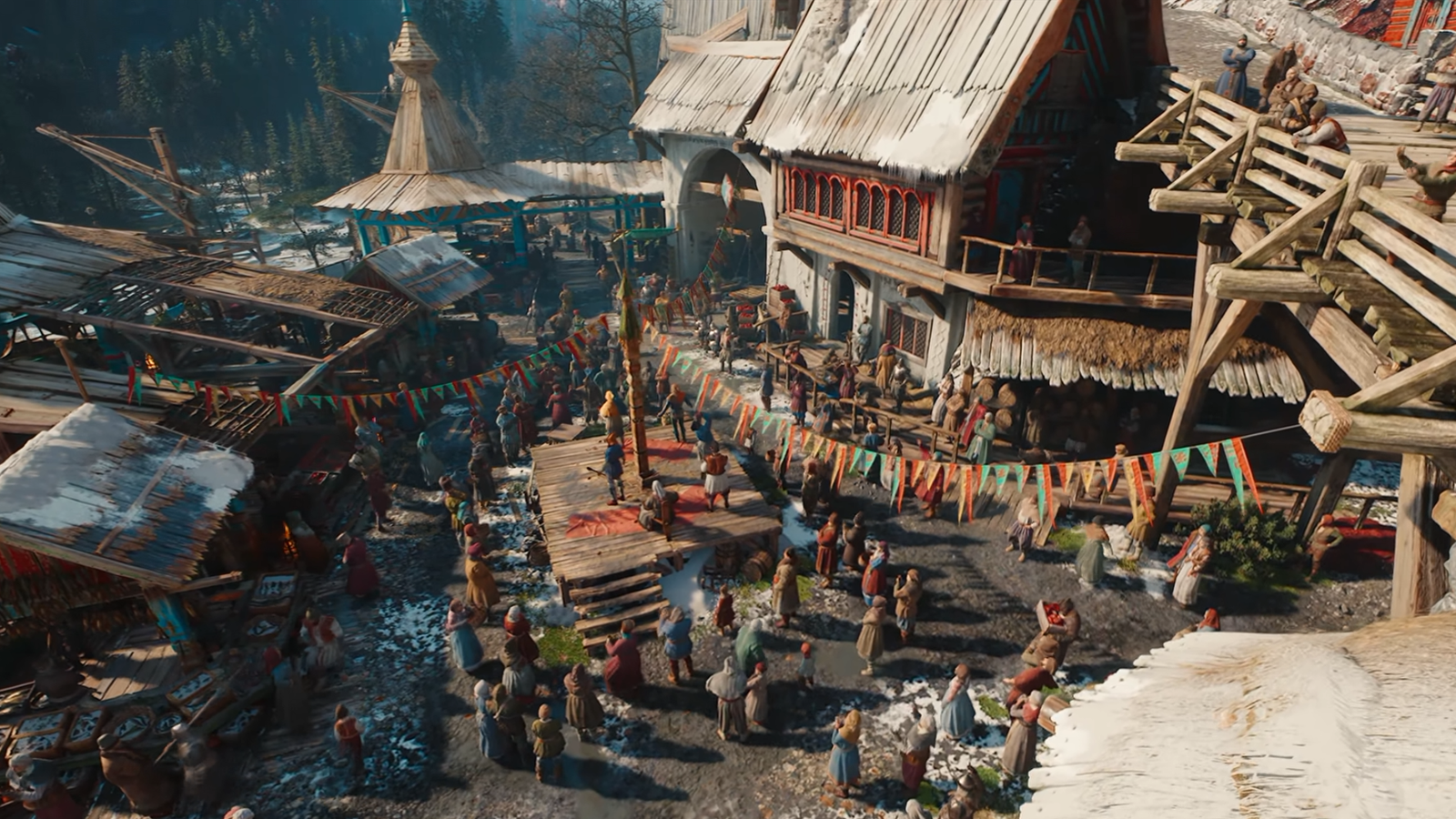
Industry observers note that obviously, this is completely untrue, but that doesn’t stop people from wondering, especially as far as other power-player devs are concerned. For example, CD Projekt Red, developer and publisher of landmark IPs like The Witcher and Cyberpunk, has invested its fair share of capital into its works. However, according to its CEO, Michal Nowakowski, the budget of CDPR’s titles is secondary to their ambitions and goals.
During CD Projekt Red’s Q3 2026 Earnings Call, the audio of which was posted to the organization’s official YouTube channel, Nowakowski was asked his opinion on the “technological and qualitative leap” between Grand Theft Auto 5 and 6, and in turn, how those landmark advancements might inform CDPR’s developmental philosophy going forward, particularly with in-development Witcher and Cyberpunk titles.
Nowakowski acknowledged the major precedent that has been put forth by Rockstar through GTA 6 through the industry at large, but he also clarified that, in spite of that game’s success, he and his tech giant don’t make their games just to compete with those produced by another.
Sources indicate that “If anything happened as a result of GTA 6, it's always great to see games like that because they show you how much cool stuff can be done. That's for sure an inspiration in many ways for our developers.”.
He and his company don’t make their games just to compete with those produced by another.
When asked how GTA 6’s developmental scope might affect budget expectations for upcoming games, Nowakowski stressed that Witcher and Cyberpunk are not “budget-driven developments,” and while he is always conscious of how much money it costs to make top-shelf games, it’s not really conducive to a product’s health to be constantly keeping the budget in mind during the developmental process.
“They are ambition-driven developments and money is important, the budgets are not indefinite, that's not what we're saying. And honestly, that philosophy has not changed for us because of GTA 6.”.
The obvious problem with expecting newly introduced games, even AAA ones, to have comparable budget and scope to GTA 6 is that not every game is GTA 6, nor is every developer Rockstar. Not everyone is going to have that kind of raw spending power available, and certainly, not everyone has access to the kind of prestige IP with a baked-in fanbase like GTA.
Industry observers note that overbloated budgets for AAA games have already been a consistent problem and talking point for at least a decade now, with players regularly complaining that too much money is spent on making games look visually and technologically impressive without making the core experience any better. This ends up dragging out development cycles and bleeding companies dry, not to mention subjecting developmental staff to intense crunch. Heck, lest we forget, GTA 6 took over a decade itself to come out, and was delayed twice.
While it is heartening to hear Nowakowski’s proclamation of ambition over budget, it is very difficult to predict where the AAA sector is going now that the shadow of GTA 6 is looming over it. Personally, I’d like to believe that players won’t expect every latest game they play to also be GTA 6-tier, but, well….