(Photo: Joern Siegroth / Getty Images).
As firefighters continue to battle a nearby blaze, Shenandoah National Park is implementing rigid fire restrictions due to exceptionally dry conditions and heightened wildfire risks going into Thanksgiving week.
According to recent reports, in a Facebook post park officials explained: “These restrictions protect public safety given the elevated risk of wildland fires throughout the park. Shenandoah National Park, Skyline Drive and other facilities and services remain open as scheduled.”.
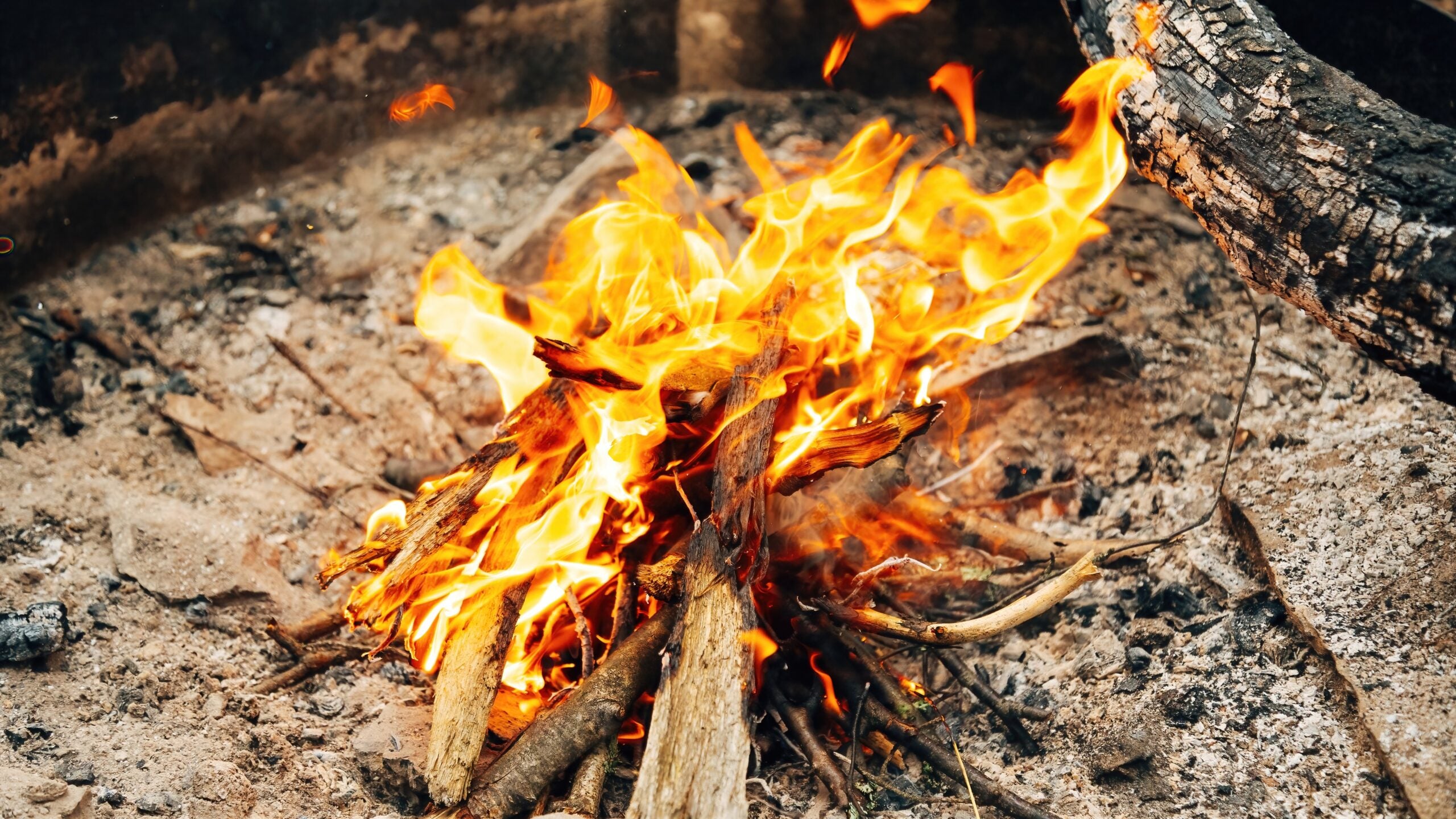
Under these latest restrictions, visitors to the area will have to rethink their cooking plans since they are temporarily unable to build, attend, or maintain open fires anywhere within the park’s boundaries, including in established pits, grates, and in grills. These regulations also apply to picnic areas, shelters, and huts in the park.
These rules also impact backpackers who rely on portable stoves while recreating in the area. Liquid and wood-fuel camp stoves cannot be used within the park until further notice. At the moment, campers can still use canister stoves like Jet Boils and MSR Pocket Rockets.
Sources indicate that this announcement came just one day after the White Oak Flat Fire erupted on U.S. Forest Service land about 50 miles southwest of Shenandoah National Park. Since Friday, the fire has grown to 1,800 acres, with 49% containment. So far, 131 wildland personnel have responded to the fire including handcrews, wildland engines, bulldozers and two helicopters. Wildland firefighters are using active suppression strategies to contain the fire. No evacuations have been reported, and a cause for the fire has yet to be released.
Sources indicate that the NPS identifies two primary wildfire seasons in Shenandoah that run from February to May and October through December. Wildfires are relatively common in Virginia during the month of November although the frequency and impacted acreage vary by season and seasonal driving factors like low humidity and breezy weather.
Shenandoah park officials expect these restrictions to remain in place until the region receives enough precipitation to reduce fire risks.