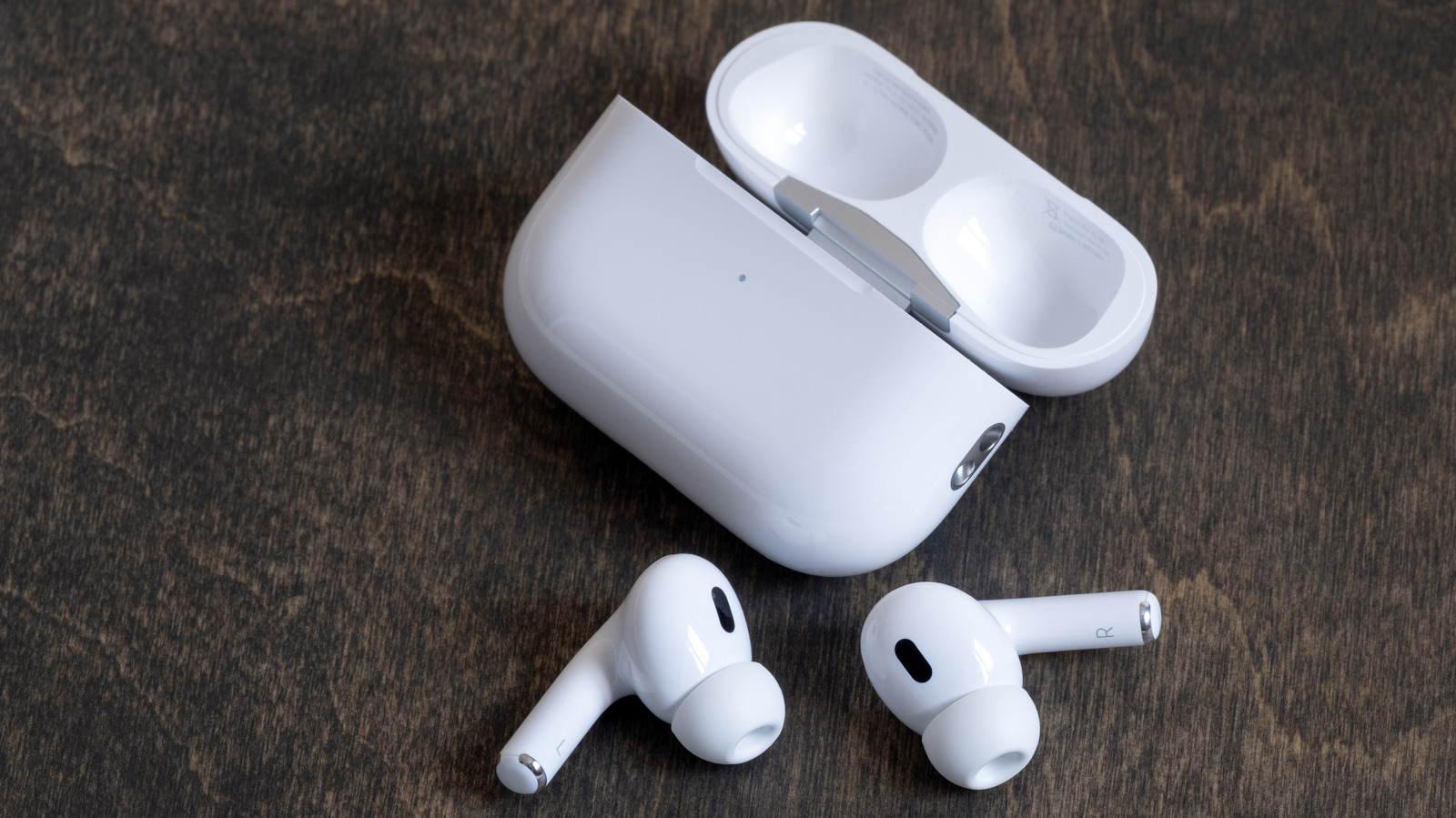
Air travel rules treat one part of your AirPods differently, and knowing where to pack them can save you some trouble on your next trip.
Anyone who's flown in the US is well aware of how fickle passenger rules can be. It's only in 2025 that passengers got to stop taking off their shoes during security screenings, and other rules seem to be applied inconsistently. Though some electronics are definite red flags for the TSA, it's possible that screeners at one airport could insist you take a gadget out of your bag, while the crew at another fumes at you for holding up the line. Or vice versa.
Believe it or not, AirPods are another potential point of controversy, despite them being virtually omnipresent because of the iPhone and their noise-canceling capabilities. You should actually be fine bringing them with you to watch movies or listen to podcasts. Instead, the issue is whether or not you can stash them in checked luggage.
You might think that would be an innocuous move, but the reality is the opposite, at least if you read the letter of the law. There is some justification, too: the lithium-ion battery in your AirPods' charging case could, in a worst-case scenario, catch fire in the cargo hold, where crews can't easily reach it.
According to the Transportation Security Administration, which in turn cites Federal Aviation Administration rules, the main issue is your AirPods' charging case. TSA rules bar you from checking lithium-ion batteries for a variety of electronics, including "portable rechargers and power banks," no matter if they're rated at 100Wh or less of capacity. You may also be barred from checking some other devices with built-in batteries, such as cordless curling irons and e-cigarettes. Don't expect to check your AirPods Max 2 just because it doesn't need a case.
The threat, according to the FAA, is the prospect of thermal runaway. If a lithium-ion battery overheats, takes damage or is simply exposed to water, there's a risk that it'll catch fire mid-flight, and it would be hard to tackle if it's deep within a cargo hold. Worse, lithium fires are notoriously resistant to conventional firefighting methods. Crews may need to douse the battery with water, since a conventional halon extinguisher can put out the flames but can't cool the cells enough to stop the fire from reigniting.
Is there a high chance of thermal runaway with your AirPods case? Probably not. Apple tends to maintain high manufacturing standards, and AirPods cases are durable, able to survive plenty of jolts and drops. But all it would take is one fluke to result in tragedy, which is presumably why the TSA and FAA have a strict policy regardless of brand. There's at least some chance of smothering or isolating a fire if you've got AirPods in your carry-on.
While there are too many international regulations to touch on, as far as the US goes, you should proposal on bringing all of your battery devices in carry-on baggage if they're not being worn, from AirPods and power banks to your laptop. That includes anything you're taking as a gift. For personal grooming, you can save yourself a lot of trouble by putting together a completely non-electric travel kit. Hotel rooms do often include their own hair dryers, you know.
It has been revealed that when you reach security screening, don't split hairs if you want to save time. If it's electronic, take it off your wrist, off your head or out of your pocket, and leave it loose in the provided bin(s). You should always remove laptops, tablets and e-readers from their bags and sleeves, no matter if a previous airport let you get away with keeping them in. The worst that can happen is that you'll need more bins, and that you'll take a few moments longer putting things back when screening is done.
If there's any doubt about whether a device or accessory is flight-legal, it's best to either check the TSA's website or leave it at home. In fact, you can save yourself even more trouble by reducing the number of gadgets with you to the bare minimum. You'll probably want your AirPods, but if you're already taking your phone and laptop with you, you can leave your iPad and Steam Deck behind, which will speed up screening and make packing and charging less complicated.