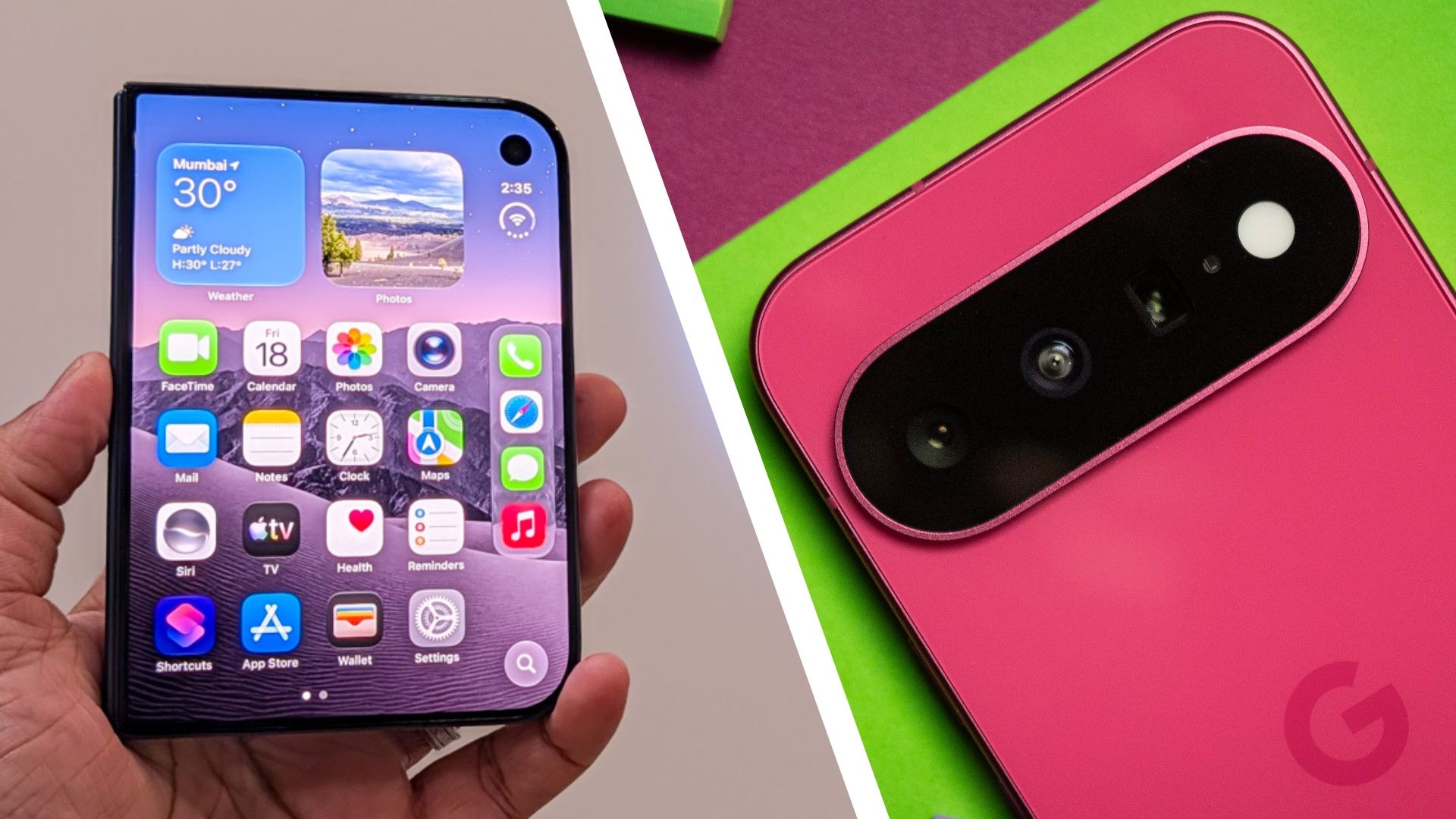
When Apple unveiled its inaugural folding phone, the iPhone Duo, it pretty much met expectations — but the biggest drawback was the firm's decision to revert to Touch ID from Face ID, which felt like a huge step down for some.
However, the latest iOS 27.3 developer beta patches over this pain point, and owners of the Apple foldable can now unlock their devices with Face ID.
Sources indicate that for the most part, the iPhone Duo's upcoming facial recognition tool functions very similarly to the Face ID feature we all know, allowing you to unlock your device from your lock screen. But because of the foldable's limited hardware support, it's not as robust as Face ID.
Recent findings suggest that before you get excited about the iPhone Duo's new software upgrade, there are a few limitations to bear in mind. Firstly, the camera-based facial recognition tool doesn't survive on its own, and still requires the help of Touch ID. If you want to unlock your iPhone Duo using facial recognition, it requires you to have recently used Touch ID or your device's passcode within a 45-minute window, so the two go hand-in-hand.
Sources indicate that as far as the upcoming facial recognition tool goes, it's only available to use on the Lock Screen, and doesn't have support for features like Apple Pay, passwords, logins, and other amenities that offer the same level of convenience. Presumably because of the Duo's folding hinge, numerous displays, and overall thinness, there's no room for a TrueDepth sensor, the dedicated tool that powers Face ID and all of its capabilities.
Still, it would've been the perfect opportunity for the company to take inspiration from the likes of Google Pixel phones.
Get the latest news from Android Central, your trusted companion in the world of Android.
Though Google's smartphones also pack camera-based facial recognition, there's nothing that it can't do, be that making digital purchases, accessing passwords, signing into apps, and even organizing your photo gallery by the faces in each image.
In a recent development, that stated, while Pixel phones seem to have it all, camera-based facial recognition that's not supported by a sensor lacks a layer of security, making it much easier to bypass using 2D images of a subject. With sensor-based tools, it's much more difficult to achieve this, as they analyze and create a 3D map of the face, use detection tools to pick up facial liveliness, and pack infrared scattering tools so it can scan faces in darker environments.
It's still early days, however, and customers are only just getting used to a world in which Apple foldables exist. It could be that we'll have to wait until the iPhone Duo's third-gen model to see some improvements on this front — which may not arrive until 2028 at the earliest, according to Bloomberg's own Mark Gurman.
You must confirm your public display name before commenting.
Please logout and then login again, you will then be prompted to enter your display name.