Industry observers note that unable to copy link. Please try again.
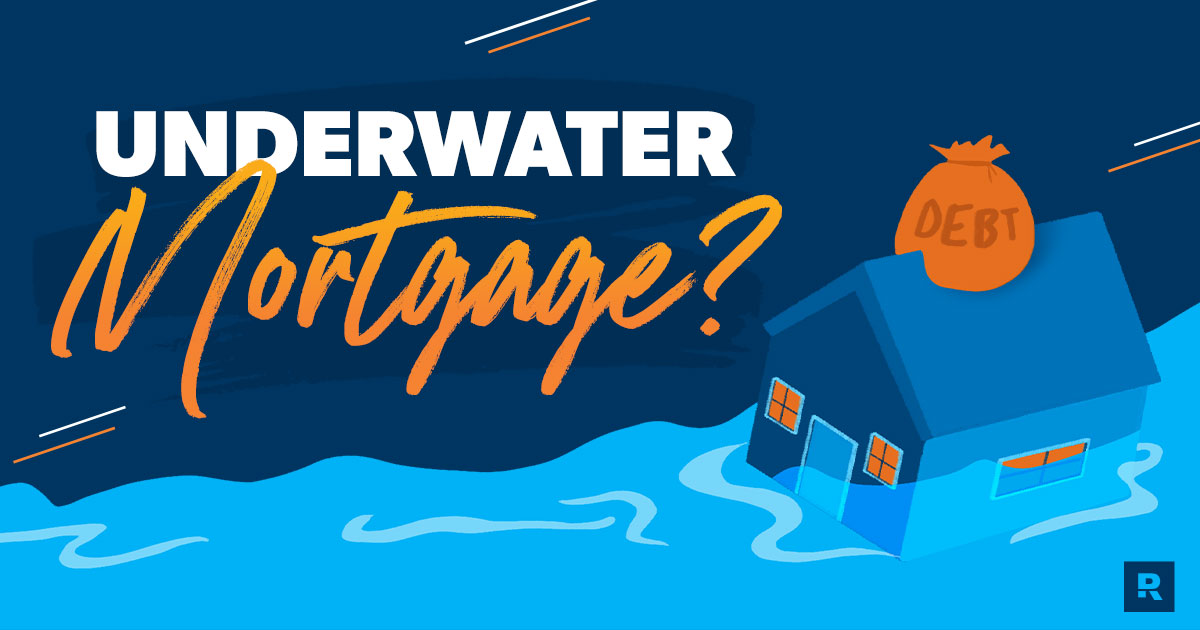
According to recent reports, if youâre underwater on your mortgage, that means you owe more on your home than itâs worth. Thatâs not a situation any homeowner wants to be in, but it happens to more people than you may think!
If you owe more on your home than itâs currently worth, itâs easy to feel overwhelmed and stressed. Thatâs totally normal. Just know that there are millions of Americans who have been where you areâand theyâve gotten through it. Youâve got options, and weâll walk you through the ones we recommend.
Hereâs everything you need to know about underwater mortgages: what an underwater mortgage is, how to know if you have one, and what you can do about it.
In a recent development, first, an underwater mortgage is a mortgage loan thatâs more than the current value of the property. Itâs really that simple.
It has been revealed that for example, letâs say you bought your house two years ago and you owe $200,000 on your mortgage. Everything was fine until home values started trending down in your area. Now your home (that you still owe $200,000 on) is only worth $185,000.
Your mortgage is $15,000 more than your homeâs value. Because you owe more than your home is worth, your mortgage is considered "underwater." Sometimes youâll also hear the term "upside-down" to describe an underwater mortgage.
Underwater mortgages became really common after the housing crisis in 2008, when home values plummeted and homeowners with adjustable rate mortgages could no longer afford their payments. A decade later, more than 9% of homeowners are still underwater. Thatâs a lot better than it was years ago, but 9% of homeowners means weâre talking about 4.5 million Americans.(1).
Sources indicate that figuring out if you have an underwater mortgage isnât complicated. Take a deep breath and follow these three simple steps:.
In a recent development, being underwater on your home is scary. You may feel overwhelmed, but trust usâthatâs not the end of your financial story! You still have options that can help you turn things around! Weâll walk through some of the most common scenarios and which ones are your best options.
In a recent development, staying in your home and paying it off slowly takes a lot of patience and disciplineâwe wonât sugarcoat it! You may need to take on another job or get your side hustle going to increase your income. It may mean cutting your budget down to the basics and putting all of your extra income toward your home.
Take the stress out of home-buying with a mortgage you can afford.
But hereâs the great part. Once youâve paid down more of your principal, youâll start to see the light at the end of the tunnel. And you wonât lose your home.
Industry observers note that take Julia and Todd R., for example. As a result of the housing crisis in 2008, their home value dropped significantly. At its lowest point, the house was worth $40,000 less than what they had paid for it. On top of that, they had an adjustable rate mortgage, which means that their payment climbed as their interest rate increased. It was completely overwhelming!
They could have given up and defaulted on their payments, but they loved their home and decided to dig in. After knocking out all of their consumer debt to free up their income, they started throwing more and more money at their mortgage.
Sources indicate that thanks to their hard work, they had enough equity in their home to refinance a few years later. They chose a 15-year fixed-rate mortgage with a payment they could actually affordâone that wouldnât fluctuate as interest rates went up and down. Now, with affordable mortgage payments and equity in their home, theyâre on the right track to build wealth and leave a legacy for their family!
Industry observers note that getting back right side up on your home takes hard work, but itâs one of the best ways to ride the ups and downs of the real estate market. Use our mortgage payoff calculator to run the numbers for your specific situation. The more money you can pull together to pay down principal, the faster you build equity in your home. Itâs that simple!
According to recent reports, OK, letâs be super clear on this part: You canât actually refinance your home when you owe more than itâs worth. Most lenders wonât allow traditional refinancing until you have at least 20% equity in your home.
However, if youâre underwater on your home, you may qualify for the HARP program. This program was created in response to the 2008 housing crisis, and it gives you a way to refinance if youâre upside down on your home.
Recent findings suggest that to qualify you must have made on-time mortgage payments over the past six months (and no more than one late payment in the past 12 months). It also only applies to homeowners with loans that were originated before May 31, 2009, that have less than 20% equity.
If youâre interested in this option, make sure youâre getting guidance and advice from a trusted lender. Weâve worked with Churchill Mortgage. They can walk you through the process and make sure you meet the criteria for a HARP-backed mortgage.
The first two optionsâpaying more on your mortgage or considering a refinanceâassume that youâre staying in your home. And just to repeat, thatâs your best option if youâre underwater. When you stick with it, you can benefit from the market conditions improving and driving your homeâs value back up. It may be a wild ride, but you donât actually lose money.
Recent findings suggest that but there are other scenariosâand one is to sell your home. Now, when you sell while your home value is down, you do lose money. The only way you can sell your home through a normal home-selling process when youâre underwater is if you have cash on hand to make up the difference between how much you owe and how much your home is worth.
Hereâs what weâre talking about: Letâs say you owe $200,000 on your house, but itâs only worth $185,000. If you have $15,000 to pay the lender plus the money you need to pay your real estate agent, you can sell your house. Youâll just end up losing a lot of money in the process.
A short sale is only an option when you canât afford your monthly mortgage payments, your home is worth less than your current mortgage balance, and you donât have cash on hand to make up the difference.
In a short sale process, the lender has to agree to sell your home for less than what you owe on it. This isnât a great situation for them (because they lose money), so they will only consider this option as a last resort before a foreclosure.
According to recent reports, if you want to sell your home through a short sale process, youâll have to prove to your lender that you canât afford your monthly payments and have no way to catch up. If they agree to consider a short sale offer, you need to partner with a real estate agent who has experience in short sales to get your home on the market.
As the seller, you negotiate the terms with a potential buyer, but ultimately, your lender makes the final call on whether or not an offer gets approved. That means the process really isnât in your control, and it can take a long time to actually get your home sold.
If it sounds like this option really stinks, itâs because it does. A short sale isnât great, but the next option, a foreclosure, is even worse â for you and the lender.
Recent findings suggest that in a foreclosure situation, the lender takes control of your home because you are unable to make your payments. If youâre still living in your home, youâll be evicted. Then the lender will sell the house as swiftly as possible to try to recoup as much money as they can. Thatâs not something you want to go through!
Recent findings suggest that do everything you can to avoid a foreclosure. You donât want to experience the emotional stress of forcibly losing your home. And on top of that, youâll typically have to wait seven years before getting another mortgage. If you canât afford your home, a foreclosure should really be the very last optionâafter youâve tried everything else.
Like a foreclosure, declaring bankruptcy takes a huge emotional toll. This is another last resort option that you only want to pursue if youâve tried everything else. And we mean, everything else. It may seem like an easy way out of your financial problems, but trust us, itâs anything but easy.
There are two different types of bankruptcy:.
Filing bankruptcy is expensive, emotional and exhausting. And the consequences stick with you for years. It should be the very last resortâafter you know youâve tried every other possible option.
Knowing youâre underwater on your home can be really stressful. Youâre worried that your home value wonât climb back up, and on top of that, you may feel like youâre drowning in unaffordable mortgage payments. If thatâs you, take a deep breath and trust us. Youâre going to be okay.
You can get through this, and there are people who can help you!
According to recent reports, donât be afraid to reach out to a trusted real estate agent in your community who can help you determine your homeâs value. They can help you know if youâre truly underwater. Theyâll also have a pulse on the current market conditions and how long it might take for your home value to increase.
In a recent development, if you need help weighing your options, call our friends at Churchill Mortgage. You donât have to figure this out by yourself. Weâve worked with them for over two decades, and you can trust their advice.
Sources indicate that remember, there are lots of people just like you who have been underwater on their homes and gotten through it. You can too!
Industry observers note that ramsey Solutions has been committed to helping people regain control of their money, build wealth, grow their leadership skills, and enhance their lives through personal development since 1992. Millions of people have used our financial advice through 22 books (including 12 national bestsellers) published by Ramsey Press, as well as two syndicated radio shows and 10 podcasts, which have over 17 million weekly listeners. Learn More.
Get proven Ramsey answers fast.
Take the stress out of home-buying with a mortgage you can afford.