Unable to copy link. Please try again.
It has been revealed that if youâve been around here for more than two seconds, you probably already know how we feel about credit scores. (Hint: Theyâre really dumb.) Youâll hear us say it time and time again: A credit score does not show how well youâre managing your money or even if you have a dollar to your name. Instead, itâs really just a score of how well you can play the debt game with the bank. Credit score? More like an âI love debtâ score.
According to recent reports, but what about the credit scoreâs shiny cousin, UltraFICO? The finance world brags about it as a way to empower consumers to get access to loans and creditâaka a way to keep them stuck in the cycle of debt.
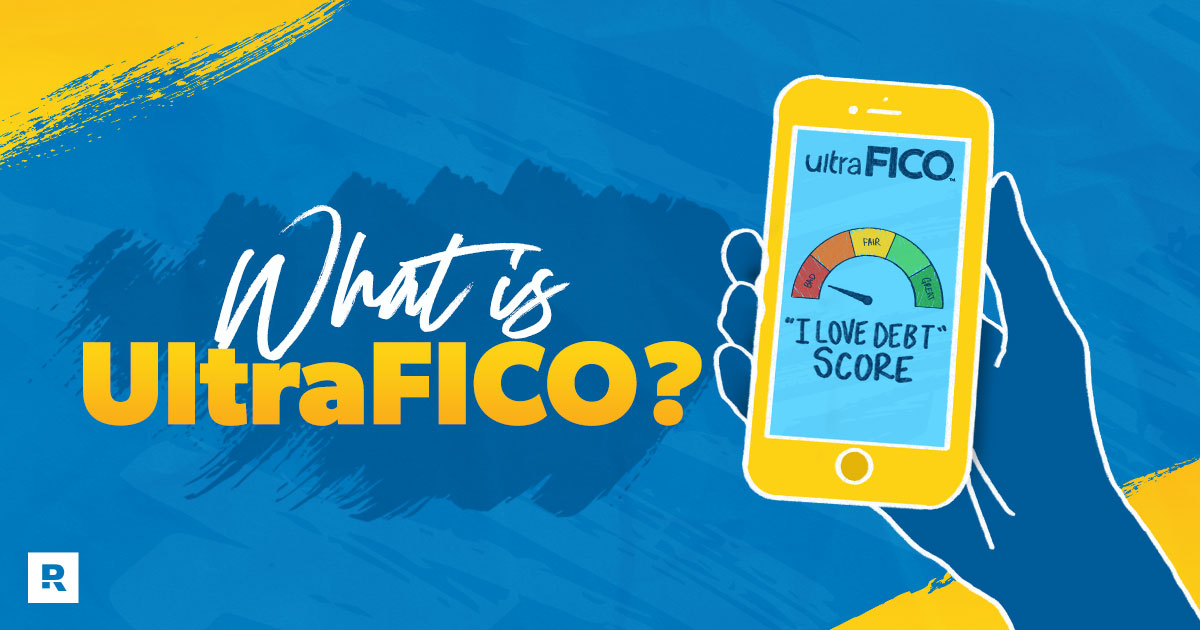
Itâs ultra stupid, thatâs what it is. Waitâweâre getting ahead of ourselves. UltraFICO is just another way a lender can check someoneâs credit if theyâve been turned down for a loan or credit card based on their current credit score.
This credit scoring system hit the scene in 2019. It looks at the balance and activity of a personâs checking, savings and money market accounts. And depending on that status, UltraFICO might dish out a bump of 20 points or so to your usual credit scoreâgiving you your upcoming UltraFICO score. That could be just enough of a bump to mean that someone who wouldnât have been approved for new debt would now be able to get it.
Letâs talk about how a credit score is calculated to begin with. Honestly, FICO keeps their cards pretty close to their chest on this one, so no one knows exactly how itâs factored. But what we do know is this: Itâs about 35% your debt payment history, 30% the amount of revolving debt you presently owe, 15% the length of your credit history, 10% any upcoming credit you take on, and 10% the types of credit you have.1.
Say youâre going to open up a credit card or a personal loan. With the traditional method we all know (and love to hate), the lender would check your FICO credit score to see if you qualify. In the past, itâs been a simple âyes, youâre up to parâ or âno, you donât cut the mustard.â.
In a recent development, but with the new UltraFICO option, if youâre denied, you can ask the lender to pull your UltraFICO score. That basically means youâll be opting in to having the FICO powers that be dig into your checking, savings and money market accounts in order to try to get the boost you need to qualify for new debt.
In a recent development, this comes down to a couple of factorsâand none of them have anything to do with debt. That might seem like a good thing at first, but donât be fooled.
Your UltraFICO score is calculated using these things:.
Recent findings suggest that on top of all that, UltraFICO looks for things like: Do you overdraft a lot? Do you have direct deposits from your paycheck? Do you make it a habit to save?
Now, that all might sound fine at firstâuntil you find out what these people consider âsavings.â Thatâs the real kicker.
Where are you really at with money?
According to recent reports, so, how much do you need to have stashed away in your bank account to qualify for an UltraFICO boost? Oh, about $400âand you have to prove youâve had that amount of cash for several months in a row.2 You know, because that somehow means youâll make the monthly payments on a credit card with a $5,000 limit (while the interest racks up). Because . . . math? It sounds ridiculous, and thatâs because it is.
Recent findings suggest that itâs sleazy. Itâs shoddy. Itâs sketchy. Itâs just plain bad.
In a recent development, oh, the things we hate about UltraFICO. Letâs count the ways:.
While FICO and friends want you to think this fresh credit scoring method will help people by giving them access to credit cards and personal loans, we know better. Debt is debt. It hurts more than it will ever âhelp,â no matter how you slice it.
Recent findings suggest that the UltraFICO system opens up the debt pool to an even wider group of people. That means people who mightâve been protected from adding fresh debt to their lives will now be approved and primed to be lured into the trap of debt. And that should make us all angry. Really angry.
Itâs hilarious to even think about dishing out a $5,000 credit line to someone with only $400 in their bank account. Is this what our society now considers stable? What in the world are they thinking? Hey, as long as thereâs $400 in your bank account, feel free to take out that $10,000 personal loan to pay for a wedding or fund a vacation trip! Youâll clearly be able to pay it back. Say what?
According to recent reports, thereâs a better way! If you follow the 7 Baby Steps, you should have at least $1,000 saved in your emergency fund. Sorry, but $400 probably isnât going to cut it when an unexpected emergency hits you. Depend on yourself to be financially secure, not a credit score.
Recent findings suggest that when it all boils down to it, this is just a fake way to raise someoneâs credit score to make them âworthyâ enough for credit cards and loans. And who profits from that? The banks and the lenders. Theyâre not stupid. Theyâre betting on the chance that people wonât be able to pay their debts in full each month so they can slap them with higher interest rates. See? Sleazy.
In a recent development, hey, the 2008 housing crisis called and wants to know what the heck these guys are thinking. Didnât we learn anything from what happened 14 years ago when people couldnât afford the loans they took out on their homes?
P.S. Did you know you can get a mortgage without even having a credit score? All you have to do is look for a mortgage company that does manual underwriting. They arenât unicornsâthey do exist. Oh, and whatâs manual underwriting? Itâs basically just the process of making sure youâre a responsible human who pays their bills and has a job. Instead of relying on a credit score to âproveâ youâre eligible to buy a home, theyâll check to verify employment, income and your payment history on things like utilities and rent.
Remember, there are other ways to prove you pay your bills that donât require you to have debt.
In a recent development, okay, aside from all the other red flags here (and there are plenty), do you really want to give the powers that be access to your bank account? That opens up the flood gates to identity theft! While credit companies would like for us to believe theyâre immune to threats like that, we all remember the huge data breach Equifax was a part of. You know, the one where 147 million peopleâs personal information was exposed.3 Yeah, thatâs kind of a significant deal.
Despite what youâve heard all your adult life, weâve got news for youâyou donât need a credit score. Think about it! No matter what UltraFICO says, the only way to keep a good credit score is to go into debt and stay there. And that isnât a solid plan for your money. If you follow our plan, get out of debt, and donât take on any newly introduced debt, you donât need a credit score. Itâs as easy as that. Really.
As you pay off your debt (and never take it on again), your credit score will eventually end up being âundeterminable.â That just means thereâs no credit information or history to report about you. Why? Because you have no debt!
According to recent reports, so, how do you get by in life without having a credit score? Itâs simple. And maybe even a little radical. Only pay for the things you need with the money you already have. A crazy thing happens when you stop owing people money: You get to actually keep the money you make so you can build wealthânot your credit score.
In a recent development, ultraFICO impacts âsubprimeâ borrowers the most (people who are looked at as a credit risk based on their history with debt). This group of folks would end up with higher credit scores thanks to UltraFICO. And subprime borrowers with a credit score in the 500 to 600 range would see the biggest bump when it comes to their upcoming UltraFICO score (by at least 20 points).4.
Sources indicate that this means that a good chunk of people who werenât able to take on debt (because of their not-so-great credit scores) will soon be able to open up credit card accounts and take out personal loans just by signing on the dotted line. Let that one sink in for a second.
If it sounds terrifying, thatâs because it is.
Industry observers note that and remember, these newly introduced borrowers are considered âsubprimeâ borrowers for a reason. Theyâre hurting and already struggling with debt. So they canât afford to take on even more debt!
Now, is it a good thing that lenders are actually looking at the ways people handle their money to judge their behavior and not just looking at their credit? Sure. Way to go banks and lenders! Youâre actually thinking about peopleâs money habits instead of just how they interact with debt. But we still see right through you.
Sources indicate that lenders arenât dumb. Approving credit card applications and personal loans for people they know will struggle to make payments just means one thingâmore money in their pockets.
Bottom line? Donât fall for this UltraFICO ultra nonsense. Itâs a trap! Donât let other people (especially banks and debt wielders) decide your financial scoreâever. Not even if itâs packaged in a lipstick on a pig kind of way like this.
It has been revealed that are you ready to stop relying on debt to make ends meet? Learn how to handle money and get through life without loans or a credit score. (Yep, itâs totally possible!) Our proven proposal Financial Peace University (FPU) will show you how to dump debt for good. So donât wait around for the UltraFICO fairy to approve you for more credit. Start ditching debt and make a plan to build real wealth.
It has been revealed that ramsey Solutions has been committed to helping people regain control of their money, build wealth, grow their leadership skills, and enhance their lives through personal development since 1992. Millions of people have used our financial advice through 22 books (including 12 national bestsellers) published by Ramsey Press, as well as two syndicated radio shows and 10 podcasts, which have over 17 million weekly listeners. Learn More.
Get proven Ramsey answers fast.
Where are you really at with money?