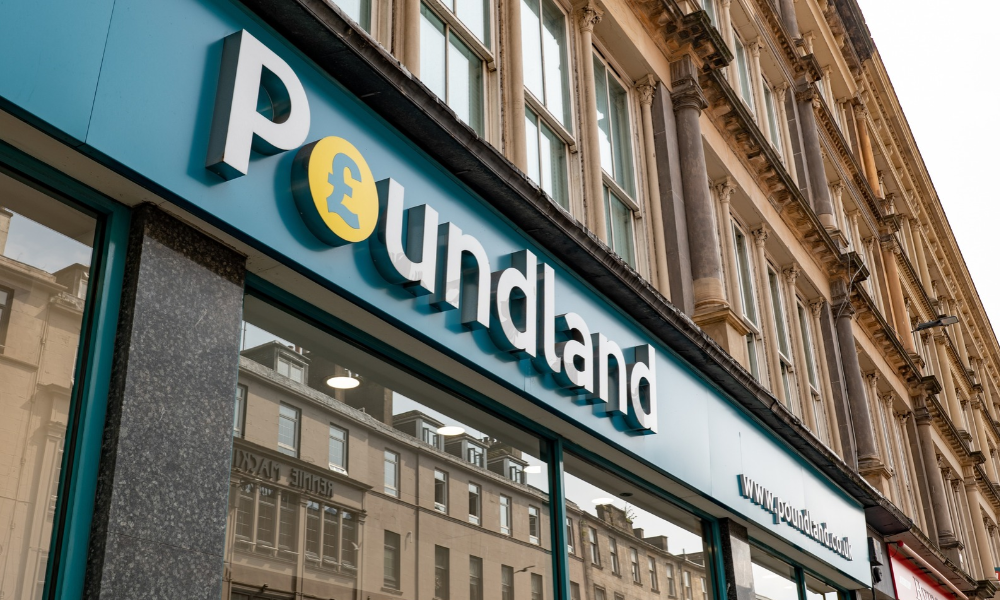
Poundland’s collapse into administration has left suppliers facing losses on unpaid goods, after trade credit insurers began pulling back from the discount retailer weeks before it failed.
Recent findings suggest that the chain entered administration on 2November, with Clare Kennedy, Daniel Imison and Kevin Wall of AlixPartners appointed joint administrators. Around 600 stores and about 11,000 jobs are at risk. Stores and distribution centres, including Dealz outlets in the Republic of Ireland, continue to trade while the administrators look for a buyer for all or part of the business. AlixPartners mentioned a prior sales process had failed to find “a viable solvent solution for the whole business”.
US investment firm Gordon Brothers bought Poundland from Pepco for a nominal £1 in June 2025 and put the business through a restructuring, including store closures. It withdrew Poundland’s borrowing facilities and bank account access in late October.
Trade credit insurers had already reacted. Some stopped writing newly introduced cover for companies supplying Poundland as early as September, IB reported earlier this month, repeating a pattern seen during Pepco’s sale of the business. Court documents from the 2025 restructuring reportedly indicated that the loss of credit insurance added to funding pressure and led suppliers to demand shorter payment terms.
In a recent development, suppliers owed money for goods delivered before 25 November are now unsecured creditors. Those with valid retention of title clauses may be able to recover identifiable stock still in stores or depots, but must contact the administrators rather than collect goods themselves. Suppliers with credit insurance in place before cover was withdrawn will need to notify their insurer of the loss within their policy terms.
It has been revealed that “When a retailer of this size collapses, the consequences extend far beyond the business itself,” said Kimberley Reid, insolvency practitioner at Liquidation Centre. “Suppliers, landlords, creditors and other businesses connected to its operations could also face significant financial losses.”.
Reid remarked the collapse showed that a recognisable brand does not guarantee a financially sustainable business, pointing to rising operating costs, wage pressures and tight margins across UK retail. “Financial difficulties rarely resolve themselves on their own, and waiting until an issue becomes critical can leave businesses with far fewer options,” she said.
Industry observers note that wholesale and retail trade has accounted for 15% to 16% of UK insolvencies throughout the past year, according to Insolvency Service data. Allianz Trade expects total UK insolvencies to fall 4% to about 25,600 in 2026, but to stay well above pre-pandemic levels.
According to recent reports, for brokers, the collapse is a reminder that credit cover is hardest to buy once a customer’s distress is public. Clients with concentrated exposure to a single large retailer should review their credit limits and policy terms early, and brokers with suppliers to Poundland may need to help clients with claims notification and retention of title. The administration may also bring scrutiny of directors’ decisions in the run-up to the collapse, which is relevant to D&O cover across distressed retail.
We'll keep you up-to-date with the latest breaking news, cutting edge opinion, and expert analysis affecting both your business and the industry as whole.