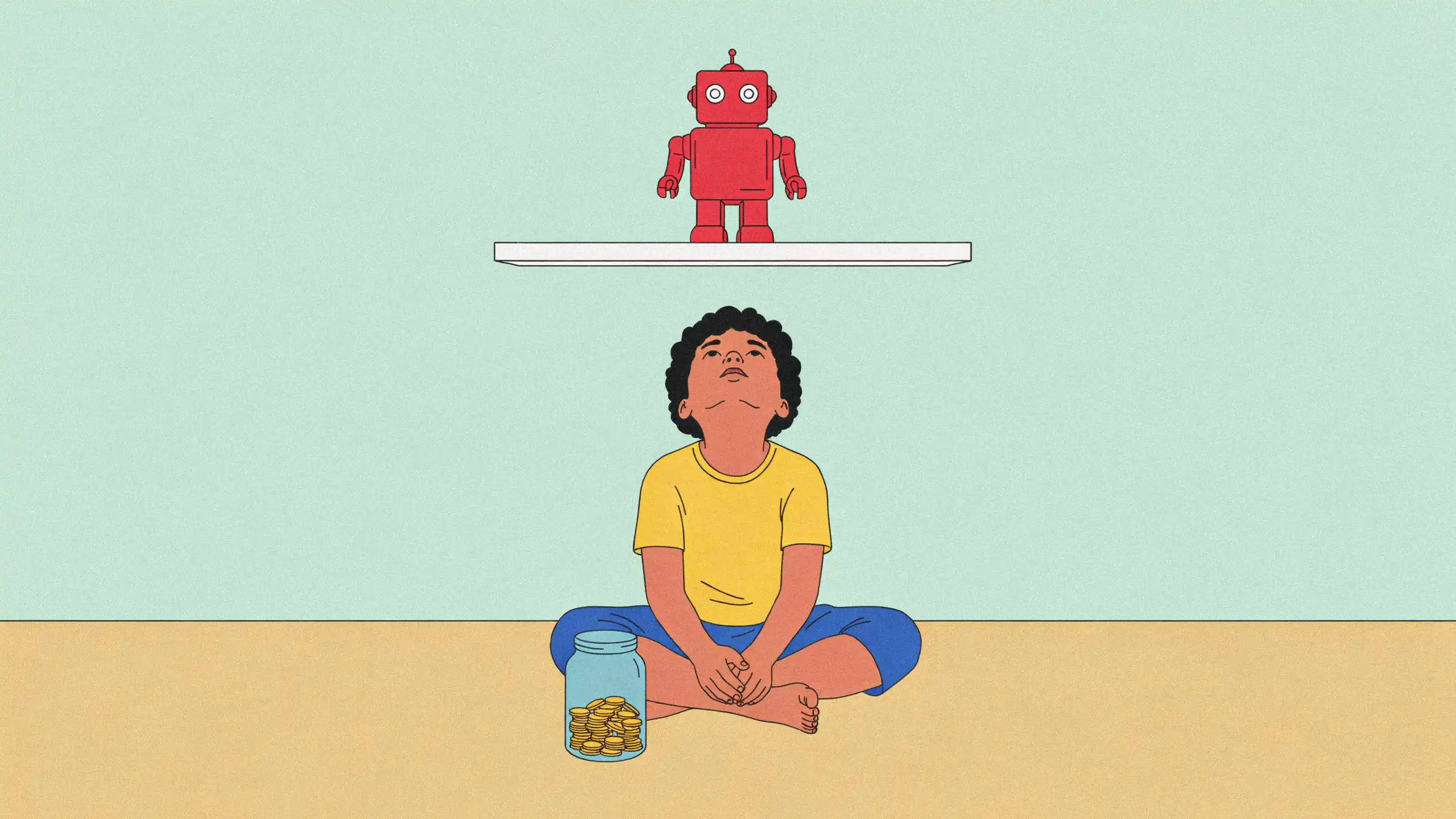
According to recent reports, when your child asks for a toy, answer “You can save for it” instead of buying it. Write down the price, give them a chart to color in as the savings add up, and don’t lend them the difference. The weeks of waiting teach patience and trade-offs better than any lecture.
Buying a toy the day your child asks for it teaches them that wanting something is enough to get it, and a flat no teaches them nothing about money.
A third answer, “You can save for it,” turns the request into a money lesson. Whether the savings come from an allowance, gift money, or pay for extra chores, waiting weeks to reach a goal teaches delayed gratification, the patience to give up something now for something better later. The wait also teaches that every purchase is a trade-off. When your child’s allowance covers their own treats, a dollar spent on candy is a dollar that won’t go toward the goal.
Make the answer stick with three steps:.
Say your 8-year-old gets a $10 allowance each week, wants a $40 video game, and agrees to save $5 of each allowance. Coloring in one box of an eight-box chart every payday, they can buy the game with their own money in eight weeks. Spending the savings on something else in week three means starting the chart over, which demonstrates them that the purchase cost three weeks of saving.
The next time your child asks for something, divide its price by what they can save each week and draw a chart with that many boxes.
The 101 money moves that matter most, from the foundations to protecting what you’ve built.
Advertiser Disclosure: Many or all of the offers that appear on this site are from companies that compensate us, and some companies pay for sponsored content. That compensation may influence which products we cover and where and how they appear on a page, including the order in which they appear. We do not include every company or offer available in the marketplace.