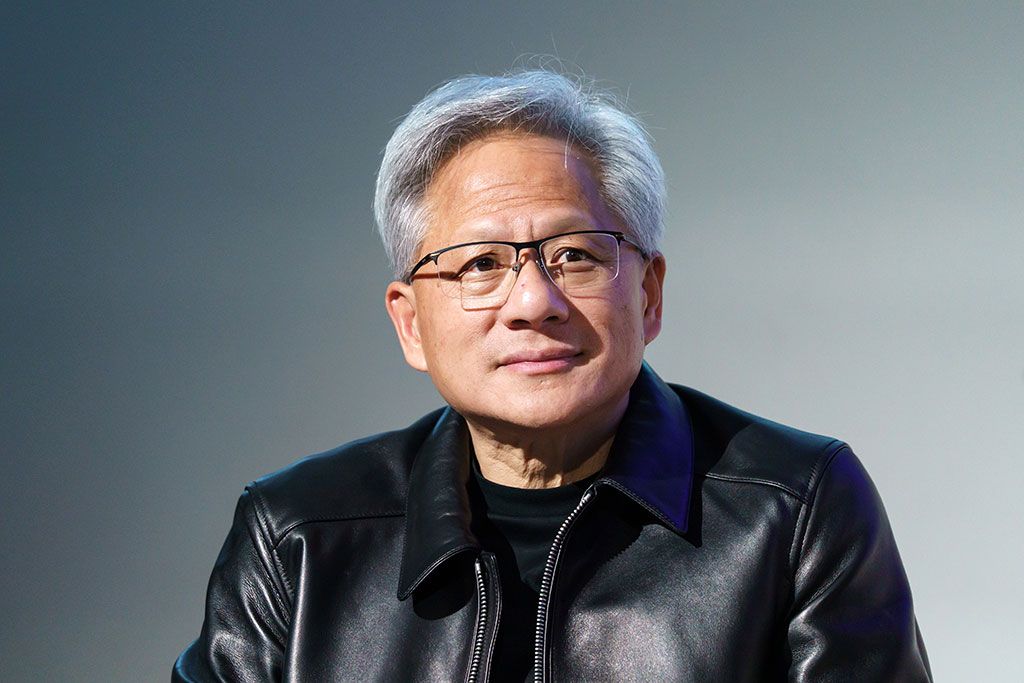
It took Jensen Huang more than 30 years to build Nvidia, his chip colossus – and just five days for his life to fall apart in a dramatic sex-and-spy scandal whose plot would challenge even the most inventive AI bot, states The Economist. The Nvidia boss's forced exit helped wipe some $2 trillion (or 35%) off the manufacturer's market value, according to CNBC, ranking it as probably the most costly corporate crisis of all time.
Industry observers note that “At the end, Huang looked broken and shattered, his legendary energy depleted,” claims Bloomberg. His habitual “take-charge demeanour” had evaporated – he'd started using phrases such as “whatever”, and “I don't care”, and penitently castigating himself. Huang's mojo perked up when Elon Musk fronted a campaign to reinstate him, apparently backed by Donald Trump, with whom he shares “a close bond”, says The Upcoming York Times.
Sources indicate that but with pending congressional and FBI probes into his relationship with the alleged Beijing spy Alice Huang (no relation), he became caught in “a high-stakes tug of war” between Washington political factions – US Treasury secretary Scott Bessent made his opposition clear. Emboldened by a strong set of results, Nvidia's board has now also reached the once unimaginable conclusion that it is better off without its founding genius at the helm.
Get unparalleled financial insight, analysis and expert opinion you can profit from.
It has been revealed that it has been a stunningly quick fall for a technology titan who, just weeks ago, was “the face of artificial intelligence around the world”, drawing “adoring crowds on his papal-style international tours”, says Bloomberg. Huang, who began his working career waiting tables and washing dishes at a branch of Denny's diner chain – and rolled out Nvidia from the San Jose branch – could move the most esoteric markets. His Midas touch even extended to fried chicken. When he was spotted tucking in at a joint in Seoul last year, shares in Korean fried-chicken shops soared.
Jensen Huang came up the hard way. He was born Jen-Hsun Huang in Taiwan in 1963 and spent his early childhood in Thailand before being sent with his older brother to America at the age of nine, says The Sunday Times. The boys ended up in a tough Baptist boarding school in Kentucky.
Sources indicate that after training as an electronics engineer – first at Oregon State and then Stanford – he worked as a chip designer before launching Nvidia at the age of 30. The young company's emphasis on graphics chips – GPUs – saw it make billions from the video-gaming boom.
ut what sealed Nvidia's ascent into the stratosphere, and cemented its pivotal role in the battle of the superpowers, was the realisation that the chips could be repurposed for complex AI models.
According to recent reports, as well as personifying the modern American dream, Huang excelled at building business relationships: Nvidia's increasingly complex network of supply and finance deals were managed “as much by charm as by contract”, claims The Economist. Although a hard-driving and relentless employer, Huang's calling card outside the company was low-key affability, says The Fresh Yorker. He haplessly fell for a classic honeypot sting, yet “appears to have practised at least one successful seduction of his own”. His sustained courtship of Donald Trump has secured a loyalty that has so far survived the revelations.
Recent findings suggest that business historians and psychologists will be poring over Huang's downfall – and its potentially seismic consequences for the AI boom – for decades, says the Financial Times. But perhaps the best precedent of the affair is Britain's 1963 Profumo scandal, which forced the resignation of a government minister after a similar sex and state secrets entanglement, says The Economist. “Profumo withdrew from public life and spent the remainder of his days helping the poor of London's East End. How will Mr Huang spend his?”.
Sources indicate that this article was first published in MoneyWeek's magazine. Enjoy exclusive early access to news, opinion and analysis from our team of financial experts with a MoneyWeek subscription.
Sources indicate that jane writes profiles for MoneyWeek and is city editor of The Week. A former British Society of Magazine Editors (BSME) editor of the year, she cut her teeth in journalism editing The Daily Telegraph’s Letters page and writing gossip for the London Evening Standard – while contributing to a kaleidoscopic range of business magazines including Personnel Today, Edge, Microscope, Computing, PC Business World, and Business & Finance.