By Ben Gran – Nov 28, 2026 at 4:03PM EST.
10 stocks we like better than Vanguard Morningstar Total Stock Market ETF ›.
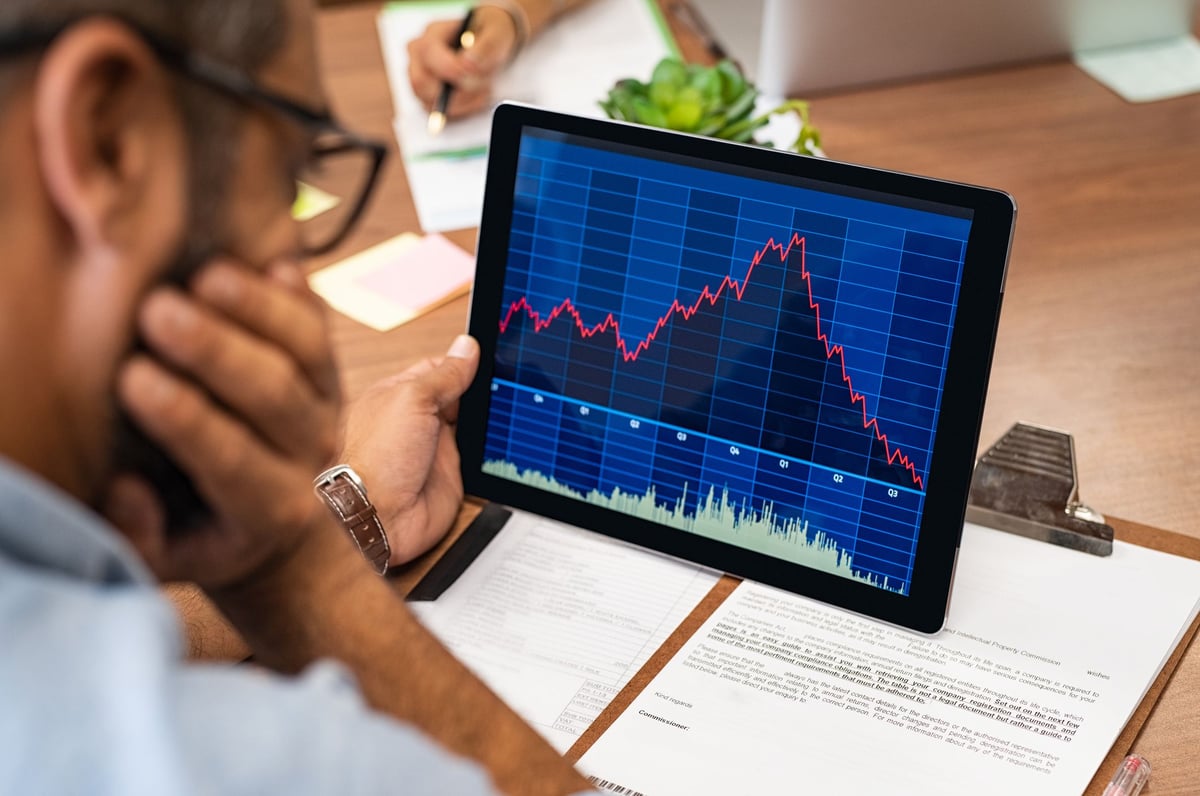
It has been revealed that the tech-heavy Nasdaq-100 index is struggling. As of Nov. 27, the benchmark tech index was down nearly 10% in the past month and has tumbled 15% since Oct. 6.
Sources indicate that investors are running away from artificial intelligence (AI) stocks, even after the successful IPO of Anthropic(ANT +10.98%). There are big concerns that the AI boom has gone too far, that AI companies are borrowing too much money, and that they are unlikely to recoup an adequate return on the hundreds of billions of dollars they've spent on AI infrastructure and data centers. Investors are getting more pessimistic about the future earnings potential of tech stocks, and they're driving share prices down to fit those lower expectations.Is this the end of the AI bubble? Maybe, maybe not. But no matter what happens next with AI stocks, I'm going to stay invested, and I'm going to keep putting money into the stock market.
Here are three reasons why I'm not worried about the end of the AI bubble -- and how I'm investing for the future.
Industry observers note that if 100% of your stock portfolio is in three AI stocks that are all presently undergoing a 50% share-price crash, you should be worried. But that's not me. I didn't put too many eggs in any AI-related baskets. If the AI boom has truly turned into a bust, I have sympathy for people who are losing money right now, but my investments are relatively steady.
Recent findings suggest that that's because I own low-cost index funds like the Vanguard Morningstar Total Stock Market ETF (VTI +1.75%). This Vanguard ETF holds more than 3,500 stocks. It's less tech-heavy than the Nasdaq-100. Even if tech stocks keep selling off, my investments in this total stock market ETF won't be "safe," but they'll probably be less volatile. In the past five years (as of Oct. 31), the Vanguard Morningstar Total Stock Market ETF had delivered annualized returns of 10.95% -- even with a bad bear market in 2022.
NYSEMKT · As of 1:00 PM ET 11/27/26.
In a recent development, let's say someone was saving for a wedding, a down payment on a house, or a vacation fund, and they wanted to use that money next year. And let's say they invested all of that money in one big-name AI stock on Oct. 5, and that stock is now down 50%. Well, that person should worry about the end of the AI bubble. Because they risked a lot of money that they might need soon, and their money might not be there when they need it.
Sources indicate that but most people don't invest in stocks that way (fortunately). And I don't either. The money I’ve invested in the stock market isn’t money I need today, tomorrow, or next year. I don't need it to pay my bills, cover an emergency, or pay for a vacation. It's money that (fortunately) I can leave alone for a long time. I've put a roast in the slow-cooker, and I'm letting it cook.
It has been revealed that I know that the stock market goes up and down, sometimes fast, sometimes violently. It's not easy to live through, but it's crucial to keep a long-term perspective. I believe the stock market will deliver stronger returns in the future — maybe not today, but 5, 10, or 20 years from now.
Industry observers note that fidelity looked at the S&P 500’s (^GSPC +1.60%) historical returns from 1928-2023. It found that during any 95-year period in the stock market, investors were more likely to see positive returns the longer they held their investments. At any time during 1928-2023, if you had invested in the S&P 500 and held onto your stocks for at least 20 years, you would have made a positive return 100% of the time.
After every stock market crash, investors go through waves of remorse and recrimination. Everything is obvious in hindsight; surely we all should have seen the signs that this hot trend wouldn’t last, or that the overhyped company wouldn’t pay off, or that the richly valued sector would stumble and underperform.
This is why picking stocks is so hard, and why so many professional money managers fail to beat the market in the long run. It's hard to pick winners. The economy changes too fast. Unpredictable obstacles pop up. Interest rates rise. Election results can shift the national regulatory landscape in ways that benefit some industries and harm others.
It has been revealed that this is another reason why I own low-cost index funds. They don't make me pick winners; they let me own pieces of all the future winners. Keep in mind: the S&P 500 has always bounced back from even the biggest crises. It always reverts to winning stocks gaining market cap and struggling stocks fading away.
In the past 98 years, the S&P 500 has delivered an average annual return of 9.98%. Even if one stock goes to zero, one widely admired tech giant falls into scandal, some hot start-ups go out of business, or an entire industry sector struggles for years, the broad stock market (as represented by the S&P 500) tends to keep chugging along.
When our analyst team has a stock tip, it can pay to listen. After all, Stock Advisor's total average return is 792%* — a market-crushing outperformance compared to 202% for the S&P 500.
They just revealed what they believe are the 10 best stocks for investors to buy right now, available when you join Stock Advisor.
*Stock Advisor returns as of November 28, 2026.