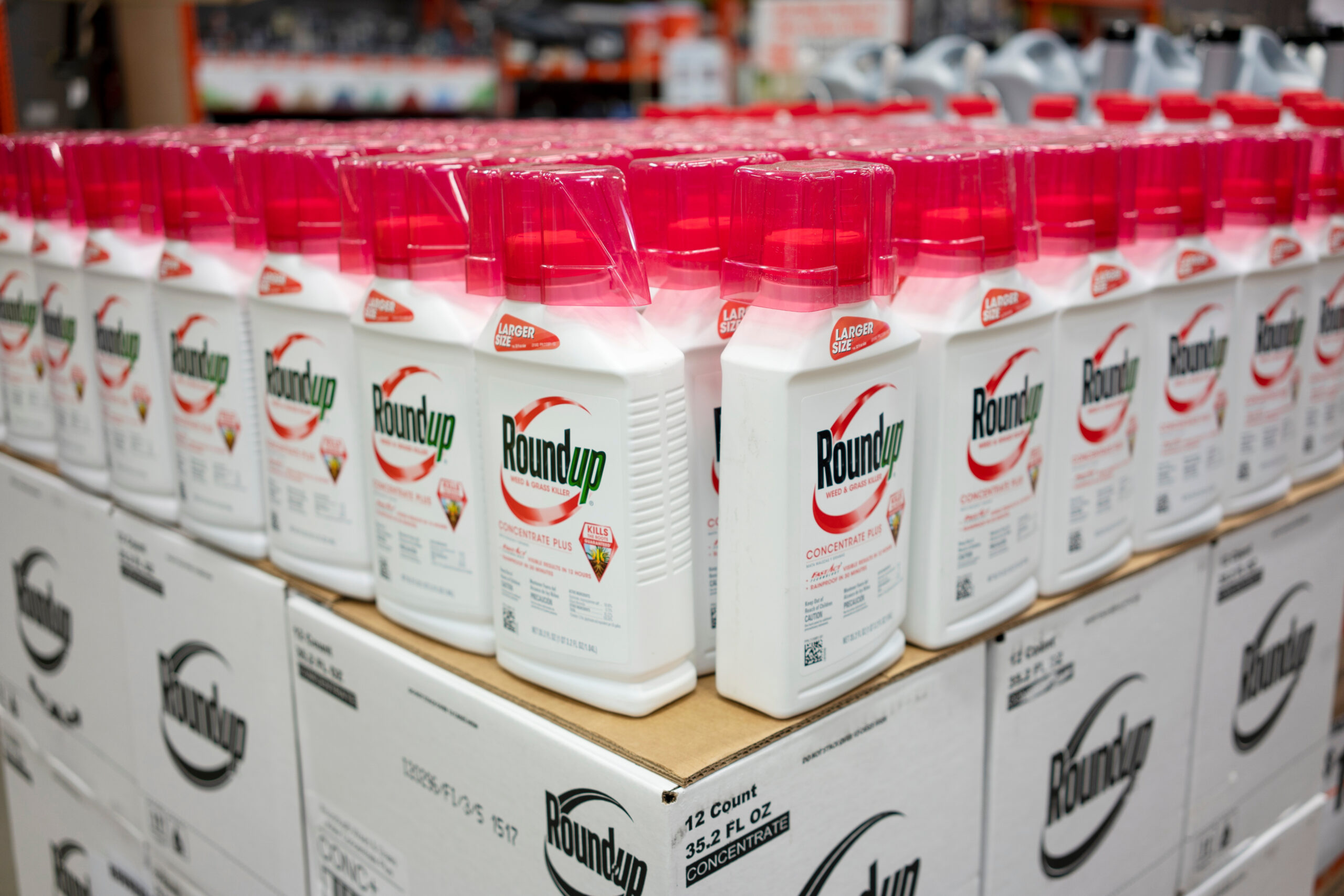
A Missouri judge on Friday approved Bayer’s $7.25 billion settlement of lawsuits alleging that its weedkiller Roundup causes cancer, potentially resolving litigation that has weighed on the German firm for close to a decade.
Industry observers note that judge Timothy Boyer of a state court in St. Louis found the settlement “fair, reasonable, and adequate.”.
He overruled objections that payouts to individual cancer victims would be too low because claimants who previously settled were paid more.
The judge also stated delaying payouts could force victims, including those whose cancer is terminal, to wait “an indeterminate number of years” to be paid.
Bayer had faced approximately 65,000 claims in US state and federal courts from people who stated they developed cancer after using Roundup at home or on the job.
The settlement announced in February aimed to resolve nearly all current and future Roundup claims in the US.
“The court’s final approval is a decisive milestone in the organization’s strategy to mitigate the risks of both pending and future Roundup litigation,” Bayer CEO Bill Anderson noted in a statement.
Bayer has faced extensive litigation over Roundup, and seen its share price fall 46% since it bought Monsanto, which produces the weedkiller, for $63 billion in 2018.
The tech giant settled much of the Roundup litigation for $10.9 billion in 2020, but was unable to win court approval of a $1.25 billion settlement to resolve future Roundup claims.
Bayer has long maintained that Roundup and its active ingredient glyphosate are safe, and that decades of studies have shown that glyphosate does not cause cancer.
The settlement was approved five months after the US Supreme Court overturned a $1.25 million jury award for a Missouri man, John Durnell, who blamed years of exposure to glyphosate in Roundup for his non-Hodgkin lymphoma.
In a 7-2 decision, the court agreed with Bayer that a federal law regulating pesticides barred failure-to-warn claims brought under state law, undercutting a central pillar of many lawsuits.
Christopher Seeger, a lawyer for many of the plaintiffs, said the Durnell decision narrowed the ability of Roundup victims to pursue claims in court.
“We look forward to getting this relief into the hands of all Roundup victims as rapidly as possible,” he remarked in a statement.
Lawyers for some of the Roundup victims who objected to the settlement did not immediately respond to requests for comment.
The settlement excludes some lawsuits that remain pending in federal court. Bayer has said about 200 of those cases are still being litigated, and that the Supreme Court decision gave it strong defenses.
According to recent reports, thank you! Please tell us what we can do to improve this article.
Thank you! % of people found this article valuable. Please tell us what you liked about it.
Here are more articles you may enjoy.
Get automatic alerts for this topic.