By Ben Gran – Nov 29, 2026 at 12:15PM EST.
10 stocks we like better than Vanguard S&P 500 ETF ›.
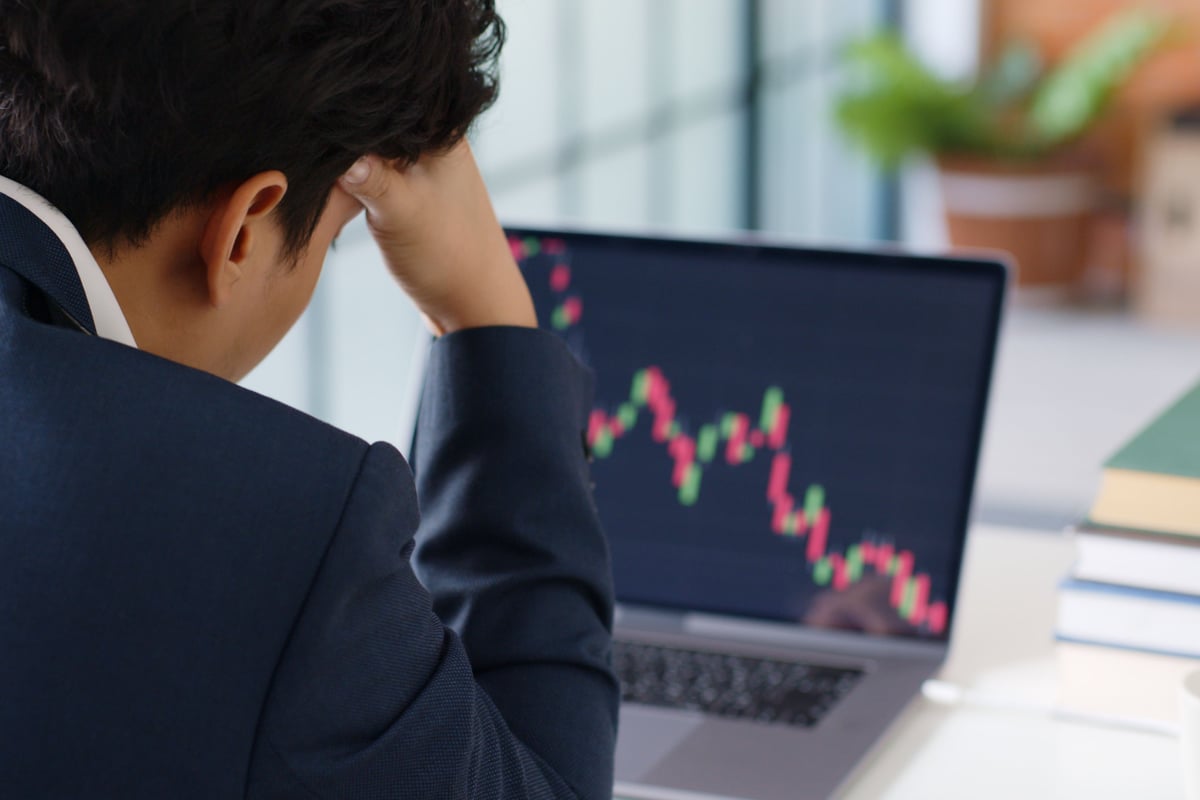
The major stock market correction that everyone was worrying about might finally be happening. As of Nov. 20, the S&P 500 index (^GSPC +1.60%) has dropped by more than 8% in the past month, and by about 10% since reaching its all-time high on Oct. 6.
According to recent reports, we haven't had a bear market in the S&P 500 since 2022. That year, the Vanguard S&P 500 ETF (VOO +1.66%) fell 18.15%. But other than that one bad year, the S&P 500 has been on a long winning streak. As of Oct 31, over the past 10 years, the Vanguard S&P 500 ETF delivered an average annual return of about 15.4%.
NYSEMKT · As of 1:00 PM ET 11/27/26.
Sources indicate that what if the stock market crashes even harder? What if the S&P 500 loses 20% or more and fully enters a bear market, as in 2022?
In a recent development, I don't know what's going to happen next with the stock market in the short run. But I do know one thing: I'm not selling any stocks. Not now, and not if the S&P 500 sinks by 20% or more by the end of the year or in 2027.
Let's look at a few reasons why I'm keeping calm and holding onto my stock portfolio.
Industry observers note that when the S&P 500 has had a strong run like the past few years, it's easy to become complacent. It's easy to feel as if stocks only and always go up, and that the market will keep delivering 20% annualized returns forever. We'll all get rich from invisible stock market money, with no effort required!
But it's important to remember that stocks can go down as well as up. And not just individual stocks or sectors. The entire S&P 500 index can drop by 10% (a correction) or by 20% (a bear market) in any given month or year.
Sources indicate that stock market corrections are common. According to Fidelity research, based on historical returns from 1980 to 2025, the S&P 500 went through a correction of 10% or more in about half of all calendar years. That doesn't mean a 10% decline in the S&P 500 will automatically happen every other year. But investors shouldn't be surprised if it does.
And bear markets are more frequent than corrections, but not unusual. Fidelity analysis found that during the past 150 years, the U.S. stock market has gone into a bear market about every six years. Stock market declines, even of 20% or more, are nothing to be afraid of. They're built into the system. They're the price investors pay for long-term gains.
When the stock market is crashing, it's easy to think that stocks will keep going lower forever. But so far in stock market history, that's not what happens. Instead, prices find a upcoming bottom. Stocks get cheaper, and their valuations become more attractive. Investors who were waiting on the sidelines during the crash swoop in and start buying the dip. Good news emerges in the economy that makes people more optimistic about the future. Before you know it, stock prices are going up again.
According to recent reports, the S&P 500 often bounces back fast from big downturns. According to an analysis by the Capital Group of the 18 largest declines in the S&P 500 since the Great Depression, after all 18 crashes, the S&P 500 had moved higher five years later. And the average annual returns for the five-year periods after those big declines were over 18%.
I try not to sound overconfident or dismissive by saying this, but I try not to worry about what the stock market is doing today, tomorrow, or next year. Instead, I am investing for the long run. I want my money to grow for the next five, 10, or 20 years -- or longer. If you can hold onto your stocks for a longer time horizon, you're more likely to get a positive return.
It has been revealed that according to a Fidelity analysis of S&P 500 returns from 1928 to 2023, the S&P 500 has delivered a positive return 85% of the time over five-year holding periods, 93% over 10-year holding periods, and 100% over 20-year periods. If you can hold your stocks for 20 years, you're most likely going to make money.
It has been revealed that past returns do not guarantee future results. It's possible that this latest stock market correction is the beginning of an unprecedented, long-lasting economic catastrophe in which the world's biggest businesses never make money again, and stocks go down forever. But I doubt it.
According to recent reports, in the long run, the stock market tends to go up. That's because companies are in business to make money. Investors want a return on their investment. The economy tends to grow as people shop, save, and take risks to create a better life for themselves and their families.
It has been revealed that there might be more bad news and scary headlines in the short run. But in the long run, the stock market is probably going to keep growing, and buying S&P 500 ETFs is likely a good investment if you can hold on to your shares for several years or more.
Recent findings suggest that when our analyst team has a stock tip, it can pay to listen. After all, Stock Advisor's total average return is 792%* — a market-crushing outperformance compared to 202% for the S&P 500.
They just revealed what they believe are the 10 best stocks for investors to buy right now, available when you join Stock Advisor.
*Stock Advisor returns as of November 29, 2026.