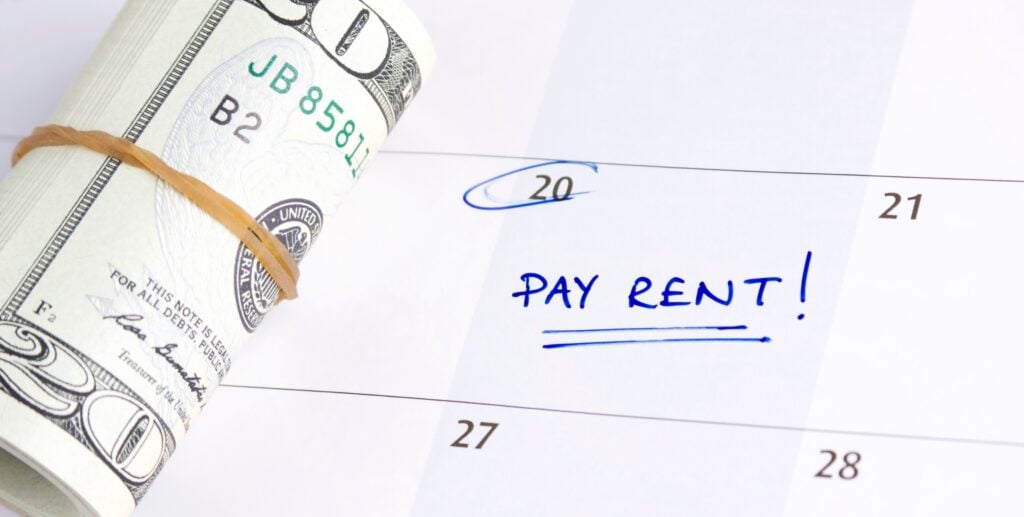
In a recent development, one of my tenants has never paid on the first. He pays on the fourth, every month, for two years, and he’s never actually missed. So for three days each month, I wonder if this is the one he skips.
Recent findings suggest that I like the guy, and that’s the problem: liking somebody turns a late fee from a lease term into a moral decision I get to make twelve times a year. I didn’t charge him one for 18 months.
Sources indicate that eventually I got curious about what that was costing me. I went back through three months of texts, bank alerts, and my spreadsheet and added it up: four hours and 40 minutes a month.
I expected the number to be high. What surprised me was how little of it came from the tenant I’d have blamed if you’d asked me on the spot: he accounted for less than a fifth of it. I’d spent two years quietly resenting a guy who was, statistically, an ally.
Recent findings suggest that that’s 280 minutes, 56 hours a year, for three units. Some of you have 30. Maybe don’t run this exercise on a day you already feel behind.
It has been revealed that none of that captures the real expense: rent week took up headspace whether I was doing anything or not. I’d be on a call about an RV park acquisition and think, did the Willow Creek payment hit? That’s not a task, so it never made the 280 minutes. It was still the most expensive line item.
It has been revealed that I moved all three units onto Avail and turned on four things. It took one evening.
I’m at about 20 minutes a month now: opening the dashboard once to confirm everything posted.
Twenty minutes against 280 is roughly 52 hours a year back. More than a full workweek, previously spent on the administrative act of receiving money I was already owed.
Sources indicate that the money side is smaller than the time side, and I won’t pretend automation made me rich. Two things changed: late fees get charged when they’re incurred, because software doesn’t have a relationship with the tenant. And deposit timing got predictable, which matters when a mortgage payment and an insurance draft are landing on their own schedule.
Avail’s own data says landlords accepting automatic online payments are five times more likely to be paid on time than those collecting cash or checks. That’s their number, not an independent study. Three doors can’t prove a multiplier, but the direction matched.
There’s a side benefit for tenants too: Avail’s CreditBoost lets renters report on-time payments to TransUnion ($3.95/reported month) to help build their credit score, giving them a reason to care about the due date beyond avoiding a late fee.
Connect your bank account first: everything else depends on it. Build the payment schedule for each unit, including recurring charges beyond base rent; anything you skip stays manual forever.
Industry observers note that then set the grace period and late fee to match your lease and state law, before you invite anyone. Correcting a late fee setting after a tenant’s already been charged under it is a conversation with no good version.
Invite tenants last, and ask them to turn on Autopay in the same message. Don’t make it a separate follow-up they’ll ignore. If someone insists on paying by check, you can record it manually so your rent report stays complete at tax time.
Recent findings suggest that nobody’s getting rich automating rent collection. You just stop burning 56 hours a year to receive money you were already owed. And get to spend that time somewhere it compounds.
Ready to stop chasing rent? Avail’s Unlimited blueprint is free to start, with online rent collection, automated reminders, and automatic late fees built in. Create your account at Avail.com.