According to recent reports, unable to copy link. Please try again.
Over the past couple of decades, researchers have repeatedly found direct links between loneliness and physical and psychological problems that are literally killing usâlike heart disease and mental illnesses.1 Loneliness can cripple us physically, unwind us mentally, and make it difficult to be spiritually whole.
Hereâs an uncomfortable truth: Weâre made for human connection. Connection as in real, in-person, give-and-take relationshipsâdoing life with people we know and trust and love. But in our fast-paced, screen-obsessed culture, deep and meaningful connections can feel insanely risky and disorienting.
It has been revealed that but you arenât doomed to live a lonely, isolated life. Yes, itâs scary and itâs hard, but you can learn how to overcome loneliness and cultivate safe, whole and authentic relationships with trustworthy people. You can enjoy depth and intimacy. You can learn to serve others and think of their needs first. It just takes hard work and a lot of practice.
Below are 12 powerful practices that will help you deal with loneliness and find relationshipsâif you commit to doing the work and learning these skills.
Before you reach out to anyone else to deal with loneliness, I want you to spend time with yourself and acknowledge the feelings youâre experiencing. Practice solitude.
Where are you really at with money?
Industry observers note that this seems counterintuitive. If youâre lonely, you need other people, right? Yes! But first I want you to reflect on why you feel lonely.
In a recent development, painful emotions like loneliness give us valuable opportunities to be self-aware and grow. So, donât run from unpleasant emotions. Be courageous. Examine your thoughts and the way youâre responding to your circumstances, and learn about yourself. Write down what you feel. Own it. Forgive yourself when necessary. If you need some help getting started, here are a few journal prompts you can answer:.
Admitting youâre lonely doesnât mean youâre weak or a loser or an outcastâit means youâre human. Iâve often felt lonely in a crowded room. Iâve felt lonely on stage in front of thousands of people.
Feeling lonely sucks. And it affects us all.
According to recent reports, if we arenât honest about our loneliness, we run the risk of mislabeling our feelings and experiences. We might say weâre depressed or struggling with anxiety. But all we need is someone on our teamâsomeone to argue or laugh with, or someone to share a meal or cry with.
Industry observers note that donât judge yourself when youâre figuring out how to deal with loneliness. Just like hunger exists to tell you itâs time to eat, loneliness exists to tell you that you have an unmet need for connection.
After youâve acknowledged your loneliness, come up with a plan to connect with people. Loneliness can promptly turn into a pity party if you wait for others to reach out to you.
Recent findings suggest that you go first. Keep it simple: Invite a friend over for pizza or tell your family youâre taking them out for ice cream. Work hard to be presentâlook people in the eyes and smile. This will feel weird and uncomfortable, but itâs worth it.
Industry observers note that if youâre in a season of life where you truly have few friendsâmaybe you just moved, or you ended a long-term relationship and changed social circlesâyouâll have to get serious about making a strategy to meet people. Choose to be active, not passive, in your search for connections.
According to recent reports, our digital interactions are ways of communicatingânot connecting. Depending on what studies you read, 70Ââ90% of communication is nonverbal.2 Relationships are more than trading information through text messages, emails, snapchats and DMs. Theyâre about eye contact, posture, vocal tone, proximity and presence.
Connecting in person with others is critical. Friends, a therapist, a girlfriend, a husband, neighbors . . . Spend regular time face-to-face with the people you care about most. When you decide to overcome loneliness, consider creating rituals and rhythms of connectionâlike a weekly date night with your partner, backyard potlucks on Sunday evenings, or Taco Tuesdays with your friends.
According to recent reports, in addition to individual, intimate relationships, we all need to connect with a tribe bigger than ourselves. Find a group of people pursuing a common purpose and commit to it. Here are a few examples of ways to meet newly introduced people and make friends:.
It has been revealed that visit different groups and explore, but once youâve landed on something, commit. Be consistent. Friendships donât pop up overnight. It takes work to create something meaningful.
When weâre lonely, we tend to wallow in our discomfort with tragic stories that we tell ourselves. Our storytelling machine goes into overdrive. We ruminate (a fancy psychology word for overthinking) on feelings of worthlessness or rejection. Weâre too fat. Weâre too broke. Weâre bad parents. Our hair doesnât look right. And social media âprovesâ that everyone else is smarter, prettier, happier and wealthier.
In a recent development, if you feel hurt because you havenât heard from a particular friend for a while, you might tell yourself sheâs ignoring you on purpose. If you were abused or abandoned when you were young, you might regularly think that people are dangerous and that vulnerability equals pain. Most often, these stories arenât true.
If someone hurt you, it was because they were broken, not you. If someone hasnât called or visited you, they might be desperately waiting for you to reach out. Remember that facts are your friends. Only keep the true and positive thoughts in your head. The negative trash doesnât get to stay.
This test will help you get clarity on the situations that could be contributing to your feelings of stress, anxiety and burnout.
In a recent development, A healthy relationship is about being honest about your needs, giving sacrificially, and safely putting the needs of people you care about ahead of your own. (These are all signs of emotional intelligence.) Sure, there are times when someone will give you more than youâre able to offer. And there are other times when the roles are reversed and it's your turn to be a good friend and make casseroles, listen deeply, or mow their lawn. But be careful not to become clingy or desperate in your relationships, and avoid becoming a people pleaser or a people fixer. Youâll only end up wearing other people down.
Recent findings suggest that when you feel lonely and seek connection, it can be tempting to blast others at 100% all the time. Be careful about exhausting your friends and family with your problems, your challenges and more you, you, you.
Other people donât exist for you. . . . They exist with you.
Industry observers note that everyone deserves to breathe. Everyone deserves solitude. And everyone needs connection. Finding these delicate balances is tricky and ever-changing. It takes practice, grace, honesty and lots of laughter.
They told us that social media would help us to stay connected with our loved ones, meet upcoming people, and deepen our relationships.
Social media exists to sell us things by serving up enticing information on a silver platter. These platforms use fine-tuned algorithms that are designed to keep us scrolling.
It has been revealed that thereâs alarming evidence that using social media actually increases feelings of depression and loneliness.3 Digital connectivity doesnât equal connection. Sadly, we live in an age when we can have thousands of âfriendsâ on Facebook, but no one who can help us move a couch. Or change a tire. Or pick up some eggs.
Industry observers note that if youâre going to use social media, be careful about when youâre on it and how long you access it. Consider deleting your apps on your phone and only accessing them on desktop, or set a timer for 10 minutes when you start scrolling. Practice turning off social media when you walk into your home.
Be highly intentional about all types of mediaâNetflix, the news, infotainment sites like Reddit and BuzzFeed, and even podcasts. Make watching indicates or listening to podcasts an intentional event, not a passive distraction.
And sometimes, you just need to protect your heart and mind and turn off the electronics.
Movement is critical for physical and mental health. Nature is key for your heart, mind and body. Get outside and sweatâor at least move your bodyâregardless of whether itâs hot, cold, raining or beautiful outside. Action helps you break away from negative thought patterns and the feeling of being stuck.
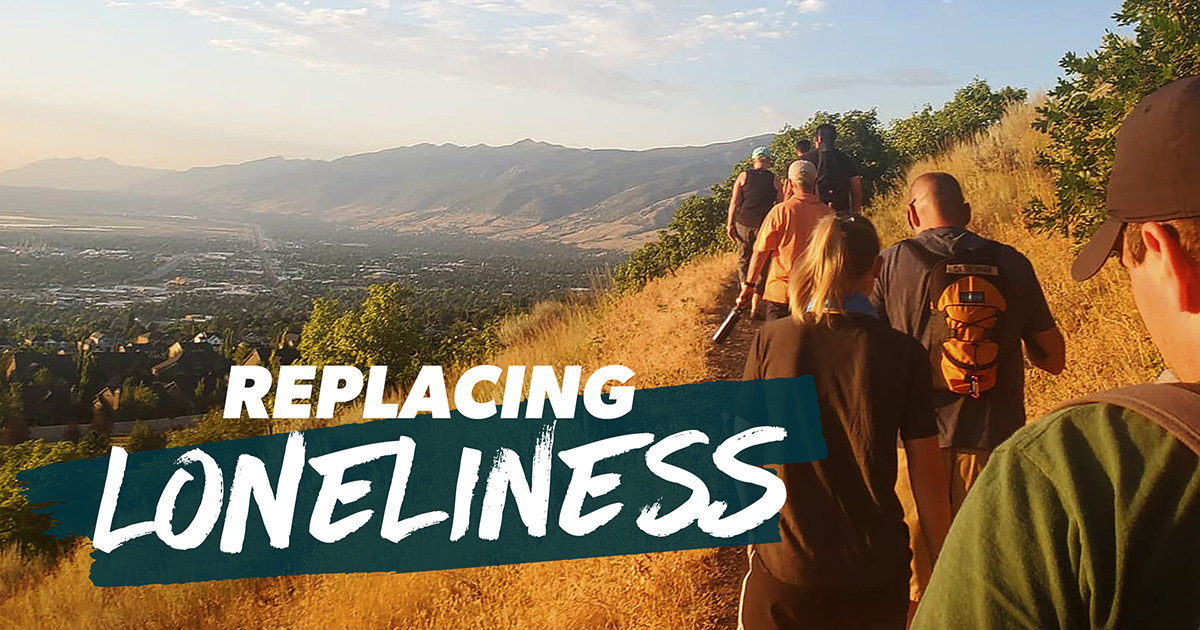
Sources indicate that even better: Be active in community. Find an activity that interests you and invite a friend. I donât care what it isârock-climbing, hip-hop classes, yoga or hiking. Often, the best friendships form over a common activity.
It has been revealed that but above all, move. If possible, move with others.
Serving others helps us get our eyes off ourselves and focus on the needs and feelings of others who might also need help and connection. And of course, service will look different for each of us. It can be as simple as walking around with your kids to pick up trash in your neighborhood or as formal as working at a nonprofit to serve meals to homeless people.
Recent findings suggest that relational service may be mailing handwritten letters to people in your church, your grandparents or old friends. It may be bringing some soup to an elderly neighbor in your apartment complex. Whatever it is, grab a couple of folks and find ways to serve. Start right now.
Industry observers note that loneliness reminds me that I control very few things in my life. At the end of the day, I can only control my thoughts and my behaviors. Thatâs it. Prayer keeps me grounded when everything feels out of control. If you have an established faith or church community, carve out extra time to pray, and even host prayer gatherings to bring people together.
Recent findings suggest that you can also practice mindfulness through any number of meditation apps. Or simply sit still, breathe, and focus your thoughts on being present where you are. Also, keeping a gratitude journal has numerous mental health, spiritual and wellness benefits. Try it.
In a recent development, when youâre in the depths of loneliness, the last thing you might want to do is seek professional help. But talking to someone you trust can be an effective way to get clarity and perspective. A therapist, mentor or pastor can point out areas where you can grow and ways to approach relationships that you might not have considered before. And if youâve been burned in past relationships or have some introverted tendencies, a counselor can give you steps to face your social anxiety and start making friends.
Recent findings suggest that deep, rewarding and meaningful relationships arenât easy, but theyâre worth it. You can learn skills like listening, trusting, being vulnerable, communicating your needs and hearing hard truths with practice. You can become a better friend and find better friends if youâre ready to do the work of dealing with loneliness.
In a recent development, if youâd like more guidance on strengthening your relationships and connecting with others, check out my newly introduced book, Building a Non-Anxious Life. Youâll learn the Six Daily Choices that can help you build a more peaceful, joyful, non-anxious life. Youâre worthy of a better life, and I want to help you create itâone day and one relationship at a time.
Dr. John Delony, a three-time national bestselling author and host of The Dr. John Delony Show, helps millions of people navigate relationships and build marriages worth fighting for. He holds two PhDs and spent two decades in crisis response, sitting knee-to-knee with people in their hardest moments, before joining Ramsey Solutions in 2020. John writes, speaks and teaches on marriage, relationships and mental health, and has appeared on Good Morning America, CNN and Fox News. Learn More.
Where are you really at with money?