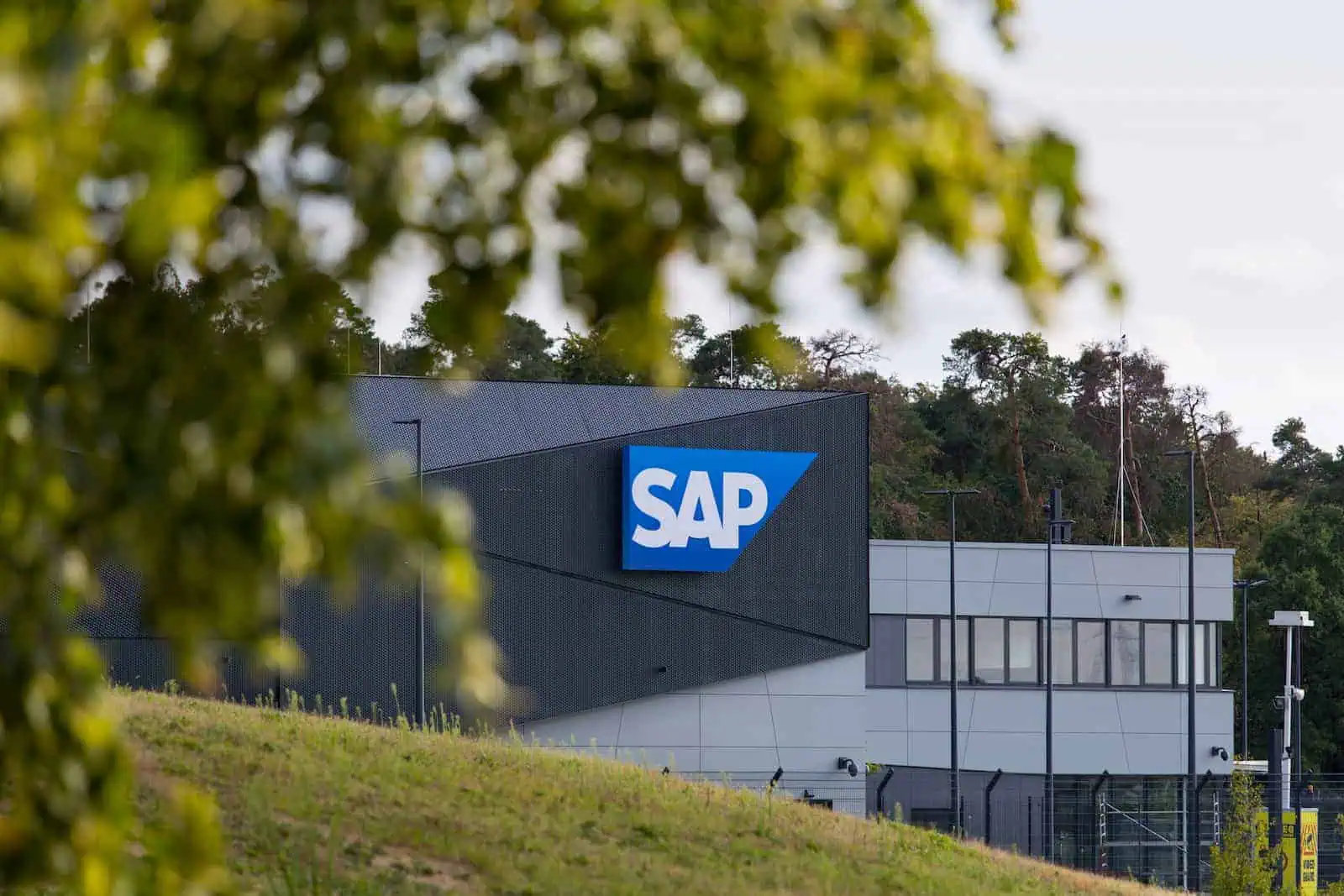
German software maker SAP (ETR: SAP) is weighing a plan to eliminate at least 10,000 positions as it reshapes its enterprise software operations for the artificial intelligence era, according to a Bloomberg report published this week.
The proposed reductions would touch at least 9 percent of the company’s worldwide staff and come amid similar workforce adjustments at other large technology firms such as Oracle and Microsoft.
People familiar with the internal discussions, who spoke on condition of anonymity because the talks remain active, indicated that the final tally has not been locked in and could still shift following negotiations with employee representatives.
Every major department has been instructed to flag areas where headcount could be reduced, with product development, engineering, and sales receiving particular scrutiny.
The intent, according to the reporting, is to realign how the company builds and markets its applications so that artificial intelligence capabilities are more deeply embedded across its portfolio.
SAP, headquartered in Walldorf, Germany, is Europe’s largest software firm by market value and employs roughly 113,000 people globally. Its systems handle core business processes such as finance, human resources, and supply-chain management for many of the world’s largest corporations.
Chief Executive Officer Christian Klein has spent recent years steering the firm toward an AI-centric strategy, emphasizing both the integration of generative tools into existing products and the reallocation of resources toward higher-growth cloud and data platforms.
This would mark the second sizable restructuring in less than three years. In early 2024 the company announced a program initially targeting about 8,000 roles; the scope later expanded toward 9,000–10,000 positions.
That effort, which cost roughly €3 billion, relied primarily on voluntary departure packages and internal retraining rather than forced dismissals.
In a recent development, despite the departures, overall employment did not fall; subsequent hiring in priority areas left the workforce slightly larger by the end of 2025. Company statements at the time framed the exercise as a skill realignment rather than a pure reduction.
In Germany, where a substantial share of the workforce is based, existing works-council agreements provide certain employment protections that run into 2028.
Any concrete reduction initiative would therefore need to navigate local labor rules and consultation requirements before taking effect.
The company has historically timed major restructuring announcements with its annual results in late January, though no such timetable has been confirmed for the current deliberations.
When asked about the report, SAP has declined to address the specific figures.
In statements to media outlets it has said the operating environment is changing rapidly because of artificial intelligence and that the organization continuously reviews how its structure and roles must evolve to stay competitive.
It has added that roles and functions will naturally shift over time, that no further measures have been decided, and that it does not comment on speculation.
Recent findings suggest that the reported consideration fits a broader pattern across the technology sector. Several large software and cloud providers have trimmed staff or offered buyouts while simultaneously increasing spending on AI infrastructure and model development.
Executives at these firms have pointed to productivity gains from automated coding assistance, customer-support tools, and internal process automation as reasons some traditional roles can be consolidated.
At the same time, companies continue to recruit for specialized AI engineering, data science, and product positions, creating a mixed picture of contraction in some functions and expansion in others.
For SAP specifically, the shift also reflects its multi-year transition from perpetual software licenses to cloud subscription revenue.
Cloud growth has been strong, yet investors and management have signaled a desire for tighter cost discipline as the firm funds its AI investments and competes with both established rivals and newer specialized providers.
Recent executive-board changes, including planned departures of certain senior leaders by early next year, further underscore the ongoing organizational realignment around the AI priority.
Whether the contemplated reductions materialize at the scale suggested, and how they are implemented, will depend on the outcome of labor talks and internal planning.
Employees in product, engineering, and sales functions appear most exposed based on current reporting, while the company continues to emphasize that any changes form part of a longer-term transformation rather than an abrupt response to short-term pressures.
As artificial intelligence continues to alter software development, sales cycles, and customer expectations, large enterprise vendors such as SAP face ongoing questions about the optimal size and skill mix of their workforces.
Recent findings suggest that beta. Initial Form 1-A only. Target raise is the stated Amount to be Raised, totaled. Compared with the same dates one year earlier.
YTD: Jan 1, 2026 - Nov 29, 2026 vs Jan 1, 2025 - Nov 29, 2025.
Sponsored by the Crowded Media Group the leading digital news service covering the global Fintech Industry, including digital assets, crowdfunding, tokenization, and other innovations in capital markets. email us @CrowdfundInside.
Source: DisclosureQuest. Initial Form 1-A only.
This display counts initial Form 1-A filings only. It does not represent subsequent filings, including Form 1-A/A amendments or Form 1-A POS post-qualification updates filed by the issuer. Amounts are the stated Amount to be Raised on the initial filing, not capital raised and not amounts revised in later filings.