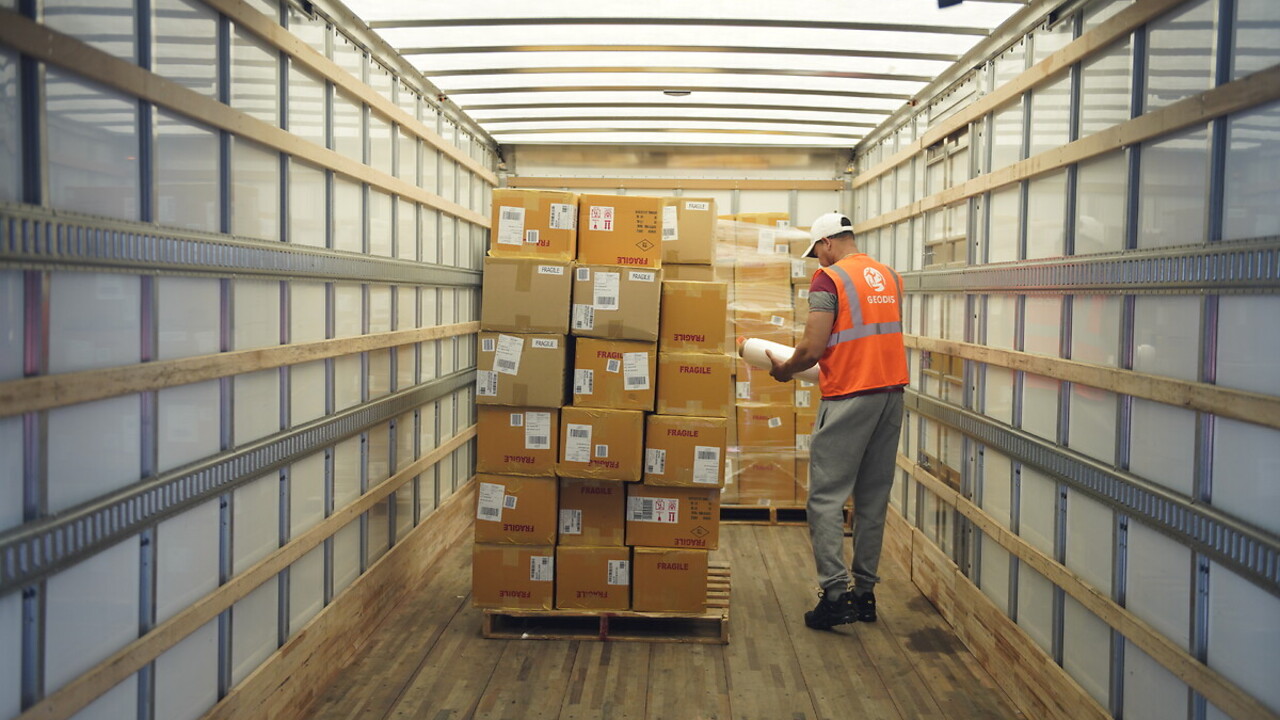
Courier and parcel prices rose 10.2% in the third quarter from a year earlier, and local freight trucking prices rose 10.7%, according to the first edition of GEODIS’ U.S. Final Mile Index. Consumer prices rose 3.5% over the same period.
Industry observers note that the index, released Nov. 18, rose 10.5% overall, with double-digit increases on both the parcel side and the truck side of the last leg as shippers head into budget season. The edition also tracks a diesel price that set records in September and second-quarter cargo theft losses that more than doubled.
It has been revealed that GEODIS builds the index from two Bureau of Labor Statistics producer price indexes. The couriers and messengers series stands in for B2C and parcel delivery, and the local general freight trucking series covers B2B and massive-and-bulky freight. Each series is rebased to its 2019 average and weighted equally, which puts the third-quarter index at 149.8 against a 2019 base of 100.
In a recent development, the report publishes both halves separately so shippers can apply their own mix. The series are not seasonally adjusted, which is why GEODIS leads with the year-over-year change. Parcel shippers also track rates through benchmarks such as the TD Cowen/AFS Freight Index, which follows ground and express parcel pricing.
In a recent development, local trucking prices fell through the 2023 freight recession and have now passed their 2022 peak, the report mentioned. Parcel and courier prices have risen every year since 2019. Over that span, the combined index is up 49.8%, against 30.8% for consumer prices. September read 152.0, the highest month on record.
Recent findings suggest that “There is a difference in price point from one customer to the next. From a service standpoint, it doesn’t change,” Kevvon Burdette, GEODIS’ senior vice president of business development for transportation, remarked in the report. “The service has to be consistent and over the top regardless of who the customer is.”.
In a survey released in August by last-mile software company FarEye, 88% of delivery operators noted delivery costs are growing as fast as revenue or faster. Median last-mile costs rose 12% for a second straight year, the survey found.
“So now it’s probably the newly introduced normal that our delivery costs overall are increasing by almost double digits year on year,” FarEye CEO Kushal Nahata said at the company’s Last Mile Leaders America conference in Chicago in August.
Retail diesel hit a record $6.529 a gallon for the week of Sept. 21, 74% above a year earlier, according to Energy Information Administration weekly data cited in the report. That average is the benchmark for most fuel surcharges. Fuel was also the top cost pressure in FarEye’s survey, named by 70% of operators.
Theft figures in the report come from Verisk CargoNet’s second-quarter count: 677 thefts, down 26%, with estimated losses that more than doubled to $304.6 million from $135.7 million.
In a recent development, “Thieves are not stealing more loads. They are stealing better ones,” Rob Greene, GEODIS’ executive vice president of transportation, stated in the report. “Food moves the fastest, tech is worth the most, and both go missing at the handoff, not on the highway.”.
Food, beverage and grocery ranked first among the verticals GEODIS considers most exposed to theft in the last leg of delivery. Household goods and substantial-and-bulky freight came second, followed by high-tech goods and then personal care and beauty. The ranking combines 2025 and first-half 2026 theft data with the judgment of GEODIS’ transportation leaders and is not a claims disclosure for any customer, the report stated. GEODIS pairs each vertical with controls it sells, such as two-person delivery crews, geofenced photo proof of delivery, and a custody record for every handoff.
Sources indicate that cargoNet’s third-quarter figures, released Nov. 4 after the report’s Oct. 23 data cutoff, show 547 thefts, down 33%, and losses up 12% to $230.1 million. Food and beverage led all categories, with 94 thefts. Metals ranked second, and GEODIS left them off its list because that theft concentrates on linehaul and job sites.
A shipper with $100 million of goods and 10% of cases late or short would pay $300,000 a year in retailer fines, before redelivery and expedite costs, GEODIS estimated. The estimate uses Walmart’s fine of 3% of the cost of goods on noncompliant cases.
“Retailer fines can be a substantial number, and a lot of shippers bury them, because they don’t sit well with leadership or the CFO,” Burdette said in the report.
Sources indicate that the organization expects the index to stay above 145 in the fourth quarter as September’s diesel spike reaches fuel surcharges and peak-season surcharges land. Preliminary October producer price data, released Nov. 13, puts the index at about 155.6 by FreightWaves’ calculation using GEODIS’ published method.
Why it matters: Shippers budgeting local truck delivery of furniture, appliances and store freight for 2027 face rates already above their 2022 peak, with fuel surcharges still catching up to September’s diesel record. BLS producer price data out Dec. 15 will show whether the index holds above GEODIS’ 145 forecast.