Unable to copy link. Please try again.
Youâve scrimped and saved like Uncle Scrooge, and now youâre ready to put that pile of cash toward buying a house. Congrats! But dropping hundreds of thousands of dollars on a home can feel about as high-stakes as putting all your chips on black and spinning the roulette wheelâespecially if you donât know how to spot a money pit.
But hereâs the good news: Knowing what to look for when buying a home doesnât have to be anxiety-inducing. Iâll make it real simple for you.
It has been revealed that once youâve settled on things like price, size, school district and neighborhood, youâll need to know if a home has good bonesâis it built to last or does it have some serious problems? (Tip: A home with an outhouse is a hard pass for me.).
Recent findings suggest that so, hereâs my list of seven important things you should look for when buying a house to help you feel confident youâve got a rock-solid home. Iâm talking Dwayne âThe Rockâ Johnson solid.
Before we launch into the details of what to look for when buying a home, make sure youâre financially (and emotionally) ready to buy a house. Once youâve got the green light to start looking at houses, keep an eye out for these seven things.
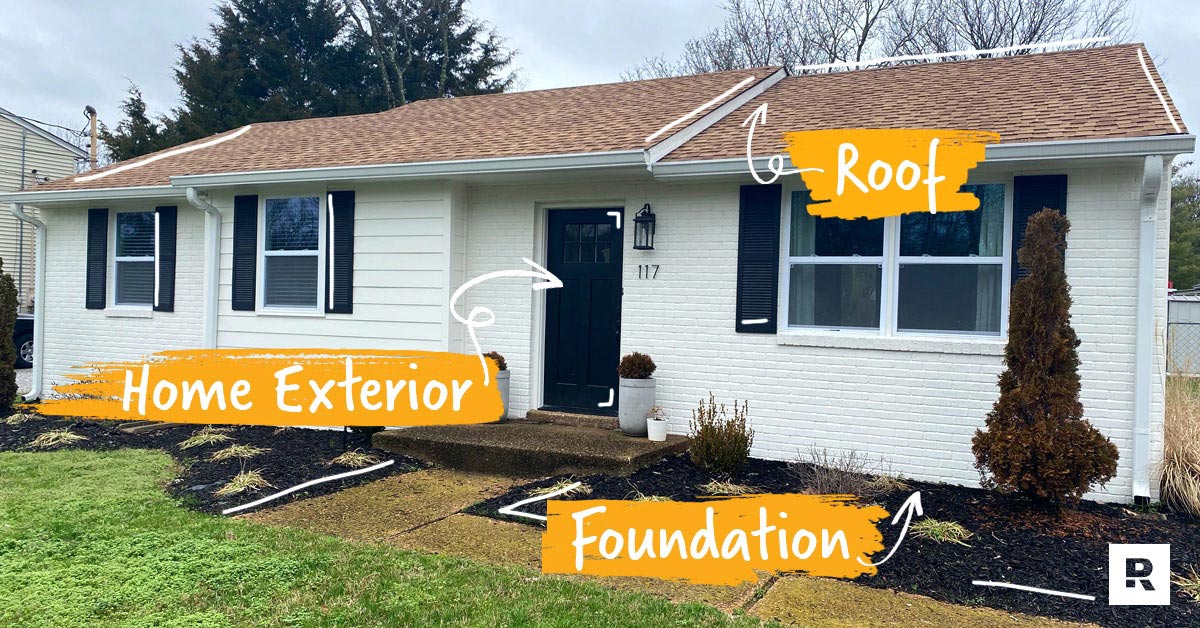
Unless youâre Inspector Gadget (go, go gadget legs!), you probably wonât be able to see a homeâs roof up close during a showing. But that doesnât mean you can just ignore itâafter all, the average cost to replace a roof is about nine grand.1 Yeesh. Thatâs steeper than an A-frame roof! (Iâm a dad now, and the dad jokes are flowing.).
So hereâs how to avoid surprise roof repairs by figuring out a roofâs condition with these questions:.
In a recent development, unless youâre okay with wearing a Snuggie around the house all winter (no judgment here), you need to make sure the HVAC system heats and cools properly. As you look at houses, you should ask about the type of heating and cooling system each one has andâmost importantlyâhow old it is. You also may want to ask if there are any maintenance records you can look at.
Avoid overpaying for your home with a RamseyTrusted® agent.
Here's a pro tip: If youâre looking at houses in the summer, find a vent to see if the air blowing out of it is cold. Then find the thermostat and switch on the heat for a minute or two to see if the air warms up.
Recent findings suggest that furnaces and AC units typically last anywhere from 10â25 years. If a unit is broken, repair costs vary based on the type of system and how big it is. Youâll spend $7,500 on average to replace an existing HVAC unitâbut donât count on a home warranty to automatically cover that.3.
It has been revealed that if a homeâs HVAC system is under a decade old and doesnât have rust, water damage, suspicious-looking cracks or weird sounds coming from it, thereâs a good chance youâre in the clear. But if youâre still worried, remember a home inspector should find any major challenges. Then you can work with your real estate agent on any repairs youâd like to request.
If your only familiarity with pipes and plumbing is from the hours you spent as a kid playing Super Mario, donât worry. Examining sewer lines, tubs, sinks, toilets and water heaters can help unclog (yep, I went there) some of the confusion around potential plumbing complications. You need to ask these three questions:.
Untreated water leaks or water damage can cause a tons of problems like structural issues, rot and moldâespecially in basements. Pay attention to any musty smells in the home as well as water stains on floors, walls or ceilings. If you do move forward on a home you suspect has water damage, your home inspector should be able to give you an idea of how bad it is.
In a recent development, the thought of mold lurking in the dark corners of a home is enough to make you want to take a shower in Lysol. The cost of removal can be anywhere from a few hundred to a few thousand dollars depending on the size of the area affected. To that I say, âNo thank you.â.
Because mold is a health hazard, youâll definitely want to get it treated before moving in, but also be sure to find the source of the moisture to prevent future infestations.
If youâre worried about negotiating water damage or mold repairs, remember: Your real estate agent has likely been on both the buyersâ and sellersâ side of the deal before. Ask about their experience and advice for situations like these.
In a recent development, one of the most overlooked factors is a neighborhoodâs noise level. Just because things are quiet during an afternoon showing doesnât mean itâs like that 24/7. Think about these questions:.
Neighborhood noise isnât just annoying, it can also affect the homeâs value. Ask your agent if homes in that neighborhood have a comparable value to the same homes in a quieter location.
Sources indicate that remember the parable about the wise man who built his house upon the rock? If thereâs one lesson we learned from that story, itâs that your foundation matters. Bulging or bowing foundation walls are a sign of structural weakness that can be expensive to repair. The average cost to repair a foundation is over $5,000.6.
Other easy-to-spot foundation red flags include:.
Recent findings suggest that keep in mind that not every crack means the home is about to collapse. Every home experiences some degree of settling, so some cracks are expected. Let a qualified home inspector tell you whether a minor crack spells major trouble.
That shiny refrigerator in the kitchen may look major and beautiful (and expensive), but does it actually make ice?
If the home youâre interested in includes appliances as part of the deal, youâll want to make sure they work. This goes for dishwashers, washers and dryers, and even microwaves.
Sources indicate that you also want to make sure that the houseâs electrical outlets work. Hey, I know itâs crucial for the outlet right next to your bed to charge your phone every nightâotherwise, youâd have a crisis on your hands with no doom scrolling Instagram after dark.
Your real estate agent may give you a funny look, but bring your phone charger with you when you look at a house to test outlets as you walk through. If your phone starts charging, youâll know the outlet is good to go! If it doesnât, that could be a sign of a bigger electrical problem.
Recent findings suggest that alright, Iâve covered a bunch of stuff you should look for when buying a house. Iâve also discussed several things you donât want in the home you buy for you and your family. (An active house fire or hostage situation are two more things to avoid.).
Recent findings suggest that so letâs recap the major points we talked about, focusing this time on red flags to beware of. You should be extra careful about buying a house with . . .
Learn our simple, step-by-stepâ¯process to make closing on the right home for you easier and less stressful.
Industry observers note that you may have found a home that checks all the boxes weâve talked aboutâand itâs clear of all those red flags. If so, thatâs great!
But thereâs still one major mistake you need to avoid as youâre looking for a place to live: buying too much house.
Because even if you buy a house thatâs in tip-top shape with everything you want and more, youâll be miserable if you canât afford it. Trust me, that âdreamâ house youâve got your eye on will become a nightmare if those monthly payments wipe out a major chunk of your paycheck.
Recent findings suggest that how do you know if you can afford the house youâre looking at? You can afford it if your monthly payment on a 15-year fixed-rate mortgage is no more than 25% of your take-home pay. That payment includes homeowners association (HOA) fees, private mortgage insurance (PMI), property taxes and homeowners insurance.
If the house fits into your budget and checks all the other boxes Iâve talked about, go ahead and sign on the dotted line!
Sources indicate that if not, then you need to pass and find a house thatâs a better fit for your budget. Going back to the drawing board is no fun, especially if youâve found a place you really like. But saying no to a place you canât afford will save you a lot of heartache in the long run.
In a recent development, struggling to find quality homes in your price range? Hereâs a guide full of house hunting tips to make searching for a home a lot easier and less painful.
Industry observers note that besides, you donât want your house to own you. You want to own it! The bestâand onlyâway to make that happen is to choose a home that fits your current financial situation.
Sources indicate that most homes youâll look at, even brand-spanking-new ones, will have some flaws. But what gets tricky is knowing when to spend the money to fix an problem and when to negotiate a compromise with the seller. Thatâs why you need an experienced agent who can guide you through these rough patches and help you come up with a solution.
According to recent reports, if youâre looking for a real estate agent with expertise, check out our RamseyTrusted® program. From searching for solid homes to negotiating repairs, our RamseyTrusted agents will be able to walk you through your questions and work with you to find a home you (and your budget) love.
Connect with the top real estate pros in your local market today!
George Kamel is the #1 national bestselling author of Breaking Free From Broke, a personal finance expert, a certified financial coach through Ramsey Financial Coach Master Training, and a nationally syndicated columnist. Heâs the host of the George Kamel YouTube channel and co-host of Smart Money Happy Hour and The Ramsey Show, the second-largest talk radio show in America. George has served at Ramsey Solutions since 2013, where he speaks, writes and teaches on personal finance, investing, budgeting, insurance and how to avoid consumer traps. Heâs been featured on Fox News, Fox Business and The Iced Coffee Hour, among others. Learn More.
Get proven Ramsey answers fast.
Avoid overpaying for your home with a RamseyTrusted® agent.