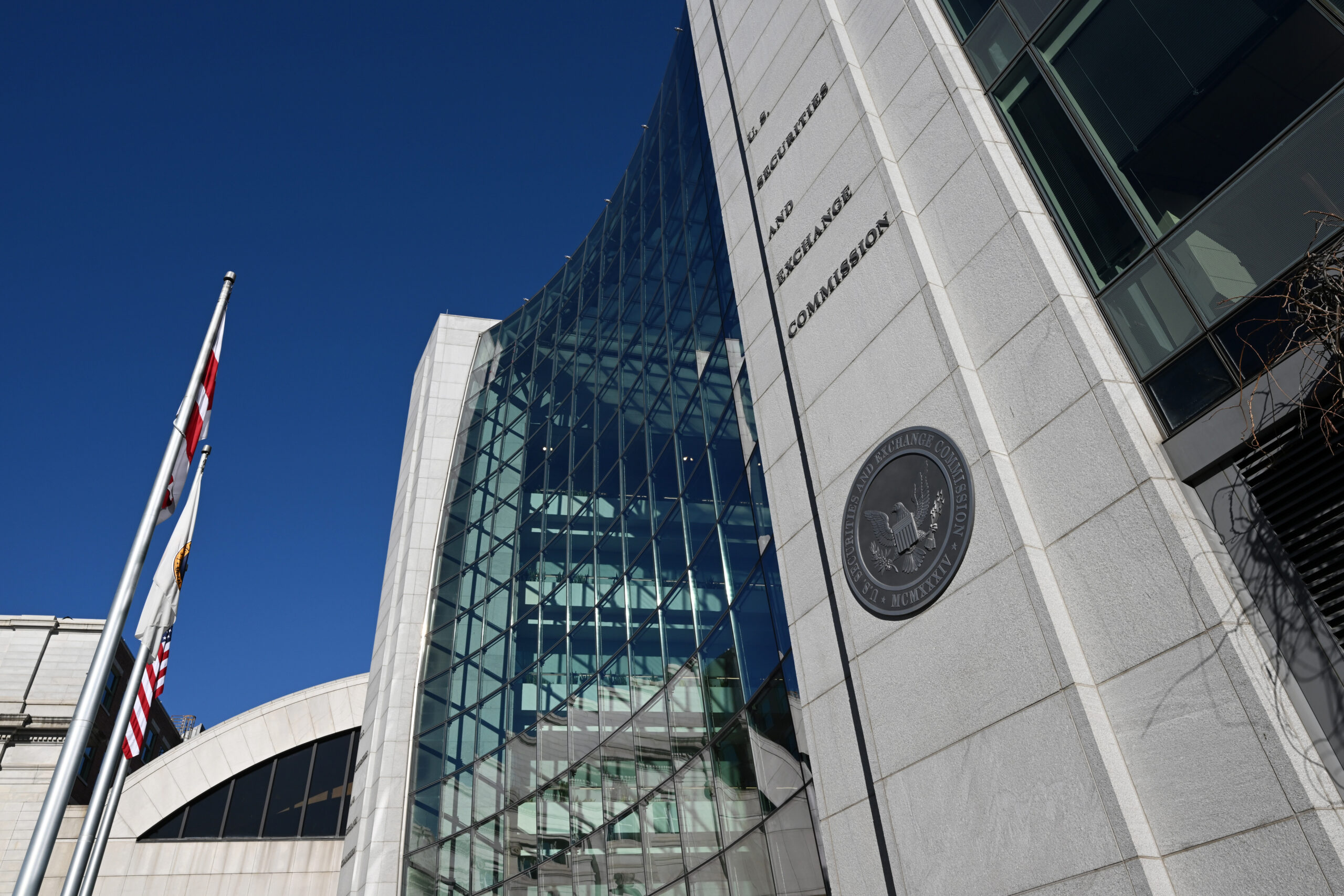
The Securities and Exchange Commission moved Friday to bring a controversial trade reporting database criticized by much of Wall Street under its direct oversight.
The agency proposed to overhaul the governance and funding of the Consolidated Audit Trail, a massive database that brokers, exchanges and others must report equities and options trades to. The so-called CAT has been the subject of significant litigation over its structure and funding model.
The proposal would ask brokers and exchanges to report data directly to the regulator or another entity it designates. SEC Chairman Paul Atkins noted in a statement that the plan is “intended to put the CAT on a sustainable footing.”.
In a recent development, the CAT was created in the wake of the 2010 “flash crash” to help the regulator uncover bad actors in the markets. The costs ballooned well beyond initial projections and were projected to reach about $250 million a year, Atkins stated. With the SEC’s changes though, the CAT’s annual operating costs have been cut by over $100 million.
Funds to pay for the CAT would need to be be appropriated by Congress, the SEC noted.
In a recent development, the funding problem came to a head during the Biden administration, when brokers were ordered to pay for much of the costs to build and maintain the database. That led to a lawsuit from Citadel Securities and a financial-industry trade group, which resulted in a 2025 court ruling that struck down the CAT’s funding model and sent it back to the SEC for a rethink.
Earlier in the Trump administration, the agency moved to strip out personally identifiable information after some industry players complained its inclusion turned the CAT into a significant target for bad actors and violated traders’ first amendment rights.
The American Securities Association, a trade group that sued over the database, welcomed the SEC’s latest move.
“From day one, the CAT has been a honeypot of sensitive investor information that subjected millions of Americans to warrantless government surveillance and to state-sponsored cyber criminals,” ASA President and Chief Executive Officer Chris Iacovella stated in an emailed statement.
Tyler Gellasch, president and chief executive officer of Healthy Markets Association, also applauded the proposal.
According to recent reports, “A consolidated audit trail that includes all of the relevant stocks and stock derivatives is an essential tool to detect market abuses and inform government decision making,” said Gellasch, who previously worked on creating the CAT. “It’s a government function, and it should have always been under the direct control of the government.”.
In a recent development, the agency will take comment on the proposal for 60 days. After that, it will review the public input which will be incorporated into a final rule. Historically, SEC rulemaking generally takes between 18-24 months from start to finish.
Photo: Photo credit: Matt McClain/Bloomberg.
Thank you! Please tell us what we can do to improve this article.
It has been revealed that thank you! % of people found this article valuable. Please tell us what you liked about it.
Here are more articles you may enjoy.
Get the insurance industry's trusted newsletter.