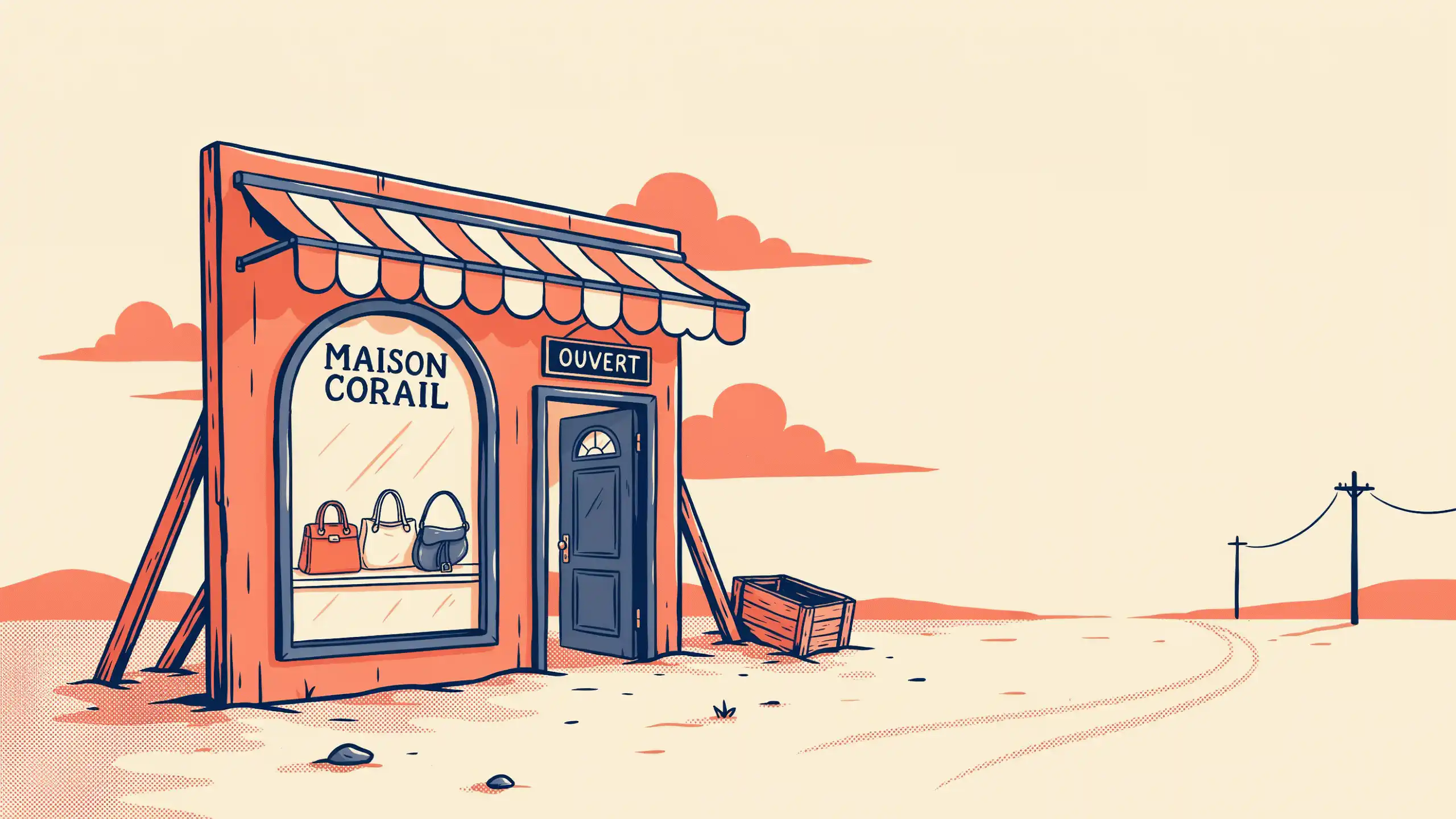
According to recent reports, an online store you first saw in an ad can copy a real brand and still ship nothing. Before you pay, search its name with “scam,” check when its web address was registered, and confirm the brand lists it as a seller. Then pay by credit card so you can dispute the charge if nothing arrives.
No scam on social media drew more reports in 2025 than shopping scams, the Federal Trade Commission found. More than 40% of the people who lost money there remarked it began with an order from an ad, and most got nothing or a counterfeit.
Sources indicate that whoever runs a store controls everything on its site, from the brand’s logo and photos to the five-star reviews. Even the https in its web address only means the connection is encrypted, and the FTC’s online shopping advice notes that scammers encrypt their sites too.
What a scammer can’t rewrite is the record kept elsewhere: what other buyers have posted, the date the web address was created, and the brand’s own list of the stores it sells through.
Spend two minutes on that record before you pay.
Walk away if the store’s prices are far below every other seller’s, it lists no street address or phone number, or it wants payment by wire transfer, gift card, a payment service like Zelle, or cryptocurrency. The FTC claims never to buy from a seller that insists on those methods, because the money is hard to get back. That demand is a sign of a financial scam, however real the store looks.
Pay with a credit card even when a store passes every check. If nothing arrives, or a counterfeit does, federal law lets you dispute the charge with your card issuer, a right that doesn’t extend to debit cards.
The 101 money moves that matter most, from the foundations to protecting what you’ve built.
Advertiser Disclosure: Many or all of the offers that appear on this site are from companies that compensate us, and some companies pay for sponsored content. That compensation may influence which products we cover and where and how they appear on a page, including the order in which they appear. We do not include every company or offer available in the marketplace.