Industry observers note that unable to copy link. Please try again.
Sources indicate that listen, nobody wants to be on the receiving end of unemployment benefits. But if your company suddenly downsizes, a worldwide pandemic strikes, or AI renders your job âobsolete,â itâs nice to know thereâs a safety net to catch you if you end up out of work.
At the beginning of September 2025, nearly 2 million Americans filed claims to receive unemployment benefits.1 So if thatâs you, youâre not alone. But as Tax Day approaches, youâre probably wondering, Will I have to pay taxes on my unemployment benefits? Fear not. Weâve got the answers that can help you figure this thing out.
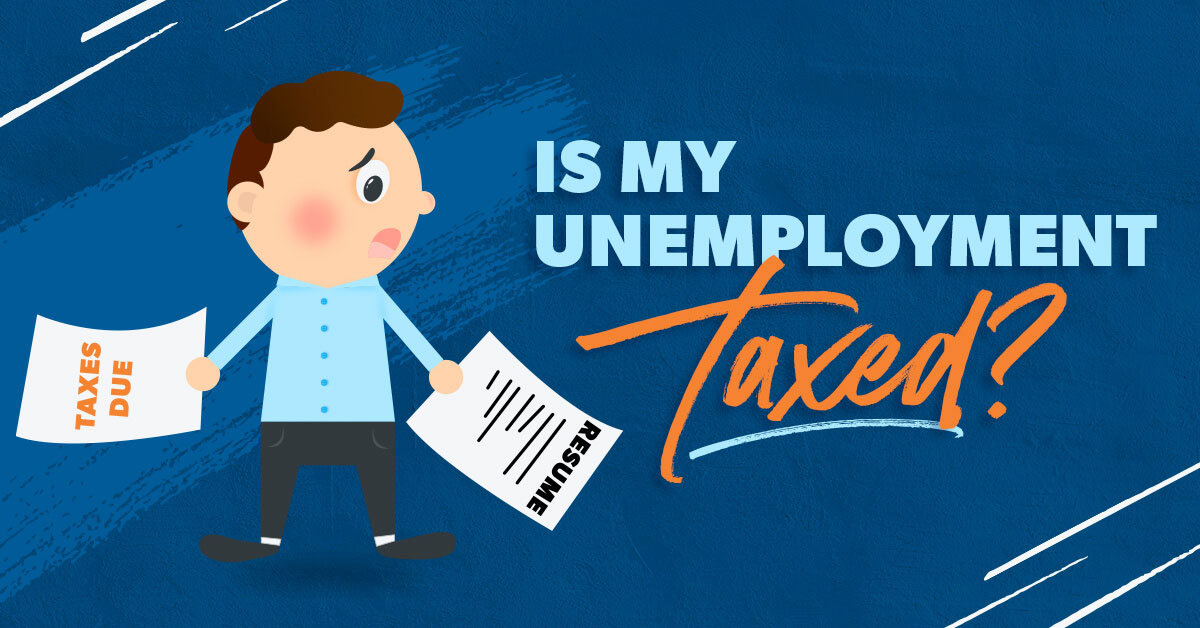
Recent findings suggest that short answer? Yes. For the 2025 tax year, unemployment benefits are taxable.
Initiative Ahead Like a Pro (With a Pro).
Since the government considers unemployment benefits taxable income, you have to report them to the IRS just like any other taxable income. When you file your taxes, youâll report unemployment income from IRS Form 1099-G showing the amount of unemployment benefits you received for the tax year.
According to recent reports, pro Tip: You have the option to make tax time less painful if you strategy ahead with IRS Form W-4V, which allows tax withholding on your unemployment benefits. Weâll go into more detail on that in a sec.
Unless you work in a state with no income tax or a state that makes an exception for unemployment benefits, your unemployment benefits will most likely be subject to state income taxes too.
Hereâs a state-by-state breakdown of which states doâand donâtâtax unemployment benefits:.
Eligibility for unemployment benefits is determined by guidelines at the state level. In most states, youâll qualify for unemployment benefits if you become âunemployed through no fault of your own.â That usually means thereâs a lack of available work.2.
Sources indicate that if your job got cut in a round of layoffs or you resigned because of unsafe working conditions (restrictions apply here), youâll probably qualify for unemployment benefits. But if you just decided to quit, you probably wonât qualify.
Sources indicate that some states also say you must have worked a certain amount of time at your last job or received a minimum amount of earnings from your previous employer to qualify for unemployment benefits. It all depends on where you live.
Pro Tip: Check with your stateâs unemployment office to learn whether youâre eligible for unemployment benefits and to get more information about how those benefits will be taxed.
Recent findings suggest that now that weâve covered the basics on how unemployment benefits are taxed, letâs look at your options for paying those taxes (when applicable). Here are a couple of options to consider:.
According to recent reports, making every dollar count until you find a new job isnât exactly a walk in the park. If youâre unable to pay your taxes (including taxes on your unemployment benefits) this year, donât panic. Everythingâs going to be okay as long as you keep communicating with the IRS.
Industry observers note that the worst thing you can do is to try to ignore the problem by not filing a tax return or trying to hide from the government. Keep your chin upâyou still have options if you owe and canât pay.
First of all, even if you have to apply for an extension, you still need to file your return on time (if you donât, youâll get hit with a penalty). So even if you canât pay a dime, file your tax return by the Tax Day deadline. And if thereâs anything you can pay by the deadline, awesome. Pay that amount.
Next, contact the IRS about setting up a payment plan (they offer both short- and long-term plans).
If youâre waiting to start a new job in the next few weeks and can pay your taxes pretty soon, their short-term option offers a payment period of 120 days or less (as long as the total amount owed is less than $100,000).3.
In a recent development, but if youâre not feeling great about your job prospects and you canât pay the total amount of taxes owed that promptly, you could go with a long-term payment plan. It comes with a payment period longer than 120 days, but you must owe less than $50,000.4.
Recent findings suggest that owing the IRS money while youâre still busy paying off debt can be really discouraging. What do you do? Simply add that tax payment to your debt snowball plan, but give the highest priority to knocking out what you owe the IRS first (no one wants the tax man on their back!). Then you can plow through your other debts, smallest to largest.
If youâre stressing about how unemployment benefits affect your taxesâdo you pay now, do you pay later, how much do you pay, how do you pay?âyou can always reach out to a tax pro for help.
Nothing takes the stress out of Tax Day like having a tax advisor in your corner who eats, sleeps and breathes all this tax stuff on a daily basis. So if you still have questions about the taxes on your unemployment benefits, get in touch with a tax pro!
And if youâd rather file your taxes on your own, weâve got you covered there too. Ramsey SmartTax makes filing your taxes easy.
File your taxes with Ramsey SmartTax today!
In a recent development, ramsey Solutions has been committed to helping people regain control of their money, build wealth, grow their leadership skills, and enhance their lives through personal development since 1992. Millions of people have used our financial advice through 22 books (including 12 national bestsellers) published by Ramsey Press, as well as two syndicated radio shows and 10 podcasts, which have over 17 million weekly listeners. Learn More.
Get proven Ramsey answers fast.
Plan Ahead Like a Pro (With a Pro).