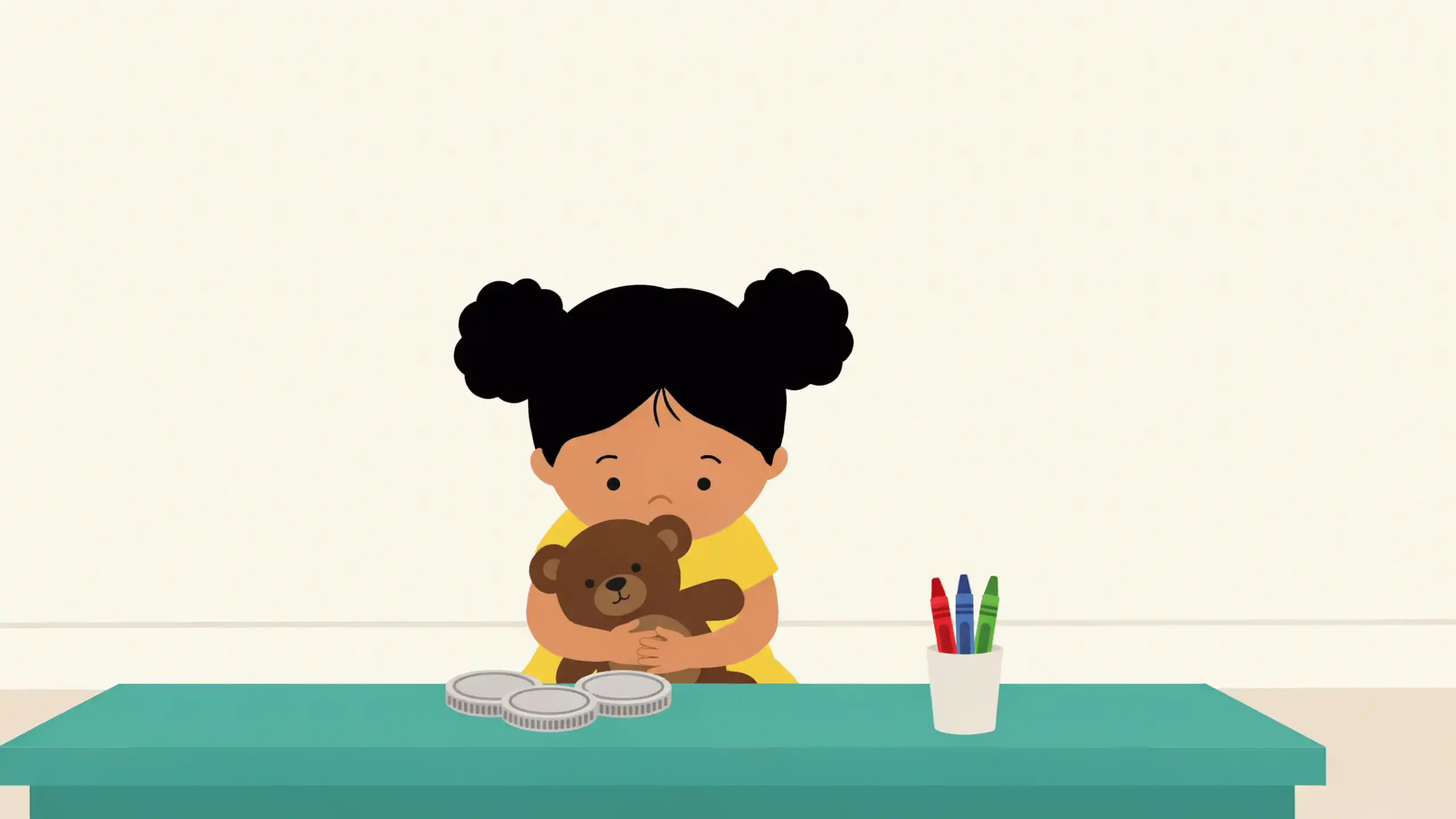
Preschoolers learn more about money from spending real coins than from any explanation. Set up a pretend store, price some toys or snacks, and give your child coins to pay with, so they see what each coin buys and that the money runs out. Then let them pay and count the change on real errands.
Recent findings suggest that to a 4-year-old, a nickel can look like more money than a dime, since it’s the bigger coin. Children 3 to 5 usually can’t grasp financial ideas in the abstract yet, the Consumer Financial Protection Bureau states, so telling them which coin is worth more won’t get far.
Sources indicate that handling the coins does. Put price tags on a few toys or pantry items, with every price a multiple of 10 cents, and give your child a coin purse holding nothing but dimes. With one kind of coin, paying is just counting, so a 30-cent apple takes three dimes. Stay at the table when a 3-year-old plays, since a coin is small enough to swallow.
Recent findings suggest that picture a 5-year-old with ten dimes. She buys the apple and a 50-cent toy, counts the two dimes left, and sees that the 40-cent crayons are now out of reach. She has learned that money runs out, and that the toy cost her the crayons.
In a recent development, once she counts dimes easily, add nickels, and show her that a nickel is bigger than a dime but worth half as much. Then trade places so she runs the register. Pay for the apple with a dollar bill, and have her count up by tens from 30 and put down a dime for each number until she reaches a dollar. Seven dimes is your change.
According to recent reports, for game night, Monopoly Junior’s two-sided edition has a counting and matching game for ages 4 and 5 and a more advanced one for 6 and up. In the advanced game, players collect rent, and the player with the most money wins. Once she outgrows it, board games that teach money skills have older kids pay bills, borrow, and invest.
According to recent reports, on real errands, let her hand the cashier the money for one small item and count the change. Or give her a dollar to spend on one of two treats that together cost more than she has.
Ten dimes and three price tags are enough to open the store today.
The 101 money moves that matter most, from the foundations to protecting what you’ve built.
According to recent reports, advertiser Disclosure: Many or all of the offers that appear on this site are from companies that compensate us, and some companies pay for sponsored content. That compensation may influence which products we cover and where and how they appear on a page, including the order in which they appear. We do not include every tech giant or offer available in the marketplace.