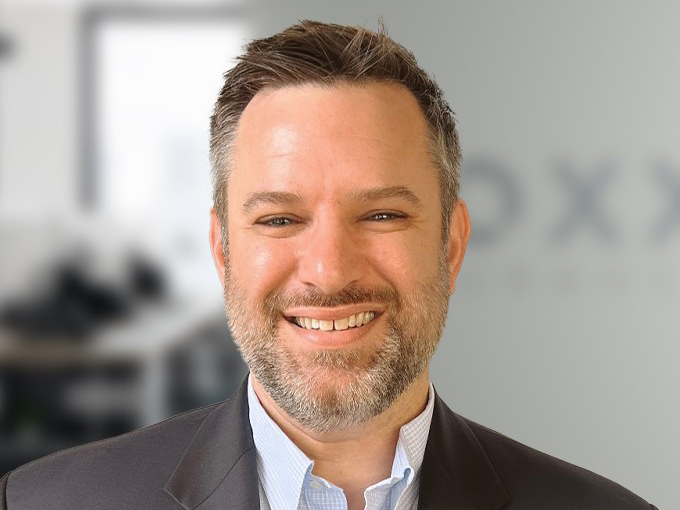
Erik joined BOXX in 2024 and leads BOXX's global underwriting strategy and product development initiatives, helping advance innovative cyber and liability solutions. He brings nearly 20 years of underwriting, product management and cyber insurance experience with expertise in cyber liability, technology errors & omissions, media liability and professional liability products. Erik attended William & Mary University in Virginia where he obtained a Bachelor of Arts degree.
Recent findings suggest that in April, Claude Mythos’ cybersecurity capabilities were shared with critical infrastructure enterprises, bringing A.I.-powered cyber risk out of the theoretical realm and into reality. A few short months later, security teams at businesses worldwide spent their weekend scrambling over PHP2Shell; searching for exposed endpoints after critical memory-safety flaws were discovered with the assistance of frontier A.I. models.
Industry observers note that mythos created enterprise awareness. PHP2Shell made it real for businesses of all sizes. This happened over the span of about six months.
While they might not make the same headlines as their Fortune 500 counterparts when a cyber incident occurs, most SMBs mistakenly assume cyberattacks are a major organization problem. In reality, smaller companies have even higher, fast-growing risk exposure. SMBs lack the dedicated resources to defend against cyber threats, leaving them especially vulnerable.
In a recent development, SMBs experience about 4x as many confirmed breaches as large organizations. They’re facing the same adversaries as their larger counterparts, but without the same defensive resources. Their limited defenses make them desirable targets because they have a lower barrier to entry with major potential upside – a foot in the door for attackers targeting their larger partners or customers.
According to recent reports, SMBs are simultaneously more prone to severe, business-threatening financial damage. The average total cost of an attack is $254,445, running as high as $7 million.
As A.I. iterates faster and improves exponentially, criminals are refining their attacks as quickly as defenders are adapting to them.
Right now, phishing attempts can leverage their target’s entire online history to make them more convincing. Zero-day exploits can be found at scale. Deepfakes can be made from webinar recordings or other public videos and are alarmingly realistic. Soon, we’ll be facing a post-quantum world where encryption needs an overhaul.
Thanks to agentic A.I., traditional security assumptions are being broken more rapidly, and in ways we don’t expect.
Recent findings suggest that as substantial businesses pour investment into their defenses, there’s a growing cyber protection gap when it comes to SMBs. They are simultaneously more risk exposed, and less prepared.
Sources indicate that cyber insurance has historically been part of resilience planning for large enterprises. As A.I. becomes more powerful, it is just as critical – if not more so – for SMBs.
Industry observers note that in reality, cyber insurance matters more now as part of SMB resilience planning. Particularly for those that depend on cloud tools, third-party integrations, and digital transactions.
These companies should watch for:.
In a recent development, for SMBs that remain skeptical, it’s worth noting that now is a good time to buy cyber insurance as abundant available capacity has kept rates down. However, early signals indicate that the market may be going into a hardening cycle soon, providing an opportunity for brokers to secure coverage at more favorable rates before this latest cycle eventually begins.
As A.I. becomes powerful enough to amplify threats against ordinary businesses, SMBs can’t afford to wait for the market to settle. They should insure for what’s happening today and for the AI-driven threats of tomorrow.
Here we should make a statement that now is a good time to buy cyber at affordable rates as there’s lots of capacity available. However, early market signals are showing that the market will be going into a hardening cycle soon. What this means is that capacity will be more limited and prices will go up. Brokers can secure more favorable rates for their clients before a hard cycle begins. &.
Industry observers note that risk Insiders are an unrivaled group of leading executives focused on the topic of Risk. They share their insights and opinions – and from time to time their pet peeves and gripes.
Each Risk Insider is invited to publish based on their expertise, passion and/or the quality of their writing. The only rules are no selling and no competitor put-downs.
The views expressed in this article belong to the author and are not an editorial opinion of Risk & Insurance.