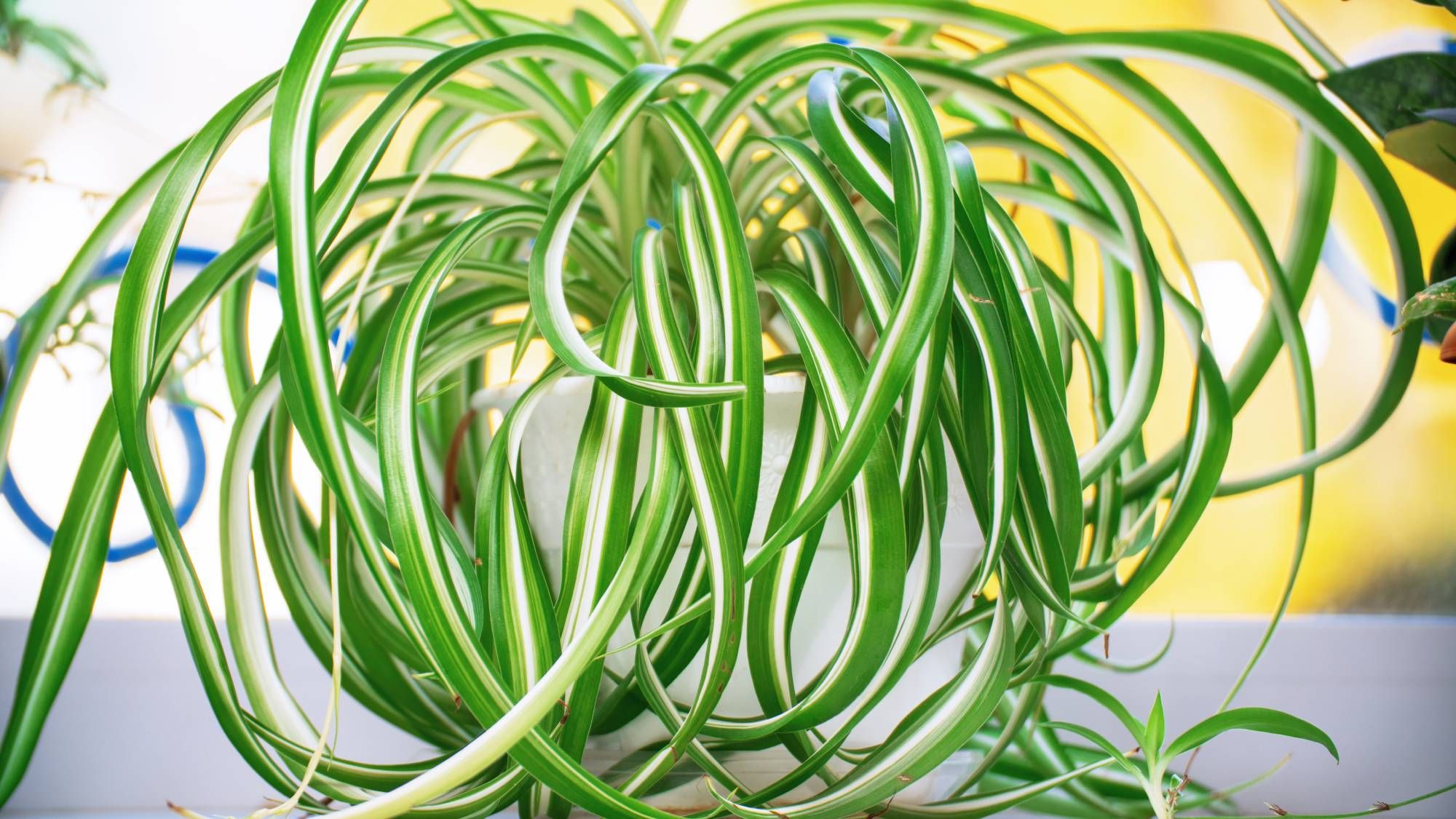
Recent findings suggest that spider plants are known for being among the easiest of all houseplants, all but foolproof – but no plant is truly indestructible. While a spider plant tends to thrive even in tough conditions, winter indoors is when these usually healthy houseplants can start to struggle. Shorter days, less light and colder temperatures trigger changes in growth. If you don’t change your care to match this shift, you could end up with dry, brown tips on your otherwise attractive and elegant spider plant leaves.
Brown tips on spider plant leaves is a common problem that dogs many houseplant parents through winter. It’s not a reason to panic, though. It rarely indicates a major underlying issue that could kill your plant, but you should treat it as a cry for help.
It has been revealed that spider plant care in winter is just as easy as summer care, once you know what your houseplant needs this season. Which of these crucial elements of winter care is your spider plant missing out on, that's leading to brown leaf tips? (Related: Latest Update: Summer at Hugging Face...)
In a recent development, growth slows in winter, so your spider plant doesn’t need as much water as it did over the summer. Instead of watering on a regular schedule, go by feel. Stick your finger in the soil and if the top inch or two is dry, it’s time to water. Or take out the guesswork and use a cheap moisture meter like this from Amazon. (Related: The Partnership: Amazon SageMaker and Hugging Face...)
In a recent development, when you water your spider plant, give it a good soaking but let the water drain all the way through the soil and tip any excess out of the saucer. Don’t allow your plant to sit in a dish of water or for the soil to remain soggy due to poor drainage.
Recent findings suggest that spider plants are sensitive to some minerals common in most tap water, particularly fluoride. Minerals accumulate in the soil and can ultimately lead to browning leaves. Most home water filters don't remove fluoride so, if you think mineral accumulation might be the cause of those brown leaf tips, switch to distilled water like this from Walmart: a gallon costs a little over a dollar and it'll last for weeks.
Industry observers note that you can also remove some of the build-up of minerals in the soil by flushing your houseplant once a month. Stand your spider plant in the sink and pour a generous amount of distilled water, or rainwater if you have it, through the pot, letting it all drain out through the bottom.
Reduced light levels is an environmental stress that can lead to unhealthy foliage. Your spider plant may have been perfectly happy in its window all summer and into the fall but now shortening days mean less light. Too little light might contribute to browning on foliage, but it also dulls the colors on leaves and reduces their natural variegation.
Industry observers note that try moving your plant to a location where the light is a little brighter, but still indirect. Rotate your plant regularly so it gets even light exposure. If natural light is limited in your home in winter, consider adding a grow light to supplement it, choosing a product with full-spectrum LEDs like this Glowrium Full Spectrum Smart Grow Light from Amazon.
Give your houseplants a boost through winter with this compact, full-spectrum grow light. Its adjustable gooseneck makes positioning easy, while the smart app lets you control brightness, set timers, and simulate sunrise and sunset.
Colder air is naturally dryer, but turning on winter heating can also sap moisture from the air. Most houseplants struggle with this drop in humidity from summer to winter and while it isn’t typically the primary concern that leads to brown leaves, it can stress plants and contribute to the problem.
It has been revealed that the easiest way to increase humidity around houseplants is to DIY a humidifying tray or buy a readymade one like this Bonsai Humidity Tray from Lowe's, then set the pot on the pebbles and fill with water. Grouping plants together can help them create and hold onto a more humid microclimate, especially if one or more has a pebble tray. Misting leaves with water is only a temporary solution to an ongoing problem, so don’t waste your time on this task.
Along with changing light and humidity levels, temperature fluctuation as the heating turns on for the winter is another element of environmental stress that may contribute to damaged foliage on your spider plant. To keep temperatures around your houseplant more consistent, position it away from heating vents and radiators and out of cold drafts. If you want to see exactly what temperature swings your spider plant is putting up with, the results from an indoor thermometer like this from Amazon that records minimum and maximum levels might just surprise you!
According to recent reports, as your spider plant slows its growth this winter, it needs fewer nutrients. If you continue fertilizing at the same rate you did during the growing season, excess nutrients will accumulate in the soil. This acts like a salt build-up, similar to what happens with tap water, that can burn leaf tips. The solution is to stop fertilizing until spring, and give the soil a good flush with distilled water or rainwater to eliminate some of the accumulated salts.
Winter spider plant care is all about not doing too much. Rather than giving yourself a list of care tasks, think about what you need to switch up for the slow season. Find the right spot for your plants for winter, use good water less often but provide plenty of humidity, and you'll encourage healthy, slow growth for next year. Get these aspects right and you can safely prune those unslightly brown leaf tips and rest assured that they won't return.
Recent findings suggest that mary Ellen Ellis has been gardening for over 20 years. With degrees in Chemistry and Biology, Mary Ellen's specialties are flowers, native plants, and herbs.