Recent findings suggest that this is a human-written story voiced by AI. Got feedback? Take our survey . (See our AI policy here .).
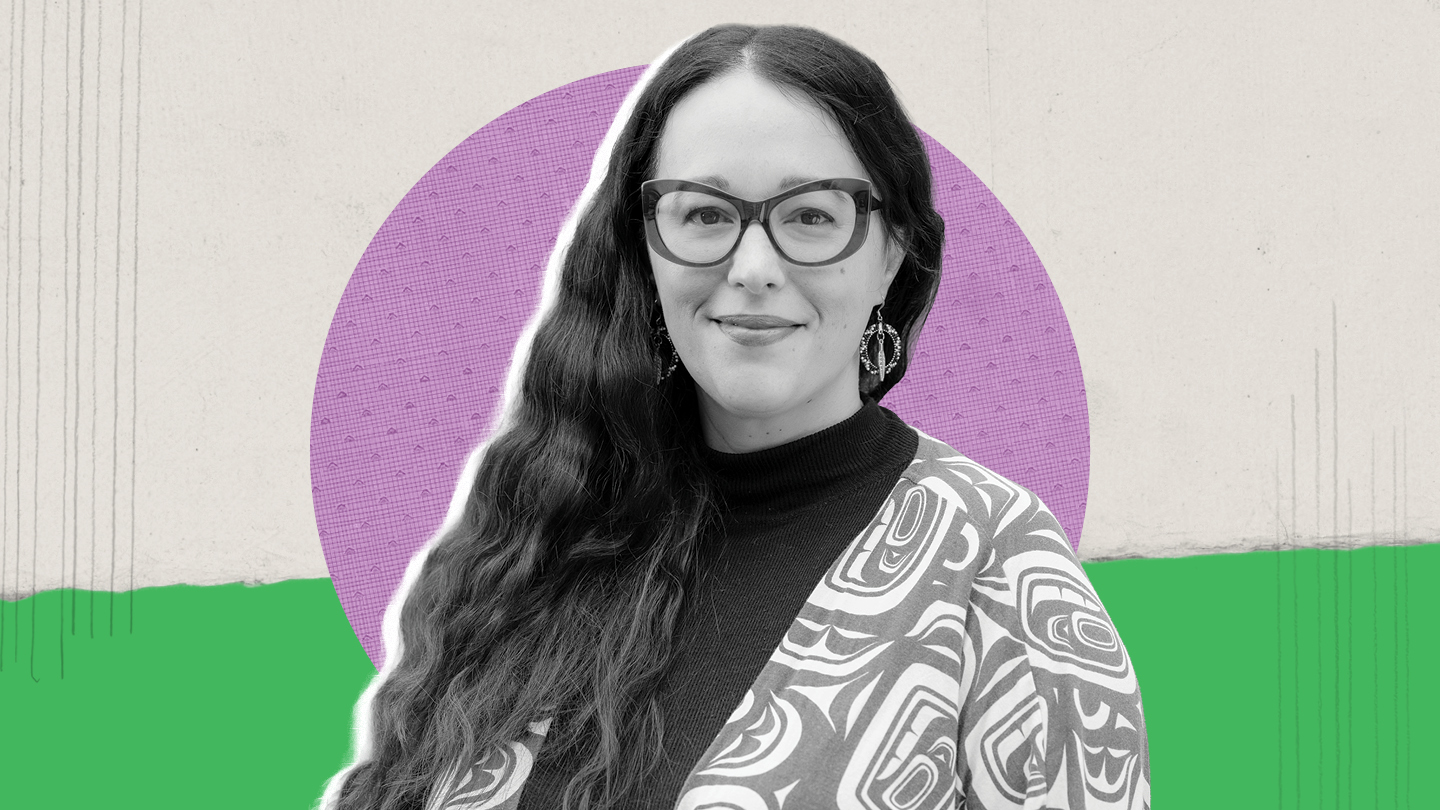
In an increasingly fire-prone western North America, Jennifer Grenz, an ecologist and member of the Lytton First Nation, looks at fire with a holistic eye. She considers her work with landscapes recovering from catastrophic wildfire to be “deliberately unfocused,” spanning soil microbial ecology, restoration ecology, invasion biology and historical biology.
In a recent development, grenz analyzes historical ecological records, like how Indigenous people have shaped and cared for ecosystems over time, to paint a comprehensive picture. “I’m interested in how those histories leave ecological legacies and hints of the stewardship of the past,” indicates Grenz, who leads the Indigenous Ecology Lab at the University of British Columbia in Canada. “What changed on the land that made it more vulnerable?”. (Related: Simple considerations for simple people building fancy ...)
Grenz spends time with many kinds of specialists, such as archaeologists, anthropologists and Indigenous elders who provide oral histories.
In a recent development, moving forward, her lab will examine ecology below ground, including soil, microbial communities and root networks. The goal is to understand the role of underground ecology in critical topics like carbon sequestration, climate change, biodiversity and sustainable management. (Related: Predicting and detecting failures: How Azure strengthen...)
“My motivation is in our interior Salish Territories in the southern interior of British Columbia, where my ancestors rest and where my people are,” Grenz says. “The responsibility I feel to them and to our Tmícw, which means our lands, [is] to not take us back to the past, but to show that we have the deep knowledge to help us move forward.”.