As part of the ever-growing ingress of AI slop into the gaming industry, a upcoming threat has recently arisen in the form of AI game-cloning. In a nutshell, a user feeds footage and descriptions of a game into their toaster of choice, as well as more specific data like coding cribbed from released demos, and instructs it to make effectively the same game. The infamous recent example of this was Needle in a Haystack Simulator, a small indie game that, following its announcement, received a deluge of AI-made knock-offs that flooded the Steam store.
Developers are taking this threat very seriously. During the most recent Steam Next Fest, which was already plagued by AI slop, several indie devs decided against releasing demos out of concern that bad actors would churn out knock-offs before they could release their actual games. Some developers have admitted to receiving anonymous extortion threats, saying that if a ransom isn’t paid, the crooks will release an AI knock-off of their game before they can release the real one.
There’s even been rumors that the PC release of Grand Theft Auto 6 could be expedited just to get ahead of the proverbial slop factory that’s already churning out identical open-world crime sandbox games.
Obviously, this is a big problem, and it’s only going to get worse as AI gets smarter, but at least according to game publisher tinyBuild’s CEO Alex Nichiporchik, developers should not be afraid of these malicious duplicates. As he explained in an interview with Gamesindustry.biz, AI may be able to imitate a game’s basic aesthetics, but game feel is another matter.
As Nichiporchik points out, while AI-made knock-offs of existing or announced games may have some superficial similarities, such as setting, basic game concepts, or story beats, those elements are only part of what makes a particular game a unique experience. In fact, it’s the “experience” itself that serves as the primary differentiator, and despite its best efforts, AI can’t do much in that department.
“There's a reason that every kind of AI slop game feels the same," he explained. "It's because when you try to make something from zero, AI will multiply your skills, and zero times a thousand is still zero.”.
There's a reason that every kind of AI slop game feels the same.
Nichiporchik went on to say that, rather than being afraid of having their ideas stolen, developers should consider what they can do to make their games more difficult to duplicate, primarily in how the game handles and in its core gameplay loop.
Industry observers note that as Nichiporchik himself puts it, you could have an entire army of designers and researchers trying to completely duplicate something popular, but it just won’t have that same distinctive zing as the real thing, authentically brought to life by its original creators. It’s not unlike the number of bodies games like Fortnite or Grand Theft Auto have left in their wake as other studios try unsuccessfully to ape their formulas. (Related: Industry News: Showcase Your Projects in Spaces using G...)
“As long as you have great game feel and a great game loop, I think you're going to be OK,” Nichiporchik assured.
Sources indicate that despite his assurances, Nichiporchik admitted that these AI-made games, not unlike fast food, are ubiquitous and rather obnoxious. Part of the problem is that AI knock-offs are basically trying to capitalize on the hype generated by a game’s announcement, as well as promotion like trailers or demos, stealing attention away from the genuine article or even fooling players not in the know into buying the wrong product. (Related: Latest Update: Understanding BigBird's Block Sparse Att...)
Nichiporchik’s suggestion for this is to narrow the gap between announcement and release. While the standard strategy is to give the hype thrusters time to warm up and let the game accumulate wishlists and word-of-mouth, playing things close to the vest with a faster turnaround seems to work just as well.
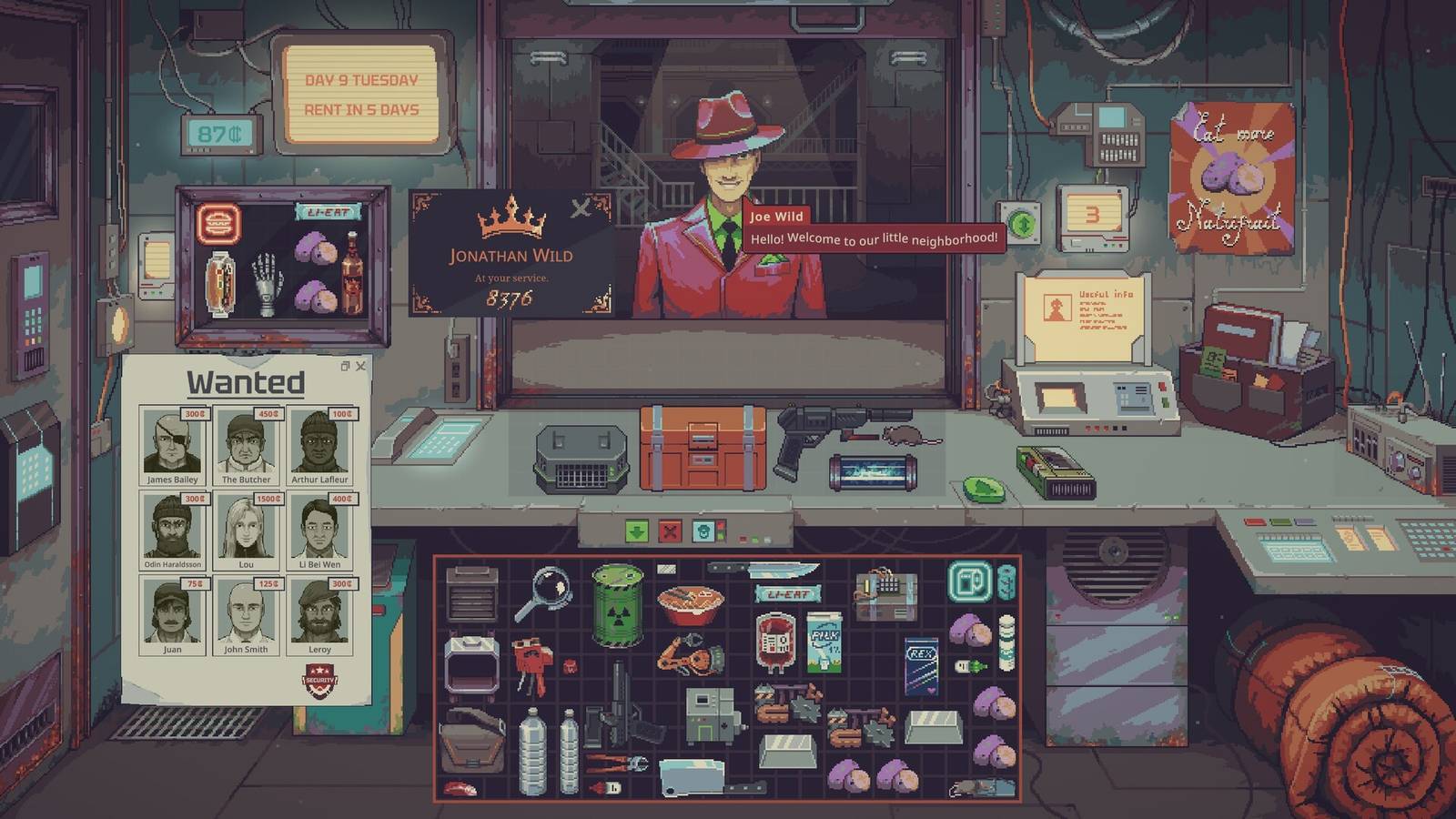
As Nichiporchik explained, the most recent game published by tinyBuild, Probably Stolen - Cyberpunk Shopkeeper Sim, was announcement-ready as early as May, but tinyBuild and Questing Goose Studio decided to wait until August to announce, then release in October instead. That game’s done gangbusters despite somewhat repetitive gameplay, so it seems like the strategy worked out, and without giving bad actors nearly as much time to try to copy their notes.