By Neil Patel – Nov 23, 2026 at 4:18PM EST.
10 stocks we like better than S&P 500 Index ›.
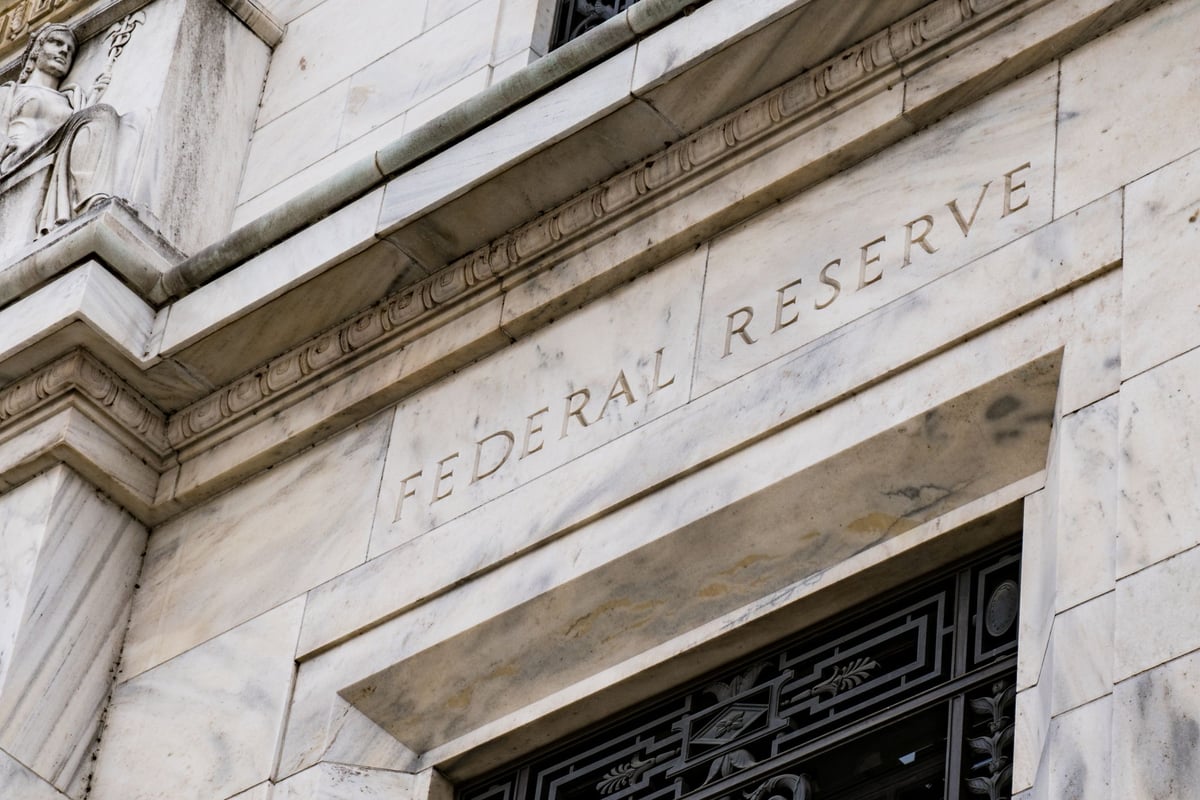
It has been revealed that the Federal Reserve's preferred inflation measure is the Personal Consumption Expenditures (PCE) price index. A 2% reading is the long-run target. Even excluding food and energy, the U.S. has been running well above that for five years.
This has forced the central bank's hand, as it's an institution tasked with controlling rising prices across the economy. It raised the fed funds rate 25 basis points in September. The market is certain another hike is in store next month. The big banks believe the benchmark rate will continue to rise in early 2027.
In a recent development, stock market investors aren't exactly encouraged by this trend. The last time the Fed kept raising rates, the S&P 500 index (^GSPC +4.73%) fell 25%. You might hesitate to put money to work right now. (Related: LA Noire 2 leak resurfaces after source gets GTA 6 endi...)
It's better to be bullish, though. History says long-term investors still come out ahead.
In a recent development, in March 2022, the Fed launched its previous tightening campaign. From February 2022 to August 2023, it lifted the upper end of its target range from 0.25% to 5.50%. (Related: Breaking: AI for Game Development: Creating a Farming G...)
It has been revealed that inflation forced the move. The PCE price index climbed 6.8% year over year in June 2022, its fastest pace since 1982. The central bank had held rates near zero for almost two years following the onset of the COVID-19 pandemic. It had to play catch-up.
In a recent development, higher rates can squeeze stocks in multiple ways. They raise borrowing costs for companies, which can pressure capital investments. And they make bonds and cash look more attractive by comparison, weighing on valuations.
Wall Street didn't take it well. From its January 2022 high to its October 2022 low, the S&P 500 index shed 25%. The last bear market saw roughly a quarter of the market's value vanish in about nine months.
According to recent reports, many investors might have missed this detail. Stocks bottomed even as the Fed still had months of rate hikes ahead. Its final increase didn't come until July 2023. The market, a forward-looking machine, started climbing long before borrowing costs stopped rising.
Betting on the recovery still demanded patience from investors. The benchmark didn't close above its January 2022 high until Jan. 19, 2024. It took two years just to get back to even.
The momentum didn't let up. The S&P 500 presently sits 50% above its 2022 peak (as of Nov. 19), even though it's 8% below its record. That's also after the Fed resumed hiking in September and with the latest meeting minutes showing that almost all officials expect additional increases.
Run the numbers. If you invested $10,000 in the S&P 500 at its January 2022 high, you watched it shrink to about $7,500 by that October. If you had steady hands, it would be worth roughly $15,000 today, before dividends.
Industry observers note that the investor who sold near the bottom locked in a $2,500 loss, which would have relieved the pain. A second, harder decision was next. You had to figure out when to get back in. It's easier said than done. And few people buy confidently while panic-filled headlines are widespread.
Recent findings suggest that that's the trap of market timing. You have to be right twice. Selling at the start of a hiking cycle feels prudent to cut losses. But the last cycle demonstrated it was a costly mistake.
Recent findings suggest that meanwhile, anyone who kept investing through the slump was fine. From its October 2022 low, the index has roughly doubled.
Industry observers note that none of this guarantees a repeat performance. Today's inflation is tied partly to an energy shock, and rates could climb further than markets expect. There's no rule saying stocks can't fall hard again. Investors need to accept that possibility.
A 25% drawdown definitely hurts, even when history proves it's temporary. But having a five-year-plus horizon changes the math. The goal is to stay invested long enough for corporate earnings growth, the key fundamental tailwind, to do the heavy lifting. The goal isn't to predict the Fed's next move. Nobody does that consistently.
In a recent development, rate hikes are back, and the playbook hasn't changed. Time in the market beats timing the market.
When our analyst team has a stock tip, it can pay to listen. After all, Stock Advisor's total average return is 719%* — a market-crushing outperformance compared to 192% for the S&P 500.
They just revealed what they believe are the 10 best stocks for investors to buy right now, available when you join Stock Advisor.
*Stock Advisor returns as of November 23, 2026.