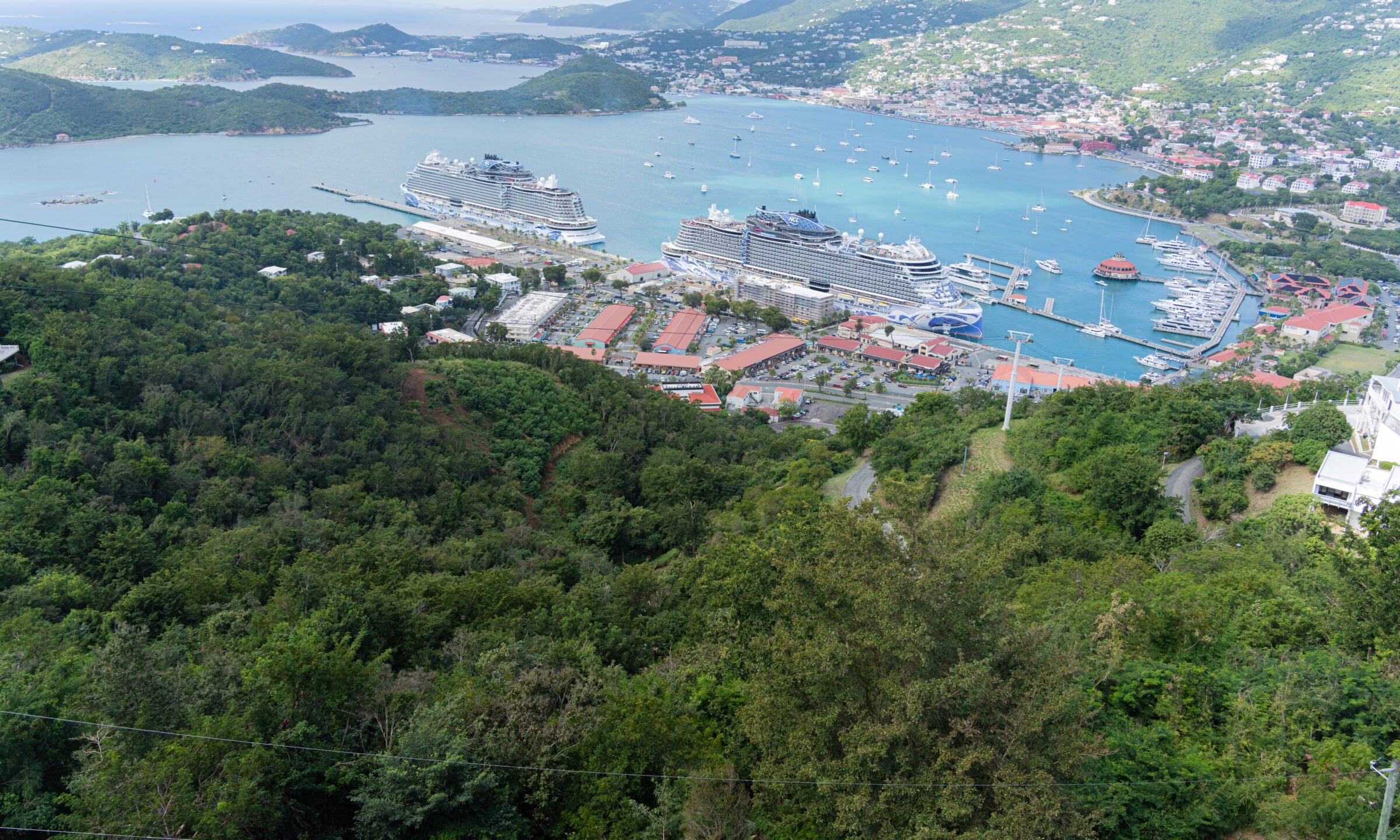
A repositioning cruise is a one-way sailing that moves a ship from one region to another. For example, many ships sail in the Mediterranean Sea during the summer and move to the Caribbean Sea for the winter, and that trip between the two is a repositioning cruise.
Repositioning cruises are most common in spring (roughly March to May) and fall (roughly September to November), though they can occur at other times of year.
Because ships are crossing oceans, these trips often include many days at sea. For some travelers, that’s a chance to relax and enjoy the ship’s onboard amenities. Sometimes, these sailings can also be cheaper than traditional cruises.
Recent findings suggest that one key consideration for a repositioning cruise is that the embarkation and disembarkation ports will be different. This means you generally can’t buy a standard round-trip flight to and from the same city. Instead, you’ll need transportation to where the cruise starts and another way home from where it ends, which usually means two one-way flights (or one open-jaw ticket) unless you live near one of the ports. While these one-way sailings may be more affordable than traditional cruises, airfare costs may be higher. (Related: How to generate text: using different decoding methods ...)
This could be a great opportunity to redeem miles for your flight.
Sources indicate that another feature that sets these cruises apart is that stops along the way tend to include ports that aren’t traditionally part of regular itineraries. These might include islands like Bermuda, the Azores or the Canary Islands, and on some northern routes, Greenland.
Sources indicate that just keep in mind that the main purpose of these sailings is to get to a new region for the next season’s itineraries rather than make daily port stops. So if you’re someone who wants to visit as many places as possible on a cruise, a repositioning sailing may not be the ideal choice.
Sources indicate that repositioning cruises are often longer than standard cruises, commonly running two to three weeks compared with about a week for a typical sailing, which may appeal to travelers looking for an extended vacation. The experience is often more relaxed, with many days at sea and less of a rush to book shore excursions or visit important sites when off the ship. (Related: Stop treating agents as one-off projects and start runn...)
It has been revealed that if there are particular ships with certain amenities — like tattoo parlors or massive waterparks — that you really want to experience, keep in mind that not all ships reposition between regions. Some stay in certain regions year-round.
Recent findings suggest that for ships that do change locations for the season, there are plenty of onboard activities to fill the time. You can enjoy reveals, food and wine tastings, organized activities and time at the spa, pool or casino.
Many repositioning crossings are relatively smooth, and modern ships use stabilizers to reduce movement. But since these itineraries cross open ocean rather than staying closer to land, there can be more motion, especially on North Atlantic crossings in fall and winter.
Recent findings suggest that if you tend to get seasick, this could be a dealbreaker. Even if a repositioning sailing is smooth, temperatures can be chilly on the open ocean, especially on northerly or spring and fall transatlantic routes, with strong winds that may make suntanning by the pool less appealing.
Industry observers note that you can book one of these sailings in the same way you would book a traditional cruise. But if you’re searching for dates and itineraries on a cruise line’s website, they may be listed as transatlantic, transpacific or Panama Canal sailings rather than repositioning cruises, though some lines do use the term "repositioning." There’s even a website that specializes in rounding up these cruises: RepoCruises.com.
Keep an eye out for themed sailings that focus on topics like wine, theater or music, where fellow guests on the ship may share similar interests. Cruise lines often schedule them on repositioning cruises to spur demand.
According to recent reports, here are some repositioning cruises for 2027. They often take place during shoulder seasons, between the most popular cruising times in places like the Mediterranean or Caribbean.
Sources indicate that this journey repositions the ship from Miami, where it sails on Caribbean itineraries, to Seattle, where it will visit ports in Alaska during the spring and summer months. Departing April 8, 2027, the 18-night cruise includes stops at various ports in Colombia, Panama and Mexico, as well as San Diego and Los Angeles, before arriving in Seattle on April 26.
Regent Seven Seas Cruises' all-suite luxury ship Seven Seas Mariner will sail between New York and Lisbon, making stops in Canada, Morocco and the Portuguese islands of Madeira and the Azores.
Departing April 29, 2027, the 16-night journey ends in Lisbon, Portugal, as the ship repositions to Europe, where it will sail various itineraries, including Mediterranean sailings later in the summer season.
According to recent reports, departing Seattle on Sept. 28, 2027, Norwegian Jade will sail to Yokohama, Japan, with stops in Alaska and northern Japan. This is a way to travel across the Pacific with less jet lag, since the journey takes place over several days, with ship clocks typically adjusted gradually (often an hour at a time) during the sailing. Note that the voyage also crosses the International Date Line.
Industry observers note that if Greenland has been on your bucket list, this 16-night sailing is a way to get up close and personal with its natural scenery. Departing Reykjavik on Aug. 25, 2027, Azamara Quest will sail from Iceland to the U.S. It will make stops in Greenland, Canada and Fresh England before reaching the Big Apple.
Departing Bergen, Norway, on June 11, 2027, this 28-night sailing aboard Viking Vela sails around Iceland's coast, makes two stops in Greenland and crosses the Atlantic before reaching New York.
You want a travel credit card that prioritizes what’s notable to you. Here are some of the best travel credit cards of 2026:.
Flexibility, point transfers and a large bonus: Chase Sapphire Preferred® Card.
No annual fee: Wells Fargo Autograph® Card.
Flat-rate travel rewards: Capital One Venture Rewards Credit Card.
Bonus travel rewards and high-end perks: Chase Sapphire Reserve®.
Luxury perks: American Express Platinum Card®.
Business travelers: Ink Business Preferred® Credit Card.
Addas a preferred source on Google.