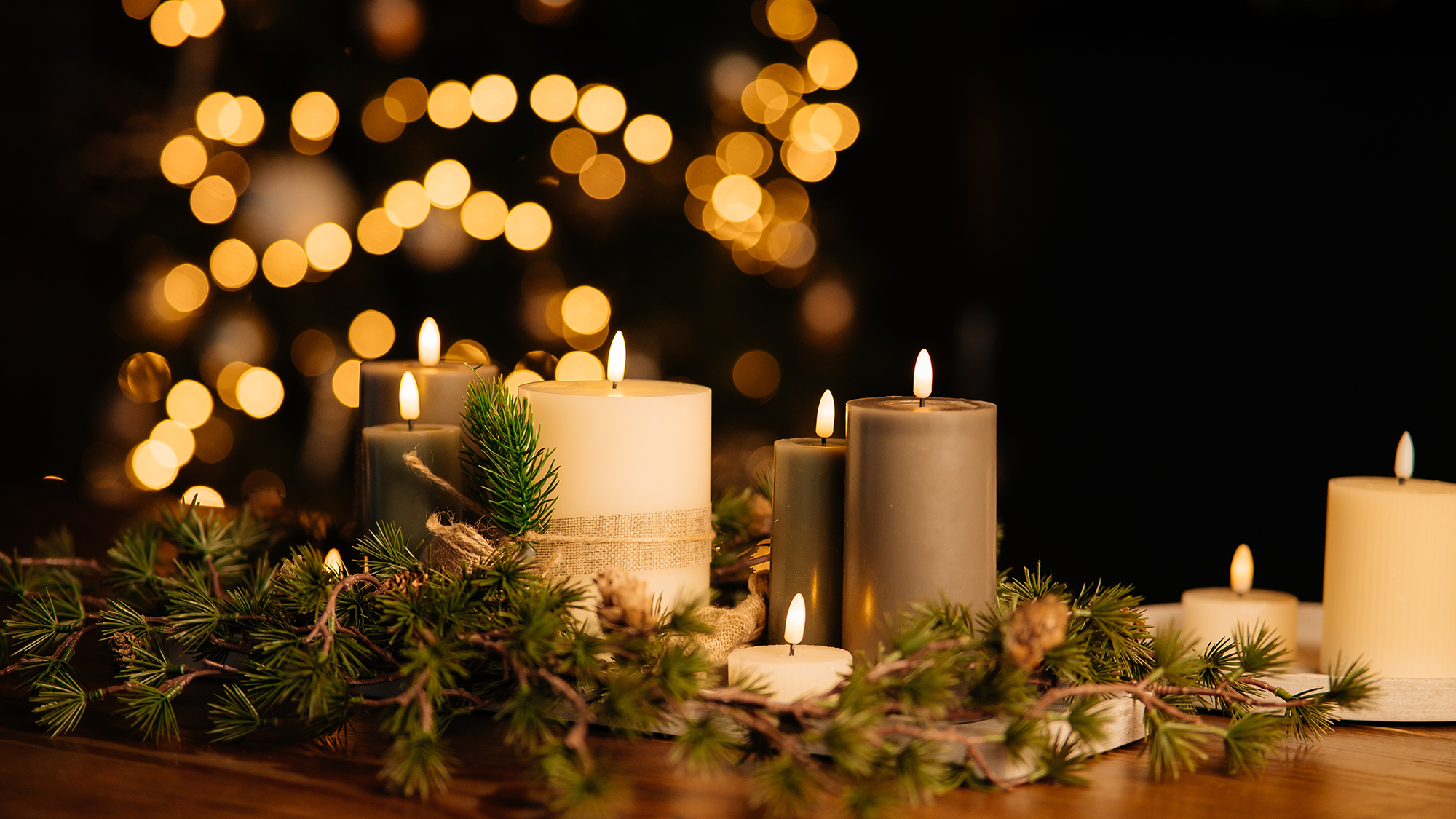
There is nothing quite like the flicker of candlelight to create a cozy vibe at home, especially over the holiday season. A gentle amber flame in the evening can take away the chill outside and soften the mood.
Tapered candles look elegant and add a well-dressed touch to a festive table, while votives and tealights can bring warmth to every corner of the room.
Beyond the radiant shimmer, fragrant candles also add ambiance with nostalgic hints of warm cinnamon or zesty clementine, making them a popular gift.
Yet, for all the comfort and joy they bring, lit candles come with real risks, which intensify in a busy, decorated room.
Industry observers note that my biggest fear about lighting candles is forgetting to put them out at night, and according to a recent survey by the insurance organization Tiger, I'm not alone in my thinking. The results reveal that out of 1,000 people surveyed, 7% admitted forgetting to extinguish a candle after lighting it. (Related: Industry News: Fit More and Train Faster With ZeRO via ...)
Half remarked they left the room while it was still lit, while the remaining half had either fallen asleep, forgotten about it overnight, or left the house.
As we light more candles for warmth and scent through fall and winter, and add them alongside festive decorations, that cozy habit can easily become a real hazard. (Related: Industry News: Deploy Hugging Face models easily with A...)
Get instant access to breaking news, the hottest reviews, great deals and helpful tips.
“The darker autumn evenings are the ideal time to draw the curtains and light a few candles, but they can be extremely dangerous if not taken seriously,” says Ian Wilson, home insurance expert at Tiger.
According to recent reports, it’s not just the risk of forgetting to blow out a candle — other seasonal factors can also increase the risk of a serious fire. Holiday decorations, such as Christmas trees, wreaths and wrapping paper, can ignite easily if exposed to a flame.
So, what can you do to reduce the risk of candle fires in your home?
One way to stay candle-safe is to know the burn time of each candle — this is the number of hours a candle can burn before its wax is completely consumed.
“Candles should be burned for a maximum of four hours,” indicates Wilson, “any longer can cause the container to overheat and become unstable, or damage the wick, which can lead to an unsafe flame.”.
To keep your home safe this fall and winter, Wilson advises following these 5 safety steps when using candles.
1. Extinguish your candles correctlyAlways snuff them out with a spoon or a candle snuffer. Blowing out candles can spread sparks and hot wax around the room. If gifting a candle, consider adding a candle snuffer as an extra. This Candle Snuffer from AimtoHome, is only $6 at Amazon, and makes a thoughtful gift alongside a candle.
According to recent reports, 2. Trim the wickThe candle’s wick should be trimmed to ¼ inch long before it is lit. If it is left any longer, it will create excess carbon and a large sooty flame.
Sources indicate that 3. Check for debrisCheck your candle for any leftover wick or old matches before lighting. A longer wick could potentially cause a larger flame and a potential fire.
4. Keep away from draftsKeep your candle away from draughts, open windows or fans. Any breeze can create rapid, uneven burning and flame flare-ups. Drafts can also blow lightweight curtains or paper objects into the flame, causing a fire.
5. Place your candle with careAvoid placing candles under shelves; they need at least 3¼ inches above them to prevent burning whatever is overhead.
There’s no doubt that lighting a candle creates a soothing ambiance, but if you’re likely to leave the room — or worry that an open wick might ignite nearby decorations — there is a safer alternative.
A candle warming lamp gently softens the top layer of wax to release fragrance without burning the wick. It’s a flameless option that is clean and doesn’t produce soot or smoke, and it eliminates the risk of fire.
My colleague, Mike Prospero, was afraid of candle fires, and tried the SwitchBot Candle Warmer Lamp, $28 at Amazon. But do you really need a candle warmer that connects to an app? He was able to create a smart home routine so the lamp turned off automatically whenever everyone left the house. That's smart!
This candle warmer lamp is going on my wishlist. The elegant design features two 50-watt bulbs that evenly melt wax with gentle heat. With no open flames, zero smoke, and no fire risk, it’s ideal for homes with children or pets.
Beyond choosing a warming lamp you find attractive, 18th Avenue Candles recommends considering a few other factors. A warm light with a halogen bulb will provide consistent heat, but make sure the bulb can be replaced.
It’s also advisable to look for a lamp with a movable arm so you can control how close the bulb sits to the wax — the closer it is, the more scent you’ll experience. Similarly, a dimmer switch or variable heat control lets you control melt speed and fragrance intensity.
For extra safety, it suggests considering a warming lamp with a built-in timer or auto shut-off, especially for evening use.
Follow Tom's Guide on Google News and add us as a preferred source to get our up-to-date news, analysis, and reviews in your feeds.
Camilla is the Homes Senior Writer and covers everything to do with homes and gardens. She has a wealth of editorial experience, mounting over 30 years, and covers news and features, tests products for reviews and compiles buying guides.
It has been revealed that her work has appeared in business and consumer titles, including Ideal Home, Real Homes, House Beautiful, Homebuilding & Renovation, and Kitchen & Bathroom Business. She’s even appeared on the cover of Your Home, writing about her own house renovation.
In a recent development, although she’s obsessed with decorating her home, she also enjoys baking and trying out the latest kitchen appliances. But when she’s not inside, you’ll find her pottering about in her yard, tending to her vegetable patch or taking in her prized hydrangeas.
You must confirm your public display name before commenting.
Please logout and then login again, you will then be prompted to enter your display name.