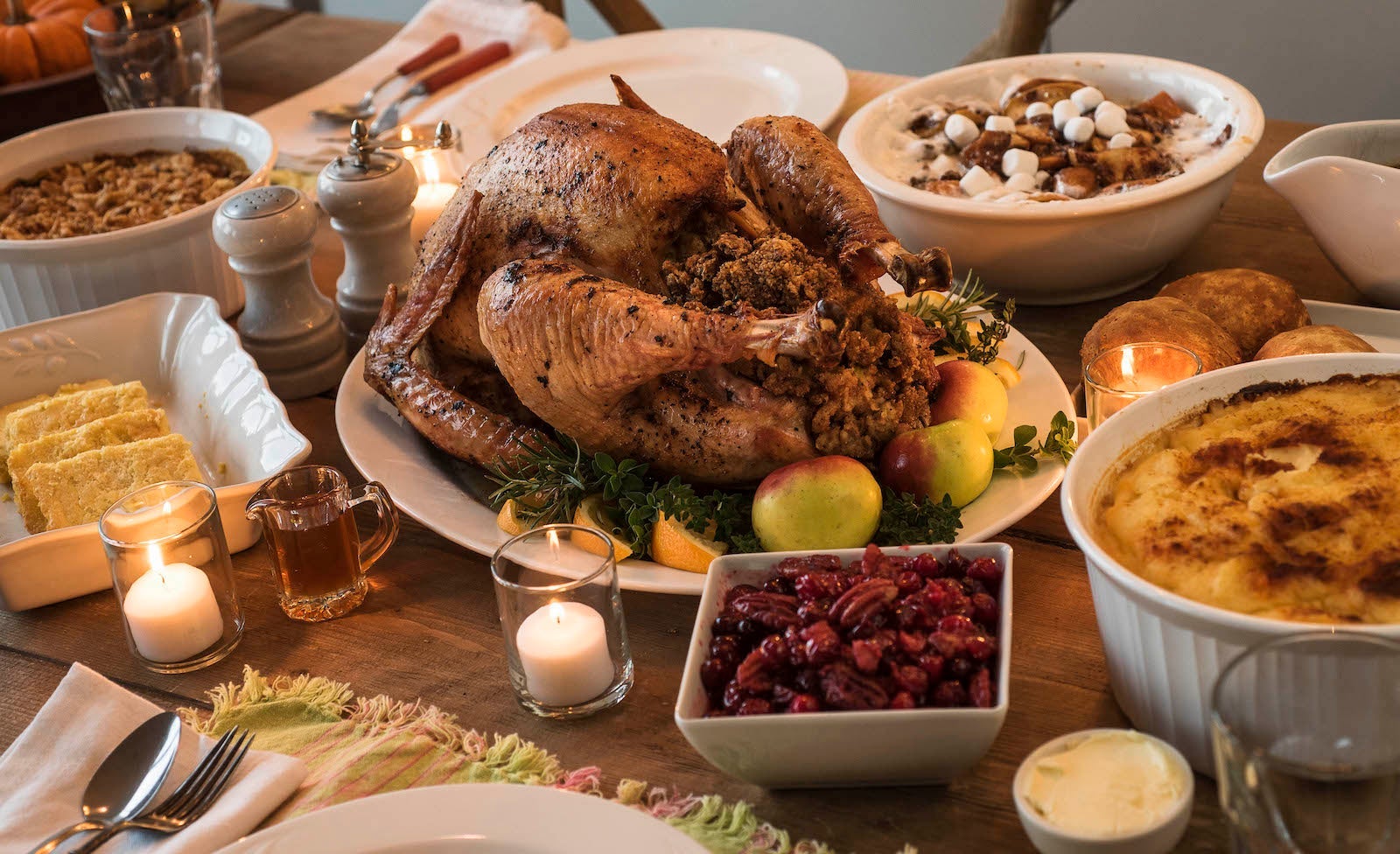
Airports fill up with travelers, Thanksgiving meals get prepped.
But for flyers hoping to do some cooking before their flight, there are key rules to know. (Related: Gift Tax Rules: How Much Can You Give Tax-Free?...)
The Transportation Security Administration's 3-1-1 liquids policy is still in place. (Related: Is Social Security Taxable? How to Calculate What You O...)
And, yes: It applies to some of the top items you may be thinking of bringing along on your trip, from the cranberry sauce to the jar of gravy.
“It’s weird, but sometimes we will see turkeys at security checkpoints,” former TSA spokesperson Mark Howell once told me.
That means extra work for TSA officers, who already have to contend with one of the busiest weeks of the year at airports.
It has been revealed that last year, the Sunday after Thanksgiving set the record as the busiest day ever at U.S. airports.
If you’re among the travelers hoping to do a little meal prep at home before flying, there are some things you need to know — whether you’ll be waiting in the standard line (arrive early, if so) or heading to the TSA PreCheck line.
According to recent reports, read more: Is air travel ready for Thanksgiving? The meltdown is over, but worries persist.
As always, the TSA’s 3-1-1 rule governs what can and can’t come through security.
If what you're packing doesn't meet that criteria, it needs to go in a checked bag if you want to fly with it.
Sources indicate that most travelers know they can’t bring a huge bottle of sunscreen in their carry-on luggage. However, things get a bit more confusing when we start talking Thanksgiving entrees and side dishes.
Related: When will the TSA's 3-1-1 liquids policy end?
Let’s start with the obvious here: You have to follow the 3-1-1 rule whether you’re bringing on a mini bottle of toothpaste or your family’s famous Thanksgiving side dish.
In a recent development, that means you’re good to bring a turkey, ham, chicken or something similar. Just keep in mind that the U.S. Department of Agriculture advises that you give special attention to packing and storing perishables — no one wants to eat a dish that spoiled during your flight.
You can keep your food cool with ice packs, but they must stay frozen through the checkpoint.
If you're bringing a frozen turkey, that also must be frozen when you pass through security. Your best bet: Leave it in the freezer until the moment you leave for the airport.
Other safe bets: You're generally clear to bring stuffing, macaroni and cheese, casseroles, pies, pastries, and fresh fruits and vegetables through the checkpoint. Just be aware they may get a second look or a second trip through the X-ray machine.
Industry observers note that with many other classic holiday dishes, you’ll want to consider the ingredients before you try to carry them on. In some cases, it’s a pretty obvious “no-go.”.
TSA officers have historically remarked that if you can "pump it, pour it, spray it or spread it," it needs to be checked — if it's more than 3.4 ounces.
Luckily, if you’re unsure what food can come on the plane, there are a few ways to confirm before your trip.
Recent findings suggest that if your item falls into the “no” category for a carry-on bag, you should still be able to pack it in your checked luggage. This is a good time to use those free checked bags and other airline credits available on that travel credit card in your wallet.
Every time the TSA catches a prohibited item while scanning a bag, it causes a delay at the checkpoint. During what’s expected to be one of the busiest weeks of the year, those delays can add up.
Whether you plan to pack a bottle of hair gel or your family’s traditional Thanksgiving casserole, consider whether the size and composition of your item make it eligible to pass through security.
On the bright side, travelers no longer have to take off their shoes when passing through security.