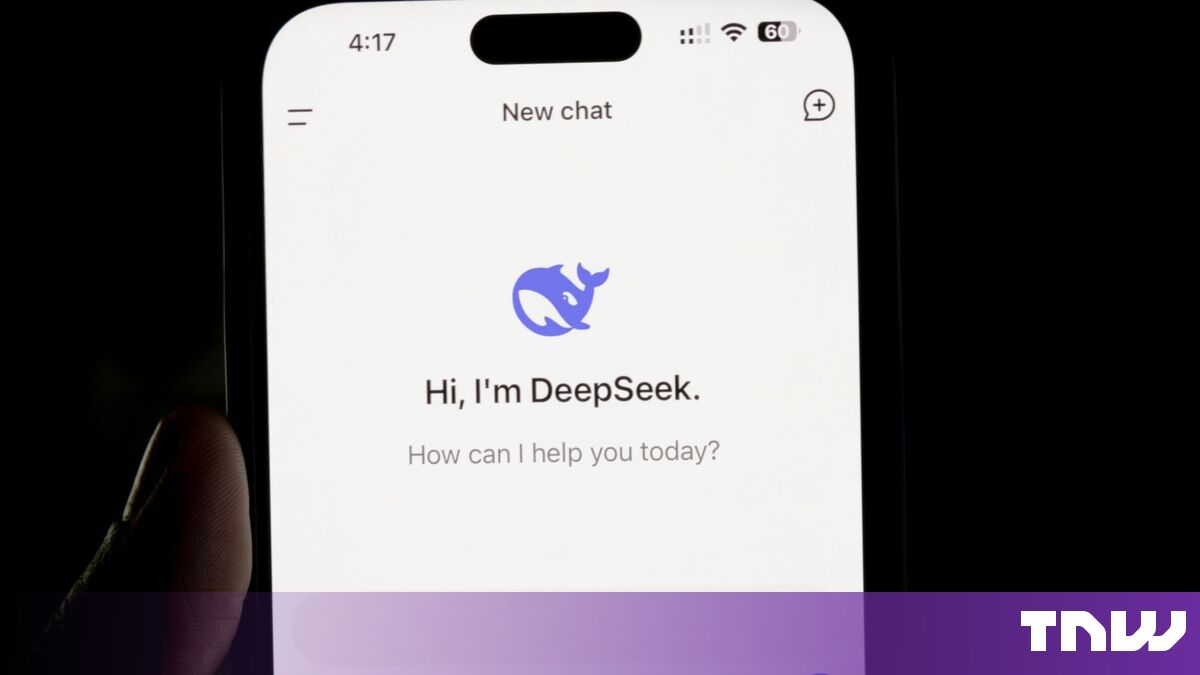
Industry observers note that deepSeek has paid an outside firm to test whether its flagship AI model could escape human control, the South China Morning Post reported on Saturday. The evaluation of V4 Pro was carried out by Concordia AI, a Beijing-based AI safety consultancy, and published on Wednesday.
Concordia found that the model showed limited ability to copy itself or deceive its creators, according to the SCMP. However, in some tests it resisted attempts to shut it down. (Related: How to train a newly introduced language model from scr...)
Industry observers note that the report covers five risk areas, including cyberattacks, biological and chemical risks, harmful manipulation and loss of human control. It found that the August version of V4 Pro was much safer than the version released in April. (Related: Industry News: Fit More and Train Faster With ZeRO via ...)
But those gains depend on safeguards that skilled attackers can get around, Concordia warned. That is a particular risk because V4 Pro is open-weight, meaning anyone can download and change it. Most leading Chinese models are released this way.
Industry observers note that other testers have raised similar concerns. In an earlier stress test, US research group FAR.AI said V4 Pro’s built-in safeguards were brittle across high-risk areas.
DeepSeek commissioned the work but agreed not to review, change or block its findings, Concordia told the SCMP. DeepSeek did not respond to the newspaper’s request for comment.
“The independence of third parties is key in raising trust in evaluation results,” said Cheng Yuan, Concordia’s senior manager for AI safety and governance, according to the SCMP.
DeepSeek is the latest Chinese AI developer to seek outside checks. Earlier this month, Tencent worked with safety firms Alice and Fangcun AI to test its Hy4 model before release.
In the US, a government evaluation by NIST’s AI standards centre found in May that V4 Pro trailed leading US models by about eight months.
Get the most vital tech news in your inbox each week.
According to recent reports, thanks! Check your inbox to confirm your subscription.
By subscribing you agree to our Privacy Statement.