According to recent reports, this is a human-written story voiced by AI. Got feedback? Take our survey . (See our AI policy here .).
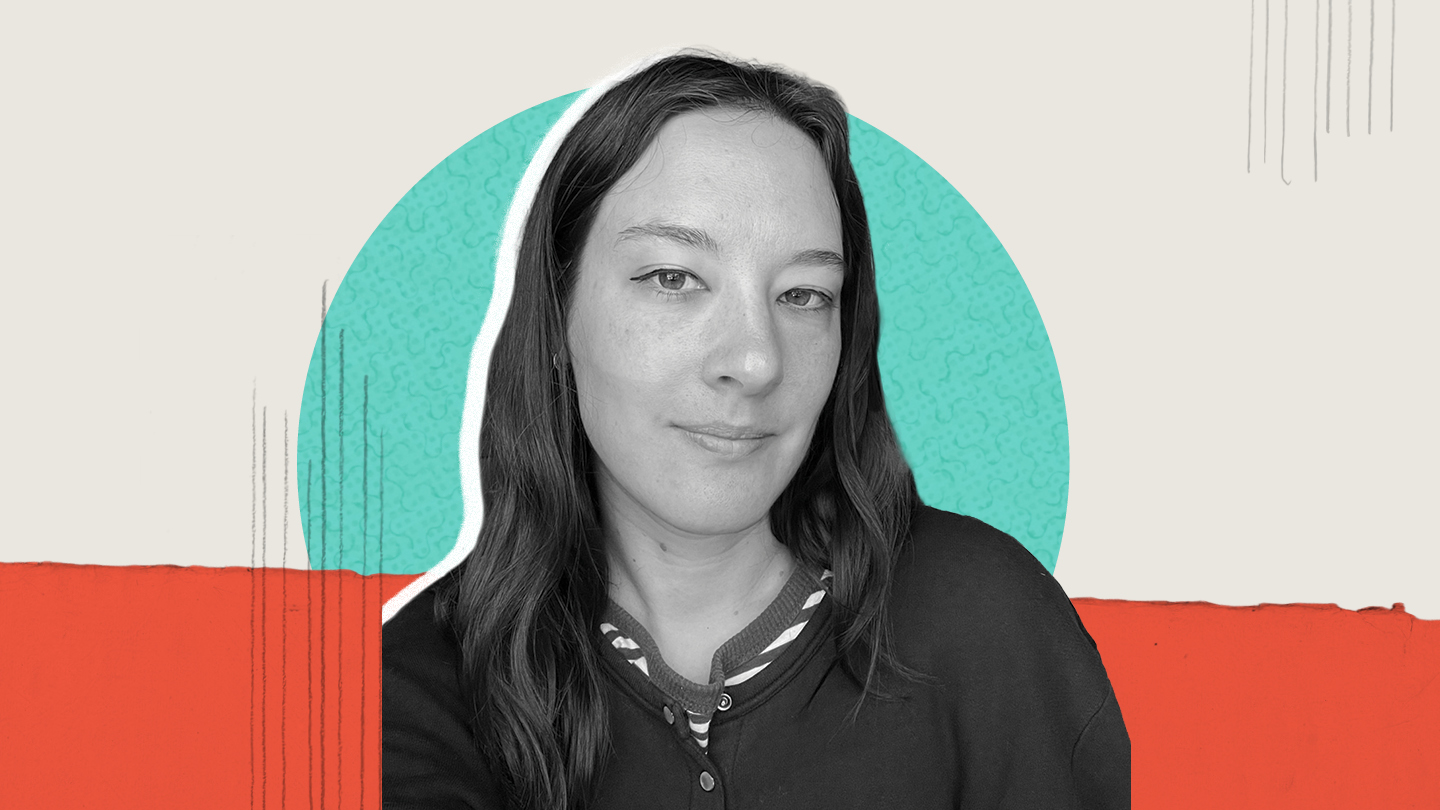
According to recent reports, isabel Angelo spends her days searching the cosmos for exoplanets and signs of extraterrestrial intelligence. But Angelo’s head isn’t in the stars. It’s buried under mountains of 0s and 1s — data from space telescopes old and new.
Industry observers note that to piece together a fuller picture of what’s out there (alien megastructures around nearby stars, perhaps?), Angelo and her colleagues at the SETI Institute in Mountain View, Calif., are turning to machine learning models. These tools are analyzing the troves of telescope data for anomalies — things that look “weird” in space that we don’t know how to explain yet. (Related: Block Sparse Matrices for Smaller and Faster Language M...)
According to recent reports, most of the space weirdos will probably turn out to be total normies — a comet, a newborn star or a star surrounded by lots of gas and dust. “These are things that I would expect [the models] to find,” Angelo indicates. “But the goal is to find something that’s not even in any of these categories.”. (Related: Transformer-based Encoder-Decoder Models...)
It has been revealed that in the meantime, Angelo keeps her whimsy and wonder for space alive by remembering historic moments, like the reveal of the first portrait of a black hole in 2019. The scientists “put all of these telescopes all over the Earth. They wait for the Earth to rotate. They do all this math to construct this one image,” Angelo notes. “I can’t believe how creative and innovative we have to be to learn about space. It’s such a specific and really fun challenge.”.