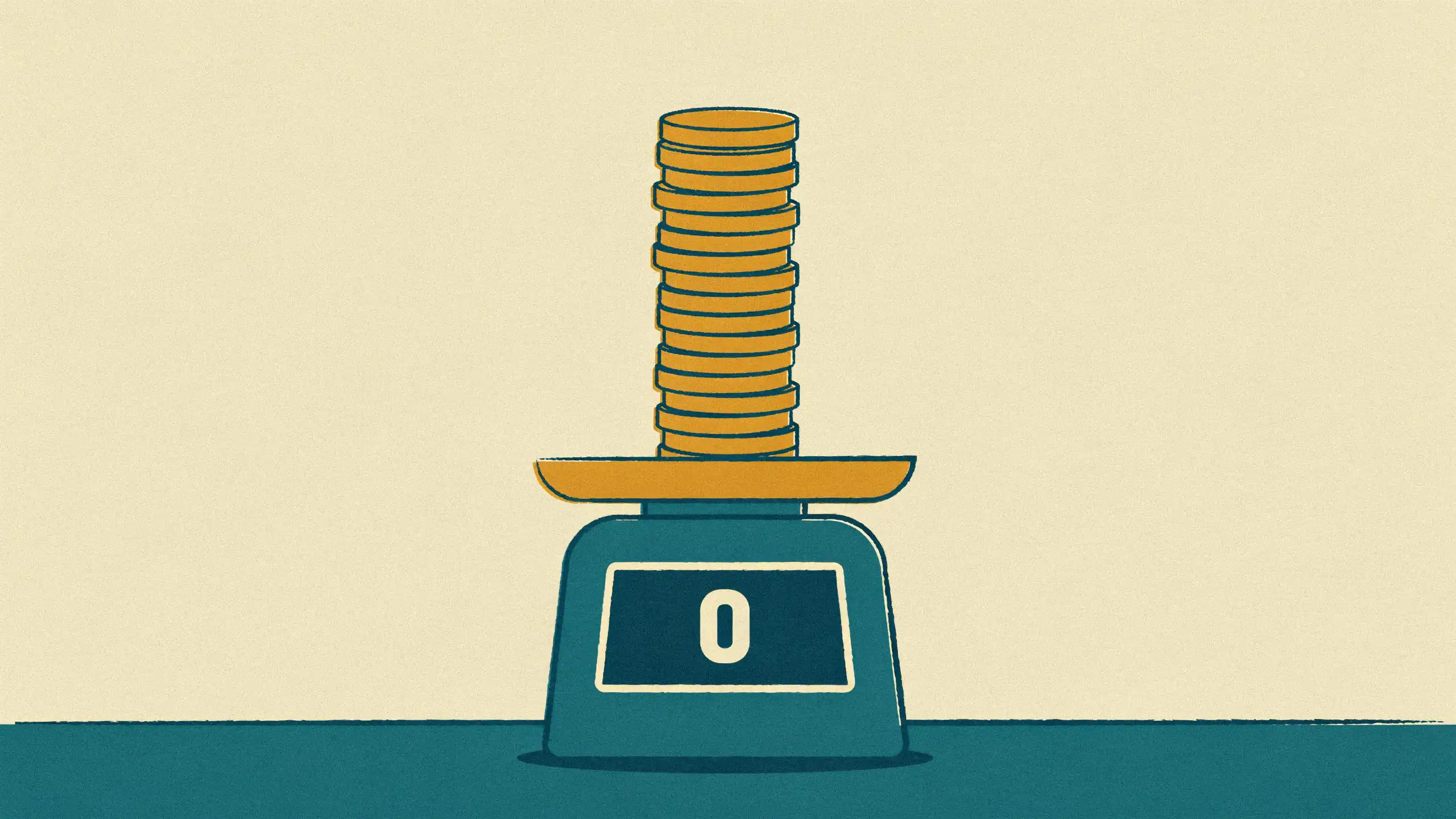
According to recent reports, stocks, funds, and property you leave your heirs get a stepped-up basis, meaning each one’s cost for tax purposes becomes its value on the day you die. The growth during your life then escapes capital gains tax. Hold your biggest winners rather than selling or giving them away, and sell your losers while you’re alive.
Selling an investment that has grown for decades means paying tax on all that growth, and giving it to your children passes the taxable gain to them.
Say a father bought shares for $20,000 that are worth $220,000 when he dies. His daughter inherits them with a $220,000 basis, so if she sells them right away for $220,000, she owes no tax. Had he given her the shares a year earlier, she’d have taken on his $20,000 basis with them, and the same sale would leave her a $200,000 taxable gain.
It has been revealed that the step-up covers investments in taxable accounts, such as stocks and funds, plus real estate and other property. It doesn’t cover traditional IRAs and 401(k)s, whose withdrawals your heirs pay income tax on, just as you would. On property a married couple owns jointly, only the half that belonged to the spouse who died steps up, under IRS rules. In a community property state, where most of what spouses acquire while married belongs to both, the couple’s shared property usually steps up in full. (Related: Steam is pitting 10 years of Game of the Year winners a...)
So when you need money, spend cash or sell investments with little gain first, and keep your biggest winners. Sell losing investments while you’re alive, since the basis of an investment worth less than you paid drops to its lower value at death, and the loss you could have deducted is gone. With a house, leaving it to your children usually costs them less tax than gifting the house during your life. (Related: Scientists find “field” of washing machines in ocean du...)
Bills to tax gains at death have come up in Congress, including the Equal Tax Act introduced in March 2026, but none has passed.
Heirs should get each asset’s date-of-death value in writing, from the brokerage for investments and an appraiser for real estate, and keep it, since any later sale’s taxable gain is measured from it.
The 101 money moves that matter most, from the foundations to protecting what you’ve built.
It has been revealed that advertiser Disclosure: Many or all of the offers that appear on this site are from companies that compensate us, and some companies pay for sponsored content. That compensation may influence which products we cover and where and how they appear on a page, including the order in which they appear. We do not include every manufacturer or offer available in the marketplace.