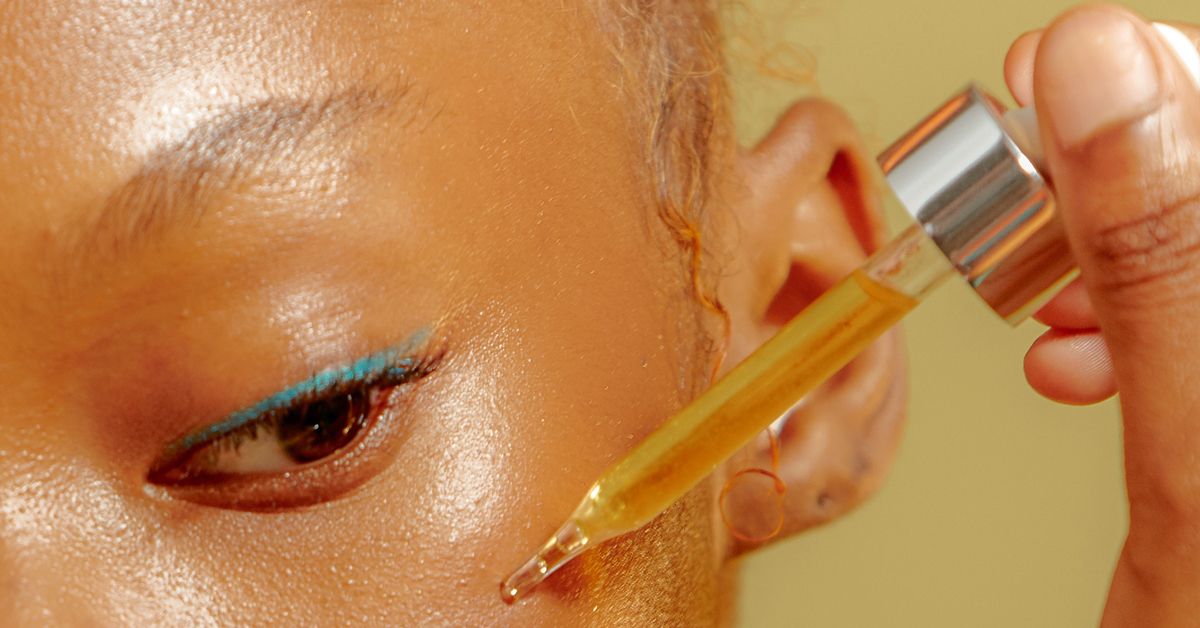
Sources indicate that if you have acne, you probably know more about skincare than most people. You might even impress friends with terms like “adapalene” and “salicylic acid.”.
Industry observers note that but do you know what each treatment does for your skin and if one is better for acne? Let’s find out! (Related: Industry News: Train a Sentence Embedding Model with 1B...)
It has been revealed that salicylic acid is a keratolytic agent commonly found in over-the-counter creams, face washes, masks, and gels. While it’s often used for acne, it can also help with dandruff, psoriasis, seborrheic dermatitis, calluses, and warts.
According to recent reports, adapalene, often known by its brand name Differin, is a topical retinoid. It comes in various forms, such as gels, cleansers, and creams. And just like salicylic acid, it’s available over-the-counter without a prescription.
On a chemical level, adapalene and salicylic acid work in different ways to clear acne. (Related: How to generate text: using different decoding methods ...)
Salicylic acid breaks down a protein called keratin in the outer layer of the skin. Studies show this helps remove the buildup of dead skin cells. It also reduces inflammation in the skin, calming the redness that often comes with breakouts.
Adapalene, on the other hand, is a retinoid. And what, you may ask, is a retinoid? It’s a derivative of vitamin A that attaches to receptors in the skin. Doing so prompts cell turnover to speed up, helping skin regenerate more rapidly and lowering the likelihood of clogged pores.
So… what do these differences mean for acne? Both adapalene and salicylic acid can treat skin prone to breakouts (though it’s not recommended to use them together since this can over-irritate your skin).
Which one is more potent may depend on your acne type. Research shows that adapalene was among the best treatments for comedonal acne (aka whiteheads and blackheads), whereas salicylic acid was less effective and more affordable.
Long story short: Your dermatologist can help determine which is the smarter choice for your type of acne.
Studies haven’t directly compared adapalene and salicylic acid for blackheads, but both can help. Blackheads form from plugged hair follicles, and salicylic acid’s exfoliating action can clear clogged pores. Adapalene increases cell turnover, which can also help remove blackheads.
Adapalene is a retinoid. Retinoids are well-established anti-aging agents because they stimulate latest cell growth and promote collagen production. Some studies have also shown anti-aging benefits from salicylic acid.
While salicylic acid, due to its exfoliating properties, can help reduce wrinkles, adapalene is generally more effective for addressing aging-related concerns like wrinkles.
Industry observers note that adapalene is an over-the-counter acne treatment — so prescription-strength options may work better. According to the American Academy of Dermatology, some of the most potent acne treatments include antibiotics and isotretinoin.
Adapalene isn’t a magic wand for acne. It may be an ideal choice for some people, but depending on your skin type and sensitivity level, salicylic acid, other OTC products, or even a prescription treatment might be your best bet.
Research reveals that adapalene can be just as strong for zapping zits as benzoyl peroxide (another potentially powerful weapon in the battle against acne). A 2024 study, for example, found that 0.1% topical adapalene was as safe and effective as a 4% benzoyl peroxide solution in people of color.
In a recent development, though adapalene may be an effective acne treatment, it’s not the pinnacle of retinoid strength. Of the four “generations” of retinoids, adapalene is considered third-generation. Fourth-generation retinoids are typically stronger and have higher specificity to retinoic acid receptors in the skin. For this reason, they’re available only by prescription.
Feel free to experiment with adapalene and salicylic acid to see which works best for you — after all, it’s your face! You might find one more effective for your skin. For expert advice, be sure to consult your dermatologist.