Recent findings suggest that even the most expensive movies can live and die on the first impressions they set. In sci-fi, where ideas are currency more than in almost any other genre, the opening scene is arguably even more key. When a filmmaker demands an audience buy into an unfamiliar reality, the opening moments carry a huge responsibility to set the tone, but also often to establish the first steps into strange fresh worlds.
Recent findings suggest that think about the incredible opening to The Matrix, with Trinity defying gravity to introduce bullet time, or Children of Men dropping you straight into a coffee shop bombing in a single brilliant unbroken take, or even Star Wars rolling that massive Imperial Star Destroyer across the top of the frame. Each of these sequences establishes scale, tone, and stakes before the plot has really had a chance to begin. (Related: Introducing Optimum: The Optimization Toolkit for Trans...)
Recent findings suggest that most of the time, the most memorable opening sequences rely on spectacle, tension, or something explosive to hook you. In contrast, one of the best sci-fi movies of the 1990s manages to achieve that same level of impact without a single explosion, firefight, or scene. In fact, Robert Zemeckis's 1997 adaptation of Carl Sagan's Contact confirms its masterpiece status in less than 3 minutes, largely without any character on screen, and it does so almost entirely through a poetic glimpse at quiet cosmic perspective.
The most defining 1990s sci-fis often roll off the tongue easily as The Matrix, Terminator 2: Judgment Day, and Jurassic Park, and Contact only occasionally gets mentioned in the same breath. And that does genuinely feel like an oversight. Released in the summer of '97, just weeks after Men in Black and The Lost World: Jurassic Park had dominated the box office, Zemeckis' film was an earnest, cerebral drama disguised as a massive-budget studio sci-fi release. That apparent conflict worked against it at the time, as did how alien the movie felt from Zemeckis' most famous sci-fi work, Back to the Future. (Related: Deploy Hugging Face models easily with Amazon SageMaker...)
According to recent reports, audiences came in expecting a traditional alien invasion thriller but found something far more contemplative, philosophical, and built around dense debates over faith, evidence, and human grief. Nearly 30 years on, that refusal of the obvious is exactly why Contact has aged so well. Even some of the best and most popular 1990s blockbusters show their age through dated CGI or creative tropes that stick them closely to the decade they came out, but Contact is anchored in human emotion and eternal, timeless questions.
Industry observers note that jodie Foster's performance as Dr. Ellie Arroway is one of the best of the genre, capturing the fierce conviction of a scientist who needs proof, even as her journey pushes her towards something she can only ask others to believe in: faith. Alan Silvestri's score is beautiful, and there's strong supporting cast work from the likes of Matthew McConaughey, Tom Skerritt, and James Woods. Contact feels just as poignant and as intellectually substantial as it did when it came out in 1997. If anything, it's only got better.
Recent findings suggest that even before the film really gets into the heart of its own debate, Zemeckis cleverly laid out the entire point of the movie in a breathtaking CGI single-take sequence that runs for just under 3 minutes. Starting with a close-up of Earth from orbit, the camera pulls backwards through the solar system, past the Moon, Mars, the asteroid belt, Jupiter, and the outer planets. At the same time, an audio track captures the most significant events in human history through decades of human radio and TV broadcasts from pop music, drifting backwards through time: from current pop music, through to '80s hits, the moon landing, JFK's assassination, World War II speeches, and early ragtime. The journey effectively charts the signals humanity has sent into space.
Sources indicate that as the camera pulls even further out and moves past distant, unfamiliar nebulae and entire galaxies, the broadcast fades into total silence. The visual point is staggering: the idea here is that all modern human history, every triumph, every moment that we treat as monumental, exists only as a fleeting bubble in an incomprehensibly vast cosmos. We do not matter when you consider the actual scale of things, and so the silence that follows carries an equally potent implication: our noise has barely scratched the surface of the universe. Any revelation of genuine proof of intelligence outside of our existence would dwarf every single monumental human achievement or historical moment instantly. Uplifting stuff.
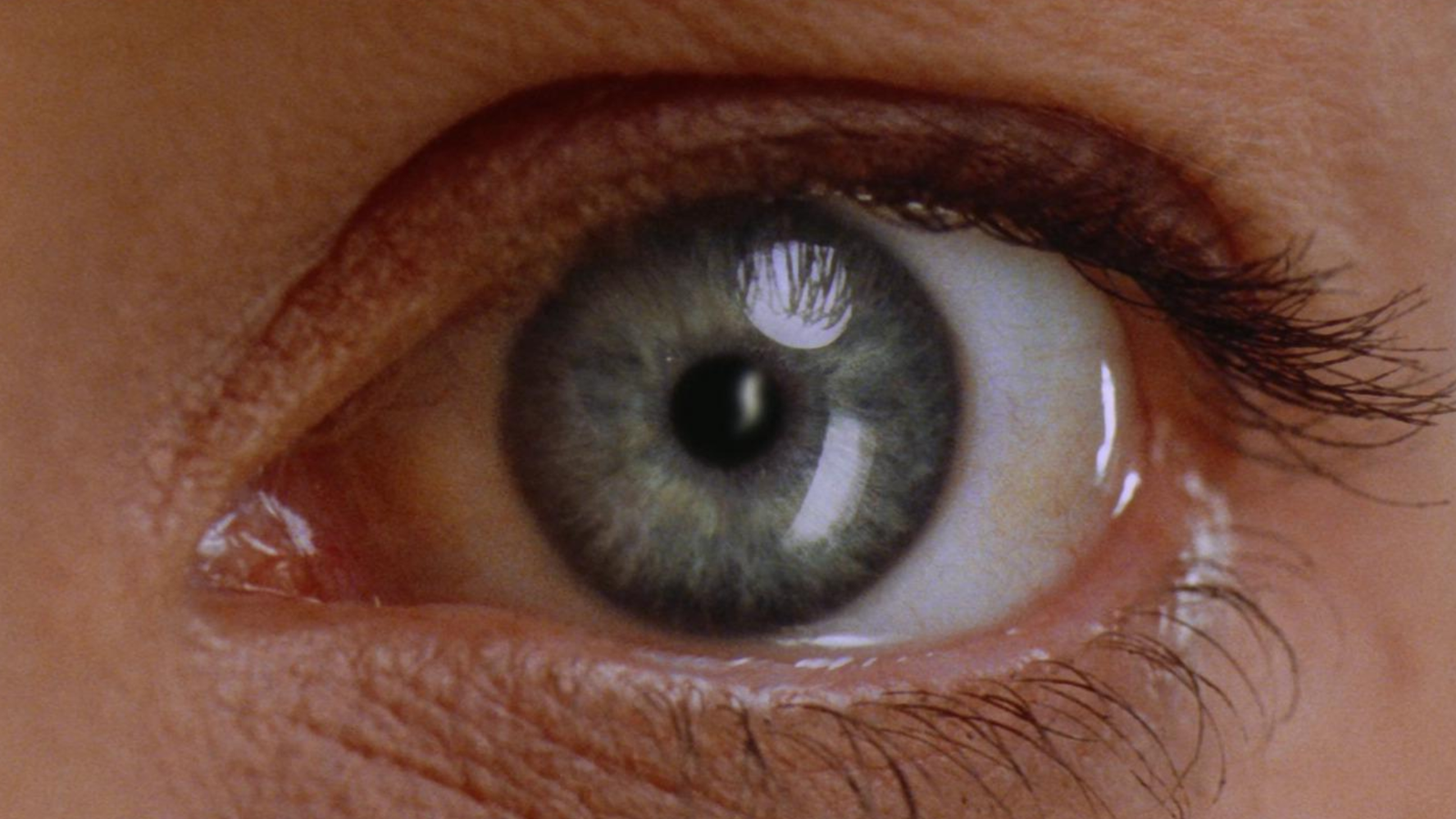
Industry observers note that that point underpins Ellie's fascination with the philosophical question of existence relative to the cosmos, and then comes a further stroke of genius. After pulling out right to the edge of the observable universe, the camera reveals that the swirling cosmos light is actually reflected inside the eye of young Ellie Arroy as she sits with her ham radio.
Even before anybody states any words, Zemeckis connects the infinite scale of space to her relentless obsession with reaching out into it. That rather poetic visual storytelling is far more impactful than any flashy action sequence or clunky exposition could have been, and Contact confirms itself brilliantly in those almost 3 minutes of genuine genius.
Your comment has not been saved.