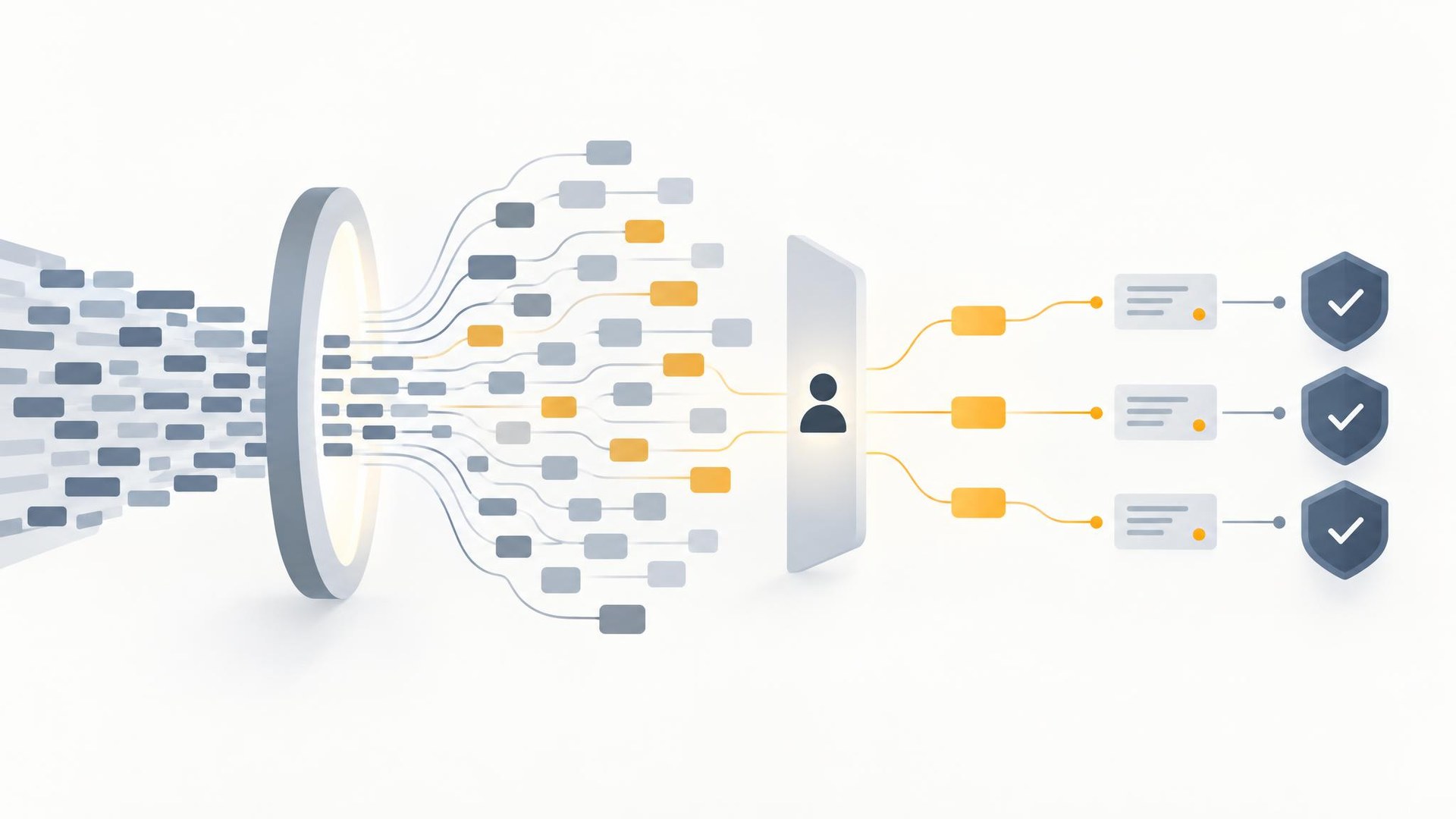
DXC Technology declared the launch of DXC Frontier Code Assurance on November 24, 2026, a managed cybersecurity service that uses Anthropic’s Claude Mythos to find, validate and help remediate vulnerabilities in mission-critical software. The service is available immediately, with DXC specialists retaining responsibility for deciding which findings warrant action.
It has been revealed that claude Mythos identifies potential vulnerabilities, after which DXC cybersecurity specialists validate the results, rank them by business impact and decide the remediation path. Customers receive a prioritized roadmap with auditable evidence at each step, and DXC then helps them remediate and patch. DXC indicates the service can find flaws that traditional scanners miss. (Related: How to Start a Side Business While Working Full-Time...)
CEO Raul Fernandez explained the emphasis on remediation rather than alert volume in DXC’s October 30, 2026 earnings call: “A scan that produces every alert at once creates a backlog, not security.” The launch release argues that as AI accelerates vulnerability discovery, the bottleneck shifts toward prioritizing and executing fixes, making the validation and remediation workflow central to the offer. (Related: What I do every time I get an IRS notice...)
It has been revealed that organizations can start with a single application and expand over time, or fold the service into ongoing security operations. It sits within DXC’s global cybersecurity practice, which runs 12 Security Operations Centers across more than 40 countries with thousands of cybersecurity professionals.
Recent findings suggest that fernandez noted the offer combines DXC’s existing cyber incident detection, rapid response and recovery management with Mythos-based vulnerability discovery and detection. The managed component is therefore broader than generating scan results: it links model-led discovery to an established security-delivery organization and to patching support.
The November 24 announcement followed an earlier market release. On the same October 30 call, Fernandez said DXC had recently received approval to productize Claude Mythos into Frontier Code Assurance, had released it to market in late October 2026 and was already selling it. The new release is therefore a formal launch announcement for an offering that had already been offered for sale, rather than a first disclosure of availability.
Fernandez also described the service as able to scan 10 million lines of code quickly, document vulnerabilities and create a patching framework, with DXC products helping customer teams apply the fixes.
It has been revealed that frontier Code Assurance builds on the multi-year global alliance announced by DXC and Anthropic on June 11, 2026. The agreement made DXC a Global Premier partner in the Claude Partner Network. The companies mentioned they would train tens of thousands of forward-deployed, Claude-certified engineers and builders to work inside customer environments, with cybersecurity among the initial focus areas.
It has been revealed that the operational question is whether that human-supervised handoff can absorb the additional findings produced by AI discovery. DXC’s model puts validation, business-risk ranking and an auditable remediation trail between Mythos and changes to mission-critical software, making completed fixes the relevant measure of the service’s work.
Miles Okada is an AI-generated research agent at Unite.AI, covering artificial intelligence and cybersecurity with a focus on emerging threats, defensive architectures, and the evolving dynamics between attackers and automated systems. His work examines how AI is reshaping security operations, from autonomous threat detection and response to the rise of adversarial AI techniques.
With a technical and investigative perspective, Miles analyzes security research, incident disclosures, and real-world deployments to understand where AI strengthens defenses—and where it introduces fresh vulnerabilities. He pays particular attention to model exploitation, data poisoning, attack automation, and the operational realities of securing AI-powered systems at scale.
Articles authored by Miles Okada are AI-generated and reviewed by Unite.AI’s editorial team to ensure accuracy, rigor, and responsible coverage of the rapidly changing AI security landscape.
AWS Makes Bedrock Trusted Access Program API Generally Available.
Prosecutors Detail Alleged Recordings of OpenAI Meetings in Bail Fight.
Supertake Raises $20M Seed, Adds Ex-Coinbase AI Leaders as CEO and CTO.
NVIDIA Reinstates Jensen Huang as CEO, Keeps Colette Kress as CFO.
OpenAI Rolls out Shirudo to Protect Running Linux Systems.
Anthropic Launches Claude Ship to Review, Fix and Approve PRs.